
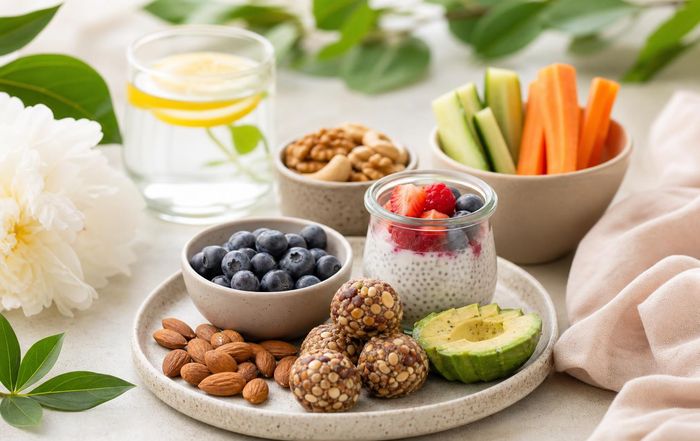
Wellness Snacks That Fit a Skin-Friendly Lifestyle
The New Intersection of Beauty, Nutrition, and Everyday Snacking
The global beauty conversation has expanded far beyond serums, moisturizers, and cosmetic procedures to include something far more fundamental and intimate: the everyday snacks people choose to eat. For the audience of BeautyTipa and its international community across North America, Europe, Asia, Africa, and South America, the idea that glowing skin is built in the kitchen as much as in the bathroom cabinet is no longer a niche belief but a central pillar of modern self-care. As wellness culture matures, the snack aisle has become a critical frontier where convenience, pleasure, and dermatological health intersect, reshaping how consumers think about both beauty and food.
What distinguishes this new era is the convergence of scientific understanding, digital transparency, and a more holistic mindset that recognizes skin as both a beauty marker and a health indicator. Dermatologists, nutrition scientists, and forward-thinking brands are aligning around the insight that skin-friendly snacking is not about rigid restriction but about strategically choosing ingredients that support the skin's barrier, microbiome, and inflammatory balance. On BeautyTipa, this philosophy already underpins always updated content across beauty, wellness, skincare, and food and nutrition, and it continues to shape how readers in the United States, United Kingdom, Germany, Canada, Australia, and far beyond redefine what it means to "eat for beauty" in a realistic, sustainable way.
Why Skin-Friendly Snacking Matters More Than Ever
The skin is now widely understood as a dynamic organ that reflects internal balance, chronic stress, and long-term lifestyle patterns. Institutions such as the American Academy of Dermatology explain that diet can influence conditions like acne, rosacea, and premature aging, especially through pathways related to inflammation, glycation, and oxidative stress. Readers who follow emerging research from organizations like the Harvard T.H. Chan School of Public Health increasingly recognize that ultra-processed snacks high in refined sugars and trans fats can trigger systemic inflammation, which may manifest as breakouts, dullness, or increased sensitivity. Learn more about how nutrition shapes overall health and appearance through resources on healthy eating patterns.
At the same time, the modern workday, whether in London, New York, Berlin, Singapore, or São Paulo, has become more fragmented and screen-intensive, with many professionals relying on quick snacks to bridge long meetings, hybrid commutes, and late-night deadlines. This shift means that snacking is no longer an occasional indulgence but a structural part of daily caloric intake. Research from organizations such as the World Health Organization and Public Health England has highlighted the rising share of calories coming from snacks, underscoring the importance of choosing nutrient-dense options that support metabolic and skin health rather than undermine them. For BeautyTipa's business-focused readers, who often explore business and finance and jobs and employment, the quality of those snack decisions has direct implications not only for appearance but also for energy, focus, and long-term productivity.
In this context, a skin-friendly snacking strategy becomes a practical, high-leverage tool. It allows individuals to improve their complexion, support their immune system, and stabilize mood without overhauling their entire diet overnight. By making targeted changes to what they reach for between meals, readers can align their daily habits with the values of longevity, performance, and confidence that drive the broader wellness and beauty economy.
The Science Behind Snacks and Skin Health
Understanding which snacks support a skin-friendly lifestyle requires a basic grasp of how specific nutrients interact with the skin's structure and function. Dermatology research from institutions such as the Cleveland Clinic and Mayo Clinic has consistently emphasized the role of antioxidants, essential fatty acids, amino acids, and certain vitamins and minerals in maintaining a resilient, radiant complexion. Those nutrients influence collagen synthesis, sebum regulation, barrier integrity, and the ability of skin cells to repair oxidative damage from pollution and ultraviolet exposure.
Antioxidant-rich foods, including berries, dark-colored fruits, and certain nuts, help neutralize free radicals generated by environmental stressors and normal metabolism. Organizations like the National Institutes of Health provide detailed information on vitamins C and E, which are central to collagen formation and photoprotection, and which can be integrated into snacks such as citrus segments, kiwi slices, or a modest portion of almonds. Learn more about the role of antioxidants in overall health through resources on micronutrients and skin.
Equally important are omega-3 fatty acids, found in foods like walnuts, chia seeds, and fatty fish, which support the skin's lipid barrier and help modulate inflammatory pathways. The European Food Safety Authority and other regulatory bodies have documented the benefits of these fats for cardiovascular and cognitive health, and the same mechanisms often translate into calmer, less reactive skin. When readers in Scandinavia, Japan, or South Korea choose snacks such as seaweed crisps or salmon-based options, they are unconsciously tapping into a long tradition of skin-supportive eating patterns grounded in marine-based nutrients.
Protein, too, plays a crucial role, as amino acids are the building blocks of collagen and elastin. High-quality protein snacks, such as Greek yogurt, edamame, or minimally processed protein bars, can help maintain the structural integrity of skin while supporting satiety and stable blood sugar. Institutions like the Academy of Nutrition and Dietetics offer guidance on balanced protein intake, which is particularly relevant for active BeautyTipa readers who also explore health and fitness content and seek to align their gym routines with their complexion goals.
Finally, the gut-skin axis has become a central theme in 2026, with scientific bodies such as the British Association of Dermatologists and research published via platforms like Nature highlighting how the microbiome influences inflammatory skin conditions and barrier function. Fermented snacks including kefir, kimchi, miso, and unsweetened yogurt can support a diverse gut microbiota, which in turn may help manage conditions such as eczema and acne. Learn more about the evolving understanding of the microbiome through resources on gut health and systemic inflammation.
Global Trends in Skin-Conscious Snacking
Across the markets that matter most to BeautyTipa's readers-particularly the United States, United Kingdom, Germany, Canada, Australia, France, Italy, Spain, the Netherlands, Switzerland, China, South Korea, Japan, and Singapore-brands and consumers are redefining what it means to snack well. The shift is visible in supermarket shelves, online subscription services, and even vending machines in corporate offices and co-working spaces.
In North America, major retailers and wellness-focused chains have expanded their offerings of low-sugar, high-fiber snack bars, roasted chickpeas, and vegetable-based chips made from kale, beetroot, and sweet potato. Reports from the International Food Information Council show that consumers increasingly read ingredient lists and prioritize recognizable components such as nuts, seeds, and whole grains, which align with a skin-friendly approach by reducing glycemic spikes and providing beneficial fats. Across Europe, particularly in the Nordic countries, Germany, and the Netherlands, there is a strong emphasis on minimally processed snacks and organic certifications, reflecting a cultural preference for transparency and sustainability that also benefits skin by reducing exposure to certain additives and excessive sodium.
In Asia, and especially in South Korea and Japan, the integration of beauty and snacking is highly advanced, reflecting the influence of K-beauty and J-beauty philosophies. Functional snacks enriched with collagen peptides, hyaluronic acid, and vitamin C are widely marketed as "inner beauty" products, and they are often paired with topical routines that BeautyTipa frequently explores in sections such as trends and technology beauty. Companies in Seoul and Tokyo experiment with jelly sticks, beauty drinks, and fortified gummies that position skin health as a daily, enjoyable ritual rather than a medical regimen.
In regions such as Brazil, South Africa, and Thailand, local ingredients like açaí, rooibos, and tropical fruits are being incorporated into snacks that combine traditional flavors with modern health claims. Organizations like the Food and Agriculture Organization of the United Nations emphasize the importance of biodiversity and traditional food systems, and many of these indigenous ingredients are naturally rich in antioxidants and phytonutrients that support healthy skin. Learn more about the value of diverse plant-based diets through global resources on sustainable nutrition.
Key Nutrient Profiles for Skin-Friendly Snacks
For BeautyTipa's audience, which spans beauty enthusiasts, wellness professionals, brand founders, and corporate leaders, understanding the nutrient profiles that define a skin-friendly snack can clarify purchasing decisions and product development strategies. Rather than focusing on isolated "superfoods," the most effective approach emphasizes balanced combinations that stabilize blood sugar, reduce inflammatory load, and supply the building blocks for strong, hydrated skin.
Complex carbohydrates with low to moderate glycemic impact, such as oats, quinoa, and legumes, help provide sustained energy without causing the insulin spikes that can exacerbate acne and contribute to collagen breakdown through glycation. Institutions like the Glycemic Index Foundation provide data on how different foods affect blood sugar, and this information can guide choices toward snacks like oat-based energy bites, lentil crisps, or hummus with whole-grain crackers.
Healthy fats, particularly monounsaturated fats from olives, avocados, and certain nuts, and polyunsaturated fats from seeds and fatty fish, support the skin's lipid barrier and help maintain softness and elasticity. Resources from the American Heart Association explain how these fats support cardiovascular health, and the same principles apply to dermal resilience. Combining these fats with fiber-rich fruits or vegetables, such as apple slices with almond butter or carrot sticks with tahini dip, creates snacks that are both satisfying and aligned with complexion goals.
Hydration is another critical factor, not only through water but also via water-rich foods like cucumbers, berries, and citrus fruits, which provide electrolytes and phytonutrients. Organizations such as the European Hydration Institute have highlighted the role of consistent hydration in cognitive performance and physical health, and by extension, well-hydrated skin appears plumper and more luminous. Pairing hydrating foods with electrolytes and antioxidants, for example in a snack of orange segments with a small handful of pistachios, can support both appearance and energy.
Protein and collagen-related nutrients are particularly relevant for readers concerned with aging gracefully. While debates continue about the bioavailability of oral collagen, resources such as Healthline and Cleveland Clinic describe how adequate protein, vitamin C, zinc, and copper collectively support collagen synthesis. Snacks that combine Greek yogurt with berries, or tofu with sesame seeds, naturally supply many of these components without requiring heavily fortified products.
How BeautyTipa Readers Are Redefining Daily Routines
For the community engaging with BeautyTipa, skin-friendly snacking is not an isolated trend but an extension of a broader lifestyle that integrates routines, guides and tips, brands and products, and fashion into a coherent personal strategy. Readers in London, New York, Berlin, Paris, Seoul, and Sydney increasingly approach their day as a sequence of micro-decisions that cumulatively shape their well-being and appearance.
Morning routines often begin not only with a curated skincare regimen but also with a first snack or mini-meal that sets the tone for the day. Instead of sugary pastries or energy drinks, many professionals now opt for options such as unsweetened yogurt with chia seeds, a small smoothie rich in leafy greens and berries, or a handful of nuts paired with a piece of fruit. These choices support stable energy and a calmer complexion during the high-stress early hours of work, and they align with the type of routines frequently discussed across BeautyTipa's wellness and skincare content.
Midday and afternoon snacking patterns have also evolved. In corporate offices in Toronto, Zurich, and Singapore, as well as in remote workspaces across Europe and Asia, there is growing demand for snack options that are both professional and health-conscious. Employers who follow research from organizations like McKinsey & Company and Deloitte on employee well-being and productivity increasingly provide fruit, nuts, and minimally processed snack packs instead of only sugary treats. Learn more about how workplace wellness programs influence performance through resources on corporate health initiatives.
Evening routines, often a challenge for those who associate relaxation with comfort foods, are shifting as well. Readers who engage with BeautyTipa's excellent events coverage and international insights are experimenting with herbal teas, dark chocolate with high cocoa content, and small plates of vegetables with hummus or guacamole as alternatives to high-sodium, high-sugar options. These shifts support better sleep quality and overnight skin repair, as institutions like the National Sleep Foundation emphasize the role of stable blood sugar and reduced caffeine intake in optimizing restorative rest. Learn more about the connection between sleep and skin regeneration through resources on sleep hygiene and health.
The Role of Brands, Technology, and Transparency
For companies operating at the intersection of beauty, wellness, and food, the rise of skin-friendly snacking represents a strategic opportunity. Brands that can credibly demonstrate expertise, scientific grounding, and ethical sourcing are particularly well positioned in 2026, as consumers demand both performance and values alignment. BeautyTipa's coverage of technology beauty and business and finance frequently highlights how data, personalization, and sustainability are reshaping the competitive landscape.
Technology is a major driver of this shift. Digital platforms and apps allow consumers to scan barcodes, evaluate ingredient lists, and cross-reference potential triggers such as high-glycemic sweeteners, artificial colors, or excess sodium. Organizations like Consumer Reports and Environmental Working Group provide tools and databases that help users evaluate product quality and potential health concerns, while wearables and health-tracking apps correlate dietary patterns with skin outcomes over time. Learn more about consumer product evaluation through resources on independent product testing.
Artificial intelligence and machine learning are also enabling more personalized recommendations. Beauty and wellness startups in the United States, United Kingdom, and Asia are experimenting with platforms that combine skin imaging, lifestyle questionnaires, and genetic data to suggest snack options tailored to individual sensitivities and goals. As this technology matures, it will likely integrate with e-commerce ecosystems, allowing readers to move from a BeautyTipa article on skin-friendly snacking directly to curated product assortments that reflect their region, dietary preferences, and ethical priorities.
Transparency and sustainability have become non-negotiable elements of brand trust. Organizations such as the Ellen MacArthur Foundation and the UN Environment Programme emphasize the importance of circular packaging, responsible sourcing, and reduced food waste, and these priorities resonate strongly with BeautyTipa's international audience. Learn more about sustainable business practices and their role in the future of beauty and food through resources on circular economy models. Skin-friendly snacks that rely on diverse plant ingredients, regenerative agriculture, and minimal processing not only support individual health but also align with broader environmental and social goals, reinforcing the sense that beauty and wellness are inseparable from planetary well-being.
Regional Nuances and Cultural Perspectives
While the principles of skin-friendly snacking are broadly consistent across geographies, regional nuances play an important role in how these habits are expressed. For BeautyTipa's global readership, understanding these differences can inspire new ideas and foster a more inclusive view of what a skin-supportive diet can look like.
In Mediterranean countries such as Italy, Spain, France, and Greece, traditional snacking patterns already align closely with modern dermatological recommendations. Olive oil, nuts, fresh fruits, and vegetables are common components of small plates and aperitivo culture, and research from institutions like the Mediterranean Diet Foundation and various European universities has documented the benefits of this pattern for cardiovascular and skin health. Learn more about Mediterranean-style eating and its role in healthy aging through resources on Mediterranean diet principles.
In East Asia, fermented foods, seaweed, and green tea are central to everyday snacking and beverage choices. Matcha, rich in catechins, and snacks incorporating seaweed or soy-based ingredients provide antioxidants and anti-inflammatory compounds that support skin clarity and resilience. Organizations like the Japan External Trade Organization and various academic institutions have highlighted the health benefits of traditional Japanese and Korean diets, which often translate into the luminous, hydrated complexions admired worldwide.
In the Nordic countries, including Sweden, Norway, Denmark, and Finland, there is a strong emphasis on local, seasonal produce, whole grains, and fish, which naturally leads to snacks that are rich in omega-3 fatty acids, fiber, and antioxidants. This approach aligns with public health guidance from agencies such as the Nordic Council of Ministers, which promote sustainable dietary patterns that support both health and environmental goals.
In emerging markets across Africa and South America, traditional ingredients such as sorghum, millet, cassava, açaí, and moringa offer powerful nutritional benefits that can be integrated into modern snack formats. International organizations and local entrepreneurs are beginning to explore how these crops can anchor new product categories that serve both local communities and global consumers, expanding the palette of skin-friendly options beyond the familiar Western superfoods.
Integrating Skin-Friendly Snacks into a Holistic Lifestyle
For readers and member subscribers of BeautyTipa, the ultimate value of skin-friendly snacking lies in integration rather than perfection. A single snack will not transform a complexion overnight, but consistent choices, aligned with an overall lifestyle that includes thoughtful skincare, movement, sleep, and stress management, can produce visible and lasting results. The site's unique and daily coverage across beauty, wellness, skincare, health and fitness, and food and nutrition reflects this multidimensional perspective.
Professionals in demanding roles, entrepreneurs in the beauty and wellness space, and consumers navigating complex global markets all benefit from a framework that is both evidence-based and adaptable. By focusing on whole, minimally processed ingredients, prioritizing antioxidants, healthy fats, and quality protein, and being mindful of sugar and sodium, individuals can build a repertoire of snacks that support clear, resilient, and youthful-looking skin. At the same time, honoring cultural preferences, regional availability, and personal enjoyment ensures that these habits are sustainable rather than restrictive.
As the beauty and wellness industries continue to converge, and as technology makes it easier to personalize and track dietary choices, the role of everyday snacks in shaping skin health will only grow more prominent. For BeautyTipa and its global audience, this evolution represents not just a trend but a long-term shift toward a more integrated, informed, and empowered approach to self-care-one in which every bite can be both a pleasure and an investment in visible, lasting radiance.
