
The Rise of Personalized Beauty Consultations Online
A New Era for Beauty: From Counter Conversations to Connected Experiences
Personalized beauty consultations have shifted from being a luxury service offered at select in-store counters to a mainstream digital experience that shapes how consumers discover products, build routines, and engage with brands across the globe. The evolution from traditional, face-to-face advice to sophisticated online consultations reflects broader changes in digital commerce, data-driven personalization, and consumer expectations around convenience, inclusivity, and transparency. For awesome fashionable people here, this transformation is not merely a change in channel; it is a redefinition of what expertise, trust, and care mean in the beauty and wellness economy.
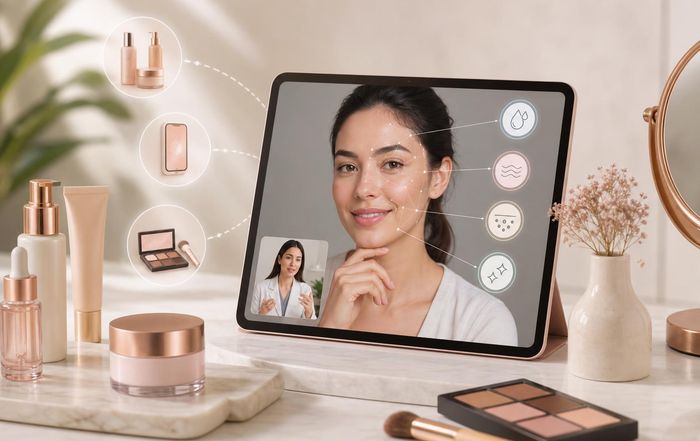
As beauty enthusiasts in the United States, Europe, Asia, and beyond increasingly turn to online platforms for product discovery and education, the notion of a beauty consultation has expanded to include AI-powered skin analysis, video-based coaching, and integrated routines that cross boundaries between skincare, makeup, wellness, and even nutrition. The convergence of technology and human expertise is redefining how consumers experience beauty, and BeautyTipa is positioned at the intersection of this shift, curating insights that help readers navigate a rapidly changing landscape while preserving a human-centric approach to care.
How Digitalization Reshaped Beauty Advice
The digitalization of beauty consultations began well before 2026, but the acceleration over the past several years has been driven by advances in e-commerce, social media, and remote communication tools. During the early 2020s, global health restrictions and store closures pushed consumers toward virtual services, and many first-time users discovered that online consultations could be not only convenient but also highly tailored and data-informed. As online retail matured, platforms integrated richer content, including step-by-step routines, interactive quizzes, and live chat with trained advisors, making virtual consultations a natural extension of an already digital discovery journey.
Major beauty retailers and brands such as Sephora, Ulta Beauty, L'Oréal, and Estée Lauder invested heavily in online advisory services, from live video sessions to AI-driven product recommendations. At the same time, independent experts, dermatologists, and licensed estheticians began offering virtual consultations from their own websites or through telehealth platforms. Resources such as the American Academy of Dermatology and Cleveland Clinic helped normalize teledermatology and remote skincare guidance, reinforcing the legitimacy of digital consultations as a complement to in-person care. For readers exploring comprehensive skincare insights on BeautyTipa, this shift aligns with the platform's commitment to evidence-based guidance, as reflected in its dedicated skincare section.
The Technology Behind Personalized Online Consultations
The rise of personalized beauty consultations online is inseparable from advances in digital technology. High-resolution smartphone cameras, faster mobile networks, and cloud-based computing have made it possible to analyze skin, hair, and facial features remotely with a level of detail that would have been unthinkable a decade ago. Leading companies such as Perfect Corp., ModiFace (acquired by L'Oréal), and Revieve have developed AI and augmented reality (AR) solutions that enable virtual try-on, skin diagnostics, and tailored product recommendations in real time.
These technologies rely on computer vision, machine learning, and large datasets of annotated images to detect concerns such as uneven tone, fine lines, acne, and hyperpigmentation. Consumers can upload a selfie or participate in a live video scan, after which algorithms generate personalized insights and suggest products or routines. While these tools do not replace medical diagnosis, they provide a level of personalization that aligns with the expectations of digitally savvy consumers, particularly in markets such as the United States, South Korea, and Japan where technology adoption in beauty has been especially strong. Those interested in the broader intersection of technology and beauty can explore more at BeautyTipa's technology and beauty hub.
In parallel, advances in data analytics and customer relationship management allow brands to integrate information from quizzes, purchase histories, and consultation notes, enabling ongoing personalization rather than one-off advice. Organizations such as the World Economic Forum and McKinsey & Company have documented how data-driven personalization can drive customer loyalty and growth across sectors, and the beauty industry has been a leading adopter of these practices.
AI, AR, and Human Expertise: Finding the Right Balance
While AI and AR tools provide scale and speed, the most effective personalized beauty consultations online combine technology with human expertise. Consumers increasingly understand that algorithms can support but not fully replace the nuanced judgment of trained professionals, particularly when dealing with sensitive skin, complex conditions, or cultural and regional differences in beauty practices. Dermatologists, cosmetic chemists, makeup artists, and licensed estheticians play a vital role in interpreting digital assessments, adjusting recommendations based on lifestyle and health factors, and building long-term trust.
Telehealth platforms and professional organizations, including Mayo Clinic and the National Institutes of Health, have emphasized that while digital tools can enhance access, human oversight remains crucial for safe and effective care. In beauty, this translates into hybrid models where an initial AI scan is followed by a live video consultation, or where human advisors review algorithmic recommendations before they are shared with the client. For BeautyTipa, which emphasizes Experience, Expertise, Authoritativeness, and Trustworthiness, highlighting the credentials of experts and clarifying the boundary between cosmetic advice and medical guidance is central to maintaining credibility with a global audience.
Personalization Across Skincare, Makeup, and Holistic Wellness
Personalized beauty consultations online are no longer limited to selecting a moisturizer or foundation shade; they increasingly span entire routines and integrate aspects of wellness, nutrition, and lifestyle. In North America and Europe, consumers often begin with a skin analysis that leads to a structured regimen of cleansers, serums, moisturizers, and sun protection, while in markets such as South Korea and Japan, multi-step routines rooted in local beauty cultures are adapted to individual concerns and preferences. Readers can explore comprehensive routine-building advice in BeautyTipa's dedicated routines section, which reflects these diverse regional practices.
Makeup consultations have similarly evolved, with AR-powered try-on tools allowing users in the United Kingdom, Germany, Canada, and beyond to experiment with lip, eye, and complexion products from home, while professional makeup artists provide guidance on technique, shade selection, and occasion-specific looks via video. Platforms like the British Association of Beauty Therapy & Cosmetology and Cosmetics Europe contribute to professional standards and consumer safety, reinforcing the importance of qualified expertise in digital services.
Holistic wellness has become a critical dimension of personalization as well. Increasingly, online consultations include questions about sleep, stress, diet, and exercise, reflecting growing awareness of how lifestyle impacts skin and overall appearance. Trusted health resources such as the World Health Organization and Harvard T.H. Chan School of Public Health have helped educate consumers on the connections between nutrition, stress management, and skin health. For readers seeking a more integrated approach, BeautyTipa's wellness, health and fitness, and food and nutrition sections provide complementary perspectives that support a whole-person view of beauty.
Trust, Transparency, and the Evolving Role of Brands
As personalized beauty consultations move online, trust and transparency have become defining factors in consumer decision-making. Users want to understand how their data is collected, stored, and used; they also expect clarity around the scientific basis of product claims and the credentials of those providing advice. Regulatory bodies such as the U.S. Food and Drug Administration and the European Commission oversee aspects of cosmetic safety and advertising, but the rapid evolution of AI-driven consultations has outpaced some regulatory frameworks, placing additional responsibility on brands and platforms to self-regulate and communicate clearly.
Leading companies including L'Oréal, Unilever, and Shiseido have increasingly invested in transparency initiatives, publishing information on ingredient sourcing, testing methodologies, and sustainability practices. Consumers in regions such as Scandinavia, Germany, and the Netherlands have been especially vocal in demanding ethical and environmentally responsible products, prompting brands to integrate sustainability into their consultation journeys. Those interested in the broader context can learn more about sustainable business practices through resources provided by the United Nations Environment Programme.
For BeautyTipa, which serves an international audience spanning North America, Europe, Asia, Africa, and South America, curating content that highlights trustworthy brands and evidence-based practices is central to its mission. The platform's brands and products section focuses on detailed analysis rather than superficial endorsements, helping readers distinguish between marketing narratives and substantiated claims.
The Business and Financial Impact on the Global Beauty Industry
The rise of personalized beauty consultations online has had a profound impact on business models, revenue streams, and competitive dynamics across the beauty sector. E-commerce conversion rates tend to increase when consumers receive tailored guidance, and many brands have reported higher average order values and stronger loyalty among users who engage in consultations. Research from organizations such as Deloitte and Accenture has highlighted personalization as a key driver of growth in consumer industries, and beauty is frequently cited as a leading example.
Subscription models have also benefited from this trend, with personalized skincare and makeup boxes curated based on consultation outcomes and updated as needs change. In markets such as the United States, United Kingdom, and Australia, consumers have become comfortable with recurring deliveries, provided that the products remain relevant and the advisory component feels genuinely individualized. For investors and professionals following these developments, BeautyTipa's business and finance section offers insights into how digital consultations are reshaping profitability, customer acquisition, and brand valuation.
At the same time, the shift to online consultations has lowered barriers to entry for smaller and niche brands that can leverage digital platforms to reach customers in multiple regions without extensive physical retail infrastructure. Indie brands focused on clean formulations, inclusive shade ranges, or region-specific ingredients have used personalized consultations as a differentiator, enabling them to compete with global giants by offering highly tailored experiences to targeted communities in markets such as Brazil, South Africa, and Southeast Asia.
Employment, Skills, and New Career Pathways
The growth of personalized beauty consultations online has created new employment opportunities and reshaped skill requirements across the industry. Traditional roles such as beauty advisors and makeup artists have expanded into hybrid positions that require digital communication skills, familiarity with AI tools, and comfort working with clients across cultures and time zones. Beauty professionals now conduct consultations via video, chat, and asynchronous messaging, often serving clients in multiple countries from a single digital platform.
Educational institutions and professional organizations have responded by updating curricula to include digital customer service, social media literacy, and basic data privacy awareness. Platforms such as LinkedIn and industry associations have documented the rise of roles like "virtual skincare consultant," "digital beauty educator," and "AR makeup specialist," reflecting the new landscape of beauty employment. For individuals exploring career opportunities in this evolving field, BeautyTipa's jobs and employment section provides guidance on emerging roles, required qualifications, and regional trends in markets from North America to Asia-Pacific.
Freelance and independent professionals have also benefited from the democratization of consultation tools. With relatively modest investments in technology, a licensed esthetician in Canada or a makeup artist in Italy can build a global client base, offering consultations tailored to specific concerns such as sensitive skin, mature skin, or bridal makeup. This shift has contributed to a more diverse and decentralized ecosystem of expertise, which aligns with BeautyTipa's emphasis on multiple voices and perspectives within beauty and wellness.
Globalization, Localization, and Cultural Sensitivity
While technology enables global reach, effective personalized beauty consultations must also account for local climates, cultural norms, regulatory environments, and aesthetic preferences. A routine designed for a client in humid Singapore may differ significantly from one recommended for a consumer in dry, cold Finland, even if their skin concerns appear similar at first glance. Furthermore, cultural attitudes toward ingredients, fragrance, and sun protection vary widely across regions, requiring nuanced understanding from both human experts and algorithm designers.
International organizations and research institutions such as the OECD and World Trade Organization have noted the broader trend of digital services crossing borders while needing to adapt to local regulation and consumer expectations. In beauty, this is evident in the way brands tailor their consultation scripts, product assortments, and educational content for markets such as China, Japan, and South Korea, which have distinct regulatory frameworks and well-developed domestic beauty industries.
For BeautyTipa, which serves readers across Europe, Asia, Africa, and the Americas, reflecting this diversity is essential. The platform's international section highlights regional trends, regulatory updates, and cultural insights, enabling readers to contextualize global developments in personalized beauty within their own local realities. This global-local perspective strengthens trust by acknowledging that effective personalization must go beyond skin type and shade range to encompass lifestyle, environment, and cultural identity.
Trends, Events, and the Future of Online Consultations
As of 2026, several key trends are shaping the future of personalized beauty consultations online. First, there is a growing emphasis on long-term skin health and prevention rather than short-term cosmetic fixes, with consultations increasingly incorporating education on sun protection, barrier support, and early signs of skin concerns. Organizations such as the Skin Cancer Foundation and national dermatology associations have contributed to public awareness, influencing the questions consumers ask during consultations and the recommendations they receive.
Second, virtual and hybrid events have become important venues for demonstrating consultation technologies and building consumer familiarity. Global beauty trade fairs, conferences, and consumer expos now routinely feature live demonstrations of AI skin analysis, AR try-on, and teleconsultation platforms, with sessions streamed to audiences in regions that cannot attend in person. Readers interested in following such developments can explore coverage of major industry gatherings in BeautyTipa's events section, which tracks both physical and digital happenings.
Third, personalization is expanding beyond products to include content and education. Consultation follow-ups often include tailored guides, tutorials, and habit-building tips delivered via email, apps, or community platforms. This aligns closely with BeautyTipa's role as an educational resource, particularly through its guides and tips section, where complex topics are broken down into actionable advice for audiences from the United States to New Zealand.
Looking ahead, experts anticipate deeper integration between beauty, fashion, and wellness ecosystems, with data from fitness trackers, sleep apps, and even wardrobe management tools informing more holistic consultation outcomes. Research from institutions such as MIT and Stanford University on wearable technology and human-computer interaction suggests that the next generation of personalized beauty may involve continuous, context-aware recommendations rather than periodic consultations.
A Personalized, Connected Beauty World
Within this dynamic landscape, BeautyTipa serves as a guide for readers seeking to understand and benefit from personalized beauty consultations online without losing sight of safety, ethics, and authenticity. By combining coverage of beauty, makeup, wellness, technology, and business, the platform offers a holistic perspective that reflects how consumers actually experience beauty in their daily lives. Whether a reader in France is exploring the latest AR-powered virtual try-on, or a professional in Singapore is considering a career shift into digital consultations, BeautyTipa provides context, analysis, and practical insights.
The platform's editorial approach emphasizes Experience, Expertise, Authoritativeness, and Trustworthiness by drawing on professional knowledge, scientific resources, and industry best practices. It distinguishes between cosmetic advice and medical guidance, highlights the importance of qualified professionals, and encourages readers to consult healthcare providers when needed. At the same time, BeautyTipa recognizes the joy, creativity, and self-expression that beauty offers, ensuring that discussions of AI, data, and regulation do not overshadow the personal and cultural significance of beauty rituals.
As online personalized consultations continue to evolve across regions from North America and Europe to Asia-Pacific, Africa, and South America, the team remains committed to helping its hot audience navigate this transformation thoughtfully. By connecting readers to reliable external resources, spotlighting innovative brands and technologies, and grounding coverage in rigorous analysis, the platform supports informed, empowered choices in a world where beauty is increasingly digital, yet still deeply personal. Visitors can explore this evolving journey across the full breadth of content at BeautyTipa's home page, where beauty, wellness, and technology converge in service of a more personalized and connected future.
