
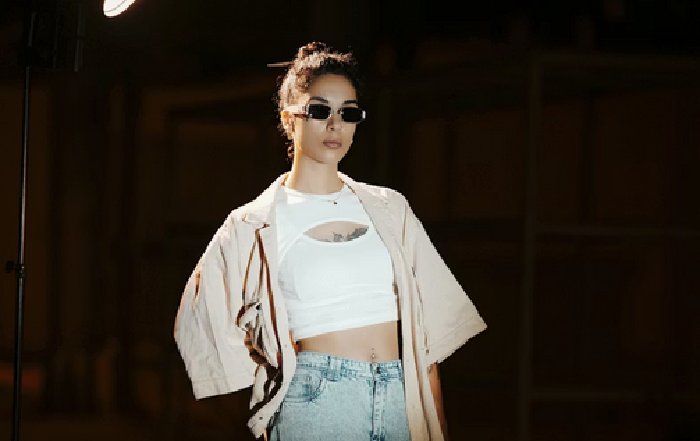
Fashion and Beauty: How Runway Trends Shape Real-World Style
The Runway-to-Real-Life Pipeline
The relationship between high fashion runways and everyday beauty and style has become more immediate, data-driven, and global than at any previous point in the modern fashion era. What begins as a conceptual silhouette in Paris, a bold lip in New York, or a futuristic hair texture in Seoul now finds its way into wardrobes, makeup bags, and skincare routines across the United States, the United Kingdom, Germany, Canada, Australia, France, Italy, Spain, the Netherlands, Switzerland, China, Sweden, Norway, Singapore, Denmark, South Korea, Japan, Thailand, Finland, South Africa, Brazil, Malaysia, New Zealand, and beyond with unprecedented speed. For the editorial and research team at BeautyTipa, this accelerated cycle is not merely a spectacle to observe; it is the core context in which readers build their personal style, refine their beauty routines, and make informed purchasing decisions.
The traditional six-month lag between runway shows and retail availability has largely dissolved as major fashion capitals, supported by digital platforms and advanced analytics, move toward see-now-buy-now models and hyper-responsive supply chains. Leading houses such as Chanel, Dior, Gucci, Prada, and Louis Vuitton are no longer content with influencing only a narrow circle of fashion insiders; instead, they actively shape mass-market trends that quickly appear in high street collections, direct-to-consumer beauty brands, and even supermarket cosmetics aisles. Readers who explore the evolving intersection of fashion and beauty on BeautyTipa, whether through its coverage of beauty or its insights into trends, are engaging with a landscape in which runway aesthetics have become a strategic business force as much as an artistic expression.
From Catwalk Concept to Commercial Product
The pathway from avant-garde runway concept to an accessible product in a local store or online marketplace is now a sophisticated, multi-stage process shaped by global consumer data, influencer culture, and rapid product development cycles. When L'Oréal, Estée Lauder, Shiseido, or LVMH Beauty support a major fashion show, their backstage teams are not only crafting editorial looks for photographers and critics; they are also testing color stories, finishes, textures, and application techniques that can be translated into future product lines, limited editions, and seasonal collections. As industry analysts at organizations such as the Business of Fashion and McKinsey & Company have observed, runway beauty is increasingly treated as a live innovation lab, where brands measure real-time response through social media engagement, search trends, and influencer commentary.
This transformation is visible in the way a single runway detail-a chrome-finished eyeliner from Pat McGrath Labs at a couture show, a blurred lip seen at Hermès, or a glass-skin complexion on a Balenciaga runway-can rapidly inspire accessible versions from mid-market brands in the United States, the United Kingdom, and across Europe and Asia. Consumers in Germany or Canada may never attend a show in Milan or Paris, yet they encounter the distilled essence of those looks through curated collections on e-commerce platforms, editorial features on sites like Vogue or Harper's Bazaar, and explanatory guides on BeautyTipa such as its dedicated sections on skincare and makeup. In this environment, the runway operates less as an exclusive stage and more as the first visible node in a networked system of style influence that eventually reaches everyday consumers in Bangkok, São Paulo, Johannesburg, or Stockholm.
Beauty as Strategy: How Brands Translate Runway Signals
Runway trends are no longer interpreted solely by designers and creative directors; they are rigorously analyzed by cross-functional teams in marketing, product development, and data science. Global conglomerates like Kering, LVMH, and Richemont increasingly rely on machine learning models that ingest social media metrics, search behavior, and online sales data to identify which runway elements resonate most with different regional audiences. A bold neon eyeliner that generates high engagement among Gen Z consumers in South Korea or Japan might be translated into a limited-edition capsule collection, while a minimalist, skin-focused look favored in Scandinavia could inform the launch of new complexion products optimized for colder climates.
At the same time, independent brands and direct-to-consumer labels in markets such as the United States, the United Kingdom, and Australia use runway shows as a visual mood board, but differentiate themselves through sustainability, inclusivity, and localized storytelling. Companies like Glossier, Fenty Beauty, and Huda Beauty have built strong identities by filtering high-fashion aesthetics through the lens of real-life diversity and accessibility, offering products that reflect the aspirational polish of runway beauty while remaining wearable for office environments, hybrid work settings, and social occasions. Readers who turn to BeautyTipa for brands and products coverage are therefore not merely discovering what is "in" this season; they are exploring how the world's most influential labels translate rarefied runway concepts into products that must perform in real, everyday conditions.
Everyday Wear: The Soft Power of Runway-Inspired Style
While runway collections can appear extravagant or impractical at first glance, their influence on daily wear is often subtle, emerging through color palettes, fabric choices, silhouettes, and beauty finishes that gradually become familiar in offices, co-working spaces, cafes, and digital meeting rooms. A season dominated by oversized tailoring at Saint Laurent or Alexander McQueen might result in a widespread preference for relaxed blazers and wide-leg trousers in mainstream retailers, while a focus on ultra-feminine details at Valentino or Miu Miu can reintroduce bows, lace, and pastel tones into mass-market collections in North America, Europe, and Asia.
In beauty, the translation is equally nuanced. A runway season that celebrates "no-makeup makeup" and luminous skin can lead to a surge in demand for hydrating foundations, skin tints, and multi-purpose balms, as consumers seek to emulate the effortless glow seen on models while maintaining practicality for commuting, childcare, or remote work. By contrast, when a major show in New York or London champions graphic eyeliner, metallic pigments, or bold lip colors, the result can be a wave of editorial tutorials, Instagram Reels, and TikTok videos that encourage experimentation for evenings out, events, or creative workplaces. On BeautyTipa, readers interested in routines and guides and tips often look for ways to adapt these high-impact looks into streamlined versions that respect time constraints, skin sensitivity, and professional standards.
Skincare and Wellness: The Invisible Foundations of Runway Beauty
Behind every runway look that captures global attention lies a rigorous skincare and wellness regimen designed to ensure that models' skin, hair, and overall vitality can withstand demanding schedules, heavy makeup, and frequent travel. International backstage teams, including dermatologists, facialists, and nutrition consultants, increasingly draw on research from institutions such as the American Academy of Dermatology and the British Association of Dermatologists to develop protocols that support barrier health, hydration, and resilience. This science-driven approach is reflected in the growing prominence of skincare-first beauty trends, where the emphasis shifts from masking imperfections to enhancing and protecting the skin's natural functions.
These backstage philosophies have a direct impact on consumer behavior, particularly in regions like South Korea and Japan, where skincare routines have long been multi-step and highly ritualized, and in Western markets where interest in skin health has surged since the early 2020s. Consumers now pay close attention to the serums, moisturizers, and sunscreens used by models and makeup artists, often researching ingredients through resources like the National Center for Biotechnology Information or the Mayo Clinic. For BeautyTipa, whose readership engages deeply with wellness and health and fitness, the runway has become a valuable reference point not only for color and style inspiration but also for credible, science-informed approaches to skincare and holistic self-care.
Technology, Data, and the Future of Beauty Influence
The digital transformation of fashion and beauty, accelerated by the rise of virtual try-on tools, augmented reality filters, and AI-powered recommendation engines, has fundamentally altered how runway trends reach consumers and how those consumers, in turn, shape the evolution of style. Major technology players such as Meta, Google, and Apple, alongside specialty firms like Perfect Corp. and Modiface (acquired by L'Oréal), have developed sophisticated systems that allow users to test runway-inspired looks virtually, adjust intensity, and receive personalized recommendations based on face shape, skin tone, and personal preferences. Reports from organizations like the World Economic Forum and Deloitte highlight how these tools are redefining the consumer journey, making it easier for individuals in diverse markets-from Singapore to Brazil-to experiment with trends that once felt geographically or culturally distant.
In this context, platforms like BeautyTipa, particularly through its dedicated section on technology and beauty, serve as interpreters and curators, helping readers understand which digital innovations genuinely enhance their beauty and fashion decisions and which are primarily marketing experiments. The integration of AI-driven insights with editorial expertise allows for nuanced guidance on issues such as shade matching, product layering, and routine optimization, ensuring that the runway's visual drama is balanced by practical, trustworthy advice grounded in real-world conditions and evidence-based recommendations.
Globalization, Localization, and Cultural Sensitivity
As fashion weeks in New York, London, Milan, and Paris share the global stage with influential events in Shanghai, Seoul, Tokyo, Copenhagen, and Johannesburg, the influence of runway trends has become more diverse and culturally layered. Designers from regions across Asia, Africa, South America, and the Middle East bring local textiles, beauty rituals, and historical references into collections that resonate far beyond their home markets, while still being filtered through the globalized frameworks of social media and e-commerce. Publications such as The Business of Fashion and Fashion United have documented how this shift challenges long-standing Eurocentric norms and expands the vocabulary of beauty and style available to consumers worldwide.
However, the globalization of runway influence also demands heightened sensitivity to cultural appropriation, representation, and context. Hairstyles, makeup motifs, and garments with deep cultural or spiritual significance cannot be treated as interchangeable trends without risking harm or erasure. Responsible platforms, including BeautyTipa through its international coverage, are increasingly committed to providing context, crediting origin communities, and highlighting voices from the regions where particular aesthetics were born. For readers in markets like South Africa, Brazil, Malaysia, and the broader African and South American regions, this commitment to cultural nuance builds trust and reinforces the idea that runway-inspired style can be inclusive, respectful, and genuinely global.
Business and Employment: Careers Shaped by Runway Aesthetics
The influence of runway trends on daily wear extends beyond consumer choices; it shapes the labor market and career trajectories in fashion, beauty, and adjacent industries. Makeup artists, hairstylists, nail technicians, fashion stylists, photographers, digital content creators, and product developers all operate within ecosystems defined by seasonal runway narratives and the commercial strategies that follow. As the industry becomes more data-centric and digitally integrated, roles such as beauty data analyst, virtual try-on specialist, and sustainability strategist are emerging alongside traditional creative positions, opening new pathways for professionals in North America, Europe, and Asia-Pacific.
For individuals exploring career opportunities in this evolving landscape, understanding runway trends is no longer a matter of aesthetic appreciation alone; it is a strategic necessity. Employers ranging from global conglomerates to niche indie labels expect candidates to interpret the commercial implications of a season's dominant looks, identify how these trends will resonate in specific regional markets, and anticipate the operational and marketing resources required to capitalize on them. Within BeautyTipa's jobs and employment and business and finance coverage, runway analysis is therefore placed alongside discussions of revenue models, brand positioning, and digital innovation, providing readers with a holistic view of how fashion and beauty trends translate into tangible professional opportunities.
Sustainability, Ethics, and the New Consumer Expectations
As environmental concerns and ethical considerations rise to the forefront of public discourse, the influence of runway trends on daily wear is increasingly mediated by questions of sustainability, transparency, and long-term impact. Consumers across the United States, Europe, and Asia are more informed and more demanding than ever, using resources like the Ellen MacArthur Foundation and the UN Environment Programme to learn about circular fashion, responsible sourcing, and the ecological footprint of beauty and fashion supply chains. Runway collections that emphasize upcycled materials, low-impact dyes, and minimalist beauty looks can inspire not only aesthetic preferences but also purchasing behaviors that favor durable garments, refillable packaging, and multi-functional products.
Brands that position themselves as leaders in sustainability, such as Stella McCartney in fashion or RMS Beauty and Ilia Beauty in cosmetics, often use runway presentations as a platform to showcase both design innovation and ethical commitments. For BeautyTipa, which regularly addresses the intersection of style, wellness, and conscious living, the runway becomes a lens through which readers can learn more about sustainable business practices while also discovering practical ways to align their wardrobes, makeup kits, and skincare shelves with their values. This dual focus on aesthetics and ethics reinforces the site's commitment to experience, expertise, authoritativeness, and trustworthiness in every editorial decision.
Food, Fitness, and the Lifestyle Surrounding Runway Beauty
The aspirational aura surrounding runway shows has always extended beyond clothing and cosmetics into broader lifestyle domains, including food, fitness, and wellness rituals. In 2026, this connection is undergoing a critical redefinition as the industry gradually moves away from narrow, unrealistic body standards and toward a more inclusive, health-centered paradigm. Nutritional guidance informed by organizations such as the World Health Organization and the Harvard T.H. Chan School of Public Health is increasingly visible in backstage catering and model wellness programs, while fitness approaches now emphasize strength, mobility, and mental resilience rather than extreme thinness.
For everyday consumers, especially those who follow BeautyTipa's coverage of food and nutrition and health and fitness, runway-linked lifestyle trends can offer both inspiration and cautionary lessons. The polished image presented during fashion weeks is the result of professional teams, controlled environments, and often significant digital retouching, making it essential for readers to distinguish between aspirational imagery and realistic, sustainable health practices. By contextualizing runway-inspired wellness narratives within evidence-based frameworks and accessible routines, BeautyTipa helps its audience adopt beneficial habits while resisting harmful extremes.
Personal Style, Confidence, and the Role of Media Curators
Ultimately, the question of how runway trends influence daily wear is not only about garments, makeup, or skincare; it is about how individuals across continents construct their identities, express their values, and navigate social and professional environments. In cities as diverse as New York, London, Berlin, Toronto, Sydney, Paris, Milan, Madrid, Amsterdam, Zurich, Shanghai, Stockholm, Oslo, Singapore, Copenhagen, Seoul, Tokyo, Bangkok, Helsinki, Cape Town, São Paulo, Kuala Lumpur, and Auckland, consumers draw selectively from global trend streams to create personal uniforms that balance comfort, self-expression, and cultural context. The runway provides a vocabulary of shapes, colors, and textures, but the grammar of everyday style is written in offices, classrooms, streets, and digital spaces where real lives unfold.
This is where trusted media curators like BeautyTipa play a pivotal role. By integrating runway coverage with practical guidance on fashion, beauty routines, skincare science, product reviews, and lifestyle advice, the platform enables readers to translate high-fashion concepts into choices that support their well-being, professional aspirations, and financial realities. Whether exploring seasonal events, learning how to adapt a couture-inspired makeup look for a corporate setting, or building a capsule wardrobe that nods to current trends without sacrificing timelessness, readers rely on expert, authoritative voices to filter the noise of constant trend cycles into coherent, trustworthy recommendations.
The runway's influence on daily wear is more pervasive, complex, and technologically mediated than ever before, but it is also more democratized and open to reinterpretation. As long as platforms like BeautyTipa remain dedicated to combining deep industry knowledge with ethical responsibility and global awareness, the connection between high fashion and everyday life will continue to evolve in ways that empower individuals to look and feel their best-on their own terms, in every region of the world.
