
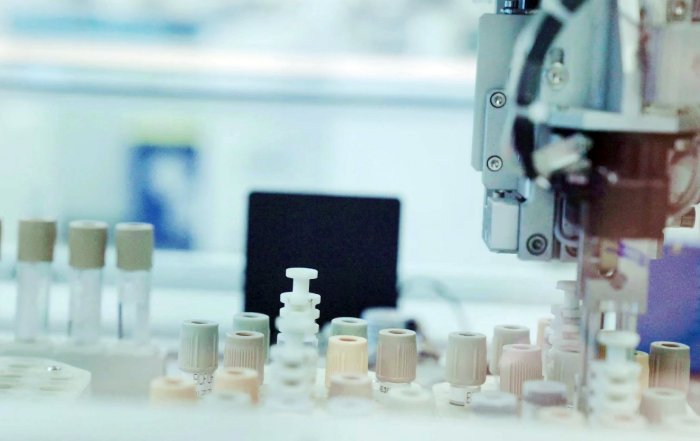
The Role of Biotechnology in Modern Skincare in 2026
A New Phase for Beauty: Why Biotechnology Matters Now
By 2026, biotechnology has moved from being an emerging trend to a structural force in the global beauty and wellness economy, with its influence clearly visible in the products found in bathrooms from New York and London to Seoul, São Paulo, Johannesburg and Singapore. What began as a transfer of techniques from pharmaceutical and biomedical laboratories has evolved into a sophisticated ecosystem of biotech-derived ingredients, diagnostic tools and personalized routines that are redefining how consumers evaluate skincare, how brands build trust and how investors assess long-term value in the beauty sector. For the editorial team at BeautyTipa, this shift has become central to how the platform frames beauty, wellness and technology across its dedicated sections on beauty, skincare and technology beauty, because it touches not only product performance but also ethics, sustainability, health and employment.
The maturation of biotech skincare in 2026 is visible in several converging trends. Consumers in the United States, the United Kingdom, Germany, Canada, Australia, France, Italy, Spain, the Netherlands, Switzerland, China, Sweden, Norway, Singapore, Denmark, South Korea, Japan, Thailand, Finland, South Africa, Brazil, Malaysia and New Zealand are demanding more rigorous scientific validation, clearer ingredient disclosure and more responsible sourcing. At the same time, regulatory agencies and professional bodies, including the U.S. Food and Drug Administration and the European Commission, have tightened expectations around claims, safety data and the borderline between cosmetic and therapeutic products, encouraging brands to ground their innovation in robust evidence. In this environment, biotechnology is no longer a marketing buzzword; it is a set of tools and disciplines that determine which companies can credibly promise efficacy, safety and sustainability, and which risk being left behind.
What Biotechnology Means in Skincare Today
In the context of skincare, biotechnology refers to the application of biological systems, living organisms or their components to create ingredients, delivery systems, testing models and diagnostic technologies that improve skin health and appearance. This includes fermentation, enzyme engineering, cell culture, recombinant DNA technology, microbiome analysis and bioinformatics. Organizations such as the Biotechnology Innovation Organization provide overviews of how these methods support sectors from medicine to agriculture, and skincare has emerged as one of the most visible consumer-facing applications of this scientific infrastructure.
Biotechnology allows formulators to design and produce molecules that are identical to, or functionally superior to, those found in nature, but with higher purity, consistency and traceability. Lab-grown ceramides can be tuned to reinforce the skin barrier; recombinant collagen fragments can be engineered to signal repair without the ethical issues associated with animal-derived collagen; and enzyme-based exfoliants can be optimized to resurface skin with less irritation than many traditional acids. Dermatology resources such as the American Academy of Dermatology help explain how these molecules interact with the epidermis and dermis, giving consumers and professionals a framework to interpret claims around anti-aging, barrier repair, pigmentation and sensitivity. For readers of BeautyTipa, understanding these biotechnological foundations is now as important as recognizing classic actives like retinoids or vitamin C, and this knowledge underpins the platform's in-depth reviews and comparative evaluations in its brands and products coverage.
From Botanical Extracts to Bio-Designed Actives
Over the past two decades, the industry has evolved from a focus on simple botanical extracts toward highly specific, bio-designed actives. In the early "natural" era, many brands highlighted plant origins without offering detailed mechanisms of action or standardized potency. By contrast, 2026's biotech-driven formulations increasingly revolve around defined molecules and pathways, and companies explain how particular peptides, oligosaccharides or postbiotic metabolites influence collagen synthesis, melanogenesis, inflammation or barrier lipids. Reports from organizations such as McKinsey & Company describe how this scientific framing supports premium positioning and global expansion, especially among digitally literate consumers who expect data and clarity.
This transition has also reshaped consumer education. Instead of simply promising "radiance" or "firmness," brands now reference specific biological targets and often draw on published research or in vitro data to support their messaging. While the quality of evidence varies, the overall trend is toward more transparent communication, which aligns with BeautyTipa's editorial emphasis on experience, expertise, authoritativeness and trustworthiness. In practical terms, this means the platform can compare a biotech-derived, fermentation-based antioxidant complex with a traditional plant extract and explain to its international audience why one may offer more consistent results, better stability or a smaller environmental footprint.
Fermentation, Bio-Engineering and the New Workhorses of Skincare
Fermentation has become one of the silent engines of modern skincare, particularly influential in South Korea, Japan and, increasingly, Europe and North America. By harnessing microorganisms such as yeast, bacteria and fungi, formulators can convert simple feedstocks into complex blends of amino acids, vitamins, organic acids and peptides that support hydration, barrier function and resilience. The fermented essences that first captured global attention a decade ago have evolved into sophisticated, standardized bio-fermented complexes that are now used across serums, moisturizers and masks at a range of price points.
Beyond fermentation, bio-engineered molecules produced through recombinant DNA technology and advanced cell culture have gained ground. Synthetic peptides that mimic growth factors, recombinant proteins that support extracellular matrix integrity and engineered polysaccharides that enhance moisture retention all reflect the influence of tissue engineering and biomaterials research. Institutions such as MIT and Stanford University regularly publish findings on biomimetic materials and controlled delivery systems, and ingredient suppliers translate these concepts into scalable cosmetic actives. For readers tracking innovation through BeautyTipa's trends section, this convergence between academic research and consumer products explains why categories such as peptide-based anti-aging, barrier-repair complexes and "second-skin" biomaterials have accelerated so rapidly since 2020.
The Microbiome Perspective: Skin as a Living Ecosystem
One of the most profound conceptual shifts enabled by biotechnology is the recognition of the skin as a dynamic ecosystem rather than an inert surface. Advances in DNA sequencing, metagenomics and bioinformatics, often supported by institutions like the National Institutes of Health, have shown that the skin hosts diverse microbial communities that influence inflammation, barrier integrity, pH balance and susceptibility to conditions such as acne, eczema and rosacea. These insights have reframed the goal of skincare from simply "cleaning" or "treating" the skin to managing a complex, interdependent microbiome.
This microbiome perspective has given rise to prebiotic, probiotic and postbiotic formulations designed to support beneficial bacteria and restore balance after disruption by harsh cleansers, pollution or lifestyle stressors. Some brands collaborate with microbiologists and use sequencing-based assays to demonstrate changes in microbial diversity or abundance following product use, while others integrate microbiome-friendly surfactants and preservatives into their entire portfolios. For BeautyTipa, which connects outer beauty with inner well-being in its wellness and health and fitness coverage, the microbiome story fits naturally into a holistic view of health that also considers gut microbiota, diet, stress and sleep. The platform's global readership, from Sweden and Norway to Singapore, South Africa and Brazil, increasingly looks for routines that respect this biological balance rather than pursuing aggressive, short-term fixes.
🧬 Biotechnology in Skincare: Evolution Timeline
From botanical extracts to bio-engineered actives
Sustainability, Ethics and the Promise of Bio-Based Production
Sustainability has become a non-negotiable expectation in 2026, and biotechnology offers tangible tools to reduce environmental impact while maintaining or improving product performance. Traditional sourcing of high-value cosmetic ingredients can involve intensive agriculture, overharvesting of rare plants, or extraction from animals and marine ecosystems. Biotech production, by contrast, can generate identical or analogous ingredients in controlled bioreactors, minimizing land use, water consumption and biodiversity loss. Organizations such as the Ellen MacArthur Foundation have highlighted how circular and bio-based models can support more sustainable business practices, and many beauty companies now position biotech as a core pillar of their environmental strategies.
Examples include sugarcane-fermented squalane, which provides a high-purity emollient without relying on shark liver oil or large-scale olive cultivation, and plant cell culture methods that produce rare botanical actives without harvesting from endangered habitats in regions such as the Amazon or Southeast Asia. Companies are also exploring bio-based polymers and packaging materials to reduce reliance on fossil fuels, inspired in part by broader biomaterials research covered by outlets like Nature. For BeautyTipa, sustainability is not treated as a niche topic but as a criterion embedded in product reviews, brand profiles and guides and tips, reflecting the expectations of readers in Europe, North America, Asia-Pacific, Africa and South America who want their skincare choices to align with their environmental values.
Regulation, Safety and Bioethics in a Fast-Moving Landscape
As biotech innovation accelerates, regulatory and ethical considerations have become more complex. Authorities such as the European Commission and the U.S. Food and Drug Administration are continually refining guidelines on how novel cosmetic ingredients are assessed, labeled and marketed, particularly when they involve genetically modified organisms, human-derived materials or mechanisms that border on therapeutic intervention. The World Health Organization and other international bodies contribute to broader debates on bioethics, data governance and equitable access to health-related technologies, and these discussions increasingly intersect with advanced skincare.
Safety remains a central concern. While many biotech ingredients are highly purified and extensively characterized, the rapid pace of innovation requires ongoing toxicological evaluation, post-market surveillance and clear communication to consumers. Ethical questions arise around gene-editing tools, the use of human cell lines for testing or ingredient production, and the handling of sensitive biological data generated by personalized skincare services. For an audience that includes professionals, entrepreneurs and investors, BeautyTipa's business and finance coverage examines how regulatory risk and ethical scrutiny influence valuations, partnerships and long-term brand resilience, especially in jurisdictions where consumer protection and data privacy laws are tightening.
Personalization, Diagnostics and Data-Driven Routines
The intersection of biotechnology with digital technology has created a new frontier in personalized skincare. Genetic testing, biomarker analysis, AI-assisted imaging and microbiome profiling now enable a level of customization that was largely aspirational a decade ago. Companies offer at-home kits to analyze skin microbiome composition or genetic variants related to collagen degradation, pigmentation tendency or inflammatory response, and then formulate customized serums or creams based on these insights. Research institutions such as Harvard Medical School explore how genomics and precision medicine can inform individualized care, and the beauty industry has adapted some of these concepts to non-medical, wellness-oriented applications.
In practice, personalization in 2026 ranges from algorithm-driven questionnaires that recommend off-the-shelf products to fully bespoke formulations adjusted to climate, lifestyle and biological markers. Consumers in the United States, the United Kingdom, Germany, South Korea, Japan and Singapore are among the most active adopters, but demand is growing across Europe, the Middle East, Africa and Latin America as cross-border e-commerce and teleconsultations expand. For BeautyTipa, whose routines section helps readers structure daily and weekly regimens, the challenge is to distinguish between meaningful, evidence-based personalization and superficial customization that merely repackages standard formulas. The platform also addresses concerns around data privacy, cost and the risk of turning everyday skincare into an overly medicalized, anxiety-inducing exercise rather than a supportive part of self-care.
Employment, Skills and the Biotech-Beauty Business Ecosystem
The integration of biotechnology into skincare has reshaped the business and employment landscape across North America, Europe, Asia-Pacific, Africa and South America. Investment has flowed into startups specializing in biotech ingredients, microbiome platforms, AI diagnostics and sustainable manufacturing, with major beauty groups and pharmaceutical companies taking equity stakes or forming partnerships. Analyses from organizations like the World Economic Forum emphasize how health, wellness and beauty are converging into a broader "well-being economy," and biotech skincare sits at the intersection of these high-growth domains.
This evolution has generated new career paths that blend biology, chemistry, computer science, marketing, regulatory affairs and design. Biochemists collaborate with machine learning engineers to interpret imaging data; dermatologists advise on clinical trial design for advanced actives; and sustainability experts work with fermentation specialists to optimize bio-based production. Through its jobs and employment coverage, BeautyTipa highlights how professionals in cities such as Paris, London, Berlin, Amsterdam, New York, Toronto, Los Angeles, Seoul, Tokyo, Shanghai, Singapore, Sydney, São Paulo, Johannesburg and Dubai can build careers at the intersection of beauty and biotechnology, and how skills in regulatory fluency, cross-cultural communication and digital literacy are becoming essential for leadership roles in global beauty companies.
Regional Adoption: How Global Markets Embrace Biotech Skincare
Biotech skincare has not spread uniformly; instead, adoption patterns reflect cultural attitudes, regulatory environments, climate conditions and economic structures. In South Korea and Japan, where multi-step routines and science-driven beauty have long been mainstream, consumers are comfortable with fermented actives, peptides and barrier-repair complexes, and local brands are often first movers in integrating cutting-edge biotech ingredients. In Western Europe, particularly in France, Germany, the Nordics and the Netherlands, there is strong emphasis on dermatological validation, pharmacy distribution and sustainability, making biotech a natural fit for brands that position themselves as both clinical and eco-conscious.
In North America, the United States and Canada have seen a proliferation of direct-to-consumer biotech brands that use social media, teledermatology and influencer education to explain complex science in accessible terms, while in the United Kingdom and Australia, dermatologists, pharmacists and beauty journalists play a prominent role in shaping public understanding. Emerging markets in Southeast Asia, Latin America and Africa, including Thailand, Malaysia, Brazil, South Africa and Nigeria, are adopting biotech skincare through a combination of local innovation and imported products, with urban, digitally connected consumers often leading the way. BeautyTipa's international coverage follows these dynamics closely, examining how factors such as humidity, pollution, UV exposure, cultural beauty ideals and regulatory frameworks influence which biotech innovations resonate in each region and how global brands adapt their messaging accordingly.
Biotechnology, Lifestyle and Holistic Wellness
By 2026, it has become increasingly clear that skincare cannot be separated from broader questions of lifestyle and wellness. Biotechnology has contributed to this realization by making it easier to measure and interpret internal markers that manifest on the skin, such as nutrient status, hormonal fluctuations and inflammatory signals. Research shared by organizations like the World Economic Forum and major public health bodies emphasizes the economic and social benefits of preventive health, and skin, as the body's largest and most visible organ, serves as a powerful indicator of overall well-being.
Biotech-enabled diagnostics and supplements now complement topical products in many routines. Collagen peptides produced through controlled fermentation, antioxidant blends designed to modulate oxidative stress and microbiome-supporting functional foods all illustrate how inner and outer care are converging. This integrative approach aligns with BeautyTipa's editorial vision, in which food and nutrition, wellness, beauty and even fashion are treated as interconnected aspects of a balanced lifestyle. Readers from Europe, Asia, North America, South America, Africa and Oceania increasingly seek guidance on how to align their skincare choices with exercise habits, sleep patterns, stress management techniques and dietary preferences, and biotechnology provides the tools to make these connections more specific and actionable.
Looking Beyond 2026: The Future of Biotech Skincare and BeautyTipa's Role
Looking beyond 2026, the trajectory of biotechnology in skincare points toward deeper integration of biology, digital technology and design across the entire value chain, from ingredient discovery to consumer experience. Advances in lab-grown skin models and organ-on-a-chip technologies are expected to further reduce reliance on animal testing and provide more accurate predictions of human responses, while smart delivery systems and responsive materials will allow products to adapt in real time to external conditions such as UV exposure, pollution and temperature. Research from institutions like King's College London and other dermatological centers suggests that understanding how climate change alters skin physiology will become critical for formulating protective and reparative products for cities from Los Angeles and Mexico City to Mumbai, Beijing, Cape Town and Helsinki.
At the same time, the industry will face important challenges: ensuring that biotech-based benefits are accessible beyond affluent niches in North America, Europe and parts of Asia; maintaining transparency about data use in personalized services; addressing concerns about greenwashing and "science-washing"; and representing diverse skin tones, ages and cultural perspectives in research and marketing. As these questions intensify, platforms with a clear commitment to experience, expertise, authoritativeness and trustworthiness will play a crucial role. BeautyTipa, with its integrated focus on beauty, skincare, makeup, wellness, fashion and business, and its global lens spanning the United States, the United Kingdom, Germany, Canada, Australia, France, Italy, Spain, the Netherlands, Switzerland, China, Sweden, Norway, Singapore, Denmark, South Korea, Japan, Thailand, Finland, South Africa, Brazil, Malaysia, New Zealand and beyond, is positioned to interpret these developments for a diverse audience.
By continuously engaging with scientific research from trusted institutions such as the National Institutes of Health, Harvard Medical School and leading dermatology associations, monitoring sustainability frameworks from organizations like the Ellen MacArthur Foundation, and analyzing market dynamics through resources such as McKinsey & Company, BeautyTipa can help readers navigate an increasingly complex landscape of biotech claims and innovations. The platform's mission is not to promote technology for its own sake, but to translate it into clear, practical guidance that supports informed choices, ethical consumption and holistic well-being.
In this evolving context, biotechnology is not simply an add-on to traditional skincare; it is becoming the underlying architecture of how ingredients are created, how products are tested and how individuals understand their own skin. For consumers from North America to Europe, Asia, Africa and South America, each purchase decision now reflects a subtle interplay of biology, ethics, sustainability, culture and personal identity. As this transformation continues, BeautyTipa will remain dedicated to offering the depth, clarity and global perspective needed to make thoughtful decisions in a biotech-powered beauty world, helping its readers design routines and lifestyles that are not only effective and enjoyable, but also aligned with the future they want to see.
