
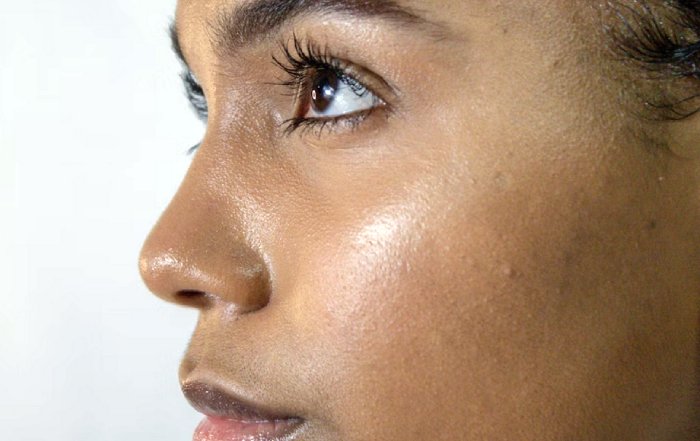
Nutrition-Driven Hair and Skin Care: How BeautyTipa's Audience Is Redefining "Inside-Out" Beauty
From Trend to Standard: Why Nutrition Now Anchors Beauty
By 2026, nutrition has progressed from a peripheral talking point to a defining pillar of global beauty and wellness, reshaping how consumers, brands, and professionals understand and manage hair and skin health. What was once framed as an alternative "inside-out" philosophy has become a mainstream standard, supported by dermatology, nutrition science, and consumer data that consistently demonstrate how diet quality, metabolic health, and the microbiome can influence outcomes as visibly as any serum, retinoid, or salon treatment. For BeautyTipa, whose readers engage daily with interconnected themes of beauty, wellness, lifestyle, and performance, this shift is not simply a passing trend; it is a structural change in how routines are designed, products are evaluated, and long-term beauty strategies are built.
Major public health and academic institutions, including the World Health Organization and the Harvard T.H. Chan School of Public Health, have continued to highlight the role of dietary patterns rich in whole foods, high-quality proteins, healthy fats, and diverse plant-based antioxidants in modulating inflammation, oxidative stress, collagen synthesis, and hormonal balance, all of which are central to maintaining firm, luminous skin and resilient hair. Readers who wish to understand how overall diet quality affects long-term health and appearance can explore the Harvard Nutrition Source. Against this backdrop, consumers from North America and Europe to Asia-Pacific and Africa are increasingly rejecting siloed approaches, instead seeking integrated frameworks that combine topical care, nutritional optimization, stress management, and sleep hygiene. This integrated mindset mirrors the editorial architecture of BeautyTipa, where skincare, wellness, and food and nutrition content are intentionally interlinked to help readers design realistic, science-aligned routines.
The Biological Bridge Between Diet, Skin, and Hair
The scientific understanding of how nutrition affects hair and skin has advanced significantly, enabling a move away from vague advice and toward targeted, evidence-informed strategies. Skin functions as a complex, metabolically active organ that depends on a continuous supply of amino acids, essential fatty acids, vitamins, and minerals to preserve barrier integrity, regulate sebum production, support immune defense, and repair daily environmental damage. Hair follicles, among the most rapidly dividing cell populations in the body, are acutely sensitive to energy availability and micronutrient status, which means even short-term dietary disruptions can manifest as diffuse shedding, slowed growth, or altered texture months later.
Professional bodies such as the British Association of Dermatologists and the American Academy of Dermatology continue to document how deficiencies in iron, zinc, vitamin D, certain B vitamins, and essential fatty acids correlate with hair loss patterns, brittle strands, delayed wound healing, and dull, reactive skin. Readers can explore dermatology-focused education and clinical perspectives through the American Academy of Dermatology. At the same time, research into the gut-skin and gut-hair axes has intensified, with emerging evidence linking microbiome diversity, intestinal permeability, and systemic inflammation to conditions such as acne, rosacea, seborrheic dermatitis, and premature photoaging. This evolving body of knowledge has informed BeautyTipa's editorial strategy, ensuring that coverage of beauty and wellness consistently incorporates the nutritional and metabolic dimensions of visible concerns, rather than treating them as purely cosmetic issues.
Macronutrients as Structural and Functional Drivers of Beauty
In the context of hair and skin, macronutrients are far more than calorie sources; they are structural and functional determinants of resilience, elasticity, and recovery capacity. Protein remains central, as keratin in hair and collagen and elastin in skin all require a steady pool of amino acids for synthesis and repair. Even in high-income countries such as the United States, United Kingdom, Germany, and Canada, suboptimal protein distribution across the day, restrictive dieting, and poorly planned plant-based patterns can contribute to thinning hair, slower growth, and impaired post-inflammatory healing. The Academy of Nutrition and Dietetics offers evidence-based guidance on optimal protein intake and distribution, which professionals and consumers can review through its nutrition resources.
Healthy fats, particularly omega-3 fatty acids from sources such as salmon, sardines, flaxseeds, and walnuts, support cell membrane fluidity, modulate inflammatory pathways, and help maintain skin hydration and barrier function. Detailed fact sheets from the National Institutes of Health Office of Dietary Supplements provide clarity on omega-3s and other key nutrients; readers can explore these on the NIH ODS site. Complex carbohydrates and dietary fiber from vegetables, fruits, whole grains, and legumes contribute to glycemic stability and microbiome diversity, indirectly influencing hormonal balance and inflammatory tone that can exacerbate acne, eczema, or scalp conditions. For the global audience of BeautyTipa, spanning North America, Europe, Asia, Africa, and South America, understanding how macronutrient composition shapes aesthetic outcomes enables more intentional daily choices, reinforcing the idea that a strategic plate is as critical as a sophisticated bathroom shelf.
Micronutrients and Bioactives that Shape Hair and Skin Performance
While macronutrients provide the framework, micronutrients and bioactive compounds act as the fine-tuning mechanisms that keep skin and hair performing optimally under environmental and physiological stress. Vitamins A, C, and E function as potent antioxidants, neutralizing free radicals generated by UV exposure, pollution, and internal metabolism. Vitamin C is especially pivotal for collagen synthesis and works synergistically with vitamin E to protect lipid structures within cell membranes. The Linus Pauling Institute at Oregon State University curates accessible, research-based summaries on these micronutrients, which can be explored via its Micronutrient Information Center.
B vitamins, including biotin, niacin, riboflavin, folate, and B12, are central to energy metabolism, cell turnover, and red blood cell formation, all of which influence scalp perfusion, skin renewal rates, and barrier repair. Minerals such as zinc, selenium, copper, and iron contribute to antioxidant defenses, immune modulation, and oxygen transport, with deficiencies often presenting first as hair shedding, brittle nails, and compromised skin resilience. Authorities such as the European Food Safety Authority provide reference intakes, upper limits, and safety assessments that inform clinical practice and product formulation; professionals can review these frameworks on the EFSA website. At BeautyTipa, this granular understanding of micronutrients shapes coverage of brands and products, supplements, and functional foods, and also informs practical guides and tips that help readers distinguish between evidence-backed support and marketing-driven exaggeration.
Microbiome, Inflammation, and the Maturing "Inside-Out" Beauty Model
One of the most profound shifts of the last decade has been the recognition that the gut microbiome and systemic inflammation sit at the center of many hair and skin concerns. Dysbiosis-an imbalance in the gut microbial ecosystem-has been associated with inflammatory skin conditions such as acne, psoriasis, and atopic dermatitis, as well as certain patterns of diffuse hair thinning, through complex interactions involving immune signaling, oxidative stress, and hormonal pathways. Clinical institutions like the Cleveland Clinic have emphasized how diets high in ultra-processed foods, added sugars, and industrial trans fats can drive this inflammatory state; readers can learn more through the Cleveland Clinic health library.
Conversely, dietary patterns that emphasize fiber-rich vegetables and fruits, legumes, fermented foods, and unsaturated fats tend to support microbial diversity, short-chain fatty acid production, and lower systemic inflammatory markers. These patterns align closely with guidance from organizations such as the American Heart Association, which promotes eating habits that simultaneously support cardiovascular, metabolic, and skin health; more details are available on the AHA healthy eating pages. For BeautyTipa's readers in markets like the United States, United Kingdom, Germany, France, Japan, South Korea, and Australia, this integrated "inside-out" model resonates strongly, as consumers look for routines that synchronize diet, skincare, stress management, and sleep rather than treating them as separate projects. The platform's coverage reflects this shift, connecting microbiome science to practical choices in both nutrition and topical routines.
🌿 Nutrition-Driven Beauty Calculator
Discover how diet impacts your hair & skin health
🍊Vitamin C
Essential for collagen synthesis & antioxidant protection
Sources: Citrus fruits, berries, bell peppers, kiwi
🐟Omega-3 Fatty Acids
Supports skin barrier function & reduces inflammation
Sources: Salmon, sardines, flaxseeds, walnuts
💊Biotin (B7)
Critical for hair growth & energy metabolism
Sources: Eggs, nuts, sweet potatoes, spinach
⚡Zinc
Supports immune function & prevents hair shedding
Sources: Oysters, beef, pumpkin seeds, chickpeas
🔴Iron
Vital for oxygen transport & preventing hair loss
Sources: Red meat, lentils, spinach, fortified cereals
Regional Diets, Cultural Contexts, and Local Beauty Priorities
Nutrition-driven beauty is not a uniform formula; it is filtered through cultural food traditions, economic realities, and regional health challenges across continents. In Mediterranean countries such as Italy, Spain, France, and Greece, traditional eating patterns rich in extra-virgin olive oil, fish, seasonal vegetables, legumes, and moderate wine intake naturally align with anti-inflammatory and antioxidant principles that support skin elasticity and vascular health. The UN Food and Agriculture Organization documents how such dietary patterns correlate with health outcomes and changing food systems; interested readers can explore these insights on the FAO website.
In East Asian markets such as Japan, South Korea, and parts of China, long-standing consumption of fermented foods, seaweed, soy, and green tea provides distinctive phytonutrients and bioactives, complementing robust skincare industries that already prioritize barrier support and photoprotection. In contrast, rapid urbanization and Westernization of diets in regions of Asia, Africa, and South America have led to increased intake of refined carbohydrates, sugary beverages, and processed snacks, contributing to rising rates of obesity, diabetes, and inflammatory conditions that often manifest visibly in skin and hair quality. The World Health Organization continues to track these nutrition transitions and their health impacts; global and regional reports can be reviewed through the WHO nutrition portal. For BeautyTipa, which actively highlights international perspectives, acknowledging these regional nuances is essential, allowing the platform to respect local food cultures while presenting evidence-based adjustments that are realistic in New York, London, Berlin, Toronto, São Paulo, Johannesburg, Singapore, Bangkok, and beyond.
Functional Foods, Nutricosmetics, and the Business Architecture of Beauty Nutrition
The convergence of nutrition and beauty has accelerated the growth of functional foods and nutricosmetics, creating a robust commercial category that spans collagen powders, ceramide-enriched beverages, hair-support gummies, antioxidant shots, and skin-targeted probiotics. Market analyses from firms such as McKinsey & Company and Euromonitor International have documented strong global demand, particularly in the United States, United Kingdom, Germany, China, Japan, and Brazil, as consumers increasingly view ingestible solutions as essential complements to topical regimens. Business leaders and investors can explore broader beauty and wellness dynamics through McKinsey's beauty and wellness insights. For BeautyTipa, this expansion is a central theme within its business and finance coverage, where the focus extends from consumer trends to regulatory strategy, supply chain ethics, and scientific validation.
Regulatory environments remain heterogeneous. In the United States, the U.S. Food and Drug Administration regulates dietary supplements differently from pharmaceuticals, placing significant responsibility on brands to ensure safety and accuracy of claims, and on consumers and professionals to critically assess formulations and evidence; stakeholders can review the framework on the FDA dietary supplements page. In the European Union, the European Commission and EFSA enforce stricter oversight of health claims, shaping how products are positioned in markets such as Germany, France, Italy, Spain, the Netherlands, Sweden, Denmark, and Finland. This complexity underscores the importance of platforms like BeautyTipa, which help readers navigate claims around collagen drinks, biotin capsules, and antioxidant blends with a clear understanding of what current science supports, what remains speculative, and how to integrate these options into broader routines without neglecting foundational dietary quality.
Embedding Nutrition into Daily Beauty Routines and Rituals
The most successful nutrition-focused strategies for hair and skin in 2026 are not extreme protocols or short-lived detoxes, but sustainable, repeatable patterns woven into daily life. Professionals increasingly emphasize incremental improvement-such as elevating the nutrient density of existing meals, optimizing meal timing for energy stability, and pairing dietary upgrades with consistent topical care-over radical overhauls that are difficult to maintain. For example, starting the day with a breakfast that combines high-quality protein, healthy fats, and fiber can help stabilize blood sugar, support satiety, and provide amino acids and micronutrients that underpin collagen synthesis and follicle health. Ensuring that lunch and dinner include a spectrum of colorful vegetables and fruits increases the intake of carotenoids, polyphenols, and vitamin C, which collectively support antioxidant capacity and skin radiance. Readers looking to align their eating patterns with self-care can explore complementary content in BeautyTipa's routines section.
Hydration remains a foundational, though sometimes oversimplified, aspect of skin health. While water intake alone cannot replace moisturizers or reverse intrinsic aging, adequate fluids support circulation, nutrient delivery, lymphatic flow, and overall metabolic function, all of which indirectly affect skin tone, puffiness, and recovery from irritation. Organizations such as the Mayo Clinic offer practical guidance on daily fluid needs and signs of dehydration, which can be reviewed via the Mayo Clinic hydration guidance. For hair, strategies such as distributing protein intake evenly across meals, maintaining sufficient iron and zinc intake, and avoiding aggressive caloric restriction are critical to preventing telogen effluvium, a common form of shedding triggered by nutritional and physiological stress. By combining these principles with evidence-based topical routines and movement practices highlighted in BeautyTipa's skincare and health and fitness sections, readers can construct integrated regimens that are both aspirational and achievable.
Technology, Data, and the Personalization of Beauty Nutrition
The intersection of technology and nutrition continues to redefine how individuals in 2026 approach hair and skin care, ushering in a new era of data-driven personalization. At-home microbiome tests, genetic panels, continuous glucose monitors, and wearable devices that track sleep, stress, and activity are increasingly accessible in markets from the United States and Canada to Singapore, Japan, and the Nordic countries. These tools generate streams of personal data that can inform targeted nutritional and lifestyle adjustments, potentially improving both health and aesthetic outcomes. Organizations such as the World Economic Forum and Deloitte have highlighted how these digital health technologies are transforming consumer behavior and healthcare delivery; broader perspectives can be explored through the World Economic Forum's health insights.
For the beauty and wellness sector, including platforms like BeautyTipa, this evolution raises both opportunities and responsibilities. Readers now expect not only high-quality editorial content but also guidance on how to interpret personal data, how to evaluate algorithm-driven recommendations, and how to integrate insights from AI-powered skin analysis or nutrition apps into real-world routines. Tele-nutrition and virtual care models increasingly facilitate collaboration among dermatologists, registered dietitians, trichologists, and mental health professionals, supporting integrated care plans that address both topical and systemic drivers of hair and skin issues. On BeautyTipa's technology and beauty section, coverage has expanded to include AI-driven personalization tools, digital coaching platforms, and ethical considerations around data privacy and algorithmic bias, reflecting the platform's commitment to Experience, Expertise, Authoritativeness, and Trustworthiness in an era where technology can both empower and overwhelm.
Careers and Capabilities in a Nutrition-Centered Beauty Economy
As nutrition becomes embedded in beauty and wellness strategies, the professional landscape is evolving rapidly, creating new roles and reshaping existing ones across brands, clinics, media, and technology companies. There is growing demand for professionals who can bridge clinical nutrition, cosmetic science, behavioral psychology, and digital communication, whether as product developers, regulatory specialists, content strategists, educators, or integrative practitioners. Educational institutions and industry organizations are responding with specialized programs in integrative nutrition, cosmetic dermatology, trichology, and wellness entrepreneurship, equipping professionals in the United States, United Kingdom, Germany, Canada, Australia, Singapore, and beyond with the skills needed to operate in this multidisciplinary environment.
For job seekers and mid-career professionals, BeautyTipa's jobs and employment coverage provides insight into emerging roles, from nutrition-informed beauty consultants to data-driven wellness strategists. External platforms such as LinkedIn and Indeed reflect similar trends, with workforce reports highlighting growing demand for roles that combine nutrition literacy with beauty and wellness expertise; these broader labor market patterns can be explored via LinkedIn's Economic Graph. As brands and clinics adopt more holistic models of care and customer engagement, professionals who can confidently advise on both topical regimens and dietary strategies-grounded in credible science and communicated with clarity-are likely to be especially well-positioned across regions from North America and Europe to Asia-Pacific, the Middle East, and Africa.
BeautyTipa's Role at the Center of Nutrition-Led Beauty in 2026 and Beyond
Within this evolving global landscape, BeautyTipa occupies a distinctive position as a trusted, integrative hub for readers who want to connect what they eat, how they live, and how their hair and skin look and feel over time. By curating an ecosystem of content that spans beauty, wellness, food and nutrition, trends, guides and tips, and related domains such as fashion, makeup, and events, the platform reflects the reality that modern beauty is inseparable from daily choices around meals, movement, sleep, stress, and digital engagement. For readers across the United States, United Kingdom, Germany, Canada, Australia, France, Italy, Spain, the Netherlands, Switzerland, China, Sweden, Norway, Singapore, Denmark, South Korea, Japan, Thailand, Finland, South Africa, Brazil, Malaysia, New Zealand, and beyond, BeautyTipa serves as both a learning resource and a strategic partner in building routines that are scientifically grounded and culturally attuned.
Looking ahead, the most impactful nutrition-focused approaches to hair and skin care will be those that balance innovation with evidence, personalization with inclusivity, and performance with sustainability. Consumers in New York, London, Berlin, Toronto, Sydney, Seoul, Tokyo, Singapore, Johannesburg, and São Paulo increasingly expect solutions that are not only effective but also aligned with their values around transparency, environmental responsibility, and social impact. Organizations such as the Global Alliance for Improved Nutrition and the Ellen MacArthur Foundation are shaping conversations around sustainable nutrition, circular economies, and responsible business models; readers interested in the broader sustainability context can learn more about sustainable business practices on the Ellen MacArthur Foundation site. These frameworks are increasingly relevant as beauty and wellness companies consider ingredient sourcing, packaging, and the long-term health implications of their offerings.
For BeautyTipa, the path forward in 2026 involves deepening its commitment to Experience, Expertise, Authoritativeness, and Trustworthiness across every article, review, and guide, ensuring that readers can navigate the complex intersections of diet, health, technology, and aesthetics with confidence. By continuing to spotlight robust science, emerging technologies, regional perspectives, and practical routines, the platform can help its audience transform nutrition from an abstract concept into a daily, empowering tool for cultivating stronger hair, healthier skin, and more resilient well-being. Readers who wish to explore this integrated approach in greater depth can visit the BeautyTipa homepage and move seamlessly through its interconnected sections, building a personal roadmap that reflects both global best practices and individual realities in a world where beauty, health, and lifestyle are more interwoven than ever.
