
Beauty Industry Careers Across Regions: A Strategic Guide for BeautyTipa Readers
The Global Beauty Economy in 2026 and Its Expanding Talent Landscape
In 2026, the global beauty and personal care economy has solidified its position as one of the most resilient and adaptive consumer sectors, with market valuations continuing to climb despite inflationary pressures, supply chain volatility and shifting geopolitical conditions, as highlighted in analyses from organizations such as McKinsey & Company and Statista. Beauty has fully evolved from a category centered on color cosmetics and fragrance into a broad, interconnected ecosystem that encompasses dermatology-inspired skincare, wellness, fitness, nutrition, aesthetic medicine, biotechnology and digital personalization, and for the audience of BeautyTipa, this evolution is visible not only in the products they use but also in the career paths they can realistically pursue across regions and disciplines. Readers who explore the dedicated beauty, skincare and technology beauty sections on BeautyTipa quickly see how the boundaries between health, fashion, technology and self-care have blurred, and how this convergence has broadened the professional landscape far beyond traditional roles.
The industry's expansion is driven by several structural trends that are now firmly established rather than experimental, including the integration of teledermatology and online consultations, the mainstreaming of skin health and barrier repair, the rise of ingestible beauty and functional nutrition, and the embedding of AI and machine learning into everything from product development to customer service. Reports from institutions such as the World Economic Forum on future consumer trends show that beauty sits at the intersection of identity, well-being and technology, which means that organizations require talent capable of understanding human behavior as deeply as they understand algorithms and financial models. For professionals in the United States, United Kingdom, Germany, Canada, Australia, France, Italy, Spain, the Netherlands, Switzerland, China, South Korea, Japan, Singapore and beyond, this has created a global marketplace of roles where cross-border collaboration and remote work are increasingly normal, and where expertise, authoritativeness and trustworthiness are core differentiators for both brands and individuals.
Core Career Pathways in the Modern Beauty Ecosystem
By 2026, the beauty sector offers a layered set of career pathways that range from highly scientific and technical disciplines to creative, operational and entrepreneurial tracks, and understanding this structure is essential for readers of BeautyTipa who wish to position themselves strategically. Corporate organizations such as L'Oréal, Estée Lauder Companies, Shiseido, Unilever, Procter & Gamble and Coty, along with a vibrant universe of indie brands and regional champions, rely on integrated teams that span product innovation, brand strategy, digital commerce, supply chain, regulatory affairs, finance and sustainability, and each of these domains now demands specialized skills supported by continuous learning. Those who are mapping their options can deepen their understanding of how business models and consumer expectations intersect by visiting BeautyTipa's business and finance coverage, which interprets industry movements through a commercial lens.
Creative and brand-centric careers remain highly visible, encompassing product concepting, packaging design, visual identity, campaign development and storytelling, yet even these roles now require fluency in data analytics, performance metrics and platform-specific content strategies. On the other side of the spectrum, scientific and regulatory roles have expanded in both number and influence, as stricter standards in markets such as the European Union, the United States, Canada, Australia and Asia require robust safety assessments, claim substantiation and compliance with frameworks such as the EU Cosmetics Regulation and evolving national acts. Regulatory guidance from the U.S. Food and Drug Administration on cosmetics and personal care products underscores how deeply science and law now shape product lifecycles, and professionals who can translate complex requirements into practical business decisions are increasingly valued in leadership roles.
Science, R&D and Health-Driven Innovation
Scientific and research-based careers have become central to the credibility and competitiveness of beauty organizations, as consumers in regions including North America, Europe, Asia-Pacific, Africa and South America expect evidence-backed efficacy, transparent ingredient lists and alignment with broader health goals. Multinational groups and specialized biotechnology companies are investing heavily in skin microbiome research, peptide technology, encapsulation systems, biomimetic ingredients and regenerative approaches, often in collaboration with academic centers and hospitals. The European Commission provides detailed information on cosmetics legislation and safety, illustrating the level of rigor expected in markets such as the European Union, and R&D teams must design studies that meet both regulatory expectations and consumer understanding.
In practice, research roles in 2026 typically involve multidisciplinary collaboration among chemists, biologists, toxicologists, dermatologists, data scientists and marketing strategists, since claims such as "clinically proven," "microbiome-friendly" or "dermatologist-tested" must be supported by well-designed trials, robust statistics and clear communication. There is growing demand for professionals who can bridge laboratory expertise with digital tools, using AI-driven formulation platforms and predictive modeling to accelerate innovation while reducing resource waste, an approach aligned with broader sustainability goals championed by organizations such as the United Nations Environment Programme, which shares insights on sustainable consumption and production. Readers of BeautyTipa who follow the health and fitness and skincare sections will recognize how this scientific sophistication translates into consumer-facing narratives about skin health, prevention and long-term wellness.
In high-growth regions across Africa, South America, Southeast Asia and emerging parts of Europe and Asia, there is also a strong focus on integrating traditional knowledge and local botanicals into globally competitive products, which requires ethnobotanical research, standardization of active compounds and careful safety assessment. The World Health Organization offers context on traditional, complementary and integrative medicine, and professionals who can honor cultural heritage while meeting international standards are increasingly central to the positioning of regional brands in global markets.
Digital, E-Commerce and Data: The Infrastructure of Beauty in 2026
The digitalization of beauty, accelerated in earlier years by the pandemic and now embedded as standard consumer behavior, has created a sophisticated infrastructure of roles around e-commerce, omnichannel retail, data science and marketing technology. Consumers across the United States, United Kingdom, Germany, France, Italy, Spain, Canada, Australia, China, Japan, South Korea, Singapore, Brazil, South Africa, Malaysia, Thailand, the Nordic countries and beyond now expect seamless movement between physical stores, brand websites, marketplaces and social platforms, and this expectation drives demand for professionals who understand customer journeys, personalization engines and digital merchandising. Consulting firms such as Deloitte analyze how digital transformation reshapes retail and consumer goods, and their insights on omnichannel and retail innovation illustrate the strategic importance of these roles.
Careers in this area range from performance marketing, SEO and CRM management to product management for apps and virtual tools, data engineering, analytics and AI model governance. Companies and platforms such as Google and Meta publish extensive resources on digital marketing and consumer insights, and beauty professionals who can interpret data while maintaining a strong sense of brand identity are particularly competitive. At the same time, data privacy and ethical use of consumer information have become non-negotiable, with frameworks such as the EU's GDPR, the California Consumer Privacy Act and similar regulations in Asia-Pacific and Latin America requiring rigorous governance. Organizations like the OECD provide guidance on digital policy and data governance, and professionals who can align personalization with privacy, transparency and consent are increasingly seen as guardians of brand trust and long-term loyalty.
For readers of BeautyTipa, the technology beauty section offers ongoing coverage of AI-powered diagnostics, virtual try-on, skin analysis, tele-beauty consultations and smart devices, all of which are creating specialized roles in UX design, algorithm training, human-AI interaction and digital product strategy. These roles are particularly dynamic in markets such as South Korea, Japan, China, Singapore, the United States and United Kingdom, where technology adoption and consumer experimentation are high.
🌟 Beauty Industry Career Navigator 2026
Explore career pathways across the global beauty ecosystem
🔬 Science & R&D
Lead innovation in microbiome research, peptide technology, and biomimetic ingredients. Collaborate across chemistry, biology, dermatology, and data science to create evidence-backed products.
💻 Digital & E-Commerce
Shape omnichannel experiences through AI personalization, data analytics, performance marketing, and UX design. Master the intersection of technology and consumer behavior.
🎨 Brand & Marketing
Craft compelling narratives in a creator-driven era. Combine storytelling with data analytics, social commerce, and cultural intelligence across global markets.
✨ Retail & Services
Deliver personalized experiences as beauty advisors, estheticians, spa therapists. Integrate digital tools with hands-on expertise in wellness and aesthetics.
🌱 Sustainability & Ethics
Drive circular economy initiatives, regulatory compliance, and DEI strategies. Balance environmental goals with commercial realities across global supply chains.
Brand, Marketing and Content in a Social-First, Creator-Driven Era
The dominance of social platforms and the maturation of the creator economy have transformed brand and marketing careers into highly strategic, performance-driven and culturally sensitive disciplines. Beauty brands from France, Italy, Spain, the United States, United Kingdom, Germany, Brazil, South Africa, Japan, South Korea and Thailand now compete for attention in a global, multilingual environment where authenticity, inclusivity, education and entertainment must coexist within short-form videos, live streams and interactive content. Professionals in brand management, integrated marketing, community building, influencer partnerships and content production must understand local nuances, regulatory advertising guidelines and platform algorithms, while also being able to interpret performance data in real time.
Industry bodies such as the Interactive Advertising Bureau (IAB) publish standards and best practices on digital and social advertising, and marketers who align creative ideas with measurable outcomes are well positioned to lead campaigns that drive both brand equity and conversion. The rise of social commerce, particularly in China, South Korea, Japan and increasingly in Europe and North America, has also created hybrid roles that merge storytelling, salesmanship, analytics and live production. Research from Insider Intelligence on social commerce and influencer marketing underscores the scale of these opportunities and the need for professionals who can manage complex creator ecosystems with transparency and fairness.
Within BeautyTipa, the trends and guides and tips sections frequently explore how consumer expectations around diversity, sustainability, ingredient transparency and wellness are reshaping brand narratives, and this editorial perspective can help readers understand which marketing skill sets will remain relevant as platforms and formats evolve. Content specialists who can translate dermatological research into accessible education, or who can communicate the nuances of inclusive shade ranges, textured hair care or cultural rituals, are particularly valuable in 2026's globalized yet locally sensitive environment.
Retail, Spa and Service Careers: Human Expertise as a Differentiator
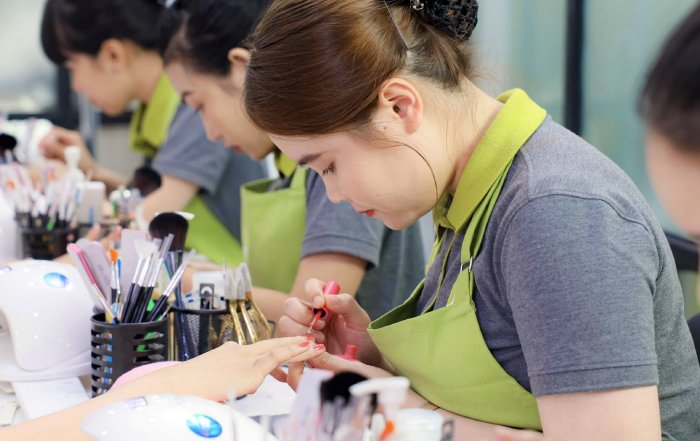
Even as digital channels capture a growing share of transactions, physical experiences in retail, spa, clinic and salon environments continue to be critical differentiators, especially in premium and professional categories. Beauty advisors, estheticians, makeup artists, hairstylists, nail technicians, spa therapists and wellness practitioners in markets such as the United States, United Kingdom, Germany, France, Switzerland, Italy, Spain, South Africa, Brazil, Thailand, Malaysia, Japan, South Korea, Singapore, Canada, Australia, the Nordics and the Netherlands are expected not only to demonstrate technical proficiency but also to embody brand values, provide tailored recommendations and integrate digital tools such as skin scanners or virtual consultation platforms into their service delivery.
Organizations such as CIDESCO International maintain global standards for training and qualifications, and their resources on beauty and spa therapy education illustrate how structured certification supports cross-border mobility and career progression. The integration of wellness and medical aesthetics has also led to new hybrid roles in medi-spas, dermatology clinics and integrated wellness centers, where professionals work alongside dermatologists, plastic surgeons, nutritionists and mental health specialists to deliver comprehensive programs that address skin, body and mind. The Global Wellness Institute provides research on wellness economy developments, offering a macro perspective on how these service-based careers align with broader shifts in consumer priorities.
For BeautyTipa readers who are passionate about human connection and hands-on expertise, the wellness, routines and food and nutrition sections offer insight into how daily habits, treatments and lifestyle choices interact, and this holistic understanding can be a powerful asset when advising clients in spas, clinics, salons or retail environments across regions.
Sustainability, Ethics and Regulatory Leadership
In 2026, sustainability and ethics are no longer treated as side projects but as central pillars of corporate strategy, brand positioning and risk management, and this shift has created a robust set of career opportunities for professionals who can combine technical knowledge with strategic thinking. Companies across North America, Europe, Asia, Africa and South America are investing in roles focused on sustainable sourcing, life cycle assessment, packaging innovation, circular business models, climate risk, human rights and community engagement, and the frameworks developed by organizations such as the Ellen MacArthur Foundation on circular economy principles are widely referenced in packaging and supply chain roadmaps. Professionals in these roles must collaborate with R&D, procurement, logistics, marketing and finance to balance environmental goals with commercial realities, and to communicate progress transparently to consumers and investors.
Regulatory and compliance careers have likewise grown more complex and influential, as companies navigate diverse and evolving rules on ingredients, claims, animal testing, environmental disclosures, digital advertising, data protection and cross-border trade. The European Chemicals Agency (ECHA) provides extensive information on chemical safety and regulatory frameworks, and similar bodies in the United States, United Kingdom, Canada, Australia, China, Japan and other jurisdictions set expectations that global brands must meet. Professionals who can interpret these regulations, anticipate changes, manage risk and advise on product and market strategies are often central to decision-making at senior levels.
Ethics in beauty also extends to inclusivity, representation and labor practices, as consumers in the United States, United Kingdom, Germany, France, South Africa, Brazil, Japan, South Korea and other markets increasingly evaluate brands based on shade ranges, hair type coverage, gender diversity, disability inclusion and the treatment of workers throughout the supply chain. Diversity, equity and inclusion (DEI) specialists in beauty collaborate with HR, product development and marketing to ensure that both internal cultures and external offerings reflect the societies they serve. Within BeautyTipa, the brands and products coverage frequently highlights how companies embed ethics and inclusion into their strategies, helping readers identify employers that align with their values.
Regional Perspectives: Opportunities Across Continents
Although beauty is a global industry, regional dynamics significantly shape the types of roles available and the skills most in demand, and readers of BeautyTipa who are considering international moves or remote opportunities benefit from understanding these nuances. In North America, particularly the United States and Canada, the market is characterized by a strong presence of multinational corporations, a thriving indie and niche brand ecosystem, advanced e-commerce infrastructure and a high level of investment activity, which together create opportunities in corporate strategy, venture-backed startups, digital innovation, clinical skincare, wellness and professional services. Economic and sector analyses from the U.S. Bureau of Labor Statistics on employment trends in personal care and service occupations provide additional context on job growth and skill requirements.
In Europe, with key hubs in the United Kingdom, France, Germany, Italy, Spain, the Netherlands, Sweden, Norway, Denmark, Finland and Switzerland, the industry is shaped by strong regulatory frameworks, a heritage of luxury and perfumery, advanced sustainability commitments and cross-border supply chains. Professionals in this region often work in environments that emphasize compliance, craftsmanship, brand heritage and multilingual communication, and they may collaborate closely with regional institutions and trade bodies. The European Commission and related agencies offer extensive resources on single market rules and consumer protection, which are essential reading for those in regulatory, legal or strategic roles.
In Asia, markets such as South Korea, Japan, China, Singapore and Thailand are renowned for rapid innovation cycles, technology integration, skin-first philosophies and highly engaged digital consumers, and these characteristics create strong demand for R&D scientists, product managers, trend forecasters, e-commerce specialists and social commerce strategists. The influence of K-beauty and J-beauty on global routines and product formats is well documented in industry reports from organizations such as Euromonitor International, which provides insights on global beauty and personal care trends. For readers following these developments, BeautyTipa's international coverage helps contextualize how innovations originating in Asia quickly travel to North America, Europe, Africa and South America.
Across Africa, South America and parts of Southeast Asia, the beauty sector is expanding alongside rising middle classes, urbanization and increasing digital connectivity, with countries such as South Africa, Brazil, Malaysia and New Zealand showing growing demand for products and services tailored to local climates, skin tones, hair textures and cultural rituals. International institutions like the World Bank provide data on emerging market development and consumer growth, which can help professionals assess long-term prospects in these regions, particularly in roles related to market entry, localization, supply chain development and entrepreneurship.
Skills, Education and Career Development in 2026
Given the diversity of roles available, there is no single educational path into the beauty industry, but certain competencies are consistently valued across regions and functions, and BeautyTipa readers benefit from approaching their career plans with a structured, skills-based mindset. Technical and scientific roles typically require degrees in chemistry, biology, pharmacy, toxicology, biomedical engineering or related fields, often supplemented by postgraduate training in cosmetic science or regulatory affairs, while business and marketing roles tend to favor backgrounds in business administration, marketing, communications, economics or data analytics. Creative and service roles may emphasize vocational training, apprenticeships, portfolios and practical experience, yet even these paths increasingly benefit from complementary knowledge in digital tools, basic business management and consumer psychology.
Professional associations such as the Society of Cosmetic Chemists provide information on education, training and professional development, and many universities in the United States, United Kingdom, Germany, France, Italy, Spain, Canada, Australia and Asia now offer specialized programs in cosmetic science, fragrance, packaging, sustainability and digital marketing. Continuous learning has become essential, as AI, regulatory frameworks, platform algorithms and consumer expectations evolve rapidly, and micro-credentials or certificates in areas such as data analytics, UX design, sustainability reporting, project management or DEI can significantly enhance employability.
For those at the beginning of their journey or considering transitions from adjacent sectors such as fashion, healthcare, pharmaceuticals, hospitality or technology, BeautyTipa's jobs and employment and fashion sections offer guidance on transferable skills and realistic entry points. Networking remains a critical component of career development, and readers can use BeautyTipa's events coverage to identify trade shows, conferences and summits where they can meet potential employers, collaborators and mentors in markets across North America, Europe, Asia, Africa and South America.
Entrepreneurial and Independent Career Paths
The entrepreneurial landscape in beauty has continued to flourish in 2026, supported by contract manufacturing, white-label solutions, crowdfunding, social media marketing and global e-commerce platforms, and this environment offers compelling opportunities for founders, freelancers and independent experts. Entrepreneurs in regions including the United States, United Kingdom, Germany, France, Italy, Spain, Canada, Australia, Brazil, South Africa, Malaysia, Thailand, Singapore, Japan, South Korea and New Zealand are launching brands that focus on underserved communities, localized ingredients, minimalist routines, professional-grade actives, gender-neutral positioning or sustainability-first models, and many rely on lean, digitally enabled operations in their early stages. Organizations such as the U.S. Small Business Administration (SBA) provide resources on starting, financing and managing small businesses, and similar agencies in Europe, Asia, Africa and South America offer guidance and funding programs that aspiring founders can leverage.
Independent professionals, including makeup artists, hairstylists, estheticians, nail artists, beauty photographers, videographers, copywriters, consultants and educators, also form a vital part of the industry's talent ecosystem, working with brands, retailers, media outlets, clinics and private clients across borders. Digital platforms have made it easier to showcase portfolios, sell educational content, host paid workshops and manage international client relationships, while also demanding a high level of professionalism, brand alignment and legal awareness. The main BeautyTipa site at beautytipa.com functions as a contextual hub where readers can follow how entrepreneurial stories intersect with macro trends in technology, wellness, fashion and consumer behavior, and this broader view helps independent professionals position their services strategically.
Outlook for 2026 and Beyond: Building Resilient, Trustworthy Beauty Careers
Looking ahead from 2026, the beauty industry is expected to remain structurally resilient, yet it will continue to be shaped by macroeconomic conditions, demographic shifts, climate-related challenges, regulatory evolution and rapid technological change, which means that professionals must build careers grounded in both deep expertise and adaptability. Aging populations in regions such as Europe, Japan and parts of North America, youthful demographics in many countries across Africa, South Asia and Latin America, and increasing urbanization and digital literacy in emerging markets will influence product portfolios, service offerings and hiring priorities, particularly in areas such as anti-aging, sun protection, scalp and hair health, men's grooming, wellness, mental well-being and preventive care. Technological advances in AI, biotechnology, materials science and circular design will further expand the need for multidisciplinary talent capable of integrating scientific rigor, ethical decision-making and consumer insight into cohesive strategies.
For readers of BeautyTipa in the United States, United Kingdom, Germany, Canada, Australia, France, Italy, Spain, the Netherlands, Switzerland, China, Sweden, Norway, Singapore, Denmark, South Korea, Japan, Thailand, Finland, South Africa, Brazil, Malaysia, New Zealand and other markets worldwide, the most robust and fulfilling careers will likely be those that combine technical or creative mastery with cross-functional understanding, cultural intelligence and a commitment to continuous learning. Whether an individual is working in a laboratory in Germany, leading digital marketing in the United States, shaping product innovation in South Korea, managing a spa in Thailand, building a sustainable brand in Brazil or advising clients in South Africa, the ability to demonstrate experience, expertise, authoritativeness and trustworthiness will differentiate them in a competitive landscape.
By engaging consistently with resources that map the intersection of beauty, wellness, technology, business and culture, such as the curated sections on beauty, wellness, business and finance, technology beauty and trends at BeautyTipa, readers can chart personalized, future-ready pathways through this evolving industry. In doing so, they not only access a wide spectrum of job opportunities across regions and disciplines, but also contribute to shaping a global beauty ecosystem that is more innovative, inclusive, sustainable and aligned with the well-being of people and the planet.
