
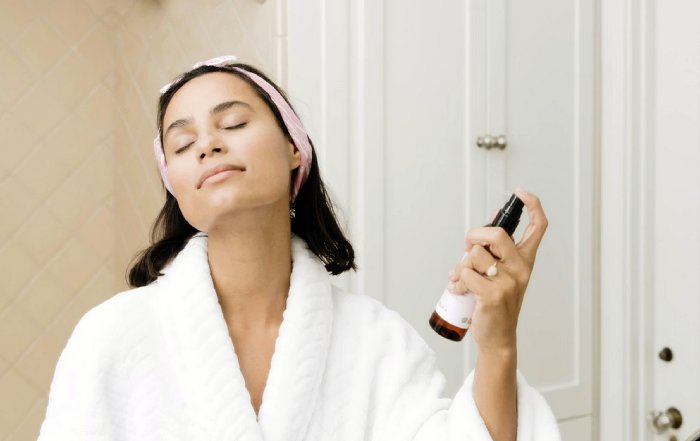
Health-Focused Beauty Routines for Busy Lifestyles
The Evolving Standard of Beauty in a Compressed World
By 2026, the global conversation around beauty has shifted decisively toward health, resilience and long-term performance, reflecting the realities of professionals whose days are shaped by back-to-back meetings, hybrid work models and constant digital connectivity. In major markets such as the United States, United Kingdom, Germany, Canada, Australia, France and rapidly expanding hubs across Asia, the Middle East and Africa, beauty is no longer understood as a purely aesthetic pursuit; it is increasingly viewed as a visible outcome of how effectively an individual manages sleep, stress, nutrition, movement and environmental exposure. Within this context, BeautyTipa has positioned itself as a specialized digital destination that translates complex, cross-disciplinary science into practical frameworks and routines that can be implemented by readers with demanding schedules, international careers and ambitious personal and professional goals.
As organizations such as the World Health Organization continue to highlight the links between chronic stress, sleep disruption and long-term disease risk, the notion that beauty can be separated from health has largely disappeared from serious industry and consumer discourse. The rapid acceleration of innovation in skincare actives, biotech-derived ingredients, diagnostic tools and at-home devices has created both opportunity and confusion, particularly for time-poor professionals who must make high-impact decisions with limited bandwidth. Navigating this landscape effectively requires an integrated understanding of dermatology, endocrinology, nutrition and behavioral science, and this is precisely the intersection that BeautyTipa occupies through its interconnected coverage of beauty, wellness, skincare and health and fitness, all curated for a global audience spanning North America, Europe, Asia, Africa and South America.
Why Health-Focused Routines Are Non-Negotiable in 2026
The demand for health-focused routines is not a passing trend but a structural response to demographic pressures, economic volatility and evolving workplace norms. Hybrid and remote work, while offering flexibility, have extended the working day and blurred boundaries between professional and personal time for many in the United States, United Kingdom, Germany, Canada, Australia and beyond. Data from institutions such as the OECD and labor market analyses from organizations like the International Labour Organization show that knowledge workers are increasingly "always on," which has intensified issues such as prolonged screen exposure, irregular sleep, sedentary behavior and stress-related dermatological conditions, including adult acne, perioral dermatitis and chronic inflammatory flare-ups.
At the same time, environmental stressors are escalating. Research disseminated by the American Academy of Dermatology and the British Association of Dermatologists continues to underscore the impact of urban air pollution, UV radiation, climate change-related heatwaves and indoor environmental factors on accelerated skin aging and barrier impairment. For professionals based in cities such as New York, London, Berlin, Singapore, Seoul, Dubai, São Paulo or Johannesburg, daily protection against pollution and UV exposure has become as fundamental as cleansing or moisturizing. The typical reader of BeautyTipa is therefore less interested in elaborate, time-consuming rituals and more focused on concise, evidence-based routines that measurably improve barrier function, reduce inflammation and support systemic wellbeing, without adding cognitive or time overload to already demanding days.
Core Principles of Health-Centric Beauty Today
In 2026, a health-centric beauty philosophy rests on several foundational principles that transcend age, gender and geography, while still allowing for regional and cultural nuance. The first principle is uncompromising respect for the skin barrier. Rather than chasing short-term, dramatic results through aggressive exfoliation, frequent procedures or high-concentration actives used without guidance, informed consumers prioritize gentle cleansing, pH-appropriate formulations, ceramide-rich moisturizers and consistent daily sun protection. This barrier-first approach is supported by dermatological consensus and by educational resources from institutions such as Johns Hopkins Medicine and the Cleveland Clinic, which highlight the role of the stratum corneum in defending against pathogens, pollution and transepidermal water loss.
The second principle is sustainability of behavior. For busy professionals navigating tight schedules in New York, London, Frankfurt, Toronto, Sydney, Paris, Milan, Singapore, Tokyo or Cape Town, the most effective routine is the one that can be maintained consistently over months and years. This means favoring concise, modular routines that can be completed in minutes, adapted to travel and climate changes and scaled up or down depending on energy levels and life events. Within routines, BeautyTipa emphasizes design of "anchor habits" that are resilient to disruption, such as non-negotiable cleansing and sunscreen in the morning and barrier repair at night, while allowing flexibility in optional steps like masks, peels or devices.
The third principle is recognition that internal health and external appearance are inseparable. Institutions such as Harvard T.H. Chan School of Public Health and the Mayo Clinic continue to publish evidence linking diet quality, blood sugar regulation, gut health, sleep architecture and stress hormones with skin conditions, hair shedding, nail fragility and perceived age. This integrated perspective is reflected across BeautyTipa's coverage of food and nutrition, wellness and guides and tips, where topical strategies are always contextualized within broader lifestyle frameworks rather than presented as isolated fixes.
The fourth principle is informed, critical product selection. Marketing language around "clean," "medical-grade," "microbiome-friendly" and "AI-formulated" has intensified, while regulatory oversight, though robust in regions like the European Union and North America, cannot fully prevent exaggerated or ambiguous claims. Bodies such as the U.S. Food and Drug Administration (FDA) and the European Medicines Agency (EMA) provide important guardrails, yet the practical responsibility of assessing ingredient lists, concentration ranges, evidence of efficacy and ethical sourcing often falls on the consumer. Through its brands and products coverage, BeautyTipa helps readers develop a more analytical lens, encouraging them to look beyond slogans and focus on formulation integrity, clinical data, safety profiles and alignment with their own values on sustainability and inclusivity.
Building a Minimal, High-Impact Daily Routine
For executives, entrepreneurs, healthcare professionals, educators and creatives who must compress self-care into narrow windows of time, the most effective routine is structured, simple and strategically layered. Dermatology guidance from organizations such as the American Academy of Dermatology and the Skin Cancer Foundation suggests that, for most skin types, a robust daily routine can be constructed around four pillars: cleanse, treat, moisturize and protect, with adjustments for climate, skin concerns and cultural preferences.
In the morning, a gentle, non-stripping cleanser appropriate to the skin type removes overnight sebum, sweat and residual actives, preparing the skin for targeted treatment. The treatment step is tailored to the primary objective, whether that is environmental protection through stabilized vitamin C and other antioxidants, sebum and redness regulation via niacinamide, or early aging prevention with peptides and barrier-supportive humectants. A well-chosen moisturizer follows, with texture and occlusivity calibrated to climate and lifestyle; for example, lightweight gel-cream textures may be preferred in humid regions such as Singapore, Bangkok or Rio de Janeiro, while richer emulsions may better serve those in drier climates like Denver, Dubai or central Australia. The final, non-negotiable step is broad-spectrum sunscreen of at least SPF 30, aligned with recommendations found through resources like the American Cancer Society, applied generously and reapplied as needed, particularly for those who commute, travel frequently or spend extended time near windows and screens.
The evening routine focuses on repair, regeneration and removal of accumulated pollutants, sebum and product layers. Double cleansing, using an oil-based or balm cleanser followed by a gentle water-based cleanser, is often advisable for individuals who wear long-wear makeup, water-resistant sunscreen or work in polluted environments such as large urban centers in Europe, Asia and South America. The treatment step at night may incorporate retinoids, alpha or beta hydroxy acids, azelaic acid or other actives, selected and dosed according to skin tolerance, phototype and goals. Guidance from reputable sources such as the National Library of Medicine can help contextualize the evidence behind these actives, but in practical terms, busy professionals benefit most from a structured, conservative introduction schedule that minimizes irritation and supports adherence. The final step is a barrier-focused moisturizer, often richer than the morning option, to counteract overnight water loss and support nocturnal repair processes. Across its skincare coverage, BeautyTipa illustrates how these principles can be adapted for different working patterns, from night-shift healthcare workers in the United States and United Kingdom to frequent flyers traversing Europe, Asia and North America.
Health-Focused Beauty Routine Builder
Gentle Cleanse
Non-stripping cleanser removes overnight sebum and prepares skin for treatment. Choose pH-appropriate formulations that respect the skin barrier.
Targeted Treatment
Apply vitamin C for environmental protection, niacinamide for sebum regulation, or peptides for aging prevention. Tailor to your primary skin objective.
Moisturize
Calibrate texture to climate—lightweight gel-creams for humidity, richer emulsions for dry environments. Support barrier function with ceramides.
Protect (SPF 30+)
Broad-spectrum sunscreen is non-negotiable. Apply generously and reapply as needed, especially near windows and during commutes.
Double Cleanse
Oil-based or balm cleanser first to remove sunscreen and makeup, followed by gentle water-based cleanser. Essential for urban professionals exposed to pollution.
Active Treatment
Incorporate retinoids, AHAs, BHAs, or azelaic acid based on tolerance. Use conservative introduction schedules to minimize irritation and support adherence.
Barrier Repair
Richer moisturizer than morning to counteract overnight water loss. Support nocturnal repair with ceramides, peptides, and nourishing lipids.
💤 Sleep
7-9 hours for optimal collagen synthesis and barrier recovery
🥗 Nutrition
Antioxidant-rich foods, omega-3s, adequate protein for skin elasticity
🏃 Movement
Regular activity improves circulation and supports lymphatic flow
🧘 Stress Management
Breathing practices and micro-breaks regulate stress hormones
AI-Driven Diagnostics
Machine learning analyzes skin images and recommends personalized regimens based on climate, pollution, and lifestyle data. Evaluate data privacy and governance practices.
LED & Microcurrent Devices
At-home tools that complement professional treatments when used correctly. Require time, technique, and realistic expectations—prioritize foundational routine first.
Wearable Health Sensors
Track sleep architecture, stress levels, and biomarkers to predict skin issues before they manifest visibly. Part of predictive and preventative beauty future.
Smart Personalization
Connected platforms adjust recommendations based on real-time environmental factors and tracked progress. Balance innovation with data security considerations.
Asia-Pacific Trends
South Korea and Japan pioneering "skip-care" minimalism with multi-functional products. Southeast Asia prioritizes lightweight, breathable formulations for humid climates. Innovation in textures and delivery systems influencing global markets.
European Approach
Strong pharmacy and dermocosmetic tradition emphasizing clinically tested, fragrance-minimal formulations. Regulatory rigor drives transparency and safety expectations. Preference for curated, concise routines over expansive collections.
North American Landscape
High ingredient literacy driven by social media and dermatology community. Widespread awareness of retinoids, ceramides, and exfoliating acids. Counter-movement toward barrier repair and "skin fasting" among informed consumers.
Latin America Focus
Body care, sun protection, and hair health central to routines. Climate and beach culture influence product preferences. Growing emphasis on indigenous botanicals and sustainable sourcing practices.
African Continent
Increasing demand for products tailored to diverse skin tones and hair textures. Indigenous botanicals gaining prominence. Focus on addressing specific climate and environmental challenges across regions.
🛡️ Barrier-First Philosophy
Prioritize gentle cleansing, pH-appropriate formulations, and ceramide-rich moisturizers over aggressive treatments. The stratum corneum defends against pathogens, pollution, and water loss.
♻️ Sustainable Behavior
Design concise, modular routines maintainable over months and years. Create "anchor habits" resilient to travel, climate changes, and life disruptions—flexibility within structure.
🔗 Internal-External Connection
Recognize that diet quality, sleep architecture, and stress hormones directly impact skin conditions. Topical strategies work best within broader lifestyle frameworks.
🔍 Critical Product Selection
Look beyond marketing claims to assess ingredient lists, concentration ranges, clinical evidence, and ethical sourcing. Develop an analytical lens for formulation integrity.
Integrating Wellness for Lasting, Visible Results
Topical products can only deliver their full potential when supported by internal conditions that favor repair, hormonal balance and inflammation control. Research from bodies such as the National Institutes of Health (NIH) and Public Health England underscores the role of chronic low-grade inflammation, oxidative stress and dysregulated cortisol in accelerating intrinsic aging and aggravating conditions like acne, psoriasis and eczema. For busy professionals across Europe, Asia-Pacific, North America and Africa, the goal is not an idealized lifestyle but a set of realistic, high-leverage behaviors that can be woven into demanding schedules.
Sleep remains the cornerstone. Consensus statements from organizations such as the American Academy of Sleep Medicine and the Sleep Foundation suggest that adults generally require seven to nine hours of quality sleep for optimal cognitive performance, metabolic health and tissue repair. Inadequate or fragmented sleep impairs collagen synthesis, slows barrier recovery and increases inflammatory mediators, which can present visibly as dullness, fine lines, dark circles and heightened sensitivity. For many readers of BeautyTipa, practical improvements may include setting a consistent sleep-wake window, limiting high-intensity work and screen exposure in the hour before bed and integrating a brief, repeatable wind-down ritual that pairs evening skincare with light stretching, breathwork or mindfulness. Within routines, the platform increasingly frames nighttime skincare not as a cosmetic add-on but as a key component of a broader recovery protocol.
Nutrition is equally central. Guidance from organizations such as the Academy of Nutrition and Dietetics and Dietitians of Canada reinforces the importance of antioxidant-rich plant foods, omega-3 fatty acids, adequate protein and controlled intake of ultra-processed foods and added sugars for maintaining skin elasticity, supporting the skin microbiome and stabilizing mood and energy. For time-pressed individuals in cities from Los Angeles to London, Berlin, Amsterdam, Singapore, Tokyo and Johannesburg, this often translates into optimizing what is realistically accessible: building meals around vegetables, legumes, whole grains and lean proteins; choosing snacks that combine fiber and healthy fats; and staying adequately hydrated during long workdays and flights. Through food and nutrition, BeautyTipa contextualizes these principles in real-world scenarios, from client lunches and airport lounges to late-night work sessions, emphasizing sustainable patterns over restrictive fads.
Movement and stress management complete the wellness-beauty equation. Evidence from the World Heart Federation and the American Psychological Association shows that regular physical activity improves circulation, supports lymphatic flow, enhances mood and helps regulate stress hormones, all of which contribute to healthier skin tone and texture. For professionals with limited time, this may involve short, high-intensity sessions, brisk walking between meetings, standing desks, micro-breaks for stretching or yoga and brief, structured breathing practices during transitions. By presenting movement and stress regulation as strategic levers for both appearance and performance, BeautyTipa encourages readers to view these practices as integral to their beauty routine rather than optional extras.
Technology, Data and the New Precision Beauty
Technological innovation has accelerated markedly by 2026, reshaping how consumers assess their skin, select products and track progress. Major beauty and consumer goods players such as L'Oréal, Procter & Gamble and Unilever have deepened investments in AI-driven diagnostics, personalized formulations and connected devices, often in collaboration with academic and clinical partners. At the same time, technology companies and startups in hubs like Silicon Valley, London, Berlin, Seoul, Tokyo and Singapore are deploying machine learning and computer vision to analyze skin images, recommend regimens and forecast potential issues based on variables such as climate, pollution indices and lifestyle data.
This surge in "smart beauty" has clear advantages for busy individuals, who can access tailored recommendations and monitoring tools without lengthy in-person consultations. However, it also raises serious questions around data governance, bias and transparency. Regulatory and advisory bodies such as the European Data Protection Board and think tanks like the Future of Privacy Forum have drawn attention to the sensitive nature of biometric and health-adjacent data collected by apps and devices, emphasizing the need for informed consent, clear privacy policies and robust security. For the readership of BeautyTipa, which includes senior professionals, founders and decision-makers, evaluating a beauty technology now involves not only assessing its clinical or cosmetic efficacy but also its data ethics and compliance posture. Through technology beauty, the platform examines emerging tools with a dual lens of performance and trustworthiness, helping readers distinguish between genuinely valuable innovations and superficial "AI" branding.
At-home devices, including LED masks, microcurrent tools, radiofrequency gadgets and ultrasonic cleansing systems, have become more sophisticated and, in some cases, more affordable. Clinical literature accessible via repositories such as the National Library of Medicine suggests that certain modalities, when used correctly and consistently, can complement professional treatments and enhance topical regimens. Yet they also require time, technique and realistic expectations, which can be challenging for individuals whose schedules are already overextended. BeautyTipa therefore presents these devices as optional layers on top of a strong foundational routine, encouraging readers to prioritize core behaviors before investing in technology that may not be used consistently.
Global Perspectives and Cultural Nuance in Health-Focused Beauty
Although the underlying science of skin and health is universal, the expression of health-focused beauty varies across countries and regions, influenced by climate, cultural aesthetics, regulatory frameworks and retail ecosystems. In South Korea and Japan, historically associated with multi-step skincare, many urban professionals have gravitated toward "skip-care" and minimalist routines that still emphasize hydration, barrier repair and gentle exfoliation but reduce redundancy and complexity. Local brands, often at the forefront of innovation in textures and delivery systems, have responded with multi-functional products that appeal to busy office workers in Seoul, Busan, Tokyo and Osaka, and these innovations continue to influence markets in the United States, Europe and Southeast Asia.
In Europe, particularly in France, Germany, Italy, Spain, the Netherlands, Switzerland and the Nordic countries, a strong pharmacy and dermocosmetic tradition underpins consumer trust in clinically tested, fragrance-minimal formulations and concise routines. Regulatory rigor enforced through the European Commission has reinforced expectations of safety and transparency, and many European professionals favor a small, carefully curated set of products over expansive collections. In North America, the interplay of social media, influencer culture and a robust dermatology community has fostered high ingredient literacy, with widespread awareness of retinoids, ceramides, niacinamide and exfoliating acids. However, this has also led to experimentation and, at times, overuse, prompting a counter-movement toward barrier repair and "skin fasting" among more informed consumers.
Emerging and established markets across Asia, Africa and South America add further richness to the global beauty narrative. In Brazil and other parts of Latin America, body care traditions, sun care and hair health play a central role in beauty routines, influenced by climate and beach culture. In South Africa and across the African continent, there is growing emphasis on products tailored to diverse skin tones and hair textures, with indigenous botanicals gaining prominence. In Southeast Asia, including Thailand, Malaysia and Singapore, humidity, heat and air quality drive demand for lightweight, breathable formulations and robust sun protection. Through its international and trends sections, BeautyTipa provides a curated, comparative view of these developments, helping readers in the United States, United Kingdom, Germany, Canada, Australia, France, Italy, Spain, the Netherlands, Switzerland, China, Sweden, Norway, Singapore, Denmark, South Korea, Japan, Thailand, Finland, South Africa, Brazil, Malaysia and New Zealand adapt global best practices to their own local realities.
Career Pressures, Professional Image and Strategic Beauty
For many readers of BeautyTipa, beauty and wellness are tightly interwoven with career progression, leadership visibility and cross-cultural business interactions. In sectors such as finance, law, consulting, technology, hospitality, media and luxury retail, professionals are expected to maintain a polished, energetic presence under conditions that may include long hours, frequent travel across time zones and high-stakes client engagements. This has given rise to a more strategic approach to beauty, where routines are designed to support not only aesthetic outcomes but also cognitive performance, emotional regulation and physical resilience.
Research and thought leadership from organizations such as the World Economic Forum and consulting firms like McKinsey & Company highlight the economic and organizational impact of employee wellbeing, emphasizing that sustained performance and innovation are closely linked to physical and mental health. Within business and finance and jobs and employment, BeautyTipa explores how professionals at different career stages can align their beauty and wellness strategies with their work realities, whether they are early-career analysts in London and New York, mid-career managers in Frankfurt or Singapore, or senior executives overseeing regional operations across Europe, Asia and North America.
Practical considerations include assembling compact, regulation-compliant travel kits that address dehydration, disrupted sleep and changing climates; selecting makeup that remains stable under studio lighting, boardroom conditions or long-haul flights; and integrating micro-habits such as facial massage, hydration breaks and brief walks between meetings to support circulation and stress reduction. There is also a growing need to navigate differing cultural expectations around appearance in international contexts, from more formal norms in certain European and Asian business environments to more relaxed standards in parts of North America and Oceania. BeautyTipa recognizes that its readers are not merely consumers of products but decision-makers in their own careers, and therefore frames beauty as a strategic asset that must be managed with the same intentionality as time, energy and reputation.
Events, Education and the Direction of Beauty Innovation
The trajectory of health-focused beauty is increasingly shaped by an ecosystem of global events, academic collaborations and industry coalitions that bring together dermatologists, cosmetic chemists, nutrition scientists, technologists, investors and brand leaders. Trade fairs and conferences such as Cosmoprof Worldwide Bologna, in-cosmetics Global and region-specific innovation summits in New York, Paris, London, Seoul, Shanghai and Dubai serve as launchpads for new ingredients, delivery technologies, diagnostic platforms and sustainability initiatives. These gatherings also reflect a growing emphasis on circularity, ethical sourcing and social impact, as investors and consumers, particularly in Europe and North America, demand more robust environmental, social and governance practices from beauty companies.
Professional societies and educational bodies, including the International Dermoscopy Society and national dermatology academies, have expanded their digital outreach, making high-quality, evidence-based information more accessible to both clinicians and the general public. This democratization of knowledge empowers consumers to ask more sophisticated questions, while also placing pressure on media platforms to provide nuanced, accurate interpretation rather than superficial trend coverage. Through its events and guides and tips sections, BeautyTipa curates insights from these forums for its global readership, translating complex discussions about biomarkers, microbiome modulation, peptide design or AI-driven personalization into concrete, time-efficient recommendations that can be implemented by a consultant in London, a founder in Berlin, a creative director in New York or a technology professional in Singapore.
Looking ahead, the convergence of biotechnology, wearable health sensors, personalized nutrition and advanced imaging is likely to make beauty routines more predictive and preventative, with early detection of issues such as barrier dysfunction, pigmentary changes or inflammatory trends before they manifest visibly. Organizations such as the World Economic Forum and research consortia focused on longevity and healthy aging are already exploring these intersections. Yet, amid these advances, the underlying principles of health-focused beauty remain stable: protect and strengthen the skin barrier, support internal health through sleep, nutrition and movement, manage stress intelligently and construct routines that can be sustained in the context of real lives and careers.
How BeautyTipa Supports the Health-Focused, Time-Conscious Reader
In 2026, as the beauty, wellness and technology landscapes become more complex and globally interconnected, BeautyTipa is intentionally curated as a trusted, time-efficient resource for readers who demand both depth and practicality. The platform's integrated coverage of beauty, skincare, wellness, routines, trends, business and finance and technology beauty reflects a fundamental editorial belief: beauty decisions are inseparable from choices about career, health, technology, sustainability and global culture. By monitoring developments across key markets from the United States, United Kingdom, Germany, Canada and Australia to France, Italy, Spain, the Netherlands, Switzerland, China, Sweden, Norway, Singapore, Denmark, South Korea, Japan, Thailand, South Africa, Brazil, Malaysia and New Zealand, and by grounding its analysis in authoritative sources and expert commentary, the platform offers a coherent, globally relevant perspective.
For the busy, internationally minded reader, the most powerful beauty routine is not the longest or the most elaborate, but the one that respects biological realities, leverages validated innovation and fits seamlessly into a life defined by ambition, mobility and responsibility. Health-focused beauty is ultimately about intelligent prioritization and consistent, sustainable habits that support how individuals look, feel and perform. As the industry continues to evolve, BeautyTipa remains committed to being a dependable partner in that process, offering structured guidance, global insight and practical tools that enable its readers to build routines aligned with their values, their careers and their vision for a healthier, more resilient future. Readers who wish to explore this perspective further can navigate the broader ecosystem of content at BeautyTipa's main hub, where beauty, wellness, fashion, makeup and lifestyle intersect through the lens of experience, expertise, authoritativeness and trust.
