
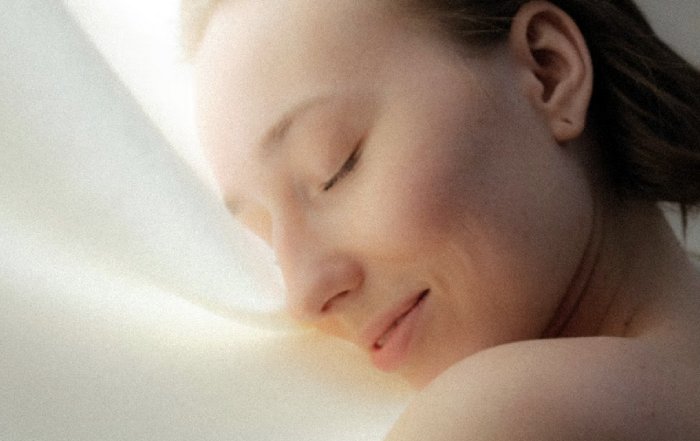
The Strategic Power of Sleep for Beauty and Wellness
Sleep as the Invisible Engine of Modern Beauty
By 2026, sleep has become one of the most scrutinized and strategically managed aspects of beauty and wellness, and within the global community of BeautyTipa, it is increasingly viewed as the invisible engine that determines whether skincare investments, wellness rituals, and performance-driven lifestyles genuinely deliver results. As hybrid work patterns, persistent digital overload, and economic uncertainty continue to shape daily life across North America, Europe, Asia, Africa, and South America, the readers of BeautyTipa are no longer satisfied with superficial promises of overnight transformation; instead, they want to understand how the quality, timing, and consistency of their sleep interact with skin biology, hormonal balance, mental health, and professional presence. Health authorities such as the World Health Organization now describe sleep as a core pillar of health alongside nutrition and physical activity, and this global medical consensus is mirrored in the surge of sleep-focused product launches, wellness retreats, and technology-enabled sleep tools that dominate beauty and wellness conversations in 2026.
For BeautyTipa, which serves a sophisticated readership interested in beauty, wellness, skincare, routines, and the business dynamics behind brands and products, sleep is not a side topic but a structural factor that influences everything from the way a serum absorbs to how confidently a professional in New York, London, Berlin, Singapore, or São Paulo walks into a meeting. In markets such as the United States, United Kingdom, Germany, Canada, Australia, France, Italy, Spain, the Netherlands, Switzerland, China, South Korea, Japan, and beyond, better-informed consumers are actively seeking evidence-based explanations that connect sleep habits to visible changes in skin clarity, body composition, cognitive sharpness, and emotional resilience, and they increasingly expect platforms like BeautyTipa to translate complex science into practical, trustworthy guidance that can be integrated into real-world lifestyles.
The Biology of Rest: How Sleep Rebuilds the Body and Mind
Sleep remains one of the most intricate and carefully orchestrated biological processes, involving synchronized changes in brain activity, hormonal signaling, immune function, and cellular repair, and its impact on both external appearance and internal wellness is profound. During the deeper stages of non-REM sleep, the brain reduces metabolic activity while the body increases the release of growth hormone, supports tissue repair, and consolidates memories, whereas REM sleep, with its characteristic rapid eye movements, is closely linked to emotional processing, learning, and creativity. Institutions such as the National Institutes of Health continue to emphasize that these alternating stages form a nightly cycle that shapes how rested, focused, and radiant a person feels and looks the next day, and those who want to explore the clinical foundations of this process can learn more about how sleep affects health through public health resources.
From a hormonal standpoint, insufficient or fragmented sleep destabilizes cortisol, insulin, ghrelin, and leptin, triggering a cascade of effects that increase inflammation, impair glucose metabolism, heighten appetite, and reduce satiety, all of which are directly relevant to the concerns addressed daily on BeautyTipa. Organizations such as the American Heart Association highlight the association between chronic sleep restriction, cardiometabolic disease, and accelerated biological aging, and readers can explore how sleep and heart health are intertwined. For the international audience of BeautyTipa, this means that sleep cannot be reduced to the subjective feeling of tiredness; it must be understood as a biological safeguard for long-term skin integrity, hair density, body composition, and immune defense, especially in demanding professional environments where appearance and performance are closely linked.
Beauty Sleep Reframed: Skin Repair, Barrier Function, and Aging
In 2026, the phrase "beauty sleep" carries a rigorously scientific meaning, as dermatological research continues to demonstrate that people who consistently obtain adequate, high-quality sleep show fewer visible signs of premature aging, better barrier function, and more even tone than those who do not. At night, skin blood flow increases, repair mechanisms address micro-damage caused by UV exposure and pollution, and the barrier recovers from daily stressors, creating a critical window during which actives such as retinoids, peptides, and antioxidants can work in synergy with the body's natural rhythms. The American Academy of Dermatology notes that chronic sleep deprivation can aggravate inflammatory skin conditions, including acne, eczema, and psoriasis, and readers can explore dermatologists' views on how sleep and skin health interact.
Within the BeautyTipa ecosystem, where readers frequently refine their skincare and routines based on ingredient lists and clinical claims, there is growing recognition that no formula, regardless of price or brand prestige, can fully compensate for an environment of chronic biological stress created by inadequate sleep. Night creams, overnight masks, and barrier-repair treatments are increasingly evaluated not only for their textures and active concentrations but also for how well they align with circadian biology, with many brands formulating products specifically designed to support nocturnal repair pathways. This has led to a more sophisticated consumer mindset in which a carefully curated evening routine is seen as incomplete if it is not paired with a realistic, protected sleep window that allows the skin's repair processes to unfold without constant interruption.
Under-Eye Shadows, Puffiness, and Facial Fatigue
Few signs of sleep debt are as immediately visible as dark circles, puffiness, and subtle changes in facial contours, and in 2026 these concerns are receiving heightened attention in professional hubs from New York and Toronto to London, Frankfurt, Seoul, and Tokyo, where long hours and high expectations remain the norm. When sleep is shortened or fragmented, vasodilation and fluid retention around the eyes can lead to swelling, while reduced microcirculation and gradual thinning of the periorbital skin make underlying blood vessels more apparent, deepening the appearance of shadows. Over time, these effects can contribute to a persistent look of fatigue, with hollowing under the eyes, duller skin, and less defined facial volume, which even advanced color correctors and concealers struggle to disguise fully.
Cosmetic dermatology centers and aesthetic clinics, including those discussed by the American Society for Dermatologic Surgery, increasingly report that patients seeking fillers, laser treatments, or brightening products for the eye area often have underlying sleep or lifestyle patterns that limit the durability of their results, and practitioners are encouraging clients to understand how sleep affects skin concerns as part of pre-treatment education. As BeautyTipa expands its makeup coverage, there is a noticeable shift from purely corrective strategies toward looks that complement a rested complexion, with editors and experts emphasizing that the most effective under-eye routine begins hours earlier, with consistent sleep and reduced late-night screen exposure, rather than only with product layering in the morning.
Hair, Nails, and the Extended Aesthetic Footprint of Sleep
The influence of sleep on appearance extends well beyond the face, shaping the health and resilience of hair and nails, which are highly responsive to hormonal stability, nutrient availability, and systemic stress. When individuals experience ongoing sleep disruption, elevated cortisol and chronic low-grade inflammation can contribute to increased shedding, slower growth, and diminished shine, especially in those already genetically predisposed to androgenetic alopecia or stress-induced telogen effluvium. Professional bodies such as the British Association of Dermatologists continue to highlight the role of lifestyle factors in hair health, and readers can learn more about how stress and habits affect hair loss through expert-reviewed resources.
Nail plates, composed of keratin, also reflect the body's overall capacity for regeneration; ridging, brittleness, and slower growth can signal that the body is prioritizing essential survival functions over cosmetic ones, a pattern frequently observed in people with prolonged sleep deficits or high stress. For BeautyTipa, which analyzes brands and products across haircare, nailcare, and ingestible beauty, this means that supplements containing biotin, collagen peptides, or amino acids must be framed as supportive tools rather than standalone solutions, with clear communication that their benefits are optimized when the body is given adequate nightly rest to allocate resources toward non-essential but aesthetically meaningful structures such as hair shafts and nail plates.
Sleep Beauty Impact Calculator
Discover how your sleep affects your appearance and wellness
Emotional Stability, Confidence, and the Wellness Dimension of Sleep
Beauty in 2026 is increasingly defined not only by surface-level appearance but also by emotional stability, energy, and confidence, and in this broader definition, sleep plays a decisive role. Chronic sleep restriction has been consistently linked to higher risk of anxiety, depression, and mood volatility, as emphasized by organizations such as the National Alliance on Mental Illness, and readers can explore how sleep interacts with mental health. These emotional shifts often manifest in reduced motivation to maintain skincare routines, less interest in exercise, and more negative self-perception, which in turn influence how individuals engage with beauty and wellness content.
Within the interconnected sections of BeautyTipa, including wellness, health and fitness, and business and finance, sleep emerges as a central determinant of habit consistency. Readers who prioritize rest are more likely to follow through on morning workouts, prepare nutrient-dense meals, adhere to cleansing and moisturizing rituals, and show up at work with the clarity needed to make strategic decisions. This creates a reinforcing cycle in which good sleep supports positive behaviors that further enhance sleep quality, while insufficient rest can trigger a downward spiral of skipped routines, emotional eating, and increased reliance on quick cosmetic fixes, a pattern that BeautyTipa aims to help its audience recognize and gently redirect.
Nutrition, Circadian Rhythms, and the Aesthetic Payoff
The three-way relationship between sleep, nutrition, and beauty has become a focal point for readers who view their bodies as integrated systems rather than isolated parts. Poor or irregular sleep tends to increase cravings for energy-dense, ultra-processed foods by disrupting hunger and satiety hormones, while diets high in refined sugars, saturated fats, and late-night caffeine can fragment sleep and alter circadian rhythms, creating a loop that undermines both wellness and appearance. Researchers at institutions such as the Harvard T.H. Chan School of Public Health continue to examine how diet and sleep interact, and those interested can explore the link between nutrition and sleep quality.
For the global audience engaging with BeautyTipa's food and nutrition coverage, this means that evening food choices are not only about digestion or weight management but also about morning radiance and facial definition. Heavy, late dinners, sugary desserts, and frequent nightcaps can contribute to restless sleep, increased overnight inflammation, and morning puffiness, whereas patterns that prioritize earlier, lighter meals, stable blood sugar, and adequate hydration support both sleep regulation and skin health. Across Italy, Spain, Japan, Sweden, and other markets where culinary traditions already emphasize balance and timing, many beauty-conscious consumers are refining their cultural habits with small, evidence-informed adjustments, such as moving the largest meal earlier in the day or integrating calming herbal infusions to signal the body that it is time to transition toward rest.
Technology, Wearables, and the Quantified Era of Rested Beauty
The convergence of beauty and technology has accelerated further in 2026, and sleep tracking now sits at the center of this evolution, enabling individuals to quantify the relationship between rest, appearance, and performance in unprecedented detail. Wearables and smart devices from companies such as Apple, Samsung, Garmin, and Oura provide metrics on sleep duration, sleep stages, heart rate variability, and nighttime movement, allowing users to correlate specific behaviors with days when their skin appears dull, their workout performance declines, or their mood feels unstable. The Sleep Foundation offers accessible explanations of these metrics and their relevance to health, and readers can learn more about interpreting sleep data.
For BeautyTipa, which dedicates a section to technology in beauty, this data-driven approach opens the door to highly personalized beauty and wellness strategies. Skincare brands are exploring integrations that adjust product recommendations based on recent sleep patterns, suggesting richer, barrier-focused formulas after short nights and lighter, maintenance-focused routines after well-rested periods. Fitness and wellness platforms are similarly using sleep data to calibrate workout intensity and recovery protocols, aligning training loads with the body's actual capacity. At the same time, BeautyTipa recognizes the importance of balance, as over-monitoring and late-night data checking can themselves become sources of anxiety and blue light exposure, reinforcing the need for readers to use technology as a supportive guide rather than a source of constant pressure.
Blue Light, Digital Habits, and the Modern Sleep-Beauty Trade-Off
The digital habits that define contemporary life remain one of the greatest obstacles to restorative sleep, particularly among younger demographics in the United States, United Kingdom, Germany, China, South Korea, and other highly connected markets, where evenings often involve streaming, messaging, and social media scrolling. Blue light emitted by smartphones, tablets, and laptops can suppress melatonin and delay the onset of sleep, while emotionally charged content and work-related emails keep the nervous system in a state of heightened arousal. The Mayo Clinic has outlined how digital exposure affects circadian rhythms and offers strategies to mitigate these effects, and readers can explore ways to reduce screen-related sleep disruption.
For beauty-conscious readers of BeautyTipa, the consequences of these habits are visible in the mirror: shortened sleep windows, fragmented rest, and late bedtimes translate into a reduction in nightly repair time, more pronounced dark circles, and a heavier reliance on corrective cosmetics in the morning. In response, BeautyTipa and forward-thinking brands are advocating for "digital sunset" routines that treat the reduction of screen time as an integral part of an evening beauty protocol. This may involve setting a firm cut-off time for devices, enabling night modes, charging phones outside the bedroom, and replacing late-night scrolling with analog rituals such as reading, journaling, or gentle stretching, so that the final hour before bed becomes a calm, low-stimulation bridge between skincare and sleep rather than an extension of the day's demands.
Regional Perspectives: Global Cultures Reconsidering Rest
Cultural norms around sleep, productivity, and self-care vary widely across regions, and in 2026 these differences continue to shape how beauty and wellness communities integrate sleep into their routines. In the United States and United Kingdom, where long hours and "always-on" work cultures have historically been celebrated, public health authorities such as the Centers for Disease Control and Prevention now describe insufficient sleep as a major public health issue, and business leaders are beginning to recognize the cost of chronic sleep deprivation in terms of productivity, safety, and healthcare expenditure. Corporate wellness programs increasingly include sleep education, digital detox initiatives, and flexible scheduling as part of their talent retention strategies, particularly in finance, technology, and healthcare.
In Asia, countries such as Japan and South Korea, long associated with intense work expectations, are seeing gradual but notable cultural shifts, with the emergence of nap cafés, sleep pods in offices, and beauty salons that incorporate restorative treatments designed to complement rest rather than replace it. In Scandinavia, including Sweden, Norway, Denmark, and Finland, holistic health traditions that emphasize outdoor time, balanced routines, and minimalistic skincare create a natural alignment between sleep, mental wellbeing, and understated beauty, offering a model that resonates strongly with BeautyTipa readers seeking sustainable approaches. In regions across Africa and South America, evolving urban lifestyles and growing middle classes are giving rise to new conversations around sleep as a marker of status and self-respect rather than laziness, and BeautyTipa's international coverage continues to highlight how local customs, climate, and work patterns influence the practical realities of achieving restorative rest.
Sleep as a Strategic Asset in Beauty Careers and Businesses
Within the beauty and wellness industry itself, sleep is increasingly recognized as a strategic asset that influences both employee wellbeing and business performance. Professionals in salons, spas, cosmetic retail, aesthetic medicine, and wellness coaching often work irregular hours, manage emotionally intense client interactions, and navigate physically demanding tasks, all of which can erode sleep quality over time. Economic and policy forums such as the World Economic Forum continue to highlight the macroeconomic costs of sleep deprivation, and leaders can learn more about the productivity implications of poor sleep. For brands and employers, supporting staff in achieving adequate rest is becoming a key element of employer branding, staff retention, and customer experience.
For readers of BeautyTipa interested in jobs and employment and entrepreneurial ventures, this shift opens new avenues for innovation, from sleep-focused spa menus and integrated wellness retreats to educational programs that train beauty professionals to recognize signs of sleep-related stress in clients and offer appropriate guidance or referrals. Companies that align their product development, marketing, and internal policies with a genuine commitment to holistic wellbeing, including sleep, are better positioned to build trust in a market where consumers and employees alike are increasingly attuned to authenticity and long-term value. BeautyTipa continues to follow these developments closely, connecting the dots between frontline experiences, executive decisions, and emerging business models across continents.
Integrating Sleep into Daily Beauty and Wellness Routines
Turning sleep science into daily practice requires routines that are realistic, culturally adaptable, and compatible with the varied schedules of readers from the United States, Germany, Canada, Australia, France, South Africa, Brazil, Malaysia, Singapore, and New Zealand, among others. Medical centers such as the Cleveland Clinic recommend consistent bed and wake times, calming pre-sleep rituals, and environments that are cool, dark, and quiet, and those interested can explore guidance on building healthy sleep habits. For the BeautyTipa community, the most effective approach is to view evening skincare, nutrition, and relaxation as parts of a single, coherent sequence rather than separate tasks competing for limited time.
A practical, sleep-centered routine might begin with gradually dimming lights and reducing digital stimulation, followed by a thorough but gentle cleansing and moisturizing ritual tailored to skin type and climate, and then a transition into low-intensity activities that calm the nervous system, such as breathing exercises, light stretching, or mindfulness practices frequently discussed in BeautyTipa's guides and tips. On the nutritional side, moderating caffeine intake in the afternoon, avoiding heavy or very late dinners, and limiting alcohol can support more stable sleep architecture, while regular daytime movement and exposure to natural light help synchronize circadian rhythms. By framing these practices as interconnected investments in long-term beauty and wellbeing, rather than as rigid rules, BeautyTipa encourages its readers to design routines that are both aspirational and achievable, adaptable to life stages, careers, and cultural contexts.
The Evolving Role of BeautyTipa in the Future of Sleep and Beauty
As the global beauty and wellness landscape evolves through 2026 and beyond, sleep will remain a central axis around which product innovation, consumer expectations, and professional standards continue to rotate. Advances in genetics, chronobiology, and personalized medicine are expected to deepen understanding of individual differences in sleep need and response, opening the door to more tailored recommendations and targeted interventions, while ongoing social and economic pressures will continue to challenge people's ability to prioritize rest consistently. In this complex environment, there is a growing need for platforms that combine scientific rigor with practical empathy, translating research into guidance that respects the realities of diverse lives.
For BeautyTipa, this intersection of sleep, beauty, and wellness is a long-term editorial and strategic commitment, integrated across trends, events, health and fitness, and the broader experience on beautytipa.com. By drawing on insights from trusted organizations such as the World Health Organization, National Institutes of Health, American Academy of Dermatology, Sleep Foundation, and others, and contextualizing them for readers in the United States, United Kingdom, Germany, Canada, Australia, France, Italy, Spain, the Netherlands, Switzerland, China, Sweden, Norway, Singapore, Denmark, South Korea, Japan, Thailand, Finland, South Africa, Brazil, Malaysia, New Zealand, and across Europe, Asia, Africa, and the Americas, BeautyTipa aims to help its audience treat sleep not as a negotiable luxury but as a strategic, non-negotiable foundation for beauty, wellbeing, and long-term potential.
In this vision, every carefully selected product, every balanced meal, every mindful movement practice, and every intentionally protected bedtime becomes part of a coherent narrative in which sleep is the quiet, powerful force that allows beauty and wellness to develop from the inside out, day after day, year after year.
