
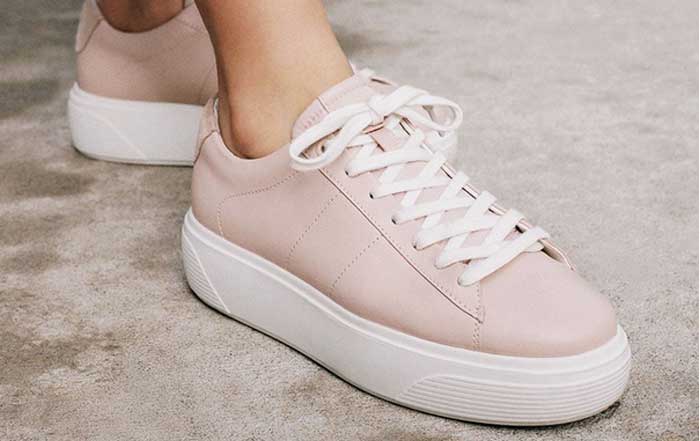
The Best Shoe Brands for Global Lady Bosses
Women in senior leadership roles now move through airports, boardrooms, summits, and investor meetings with a frequency that would have been exceptional a decade ago, and as this new generation of global executives reshapes business culture, their footwear has become a quiet but decisive component of how they manage performance, presence, and personal wellbeing. On BeautyTipa, where beauty, wellness, fashion, and business intersect, the conversation about shoes is not about superficial style; it is about the practical realities of 15-hour flights, back-to-back meetings across time zones, and the need to look composed in every photograph, panel, and negotiation. In 2026, the best shoe brands for lady bosses flying around the world are those that combine elegance, ergonomic engineering, and cultural sensitivity, while aligning with broader values such as sustainability and technological innovation.
Leadership, Travel, and Style in a Borderless Economy
The modern female executive often represents her organization in multiple markets, moving from a strategy session in New York to a policy forum in Brussels and then to a client visit in Singapore within the same month. In these settings, footwear operates as both a visual signal and a functional tool. A pair of well-chosen shoes must transition seamlessly from airport security lines to executive lounges, from stage appearances to private dinners, and from formal boardrooms to less structured innovation labs or co-working spaces. For the BeautyTipa audience, this intersection of trends, wellness, and authority is particularly relevant, because it reflects how external appearance and internal capability can reinforce each other when curated with intention.
As corporate governance, investor scrutiny, and media visibility intensify worldwide, women leaders are acutely aware that their appearance is often parsed more closely than that of their male counterparts. Shoes, which are among the first elements noticed in a tailored look, must therefore convey reliability, discipline, and modernity without appearing ostentatious or impractical. At the same time, the physiological demands of long-haul travel, standing on stage for extended periods, and walking through sprawling corporate campuses mean that comfort is not a luxury but an operational necessity. This is why the most respected footwear houses and innovative newcomers have invested heavily in cushioning technologies, anatomical design, and advanced materials that allow executives to maintain composure and energy throughout global itineraries. Readers who follow beauty and wellness insights on BeautyTipa will recognize that footwear has become part of a broader strategy of self-care that underpins sustainable high performance.
Why Footwear Is Strategic for the Global Female Executive
In 2026, footwear for women in leadership is evaluated through a lens that goes far beyond aesthetics. Shoes contribute to executive presence, which encompasses posture, gait, and the subtle signals of confidence projected in high-stakes environments. A well-balanced block heel or a meticulously crafted loafer can enhance posture, stabilize movement, and reduce the micro-discomforts that distract from focused listening or decisive speaking. In major financial centers such as New York, London, and Hong Kong, where first impressions are often made in seconds, footwear telegraphs discipline, taste, and respect for context.
Footwear also plays a strategic role in risk management and health. Prolonged use of poorly designed heels can contribute to musculoskeletal issues, reduced mobility, and chronic pain, which in turn can erode productivity and wellbeing. Brands that invest in podiatry-informed design, shock absorption, and pressure distribution are therefore becoming preferred choices for executives who understand that their bodies are as critical to their careers as their laptops. Those who follow health and fitness content on BeautyTipa are increasingly integrating footwear decisions into their broader wellness planning, recognizing that a shoe that prevents fatigue can be as valuable as a gym session or a restorative treatment.
Furthermore, in an era where corporate values are scrutinized by employees, investors, and customers, footwear choices can subtly reflect a leader's stance on sustainability, social impact, and innovation. Choosing a pair from a brand that champions circular fashion or ethical sourcing can reinforce a leader's credibility when speaking about ESG strategies or climate commitments. Executives who engage with global sustainability discussions may find it useful to learn more about sustainable business practices and then mirror those commitments in their personal wardrobe decisions.
The Evolving Needs of Traveling Lady Bosses
The needs of globally active women executives in 2026 can be understood as a convergence of comfort, style, durability, versatility, and cultural intelligence, but each of these categories is more nuanced than in previous years. Comfort now means more than a cushioned insole; it implies pressure-mapped support, breathable linings, and materials that adapt to swelling during long flights. Brands such as Cole Haan and Ecco have invested in biomechanical research to ensure that their shoes maintain comfort through entire workdays, not just the first few hours, which is crucial when an executive steps off a transatlantic flight and goes directly into a negotiation.
Style for the modern lady boss encompasses both classic and contemporary aesthetics. Many leaders prefer sleek silhouettes that complement tailored suits and dresses, but are also experimenting with sophisticated sneakers or hybrid loafers that reflect the softening of dress codes in sectors like technology, creative industries, and venture capital. For readers tracking fashion evolution on BeautyTipa, this shift is visible in the growth of "elevated casual" footwear that still photographs well under a blazer but functions like athletic wear.
Durability has also become central, especially for executives managing multi-city itineraries. High-quality leathers, reinforced stitching, and resilient soles are vital for shoes that must withstand cobblestones in Rome, rain in London, and heat in Dubai without losing structure or polish. Versatility is closely linked to this, as many executives aim to travel with a minimal capsule wardrobe: a pair of neutral pumps, a refined loafer, and a premium sneaker can cover most scenarios when chosen strategically. Cultural awareness, finally, shapes decisions about heel height, toe coverage, and overall visual impact; in some regions, conservative styles communicate respect, while in others, bolder designs are welcomed as expressions of individuality and success.
Executive Footwear Guide 2026
Premium Shoe Brands for Global Lady Bosses
Leading Shoe Brands for Traveling Executives in 2026
Christian Louboutin: Iconic Authority with Evolving Comfort
Christian Louboutin remains one of the most recognizable symbols of female power dressing, with its red soles instantly associated with status and confidence in boardrooms from New York to Dubai. While the brand built its reputation on high stiletto heels, its portfolio in 2026 includes more travel-appropriate block heels, lower pumps, and loafers that retain the drama of the red sole while offering greater stability and wearability. For many senior leaders, a pair of Louboutins is reserved for key investor presentations, media appearances, or ceremonial events where visual impact is paramount, and when paired with a carefully curated professional routine, they reinforce a signature personal brand.
Jimmy Choo: Modern Femininity for Boardroom and Beyond
Jimmy Choo continues to define contemporary sophistication, offering a wide spectrum of pumps, slingbacks, flats, and refined boots that work across formal and semi-formal contexts. Executives in North America, Europe, and Asia often rely on Jimmy Choo for shoes that can move from a strategy offsite to a gala dinner without feeling out of place. The brand's attention to balanced heel shapes and padded insoles has made its block heels particularly popular among women who need height without instability. Those interested in the evolution of luxury business style can explore how global houses like Jimmy Choo adapt to changing expectations through platforms such as Business of Fashion.
Salvatore Ferragamo: Italian Craftsmanship for Enduring Travel
For leaders who value heritage and subtlety, Salvatore Ferragamo remains a cornerstone. Its Vara and Varina collections, along with its refined loafers, are prized for their structured support, soft leathers, and timeless lines that never feel out of date in Zurich, Singapore, or Tokyo. Ferragamo's commitment to quality construction means that many executives treat these shoes as long-term investments that can be resoled and maintained, aligning with the growing preference for fewer, better pieces. Those exploring brands and products on BeautyTipa often identify Ferragamo as a benchmark for combining classic style with comfort that can withstand full days of travel and meetings.
Manolo Blahnik: Refined Artistry for High-Visibility Moments
Manolo Blahnik continues to occupy a unique space at the intersection of artistry and authority. Its heels, often recognized by their sculptural lines and distinctive embellishments, are favored by women who attend high-profile summits, diplomatic dinners, or cultural events where elegance is a form of soft power. While these shoes are not always the first choice for airport days, they are frequently packed for pivotal engagements during a trip. Executives who value the cultural and historical context of fashion can deepen their understanding of European craftsmanship and design heritage through institutions such as the Victoria and Albert Museum.
Cole Haan: Comfort Technology for High-Mobility Leaders
Cole Haan has become synonymous with integrating performance technology into executive footwear. Its proprietary cushioning systems, flexible soles, and lightweight uppers make its pumps, loafers, and hybrid sneakers particularly attractive for women who log significant miles on foot in global hubs like San Francisco, Berlin, and Toronto. Many executives now rely on Cole Haan for days that involve both client meetings and site visits, confident that the shoes will remain supportive without compromising professional polish. Readers interested in how innovation is reshaping beauty and fashion can read about technology-driven design and apply similar criteria when evaluating footwear.
Stuart Weitzman: Wearable Glamour for Cross-Continent Schedules
Stuart Weitzman continues to deliver elegant, wearable designs that suit both formal boardrooms and sophisticated social events. Its block-heel pumps and sleek boots are particularly popular in Europe and North America, where executives often navigate variable weather and mixed dress codes. The brand's focus on fit and material quality supports long wear times, making it a favorite for women who need to look composed from early breakfast briefings to late-night networking receptions. For readers following footwear trends on BeautyTipa, Weitzman often appears as a case study in how to balance fashion-forward design with practical considerations.
Tod's: Understated Luxury for Discreet Leadership
Tod's exemplifies quiet luxury, with its iconic Gommino loafers and refined flats providing a polished yet relaxed aesthetic that works particularly well in European and Asian business environments. Executives who prefer to signal confidence without overt branding often gravitate to Tod's, appreciating the brand's soft leathers, hand-finishing, and comfortable soles. These shoes are especially suited to cities with extensive walking, such as Amsterdam, Paris, and Milan, where a discreet loafer can feel more authentic and functional than a high heel. Those interested in European business style and its nuances can explore broader cultural context through resources like the European Commission's business portal.
Gucci: Iconic Loafers and Modern Professionalism
Gucci has successfully balanced its bold heritage with more streamlined, office-appropriate designs, particularly through its classic horsebit loafers and block-heeled pumps. These pieces have become staples for executives who want a recognizable but not overpowering statement. In markets such as the United States, the United Kingdom, and Japan, Gucci loafers are frequently seen in corporate corridors, creative agencies, and tech campuses, reflecting a convergence of luxury and contemporary work culture. For those curious about how luxury brands are responding to environmental and social expectations, it can be helpful to learn more about sustainable fashion initiatives and then assess how each house measures up.
Rothy's and Veja: Sustainability as Executive Signaling
Eco-conscious executives increasingly turn to Rothy's and Veja for travel days and less formal settings, using their footwear to reflect corporate commitments to sustainability. Rothy's produces flats and loafers from recycled materials that are machine-washable and lightweight, making them ideal for long-haul flights and city exploration between meetings. Veja, meanwhile, focuses on fair-trade sourcing, organic materials, and transparent supply chains, with minimalist sneakers that pair well with tailored separates. Leaders who speak publicly about climate goals or social responsibility often find that wearing such brands reinforces their credibility. Those seeking practical frameworks for environmentally aligned lifestyles can learn more about eco-conscious living and integrate footwear into that strategy.
Luxury-Athletic Collaborations: Sneakers in the Executive Wardrobe
Collaborations such as Nike x Dior and other luxury-athletic partnerships have normalized premium sneakers in certain executive environments, especially in technology, creative industries, and venture capital circles. For lady bosses who move rapidly between offices, production facilities, and informal brainstorming sessions, these sneakers offer cushioning and support while still signaling discernment and status. While they may not yet be appropriate for every boardroom in sectors like traditional finance or law, they are increasingly accepted in innovation-driven ecosystems. Executives interested in how dress codes are evolving across industries can follow analysis from organizations like the World Economic Forum to understand broader shifts in workplace culture.
Regional and Cultural Considerations in Executive Footwear
Europe: Practical Elegance for Walking Cities
In European capitals such as London, Paris, Berlin, and Amsterdam, where walking, public transport, and historic streets are part of daily life, practical elegance defines the footwear of women in leadership. Loafers, low block heels, and refined ankle boots from brands like Salvatore Ferragamo, Tod's, and Stuart Weitzman are favored for their ability to handle cobblestones and variable weather while maintaining a polished look for meetings with regulators, investors, and partners. Executives who frequently operate in Europe often build a capsule of neutral-toned shoes that can be worn with multiple outfits, reducing packing while preserving versatility, a strategy that aligns with the minimalist, curated wardrobes many BeautyTipa readers aspire to cultivate.
North America: Power Dressing with Functional Flexibility
In the United States and Canada, there is a pronounced duality between traditional corporate dress codes and the relaxed aesthetics of technology and media hubs. In New York and Toronto's financial districts, Christian Louboutin, Jimmy Choo, and Manolo Blahnik remain strong choices for board presentations and high-visibility events, whereas in San Francisco, Austin, or Vancouver's innovation corridors, premium sneakers and comfort-focused brands like Cole Haan and Allbirds are widely accepted even in senior roles. This flexibility allows lady bosses to curate footwear that matches the culture of each stakeholder group they interact with, while still maintaining a coherent personal brand. Those navigating North American business environments can benefit from business and finance insights that contextualize how style and leadership intersect.
Asia: Minimalism, Precision, and Respect for Tradition
In Asian business centers such as Tokyo, Seoul, Singapore, Shanghai, and Hong Kong, footwear for women leaders often leans toward sleek minimalism and immaculate presentation. Closed-toe pumps in black, navy, or nude from brands like Gucci, Ferragamo, and Manolo Blahnik are common in more formal sectors, while comfort-forward brands with clean lines, including On Running and Nike, are increasingly accepted in technology and innovation circles. Cultural norms in parts of Asia may favor modest heel heights and understated designs, particularly in more traditional industries or government-related roles. Executives who operate across Asia benefit from researching local expectations and integrating them into their packing strategy, a practice that aligns with the holistic approach to wellness and cultural sensitivity often discussed on BeautyTipa.
Middle East and Africa: Luxury, Resilience, and Climate Awareness
In Middle Eastern hubs such as Dubai, Abu Dhabi, and Riyadh, luxury footwear is frequently used as an explicit symbol of success and authority. Christian Louboutin, Chanel, and Jimmy Choo are prominent in high-level corporate and governmental settings, often paired with impeccably tailored ensembles. At the same time, considerations such as heat, long distances in large complexes, and cultural modesty shape choices toward closed-toe styles and materials that can withstand climate conditions. In African cities like Johannesburg, Lagos, and Nairobi, executives increasingly seek shoes that balance durability with style, with brands such as Stuart Weitzman, Ferragamo, and sustainable players like Veja gaining traction. Those interested in the broader international context of fashion and leadership can explore global perspectives to understand how regional expectations influence footwear decisions.
Technology, Innovation, and the Future of Executive Footwear
The year 2026 finds women's executive footwear at the intersection of fashion, engineering, and data. Brands are experimenting with advanced foams, 3D-printed components, and smart sensors to create shoes that actively support health and performance. Companies like Nike and Adidas have introduced adaptive technologies that respond to pressure and movement, while specialized firms such as Digitsole explore insoles that track steps, posture, and even fatigue indicators. For executives who monitor their wellbeing with wearables and health apps, integrating data-aware footwear is a natural extension of their self-optimization strategies. Those following technology in beauty and fashion on BeautyTipa will recognize this convergence as part of a broader trend toward personalized, responsive products.
Sustainability remains another powerful driver of innovation. Beyond Rothy's and Veja, many heritage houses are investing in recycled leathers, bio-based materials, and repair programs to extend product lifecycles. This shift aligns with regulatory pressure in Europe and growing investor scrutiny worldwide. Leaders who speak about ESG performance at conferences or in annual reports increasingly seek to ensure their personal style does not contradict their public commitments. Organizations such as the Ellen MacArthur Foundation provide frameworks for circular fashion that executives can reference when evaluating brands' claims and practices.
Wellness, Confidence, and the Psychology of Shoes
Footwear also plays a subtle but powerful role in mental and emotional wellbeing. Research in occupational health suggests that physical discomfort, even at low levels, can erode concentration, patience, and decision quality over the course of a demanding day. Shoes that pinch, wobble, or cause fatigue may not derail a single meeting, but they can cumulatively undermine performance across a week of travel. Conversely, shoes that feel stable and supportive often correlate with a stronger sense of groundedness and authority. For women in high-stakes roles, this psychological dimension is not trivial; it is part of how they manage presence in negotiations, media interviews, and internal town halls. Readers who explore wellness content and routines on BeautyTipa can incorporate footwear into their broader strategies for resilience, alongside sleep, nutrition, and movement.
Practical Guidance for the BeautyTipa Executive Reader
For the global lady boss curating her 2026 footwear strategy, a pragmatic approach is to build a compact but high-quality rotation: one pair of neutral, comfortable pumps from a brand like Ferragamo or Stuart Weitzman for formal settings; one pair of refined loafers or flats from Tod's, Rothy's, or Cole Haan for travel days and walking-intensive schedules; and one pair of premium sneakers or hybrid shoes from Nike, Veja, or a luxury-athletic collaboration for innovation-driven or informal environments. This trio, chosen in versatile colors such as black, nude, navy, or soft grey, can serve most itineraries across North America, Europe, Asia, and beyond, reducing packing complexity while maximizing readiness.
It is also wise to factor in local climate, customs, and venue types when planning footwear for major trips, and to allow time for new shoes to be broken in before deploying them on critical journeys. Executives who manage large teams or public profiles may even develop a signature footwear style as part of their personal brand, ensuring consistency across photographs, events, and digital appearances. For those who want to integrate footwear planning into a broader lifestyle strategy that includes beauty, nutrition, and fitness, BeautyTipa provides complementary resources across skincare, food and nutrition, and guides and tips, enabling a holistic approach to executive presence.
Shoes as Silent Partners in Global Leadership
In 2026, shoes for women leaders are no longer mere accessories; they are silent partners in global leadership, supporting the physical, psychological, and symbolic dimensions of high-level work. From the red soles of Christian Louboutin to the sustainable knits of Rothy's, from the sculpted artistry of Manolo Blahnik to the ergonomic engineering of Cole Haan, the best brands for lady bosses flying around the world are those that respect both the demands of the journey and the significance of the destination. For the BeautyTipa reader navigating board appointments, cross-border deals, or entrepreneurial expansion, investing in footwear that aligns with personal values, professional goals, and global realities is an act of strategic self-leadership-one confident step at a time.
