
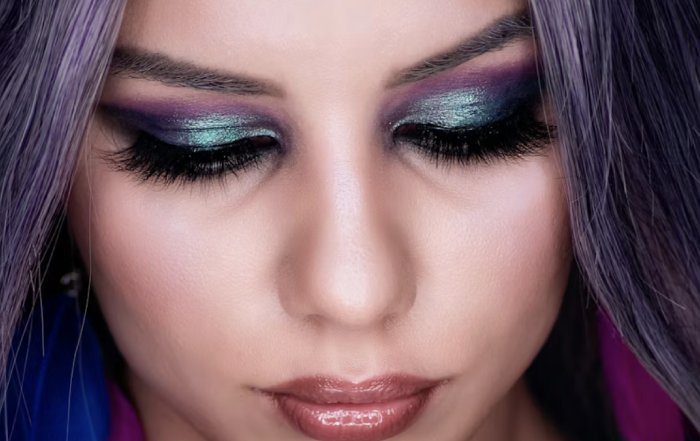
Global Fashion Capitals and the Makeup Landscape
How Fashion Capitals Continue to Shape Beauty
By 2026, the global beauty ecosystem has become even more tightly interwoven with the world's leading fashion capitals, and the rhythm of the industry is now defined by a near-continuous dialogue between runways, digital platforms, laboratories, and consumers' daily routines. The influence of New York, London, Milan, Paris, Tokyo, and Seoul, alongside fast-rising hubs such as Shanghai, Dubai, and São Paulo, reaches the international audience of BeautyTipa in real time, as looks move from backstage to livestreams, then into retail and home routines with unprecedented speed. For readers across North America, Europe, Asia, Africa, and South America, this is no longer simply a question of copying runway makeup; it is about understanding how global fashion capitals set the tone for innovation, business strategy, cultural storytelling, and personal identity in beauty, from makeup and skincare to wellness, technology in beauty, and business and finance.
Major fashion weeks and associated events in New York, London, Milan, Paris, Seoul, Tokyo, Shanghai, and São Paulo now function as global laboratories where makeup artists, product developers, and designers experiment with color, texture, biotechnology, and sustainability. These showcases feed editorial campaigns, retail strategies, and e-commerce assortments that are tracked closely by executives, investors, and analysts through platforms such as The Business of Fashion, McKinsey & Company, and WWD, which treat makeup not only as an aesthetic barometer but as a leading indicator of broader consumer sentiment and category growth. As BeautyTipa follows this evolution for its readers, the platform places particular emphasis on experience, expertise, authoritativeness, and trustworthiness, distilling complex industry shifts into practical insights that can be applied to everyday routines and long-term beauty planning.
New York: Inclusive Commerciality and the Polished Everyday Look
In 2026, New York remains a powerful reference point for commercially viable, office-ready, and camera-friendly makeup that resonates strongly in the United States, Canada, and other major urban markets. The city's long-standing commitment to diversity and inclusion continues to drive global expectations around shade ranges, undertone accuracy, and complexion flexibility, with brands headquartered or heavily present in New York responding to consumers who demand foundations, concealers, and tints that perform across all skin tones and work equally well under natural light, studio lighting, and video calls. Market intelligence from organizations such as NielsenIQ and Statista confirms that inclusive complexion portfolios are no longer a differentiator but a baseline requirement in North America and increasingly in Europe and Asia.
On the runways of New York Fashion Week, makeup artists are refining the "skin-realism" aesthetic that has gained ground since the pandemic years, favoring sheer, buildable coverage, targeted spot-concealing, and subtle sculpting that respects natural skin texture. Dewy but controlled finishes, cream-based bronzers and blushes, and softly defined brows dominate many shows, while lip looks range from polished neutrals suited to hybrid work environments to classic reds that echo the city's affinity for timeless glamour. For the BeautyTipa audience, this New York aesthetic is particularly relevant to professionals balancing demanding careers with personal expression, and the editorial team frequently translates these looks into practical guides and tips that can be adapted for different industries, from finance and law to tech and media.
From a business standpoint, New York's influence is amplified by its role as a headquarters city for major beauty conglomerates such as Estée Lauder Companies and Revlon, as well as a launchpad for indie brands that leverage direct-to-consumer models, social commerce, and influencer partnerships. Reports from Euromonitor International and Deloitte show that color cosmetics have returned to strong growth, with hybrid makeup-skincare products and long-wear, mask-flexible formulas gaining particular traction. The New York-driven emphasis on versatility, inclusivity, and professional polish aligns closely with these trends, and BeautyTipa reflects this reality by highlighting routines and product strategies that help readers build resilient makeup wardrobes suitable for boardrooms, co-working spaces, and after-hours networking events.
London: Experimental Expression and Ethical Edge
London's contribution to the global makeup conversation in 2026 is grounded in its subcultural heritage and its reputation as a crucible for experimental, sometimes confrontational beauty narratives. At London Fashion Week, bold graphic liners, unexpected color blocking, and deliberately imperfect finishes continue to challenge conventional notions of symmetry and flawlessness, reflecting a broader cultural embrace of authenticity and anti-filter aesthetics. Platforms such as the British Fashion Council, Vogue, and Dazed regularly spotlight London-based makeup artists and brands whose work blurs the line between beauty and performance art, and these experimental looks frequently migrate from editorial pages and underground clubs into mainstream social media trends.
This experimentalism is not just visual; it is also ethical and conceptual. Many London-driven trends are intertwined with conversations about identity, inclusivity, and sustainability, resonating strongly with Gen Z and younger millennials across the United Kingdom, Germany, the Netherlands, Scandinavia, and beyond. Consumer research from Mintel and sustainability analyses from organizations such as the Ellen MacArthur Foundation and UN Environment Programme indicate that British and European consumers increasingly expect cruelty-free formulations, low-waste packaging, and transparent sourcing, and they often reward brands that integrate these values into bold, expressive aesthetics. For the BeautyTipa community, which closely follows beauty trends and ethical innovation, London offers a model of how creative risk-taking can coexist with responsible business practices.
London's independent beauty scene also plays a pivotal role in translating runway experimentation into consumer-accessible products, with small and mid-sized brands collaborating closely with makeup artists to develop multi-use pigments, gels, and finishes that can be customized for both subtle and extreme looks. These products often appear first in concept stores and niche e-commerce platforms before gaining wider distribution, and they have become particularly influential in markets such as the United Kingdom, France, and the Nordic countries, where consumers are open to expressive color but still value functional performance. For readers exploring career paths in beauty, London's ecosystem illustrates how artistry, brand building, and content creation intersect within an evolving jobs and employment landscape that rewards creativity, digital fluency, and ethical awareness.
🌍 Global Fashion Capitals Makeup Trends 2026
Explore signature beauty aesthetics from fashion's most influential cities
Milan: Luxury Heritage and Modernized Glamour
Milan's impact on makeup trends in 2026 is deeply rooted in its heritage of luxury craftsmanship and precise tailoring, yet the city has also embraced a more modern, wellness-aware vision of glamour. Milan Fashion Week remains a showcase for meticulously sculpted cheekbones, velvety matte or satin complexions, and harmonized color stories that align with collections from houses such as Gucci, Prada, and Dolce & Gabbana, but the execution increasingly incorporates skincare benefits, breathable textures, and more nuanced approaches to glow. This refined aesthetic resonates strongly in Italy, France, Spain, and Latin America, where classic beauty codes still hold influence but are being subtly reinterpreted for a generation that values comfort and skin health alongside visual impact.
Industry data from L'Oréal Group, Kering, and the European Commission underscores the continued strength of the premium and luxury beauty segments in Europe and key international markets, with consumers willing to invest in high-quality complexion products, lipsticks, and eye palettes that promise both performance and sensorial pleasure. Milan's visual language supports this trend by emphasizing timeless staples-a perfectly calibrated red lip, a soft smoky eye in earthy tones, or a refined cat-eye liner-that can anchor a sophisticated makeup wardrobe. For BeautyTipa readers exploring brands and products, Milan's approach reinforces the value of building a curated collection of long-term essentials rather than constantly chasing short-lived novelties.
At the same time, Milanese brands and European manufacturers are increasingly attentive to sustainability, ingredient transparency, and regulatory developments shaped by institutions such as Cosmetics Europe, the European Chemicals Agency, and the European Medicines Agency. Refillable packaging, responsibly sourced pigments, and skincare-infused color formulas are becoming more common on Milan runways and in the associated product launches, reflecting a broader European push toward circularity and safer formulations. This convergence of heritage luxury and modern responsibility offers a compelling blueprint for consumers in Europe, North America, and Asia who wish to enjoy polished glamour while aligning their choices with environmental and ethical priorities.
Paris: Skin-Centric Refinement and Couture-Level Storytelling
Paris continues to occupy a singular position in the global beauty hierarchy, with Paris Fashion Week and the haute couture schedule setting the tone for aspirational aesthetics, fragrance narratives, and the fusion of art, science, and craftsmanship. French beauty heritage, embodied by houses such as Chanel, Dior, Lancôme, and Hermès, remains synonymous with the concept of effortless chic, and in 2026 this translates into makeup trends that prioritize luminous, well-prepared skin, subtle sculpting, and carefully chosen accents rather than overtly transformative techniques. The enduring popularity of French pharmacy skincare, frequently highlighted by publications such as Harper's Bazaar and Vogue France, reinforces the idea that makeup is most effective when it enhances a well-cared-for complexion.
On the Paris runways, makeup artists often introduce conceptual elements-ethereal washes of shimmer, painterly blush draping, or delicate metallic veils-that later influence editorial spreads and premium product launches across Europe, North America, and parts of Asia. These looks are typically grounded in rigorous product testing and regulatory compliance shaped by European institutions, which ensures that innovations in texture, longevity, and pigment intensity are supported by robust safety and performance standards. For BeautyTipa, which approaches beauty through an integrated lens that includes wellness, fashion, and health and fitness, Paris exemplifies how brands can build cohesive narratives that connect skincare, makeup, fragrance, and broader lifestyle choices.
Paris is also a focal point for discussions about sun protection, pollution defense, and anti-aging strategies, with dermatological research from institutions referenced by organizations like the American Academy of Dermatology and Mayo Clinic influencing the formulation of complexion products showcased on its runways. Foundations and skin tints increasingly integrate advanced UV filters, antioxidants, and barrier-supporting ingredients, reflecting a recognition that urban lifestyles in cities such as Paris, London, New York, and Tokyo expose skin to environmental stressors that must be addressed holistically. This skin-centric sophistication aligns closely with the interests of BeautyTipa readers who are building long-term skincare strategies while still seeking the polished, understated elegance for which Paris is renowned.
Seoul and Tokyo: Technological Innovation and Skin-Makeup Hybrids
In 2026, Seoul and Tokyo continue to exert outsized influence on the global understanding of what makeup can and should do, particularly in relation to skin quality, personalization, and the integration of technology. South Korea's beauty industry, supported by organizations such as KOTRA and analyzed extensively by Euromonitor and Mintel, remains at the forefront of hybrid formulations that blur the line between skincare and makeup, from cushion foundations with advanced UV protection to serum-infused tints and balms designed to support barrier health. The "glass skin," "cloud skin," and "honey skin" aesthetics that gained prominence in previous years have evolved into more individualized approaches, with consumers in South Korea, the United States, Europe, and Southeast Asia using diagnostic tools and AI-driven recommendations to tailor their base products to their specific concerns.
On Seoul's runways and in its influential K-pop and K-drama ecosystems, makeup trends emphasize translucency, soft gradients, and playful color accents that can be dialed up or down depending on occasion and personal style. Brands such as Amorepacific, Laneige, and Etude continue to launch complexion products and lip tints that rapidly gain global traction through social media and cross-border e-commerce platforms. In Tokyo, the aesthetic spectrum is broader, ranging from ultra-minimal, almost bare looks to highly stylized subcultural expressions inspired by Harajuku, anime, and alternative fashion scenes. Brands such as Shiseido, Canmake, and SUQQU reflect this diversity, offering both subtle, office-appropriate formulations and high-impact colors and textures that appeal to creative communities in Japan, Europe, and North America.
Both Seoul and Tokyo are also deeply embedded in the beauty technology landscape, with significant investments in AI-based skin analysis, virtual try-on, and personalized formulation systems. Reports from CB Insights, PwC, and the World Economic Forum highlight the rapid growth of beauty-tech startups in East Asia, many of which pilot innovations in markets such as South Korea, Japan, and Singapore before expanding globally. These technologies enable consumers to experiment with makeup looks inspired by global fashion capitals without visiting physical counters, and they provide brands with granular data on preferences, shade gaps, and emerging micro-trends. For BeautyTipa, which dedicates a full vertical to technology in beauty, Seoul and Tokyo offer a preview of how digital tools, data, and creativity will continue to reshape the beauty experience worldwide.
Emerging Hubs: Shanghai, Dubai, São Paulo, and Expanding Regional Influence
Beyond the traditional fashion capitals, emerging hubs such as Shanghai, Dubai, São Paulo, Mumbai, and Johannesburg are playing an increasingly visible role in shaping global makeup trends, reflecting shifting economic power and demographic momentum across Asia, the Middle East, Africa, and South America. In Shanghai, the intersection of luxury retail, domestic Chinese innovation, and digital ecosystems built around platforms such as Tmall, WeChat, and Douyin has created a sophisticated beauty market where consumers move fluidly between Western-inspired looks and distinctly local aesthetics. Insights from China Beauty Expo and McKinsey underscore the speed at which trends spread through livestream commerce and influencer-driven campaigns, with bold lips, precise liners, and soft-focus idol-inspired complexions all coexisting within a dynamic visual culture.
Dubai and other Gulf cities project a distinct vision of high-coverage glamour, sculpted contouring, and long-wear, heat-resistant formulas that serve local cultural preferences while influencing global approaches to evening and event makeup. Organizations such as the Arab Fashion Council and regional beauty media document how this aesthetic is evolving, incorporating softer finishes, skin-care benefits, and more nuanced highlighting techniques while retaining its characteristic drama. In São Paulo and other Latin American centers, vibrant colors, bronzed skin, and expressive eye looks draw from local music, dance, and street culture, creating makeup narratives that resonate strongly in Brazil, Argentina, and neighboring markets and increasingly inspire festival and summer beauty trends worldwide. For BeautyTipa, which serves readers across Europe, Asia, Africa, North America, and South America through its international coverage, these hubs illustrate that trend leadership is now distributed rather than centralized, with inspiration moving in multiple directions simultaneously.
The Convergence of Makeup, Wellness, and Daily Routines
Across all fashion capitals and emerging hubs, one of the defining features of the 2026 makeup landscape is the continued convergence of beauty with wellness, skincare, and lifestyle design. Consumers in the United States, the United Kingdom, Germany, Canada, Australia, France, Italy, Spain, the Netherlands, Switzerland, China, South Korea, Japan, and beyond are increasingly seeking products and routines that support not only immediate visual impact but also long-term skin health, psychological comfort, and alignment with personal values. The rise of skin tints, serum foundations, and complexion products containing ingredients such as niacinamide, hyaluronic acid, ceramides, and peptides reflects this integration, drawing on dermatological and wellness insights shared by institutions like the American Academy of Dermatology, Mayo Clinic, and World Health Organization.
Everyday routines are becoming more strategic and modular, as consumers build flexible systems that can be adapted to different climates, work patterns, and social contexts. Many readers of BeautyTipa now curate streamlined sets of multi-use sticks, balms, and palettes that can transition from a minimal daytime face suitable for remote work or casual office environments to more sculpted, high-impact looks for evenings and events. This shift is closely connected to broader lifestyle considerations, including sleep, nutrition, and exercise, which influence how makeup sits on the skin and how long it wears. In response, BeautyTipa increasingly links beauty, health and fitness, and food and nutrition, providing readers with integrated perspectives on how internal and external habits work together to support both appearance and wellbeing.
Regional preferences also shape how this convergence manifests. In Nordic countries such as Sweden, Norway, Denmark, and Finland, for example, there is a strong emphasis on minimalism, clean formulations, and subtle radiance, while in markets such as Brazil, South Africa, and Thailand, sun resilience, sweat resistance, and vibrant color payoff are often prioritized. For readers in Singapore, Malaysia, and other humid climates, lightweight, breathable textures and smart setting techniques are key to maintaining comfort and performance throughout the day. BeautyTipa reflects these nuances in its coverage of routines, offering regionally informed suggestions that help readers adapt global runway inspiration to local weather, cultural norms, and professional expectations.
Business Strategy, Technology, and the Value of Insight
From a strategic business perspective, understanding how global fashion capitals influence makeup trends has become essential for brands, investors, and professionals operating in the beauty sector. Executives increasingly rely on trend intelligence from sources such as The Business of Fashion, WWD, Deloitte, and OECD to anticipate shifts in consumer demand, allocate research and development budgets, and design marketing campaigns that can resonate across diverse markets. The compressed timelines between runway debut and retail launch, driven by social media, e-commerce, and global logistics, mean that a striking eyeliner shape from London, a dewy base innovation from Seoul, or a color story from São Paulo can be commercialized within a single season, rewarding organizations that combine creative agility with operational excellence.
Technology is central to this new reality. AI-driven forecasting tools, social listening platforms, and advanced analytics allow brands to monitor conversations, sentiment, and purchasing behavior on channels such as Instagram, TikTok, YouTube, and X, identifying both macro-trends and niche movements that might otherwise go unnoticed. At the same time, regulatory developments, sustainability commitments, and evolving labor dynamics-tracked by institutions such as the International Labour Organization, the Global Reporting Initiative, and the World Economic Forum-shape what is feasible in terms of formulation, packaging, and workforce skills. For BeautyTipa, which covers business and finance in beauty, these dynamics underscore the importance of cross-functional expertise, where creative vision, regulatory knowledge, technological fluency, and financial acumen are all required to translate runway inspiration into responsible, profitable products.
For professionals and aspiring entrants into the beauty industry, this environment presents both opportunities and challenges. Roles in product development, artistry, digital marketing, retail strategy, and sustainability now demand a nuanced understanding of global trend flows, regional differences, and the technical underpinnings of modern formulations and tools. As BeautyTipa engages with this audience, the platform increasingly focuses on helping readers interpret how trends emerging from New York, London, Milan, Paris, Seoul, Tokyo, and other hubs intersect with long-term career prospects, entrepreneurial possibilities, and the evolving jobs and employment landscape.
Looking Forward: A Connected, Responsible, and Personalized Beauty Future
Looking ahead through 2026, the influence of global fashion capitals on makeup trends is expected to become even more collaborative, inclusive, and technologically sophisticated. Rather than a one-directional flow from a small set of Western cities to the rest of the world, the beauty narrative now resembles a dense network in which ideas circulate rapidly among New York, London, Milan, Paris, Seoul, Tokyo, Shanghai, Dubai, São Paulo, and numerous other creative centers, while local communities adapt and remix these influences to reflect their own cultural narratives and practical needs. For BeautyTipa, whose readership spans the United States, United Kingdom, Germany, Canada, Australia, France, Italy, Spain, the Netherlands, Switzerland, China, Sweden, Norway, Singapore, Denmark, South Korea, Japan, Thailand, Finland, South Africa, Brazil, Malaysia, New Zealand, and beyond, this evolution reinforces the importance of regionally aware coverage that connects trends, events, and expert guides and tips with the lived realities of diverse audiences.
At the same time, heightened awareness of sustainability, mental health, and social responsibility is reshaping expectations of beauty brands, retailers, and influencers. Organizations such as the UN Environment Programme, Global Reporting Initiative, and World Health Organization are influencing how companies measure and communicate their environmental and social performance, and consumers are increasingly factoring these considerations into their purchasing decisions, even in categories historically driven by impulse and aspiration. In this context, the makeup looks seen on global runways are not just aesthetic experiments; they are also vehicles for conveying values, testing new technologies, and exploring more sustainable approaches to product design, distribution, and consumption.
Ultimately, the makeup landscape of 2026 reflects a world in which beauty is both personal and collective, rooted in local cultures yet shaped by global conversations, and deeply connected to broader shifts in technology, wellness, and commerce. By tracking developments across fashion capitals and emerging hubs, and by translating them into clear, actionable insights, BeautyTipa aims to support its readers in building routines and strategies that honor individuality while engaging thoughtfully with the wider industry. Whether a reader is refining a daily office look in New York, experimenting with subversive color in London, embracing polished glamour in Milan, pursuing skin-first refinement in Paris, exploring tech-enabled hybrids in Seoul or Tokyo, or drawing inspiration from Shanghai, Dubai, São Paulo, and beyond, BeautyTipa remains committed to offering informed, trustworthy guidance that reflects the complexity and promise of the global beauty landscape today.
