
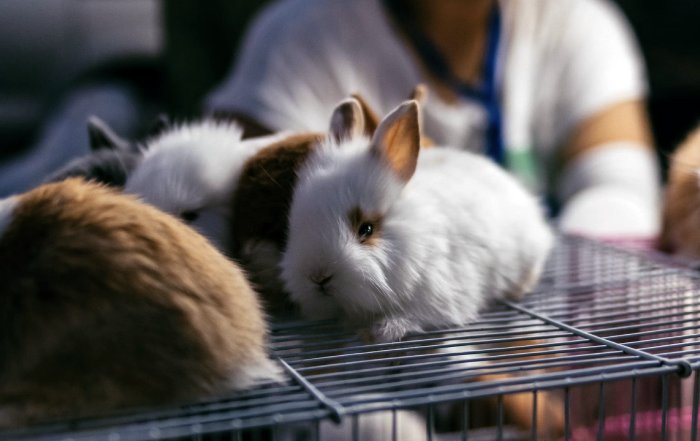
The Global Rise of Cruelty-Free Beauty: From Ethical Choice to Business Imperative
Cruelty-Free as the New Benchmark in Beauty
By 2026, cruelty-free beauty has evolved from an aspirational ideal into a fundamental expectation that shapes how brands are built, valued, and trusted across the global beauty ecosystem. Consumers in the United States, United Kingdom, Germany, Canada, Australia, France, Italy, Spain, Netherlands, Switzerland, China, South Korea, Japan, and an expanding list of emerging markets increasingly view animal testing as incompatible with modern standards of ethics, innovation, and transparency. For the audience of BeautyTipa, who follow developments in beauty, skincare, and brands and products, cruelty-free is no longer a niche differentiator; it is a baseline requirement that informs purchasing decisions, loyalty, and brand advocacy.
This shift has been accelerated by several converging forces: more stringent regulations in key markets, rapid advances in non-animal testing methods, heightened digital transparency, and a generational shift toward values-driven consumption. As younger consumers gain spending power and older demographics adopt more conscious lifestyles, cruelty-free positioning has become a litmus test for corporate integrity and scientific leadership. In North America, Europe, Asia, Africa, and South America, beauty companies are being evaluated not only on the performance and aesthetics of their products, but also on whether their research pipelines, supply chains, and market strategies align with animal welfare and broader sustainability expectations.
What Cruelty-Free Means in 2026
Despite its frequent use in marketing, the term "cruelty-free" remains complex in practice, sitting at the intersection of ethics, law, and science. In 2026, a cruelty-free beauty product is generally understood to be one that has not been tested on animals at any stage of development, from raw ingredients through finished formulas, and has not relied on third-party animal testing or testing conducted to satisfy specific market-entry requirements. This definition extends beyond a single product line and often encompasses a brand's global operations, which is why independent verification remains critical to consumer trust.
Organizations such as Cruelty Free International and the Leaping Bunny Program have continued to refine and promote standards that help both brands and consumers navigate this space. Many readers seeking deeper clarity on global campaigns and policy frameworks turn to resources that explain international efforts to end animal testing for cosmetics, using them to cross-check brand claims. At the same time, the regulatory environment remains fragmented. The European Union maintains its long-standing prohibition on animal testing for cosmetics and ingredients, a benchmark that has driven innovation and set expectations far beyond its borders. Those wishing to understand how EU regulations shape product development often review official information on cosmetics safety and consumer protection to see how science and policy interact.
Other regions have been slower to harmonize, but progress is evident. China, for example, has continued to refine its rules on imported cosmetics, expanding pathways for certain categories of products to avoid mandatory animal tests, while still retaining complex requirements that brands must navigate carefully. As a result, global companies must manage a delicate balance between regulatory compliance and ethical positioning, making transparent communication about what "cruelty-free" means in each market more important than ever for maintaining credibility with a discerning audience.
Ethical Drivers and the Evolution of Consumer Values
The engine behind the rise of cruelty-free beauty is a deepening ethical awareness among consumers who increasingly see animal welfare as integral to their identity and lifestyle, rather than as a secondary concern. Across North America, Western Europe, and fast-growing markets in Asia-Pacific, surveys consistently highlight that Gen Z and younger millennials are more likely to reward brands that align with their moral priorities and to penalize those perceived as lagging on issues such as animal testing, labor practices, and environmental impact. Many consumers are influenced by educational content from organizations like PETA, where they can explore the realities of animal experimentation, and by viral social media campaigns that expose outdated laboratory practices to global scrutiny.
This ethical lens is not limited to a single region or income bracket. In Brazil, South Africa, Singapore, and New Zealand, cruelty-free preferences intersect with rising interest in veganism, minimalism, and sustainable consumption. For the BeautyTipa community, beauty is increasingly integrated into a holistic lifestyle that encompasses wellness, health and fitness, and food and nutrition, creating a coherent narrative in which skincare, makeup, and personal care are expected to respect both personal wellbeing and the wellbeing of animals and the planet. This convergence means that a moisturizer, serum, or lipstick is evaluated not only for texture, finish, and results, but also for its ethical footprint and the integrity of the brand behind it.
Market Growth and Strategic Impact on the Beauty Industry
The economic significance of cruelty-free beauty has grown substantially, transforming it from a niche segment into a central driver of innovation and competitive differentiation. Industry analyses from firms such as Grand View Research and Allied Market Research show that vegan and cruelty-free product lines continue to outpace overall category growth, particularly in skincare, color cosmetics, and haircare, as consumers gravitate toward products that deliver both performance and ethical reassurance. Executives and investors tracking these developments often rely on market intelligence that examines global beauty market trends and segmentation to understand where capital and R&D should be directed.
For companies featured in BeautyTipa's business and finance coverage, cruelty-free positioning now influences valuation, acquisition strategies, and long-term portfolio design. Large conglomerates such as L'Oréal, Unilever, and Estée Lauder Companies have accelerated investments in alternative testing methods, reformulation programs, and the acquisition of established cruelty-free labels, recognizing that future growth depends on reconciling scale with ethics. At the same time, indie brands in the United States, United Kingdom, Germany, South Korea, and Japan are leveraging cruelty-free commitments as core to their brand DNA, often combining them with minimalist ingredient lists, transparent supply chains, and digitally driven storytelling to capture younger, digitally native consumers who scrutinize every claim.
Regulation as Catalyst: Law, Policy, and Global Alignment
Regulatory frameworks have played a decisive role in pushing the industry toward cruelty-free practices. The EU Cosmetics Regulation remains the most influential legal instrument in this regard, effectively banning animal testing for cosmetics and their ingredients and setting a precedent that many other jurisdictions are now echoing. Professionals tracking regulatory developments regularly consult institutions such as the European Chemicals Agency, which provides detailed information on chemical safety and regulatory requirements, to ensure that product development and market strategies remain compliant.
Beyond Europe, momentum continues to build. Several U.S. states, including California and New York, have introduced or strengthened laws restricting the sale of cosmetics tested on animals, contributing to a patchwork of rules that is gradually nudging the federal landscape toward more unified standards. Australia has implemented national restrictions, and countries in Latin America, Africa, and Asia are exploring or enacting similar measures, often in collaboration with international NGOs and scientific bodies. The Organisation for Economic Co-operation and Development (OECD) plays a central role in validating and promoting alternative test methods, and stakeholders can review OECD guidelines for non-animal safety assessments to understand how regulatory science is moving away from animal-based protocols. This regulatory evolution both constrains and enables strategic choices, rewarding companies that invest early in cruelty-free readiness and penalizing those that remain dependent on outdated testing paradigms.
Scientific Innovation and the Maturation of Non-Animal Testing
The credibility and scalability of cruelty-free beauty rest heavily on advances in toxicology, biotechnology, and data science. Over the past decade, non-animal methods have matured from experimental concepts into validated tools that can address a wide range of safety endpoints. Reconstructed human tissue models, organ-on-a-chip systems, high-throughput in vitro assays, and AI-enhanced predictive toxicology now enable companies to assess irritation, sensitization, and long-term safety without relying on animal models. Research centers such as the Johns Hopkins Center for Alternatives to Animal Testing (CAAT) offer insights into cutting-edge alternative testing methods, helping industry and regulators align on robust, humane standards.
For readers of BeautyTipa's technology and beauty section, this scientific shift is particularly relevant. The integration of machine learning into ingredient screening and formulation design, along with the use of big data to model exposure and risk, has shortened development cycles and enabled more precise tailoring of products to specific skin types, climates, and lifestyle needs. As a result, cruelty-free products are increasingly associated with scientific sophistication rather than compromise, reinforcing the perception that ethical choices can deliver superior innovation, safety, and performance in categories ranging from sunscreens and anti-aging serums to long-wear foundations and transfer-resistant lip colors.
How Consumers Verify and Interpret Cruelty-Free Claims
As information has become more accessible, beauty consumers have grown more discerning and skeptical about marketing language. In 2026, many shoppers rely on a combination of third-party certifications, retailer standards, and regulatory guidance to assess whether a brand's cruelty-free claims are credible. Programs such as Leaping Bunny and various "certified cruelty-free" labels provide recognizable visual cues on packaging, but informed consumers also look beyond logos, examining brand policies, supply chain disclosures, and cross-border distribution strategies.
Retailers contribute to this process by creating curated cruelty-free assortments and educational content that helps decode complex terminology. Readers who wish to understand the difference between regulated terms and voluntary marketing claims often consult resources that explain cosmetic labeling, terminology, and oversight, using them to distinguish robust assurances from ambiguous language. For the global audience of BeautyTipa, this evaluative process is tightly interwoven with interests in guides and tips, daily routines, and emerging trends. Readers in Europe, Asia, and North America routinely research ingredient lists, cross-reference brands against independent cruelty-free databases, and seek social proof through reviews and expert analysis before incorporating new products into their skincare or makeup rituals.
Cruelty-Free Within the Broader Sustainability and ESG Agenda
Cruelty-free commitments now sit within a broader sustainability and ESG narrative that encompasses environmental impact, social responsibility, and governance standards. Brands that phase out animal testing often simultaneously address issues such as responsible sourcing, carbon reduction, packaging waste, and labor practices, recognizing that consumers and investors increasingly evaluate performance across multiple dimensions. ESG rating agencies such as MSCI and Sustainalytics enable stakeholders to assess corporate sustainability and risk management, and cruelty-free policies frequently appear as indicators of a company's broader ethical orientation.
For those who follow BeautyTipa's coverage of fashion, wellness, and lifestyle, this integrated perspective is becoming the norm. The rise of refillable packaging, upcycled ingredients, and circular business models reflects a shift toward long-term resource stewardship. Organizations like the Ellen MacArthur Foundation provide frameworks to explore circular economy principles, which increasingly influence how beauty companies design packaging, plan logistics, and manage product end-of-life. In this context, cruelty-free is not an isolated badge, but one element of a multidimensional strategy that appeals to consumers who want their beauty choices to align with climate goals, biodiversity protection, and social equity.
Regional Dynamics: Global Convergence with Local Distinctions
While the underlying values driving cruelty-free beauty are global, their expression varies across regions, shaped by local culture, law, and market structure. In the United States and Canada, a strong ecosystem of indie brands, vocal advocacy groups, and progressive state-level legislation has made cruelty-free a key differentiator, particularly in the prestige and direct-to-consumer segments. In the United Kingdom, Germany, France, Italy, Spain, Netherlands, Sweden, Norway, Denmark, and Finland, the EU-led regulatory environment means most cosmetics on shelves are already free from animal testing, so competition has shifted toward clean formulations, biodiversity-friendly sourcing, and advanced sustainability credentials.
In Asia, the landscape is evolving rapidly. South Korea and Japan, long recognized as innovation hubs, are seeing a wave of brands that blend high-tech actives, dermatological research, and cruelty-free or vegan positioning, appealing to both domestic consumers and international audiences who admire K-beauty and J-beauty aesthetics. China's ongoing regulatory reform has created new pathways for imported cruelty-free products, although brands must still navigate region-specific requirements and pilot programs. Markets such as Thailand, Singapore, and Malaysia are emerging as regional centers where global and local brands compete to serve increasingly sophisticated consumers who expect efficacy, sensorial excellence, and ethical assurances in equal measure. Readers who follow BeautyTipa's international analysis through its international section gain insight into how these regional nuances influence product design, messaging, and go-to-market strategies.
Strategic Implications for Brands, Retailers, and Professionals
For beauty brands, cruelty-free is now both a strategic necessity and a complex operational challenge. Established companies must conduct thorough audits of ingredient portfolios, supplier networks, and regulatory obligations to ensure that cruelty-free claims can withstand scrutiny in every market where they operate. This may require renegotiating contracts with raw material suppliers, investing in non-animal safety testing infrastructure, and, in some cases, making difficult decisions about whether to prioritize access to specific markets or maintain uncompromising cruelty-free positioning. Emerging brands have the advantage of embedding cruelty-free principles from inception, designing their business models, product roadmaps, and geographic expansion strategies around ethical and regulatory alignment.
Retailers, whether global chains or specialized e-commerce platforms, are increasingly curating assortments that reflect these consumer expectations. Many introduce internal cruelty-free standards, provide educational content, and build digital tools that allow shoppers to filter by certifications, vegan status, or sustainability attributes. Beauty professionals-from product developers and regulatory experts to marketers, educators, and content creators-must stay informed about evolving laws, scientific advances, and consumer attitudes. Those exploring career paths in this evolving landscape can benefit from resources that highlight jobs and employment trends in the beauty sector, particularly roles that sit at the intersection of science, sustainability, digital strategy, and brand storytelling.
Impact on Routines, Skincare Strategies, and Makeup Preferences
At the level of everyday life, cruelty-free priorities are reshaping how individuals construct their beauty and wellness routines. The BeautyTipa audience, which frequently refines skincare routines, experiments with new textures and formats, and explores diverse makeup aesthetics, is increasingly building collections around brands that can demonstrate credible, verifiable cruelty-free credentials. This shift affects the full spectrum of products, from cleansers, exfoliants, and barrier-repair serums to mascaras, eyeliners, lip products, and setting sprays, as well as haircare, fragrance, and body care.
Skincare enthusiasts who follow BeautyTipa's dedicated skincare coverage often associate cruelty-free brands with advanced dermatological research, microbiome-friendly formulations, and sensitive-skin compatibility, reinforcing the perception that ethical products can also be particularly gentle and effective. Many of these brands lead in areas such as hybrid skincare-makeup products, mineral and next-generation UV filters, and data-informed personalization. Makeup lovers benefit from an expanding array of high-pigment, long-wear, and transfer-resistant products developed without animal testing and, increasingly, without animal-derived ingredients, demonstrating that ethical alignment no longer requires sacrificing color payoff, finish, or durability.
Education, Media, and the Role of BeautyTipa in Building Trust
Education remains central to the continued growth and maturation of cruelty-free beauty. Media outlets, industry analysts, and specialized platforms such as BeautyTipa play a pivotal role in translating complex regulatory, scientific, and business developments into accessible insights for consumers, professionals, and investors. By publishing in-depth features on cruelty-free innovation, interviewing scientists and brand founders, and analyzing the strategic implications of regulatory changes, BeautyTipa helps its global readership make informed choices about the products they purchase, the brands they support, and the career paths they pursue in beauty, wellness, and adjacent industries.
This educational mission is reinforced by broader thought leadership from organizations such as the World Economic Forum, where readers can explore sustainability and ESG trends shaping consumer industries. Together, these sources create a knowledge ecosystem that empowers stakeholders across Europe, Asia, Africa, South America, and North America to align their beauty practices with long-term priorities such as climate resilience, ethical innovation, and social responsibility. Within this ecosystem, BeautyTipa serves as a trusted, specialized voice that connects global developments to the practical realities of product selection, routine design, and lifestyle management.
The Future: Cruelty-Free as Baseline in a More Demanding Beauty Landscape
Looking ahead from 2026, the trajectory of cruelty-free beauty suggests that animal testing will continue to recede as a viable or acceptable practice in cosmetics, replaced by more humane, efficient, and predictive scientific methods. As regulatory frameworks tighten, non-animal testing technologies mature, and consumer expectations solidify, cruelty-free status is likely to become a baseline requirement rather than a differentiating feature. In this new landscape, competition will intensify around integrated sustainability strategies, inclusive representation, advanced personalization, and the seamless blending of beauty with wellness, fashion, and lifestyle.
For BeautyTipa and its global audience-from the United States, United Kingdom, Germany, Canada, Australia, France, Italy, Spain, Netherlands, and Switzerland to China, South Korea, Japan, Thailand, Singapore, Brazil, South Africa, and beyond-the rise of cruelty-free beauty represents both an opportunity and a responsibility. It invites a deeper exploration of how ethics, science, creativity, and business strategy can converge to redefine what quality and desirability mean in beauty. By continuing to highlight developments across trends, brands and products, and the broader beauty ecosystem, BeautyTipa positions itself as a reliable partner for readers who want their beauty choices to reflect not only personal style and performance expectations, but also a commitment to a more compassionate, transparent, and future-ready industry.
