
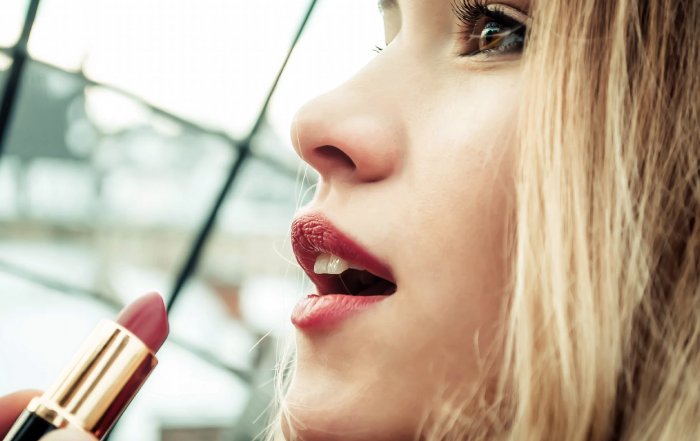
The Evolution of Makeup for Everyday Wear
Everyday Beauty as a Mirror of Modern Life
By 2026, everyday makeup has fully transitioned from a rigid, trend-led obligation into a nuanced, highly personal language of identity, wellbeing, and professional presence. What was once a predictable sequence of foundation, powder, blush, and lipstick has become a fluid spectrum of choices, ranging from skin-care-infused tints and balms to expressive, high-impact color that moves seamlessly from remote meetings to international boardrooms and social events. For BeautyTipa and its global readership, this evolution is not a superficial shift; it encapsulates deeper changes in culture, technology, regulation, and consumer values that now define the modern beauty landscape.
The contemporary approach to daily makeup has been shaped by social platforms, advances in cosmetic science, demographic diversification, and the rise of conscious consumerism, all of which have been further accelerated by the long-term effects of the COVID-19 era and the normalization of hybrid work. Consumers across North America, Europe, Asia, Africa, and South America now evaluate their everyday routines through the lenses of comfort, skin health, environmental impact, and authenticity. As audiences in the United States, the United Kingdom, Germany, Canada, Australia, France, Italy, Spain, the Netherlands, Switzerland, China, Sweden, Norway, Singapore, Denmark, South Korea, Japan, Thailand, Finland, South Africa, Brazil, Malaysia, and New Zealand refine what it means to "get ready" each day, brands and professionals are compelled to reimagine formulas, textures, shade ranges, and communication strategies.
Readers who visit the beauty section on BeautyTipa increasingly expect more than product lists. They seek context, strategic guidance, and a trusted editorial voice that can explain why everyday makeup has changed so dramatically, how this evolution intersects with wellness and work, and what it means for the long-term performance and integrity of their own routines.
From Full Coverage to Skin-True Reality
The shift from heavy coverage to skin-like finishes is one of the most visible transformations in everyday makeup. For decades, especially through the 1980s, 1990s, and early 2000s, daily looks in many Western markets were built on high-coverage, matte foundations and powders designed to erase texture and create a uniform, "flawless" surface. Advertising and celebrity imagery promoted a single, polished ideal, leaving little room for visible pores, freckles, or signs of aging, and encouraging consumers to treat complexion as a problem to be concealed rather than a feature to be supported.
Over the last ten to fifteen years, this paradigm has been steadily dismantled. A growing body of dermatological research, combined with open public discussion of acne, rosacea, melasma, and sensitivity, has legitimized the idea that real skin is textured and variable. Resources such as the American Academy of Dermatology and the Mayo Clinic have made medical-grade information widely accessible, normalizing the presence of skin conditions and reframing them as health considerations rather than aesthetic failures. This has translated directly into more forgiving expectations for everyday makeup and a preference for products that enhance rather than obscure.
Skin tints, sheer foundations, and lightly pigmented complexion balms now dominate daily routines, with many consumers favoring breathable, flexible formulas that move with the skin. The emphasis has moved from hiding perceived imperfections to supporting barrier function, radiance, and comfort throughout the day. On BeautyTipa's dedicated skincare hub, this shift is evident in the way readers engage with content that links makeup choices to barrier repair, SPF use, and long-term resilience, confirming that complexion products are increasingly evaluated as an extension of skincare rather than as purely decorative cosmetics.
Skincare-Makeup Hybrids and the Maturity of the "Skin First" Mindset
By 2026, the "skin first" philosophy is no longer a niche trend; it is the default framework through which many consumers, practitioners, and brands view everyday makeup. Dermatologists, estheticians, and evidence-based skincare educators have consistently emphasized that healthy, well-managed skin can reduce the desire for heavy coverage, and this message has been internalized by a wide range of age groups and regions. As a result, the boundaries between skincare and color cosmetics have blurred to an unprecedented degree.
Hybrid products-tinted serums with niacinamide, foundations enriched with ceramides and hyaluronic acid, primers containing peptides or probiotics, and SPF-infused complexion veils-are now central to daily routines. Guidance from leading medical institutions such as the Cleveland Clinic and Johns Hopkins Medicine has reinforced the importance of consistent sun protection, gentle cleansing, and barrier-supportive ingredients, and brands have responded by embedding these principles into everyday makeup formulations. Consumers in markets like South Korea and Japan, where luminous, hydrated skin has long been aspirational, have influenced global expectations, pushing Western brands toward lighter textures and more skincare-forward claims.
Within BeautyTipa's wellness and health and fitness coverage, everyday makeup is treated as one component of a broader lifestyle strategy that includes sleep, stress management, nutrition, and movement. This integrated view resonates particularly strongly with professionals who see their skin and appearance as long-term assets rather than short-term projects, and who rely on BeautyTipa to interpret scientific developments into practical, daily decisions.
Inclusivity, Representation, and Global Shade Intelligence
One of the defining achievements of the last decade has been the normalization of inclusive shade ranges and nuanced undertone matching in everyday makeup. The disruptive impact of Fenty Beauty's launch in 2017, with its extensive and thoughtfully calibrated foundation spectrum, forced the entire industry to confront long-standing gaps for medium, deep, and very deep skin tones. Since then, major conglomerates such as L'Oréal, Estée Lauder, and Shiseido, alongside regional champions and indie innovators, have invested in expanding and refining their complexion offerings.
In diverse markets including the United States, the United Kingdom, Brazil, South Africa, and across Asia, consumers who once had to compromise on undertone or texture now expect precise matches as a baseline. Publications such as Allure and Vogue Business have chronicled the commercial rewards for brands that take inclusivity seriously and the reputational risks for those that do not, making it clear that shade diversity is both a moral and a business imperative.
For BeautyTipa's international readership, this progress is deeply personal. The ability to purchase an everyday base that respects one's skin tone, undertone, and cultural aesthetic is now seen as a matter of dignity and belonging. Representation in campaigns has broadened to include varied ages, genders, ethnicities, and visible skin conditions, gradually redefining what a "typical" everyday look can be. Readers exploring international perspectives on beauty can see how preferences differ-matte but breathable finishes in some Middle Eastern markets, ultra-dewy looks in parts of Asia, soft natural coverage in Scandinavia-yet converge on a shared expectation of accuracy, respect, and relatability in shade and imagery.
Social Media, Creator Culture, and the New Learning Curve
Social media remains a powerful engine for the evolution of everyday makeup. Platforms such as Instagram, YouTube, TikTok, and newer short-form video networks have democratized education and inspiration, allowing professional makeup artists, dermatologists, cosmetic chemists, and everyday users to share unfiltered routines, product breakdowns, and before-and-after transformations. Consumers are no longer dependent on counters or print magazines for guidance; they learn in real time from a continuous stream of global content.
Research from firms like McKinsey & Company and Deloitte, available through resources such as McKinsey's beauty insights and Deloitte's consumer industry analysis, has documented how creator recommendations and peer reviews increasingly influence purchasing decisions, especially for daily-use products where performance, comfort, and value must be proven over hours of wear. Authenticity-visible texture, honest feedback, and realistic lighting-has become a hallmark of credible everyday makeup content.
At BeautyTipa, this dynamic is reflected in its trends and guides and tips coverage, where editorial analysis focuses on translating viral techniques into sustainable, workplace-appropriate routines. Instead of encouraging direct imitation, BeautyTipa emphasizes adaptation: how a bold contour trend can be softened for corporate environments, how a glass-skin look can be made practical for humid climates, or how a three-product routine can be optimized for busy professionals balancing global time zones.
Flexible Routines: Between Minimalism and Maximalism
The defining characteristic of everyday makeup in 2026 is flexibility. Minimalist and maximalist approaches now coexist, often within the same individual's weekly schedule. On some days, a person may rely on a tinted SPF, a brow gel, and a hydrating lip balm; on others, the same individual may choose a full eye look, sculpted complexion, and statement lip as a deliberate act of self-expression or professional signaling.
This fluidity has been enabled by a new generation of versatile products-multi-use sticks that function as blush, bronzer, and eyeshadow; cream highlighters that can be built from subtle sheen to editorial shine; mascaras that can be layered for different intensities. The old "desk to dinner" narrative has evolved into a more granular understanding of transitions, as people move from home office to coworking spaces, client events, and evening commitments with minimal time and maximum need for adaptability.
For readers refining their daily routines with BeautyTipa, the priority is alignment with personal and professional realities rather than adherence to a fixed number of steps. In Germany, the Netherlands, and Nordic countries, understated, fresh-faced looks often dominate professional settings, while in parts of Asia and Latin America, more polished, full-face everyday makeup remains culturally resonant. Across all regions, however, there is a shared insistence on comfort, longevity, and the ability to adjust coverage and color quickly in response to changes in schedule, climate, or mood.
Technology, AI, and the Precision of Personalization
Technology has moved from the periphery to the center of everyday makeup decision-making. Artificial intelligence, augmented reality, and data analytics now power virtual try-on tools, real-time shade matching, and customized product recommendations on brand and retailer platforms. These tools allow consumers to experiment with different bases, blush placements, and lip colors using only a smartphone camera, significantly reducing the uncertainty that once accompanied online cosmetic purchases.
Companies such as Perfect Corp., along with major retailers including Sephora and Ulta Beauty, have continued to refine their virtual try-on experiences, integrating more realistic rendering and improved color calibration. Industry observers at CB Insights and the World Economic Forum note that beauty tech is now a core competitive differentiator rather than an experimental add-on, especially as e-commerce penetration deepens in markets across North America, Europe, and Asia.
In BeautyTipa's technology and beauty section, readers can explore how AI-powered skin analysis, connected mirrors, and even wearable sensors are beginning to inform everyday choices. In tech-forward markets such as South Korea, Japan, Singapore, and China, consumers routinely use apps that track hydration levels, oiliness, and environmental factors, then recommend specific textures and finishes for that day's makeup. This level of personalization is gradually spreading to Western markets, reshaping expectations about what "the right product" means for a given individual and context.
Sustainability, Ethics, and the Responsibility of Daily Use
Sustainability and ethics have moved from the margins of beauty discourse to the center of everyday decision-making. Because everyday makeup products-foundations, concealers, mascaras, brow products, and lip balms-are used and repurchased frequently, they have a disproportionate impact on packaging waste, ingredient sourcing, and overall environmental footprint. Consumers, regulators, and investors now scrutinize not only how products perform on the face, but also how they perform in terms of climate, biodiversity, and human rights.
Organizations such as the Environmental Working Group and the European Chemicals Agency have contributed to greater transparency around ingredient safety, while regulatory developments in the European Union, the United States, and other jurisdictions have tightened controls on certain substances and claims. At the same time, international initiatives encourage businesses to learn more about sustainable business practices and integrate circularity into product design. Refillable packaging, mono-material components for easier recycling, and reduced secondary packaging are becoming standard expectations for daily-use items.
On BeautyTipa's business and finance page, sustainability is analyzed not only as an ethical imperative but also as a financial and strategic one. Brands that successfully redesign their everyday ranges to minimize environmental impact while maintaining performance can unlock loyalty in eco-conscious markets such as the European Union, Canada, Australia, and New Zealand. Conversely, those that lag face growing reputational risk as consumers share information about ingredient lists, certifications, and corporate behavior across social platforms and professional networks.
The Business Landscape: Growth, Competition, and Professional Opportunity
The everyday makeup category sits at the heart of the global beauty economy. Analyses from organizations like the Statista Research Department and the International Trade Administration show that color cosmetics, particularly daily-use items, continue to generate robust revenue, driven by emerging middle classes, digital commerce, and the premiumization of products once considered purely functional. Consumers now expect even basic items like tinted moisturizers or brow gels to deliver sophisticated textures, skincare benefits, and credible narratives.
Competition is intense. Conglomerates such as LVMH, L'Oréal Group, Unilever, and Procter & Gamble compete with agile indie brands and regionally focused labels that specialize in specific concerns, such as sensitive skin, halal formulations, or ultralight textures tailored to hot climates. Everyday makeup is a strategic battleground because it represents habitual use and recurring purchases, making it a stabilizing revenue stream during economic uncertainty. Innovation in formulation science, wear time, sensory experience, and sustainability is therefore central to competitive advantage.
For professionals following jobs and employment trends in beauty through BeautyTipa, this environment translates into expanding opportunities in product development, regulatory affairs, digital merchandising, data science, ethical sourcing, and cross-border brand management. The intersection of beauty with technology, fashion, and wellness has also created new collaborative roles, particularly in major hubs such as New York, Los Angeles, London, Paris, Seoul, Tokyo, and Singapore, where everyday makeup is both a consumer product and a cultural signal.
Everyday Makeup, Work Culture, and Professional Identity
Hybrid and remote work structures, now entrenched across many industries, have reshaped the role of everyday makeup in professional life. In the United States, the United Kingdom, Germany, Canada, and other advanced economies, many professionals follow a tiered approach: a minimal, camera-optimized look for video calls; a slightly more defined version for in-person client meetings; and a skincare-focused routine on days without external interaction. The goal is not uniform perfection but strategic consistency, signaling reliability and care without sacrificing comfort.
Research from sources such as the Harvard Business Review has highlighted how grooming and appearance can influence perceptions of competence and leadership, while also warning of the risks of biased expectations and unequal standards across genders, ages, and ethnicities. Everyday makeup choices therefore exist at the intersection of personal preference, organizational culture, and broader conversations about inclusion. Professionals are increasingly conscious of balancing self-expression with respect for diverse norms, particularly in multinational environments.
Within BeautyTipa's events coverage, the role of makeup at conferences, trade shows, and networking gatherings is examined across regions. In financial and legal sectors, neutral, polished looks often remain the default, while in technology, media, and creative industries, bolder experimentation is more widely accepted. As dress codes soften and workplaces adopt more flexible policies, everyday makeup becomes a tool for aligning one's external presentation with one's values and career objectives, rather than a rigid requirement.
Cultural Cross-Pollination and the Global Everyday Aesthetic
Globalization of media and commerce has created a rich cross-pollination of beauty aesthetics, which is increasingly evident in everyday makeup. K-beauty's emphasis on dewy, translucent skin and gradient lips, J-beauty's focus on subtle refinement, French beauty's effortless minimalism, and American glam's sculpted contours and highlight techniques now intermingle across platforms and product lines. Consumers in Spain, Italy, Brazil, South Africa, and beyond routinely blend elements from multiple traditions, crafting daily looks that feel both rooted in local culture and informed by global trends.
Institutions and platforms such as the British Beauty Council and the Business of Fashion have documented how regional preferences evolve as exposure to international aesthetics increases. While conservative corporate environments may still favor neutral tones and understated finishes, creative hubs such as New York, London, Paris, Seoul, and Tokyo encourage expressive, editorial touches even in daytime looks. Everyday makeup becomes a canvas where global inspiration is filtered through local norms and personal narratives.
Readers exploring the intersection of fashion and beauty on BeautyTipa see this hybridity reflected in runway-to-reality translations. A high-gloss lip trend from Seoul might be adapted into a sheer, stain-like finish for European offices; a bold eyeliner look from Tokyo could be softened into a subtle flick for North American corporate settings. This continual adaptation reinforces the idea that everyday makeup is not static but evolves as people move between cultures, industries, and life stages.
Looking Ahead: Personalization, Wellbeing, and Integrity
As 2026 progresses, everyday makeup appears set to become even more personalized, health-aware, and values-driven. Advances in biotechnology and materials science are paving the way for formulas that respond dynamically to skin microbiome balance, humidity, pollution, and even hormonal changes, while wearable devices and smart environments provide data that can guide daily decisions. The integration of wellness metrics-sleep quality, stress levels, activity patterns-into recommendations for coverage, finish, and color is no longer speculative; early-stage implementations are already emerging in select markets.
At the same time, regulatory scrutiny and consumer activism are intensifying. Organizations such as the World Health Organization and regional regulatory bodies continue to shape standards around ingredient safety and marketing claims, while investigative journalism and specialist platforms hold companies accountable for transparency, diversity, and environmental stewardship. Everyday makeup, because it sits at the intersection of health, self-image, and environment, is likely to remain a focal point for these discussions.
For BeautyTipa, which curates informed perspectives on brands and products, makeup, and holistic lifestyle choices, the evolution of everyday makeup is a lens through which broader societal priorities come into focus. The site's editorial mission is to help readers navigate a landscape where beauty routines intersect with mental wellbeing, financial planning, technological change, and global culture, ensuring that choices about a daily foundation or mascara are grounded in Experience, Expertise, Authoritativeness, and Trustworthiness.
As routines become smarter, cleaner, more inclusive, and more responsive to individual needs, everyday makeup will continue to serve as a powerful, intimate tool through which people shape not only how they are seen in professional and social contexts, but also how they perceive and care for themselves. In this new era, the products chosen for a Monday morning meeting or a Thursday commute are no longer trivial details; they are small but meaningful expressions of identity, intention, and integrity-expressions that BeautyTipa is committed to illuminating for its global community.
