
Professional Makeup Strategies for Long-Lasting Results in 2026
Long-Wear Beauty as a Global Standard
By 2026, long-lasting makeup has firmly shifted from a specialist category to a global expectation, shaping consumer behavior across North America, Europe, Asia-Pacific, the Middle East, Africa, and South America. Office days that stretch into evening events, hybrid work models, climate variability, and the constant presence of high-resolution cameras on smartphones have all contributed to a world in which makeup is expected to remain polished for 10-16 hours or more, while still feeling breathable and compatible with evolving skincare and wellness habits. For Beautytipa, whose readers span the United States, United Kingdom, Germany, Canada, Australia, France, Italy, Spain, Netherlands, Switzerland, China, South Korea, Japan, Singapore, and beyond, the question is no longer whether makeup can last, but how to achieve professional, long-wear performance without compromising skin health, comfort, or personal values.
This new standard has emerged at the intersection of advanced formulation science, consumer education, and regulatory scrutiny. Long-wear pigment and polymer technologies have matured significantly, supported by the work of cosmetic chemists and research teams within leading global houses such as L'Oréal, Estée Lauder Companies, and Shiseido, which continue to refine film-forming systems, volatile carriers, and pigment treatments for better adhesion and flexibility. At the same time, dermatological guidance from organizations like the American Academy of Dermatology and British Association of Dermatologists has made consumers more aware of barrier health, sensitivity, and acne risk, encouraging them to evaluate long-wear claims through the lens of safety and tolerability. As a result, readers arriving at Beautytipa for beauty-focused insights expect not only product recommendations, but also evidence-informed explanations and routines that integrate makeup with skincare, wellness, and lifestyle.
The long-wear conversation is additionally shaped by regulatory frameworks in regions such as the European Union, where the European Commission maintains strict oversight on cosmetic ingredients, and by agencies like the U.S. Food and Drug Administration in North America, which monitor safety and labeling. These frameworks influence how brands design and position long-wear formulas in key markets, while sustainability expectations from entities such as the UN Environment Programme push companies to re-evaluate polymers, packaging, and supply chains. Within this complex environment, Beautytipa positions itself as a trusted, globally aware resource, translating technical information into practical guidance for readers who want their makeup to endure real-world conditions from London rain to Singapore humidity and Dubai heat.
Skin Preparation: Building a Professional-Grade Canvas
Professionals consistently agree that the longevity of any makeup look is determined long before foundation or color is applied; it begins with deliberate, skin-respecting preparation. Healthy, balanced skin allows pigments and polymers to adhere more evenly and wear more predictably, which is why dermatology-backed advice has become central to professional artistry. Institutions such as Harvard Health Publishing and the Cleveland Clinic continue to emphasize that over-cleansing or using harsh surfactants can disrupt the lipid barrier, leading to dehydration, irritation, and uneven texture, all of which undermine the performance of long-wear formulas that sit on the skin for extended periods.
In a professional context, skin preparation typically follows a sequence that respects both skin biology and the demands of long-wear products. Gentle cleansing removes sebum, pollution, and residual sunscreen or makeup without leaving the skin tight or squeaky, followed by pH-balanced toners that support barrier function rather than stripping it. Hydrating serums containing humectants such as glycerin and hyaluronic acid are used to plump the skin and smooth fine lines, while non-comedogenic moisturizers are selected based on skin type and climate. For oily or combination skin in humid environments like Thailand or Brazil, lightweight gel creams that absorb quickly and leave a soft-matte finish are preferred, whereas in colder or drier climates such as Canada, Scandinavia, and parts of Germany, richer emulsions that reinforce the barrier help prevent long-wear bases from cracking or clinging to dry patches. Readers who want to deepen their understanding of barrier support and ingredient selection can explore Beautytipa's dedicated coverage of skincare fundamentals, which places long-wear makeup within a broader skin health framework.
Sunscreen has become a non-negotiable step in this preparation sequence, especially as awareness of photoaging and hyperpigmentation grows in markets from the United States to South Africa and Australia. The Skin Cancer Foundation and World Health Organization both highlight daily broad-spectrum protection as a core health practice, and professional makeup artists increasingly work with lightweight, cosmetically elegant SPF formulas that sit comfortably under foundation without pilling or destabilizing long-wear polymers. This often involves testing combinations of sunscreen, moisturizer, and primer to ensure compatibility, a level of diligence that consumers can emulate by patch-testing and experimenting with layering order on non-critical days before important events. For readers building or refining daily regimens that must perform under long-wear makeup, Beautytipa provides structured advice on routines that balance protection, hydration, and cosmetic performance.
Primers and Base Products: Where Chemistry Meets Technique
Primers have become indispensable in 2026 for anyone seeking professional-level longevity, acting as a critical bridge between skincare and makeup. Modern primers are no longer generic mattifiers; they are targeted, chemistry-driven tools that address specific concerns such as oil breakthrough, pore visibility, texture irregularities, and dullness. Industry bodies like the Personal Care Products Council have documented the evolution of silicone-based polymers, film formers, and oil-absorbing agents that create a thin, flexible layer on the skin, improving pigment grip while maintaining breathability and comfort.
Professional artists choose primers with the same precision they apply to foundation shade matching. For dehydrated or mature skin, hydrating primers infused with ingredients like squalane, panthenol, and low-molecular-weight hyaluronic acid help prevent foundation from settling into fine lines over time, while for oily or combination skin, formulas rich in silica, clay, or advanced absorbent powders control shine without creating a heavy, chalky effect. In markets such as South Korea and Japan, where base makeup traditions prioritize translucency and refined texture, radiance-boosting primers that offer soft-focus diffusion and subtle luminosity have influenced global product development, encouraging brands from the United Kingdom to Canada and Singapore to launch hybrid primers that blur imperfections while maintaining a natural finish. Readers interested in how these innovations translate into concrete product ecosystems can explore Beautytipa's coverage of brands and products, where performance, transparency, and credibility remain central evaluation criteria.
Long-wear foundations themselves have diversified considerably by 2026. Traditional full-coverage liquids with volatile silicones and robust film-formers remain essential for events, on-camera work, and high-heat environments, but they now coexist with serum foundations, skin tints, and hybrid base products that integrate skincare actives such as niacinamide, peptides, and antioxidants. Publications like Allure and Vogue Business have chronicled this convergence of makeup and skincare, reflecting a consumer preference for complexion products that support barrier health, even tone, and long-term radiance while still offering 8-12 hours of reliable wear. Across Europe and North America, a "second-skin" aesthetic has gained momentum, with professionals favoring thin layers of medium-coverage formulas that can be built strategically where needed, rather than mask-like applications that are more prone to breakdown. This philosophy aligns with the wellness-driven priorities discussed on Beautytipa's health and fitness pages, where breathable, flexible coverage is seen as part of a broader lifestyle that includes exercise, nutrition, and sleep.
Strategic Layering and Setting: Professional Complexion Techniques
The way products are layered is often more decisive for longevity than the products themselves. Professional artists across New York, London, Paris, Milan, Seoul, and Tokyo have refined layering strategies that control texture, minimize movement, and preserve dimension throughout long days and nights. Rather than applying a single, heavy coat of foundation, they work in thin, even layers, pressing product into the skin with brushes or sponges and allowing each layer to set briefly before adding more coverage where necessary. Dermatology guidance from sources like Mayo Clinic and the British Association of Dermatologists supports this approach, as heavy occlusive layers can increase the risk of clogged pores and breakouts, particularly in acne-prone individuals.
Concealer placement is treated with equal precision. Instead of broad strokes across the entire under-eye or cheek area, professionals apply highly pigmented concealers only where they are truly needed-at the inner corners of the eyes, along areas of hyperpigmentation, around the nostrils, or on localized blemishes-then feather the edges seamlessly into the surrounding base. This targeted technique reduces creasing in high-movement zones and maintains a more natural skin-like finish over time, even under bright office lighting or camera flashes. Readers seeking to adapt such expert methods to everyday life can turn to Beautytipa's in-depth guides and tips, where professional artistry is translated into stepwise routines that remain realistic for busy schedules in cities from New York to Singapore and Johannesburg.
Setting plays a pivotal role in ensuring that these carefully layered products remain in place. Finely milled, translucent powders are pressed-not swept-onto strategic areas such as the T-zone, chin, and under-eyes using puffs or small brushes, which helps lock in foundation and concealer without dulling natural radiance or emphasizing dryness. In markets like France, Italy, and Spain, there is a strong preference for luminous, dimensional finishes, so artists often limit powder to the center of the face and rely on long-wear setting sprays to create an invisible mesh over the entire complexion. These sprays, often built on cosmetic-grade polymers similar to those used in hair styling but optimized for facial comfort and safety, improve transfer resistance and humidity tolerance while preserving a skin-like sheen. For readers following evolving complexion aesthetics and product innovations, Beautytipa regularly analyzes makeup trends, connecting backstage techniques and editorial looks to practical, day-to-day approaches.
🎨 Long-Wear Makeup Strategy Quiz
Eye Makeup That Survives Workdays, Weather, and Events
Eye makeup remains one of the most technically challenging areas for long-wear performance, as the eyelids are naturally oily, the eye area is highly mobile, and external conditions such as heat, humidity, and wind can rapidly degrade pigment. Professional artists mitigate these challenges by beginning with specialized eye primers or long-wear cream bases that neutralize discoloration and provide a slightly tacky surface for powder adherence. These products are formulated to resist sebum and sweat while remaining gentle on the delicate eye area, which is particularly important given the sensitivity concerns highlighted by organizations like The Skin Cancer Foundation and American Academy of Ophthalmology.
For eyeshadow, longevity is achieved through controlled layering and texture selection. Professionals typically apply a thin veil of a neutral-toned cream or liquid shadow, then set it with a matching powder to create a bonded, crease-resistant base. Subsequent colors are built gradually, with matte or satin textures used in the crease and outer corners to maintain structure, and shimmers or metallics concentrated on the mobile lid or inner corner where they can catch light without compromising stability. This technique has been widely adopted in markets such as South Korea and Japan, where gradient effects and subtle definition are prized, as well as in Northern European countries like Sweden, Norway, Denmark, and Finland, where understated but polished looks must endure long workdays and variable weather. Platforms such as Into The Gloss have documented how these approaches allow artists to create nuanced, camera-ready eye looks that remain intact from morning meetings through late-evening events.
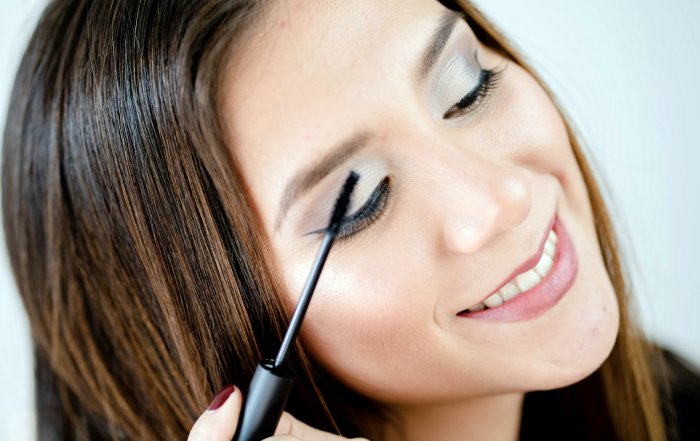
Eyeliner and mascara are frequent failure points for long wear, particularly on oily lids or in hot, humid climates like Malaysia, Thailand, and Brazil. Gel and liquid liners with advanced film-forming systems offer superior resistance to smudging, while waterproof and tubing mascaras-which form polymer "tubes" around each lash that slide off with warm water and gentle pressure-have become mainstays for professionals who need reliability without harsh removal. However, ophthalmologists and dermatologists warn that overly aggressive rubbing or the use of strong, undiluted removers can damage lashes and irritate the orbital skin, underscoring the importance of pairing long-wear eye products with gentle, oil-based or bi-phase cleansers. For readers balancing aesthetic goals with ocular comfort and overall well-being, Beautytipa's wellness coverage situates eye makeup decisions within a broader context that includes screen time, sleep hygiene, and dry eye management.
Long-Wear Lip Strategies: Color That Lasts Without Compromise
Long-lasting lip color has evolved significantly since the early, often drying formulas of a decade ago. In 2026, consumers in markets such as the United States, United Kingdom, South Korea, Japan, and the Middle East expect lip products that deliver high-impact pigment and transfer resistance while still feeling flexible, comfortable, and compatible with daily eating and drinking. Professional approaches begin with lip health: regular, gentle exfoliation to remove dry flakes, followed by consistent hydration using balms that avoid occlusive overload and, during the day, incorporate SPF protection. Health organizations, including the American Dental Association, continue to remind the public that lip skin is thinner and more vulnerable to environmental damage than other facial areas, making protective and reparative care essential to maintaining a smooth surface for long-wear products.
Lip liners remain crucial tools for achieving both shape precision and longevity. Artists often outline and fully fill the lips with a long-wear liner that matches or closely approximates the natural lip tone or chosen lipstick shade, creating a pigment-rich base that anchors subsequent layers. Liquid lipsticks are then applied in thin coats, with excess blotted between layers to prevent cracking and to create a more stain-like effect that fades gracefully rather than flaking. In regions such as France, Italy, and Spain, where softer, blurred finishes dominate editorial and street style, high-pigment tints and stains have become particularly popular, offering hours of color with a diffused edge that pairs well with sheer balms or glosses for comfort. Publications like Elle and Refinery29 have highlighted this movement toward "soft long-wear," where the goal is enduring, flattering color that adapts to the day rather than rigid, mask-like coverage.
Ingredient scrutiny has intensified in the lip category as well, with consumers and advocacy groups paying close attention to colorant safety, fragrance allergens, and potential contaminants. The European Commission's cosmetics regulations and similar frameworks in markets such as Canada and Japan have pushed brands to maintain rigorous testing and transparency, which in turn informs the choices of professional makeup artists who work across borders and must ensure compliance in international campaigns and events. For Beautytipa's readers who integrate beauty decisions with broader lifestyle considerations, including food and nutrition choices and frequent dining out, understanding how various textures and finishes respond to oils, acids, and heat in meals can guide more realistic expectations and touch-up strategies.
Technology, Data, and the Future of Long-Wear Formulation
The long-wear landscape in 2026 is deeply influenced by advances in technology, data analytics, and digital experience design. AI-driven tools now assist brands and retailers in shade matching, texture recommendations, and wear-time predictions, drawing on large datasets that capture how products perform on diverse skin tones, types, and in different climates. Consulting firms such as McKinsey & Company and Deloitte have documented how beauty companies are investing in R&D pipelines that combine computational modeling with real-world consumer testing, allowing them to fine-tune polymer networks, pigment dispersion, and emulsifier systems for improved adhesion, flexibility, and comfort.
Virtual try-on and augmented reality tools, offered by companies like Perfect Corp. and integrated into e-commerce and in-store experiences, enable consumers from Germany to Singapore and Brazil to preview long-wear looks before purchase, while connected devices and skin-analyzing apps provide feedback on hydration, texture, and redness over time. This information loop allows brands to refine formulas more quickly and to personalize recommendations at scale, but it also raises questions about data privacy, algorithmic bias, and accessibility. For readers interested in how these developments reshape both product design and consumer experience, Beautytipa explores the intersection of technology and beauty, evaluating innovations through lenses of performance, ethics, and sustainability.
Environmental considerations are increasingly central to long-wear innovation as well. Organizations such as the Environmental Working Group and UN Environment Programme have drawn attention to the persistence of certain synthetic polymers and microplastics in the environment, prompting brands to investigate biodegradable film-formers, waterless formats, and refillable or low-plastic packaging. This is particularly relevant in long-wear categories, where durability has historically been associated with robust synthetic systems. As regulatory and consumer pressure intensify in markets from the European Union to Australia and New Zealand, companies are challenged to deliver the same or better performance with more environmentally considerate materials-a transition that Beautytipa follows closely for readers who want their long-wear choices to align with sustainability commitments.
Careers, Business Strategy, and Market Dynamics in Long-Wear Beauty
From a business and career perspective, long-wear expertise has become a significant differentiator for both brands and professionals. Market intelligence platforms such as Statista and Euromonitor International have noted sustained growth in long-wear complexion, eye, and lip categories, particularly in urban centers across the United States, United Kingdom, Germany, China, South Korea, and the Middle East, where long working hours, social calendars, and climate factors converge to make durability a key purchase driver. Brands that substantiate their claims with clinical or instrumental testing, transparent communication, and real-world wear trials are better positioned to capture consumer trust in a competitive, information-rich marketplace.
For readers of Beautytipa who follow the financial and strategic side of beauty, the long-wear segment offers a lens into how companies allocate R&D budgets, structure partnerships with contract manufacturers and ingredient suppliers, and tailor marketing narratives for different regions. On Beautytipa's business and finance pages, the analysis often highlights how global players and indie brands alike leverage long-wear claims to justify premium pricing, secure retail placements, and differentiate themselves in saturated categories. At the same time, digital education and creator-driven commerce have opened new revenue streams for professional makeup artists, who build global audiences by teaching long-wear techniques via masterclasses, subscription platforms, and branded collaborations-a phenomenon covered extensively by outlets like Forbes and Business of Fashion. For those exploring career paths in artistry, product development, or brand strategy, Beautytipa offers perspectives on jobs and employment in beauty, showing how technical understanding of long-wear performance can translate into tangible professional opportunities.
Integrating Long-Wear Makeup into Holistic, Real-Life Routines
Ultimately, the value of long-wear makeup is measured not only by laboratory testing but by how well it integrates into real lives and real routines. Across continents-from the United States and Canada to the United Kingdom, France, Italy, Spain, the Netherlands, Switzerland, China, Japan, South Korea, Singapore, South Africa, Brazil, and beyond-consumers are seeking harmony between appearance, comfort, health, and personal expression. Health authorities such as the World Health Organization continue to promote a holistic view of well-being that includes sleep, stress management, physical activity, and nutrition, and this perspective increasingly informs how people approach beauty. Long-wear bases must coexist with gym sessions, outdoor commutes, and long-haul flights; eye and lip products must endure meetings, meals, and social events without demanding constant maintenance or causing irritation.
Professional makeup strategies for long-lasting results therefore extend beyond application to removal and recovery. Dermatologists and skincare experts recommend thorough but gentle cleansing at the end of the day, often in the form of double cleansing: an oil-based or balm cleanser to dissolve long-wear pigments and polymers, followed by a mild water-based cleanser to remove residue and restore a fresh surface. Nighttime routines that incorporate barrier-repair creams, targeted actives at appropriate frequencies, and judicious exfoliation help the skin recover from the mechanical and environmental stressors of the day, especially in densely populated, high-pollution cities. For readers crafting holistic routines that connect beauty with fashion, lifestyle, and self-care, Beautytipa curates cross-category resources spanning trends, fashion, wellness, and other lifestyle pillars across the site's global platform.
As 2026 unfolds, long-wear makeup will continue to evolve alongside advances in cosmetic science, digital technology, sustainability, and shifting cultural aesthetics. For Beautytipa's international audience, mastering long-lasting looks means understanding not only which products to choose, but why they work, how they interact with individual skin conditions and climates, and how they fit into broader priorities that encompass health, career, and identity. Through a commitment to experience, expertise, authoritativeness, and trustworthiness, Beautytipa remains dedicated to guiding readers through this dynamic landscape, offering nuanced analysis and practical knowledge that make professional-level, long-lasting makeup both achievable and sustainable in everyday life, from boardrooms and studios to streets and runways around the world.
