
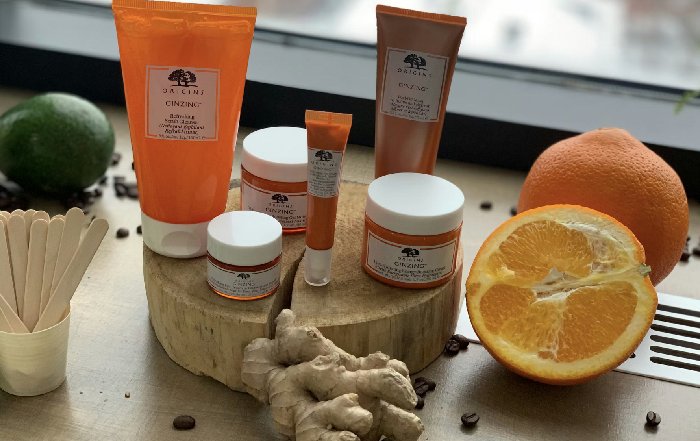
Natural Skincare: How the New Wave of "Nature + Science" Is Reshaping Beauty Worldwide
A High-Tech Industry Rediscovers Nature
By 2026, the global skincare industry stands at a sophisticated crossroads where biotechnology, artificial intelligence, and hyper-personalization coexist with a renewed, strategically driven focus on natural ingredients. What once appeared to be a nostalgic return to simpler formulations has matured into a complex, evidence-based movement that is redefining how products are created, evaluated, and trusted in markets from the United States and Canada to Germany, South Korea, Brazil, and South Africa. Within this evolving landscape, BeautyTipa positions itself as a specialized, trusted hub, guiding readers through this convergence of nature and technology with in-depth coverage of skincare, wellness, and beauty for a global, business-aware audience.
The comeback of natural ingredients is no longer about choosing between "green" and "clinical"; instead, it is about integrating botanicals, minerals, and bio-based actives into rigorously tested formulations that can stand alongside advanced synthetic molecules. Natural skincare in 2026 is shaped by dermatological research, stricter regulation, climate and biodiversity concerns, and a new consumer mindset that views skin health as part of a broader lifestyle strategy. To understand what this means for consumers and brands, it is necessary to examine not only the ingredients themselves but also the regulatory systems, technological tools, and trust mechanisms that define this new era of beauty.
Why Natural Ingredients Continue to Gain Ground
The sustained rise of natural skincare is driven by a combination of health awareness, environmental urgency, and digital transparency. Consumers in the United States, the United Kingdom, Germany, France, Canada, Australia, and across Asia have become far more ingredient-literate, regularly consulting resources from organizations such as the American Academy of Dermatology and Mayo Clinic to understand how specific actives interact with the skin barrier, hormonal systems, and long-term health. As concerns about irritation, sensitization, and cumulative exposure to certain synthetic substances grow, many individuals are gravitating toward formulations that promise efficacy with a perceived lower risk profile, while still demanding robust scientific backing rather than vague "natural" claims.
Advocacy and research groups such as the Environmental Working Group and the Campaign for Safe Cosmetics have elevated public discussion around controversial ingredients, prompting consumers to question legacy formulations and ask more sophisticated questions about safety standards. In parallel, regulators in the European Union and the United Kingdom have maintained some of the world's strictest cosmetic safety frameworks, and readers can explore how the European Commission regulates cosmetic ingredients or how the U.S. Food and Drug Administration sets expectations for cosmetic safety to better understand why brands are reformulating at scale. Natural ingredients, once an optional add-on, have increasingly become central to brand strategies that seek to align skincare with health-conscious and environmentally responsible lifestyles.
This shift is also closely linked to the global wellness economy. Organizations such as the Global Wellness Institute document how consumers are integrating skincare into holistic routines that include sleep, stress management, nutrition, and movement. On BeautyTipa, coverage in health and fitness and food and nutrition reflects how readers now treat skincare as an extension of self-care and long-term wellbeing rather than a purely cosmetic afterthought. In this context, botanically rich, minimally disruptive formulations resonate strongly, particularly when they are presented with clear, verifiable evidence rather than romanticized storytelling alone.
From Folk Remedies to Clinical-Grade Botanicals
One of the most striking transformations between the early 2010s and 2026 is the degree to which natural ingredients are now examined with the same scientific rigor as synthetic actives. Traditional plant remedies that were once supported mainly by anecdote have been subjected to in vitro testing, controlled clinical studies, and peer-reviewed research. Reputable medical and academic outlets such as Harvard Health Publishing and Cleveland Clinic frequently discuss not only well-known actives like niacinamide and vitamin C, but also botanical ingredients such as green tea extract, aloe vera, chamomile, and centella asiatica, especially in relation to inflammation, photoaging, and barrier repair.
For example, green tea polyphenols, particularly EGCG, have been investigated for their antioxidant and anti-inflammatory properties, making them desirable in formulations targeting redness, fine lines, and environmental stress. Centella asiatica, long used in traditional medicine across Asia, has become a cornerstone of "cica" products originating from South Korea and now widely available in North America and Europe, thanks to evidence around its potential to support wound healing, collagen synthesis, and barrier resilience. Readers following BeautyTipa's trends and guides and tips will recognize how these ingredients have moved from niche K-beauty imports to mainstream staples across markets like the United States, the United Kingdom, France, Italy, and Spain.
The rise of ingredient-focused platforms such as INCI Decoder and the Cosmetics Ingredient Review has further empowered consumers in regions including Canada, Australia, Japan, South Korea, and the Nordic countries to evaluate formulations at a granular level. Instead of accepting generic references to "botanical complexes," consumers now expect brands to disclose standardized extract types, concentration ranges, and documented outcomes. This transparency has forced both legacy and emerging brands to move beyond surface-level green marketing and treat natural ingredients as performance-driven actives that must be quantified, tested, and explained.
Defining "Natural" in a World of Clean Beauty and Tightening Regulation
Despite the popularity of the term "natural," its definition remains complex and, in many jurisdictions, legally ambiguous. To address this, industry and standards organizations have introduced frameworks that bring more precision to the category. The International Organization for Standardization (ISO) has developed guidelines that help define natural and organic cosmetic ingredients, which many European and international brands now reference when formulating and marketing products. Certification bodies such as COSMOS, Ecocert, and NATRUE have become especially influential in Germany, France, Italy, Spain, the Netherlands, and the Nordic countries, where consumers often rely on recognizable seals as shorthand for quality and integrity.
In the United States, the clean beauty movement has evolved from a niche trend into a mainstream expectation, with retailers and brands adopting ingredient "no lists," transparency commitments, and safety screening protocols. Databases such as Environmental Working Group's Skin Deep have become widely consulted resources for assessing perceived product safety, even as dermatologists caution that "natural" does not automatically mean non-irritating or suitable for every skin type. On BeautyTipa, the business and finance section has tracked how clean and natural positioning now influences valuations, acquisitions, and investor interest, particularly as major beauty conglomerates in North America, Europe, and Asia continue to acquire or incubate brands built around these principles.
In Asia, especially in South Korea, Japan, Singapore, and increasingly China and Thailand, regulatory frameworks and consumer expectations have fostered a sophisticated hybrid model that merges natural extracts with high-tech delivery systems and biotech-derived actives. The Japanese concept of quasi-drugs and the Korean category of functional cosmetics illustrate how natural ingredients can be embedded into products with clearly defined, sometimes quasi-pharmaceutical claims. Western premium brands are increasingly adopting this integrated model, presenting natural ingredients as partners to science rather than as alternatives, and using this synergy to appeal to discerning consumers in markets such as the United Kingdom, Switzerland, and the Netherlands.
Natural Skincare Routine Finder
Discover your perfect natural skincare ingredients based on your skin profile
Sustainability, Biodiversity, and Ethical Sourcing as Strategic Imperatives
The renewed emphasis on natural ingredients cannot be separated from the broader sustainability agenda that is reshaping the beauty sector in 2026. Consumers in North America, Europe, and the Asia-Pacific region are scrutinizing not only what is inside products, but also how those ingredients are grown, harvested, processed, and traded. Organizations such as the Roundtable on Sustainable Palm Oil and the Rainforest Alliance have helped spotlight the environmental and social consequences of unsustainable agricultural practices, while the United Nations Environment Programme continues to emphasize the urgent need to protect biodiversity, reduce deforestation, and support climate resilience.
For high-value botanicals such as argan oil from Morocco, shea butter from West Africa, marula oil from Southern Africa, and a wide range of Amazonian oils from Brazil and neighboring countries, ethical sourcing has become a central narrative. Brands that wish to be taken seriously in 2026 must demonstrate traceability, fair compensation, and respect for local communities, often working directly with cooperatives or participating in fair-trade schemes. Business leaders and sustainability professionals can explore frameworks from the World Business Council for Sustainable Development to understand how responsible sourcing can be integrated into broader corporate strategy, risk management, and reporting.
BeautyTipa reflects these developments through its international and events coverage, highlighting how trade fairs in Germany, France, Italy, South Korea, Japan, Singapore, and Brazil, as well as conferences in South Africa and across the Nordic region, are reshaping global supply chains for natural ingredients. Readers from Europe, Asia, North America, Africa, and South America increasingly expect brands to show credible progress on carbon reduction, water stewardship, packaging innovation, and social impact as integral components of their skincare offerings, rather than as optional corporate social responsibility add-ons.
Biotech, AI, and Formulation Science Elevating Nature
The rise of natural ingredients in 2026 does not represent a retreat from innovation; instead, it showcases how biotechnology, AI, and advanced formulation techniques can enhance the benefits of nature-derived actives. Biotech companies and research institutions in the United States, Switzerland, South Korea, Japan, and the Netherlands are producing bio-identical versions of rare or endangered plant compounds through fermentation and cell culture, thereby reducing pressure on ecosystems while ensuring consistent quality and potency. Organizations such as the OECD and the World Intellectual Property Organization monitor how these technologies intersect with trade, intellectual property, and sustainability, shaping the rules of competition in this rapidly evolving field.
On the consumer side, AI-powered diagnostic tools and skin analysis platforms are increasingly used to understand how natural ingredients perform on different skin types and in different climates, from humid Singapore and Thailand to dry regions of Australia, the United States, and the Middle East. Within BeautyTipa's technology beauty coverage, readers can see how apps, connected devices, and digital consultations are enabling more precise recommendations that combine botanical extracts with vitamins, peptides, and encapsulated actives tailored to individual lifestyles and environmental exposures.
In research and development laboratories, encapsulation technologies, microemulsions, and novel delivery systems are used to protect sensitive natural actives such as vitamin C, certain plant-derived antioxidants, and retinol alternatives like bakuchiol from degradation. Technical organizations including the Society of Cosmetic Chemists and Cosmetics Europe offer formulators detailed guidance on overcoming challenges such as oxidation, microbial stability, and batch-to-batch variability in natural formulations. The result is a new generation of products that can credibly claim both "green" credentials and high performance, appealing simultaneously to ingredient-savvy consumers in the United States, the United Kingdom, Germany, Sweden, Norway, Denmark, and beyond.
Regional Nuances: One Global Movement, Many Local Expressions
Although the momentum behind natural skincare is global, its expression varies significantly by region. In North America, particularly in the United States and Canada, the conversation often centers on clean beauty, ingredient transparency, and lifestyle branding, with consumers gravitating toward independent labels that emphasize minimalism, wellness integration, and direct communication. In Europe, especially in Germany, France, Italy, Spain, the Netherlands, Switzerland, and the Nordic countries, certified natural and organic cosmetics enjoy strong credibility, and pharmacists and specialist retailers play an influential role in recommending products that blend dermatological validation with botanical heritage.
In Asia, the narrative is more tightly connected to innovation, multi-step routines, and visible performance. South Korea's K-beauty ecosystem continues to popularize ingredients such as centella asiatica, mugwort, rice, and fermented botanicals, while Japan's J-beauty tradition often favors refined, sensorial formulations built around green tea, rice bran, and gentle plant-based surfactants. In Southeast Asian markets like Singapore, Malaysia, and Thailand, there is growing interest in indigenous botanicals and textures adapted to hot, humid climates, such as lightweight gels, essences, and watery serums. BeautyTipa reflects these patterns in its routines and makeup coverage, showing how natural skincare principles shape base products, complexion trends, and seasonal rituals from Seoul and Tokyo to London and New York.
Emerging markets in Africa and South America, including South Africa, Brazil, and neighboring countries, are increasingly recognized for their rich biodiversity and traditional plant knowledge. Amazonian oils, African botanicals, and indigenous plant extracts are attracting international interest as sources of novel actives and distinctive brand stories. However, as organizations such as the Convention on Biological Diversity emphasize, these opportunities come with responsibilities around equitable benefit-sharing, protection of traditional knowledge, and conservation of fragile ecosystems. Brands that wish to build long-term credibility in 2026 must demonstrate sensitivity to these issues and avoid extractive models that prioritize short-term profit over community and environmental wellbeing.
Careers and Capabilities in the Natural Beauty Economy
The expansion of natural skincare has also reshaped the talent landscape within the beauty industry. As documented in BeautyTipa's jobs and employment section, companies now seek specialists in sustainability, ethical sourcing, biodiversity, regulatory affairs, and consumer education, in addition to traditional roles in product development and marketing. Agronomists, botanists, and community development experts are increasingly involved in building resilient, ethical supply chains, particularly in biodiversity-rich regions across Africa, South America, and Southeast Asia.
In laboratories and corporate headquarters in the United States, the United Kingdom, Germany, Switzerland, France, Japan, and South Korea, formulation chemists with expertise in natural and bio-based ingredients are in high demand, as brands look to balance sensorial appeal, shelf stability, and clinical performance. Regulatory professionals must stay ahead of evolving standards for "natural," "organic," and "clean" claims across multiple jurisdictions, while digital content strategists translate complex ingredient science into accessible, trustworthy education for consumers who are increasingly wary of greenwashing. Educational platforms such as Coursera and edX have responded by expanding programs in cosmetic science, sustainability, and ethical business practices, enabling both new entrants and established professionals to update their skills for this more demanding environment.
For entrepreneurs, the natural skincare movement offers both opportunity and challenge. On one hand, smaller brands can differentiate themselves through authentic sourcing stories, local botanical expertise, and niche positioning. On the other hand, investors and retailers in 2026 now look beyond packaging aesthetics to evaluate supply chain resilience, compliance with international regulations, and the scalability of ingredient sources. Through its business and finance coverage, BeautyTipa helps founders and executives understand how to align their brand narratives with operational reality and investor expectations, ensuring that natural positioning is backed by genuine substance.
Natural Ingredients Within Holistic Beauty and Lifestyle Routines
For consumers, the central question is how to integrate natural ingredients into routines that support both visible results and long-term skin health. Dermatologists and professional associations such as the British Association of Dermatologists and the American Academy of Dermatology continue to emphasize that the effectiveness of any routine depends on skin type, specific concerns, and tolerance levels rather than on marketing categories alone. Natural cleansers, botanical toners, plant-based hydrating serums, and moisturizers rich in oils and butters can form the foundation of a routine, while evidence-backed actives such as sunscreens, retinoids, and exfoliating acids remain essential where indicated.
On BeautyTipa, readers exploring guides and tips and skincare content are encouraged to view natural ingredients as part of a holistic approach that includes nutrition, movement, mental health, and restorative sleep. Organizations such as the World Health Organization and the National Institutes of Health regularly highlight the connections between diet, stress, systemic inflammation, and skin conditions, reinforcing the idea that topical products work best when they complement balanced lifestyle choices. This perspective is especially relevant to audiences in the United States, the United Kingdom, Germany, Canada, Australia, France, Italy, Spain, the Netherlands, the Nordic countries, and across Asia, where hybrid beauty-wellness routines are now firmly embedded in daily life.
In fashion-forward markets like France, Italy, Spain, and the Netherlands, the aesthetic of natural beauty aligns closely with broader movements toward slow fashion, conscious consumption, and subtle, skin-first makeup. BeautyTipa's fashion and beauty coverage frequently explores how luminous, "second-skin" makeup looks are built on routines that prioritize hydration, barrier support, and gentle botanical actives, allowing complexions to appear healthy and radiant with minimal coverage. This approach resonates strongly in cities such as Paris, Milan, Amsterdam, New York, London, Seoul, and Tokyo, where consumers see skincare as the primary driver of beauty, with makeup serving to enhance rather than conceal.
Beautytipa.com as a Trust Anchor in a Complex Skincare Ecosystem
In a digital environment where consumers face an overwhelming volume of claims, opinions, and product launches, trusted intermediaries play a crucial role in helping people make informed choices. BeautyTipa has evolved into a platform grounded in Experience, Expertise, Authoritativeness, and Trustworthiness, curating insights across brands and products, trends, and wellness with a clear, globally relevant lens. By combining analysis of international industry developments with practical guidance on routines, ingredients, and lifestyle integration, BeautyTipa aims to bridge the gap between scientific research, regulatory shifts, and everyday consumer decisions.
The editorial approach at BeautyTipa prioritizes clarity, context, and transparency over hype, placing natural ingredient trends within broader discussions of regulation, sustainability, technology, and regional market dynamics. Readers across the United States, the United Kingdom, Germany, Canada, Australia, France, Italy, Spain, the Netherlands, Switzerland, China, South Korea, Japan, Singapore, the Nordic countries, South Africa, Brazil, and beyond can rely on the platform to interpret how global shifts translate into local product assortments and cultural practices. Coverage in technology beauty, international, and events ensures that audiences remain informed about how innovation, policy, and consumer sentiment intersect to shape the future of natural skincare.
By highlighting credible external resources, engaging with expert perspectives, and maintaining a clear distinction between editorial content and commercial messaging, BeautyTipa seeks to reinforce consumer confidence in a category where trust is both critical and fragile. As natural skincare continues to evolve through 2026 and beyond, the platform's role as a discerning, globally minded guide becomes even more important for readers who want to align their routines, purchases, and business strategies with both scientific evidence and personal values.
Beyond 2026: Natural Ingredients as a Strategic Foundation
As of 2026, natural ingredients have moved far beyond the status of a passing trend; they have become a structural foundation of the modern skincare industry. Their prominence reflects deep and durable shifts in consumer priorities toward health, sustainability, and authenticity, as well as technological advances that enable botanicals and bio-based actives to meet stringent performance criteria. From biotech laboratories in Switzerland, South Korea, and the United States to smallholder farms in Africa, South America, and Asia, the value chain behind natural skincare continues to evolve, creating both opportunities and responsibilities for brands, regulators, investors, and consumers.
For business leaders, formulators, and entrepreneurs, the strategic question is no longer whether to incorporate natural ingredients, but how to do so in ways that are scientifically robust, environmentally responsible, and culturally resonant across diverse markets in North America, Europe, Asia, Africa, and South America. For consumers, the challenge lies in navigating a crowded marketplace with discernment, focusing on evidence-based benefits, transparent sourcing, and alignment with personal ethics rather than on simplistic marketing labels.
Platforms like BeautyTipa, accessible at beautytipa.com, play a pivotal role in this ecosystem by providing grounded, globally informed perspectives that respect both nature and science. The brands most likely to thrive in the coming years will be those that treat natural ingredients not as decorative buzzwords, but as part of a coherent philosophy that honors the skin, the planet, and the communities that make beauty possible. As research deepens and expectations rise across all major regions, the convergence of natural and high-tech skincare will continue to redefine not only how products are made and marketed, but also how beauty itself is understood and experienced worldwide.
