
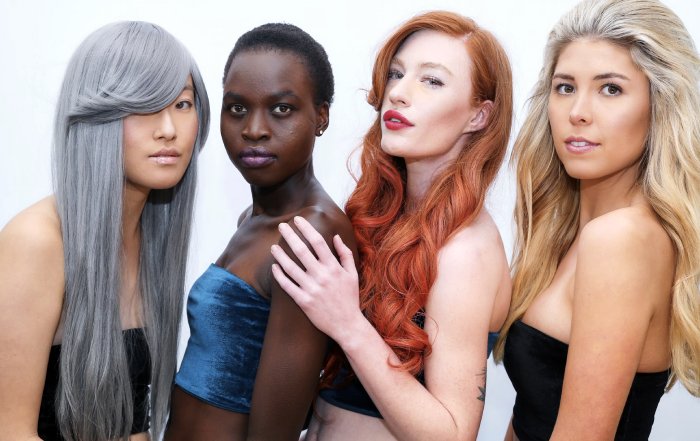
The Influence of Cultural Diversity on Global Beauty Trends in 2026
Cultural Diversity as a Permanent Engine of Global Beauty
In 2026, cultural diversity has solidified its position as the primary engine reshaping global beauty, moving well beyond the rhetoric of inclusion and into the core of how products are formulated, marketed, distributed and experienced across continents. For BeautyTipa, whose community spans North America, Europe, Asia, Africa and South America and whose editorial focus ranges from beauty and skincare to wellness, technology and business, this shift is not an abstract industry trend; it is the lived reality reflected in reader questions, brand case studies, product launches and professional opportunities. Audiences in the United States, the United Kingdom, Germany, Canada, Australia, France, Italy, Spain, the Netherlands, Switzerland, China, South Korea, Japan, Brazil, South Africa, Singapore and beyond increasingly reject the idea of a single, dominant standard of beauty and instead seek narratives that honor their identities, heritage and aspirations, demanding that the industry respond with authenticity, expertise and respect.
This evolution is being accelerated by demographic change, digital connectivity and rising consumer literacy, creating an environment in which beauty is negotiated continuously across borders and platforms. Trends may originate in Seoul, Lagos, São Paulo or Stockholm and spread within days, but they are adapted, questioned and localized as they travel. The result is a dynamic, and sometimes tension-filled, interplay between global aesthetics and local traditions that forces brands, retailers, technologists and professionals to rethink how they define beauty, design products and build trust. For BeautyTipa, which curates this complexity through dedicated coverage of routines, trends and brands and products, cultural diversity is not a side topic; it is the lens through which the future of the industry is interpreted for a sophisticated, globally minded readership.
From Uniform Ideals to Plural Standards
The current emphasis on cultural diversity in beauty can only be understood against the backdrop of the twentieth century's relatively uniform ideals, in which Western media and advertising projected narrow expectations around skin tone, hair texture and body shape, often marginalizing people in Asia, Africa, Latin America and even multicultural communities within Western countries. Major conglomerates such as L'Oréal, Estée Lauder and Procter & Gamble built early global portfolios around limited shade ranges and standardized imagery that suggested a universal aspiration, while largely ignoring the full spectrum of skin tones and hair types that existed in their growing markets. This approach was reinforced by film, television and print media that centered Eurocentric features and sidelined other forms of beauty, shaping consumer psychology and product development for decades.
As migration patterns diversified cities from New York and Toronto to London, Berlin, Sydney and Singapore, and as satellite television and then streaming platforms expanded media choices, consumers began to encounter alternative ideals that resonated more closely with their lived experience. Research from institutions such as the Pew Research Center and McKinsey & Company has documented how younger generations in the United States, Europe and many parts of Asia are both more diverse and more vocal about representation than their predecessors, demanding that brands reflect their realities rather than asking them to conform to outdated norms. Readers can explore how demographic shifts are changing consumer expectations through resources available at the Pew Research Center. The turning point came in the mid-2010s and early 2020s, when the commercial success of inclusive brands, most notably Fenty Beauty by Rihanna, proved that centering diversity could drive substantial growth rather than being a niche strategy, prompting legacy players to expand shade ranges, rethink imagery and invest in new regional hubs of innovation.
At the same time, regional powerhouses such as Shiseido in Japan, Amorepacific in South Korea and Natura &Co in Brazil demonstrated that cutting-edge research, compelling storytelling and strong consumer loyalty could be built around local philosophies rather than imported Western ideals. The rise of K-beauty, J-beauty and Latin American bodycare, combined with the growing visibility of African and Afro-diasporic beauty traditions, signaled that the industry was moving from a model of cultural export from a few Western capitals to a genuinely multipolar ecosystem in which influence flows in many directions.
Social Media, Creators and the Global Circulation of Local Aesthetics
The digital platforms that dominate visual culture in 2026-Instagram, TikTok, YouTube and emerging short-form video channels-have been crucial in amplifying cultural diversity in beauty by lowering barriers to entry and enabling individuals from Lagos, Johannesburg, Bangkok, Seoul, Tokyo, São Paulo, Mexico City, Dubai, London and Stockholm to share their routines, ingredients, rituals and philosophies with global audiences in real time. Algorithms that reward originality and authenticity have elevated creators who were historically sidelined by traditional media, including hijab-wearing makeup artists, gender-fluid beauty educators, Indigenous skincare advocates and specialists in textured hair and melanin-rich skin.
This creator-driven ecosystem has accelerated the cross-pollination of aesthetics: the multi-step, hydration-focused regimens of K-beauty from South Korea have influenced consumers in the United States, the United Kingdom and Germany to prioritize barrier health and preventive care; Japanese minimalism and ritualized cleansing have inspired a counter-movement against product overload; Brazilian bodycare, with its emphasis on glow, sculpting and sensorial textures, has reshaped expectations of what body products can deliver; and African botanical ingredients such as shea butter, marula oil and baobab have gained global recognition, supported by increasing scientific validation. Business-focused analyses from outlets like Harvard Business Review have highlighted how this shift in influence from centralized media gatekeepers to decentralized creator communities has reconfigured brand-building, with trust increasingly anchored in individuals who can speak credibly to specific cultural experiences.
For BeautyTipa, which reports on how global trends translate into daily practice through its routines and guides and tips sections, this environment means that editorial coverage must continually track not only the aesthetics of popular looks but also the cultural narratives and community conversations that surround them. Readers in Canada, Australia, France, Italy, Spain, the Netherlands, Singapore, South Korea and Japan now routinely blend techniques discovered via creators from other regions with their own heritage practices, resulting in hybrid routines that are as diverse as the audiences themselves.
Regional Beauty Philosophies Reshaping Global Norms
Cultural diversity in beauty extends beyond visible representation into the deeper philosophies and values that guide self-care practices in different societies, and in 2026 these philosophies are increasingly shaping global norms rather than remaining regionally contained. In East Asia, for instance, the idea that skin is a long-term reflection of internal balance and lifestyle, rooted in traditional medicine and holistic wellness, has strongly influenced the worldwide emphasis on preventive skincare, gentle formulations, daily sunscreen use and barrier repair. Dermatology associations such as the American Academy of Dermatology have reinforced the importance of photoprotection for all skin tones, aligning clinical recommendations with long-standing habits in countries like Japan, South Korea and Singapore, where sun care is understood as a non-negotiable daily step.
Across many African and Afro-diasporic cultures, hair is deeply connected to identity, community and history, with braids, locs, twists and other protective styles carrying social and sometimes spiritual meaning. The global natural hair movement, amplified by creators and professionals from the United States, South Africa, Brazil, the Caribbean and Europe, has challenged norms that favored chemical straightening and heat styling, pushing brands to develop specialized products for curls, coils and kinks and to invest in education around scalp health and protective styling. Market intelligence providers such as Euromonitor International and Mintel have documented significant growth in textured haircare and inclusive styling categories, and readers can explore broader industry dynamics through resources like Euromonitor International.
In the Middle East and parts of South Asia, centuries-old beauty practices centered on fragrance, kohl, henna and rich oils continue to influence global product development, particularly in the booming niche fragrance segment where oud, amber and spice accords have achieved mainstream appeal. Latin America, especially Brazil, continues to shape bodycare, sun care and hair removal categories, reflecting a culture that embraces body confidence and outdoor living. Analytical coverage from Vogue Business and Business of Fashion has shown how multinational companies are increasingly looking to these regional philosophies as sources of innovation, not just as markets for distribution, integrating them into global pipelines while attempting to avoid superficial appropriation.
🌍 Global Beauty Evolution Timeline
From Uniform Standards to Cultural Celebration in 2026
Dermatological Diversity, Science and Trust
As beauty becomes more inclusive, dermatology and cosmetic science have been forced to confront the limitations of research historically conducted on narrow population groups. In 2026, there is greater recognition that skin and hair biology, as well as the prevalence and presentation of conditions such as hyperpigmentation, melasma, keloid scarring, rosacea and traction alopecia, can vary significantly across ethnicities and climates. Organizations like the Skin of Color Society and the British Association of Dermatologists have expanded education and research on these topics, and major health institutions, including the National Institutes of Health, have encouraged more diverse clinical trials and data collection.
For the global audience of BeautyTipa, this scientific evolution directly informs how readers evaluate skincare, health and fitness and wellness claims. Consumers in markets as varied as the United States, Germany, South Korea, Japan, the United Kingdom, South Africa and Brazil now expect brands to ground their promises in evidence rather than vague marketing language, often cross-checking information against trusted medical portals such as Mayo Clinic. The rise of dermocosmetics and prescription-adjacent products reflects a desire for scientifically supported solutions that also respect cultural practices, whether that involves gentle brightening for post-inflammatory hyperpigmentation, scalp treatments compatible with protective hairstyles or barrier-repair products suitable for harsh Nordic winters.
At the same time, cultural diversity requires that scientific communication be sensitive to historical context. Terms like "whitening" or "fairness," still present in some Asian and African markets, carry heavy colonial and colorist baggage, and brands are increasingly reframing their language around concepts such as "radiance," "even tone" and "hyperpigmentation management." For BeautyTipa, whose editorial standards prioritize Experience, Expertise, Authoritativeness and Trustworthiness, this means presenting skincare guidance that is both scientifically rigorous and culturally aware, helping readers interpret ingredient lists, claims and routines through a lens that respects their backgrounds and values.
Technology, Personalization and Culturally Aware Innovation
The convergence of beauty and technology has accelerated in 2026, with artificial intelligence, machine learning, computer vision and augmented reality playing central roles in product recommendation, virtual try-on and diagnostic tools. Early generations of these technologies were often criticized for bias, as they were trained on limited datasets that did not adequately represent darker skin tones, textured hair or diverse facial structures, leading to inaccurate shade matching and poor user experiences for large segments of the population. In response, technology leaders such as Google, L'Oréal and Sephora, as well as specialized startups in South Korea, India, Nigeria and Brazil, have invested in more inclusive training data, improved algorithm design and collaborations with dermatologists and cultural experts. The World Economic Forum has explored these issues in the broader context of responsible and inclusive AI development.
For BeautyTipa, whose technology and beauty coverage tracks these developments closely, the key question is no longer whether personalization is possible but whether it is genuinely culturally aware. Effective recommendation engines must consider not only skin type and tone but also climate, pollution levels, lifestyle, religious practices, dress codes and aesthetic preferences. In the Middle East, for example, virtual try-on tools need to be compatible with hijab styling and modest fashion norms; in Japan and Scandinavia, many consumers favor subtle, natural finishes over heavy contouring; in Brazil and parts of South Africa, bolder color and glow-forward aesthetics may be preferred. Industry bodies such as the Personal Care Products Council and global regulators are increasingly scrutinizing how data is collected, stored and used in these systems, adding privacy and ethical considerations to the already complex challenge of designing inclusive beauty technology.
Business Strategy, Market Expansion and Cultural Intelligence
From a strategic perspective, cultural diversity has become inseparable from growth in the global beauty industry, and this reality is particularly visible in 2026 as companies seek expansion in Asia, Africa, Latin America and the Middle East while also addressing increasingly diverse populations in North America and Europe. Coverage in BeautyTipa's business and finance section has shown that brands which treat diversity as a core business driver rather than a peripheral initiative tend to perform better over the long term, benefiting from stronger innovation pipelines, more resilient reputations and deeper customer loyalty.
Reports from organizations such as Deloitte, KPMG and the World Bank have argued that inclusive business models-those that integrate local expertise, equitable partnerships and culturally relevant offerings-are better positioned to capture emerging opportunities, such as the fast-growing halal beauty segment in Southeast Asia, the Middle East and parts of Europe, or the expansion of prestige and masstige categories in sub-Saharan Africa and Latin America. Readers interested in how inclusive growth strategies intersect with economic development can explore analyses provided by the World Bank. However, cultural intelligence requires more than localizing packaging or running campaigns with diverse models; it involves building teams on the ground, engaging with local regulators, understanding social media ecosystems such as WeChat, Douyin or Shopee Live, and respecting traditional knowledge systems, whether Ayurvedic in India, TCM-based in China or Indigenous botanical expertise in Africa and South America.
For BeautyTipa, which serves a readership that includes entrepreneurs, investors, brand leaders and professionals across continents, this means highlighting case studies where cultural nuance has directly influenced product success or failure, as well as examining how mergers, acquisitions and partnerships are reshaping the competitive landscape.
Employment, Skills and Representation Behind the Scenes
The influence of cultural diversity on beauty trends is mirrored in the labor market, where new roles and competencies are emerging in product development, marketing, retail, technology and sustainability. Companies now actively seek professionals who combine technical expertise with multicultural fluency, from formulation chemists who understand region-specific ingredients and regulatory constraints to marketers who can navigate local influencer ecosystems and cultural sensitivities. The BeautyTipa jobs and employment section has tracked the rise of positions such as inclusive product lead, global shade strategist, cultural insights director and ethical sourcing manager, illustrating how deeply diversity considerations are being embedded into organizational structures.
Professional associations and advocacy groups, including CEW (Cosmetic Executive Women), The British Beauty Council and The Professional Beauty Association, have intensified efforts to improve representation in leadership through mentorship programs, scholarships and networking initiatives that support talent from underrepresented backgrounds. Global institutions like the International Labour Organization have also emphasized the importance of inclusive workplaces and equal opportunity in creative industries, noting that diversity in decision-making teams can help prevent culturally insensitive campaigns, misaligned product launches and reputational crises. As more professionals from diverse backgrounds enter research labs, design studios, boardrooms and content teams, the industry gains a richer understanding of how to integrate cultural narratives and scientific rigor into products and campaigns that resonate with consumers in the United States, the United Kingdom, Germany, France, China, South Korea, Japan, Brazil, South Africa and beyond.
Events, Cross-Cultural Collaboration and Industry Dialogue
Global trade shows, conferences and fashion weeks remain critical arenas for showcasing innovation, forging partnerships and setting the tone of industry discourse, and in 2026 they play an increasingly important role in facilitating cross-cultural collaboration. Major events such as Cosmoprof Worldwide Bologna, Beautyworld Middle East, China Beauty Expo, In-Cosmetics Global and Cosmoprof North America now feature dedicated programming on diversity, sustainability, technology and indie brands, creating spaces where founders from Nigeria, Kenya, Mexico, Sweden, South Korea, Japan, Thailand and New Zealand can connect with retailers, investors and suppliers. The events coverage at BeautyTipa follows these gatherings closely, translating their global conversations into actionable insights for readers across continents.
Fashion weeks in Paris, Milan, London, New York, Seoul and São Paulo continue to drive beauty trends, but casting, hairstyling and makeup direction now reflect a broader spectrum of ethnicities, hair textures and cultural references than in previous decades. Industry analysis from platforms like Business of Fashion underscores how runway and editorial beauty increasingly draw inspiration from street style, subcultures and regional rituals, blurring the lines between high fashion and everyday self-expression. Collaborative projects between makeup artists, hairstylists, dermatologists, nutrition experts and content creators from different regions are generating hybrid aesthetics that combine, for example, Scandinavian skin minimalism with West African braiding traditions, or Japanese cleansing rituals with Brazilian bodycare sensoriality, reinforcing the idea that innovation often emerges at the intersections of cultures.
Ethics, Sustainability and Cultural Respect in Consumer Expectations
In markets such as Germany, France, the Netherlands, the Nordic countries, the United States, Canada, Australia and New Zealand, as well as in many urban centers across Asia, Africa and South America, consumers now evaluate beauty brands through a multidimensional lens that includes efficacy, price, ethics, sustainability and cultural respect. Environmental and health concerns have driven demand for cruelty-free, vegan and low-impact formulations, while social awareness has heightened sensitivity to issues such as cultural appropriation, exploitative sourcing and labor practices. Organizations like the Environmental Working Group and the UN Environment Programme provide context on how personal care intersects with environmental and social sustainability, influencing both regulatory debates and consumer activism.
For readers who follow trends, brands and products and guides and tips on BeautyTipa, this means that product discovery is often accompanied by research into ingredient sourcing, ownership structures, certifications and community impact. Certifications from bodies such as Fairtrade International and Rainforest Alliance offer some assurance regarding ethical sourcing of ingredients like argan oil, shea butter, moringa or cupuaçu, but informed consumers increasingly look beyond labels, asking whether local communities in Morocco, West Africa, the Amazon or Southeast Asia are truly benefiting from global demand. Cultural respect also extends to how brands draw on rituals, symbols and aesthetics; using sacred motifs or traditional dress purely for visual effect, without context or collaboration, is widely criticized and can quickly damage reputation in an era where social media enables rapid, global feedback.
In response, more companies are partnering with cultural historians, anthropologists, community leaders and local entrepreneurs to ensure that inspiration is accompanied by acknowledgment, fair compensation and long-term investment. BeautyTipa, in its role as a trusted editorial platform, highlights examples where this has been done thoughtfully, as well as instances where misalignment between brand intentions and community expectations has led to backlash, helping readers understand the nuances of cultural exchange in beauty.
Education, Media and the Role of BeautyTipa
Navigating the intersection of culture, science, business and identity in beauty requires reliable, context-rich information, and in 2026 education and media are central to building that understanding. Platforms like BeautyTipa act as bridges between global industry developments and individual decision-making, offering analysis that connects innovation in makeup, food and nutrition, fashion, wellness and technology with their cultural, economic and regulatory context. By curating stories from the United States, the United Kingdom, Germany, France, Italy, Spain, the Netherlands, Switzerland, China, South Korea, Japan, Thailand, Singapore, South Africa, Brazil, the Nordic countries and beyond, BeautyTipa helps its readers see their personal routines-whether they involve minimalist skincare, elaborate K-beauty layering, natural haircare or fragrance layering-as part of a broader global conversation.
Educational institutions and professional training bodies have also begun to embed cultural competency into curricula for estheticians, dermatologists, cosmetologists, product developers and beauty therapists. Standards from organizations like CIDESCO International and updated courses at universities and vocational schools in Europe, North America, Asia and Africa increasingly emphasize the need to understand diverse skin and hair types, cultural norms and communication styles. This aligns with the broader emphasis on Experience, Expertise, Authoritativeness and Trustworthiness in health and beauty information, where professionals are expected to base recommendations on both robust evidence and a nuanced understanding of their clients' cultural backgrounds.
Looking Beyond 2026: Cultural Diversity as the Industry's Foundation
As the global beauty industry looks beyond 2026, cultural diversity is no longer a trend to be tracked; it is the structural foundation upon which innovation, growth and trust are being built. Markets in Europe, North America, Asia, Africa and South America are converging around a clear expectation: beauty must reflect real lives, real histories and real aspirations rather than imposing a narrow, idealized standard. Brands that recognize this reality and embed cultural intelligence into their research, storytelling, technology and operations are likely to lead in both consumer loyalty and talent attraction, while those that treat diversity as a superficial marketing theme risk irrelevance.
For BeautyTipa, this future-oriented landscape reinforces the importance of deep, cross-disciplinary coverage across international markets, from the United States and the United Kingdom to Germany, France, Italy, Spain, the Netherlands, Switzerland, China, South Korea, Japan, Thailand, Singapore, South Africa, Brazil and beyond. The platform's mission is to provide readers with analysis that connects cultural nuance, scientific evidence, business strategy and personal experience, enabling them to make informed choices about products, routines, careers and investments. As technology advances, sustainability pressures intensify and social norms continue to evolve, cultural diversity will remain the lens through which the most important questions in beauty are asked and answered, shaping not only what appears on shelves and screens but also how people around the world understand themselves and one another through the language of beauty.
