
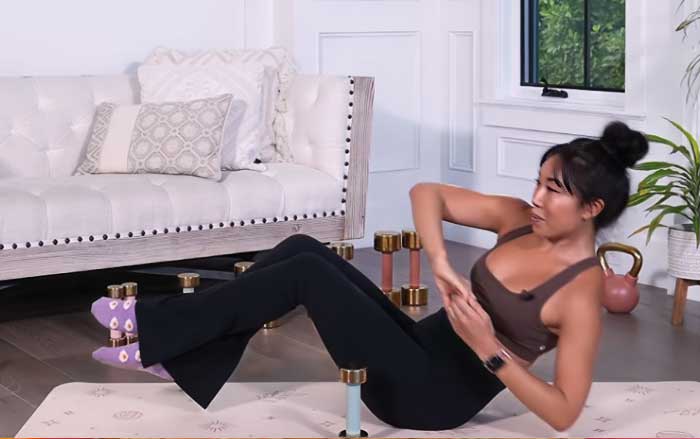
The New Era of Women's Online Fitness in 2026: How Digital Workouts Redefined Strength, Beauty, and Well-Being
A Connected World of Movement
By 2026, women's fitness has become one of the clearest examples of how digital transformation can reshape everyday life, merging health, beauty, and lifestyle into a single, integrated experience. What began with televised aerobics and VHS tapes in the 1980s has evolved into a sophisticated ecosystem of apps, platforms, wearables, and virtual communities that reach women in New York, London, Berlin, Toronto, Sydney, Paris, Tokyo, Seoul, Singapore, São Paulo, Johannesburg, and beyond. For the audience of BeautyTipa, this evolution is not a distant trend but a lived reality, influencing how they plan their days, care for their bodies, and define personal success.
The shift is profound: online workouts are no longer a backup option when time is tight or gyms are closed; they have become the primary fitness channel for millions of women worldwide. This transformation reflects broader movements toward autonomy, flexibility, and holistic wellness. Women who balance demanding careers, caregiving responsibilities, entrepreneurial pursuits, and studies increasingly rely on digital fitness because it adapts to their lives instead of asking them to adapt to rigid schedules or locations. At the same time, the convergence of artificial intelligence (AI), wearable technology, virtual reality (VR), and evidence-based health insights has elevated online workouts from generic follow-along videos to personalized, data-informed training experiences.
For BeautyTipa, which connects beauty, wellness, skincare, routines, and lifestyle under one digital roof, this new era of women's fitness is central to how readers think about self-care, appearance, confidence, and long-term health. Fitness is no longer siloed from beauty; it is a foundation that supports everything from glowing skin and improved posture to emotional resilience and professional performance.
Learn more about how wellness shapes modern beauty perspectives on the BeautyTipa wellness hub.
From Aerobics Icons to AI Coaches: A Brief Evolution
Women's fitness has always mirrored cultural norms and technological capabilities. In the 1980s, figures like Jane Fonda helped normalize at-home exercise, turning living rooms into personal studios and showing that fitness could be stylish, aspirational, and accessible. The 1990s and early 2000s brought structured programs such as P90X and Insanity, delivered via DVDs that emphasized discipline, intensity, and visible transformation. These formats were still largely one-directional: women followed the routines, but the programs could not respond to individual needs.
The rise of YouTube in the late 2000s and early 2010s democratized access to fitness instruction, allowing creators around the world to share workouts for free and inspiring the first wave of truly global, online fitness communities. Soon, connected platforms like Peloton and Apple Fitness+ began to combine streaming technology, real-time performance data, and strong branding to create immersive ecosystems that made at-home workouts feel as engaging as boutique studio classes.
By 2026, the landscape has shifted again. AI-driven platforms can adapt to a woman's energy levels, injury history, menstrual cycle, and stress load. Wearables such as the Apple Watch, Fitbit, and Oura Ring collect continuous biometric data, while VR headsets from Meta, Sony, and other manufacturers transport users into fully immersive training environments. At the same time, advances in women's health research, highlighted by organizations like the World Health Organization and Office on Women's Health, have increased awareness of how female physiology, hormones, and life stages should shape exercise design.
For the global audience of BeautyTipa, spanning the United States, United Kingdom, Germany, Canada, Australia, France, Italy, Spain, Netherlands, Switzerland, China, Sweden, Norway, Singapore, Denmark, South Korea, Japan, Thailand, Finland, South Africa, Brazil, Malaysia, and New Zealand, this evolution means that online fitness is no longer a one-size-fits-all proposition. Instead, it is a spectrum of tailored experiences that can be aligned with cultural preferences, time zones, languages, and personal priorities.
Readers can explore how these shifts intersect with broader lifestyle movements in the BeautyTipa trends section.
Why Digital Fitness Became the Default for Women
For many women, the primary appeal of online workouts in 2026 lies in their ability to reconcile ambition with well-being. Long working hours, remote and hybrid job structures, caregiving roles, and the pressures of urban living have made time the scarcest resource. Digital platforms address this challenge by delivering high-quality workouts that can be accessed at any moment, in any location, and at any duration, whether that means a focused 15-minute strength session before a morning meeting or a restorative yoga flow before bed.
Another powerful driver is privacy and psychological comfort. Women who may feel intimidated in crowded gyms or pressured by traditional beauty standards often find it easier to experiment, make mistakes, and progress at home. This is particularly relevant in markets where cultural norms may discourage women from exercising in mixed-gender spaces or where gym access is limited, such as parts of Asia, Africa, and South America. Online platforms enable women in diverse regions to benefit from world-class instruction without compromising cultural expectations or personal comfort.
Accessibility is equally important. High-speed internet and smartphone penetration, documented by organizations such as the International Telecommunication Union, have expanded digital fitness access even in emerging markets. Women in Bangkok, Lagos, Mexico City, or Cape Town can now follow the same expert-led workouts as women in Los Angeles or Zurich, creating a shared global language of movement. This cross-border exchange has enriched fitness culture, blending influences from K-pop dance in South Korea, pilates innovations from Germany, barre techniques from France, and mindfulness traditions from Japan.
Finally, the modern digital fitness ecosystem has embraced inclusivity and body positivity. A new generation of trainers and platforms showcases diverse body types, ethnicities, ages, and abilities, countering decades of narrow beauty ideals. Many programs now explicitly focus on strength, energy, and mental resilience rather than weight alone, aligning closely with BeautyTipa's perspective that beauty is inseparable from health, confidence, and self-respect.
Readers can deepen their approach to whole-life self-care by exploring BeautyTipa's routines and rituals insights.
Leading Platforms Shaping Women's Fitness in 2026
In 2026, several major platforms stand out for their reach, innovation, and influence on women's fitness behaviors across regions.
Peloton remains a dominant force, having expanded far beyond its original bike-centric model into a complete digital studio accessible via app, smart TV, and web. Its offering now spans cycling, running, strength, pilates, yoga, barre, boxing, and meditation. The live leaderboard and instructor shout-outs create a sense of community and accountability that many women find motivating, especially when training alone at home. Peloton's strategic localization-adding multilingual classes and region-specific music and challenges-has increased its relevance in Europe, Asia-Pacific, and Latin America. Learn more about Peloton's evolving ecosystem on the official Peloton site.
Apple Fitness+, integrated tightly with the Apple Watch and the broader Apple ecosystem, continues to attract women who value seamless technology and data-driven insight. The platform uses heart rate, activity history, and trends to recommend workouts and track progress, while curated collections help users pursue goals such as building core strength, improving mobility, or managing stress. In 2026, Apple's expansion of health features, including cycle tracking and sleep analysis, has made Fitness+ particularly relevant for women seeking a holistic view of their well-being. Additional details can be found through Apple Fitness+.
The Nike Training Club (NTC) app remains a powerful, globally recognized option. Combining the authority of Nike's performance heritage with accessible programming, NTC offers structured multi-week plans, bodyweight routines, mobility work, yoga flows, and athlete-inspired strength sessions. Its global campaigns, often tied to women's empowerment and sport participation, resonate strongly across North America, Europe, and Asia. More about the platform's structure and philosophy is available via the Nike Training Club app page.
For BeautyTipa readers who want to connect these platforms with product choices and brand stories, the BeautyTipa brands and products section offers complementary guidance that aligns fitness decisions with skincare, beauty, and wellness investments.
Women's Digital Fitness 2026
Explore the transformation of online workouts worldwide
Leading Fitness Platforms
Peloton
Complete digital studio with live classes, cycling, strength, yoga & more
Apple Fitness+
Apple Watch integration with personalized recommendations
Nike Training Club
Structured plans, bodyweight routines & athlete-inspired sessions
Alo Moves
Deep yoga library with meditation & breathwork
Les Mills+
Strength-focused programs for metabolic health & bone density
FitXR & Supernatural
VR immersive training in stunning virtual environments
Specialized Formats Tailored to Women's Needs
Beyond the large, generalist platforms, a vibrant ecosystem of specialized services has emerged, focusing on particular training styles and life stages that are especially relevant for women.
Yoga and mind-body platforms such as Alo Moves and Glo provide deep libraries of classes that range from gentle restorative flows and prenatal yoga to advanced vinyasa and meditation. These services increasingly integrate breathwork, sleep support, and emotional resilience practices, acknowledging the tight link between nervous system health, hormonal balance, and physical performance. Interested readers can explore yoga-centric offerings at Alo Moves and Glo.
Strength-focused platforms, including Les Mills+ (formerly Les Mills On Demand) and Tone It Up, have contributed to a cultural shift in how women perceive resistance training. Once seen as the domain of bodybuilders or high-performance athletes, strength work is now widely recognized as essential for metabolic health, bone density, posture, and healthy aging. Many of these programs incorporate guidance aligned with research from organizations like the National Institutes of Health, particularly around midlife health and menopause, helping women adapt training intensity and recovery strategies to changing physiological needs. More information is available through Les Mills+ and Tone It Up.
Dance and rhythm-based fitness has also flourished, especially among younger demographics and in regions with strong music and nightlife cultures. Platforms such as Obé Fitness and The Sculpt Society offer high-energy dance cardio, sculpting, and low-impact toning that blend entertainment with effective training. These formats often feature diverse musical influences-Latin, Afrobeat, K-pop, EDM-reflecting the global nature of contemporary fitness culture. Their appeal lies not only in calorie burn but in emotional release, self-expression, and joy. More about these platforms can be discovered at Obé Fitness and The Sculpt Society.
For women who want to translate these training choices into broader health strategies, BeautyTipa's health and fitness section provides additional context on sustainable strength, cardiovascular health, and recovery.
Technology as a Silent Coach: Wearables, AI, and VR
The most distinctive characteristic of women's online fitness in 2026 is the degree to which technology now acts as a silent coach, guiding decisions in real time. Wearable devices track heart rate, heart rate variability, sleep phases, menstrual cycles, and activity patterns, generating data that AI systems can interpret. Platforms such as Freeletics and Future use machine learning to design adaptive programs that respond to how a woman's body is actually performing, rather than relying on static schedules.
This personalization is particularly valuable for women navigating phases like pregnancy, postpartum recovery, perimenopause, and menopause, where energy levels, joint stability, and recovery capacity can fluctuate significantly. AI-informed training, combined with guidelines from institutions like the Mayo Clinic or Cleveland Clinic, helps women choose appropriate intensities, exercise types, and rest days, reducing injury risk while supporting progress. More about these AI-driven offerings can be found at Freeletics and Future.
Virtual reality has added another layer of engagement. Platforms such as FitXR and Supernatural place users in immersive environments-mountaintop vistas, futuristic arenas, or tranquil landscapes-where boxing, rhythm-based cardio, or guided meditations feel more like interactive experiences than conventional workouts. This approach has proven especially effective in markets like the United States, Japan, and Germany, where high VR adoption and a strong gaming culture intersect. Details about these experiences are available at FitXR and Supernatural.
For BeautyTipa readers interested in the broader intersection of technology and personal care, the technology and beauty section explores how data, devices, and digital platforms are transforming not only fitness but also skincare, makeup, and wellness.
Community, Accountability, and the Social Dimension of Fitness
Despite the sophisticated technology underpinning modern online fitness, its emotional core remains human connection. Women around the world rely on digital communities for accountability, encouragement, and shared celebration. Platforms like Peloton, Obé Fitness, and ClassPass have embedded social features-leaderboards, live chats, badges, and community challenges-that transform solitary workouts into communal events. For women who work from home or live in smaller towns without extensive gym options, these features provide a vital sense of belonging.
Social media has amplified this effect. On Instagram, TikTok, and YouTube, women share progress updates, transformation stories, daily workout clips, and practical tips, creating a vast, informal knowledge network. Influencers and trainers use these channels to break down complex topics-such as progressive overload, mobility work, or cycle-syncing workouts-into digestible formats. This dynamic has made fitness education more accessible and interactive, while also enabling women in different regions to learn from each other's practices and cultural contexts. For example, a strength coach in Stockholm may inspire women in Singapore or Johannesburg to adopt new mobility routines, while a pilates instructor in Seoul influences posture-focused training in Los Angeles.
Readers who want to understand how these global exchanges influence broader lifestyle choices can explore BeautyTipa's international insights, which track cross-border trends in beauty, fashion, and wellness.
Health, Beauty, and Performance: The Benefits That Matter
The benefits of consistent online training extend well beyond visible muscle tone or weight changes. For women, regular participation in structured digital programs supports cardiovascular health, improves insulin sensitivity, and contributes to lower risks of chronic conditions such as heart disease and type 2 diabetes, themes frequently highlighted by organizations like the American Heart Association. Strength and resistance training help maintain bone density, a critical factor in preventing osteoporosis, particularly in postmenopausal women.
From a beauty and skincare perspective, improved circulation, better sleep, and reduced chronic stress can translate into brighter skin, reduced inflammation, and a more youthful appearance, especially when combined with appropriate skincare routines. This is where the synergy between fitness and beauty becomes particularly visible for BeautyTipa readers: a well-designed workout plan supports the efficacy of skincare investments and cosmetic choices. Those seeking to align their training habits with skincare strategies can explore the BeautyTipa skincare section.
The mental and emotional benefits are equally significant. Exercise has been consistently linked with reduced symptoms of anxiety and depression, better cognitive performance, and greater resilience in the face of daily stress, as discussed by authorities such as the National Institute of Mental Health. Many modern platforms incorporate mindfulness, meditation, and breathwork directly into their offerings, enabling women to use movement as a tool for emotional regulation and focus. This is particularly important for professionals and entrepreneurs navigating high-pressure environments, as well as caregivers managing complex family responsibilities.
Challenges in the Digital Fitness Landscape
Despite its many advantages, the digital fitness landscape is not without challenges. Screen fatigue is a real concern, particularly for women whose work already requires long hours in front of laptops or smartphones. Transitioning directly from remote meetings to screen-based workouts can lead to eye strain, mental exhaustion, and diminished enjoyment. To counter this, many women are adopting hybrid approaches that combine online guidance with offline execution, such as following app-based training plans while exercising outdoors or in local gyms.
Another issue is the lack of direct, in-person form correction. While many platforms offer detailed cues, slow-motion demonstrations, and even AI-assisted form feedback, they cannot fully replicate the nuanced observation of an experienced trainer standing nearby. This limitation is particularly relevant for complex lifts, advanced yoga poses, or rehabilitation exercises. Women who engage heavily in digital training often benefit from periodic in-person sessions or consultations with physiotherapists and certified trainers, ensuring that technique remains safe and efficient.
Cost can also be a barrier, especially in lower-income regions or for younger users. Premium platforms with extensive live content and advanced features may require monthly fees that are difficult to sustain. However, a robust ecosystem of free or low-cost resources-particularly on YouTube, as well as budget-friendly apps-helps mitigate this challenge. Many women now curate a mix of paid and free content to balance quality, variety, and affordability. Those looking to optimize their fitness investments within a broader financial plan may find it useful to consult BeautyTipa's business and finance perspectives, which often touch on budgeting for wellness and lifestyle.
For practical strategies on structuring sustainable, cost-effective workout routines, readers can visit the BeautyTipa guides and tips section.
Looking Ahead: The Future of Women's Online Fitness
The trajectory of women's digital fitness points toward even deeper integration with other aspects of life and self-care. By the end of this decade, it is likely that many women will use unified platforms that combine workouts, nutrition planning, mental health support, skincare recommendations, and even wardrobe suggestions for active lifestyles, drawing on data from wearables and smart home devices. Such systems will be able to propose daily action plans-suggesting a low-impact workout after a poor night's sleep, recommending anti-inflammatory recipes, and aligning them with skincare routines that support recovery after outdoor training.
Predictive coaching will grow more sophisticated as AI models absorb larger datasets and as research on women's health and performance expands. This could result in training plans that anticipate hormonal shifts, travel schedules, or seasonal mood changes, offering proactive, personalized guidance. Global expansion will continue as localized platforms emerge in Africa, South America, and Southeast Asia, delivering content in local languages and reflecting regional cultural norms, body ideals, and music preferences.
For BeautyTipa, whose readers care about beauty, wellness, fashion, and performance in equal measure, this future presents an opportunity to treat fitness not as an isolated activity but as a central thread connecting skincare, nutrition, mental health, and personal style. Readers who want to see how movement trends intersect with wardrobe and aesthetic choices can explore the BeautyTipa fashion section, while those interested in nourishing their training through diet can benefit from the food and nutrition coverage.
A Holistic Vision of Strength and Beauty
In 2026, women's online fitness stands at the intersection of empowerment, technology, and holistic well-being. It has moved far beyond the era of one-directional workout tapes to become a responsive, global ecosystem that respects women's time, honors their individuality, and supports their ambitions. For the BeautyTipa community, this ecosystem offers tools to build physical strength, protect long-term health, enhance natural beauty, and cultivate mental resilience, all while fitting into increasingly complex, international lifestyles.
As digital platforms continue to evolve, the most important shift may be philosophical rather than technological: fitness is no longer portrayed merely as a path to a certain look, but as a foundation for a life of energy, clarity, and confidence. Women across North America, Europe, Asia, Africa, and South America are using online workouts not simply to change their bodies, but to claim ownership of their routines, their choices, and their futures.
For those ready to refine their own path-whether that means exploring new workout styles, upgrading wellness routines, or connecting beauty and health in a more intentional way-the broader BeautyTipa platform at beautytipa.com offers a curated companion to this new era of digital strength and self-care.
