
How Cultural Traditions Shape Beauty Rituals
Beauty as a Cultural Language in a Hyper-Connected World
In 2026, beauty functions less as a superficial layer of color or texture and more as a complex cultural language that reveals how societies understand identity, health, status, gender, spirituality, and even technology. As BeautyTipa deepens its coverage across beauty, skincare, wellness, and related categories, it has become increasingly clear that what individuals in the United States, Europe, Asia, Africa, and South America apply to their skin or hair is rarely the product of trends alone. Instead, daily rituals are anchored in inherited stories, religious frameworks, local climates, and intergenerational knowledge that long predate the global beauty industry.
The rapid expansion of cross-border e-commerce, the dominance of social platforms, and the rise of digitally native brands have created a more unified marketplace, yet they have not erased local customs. Rather, traditions in countries such as Japan, South Korea, India, Brazil, Nigeria, France, and the United States now intersect, blend, and occasionally collide, producing both creative hybrid routines and heated debates about authenticity, appropriation, and equity. For the international audience of BeautyTipa, which spans North America, Europe, Asia, Africa, and South America, understanding these cultural foundations has become essential to interpreting product claims, decoding trends, and designing personal routines that feel both effective and meaningful.
As consumers in cities from New York and London to Seoul, São Paulo, Berlin, Toronto, Sydney, Johannesburg, Singapore, and Tokyo refine their beauty habits, they are unconsciously negotiating centuries of cultural history. This negotiation is visible in everything from the reverence for sun protection in Japan to the celebration of curls in Brazil, from the popularity of shea butter in Germany to the rise of minimalist Scandinavian routines in the United Kingdom. For BeautyTipa, the mission is not merely to report on products but to unpack the cultural, scientific, and economic forces that make those products matter.
Before Brands: Rituals as the Original Beauty Industry
Long before multinational corporations and influencer-driven campaigns, beauty existed as ritual, medicine, and social code. Archaeological and anthropological work by institutions such as the Smithsonian Institution and the British Museum demonstrates that ancient Egyptians used kohl, oils, and aromatic unguents to protect the eyes, honor deities, and signal status, illustrating that beauty, spirituality, and hygiene were intertwined from the earliest civilizations. In classical Greece and Rome, bathing complexes functioned as civic spaces where grooming was inseparable from political and social life, while in ancient India, Ayurvedic texts described intricate regimens for skin, hair, and fragrance as part of an integrated system of physical and mental health. Interested readers can explore how ancient wellness frameworks continue to shape modern practices by reviewing historical perspectives from organizations such as the World History Encyclopedia.
Across East Asia, Confucian, Buddhist, and Shinto philosophies emphasized cleanliness, restraint, and harmony, values that would later underpin the region's meticulous skincare culture. In medieval Europe, monastic herbalism and apothecary traditions preserved plant-based remedies and fragrances that remain relevant today in the marketing of "heritage" and "pharmacy" brands. By the time industrialization reshaped production in the 19th and early 20th centuries, these customs were already deeply embedded in cultural memory. The first commercial beauty houses in Paris, London, and New York did not invent rituals; they systematized and packaged them, turning local practices into scalable products.
In 2026, when BeautyTipa evaluates a serum, a sunscreen, or a fragrance in its brands and products and guides and tips sections, it is effectively examining the latest iteration of these historical patterns. Texture preferences, fragrance choices, packaging aesthetics, and even the language of "purity" or "luxury" can often be traced back to specific cultural lineages, which now coexist within a globalized yet highly fragmented beauty landscape.
East Asia: Discipline, Prevention, and Ritual Precision
In East Asia, particularly in South Korea, Japan, and increasingly China, beauty is strongly associated with discipline, consistency, and prevention rather than quick, dramatic transformations. The widely discussed Korean multi-step skincare routine, which gained global visibility in the late 2010s and early 2020s, evolved from centuries of traditional medicine, fermented ingredients, and meticulous grooming. Reports from organizations such as the Korea Tourism Organization describe how hanbang, or traditional Korean herbal medicine, continues to inspire formulations that focus on gentle layering, barrier support, and long-term skin resilience. Those wishing to understand how these routines developed within broader social and philosophical contexts can explore resources from the Korea Foundation.
In Japan, the aesthetics of "mochi skin" and "glass skin" are rooted in older ideals of translucence, subtlety, and refinement. Practices such as onsen bathing, rice bran exfoliation, and the use of camellia oil for hair care reflect a cultural preference for quiet, repetitive rituals that align with concepts of wabi-sabi and respect for nature. Institutions like Japan House London have documented how these practices have transitioned from domestic routines to the core narratives of contemporary J-beauty brands. For global consumers, these traditions have reframed skincare as a meditative process and positioned sun protection, gentle cleansing, and hydration as non-negotiable daily acts rather than optional extras.
Within BeautyTipa's coverage of trends and technology and beauty, East Asian influence is particularly visible in the rise of AI-powered skin diagnostics, hyper-personalized routines, and ingredient transparency. Many of the algorithmic regimens promoted by global brands today are modeled on the structured, stepwise logic of K-beauty and J-beauty, translated into digital interfaces that appeal to consumers in the United States, the United Kingdom, Germany, and beyond.
South Asia: Ayurveda, Inner Balance, and Ritual Oils
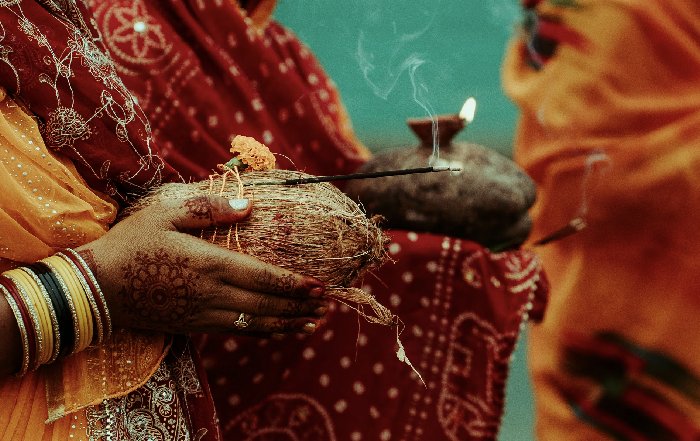
In India and neighboring South Asian countries, beauty traditions are inseparable from Ayurveda and related systems such as Unani, which regard external appearance as a reflection of internal balance. Rituals like abhyanga (full-body oil massage), hair oiling, herbal masks, and seasonal detox practices are not merely cosmetic; they are designed to balance doshas, support digestion, improve sleep, and stabilize mood. The Ministry of AYUSH has played a key role in formalizing and preserving these practices, while global interest in turmeric, ashwagandha, and neem has propelled Ayurvedic concepts into mainstream beauty and wellness markets in North America, Europe, and Asia. Readers interested in the scientific exploration of these ingredients can review discussions from institutions such as the National Center for Complementary and Integrative Health.
However, as Ayurvedic ingredients appear in everything from serums in Los Angeles to supplements in Stockholm, there is an ongoing tension between commercial simplification and holistic integrity. Many global products extract a single hero ingredient while ignoring the diet, lifestyle, and spiritual dimensions that give traditional routines their coherence. For the BeautyTipa community, especially those engaging with health and fitness and food and nutrition, South Asian traditions underscore the idea that glowing skin often begins with digestion, stress management, and daily ritual, not just topical actives.
🌍 Global Beauty Rituals Explorer
Discover how cultural traditions shape beauty practices around the world
🏯East Asia: Discipline & Prevention
🕉️South Asia: Ayurveda & Inner Balance
🏺Middle East & North Africa: Fragrance & Purity
🌿Sub-Saharan Africa: Butters, Braids & Resilience
🦜Latin America: Biodiversity & Cultural Pride
💎Europe & North America: Innovation & Regulation
Middle East and North Africa: Fragrance, Purity, and Heritage Botanicals
In the Middle East and North Africa, beauty is strongly linked to fragrance, ritual cleanliness, and the intelligent use of botanicals adapted to arid climates. Historical records curated by UNESCO highlight the region's pioneering role in distillation and perfumery, which laid foundations for the modern fragrance industry. Centuries-old practices such as using kohl to protect and define the eyes, applying henna for body art and hair color, and relying on argan oil or black seed oil for nourishment continue to shape both local routines and global product development. Those seeking a richer understanding of these traditions can explore cultural heritage materials via the UNESCO Intangible Cultural Heritage.
The hammam, prevalent in countries such as Morocco, Turkey, and Tunisia, exemplifies how beauty intersects with spirituality, social interaction, and relaxation. Its sequence of steam, exfoliation, cleansing, and rest has inspired spa concepts in cities from Paris to Dubai and New York, while also reinforcing the idea that deep cleansing and communal care can coexist. For BeautyTipa's international readership, these practices illustrate how modesty norms, religious frameworks, and gender roles shape not only what is visible to the outside world but also the private rituals that structure weekly or monthly self-care.
Sub-Saharan Africa: Butters, Braids, and Cultural Resilience
Across Sub-Saharan Africa, beauty rituals are deeply connected to identity, community, and economic resilience. Ingredients such as shea butter, marula oil, baobab oil, and African black soap have been used for generations to protect skin and hair from intense sun and fluctuating humidity. Research compiled by organizations like the World Agroforestry Centre shows that the shea value chain, concentrated in countries including Ghana and Burkina Faso, supports millions of women through cooperative-based harvesting and processing. Those who wish to understand the broader sustainability implications of such ingredients can review environmental and trade insights from the Food and Agriculture Organization.
Hairstyling practices-including intricate braiding, locs, twists, and protective styles-serve as visual markers of heritage, age, marital status, and creativity. The National Museum of African American History and Culture has documented how these traditions traveled with the African diaspora, evolving within contexts of resistance, discrimination, and cultural pride in the United States, Brazil, the Caribbean, and Europe. In 2026, these styles are central to global conversations about representation and inclusion, challenging long-standing Eurocentric norms in professional environments and media. For BeautyTipa, which reaches readers across Africa, North America, and Europe, coverage of textured haircare, scalp health, and protective styling is inseparable from discussions of cultural sovereignty and economic opportunity for Black-owned brands.
Europe and North America: Innovation, Regulation, and Shifting Ideals
In Europe and North America, contemporary beauty culture emerged from a mix of industrial innovation, cinematic glamour, and consumer capitalism. Historical analysis from institutions such as the Fashion Institute of Technology reveals how Hollywood's golden age, Parisian couture, and post-war prosperity cemented ideals of hyper-feminine glamour and standardized beauty norms that would later be exported worldwide. Over time, pharmacy traditions in France, herbalism in Central Europe, and the rise of department-store counters in the United States contributed to a culture that prized novelty, convenience, and aspiration.
By the mid-2020s, however, these regions had undergone a profound shift. Environmental awareness, feminist critiques, demographic diversity, and digital transparency have driven a movement toward wellness-oriented, inclusive, and sustainability-focused beauty. Regulatory frameworks established by the European Commission and the U.S. Food and Drug Administration now play a critical role in defining ingredient safety, labeling standards, and claims substantiation, thereby shaping consumer trust across markets. Those seeking to understand how regulation influences product innovation and cross-border launches can review policy overviews from the European Commission's cosmetics portal and the U.S. FDA cosmetics section.
For readers exploring business and finance on BeautyTipa, these regulatory differences explain why a "clean" formula in Paris may not match a "clean" label in Los Angeles, and why multinational companies must adjust ingredients and marketing narratives for Germany, Canada, Australia, and other markets with distinct legal and cultural expectations.
Latin America: Biodiversity, Color, and Cultural Pride
In Brazil, Mexico, Colombia, and other Latin American countries, beauty rituals fuse Indigenous, African, and European legacies into a vibrant aesthetic that celebrates body confidence, expressive hair, and bold color. Local botanicals such as açaÃ, cupuaçu, murumuru, and buriti oil reflect the region's extraordinary biodiversity and long-standing plant knowledge. Brazilian research institutions such as Embrapa have documented how these ingredients are being developed for both domestic and international cosmetic use, contributing to new forms of economic value tied to conservation. Those interested in how biodiversity drives product innovation can explore perspectives from the Convention on Biological Diversity.
Cultural phenomena such as Carnival, telenovelas, and regional music scenes reinforce an aesthetic that favors luminous skin, defined features, and hair that moves freely, whether straightened, curly, or coily. As Latin American consumers gain purchasing power, global brands have been compelled to expand shade ranges, adapt messaging, and respect local ideals that often differ from Eurocentric norms. For BeautyTipa, whose international coverage follows these shifts closely, Latin America demonstrates how cultural pride and environmental richness can generate distinctive, exportable beauty narratives that resonate far beyond regional borders.
Digital Platforms, Hybrid Rituals, and Cultural Negotiation
The digital acceleration of the early 2020s permanently altered how beauty rituals spread and evolve. Social platforms, livestream commerce, and cross-border marketplaces now allow a consumer in London to combine a Korean essence, a French pharmacy sunscreen, Ghanaian shea butter, and an Ayurvedic hair oil into a personal routine without leaving home. Analysis from firms such as McKinsey & Company has shown how algorithmic recommendations and influencer networks shape purchasing decisions, particularly among younger consumers who are more comfortable experimenting across cultures. Those who wish to understand these dynamics from a strategic perspective can review beauty-industry insights from McKinsey's consumer and retail practice.
For BeautyTipa, this environment means that readers often arrive already familiar with the vocabulary of K-beauty, J-beauty, Ayurvedic rituals, and African butters, but still seek guidance on how to integrate these elements into coherent routines that align with their skin type, schedule, budget, and ethical priorities. At the same time, the digital sphere has amplified debates about cultural appropriation, credit, and compensation. Organizations such as the World Economic Forum have highlighted the need for more equitable value chains and respectful storytelling, urging brands to acknowledge the communities and knowledge systems behind their hero ingredients.
This new terrain requires consumers, creators, and companies to navigate a delicate balance: drawing inspiration from global traditions while avoiding superficial borrowing or erasure. In its editorial choices, BeautyTipa prioritizes context, transparency, and the voices of local experts, reflecting a commitment to Experience, Expertise, Authoritativeness, and Trustworthiness that is increasingly demanded by a discerning global audience.
Science Meets Tradition: Evidence, Efficacy, and Trust
As dermatology, cosmetic chemistry, and microbiome research advance, many traditional practices are being reevaluated through a scientific lens. Organizations such as the American Academy of Dermatology provide guidance on the benefits and risks of ingredients like alpha hydroxy acids, retinoids, essential oils, and botanical extracts. This evidence base sometimes validates ancestral knowledge-such as the soothing properties of colloidal oatmeal or the antioxidant profile of green tea-while also challenging practices that may irritate or sensitize certain skin types. Readers seeking medically grounded information can consult resources from the American Academy of Dermatology.
In innovation-driven markets such as Sweden, Norway, Denmark, Finland, Japan, and South Korea, consumers increasingly expect brands to marry heritage and high-tech solutions. Biotech-enabled fermentation, encapsulated actives, and dermocosmetic formulations now sit alongside traditional oils, clays, and herbal infusions. This convergence is visible in products that position themselves as both "rooted in tradition" and "clinically tested," appealing to a global audience that wants emotional resonance and measurable results. For BeautyTipa's readers following technology and beauty, the key challenge is to distinguish between marketing narratives that simply reference tradition and those that genuinely integrate cultural knowledge with robust scientific validation.
Sustainability, Ethics, and Community Impact
By 2026, sustainability has become a central lens through which cultural traditions and beauty rituals are reassessed. Concerns about climate change, biodiversity loss, and social inequality have prompted consumers to question how ingredients are sourced, how communities are compensated, and how packaging and logistics affect the planet. The United Nations Environment Programme has emphasized the importance of responsible sourcing, fair benefit-sharing, and reduced environmental footprints across the cosmetics value chain. Those looking for global environmental frameworks can explore materials from the UN Environment Programme.
Ingredients such as shea butter, argan oil, and Amazonian botanicals illustrate both the opportunities and the risks of global demand. Fair-trade and ethical sourcing initiatives, supported by organizations like Fairtrade International, seek to ensure that smallholder farmers and women's cooperatives in regions such as West Africa, North Africa, and the Amazon receive equitable returns and maintain control over their resources. Business-focused readers of BeautyTipa can learn more about responsible sourcing and certification models through resources provided by Fairtrade International.
Simultaneously, consumers in Europe, North America, New Zealand, and parts of Asia are rediscovering local botanicals and artisanal production as lower-impact alternatives to import-heavy routines. This has led to a resurgence of small-batch perfumery, cold-process soaps, and region-specific herbal skincare, often showcased at trade fairs, beauty expos, and wellness festivals that BeautyTipa follows closely in its events and trends coverage. The result is a more geographically diverse beauty map in which local traditions are not merely romanticized but strategically positioned as solutions to global sustainability challenges.
Beauty, Work, and Economic Mobility
Cultural traditions in beauty also play a vital role in employment, entrepreneurship, and social mobility. Across continents, beauty services such as hairstyling, barbering, nail artistry, traditional massage, and spa therapies offer accessible pathways to self-employment, particularly for women, migrants, and marginalized communities. The International Labour Organization has documented how the beauty and wellness sector contributes to job creation and skills development in both formal and informal economies. Those interested in labor dynamics and vocational training can review sector analyses from the International Labour Organization.
Traditional knowledge often underpins these careers: West African braiding techniques, Thai massage methods, Japanese onsen rituals, and Indian threading practices all serve as differentiating skills in increasingly competitive markets. As global tourism rebounds and digital booking platforms expand, practitioners who can articulate the cultural significance of their services often gain an advantage, attracting clients who value authenticity and storytelling. For visitors exploring jobs and employment on BeautyTipa, this landscape highlights how cultural heritage can be transformed into professional capital, creating income streams that are resilient even amid economic volatility.
At the same time, growing regulation in regions such as the European Union, North America, and parts of Asia requires practitioners to meet standards of hygiene, safety, and training that sometimes sit uneasily alongside informal or community-based learning. This tension is driving new models of education that blend traditional techniques with modern health and safety protocols, as well as cross-border recognition of qualifications for professionals moving between markets such as the United Kingdom, Germany, Canada, Australia, and Singapore.
Inclusive Beauty and the Redefinition of Global Standards
Over the past decade, one of the most transformative developments in beauty has been the push toward inclusivity. Movements led by consumers, academics, and media organizations have challenged narrow ideals based on Eurocentric features, lighter skin, and youth, advocating instead for representation across skin tones, hair types, ages, genders, and body shapes. Initiatives like Allure's The Melanin Edit and research on colorism, texturism, and media bias have helped shift expectations in markets such as South Africa, Brazil, Malaysia, Nigeria, and the United States, where multicultural populations have long navigated complex beauty hierarchies. Readers can learn more about the health and social implications of appearance-based discrimination through resources from the World Health Organization.
For BeautyTipa, inclusive coverage is not a trend but a structural commitment that informs how products are evaluated, which experts are consulted, and how stories are framed across categories from makeup to fashion. As brands expand shade ranges, embrace gender-neutral marketing, and highlight mature skin, the platform's role is to assess whether these initiatives are substantive or merely symbolic. At the same time, inclusive beauty encourages individuals to reconnect with their own cultural heritage, whether that means embracing natural curls in Norway, celebrating deeper skin tones in Italy, or reviving traditional adornment practices in Thailand.
In this evolving context, beauty rituals increasingly function as tools for self-expression, mental well-being, and cultural affirmation. Rather than aspiring to a single global ideal, consumers are crafting routines that integrate elements from their ancestry, their current environment, and their digital influences, creating a more pluralistic and psychologically supportive definition of beauty.
How BeautyTipa Helps Readers Navigate Global Traditions in 2026
For a reader arriving at BeautyTipa in 2026-whether from the United States, the United Kingdom, Germany, Canada, Australia, France, Italy, Spain, the Netherlands, Switzerland, China, Sweden, Norway, Singapore, Denmark, South Korea, Japan, Thailand, Finland, South Africa, Brazil, Malaysia, New Zealand, or elsewhere-the daily question is practical yet deeply cultural: which rituals, products, and philosophies genuinely serve their life today.
Across its sections on beauty, skincare, wellness, trends, and the broader homepage at BeautyTipa.com, the platform positions itself as a guide that connects intimate routines with global traditions, scientific insight, and business realities. A professional in London might use BeautyTipa to refine a minimalist, Japanese-inspired regimen that fits a demanding schedule; a student in Seoul may explore African-inspired body care as part of a sustainability-focused lifestyle; an entrepreneur in Johannesburg might consult the site's business and finance content to build a brand rooted in local botanicals; a wellness enthusiast in Toronto could integrate Ayurvedic nutrition advice into a holistic self-care plan.
In each case, the value lies in context and discernment. BeautyTipa does not treat beauty as an isolated set of product choices but as a dialogue between past and present, local and global, science and ritual, individual goals and community responsibilities. By foregrounding Experience, Expertise, Authoritativeness, and Trustworthiness, the platform helps its readers make informed decisions that respect cultural origins, honor personal identity, and meet the practical demands of modern life.
As the beauty industry continues to evolve through technological innovation, demographic shifts, and environmental pressures, cultural traditions will remain a vital source of meaning and differentiation. In 2026 and beyond, those traditions are not static relics but living frameworks that adapt, hybridize, and inspire. By tracing these dynamics with care and depth, BeautyTipa offers its global audience not just product recommendations, but a richer understanding of what beauty can signify in a world where every routine is both personal and profoundly connected to a wider human story.
