
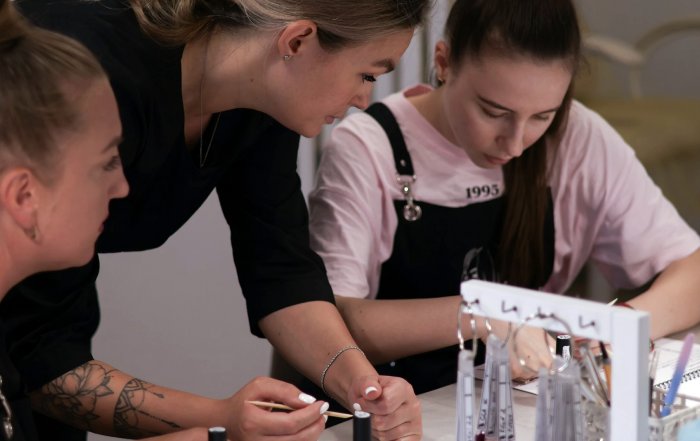
Beauty Education Platforms Redefining Industry Standards
Digital Beauty Education as a Strategic Power Center
By 2026, digital beauty education has matured into one of the most influential forces shaping the global beauty and wellness industry, moving far beyond its early identity as a niche or supplementary learning channel and becoming a core driver of product development, regulatory alignment, professional careers, and consumer expectations. What once consisted largely of fragmented tutorials and personality-led content on social platforms has evolved into a structured, multi-layered ecosystem of professional academies, accredited courses, science-backed knowledge hubs, and technology-enabled learning environments that collectively set new benchmarks for quality, safety, and transparency. For BeautyTipa and the international community it serves, this evolution is not simply a trend to observe, but a landscape to interpret, connect, and translate into practical guidance for readers and businesses seeking to thrive in an increasingly knowledge-driven market.
The acceleration of high-bandwidth connectivity, the normalization of remote and hybrid work, and rapid advances in artificial intelligence and immersive technologies have enabled professional-grade education to reach learners in the United States, the United Kingdom, Germany, Canada, Australia, France, Italy, Spain, the Netherlands, Switzerland, China, South Korea, Japan, Singapore, Brazil, South Africa, and beyond with unprecedented consistency and scale. At the same time, post-pandemic shifts in consumer behavior, stricter regulatory oversight, and growing scrutiny of marketing claims have raised the stakes for brands and professionals who must now demonstrate not only creativity and aesthetic skill, but also verifiable expertise and ethical responsibility. Within this context, beauty education platforms sit at the intersection of content, commerce, and credentials, and their design and governance directly influence the standards that define the global beauty, skincare, wellness, and fashion sectors.
For readers navigating this environment, BeautyTipa functions as a curated vantage point, connecting developments in digital education with the practical realities of careers, businesses, and everyday routines. Through dedicated sections such as beauty, skincare, and guides and tips, the platform translates complex shifts in education, regulation, and technology into actionable insight, reinforcing the central role of experience, expertise, authoritativeness, and trustworthiness in every facet of the modern beauty landscape.
From Influencer Tutorials to Structured Institutions
The early 2010s and 2020s were defined by the rise of individual creators on platforms like YouTube and Instagram, whose tutorials, reviews, and transformation videos democratized access to beauty techniques and product information but also introduced significant variability in quality and scientific rigor. By 2026, this creator-led layer still exists and remains culturally powerful, yet it is increasingly complemented-and in many professional contexts, overshadowed-by structured institutions that combine the accessibility of digital media with the credibility of formal education and industry-aligned standards.
Internationally recognized organizations such as CIDESCO International and CIBTAC have continued to expand their digital and hybrid programs, providing esthetics, spa, and wellness qualifications that align with national frameworks in key regions, including North America, Europe, and Asia-Pacific. Learners can explore how these qualifications map to local licensing requirements through resources provided by regulators and professional bodies, and many now pursue blended pathways that begin with online theory and progress to supervised in-person assessments. At the same time, large open learning platforms such as Coursera, edX, and Udemy host specialized courses in cosmetic science, regulatory affairs, beauty marketing, and spa management, often developed in partnership with universities, dermatologists, or cosmetic chemists. Interested readers can explore how universities collaborate with industry through hubs such as MIT OpenCourseWare or learn how digital credentials are reshaping professional development via LinkedIn Learning.
For the global audience of BeautyTipa, this expansion of institutional options presents both opportunity and complexity. The platform's guides and tips content increasingly focuses on helping readers distinguish between short-form inspiration and structured learning, evaluate the legitimacy of certificates, and assemble personalized learning journeys that span micro-courses, professional diplomas, and advanced degrees. In this new architecture of beauty learning, education is no longer a linear path, but a modular, lifelong process where formal and informal sources coexist, and where strategic choices about where to study can have direct implications for credibility, employability, and business growth.
Evidence-Based Beauty, Safety, and Regulatory Literacy
One of the most transformative impacts of digital education platforms since 2025 has been the mainstreaming of evidence-based beauty, where dermatology, cosmetic chemistry, and regulatory science are integrated into curricula that were once limited to technique and trend replication. Consumers now routinely research ingredients, examine clinical data, and consult trusted medical resources before making purchasing decisions, and they expect professionals and brands to be conversant with the same level of detail. Platforms that fail to align with scientific consensus or misrepresent regulatory guidelines increasingly face reputational damage and, in some jurisdictions, legal consequences.
Authoritative organizations such as the American Academy of Dermatology and the British Association of Dermatologists continue to publish accessible resources on skin conditions, treatments, and photoprotection, which education providers frequently reference when designing skincare and dermal therapy modules. Learners can deepen their understanding of clinical standards by visiting resources like AAD.org or exploring dermatology guidance through the NHS in the United Kingdom. On the regulatory side, bodies such as the U.S. Food and Drug Administration and the European Commission provide detailed overviews of cosmetic regulations, labeling requirements, and permissible claims; professionals can review these frameworks directly via the FDA cosmetics portal or the EU's cosmetics legislation pages.
Within this context, BeautyTipa has made scientific literacy and safety a core editorial priority. The platform's skincare and health and fitness sections increasingly emphasize how to interpret ingredient lists, understand the limits of over-the-counter products, and recognize when medical referral is appropriate, drawing on guidance from institutions such as the World Health Organization, whose resources on UV exposure and noncommunicable diseases can be explored through who.int. By consistently aligning with authoritative sources and clearly distinguishing between opinion, emerging research, and established evidence, BeautyTipa strengthens a culture in which education is inseparable from ethical responsibility and long-term consumer well-being.
The Economics and Strategy of Beauty Education Platforms
By 2026, beauty education has become a sophisticated business category that spans subscription-based academies, white-labeled learning platforms for brands, certification programs, and integrated content-commerce ecosystems. What began as ad-supported video content and occasional masterclasses has evolved into multi-tiered offerings where learners pay for structured curricula, mentorship, and recognized credentials, and where brands invest heavily in education as a core component of their commercial strategy.
Major retailers such as Sephora and Ulta Beauty now operate robust internal academies, combining e-learning portals with in-store training to ensure consistent service standards and deep product knowledge across international markets. These models mirror broader corporate learning trends analyzed by firms like McKinsey & Company, which regularly examine how digital skills and continuous training impact productivity and growth; readers can explore such perspectives via McKinsey's insights on education and skills. Simultaneously, independent educators and entrepreneurs have launched specialized academies in areas such as lash artistry, brow design, cosmetic formulation, and spa entrepreneurship, often using scalable platforms that integrate payment processing, community features, and certification tracking.
For founders, freelancers, and aspiring professionals who follow BeautyTipa, understanding these monetization models is increasingly important. The platform's business and finance section explores how education can function as a diversified revenue stream, a loyalty engine, and a defensible competitive moat. Reports from organizations like Statista, accessible via statista.com, indicate that global e-learning revenues continue to rise, with beauty and wellness representing a high-growth niche driven by the creator economy and the professionalization of social media careers. By examining case studies of successful academies and brand-led education ecosystems, BeautyTipa helps its readers evaluate whether to build their own platforms, partner with established providers, or embed educational layers into product launches and community strategies.
AI, AR, and Immersive Technologies Reshaping Learning
Technological innovation has moved from being a supporting feature of beauty education to its central catalyst. Artificial intelligence, augmented reality, and immersive experiences now underpin many of the most advanced learning platforms, enabling unprecedented personalization, interactivity, and realism. These tools are no longer experimental novelties; they are increasingly embedded into the everyday workflows of educators, brands, and learners across continents.
AI-driven recommendation engines, similar in concept to those used by Netflix or Spotify, now analyze learner behavior, quiz performance, and career goals to suggest tailored curricula and practice modules. Platforms leverage cloud services from companies such as Microsoft and Google, whose AI and machine learning suites, described on Microsoft Learn and Google Cloud, provide the backbone for adaptive learning, language translation, and real-time feedback. In skincare education, AI-powered skin analysis tools trained on dermatological datasets allow learners to simulate consultations, recognize common conditions, and understand how factors such as ethnicity, age, and environment influence treatment planning.
Augmented reality has become particularly influential in makeup, hair, and brow education, with technologies pioneered by ModiFace (part of L'Oréal) and integrated into apps from Snapchat, Instagram, and major beauty brands. Learners can now visualize contouring, color theory, and hairstyle changes on virtual faces that mimic diverse skin tones and facial structures, reducing product waste and enabling rapid experimentation. BeautyTipa's technology and beauty coverage tracks how these tools are transitioning from consumer-facing features to professional training staples, while also exploring the ethical and privacy considerations raised by biometric data and facial mapping.
As virtual reality and mixed reality headsets become more affordable, immersive simulations of spa environments, salon workflows, and retail scenarios are gaining traction. Analysts at firms such as PwC and Deloitte have documented how VR training can improve knowledge retention and reduce training time in corporate contexts; readers can explore such findings via PwC's reports on immersive learning. Beauty education platforms are adapting these insights to create virtual treatment rooms where learners practice client consultations, hygiene protocols, and complex procedures in safe, repeatable environments. This convergence of beauty and advanced technology underscores why modern education providers must now operate with a level of digital sophistication previously associated with leading tech companies rather than traditional vocational schools.
Beauty Education Evolution 2026
Interactive Guide to Digital Learning Standards
Beauty education platforms now operate across diverse regulatory and cultural landscapes, requiring regional adaptation for compliance and effectiveness.
Global Reach, Local Regulations, and Cultural Nuance
Although many beauty education platforms market themselves as global, their real effectiveness depends on how well they adapt to local regulations, cultural expectations, and consumer behaviors. Licensing requirements, ingredient restrictions, and permissible marketing claims differ markedly between jurisdictions such as the European Union, the United States, China, South Korea, and Brazil, and professionals who train on generic content without regional tailoring risk misunderstandings that can affect compliance and client safety.
In Europe, the European Commission maintains a comprehensive framework for cosmetic products, including safety assessments, banned substances, and labeling rules, which can be explored via the EU's official cosmetics information pages. National authorities in countries such as France and Germany supplement these rules with local guidance and enforcement practices. In the United States, the FDA sets boundaries for what constitutes a cosmetic versus a drug, while state cosmetology boards define scopes of practice for estheticians and cosmetologists; professionals can find state-level requirements through resources aggregated by bodies like the Professional Beauty Association, accessible via probeauty.org. In Asia, dynamic markets such as South Korea and Japan combine stringent regulation with a rapid pace of innovation, leading to education programs that emphasize both compliance and advanced R&D, while in regions such as Africa and South America, educators must navigate diverse informal markets alongside emerging regulatory regimes.
BeautyTipa addresses this complexity through its international coverage, which connects global best practices with local realities in regions from North America and Europe to Asia, Africa, and South America. The platform highlights how professionals in the United Kingdom, Canada, Australia, South Africa, Brazil, Malaysia, Thailand, and New Zealand can evaluate whether a given course or credential is recognized in their jurisdiction, and how to supplement global content with local mentorship or regulatory training. By emphasizing regional nuance, BeautyTipa helps its readers avoid the assumption that one-size-fits-all education is sufficient in a field where legal and cultural frameworks heavily influence daily practice.
Career Pathways and the New Beauty Workforce
The transformation of beauty education platforms has profoundly reshaped career trajectories in the beauty, wellness, and fashion ecosystems. Traditional roles in salons, spas, and retail now coexist with a wide spectrum of digitally enabled careers, including content creators, brand educators, product developers, regulatory specialists, and beauty-tech entrepreneurs. Continuous learning has become a non-negotiable requirement, as professionals must integrate technical skill with communication, business strategy, and digital fluency to remain competitive.
Labor market data from sources such as the U.S. Bureau of Labor Statistics, accessible via bls.gov, indicate that occupations related to skincare, wellness coaching, and personal appearance services maintain steady or above-average growth, while job platforms like LinkedIn and Indeed show rising demand for hybrid roles that combine beauty expertise with social media management, e-commerce, and product innovation. Education platforms have responded with modular programs that teach everything from advanced facials and chemical peels to storytelling, influencer marketing, and client relationship management, often culminating in digital badges or micro-credentials that can be showcased on professional profiles.
For the BeautyTipa community, which includes aspiring artists, established practitioners, brand founders, and career changers, the question is no longer whether to invest in education, but how to align learning choices with evolving roles. The site's jobs and employment content examines how learners can use online academies to transition from salon work to product development, from freelance makeup artistry to brand consultancy, or from wellness coaching to holistic program design. The brands and products section complements this by exploring how education informs product positioning, regulatory readiness, and go-to-market strategies. Through this lens, education platforms are not just gateways into the industry; they are accelerators that enable professionals to craft multi-dimensional, international careers that reflect the convergence of beauty, wellness, technology, and entrepreneurship.
Integrating Wellness, Nutrition, and Lifestyle into Beauty Curricula
By 2026, the notion that beauty can be separated from wellness, nutrition, and lifestyle has largely eroded. Leading education providers now treat skin health, hair vitality, and overall appearance as outcomes influenced by diet, sleep, stress, physical activity, and mental well-being, drawing on research from organizations such as the World Health Organization and the U.S. National Institutes of Health, whose resources on nutrition and chronic disease can be accessed via nih.gov. This integrative approach reflects growing scientific consensus around concepts such as the gut-skin axis, inflammation, and the impact of environmental stressors on visible ageing.
Courses increasingly include modules on anti-inflammatory eating patterns, hydration, sleep hygiene, and stress management, teaching professionals how to recognize when lifestyle factors are contributing to skin concerns and how to collaborate with other health practitioners when appropriate. Learners are encouraged to consult high-quality public health information, for example through WHO's healthy diet guidance, to ensure that any advice they provide remains within evidence-based boundaries. For many professionals, this represents a shift from a purely product-centered narrative to a more holistic, preventive model of client care.
BeautyTipa has long reflected this integrative philosophy in its editorial structure. The wellness, health and fitness, and food and nutrition sections complement the platform's coverage of skincare, makeup, and fashion, underscoring that beauty is both an external expression and an internal process. By curating content that connects lifestyle science with everyday routines and professional practice, BeautyTipa reinforces the expectation that modern beauty education must prepare practitioners to speak responsibly about the broader determinants of appearance and confidence, while remaining within their scope of practice and respecting medical boundaries.
Sustainability, Ethics, and Transparency as Core Curriculum
Sustainability, ethics, and transparency have moved from optional add-ons to central pillars of responsible beauty education. Consumers in regions ranging from Scandinavia and Western Europe to North America and East Asia increasingly scrutinize environmental impact, ingredient sourcing, and labor practices, and they expect brands and professionals to understand and articulate the implications of their choices. Education platforms that neglect these topics risk graduating practitioners who are out of step with both regulatory trends and consumer values.
Global initiatives led by organizations such as the United Nations Environment Programme and the Ellen MacArthur Foundation have highlighted the environmental costs of packaging waste, microplastics, and resource-intensive ingredients, while promoting models for circular economy and sustainable design. Readers can learn more about circularity and packaging innovation via ellenmacarthurfoundation.org. In parallel, frameworks developed by entities such as the Global Reporting Initiative, accessible through globalreporting.org, encourage companies to report transparently on environmental, social, and governance (ESG) metrics, driving demand for professionals who understand how sustainability intersects with product development and brand storytelling.
Beauty education programs now commonly include content on life cycle assessment, sustainable packaging, cruelty-free and vegan certifications, fair trade sourcing, and the ethics of influencer marketing and digital manipulation. BeautyTipa tracks these developments through its trends and beauty coverage, examining how movements such as waterless beauty, solid formulations, and upcycled ingredients are shifting expectations across markets from Germany and Sweden to South Korea and Japan. By spotlighting brands and platforms that embed sustainability and ethics into their teaching, BeautyTipa encourages its readers to treat these topics not as marketing angles, but as fundamental competencies that shape long-term trust and regulatory resilience.
Community, Events, and the Hybrid Future of Learning
Even as digital platforms become more sophisticated, community and live interaction remain at the heart of meaningful beauty education. Conferences, trade shows, masterclasses, and local workshops provide opportunities for hands-on practice, peer networking, and direct exposure to emerging technologies and formulations. Leading events such as Cosmoprof Worldwide Bologna, In-Cosmetics Global, and Beautyworld Middle East have embraced hybrid formats that combine physical exhibitions with streamed sessions and on-demand content, enabling participation from professionals who cannot travel but still seek real-time insight into global innovation. Information about such events can be explored via organizers' official websites, for example cosmoprof.com for Cosmoprof.
BeautyTipa highlights these gatherings through its events coverage, emphasizing how they complement online learning by allowing professionals to test textures, observe techniques live, and engage in nuanced conversations with formulators, regulatory experts, and brand leaders. Many education platforms now anchor their curricula around flagship events, using them as milestones for certification, community meetups, and product launches. This hybrid model reflects a broader shift in professional development where continuous online learning is punctuated by intensive, immersive experiences that reinforce skills and relationships.
Beyond large-scale trade shows, community-driven learning thrives in moderated forums, cohort-based programs, and mentorship networks, where experienced practitioners support emerging talent across borders. For BeautyTipa's readers in cities from New York and London to Seoul, Singapore, São Paulo, and Johannesburg, these communities provide vital context and accountability, helping them interpret digital content, test ideas, and navigate local market realities. In this sense, education platforms are evolving into ecosystems that combine curriculum, technology, events, and community infrastructure, and their ability to foster safe, inclusive, and constructive spaces is becoming a key dimension of their trustworthiness.
BeautyTipa's Role in a Standard-Raising Era
As beauty education platforms continue to redefine industry standards in 2026, the need for independent, globally aware, and rigorously curated guidance has never been more pressing. BeautyTipa occupies a distinctive position at this intersection of education, innovation, and everyday practice, serving a readership that spans continents, cultures, and career stages while sharing a common interest in beauty, wellness, skincare, routines, brands and products, technology, and business strategy.
Through interconnected sections such as routines, makeup, business and finance, technology and beauty, and the site's global home at BeautyTipa.com, the platform presents beauty education not as an isolated topic, but as the backbone of responsible decision-making in product use, professional development, entrepreneurship, and personal well-being. By monitoring developments from regulators, academic institutions, technology providers, and major industry events, BeautyTipa is able to highlight which education platforms genuinely advance standards of safety, inclusivity, and sustainability, and which merely echo marketing narratives without substantive rigor.
For readers in the United States, the United Kingdom, Germany, Canada, Australia, France, Italy, Spain, the Netherlands, Switzerland, China, Sweden, Norway, Singapore, Denmark, South Korea, Japan, Thailand, Finland, South Africa, Brazil, Malaysia, New Zealand, and across Europe, Asia, Africa, North America, and South America, this commitment to experience, expertise, authoritativeness, and trustworthiness is central. As technology, regulation, and consumer expectations continue to evolve, beauty education will become even more interdisciplinary, weaving together science, ethics, business, and culture. In this dynamic environment, BeautyTipa will remain focused on helping its audience navigate choices with clarity, align learning with their ambitions, and participate in a beauty industry where education is not simply an accessory, but the foundation for lasting success, responsible innovation, and meaningful impact.
