
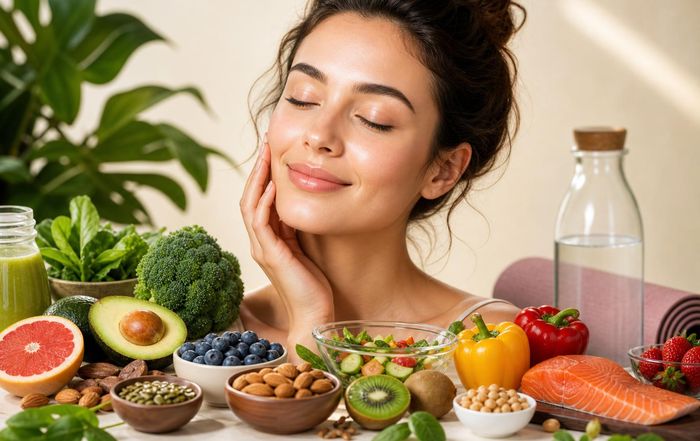
Food and Lifestyle Habits That Support Radiant Skin
The New Definition of Radiant Skin
Well of course our internally and externally beautiful visitors would think radiant skin is no longer perceived as a purely cosmetic aspiration; it has become a visible indicator of overall health, emotional balance, and sustainable lifestyle choices. For the happy community that turns to BeautyTipa for tips and guidance, radiant skin reflects the intersection of nutrition, daily routines, mental wellbeing, and conscious consumption, rather than a single miracle product or fleeting trend. As consumers across North America, Europe, Asia, Africa, and South America become more informed and discerning, they increasingly recognize that skin health is deeply rooted in what they eat, how they live, and the quality of information they trust.
Dermatologists and nutrition scientists now widely agree that the skin functions as a dynamic organ that responds to internal and external stimuli, including dietary patterns, stress levels, sleep quality, and environmental exposures. Leading institutions such as the World Health Organization and research hubs like Harvard T.H. Chan School of Public Health have consistently emphasized that long-term health outcomes, including those visible on the skin, are profoundly influenced by daily lifestyle habits rather than short-term interventions. As a result, the conversation on radiance has shifted from covering imperfections to cultivating resilience, from quick fixes to comprehensive routines that integrate nutrition, movement, and mental health.
For BeautyTipa, which connects wonderfully fashionable people to in-depth insights on beauty and aesthetics, this evolution aligns with a broader mission: to offer experience-backed, expert-informed content that strengthens the link between inner wellbeing and outer appearance. Radiant skin becomes not only a beauty goal but also a strategic lifestyle choice, shaped by evidence-based knowledge, international perspectives, and practical guidance that readers can adapt to their own cultural and regional contexts.
Nutrition as the Foundation of Skin Health
The scientific consensus in 2026 is clear: nutrition forms the foundation upon which every other skin-supporting habit is built. The skin relies on amino acids to build structural proteins such as collagen and elastin, essential fatty acids to maintain barrier integrity, and a wide spectrum of vitamins, minerals, and phytonutrients to defend against oxidative stress. Without consistent nutritional support, even the most advanced topical formulations struggle to deliver lasting results.
Decades of research summarized by institutions like Harvard Health Publishing and the National Institutes of Health have demonstrated that diets rich in whole, minimally processed foods correlate with healthier skin texture, fewer inflammatory conditions, and slower visible aging. Readers who explore broader wellbeing topics on wellness and lifestyle increasingly understand that nutrition is not a separate category from skincare but rather its biochemical backbone. When individuals in the United States focus on balancing macronutrients, or consumers in Japan emphasize traditional nutrient-dense foods, or families in Italy embrace Mediterranean-style meals, they are all, in different ways, investing in the long-term radiance of their skin.
The modern beauty-conscious consumer is also more aware of the cumulative impact of dietary patterns over years rather than days. Radiant skin is rarely the result of a single "superfood" or short-lived cleanse; instead, it reflects consistent nutritional decisions made multiple times a day. This long-term perspective resonates with the editorial philosophy of BeautyTipa, which encourages readers to view radiance as an outcome of sustainable habits rather than extreme or restrictive regimes that are difficult to maintain and potentially harmful.
Hydration, Electrolytes, and the Skin Barrier
Hydration remains one of the most discussed topics in skin health, but in 2026 the conversation has become more nuanced than the simplistic advice to drink eight glasses of water per day. Experts now emphasize that optimal hydration involves a balance of water intake, electrolytes, and the body's ability to retain moisture through a healthy skin barrier. Organizations such as the Mayo Clinic and Cleveland Clinic highlight that individual hydration needs vary by climate, activity level, and overall health status, which is particularly relevant for readers from humid regions in Southeast Asia, dry climates in the Middle East, or cold environments in Scandinavia.
The skin barrier, composed of lipids, natural moisturizing factors, and structural proteins, plays a central role in preventing transepidermal water loss. Adequate intake of electrolytes such as sodium, potassium, and magnesium, along with essential fatty acids from foods like nuts, seeds, and cold-water fish, supports the body's capacity to maintain balanced hydration from within. This internal support works synergistically with topical routines discussed in depth on skincare-focused content, where barrier-repair ingredients and gentle cleansing practices help retain moisture at the surface level.
For professionals and individuals alike, the modern view of hydration is also intertwined with performance and cognition. Guidance from organizations like NHS Inform in the United Kingdom underscores that even mild dehydration can impair concentration and energy, which in turn can influence lifestyle choices, stress levels, and sleep patterns, all of which feed back into skin appearance. By treating hydration as a systemic priority rather than a cosmetic afterthought, readers can build routines that support both daily productivity and long-term skin resilience.
Key Nutrients and Dietary Patterns for Radiant Skin
Radiant skin is closely linked to specific nutrients that play targeted roles in cellular repair, antioxidant defense, and structural integrity. Vitamin C, found abundantly in citrus fruits, berries, and peppers, is essential for collagen synthesis and has been widely studied for its role in neutralizing free radicals generated by UV exposure and pollution. Vitamin E, present in nuts, seeds, and plant oils, complements vitamin C in protecting cell membranes from oxidative damage, a topic frequently reinforced in educational materials from DermNet NZ and similar dermatology resources.
Omega-3 fatty acids, particularly EPA and DHA from fatty fish such as salmon and mackerel, have been associated with reduced inflammation and improved barrier function, making them valuable for individuals struggling with redness, dryness, or sensitivity. Zinc and selenium, trace minerals found in seafood, legumes, and whole grains, contribute to wound healing, antioxidant defense, and immune regulation, which are all critical for maintaining clear and resilient skin over time. Readers who wish to refine their overall dietary approach can explore related themes on food and nutrition strategies, where balanced meals and smart supplementation are addressed in a broader lifestyle context.
Beyond individual nutrients, dietary patterns such as the Mediterranean diet, which has been extensively documented by organizations like the American Heart Association, provide a practical template for skin-supportive eating. This pattern emphasizes vegetables, fruits, whole grains, legumes, olive oil, and moderate amounts of fish, offering a rich array of antioxidants and healthy fats that benefit both cardiovascular and skin health. Similarly, traditional diets in countries such as Japan and South Korea, which prioritize fermented foods, sea vegetables, and diverse plant-based ingredients, offer valuable lessons in how cultural eating habits can translate into long-term skin vitality.
The Impact of Sugar, Ultra-Processed Foods, and Alcohol
While certain foods nourish the skin, others can undermine its structure and accelerate visible aging. Excessive intake of added sugars and refined carbohydrates can contribute to a process known as glycation, in which sugar molecules bind to collagen and elastin, making these proteins more rigid and prone to breakdown. Over time, this can manifest as loss of firmness, fine lines, and uneven texture. Research summaries by institutions like Johns Hopkins Medicine have raised awareness about the broader metabolic consequences of high-sugar diets, which extend beyond skin health to include insulin resistance, systemic inflammation, and cardiovascular risk.
Ultra-processed foods, often high in unhealthy fats, sodium, and artificial additives, have also been linked to chronic low-grade inflammation, a factor implicated in acne, rosacea, and other skin conditions. As consumers in regions such as the United States, the United Kingdom, and Brazil navigate increasingly industrialized food environments, discerning choices become essential for those who wish to protect both their overall wellbeing and their complexion. Alcohol, particularly when consumed in excess, can further disrupt hydration, deplete certain nutrients, and impair sleep quality, thereby creating a cascade of effects that can dull radiance and exacerbate redness.
For the BeautyTipa audience, which includes professionals balancing demanding careers and social lives, recognizing these dietary pitfalls enables more strategic planning. By aligning social habits with long-term health goals, readers can enjoy occasional indulgences while prioritizing nutrient-dense meals and mindful consumption. This approach resonates with the broader financial and professional guidance available through business and lifestyle insights, where sustainable decision-making is framed as both a personal and economic asset.
Daily Routines: From Morning Rituals to Night-time Recovery
Beyond nutrition, daily routines exert a powerful influence on skin health, particularly when they are practiced consistently and designed with both science and practicality in mind. In 2026, sophisticated yet accessible routines combine evidence-based skincare with supportive lifestyle habits, creating a virtuous cycle that enhances radiance from morning to night. Dermatology organizations such as the American Academy of Dermatology emphasize the importance of gentle cleansing, photoprotection, and barrier support as non-negotiable elements of any effective regimen.
Morning routines increasingly focus on preparing the skin to face environmental stressors such as UV radiation, blue light, and urban pollution. Lightweight antioxidant serums, broad-spectrum sunscreens, and non-irritating moisturizers are now considered standard for individuals across climates, from the sunny coasts of Australia to the urban centers of Germany and Canada. Evening routines, by contrast, prioritize repair and regeneration, often incorporating retinoids, peptides, and hydrating ingredients that work in harmony with the body's natural nocturnal recovery processes. Readers seeking structured guidance can explore routine-building resources, which contextualize product choices within broader lifestyle patterns.
The most effective routines integrate not only topical steps but also complementary habits such as consistent sleep schedules, relaxation practices, and digital detox strategies. As professionals in cities like London, Singapore, and New York face prolonged screen exposure and irregular working hours, the ability to design routines that support both mental clarity and skin resilience has become a competitive advantage. This holistic perspective mirrors the editorial direction of BeautyTipa, where routines are framed as strategic tools for managing modern life rather than mere checklists of products.
Stress, Sleep, and the Mind-Skin Connection
The relationship between psychological wellbeing and skin health is now firmly established, with emerging research from institutions like Stanford Medicine and The Lancet highlighting the role of chronic stress in exacerbating inflammatory skin conditions and accelerating visible aging. Stress hormones such as cortisol can impair barrier function, increase oil production, and disrupt immune balance, creating a fertile ground for acne flare-ups, sensitivity, and dullness. In high-pressure environments, whether corporate offices in Zurich, technology hubs in Seoul, or creative industries in Paris, unmanaged stress can quickly manifest as visible changes in the skin.
Sleep, often described as the body's most powerful recovery mechanism, plays a central role in restoring skin integrity and luminosity. During deep sleep, the body increases blood flow to the skin, supports collagen production, and repairs damage from daily environmental assaults. Sleep research compiled by organizations such as the National Sleep Foundation underscores that insufficient or poor-quality sleep is associated with increased signs of aging, reduced barrier function, and diminished satisfaction with appearance. For readers who juggle global travel, late-night deadlines, or caregiving responsibilities, prioritizing consistent sleep becomes a non-negotiable pillar of any plan for radiance.
Mind-body practices such as mindfulness meditation, yoga, and breathwork, which are gaining popularity from Scandinavia to South Africa, provide practical tools for breaking the cycle of stress-related skin disruption. When combined with the wellness perspectives shared on health and fitness topics, these practices help readers cultivate emotional resilience that translates into calmer, more balanced skin. The mind-skin connection therefore becomes not an abstract concept but a tangible lever that individuals can intentionally pull to support both mental clarity and visible radiance.
Movement, Fitness, and Circulation
Regular physical activity offers a dual benefit for those pursuing radiant skin: it supports systemic health while enhancing circulation and nutrient delivery to the skin. Exercise increases blood flow, which helps transport oxygen and essential nutrients to skin cells and assists in the removal of metabolic waste products. Over time, this improved microcirculation can contribute to a more vibrant complexion and faster recovery from environmental stress. Organizations such as the World Health Organization and Centers for Disease Control and Prevention continue to recommend regular moderate-intensity activity for overall health, guidance that aligns closely with the needs of those focused on long-term skin vitality.
In 2026, movement patterns have diversified to accommodate different lifestyles and cultural preferences, from high-intensity interval training in urban fitness studios in New York and Berlin to outdoor cycling in the Netherlands and mindful practices such as tai chi in China and yoga in India. Regardless of the specific modality, the key factor is consistency and enjoyment, which increase the likelihood that individuals will maintain active lifestyles over years rather than weeks. Readers who explore fitness-oriented content are increasingly aware that movement is not only about aesthetics or performance but also about supporting the largest organ of the body: the skin.
It is equally important to balance intense workouts with adequate recovery, hydration, and hygiene, particularly for those prone to sweat-induced breakouts or irritation. Guidance from dermatology experts, including those featured by Cleveland Clinic, emphasizes the value of gentle cleansing after exercise, breathable fabrics, and proper equipment hygiene. By integrating these practical steps into their routines, individuals can harness the benefits of movement without compromising the integrity of their skin barrier.
Beauty Technology, Data, and Personalized Skin Strategies
Technological innovation has transformed the way individuals understand and care for their skin, and by 2026, beauty technology has become a central pillar of personalized routines. From AI-powered skin analysis apps to connected devices that track hydration, UV exposure, and sleep patterns, consumers now have unprecedented access to data that can guide more precise decisions. Industry leaders and research organizations such as MIT Media Lab have explored how machine learning can interpret images and biometric signals to identify early signs of damage, imbalances, or sensitivities before they become visible to the naked eye.
For the amazing audience here, which follows very recent developments in beauty technology and innovation, this digital evolution offers both opportunities and responsibilities. On one hand, personalized recommendations can help individuals in markets as diverse as Canada, Singapore, and Brazil select products and routines that align with their specific skin type, climate, and lifestyle. On the other hand, the proliferation of apps and devices underscores the need for critical evaluation, data privacy awareness, and reliance on credible, science-based platforms rather than unverified claims.
The most effective use of beauty technology occurs when digital insights are integrated with professional guidance from dermatologists, nutritionists, and wellness experts. Teledermatology services, supported by organizations like American Telemedicine Association, now allow individuals in remote regions or busy urban centers to access expert advice without geographical constraints. This combination of data-driven tools and human expertise reinforces the core values of experience, authoritativeness, and trustworthiness that define the editorial standards of BeautyTipa.
Global Trends, Cultural Wisdom, and Professional Opportunities
Radiant skin is shaped not only by individual habits but also by global trends and cultural wisdom that influence how different societies approach beauty, food, and lifestyle. Traditional practices from regions such as East Asia, the Mediterranean, and Scandinavia have gained worldwide attention, inspiring new product formulations, dietary trends, and wellness rituals. Fermented foods from Korea, herbal infusions from Europe, and plant-based diets from parts of Africa and South America each contribute unique insights into how diverse cultures have historically supported skin health through daily habits.
As global beauty and wellness markets expand, organizations such as Euromonitor International and McKinsey & Company have documented the rise of holistic, health-driven consumer preferences, particularly among younger generations in the United States, the United Kingdom, Germany, and across Asia-Pacific. This shift has created new opportunities for professionals in product development, nutrition-focused beauty brands, wellness coaching, and cross-border e-commerce. For those wonderful people interested in navigating or entering these sectors can explore industry and employment perspectives, where the intersection of beauty, business, and technology is examined from a career-focused angle.
For BeautyTipa, which serves an international audience spanning Europe, Asia, North America, and beyond, incorporating global trends and cultural insights is essential for delivering relevant, inclusive guidance. By highlighting practices that resonate in markets from France and Italy to South Africa and New Zealand, the platform helps readers adapt universal principles of skin health to their own regional realities, culinary traditions, and climatic conditions. This global lens reinforces the idea that radiant skin is both a personal achievement and a shared, cross-cultural aspiration.
Integrating Food, Lifestyle, and Skincare into a Coherent Strategy
The most successful approaches to radiant skin are those that integrate food choices, daily routines, mental wellbeing, movement, and technology into a coherent, sustainable strategy. Rather than chasing isolated trends or relying solely on topical solutions, individuals are increasingly designing comprehensive lifestyles that support their skin from multiple angles. This multifaceted approach mirrors the structure of BeautyTipa, where the well informed beauty industry can move seamlessly from daily updated content around skincare insights to brand and product evaluations, from trend analysis to practical guides and tips, and from local perspectives to international viewpoints.
The unifying theme across these domains is the recognition that radiant skin is not a coincidence but a deliberate outcome of informed, consistent decisions. By prioritizing nutrient-dense foods, maintaining hydration and electrolyte balance, managing sugar and alcohol intake, and embracing restorative sleep and stress management, individuals create a strong internal foundation for their skin. When these habits are complemented by evidence-based skincare routines, regular movement, and thoughtful use of beauty technology, the result is a complexion that reflects not only aesthetic goals but also deep respect for long-term health.
As the beauty and wellness landscape continues to evolve, the role of trusted platforms becomes ever more critical. BeautyTipa positions itself as a partner in this journey, curating independent and original knowledge, spotlighting innovation, and translating complex science into actionable strategies that readers can implement in their own lives. In doing so, it helps individuals across the world transform the pursuit of radiant skin into a meaningful, sustainable, and empowering lifestyle choice, grounded in fresh impartial, inspiring work.
