
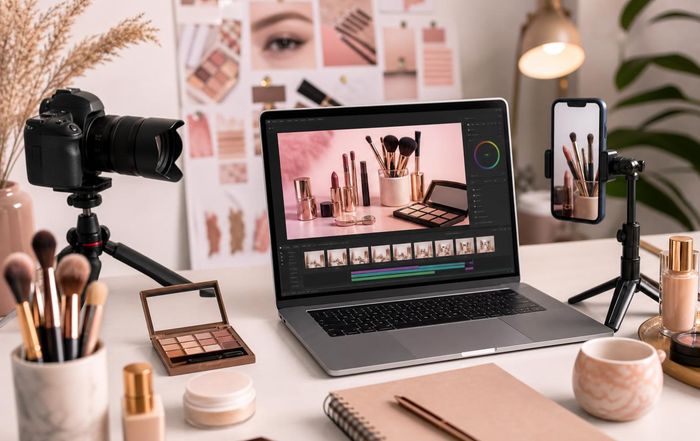
Beauty Career Skills for Digital Content Roles in 2026
The New Landscape of Beauty Careers in the Digital Era
By 2026, beauty has firmly established itself as a digitally powered, data-informed, and globally connected industry, where career opportunities increasingly converge at the intersection of creative storytelling, technology, and business strategy. On BeautyTipa.com, the evolution of beauty careers is not viewed as a distant trend but as a lived reality for professionals, creators, founders, and students who are actively navigating a marketplace shaped by social platforms, e-commerce, artificial intelligence, and a highly discerning global consumer. Digital content roles in beauty, once narrowly associated with posting images or writing product descriptions, have matured into sophisticated positions that require a blend of editorial judgment, technical fluency, brand literacy, regulatory awareness, and cross-cultural sensitivity.
This transformation mirrors broader shifts across the digital economy, where brands are expected to provide value-rich content, transparent communication, and verifiable expertise. Beauty professionals who once relied solely on hands-on artistry or in-store experience are now expected to understand how their skills translate into digital storytelling, performance metrics, and omnichannel customer journeys. As a result, building a sustainable beauty career in digital content involves cultivating not only aesthetic sensibility and product knowledge but also a strong foundation in strategy, analytics, and ethical practice. For readers of BeautyTipa.com, who span markets from the United States and the United Kingdom to South Korea, Brazil, and beyond, this means that the most competitive career paths in beauty now lie at the intersection of creativity and credibility, supported by clear evidence of expertise and an ongoing commitment to professional growth.
Core Digital Content Competencies for Beauty Professionals
Digital content roles in beauty today encompass a wide spectrum of positions, including content strategist, social media manager, beauty editor, copywriter, video producer, influencer marketing specialist, and brand storyteller. Regardless of job title, successful professionals share a cluster of foundational competencies that enable them to communicate effectively with audiences, collaborate with cross-functional teams, and support the commercial goals of beauty brands. For those exploring or refining these skills, BeautyTipa.com provides a practical gateway through its sections on beauty, skincare, and trends, where emerging narratives and consumer expectations are continually tracked and analyzed.
Strong writing and editing remain at the heart of digital content roles, but the expectations have expanded beyond descriptive language and promotional messaging. Beauty professionals must now write with clarity, accuracy, and regulatory awareness, ensuring that claims about ingredients, efficacy, and benefits align with guidance from authorities such as the U.S. Food and Drug Administration and the European Commission. Those who wish to deepen their understanding of compliant language and product positioning can explore resources such as the FDA's cosmetics overview and the European Commission's cosmetics portal, which help frame how content should be crafted for different markets. In parallel, visual literacy has become equally important, as professionals must understand how photography, video, typography, and layout influence user engagement and brand perception across websites, email campaigns, and social platforms.
Analytical competencies are now indispensable in beauty content careers, as brands increasingly depend on performance data to make decisions about creative direction, budget allocation, and channel strategy. Professionals who can interpret metrics from platforms such as Google Analytics, Meta, TikTok, and YouTube are better positioned to demonstrate the impact of their work and advocate for innovative campaigns. Learning how to interpret traffic patterns, conversion rates, watch time, and audience demographics can be supported by resources such as Google's Analytics Academy, which helps content specialists understand how storytelling choices translate into measurable outcomes. For beauty-focused professionals, this analytical fluency is not about becoming a data scientist but about using data to refine content strategies, test new formats, and justify investments in creative experimentation.
Beauty and Skincare Expertise as a Strategic Advantage
While digital skills are essential, they are not sufficient on their own; true authority in beauty content roles rests on a deep and evolving understanding of skincare science, cosmetic formulations, and wellness trends. Audiences in 2026 are more informed than ever, frequently consulting dermatologists, estheticians, and scientific sources before committing to new products or routines. This creates both a challenge and an opportunity for content professionals: those who can translate complex information into accessible, accurate narratives build long-term trust, while those who rely on vague claims or outdated concepts risk eroding brand credibility. On BeautyTipa.com, the emphasis on substantive content in areas like wellness and health and fitness reflects this shift toward informed decision-making.
To maintain high standards of expertise, professionals often follow reputable dermatology and cosmetic science resources, such as the American Academy of Dermatology, which offers consumer-facing explanations of skin conditions and treatments, and the British Association of Dermatologists, which provides patient information leaflets relevant to audiences in the United Kingdom and beyond. These sources help content creators avoid oversimplified narratives about "clean" or "chemical-free" beauty and instead focus on evidence-based explanations of ingredients like retinoids, niacinamide, peptides, and sunscreens. In parallel, organizations such as the Skin Cancer Foundation and Cancer Council Australia provide valuable guidance on sun protection and UV awareness, enabling content professionals to craft responsible messaging around SPF and photoprotection that resonates with consumers in regions from North America to Asia-Pacific.
As beauty converges with wellness, nutrition, and mental health, content professionals must also understand how lifestyle factors intersect with skin and overall wellbeing. This is particularly relevant for readers of BeautyTipa.com, who explore topics across food and nutrition, wellness, and routines in search of holistic solutions rather than isolated product recommendations. Trusted health resources such as the World Health Organization and Mayo Clinic can support content creators in framing discussions around stress, sleep, exercise, and diet in a way that is aligned with medical consensus, ensuring that beauty narratives remain grounded in real-world health considerations rather than marketing hype.
Storytelling Across Platforms: Social, Video, and Emerging Media
The most visible beauty content careers in 2026 are often those that operate across social and video platforms, where trends can originate in Seoul or São Paulo and reach London or Los Angeles within hours. Social-first storytelling requires a nuanced understanding of each platform's culture, algorithmic behavior, and audience expectations. Professionals must adapt their voice, pacing, and visual style to spaces as diverse as Instagram Reels, TikTok, YouTube Shorts, and long-form YouTube content, while maintaining a coherent brand identity. For beauty professionals seeking to refine these skills, learning resources such as YouTube's Creator Academy and TikTok's Business Learning Center offer insights into best practices, audience development, and content experimentation.
Short-form video has become particularly influential in driving discovery and purchase intent in categories such as skincare, makeup, and haircare, where demonstrations, before-and-after sequences, and routine breakdowns provide immediate visual proof. On BeautyTipa.com, coverage of makeup and brands and products increasingly reflects this shift, highlighting how creators and brands use video to showcase textures, shades, and application techniques in ways that static imagery cannot fully capture. However, success in video is not solely about aesthetics; it also relies on scripting, pacing, and the ability to anticipate and answer viewer questions, such as how a product performs on different skin tones, in varied climates, or under different lighting conditions.
Emerging media formats, including augmented reality try-ons, virtual consultations, and AI-generated recommendations, are reshaping how consumers interact with beauty content. Companies like L'Oréal and Estée Lauder Companies have invested heavily in AR and AI tools, often in collaboration with technology partners whose work is chronicled by sources such as MIT Technology Review and McKinsey & Company. For content professionals, this means learning how to integrate interactive elements into campaigns, how to script experiences for virtual try-on tools, and how to communicate the limitations and benefits of AI-driven recommendations in a transparent manner. BeautyTipa's dedicated section on technology and beauty explores these developments in depth, helping practitioners stay informed as the line between content, commerce, and virtual experience continues to blur.
Business, Finance, and Brand Strategy Skills
Digital content roles in beauty increasingly sit at the crossroads of creative output and commercial performance, which means that professionals must understand the financial and strategic context in which their work operates. Content is no longer seen merely as a cost center; it is a core driver of customer acquisition, retention, and lifetime value. On BeautyTipa.com, the business and finance section reflects this reality by examining how content influences brand equity, pricing power, and international expansion. Professionals who grasp these dynamics can position themselves as strategic partners rather than tactical executors, participating in decisions about campaign objectives, investment levels, and performance benchmarks.
Understanding the fundamentals of e-commerce, digital advertising, and subscription models is critical, especially as beauty brands expand into direct-to-consumer channels and global marketplaces. Resources such as Shopify's e-commerce guides and Harvard Business Review provide frameworks for thinking about customer journeys, segmentation, and brand differentiation. In practice, this means that a beauty content strategist must know how an editorial series supports search engine visibility, how a social campaign contributes to email list growth, or how a video tutorial can reduce product returns by educating customers on correct usage. The more fluently a content professional can speak about return on investment, customer acquisition costs, and conversion funnels, the more likely they are to be entrusted with leadership responsibilities.
Financial literacy also extends to understanding the economics of influencer partnerships and user-generated content, which remain central to the beauty industry's marketing playbook. Professionals must be able to evaluate the potential impact of collaborations with creators across the United States, Europe, Asia, and Latin America, considering not only follower counts but also engagement quality, audience fit, and brand safety. Industry analyses from organizations such as WARC and eMarketer (now part of Insider Intelligence) provide valuable data on media spend, channel performance, and regional differences in consumer behavior, helping content leaders design campaigns that are both creative and commercially sound. By integrating these insights with the on-the-ground observations shared across BeautyTipa.com, professionals can make more informed decisions about where to invest their time and budgets.
Cross-Cultural and International Competence
Beauty is inherently global, but its expressions, regulations, and consumer expectations vary significantly across regions. Professionals working in digital content roles must therefore cultivate a strong sense of cross-cultural competence, particularly when addressing audiences in markets as diverse as Germany, South Korea, Brazil, and South Africa. This involves more than translating copy; it requires an understanding of local beauty ideals, climate-related concerns, cultural norms, and regulatory environments. The international coverage on BeautyTipa.com highlights these nuances, showcasing how trends like K-beauty, J-beauty, and Scandinavian minimalism influence product development and content strategies worldwide.
International organizations and research bodies provide useful context for understanding macro-level trends that shape local markets. For example, the Organisation for Economic Co-operation and Development publishes data on consumer behavior and digital adoption across member countries, while Euromonitor International offers detailed reports on beauty and personal care categories in regions such as Asia-Pacific, Latin America, and the Middle East and Africa. Content professionals who engage with this type of research can better anticipate how economic shifts, demographic changes, and technological adoption patterns might influence beauty consumption and digital engagement in specific countries.
Cultural sensitivity is also essential in avoiding stereotypes and ensuring that beauty narratives are inclusive and respectful. This includes representing a wide range of skin tones, hair types, ages, genders, and body types, as well as acknowledging local traditions and beauty rituals without appropriating or oversimplifying them. Guidance from organizations such as the UN Women initiative and diversity-focused media outlets can support content teams in crafting inclusive messaging. At the same time, professionals must remain aware of local regulatory frameworks governing advertising, data privacy, and influencer disclosures, which may differ between regions such as the European Union, North America, and Asia. By integrating these considerations into their daily practice, beauty content professionals can build trust with global audiences and strengthen the reputations of the brands they represent.
Career Development, Jobs, and the Future of Work in Beauty Content
The rapid evolution of digital content roles in beauty has created both exciting opportunities and new challenges for professionals at different stages of their careers. Entry-level positions now often require portfolios that demonstrate not only creativity but also familiarity with analytics, SEO, and social media tools, while mid-level and senior roles demand leadership capabilities, cross-functional collaboration, and the ability to mentor junior talent. For readers exploring career paths, BeautyTipa.com offers a dedicated jobs and employment section that reflects the realities of the modern beauty workforce, from freelance content creators and independent consultants to in-house strategists and global content directors.
Continuous learning has become a non-negotiable element of career sustainability in this field, as platforms, algorithms, and consumer expectations change at a rapid pace. Professional development opportunities range from specialized courses on content strategy and digital marketing, offered by institutions such as Coursera and LinkedIn Learning, to beauty-specific education from organizations like the Society of Cosmetic Chemists and national esthetics associations. Networking through industry events, conferences, and virtual summits also plays a critical role in career progression. The events coverage on BeautyTipa.com at events helps professionals identify gatherings where they can connect with peers, brands, and potential employers across North America, Europe, Asia, and beyond.
The future of work in beauty content is likely to involve more hybrid and remote models, cross-border collaboration, and project-based engagements, as brands tap into specialized talent pools around the world. This shift places a premium on self-management, digital collaboration skills, and personal brand building. Professionals must be able to present their expertise clearly, whether through portfolios, case studies, or thought leadership contributions to platforms like BeautyTipa.com, and they must demonstrate reliability and ethical standards in every engagement. At the same time, organizations are increasingly attentive to wellbeing and work-life balance, recognizing that sustainable creativity depends on healthy routines and supportive environments. The emphasis on holistic wellbeing across wellness and routines sections underscores how personal health and professional performance are intertwined in the lives of beauty content professionals.
Building Trust and Authority in a Saturated Digital Space
In an environment where millions of beauty posts, videos, and reviews are published each day, the ability to stand out rests less on volume and more on credibility, consistency, and clarity of purpose. Trust has become the most valuable currency in beauty content, as consumers learn to distinguish between superficial promotion and genuinely helpful guidance. For BeautyTipa.com, this principle shapes the editorial approach across guides and tips, where content is designed to help readers make informed choices rather than simply follow fleeting trends. For individual professionals and brands, building trust involves aligning every piece of content with clear values, transparent practices, and a commitment to factual accuracy.
One of the most effective ways to cultivate authority is to demonstrate verifiable expertise, whether through professional qualifications, collaborations with dermatologists and scientists, or long-term experience in specific niches such as sensitive skin, textured hair, or professional makeup artistry. Referencing reputable sources like the National Institutes of Health or the Cleveland Clinic when discussing health-adjacent topics further reinforces a commitment to evidence-based communication. In addition, clearly disclosing partnerships, sponsorships, and gifted products helps audiences understand the context of recommendations, aligning with guidelines from regulators such as the Federal Trade Commission in the United States and equivalent bodies in other regions.
Consistency across channels and formats is equally important for establishing a recognizable and trustworthy voice. Whether a beauty professional is publishing in-depth articles, short social posts, newsletters, or video tutorials, the underlying values and quality standards should remain constant. Over time, this consistency creates a reliable experience for audiences, who come to associate a particular name, brand, or platform-such as BeautyTipa.com-with thoughtful, well-researched, and ethically grounded content. For professionals who aspire to long-term careers in beauty content, this focus on trustworthiness is not simply a moral preference; it is a strategic necessity in a market where consumers can quickly shift their attention to sources that better align with their expectations for honesty and expertise.
Conclusion: Aligning Skills, Values, and Opportunity
The beauty industry in 2026 offers unprecedented opportunities for those who wish to build careers at the intersection of creativity, technology, and commerce, particularly in digital content roles that shape how consumers discover, understand, and experience products and services. Success in these roles depends on a carefully balanced combination of core digital competencies, deep beauty and skincare knowledge, cross-cultural awareness, business acumen, and an unwavering commitment to transparency and ethical practice. For the global audience of BeautyTipa.com, spanning markets from the United States and Europe to Asia, Africa, and South America, these skills form the foundation of sustainable, future-ready careers that can adapt to new platforms, evolving consumer expectations, and emerging technologies.
As beauty continues to intertwine with wellness, fashion, nutrition, and broader lifestyle choices, the professionals who thrive will be those who view their work not simply as content production but as a service to their audiences-helping them make decisions that align with their values, needs, and aspirations. By engaging with resources across BeautyTipa.com, from beauty and skincare to trends, business and finance, and technology and beauty, aspiring and established professionals alike can continually refine their expertise and stay aligned with the evolving standards of Experience, Expertise, Authoritativeness, and Trustworthiness that define the most respected voices in the beauty world today.
