
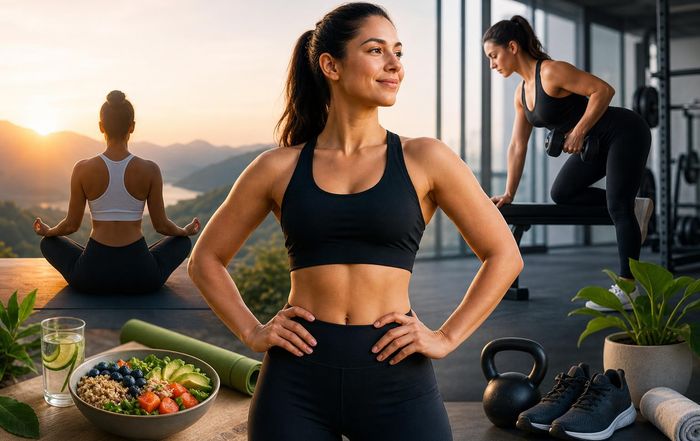
Fitness Routines That Support Confidence and Wellness
Fitness as a Strategic Asset for Confidence and Modern Wellness
Fitness is no longer perceived merely as a means to burn calories or sculpt a particular physique; it has become a strategic asset for personal confidence, professional performance, and holistic wellness. Across global markets from the United States and the United Kingdom to South Korea, Singapore, and Brazil, individuals are integrating structured fitness routines into their daily lives as intentionally as they plan their financial portfolios or career trajectories. For the beautiful, fit and fashionable people checking out BeautyTipa and the broader beauty, wellness, and lifestyle community, fitness now sits at the intersection of mental health, physical resilience, aesthetic goals, and long-term quality of life, shaping how people present themselves, how they feel in their own skin, and how they show up in their work and relationships.
As leading institutions such as the World Health Organization highlight the role of physical activity in preventing noncommunicable diseases and supporting mental health, fitness is increasingly framed as a foundational element of modern wellness rather than an optional enhancement. Learn more about global physical activity guidelines on the World Health Organization website. For BeautyTipa, which connects beauty, wellness, skincare, fashion, and lifestyle into a coherent narrative, fitness routines are understood as a daily practice that underpins confidence: they influence posture, skin health, stress management, sleep quality, and even the micro-decisions that shape nutrition and self-care routines. This integrated perspective is particularly relevant for readers from fast-paced hubs such as New York, London, Berlin, Toronto, Sydney, Paris, Milan, Tokyo, and Seoul, where time is scarce but the pressure to perform and to look polished remains high.
The Psychology of Confidence: Why Movement Matters
Confidence is often perceived as an intangible quality, yet research across psychology and neuroscience consistently shows that it is deeply embodied. Regular fitness routines alter brain chemistry, hormone balance, and even cognitive patterns in ways that directly affect self-belief and emotional stability. The American Psychological Association has long documented the relationship between physical activity and improved mood, reduced anxiety, and enhanced cognitive function; readers can explore more about this connection through resources on the American Psychological Association website. These findings are particularly significant for professionals in demanding sectors, from finance and technology to beauty and fashion, where self-presentation and mental clarity are critical.
Movement influences confidence through several mechanisms. First, exercise stimulates the release of endorphins and modulates neurotransmitters such as serotonin and dopamine, which help regulate mood and motivation. Second, progressive improvements in strength, endurance, or mobility cultivate a tangible sense of mastery, reinforcing a narrative of capability and growth. Third, fitness routines can reshape body image, not only by changing physical appearance but by transforming how individuals inhabit their bodies, improving posture, gait, and nonverbal communication. For readers of BeautyTipa, who often pair fitness with curated beauty routines and skincare rituals, this embodied confidence becomes visible in the way they carry themselves, the way clothing fits, and the way they engage in social and professional settings.
The New Definition of Wellness: Beyond Aesthetics
Wellness in 2026 is increasingly defined as a multidimensional state that integrates physical health, mental resilience, emotional balance, and social connection. Organizations such as the Global Wellness Institute emphasize that wellness is proactive and holistic, encompassing lifestyle choices, environment, and mindset. Readers interested in the evolution of the wellness economy can explore current data and insights on the Global Wellness Institute website. This broader definition aligns with BeautyTipa's editorial approach, which connects wellness, fitness, nutrition, skincare, and mental health into a cohesive lifestyle framework.
In this context, fitness routines that support confidence and wellness go beyond narrowly defined aesthetic goals. Rather than chasing extreme transformations or unsustainable body ideals, individuals in markets from North America and Europe to Asia and Africa are embracing routines that prioritize energy, mobility, long-term joint health, and stress management. This shift is also driven by a more informed consumer base, who draw on reputable health information from organizations like the Mayo Clinic, where readers can explore the health benefits of exercise, and the Harvard T.H. Chan School of Public Health, which provides accessible overviews of physical activity and health. For BeautyTipa's daily updated audience, wellness-focused fitness routines are seen as complementary to thoughtful skincare strategies, mindful eating, and restorative sleep, reinforcing the idea that outer beauty is a reflection of inner balance and consistent self-care.
Foundational Fitness Principles for Sustainable Confidence
Behind every effective fitness routine that supports confidence and wellness lies a foundation of evidence-based principles. These principles transcend location and lifestyle, applying equally to a young professional in London, a creative entrepreneur in Berlin, a beauty industry executive in New York, or a wellness-focused parent in Singapore. First, consistency outweighs intensity; regular, moderate exercise practiced over months and years has far greater impact than sporadic extreme efforts. Second, progressive overload-gradually increasing resistance, duration, or complexity-ensures continuous adaptation without overtaxing the body. Third, balance between strength, cardiovascular conditioning, mobility, and recovery creates resilience and reduces the risk of injury or burnout.
Leading organizations such as the U.S. Centers for Disease Control and Prevention provide clear activity guidelines that reinforce these principles, recommending a blend of aerobic and muscle-strengthening activities across the week. Readers can review these recommendations in detail on the CDC physical activity guidelines page. For BeautyTipa's community, these principles underpin personalized routines that can be integrated into demanding schedules, whether that means short strength sessions at home, brisk walks between meetings, or structured classes at boutique studios in cities like Paris, Amsterdam, Zurich, Tokyo, and Melbourne. By anchoring routines in these fundamentals, individuals create a stable base upon which confidence can grow, as they witness tangible, measurable improvements in performance and wellbeing.
Strength Training: Building Physical and Psychological Resilience
Strength training has emerged as one of the most powerful tools for building both physical resilience and self-confidence, particularly among women and professionals who previously gravitated primarily toward cardio-focused routines. From gyms in New York and Los Angeles to studios in London, Berlin, Stockholm, and Seoul, strength training is being reframed as essential for posture, bone density, metabolic health, and functional capacity. The National Institutes of Health provides accessible overviews of the benefits of resistance training, including its role in healthy aging and metabolic regulation; readers can learn more on the NIH exercise and physical activity resources. For the BeautyTipa audience, strength training is also recognized as a key contributor to a sculpted yet healthy aesthetic, supporting better alignment, muscle tone, and overall body composition.
Psychologically, strength training reinforces a narrative of capability and growth. Tracking incremental improvements-such as lifting heavier weights, performing more repetitions, or mastering new movement patterns-creates a sense of progress that translates beyond the gym into work, relationships, and personal projects. This is particularly meaningful for readers navigating high-pressure careers in beauty, fashion, technology, or finance, where external metrics often dominate self-assessment. By cultivating a space where progress is self-defined and internally validated, strength training becomes a powerful antidote to comparison culture. For those integrating strength work into broader lifestyle routines, pairing it with thoughtful daily rituals and routines and intelligent brand and product choices enhances the experience, from performance wear and recovery tools to skincare that supports post-workout cleansing and barrier repair.
Cardio, Endurance, and the Confidence of Capacity
Cardiovascular training remains a cornerstone of fitness routines that support confidence and wellness, not only for its role in heart health and metabolic function but also for the psychological sense of capacity it creates. Whether through brisk walking in urban centers, cycling in cities like Amsterdam and Copenhagen, running along waterfronts in Sydney or Vancouver, or dance-based classes in Tokyo and Rio de Janeiro, cardio provides a tangible experience of endurance and stamina. Organizations such as the American Heart Association emphasize the importance of regular aerobic activity for cardiovascular health and longevity, and readers can explore their guidance on the American Heart Association's physical activity page.
From a confidence perspective, the ability to climb stairs without fatigue, complete a 5K, or sustain a challenging interval session reinforces the belief that the body is capable, resilient, and adaptable. This sense of capacity often spills over into other domains: professionals report greater energy in meetings, improved focus during demanding cognitive tasks, and higher tolerance for stress. For BeautyTipa readers, who often integrate cardio with broader health and fitness priorities, endurance training also supports skin health by enhancing circulation and promoting a more luminous complexion, provided it is balanced with proper hydration, sun protection, and post-workout cleansing. Pairing cardio with mindful recovery and supportive nutrition helps ensure that the benefits extend beyond calorie expenditure to a deeper, more sustainable sense of vitality.
Mind-Body Modalities: Aligning Movement, Presence, and Self-Image
Mind-body practices such as yoga, Pilates, tai chi, and breath-focused mobility work have gained significant traction across markets from Europe and North America to Asia and Oceania, as individuals seek routines that integrate physical conditioning with mental clarity. Institutions like Yoga Alliance and major health systems increasingly acknowledge the role of these practices in stress reduction, posture correction, and emotional regulation. Readers interested in the science behind yoga and stress can explore educational content from Cleveland Clinic on the benefits of yoga. For BeautyTipa, mind-body modalities are particularly aligned with a holistic view of beauty and wellness, in which inner calm and body awareness are reflected in facial expressions, muscle tension, and overall presence.
These practices support confidence by cultivating a nonjudgmental relationship with the body, emphasizing alignment, breath, and internal sensation over external appearance. This orientation is especially valuable in image-conscious environments such as the beauty, fashion, and media industries, where self-criticism and comparison can undermine self-esteem. By practicing movements that require focus, control, and patience, individuals learn to inhabit their bodies with greater ease and acceptance. This embodied self-acceptance often complements more visible aspects of self-presentation, from makeup artistry to fashion choices, creating a synergy between how people feel and how they appear. As these modalities become more accessible through digital platforms and hybrid studios, they offer a portable, scalable way for readers in cities from London and Paris to Bangkok and Johannesburg to integrate grounding, confidence-building practices into their daily lives.
Technology, Data, and the Personalization of Fitness Confidence
The integration of technology into fitness has accelerated dramatically by 2026, reshaping how individuals design, track, and refine routines that support confidence and wellness. Wearable devices, smart rings, and connected equipment now provide continuous data on heart rate variability, sleep quality, recovery, and activity patterns, enabling more precise and personalized training strategies. Major technology companies such as Apple and Google have expanded their health and fitness ecosystems, offering guided workouts, coaching features, and integration with healthcare providers. Readers can explore how Apple frames movement and wellness within its ecosystem on the Apple Fitness and Health pages. For BeautyTipa, which closely follows technology and beauty innovation, this data-driven approach to fitness is part of a broader trend toward quantified self-care, where insights inform not only workouts but also skincare, nutrition, and stress management choices.
Data, when interpreted thoughtfully, can be a powerful confidence amplifier. Objective metrics such as step counts, VO₂ max estimates, strength progression, or improved sleep scores provide concrete evidence of progress, countering the tendency to rely solely on visual or weight-based assessments. This is particularly valuable for individuals in markets like Germany, Canada, Japan, and the Netherlands, where analytical and evidence-based decision-making is often highly valued. However, the most effective use of technology balances measurement with intuition, using data to support rather than dominate the relationship with the body. Reputable organizations such as the National Health Service in the United Kingdom offer guidance on safe exercise and digital health tools, and readers can learn more about physical activity recommendations to contextualize their use of apps and wearables. For the BeautyTipa audience, the convergence of fitness technology, skincare tracking, and wellness apps is creating a new era of integrated self-management, where confidence is built not on guesswork but on informed, continuous refinement.
Nutrition, Recovery, and the Hidden Architecture of Confidence
Fitness routines that genuinely support confidence and wellness are built not only on training sessions but also on the less visible pillars of nutrition, hydration, sleep, and recovery. These elements form the hidden architecture that determines whether workouts translate into improved performance, mood stability, and physical changes. Leading authorities such as the Academy of Nutrition and Dietetics provide evidence-based guidance on fueling active lifestyles, and readers can explore sports nutrition fundamentals to better align their eating patterns with their training demands. For BeautyTipa readers, who often integrate fitness with food and nutrition strategies aimed at supporting skin health, energy, and body composition, this alignment is especially important.
Recovery practices-including adequate sleep, active recovery days, stretching, and stress management-directly influence hormone balance, inflammation levels, and mental resilience. Sleep in particular is a critical determinant of both performance and appearance, affecting everything from reaction time and emotional regulation to skin regeneration and under-eye brightness. Organizations such as the Sleep Foundation offer accessible resources on the relationship between sleep, exercise, and overall health; readers can learn more about sleep and fitness. By viewing nutrition and recovery as integral components of fitness rather than secondary considerations, individuals create conditions in which confidence can flourish: they experience more stable energy, fewer injuries, better cognitive performance, and a more consistent sense of wellbeing. In this holistic model, a well-structured fitness routine becomes inseparable from thoughtful eating, hydration, and restorative habits, aligning closely with BeautyTipa's integrated approach to wellness and beauty guidance.
Cultural and Regional Perspectives: Global Fitness, Local Confidence
Although the core principles of effective fitness routines are broadly consistent worldwide, cultural and regional nuances shape how these routines are expressed and how they support confidence. In North America and parts of Western Europe, high-intensity interval training, boutique studio classes, and hybrid strength-cardio formats have become popular among urban professionals seeking time-efficient solutions. In Scandinavia, outdoor activities such as running, cycling, hiking, and cross-country skiing are tightly woven into everyday life, reflecting a cultural emphasis on nature, functionality, and balance. In East Asian markets such as Japan, South Korea, and China, group-based classes, digital fitness platforms, and beauty-aligned wellness practices often blend aesthetics, discipline, and technology.
For BeautyTipa, which serves an international audience across Europe, Asia, Africa, and the Americas, these differences highlight the importance of context-sensitive guidance. A fitness routine that supports confidence for a fashion executive in Milan may look different from that of a wellness entrepreneur in Cape Town or a technology professional in Singapore, yet the underlying objectives-resilience, energy, self-assurance, and long-term health-remain shared. Global organizations such as OECD and Eurostat provide comparative data on health and physical activity trends, helping policymakers and businesses understand regional patterns; interested readers can explore health statistics across countries. By recognizing these cultural dimensions, BeautyTipa can help subscribers and readers adapt proven fitness principles to their local environments, available facilities, climate, and social norms, ensuring that routines feel both effective and authentic.
Integrating Fitness with Beauty, Career, and Lifestyle on BeautyTipa
For the BeautyTipa community, fitness does not exist in isolation; it is interwoven with skincare, beauty, fashion, career ambitions, and financial decision-making. A well-designed routine supports the ability to maintain polished beauty and skincare practices, enhances the way clothing fits and moves on the body, and sustains the energy required to pursue demanding professional paths. As the beauty and wellness industries evolve, brands that understand this integration are aligning product development, services, and communications with the realities of active, health-conscious consumers. Readers can follow emerging beauty and wellness trends to see how fitness is increasingly reflected in product claims, campaign narratives, and service offerings worldwide.
From a business and career perspective, fitness routines that support confidence and wellness can be viewed as strategic investments. Professionals who maintain regular exercise habits often report improved productivity, reduced burnout, and greater emotional resilience, factors that directly influence career longevity and advancement. Corporations in markets such as the United States, Germany, Canada, and Australia are expanding wellness benefits, recognizing the economic impact of employee health and engagement. Readers interested in the financial and professional dimensions of wellness can explore related insights on BeautyTipa's business and finance section and jobs and employment coverage. In this integrated framework, fitness is not a luxury or an afterthought but a core component of a modern, high-performing lifestyle, shaping how individuals feel, how they look, and how they navigate increasingly complex global careers.
Going Ahead: Confidence, Wellness, and the Future of Fitness
As the world moves deeper into the second half of the 2020s, fitness routines that support confidence and wellness are expected to become even more personalized, data-informed, and integrated with broader lifestyle ecosystems. Advances in wearable technology, AI-driven coaching, and digital health platforms will continue to refine how individuals design and adjust their routines, while growing awareness of mental health and work-life balance will reinforce the importance of sustainable, enjoyable forms of movement. At the same time, the beauty and fashion industries are likely to further embrace diverse body types, functional aesthetics, and wellness-aligned narratives, reducing the pressure to conform to narrow ideals and allowing confidence to be built on authenticity rather than comparison.
For BeautyTipa, this evolving inspirational landscape presents an opportunity to guide readers through a nuanced, evidence-informed frequently updated understanding of fitness as a lifelong practice that underpins beauty, wellbeing, and professional success. By connecting expert knowledge, global trends, product innovation, and practical guidance, the platform can help individuals in cities from New York and London to Tokyo, São Paulo, Johannesburg, and beyond craft routines that align with their values, environments, and ambitions. In this vision, fitness becomes more than a series of workouts; it is a daily commitment to self-respect, resilience, and growth, through which confidence and wellness are not merely pursued but steadily, intentionally built.
