
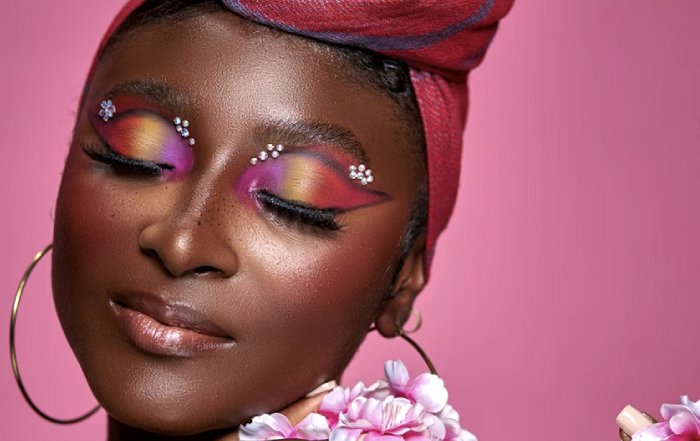
The Global Maturity of Indie Beauty Brands
A New Phase in Global Beauty
By 2026, the indie beauty movement has shifted from disruptive novelty to an established, strategically important pillar of the global beauty and wellness industry. What began as a niche of small, founder-led labels selling handmade products in local markets has matured into a sophisticated ecosystem that influences product innovation, retail strategy, digital culture and investment flows across North America, Europe, Asia-Pacific, the Middle East, Africa and Latin America. For Beautytipa, which positions itself at the intersection of beauty culture, business intelligence and consumer education, this evolution is not simply another trend cycle; it is a structural redefinition of how beauty is created, evaluated and experienced, and it informs how the platform curates its beauty, skincare and wellness coverage for a diverse, international readership.
The forces driving this transformation are interconnected and mutually reinforcing. Digital commerce infrastructure has become more accessible and globally integrated, social media and creator platforms have accelerated product discovery and peer-to-peer education, and advances in cosmetic science and biotechnology have lowered the barriers for high-performance formulation. At the same time, consumers in the United States, United Kingdom, Germany, France, Canada, Australia, South Korea, Japan, Singapore, the Nordic countries and major emerging markets are demanding transparency, ethical sourcing, sustainability and personalization as standard, rather than premium, attributes. These expectations have allowed independent brands to challenge the dominance of conglomerates such as L'Oréal, Estée Lauder Companies, Unilever, Shiseido and Coty, compelling these incumbents to adapt their portfolios, communication styles and innovation models in response to the agility and authenticity that indie labels have made non-negotiable.
Within this environment, Beautytipa has increasingly become a reference point for readers who want to move beyond surface-level marketing narratives and understand how indie brands connect to broader developments in trends, fashion, wellness, technology and finance. The platform's editorial lens is shaped by experience, expertise, authoritativeness and trustworthiness, reflecting the reality that beauty decisions now intersect with health, identity, professional aspirations and environmental responsibility.
Redefining Indie Beauty in 2026
The definition of "indie beauty" has continued to evolve. In 2026, the category still centers on independent ownership or control and a strong founder-led vision, but it now encompasses a wide spectrum of business scales, from micro-brands operating out of a single studio to venture-backed companies with multi-country distribution and advanced R&D partnerships. What unites these brands is not size but orientation: a commitment to distinctive positioning, clear values and a willingness to challenge established assumptions about ingredients, inclusivity, pricing, packaging and customer engagement.
Industry bodies such as CEW (Cosmetic Executive Women) and the Independent Beauty Association have contributed to formalizing the segment, while global trade fairs including Cosmoprof Worldwide Bologna and regional showcases in New York, London, Hong Kong and Dubai have created institutional pathways for indie founders to access retailers, distributors and investors. The trajectories of brands like Drunk Elephant, The Ordinary, Fenty Beauty and Charlotte Tilbury-many of which began as independent challengers before scaling or being acquired-have demonstrated that indie thinking can generate globally resonant concepts. Even when ownership structures change, the playbook that these brands helped to popularize-fast iteration, direct dialogue with consumers, evidence-based storytelling and tight community building-continues to shape expectations across the entire sector.
For the Beautytipa audience, particularly readers exploring new brands and products or refining their routines, indie beauty is now associated with innovation, niche expertise and cultural relevance rather than with experimental risk alone. The platform's coverage reflects this shift by highlighting how smaller labels often pioneer concepts that later diffuse into mainstream offerings, from microbiome-friendly skincare and refillable packaging to hyper-local botanicals and truly inclusive shade ranges.
Consumer Priorities: Transparency, Inclusion and Integrated Wellness
The sustained rise of indie beauty in 2026 is inseparable from deeper shifts in consumer priorities that span continents and demographic segments. Research from organizations such as NielsenIQ and strategic analyses from McKinsey & Company show that Gen Z and younger millennials, in particular, scrutinize ingredient lists, sourcing claims, clinical data and brand governance practices before committing to a purchase, and they increasingly expect this level of accountability across price points and categories. Learn more about how evolving consumer expectations are reshaping beauty and personal care business models through McKinsey's beauty industry perspectives.
Inclusion has moved beyond marketing imagery to become embedded in product development and corporate culture. Indie brands have often been first to address gaps in shade ranges, hair textures, skin concerns and cultural narratives, whether by designing foundations for undertones underrepresented in Western markets, creating haircare tailored to curls and coils, or formulating products for climates characterized by high humidity, pollution or extreme cold. The global success of Fenty Beauty helped cement inclusive shade ranges as a baseline expectation, while Korean, Japanese, African and Latin American indie labels have brought region-specific knowledge to the forefront, influencing global product formats and rituals.
At the same time, the convergence of beauty and wellness has accelerated. Consumers in North America, Europe and Asia increasingly view skincare, haircare and makeup as part of a broader lifestyle that encompasses sleep, stress management, nutrition and physical activity. This holistic mindset has supported the growth of supplements, ingestible beauty products and rituals that prioritize long-term skin health over short-term camouflage. Beautytipa responds to this integrated perspective by connecting coverage across health and fitness, food and nutrition and skincare, helping readers understand how topical products, diet, exercise and mental wellbeing interact in real-world routines.
Digital Commerce, Social Platforms and Data-Driven Discovery
The digital infrastructure that enabled the first wave of indie growth has matured significantly by 2026, creating both opportunities and new competitive pressures. E-commerce platforms such as Shopify and BigCommerce continue to lower the barrier to entry for new brands, while global marketplaces and regional platforms in the United States, Europe and Asia have refined their beauty-specific offerings, recommendation engines and logistics networks. Cross-border fulfillment is now more streamlined, enabling an indie serum launched in Seoul or Copenhagen to reach consumers in Los Angeles, London, Singapore or São Paulo within days, supported by localized payment options and increasingly transparent duties and tax handling.
Social platforms remain critical engines of discovery, but their influence has become more complex and data-driven. Instagram, TikTok and YouTube still shape visual culture and tutorial-driven learning, yet algorithm changes, rising advertising costs and increased regulatory scrutiny of influencer marketing have forced indie brands to build more resilient, multi-channel strategies. Creator partnerships now emphasize long-term alignment and co-creation rather than one-off posts, and performance is evaluated through sophisticated attribution models rather than vanity metrics alone. Analyses from publications such as Harvard Business Review provide useful frameworks for understanding how creator economies and digital communities influence consumer behavior, and readers can explore these dynamics further through Harvard Business Review's marketing and digital strategy articles.
Professional platforms like LinkedIn have become crucial for indie founders seeking to connect with investors, advisors and specialized talent, reflecting the professionalization of what was once perceived as a purely creative field. Beautytipa engages with this digital landscape by offering structured guidance on evaluating viral products, decoding ingredient claims and distinguishing hype from meaningful innovation within its coverage of technology and beauty and guides and tips, allowing readers to navigate social feeds with a more informed and critical lens.
Global Indie Beauty Landscape 2026
Interactive exploration of the indie beauty revolution
Conglomerates:L'Oréal, Estée Lauder, Unilever, Shiseido, Coty
Trade Events:Cosmoprof Bologna, Cosmoprof Asia, In-Cosmetics
Organizations:CEW, Independent Beauty Association, Personal Care Products Council
Regional Dynamics and Regulatory Nuance
Indie beauty's global footprint in 2026 is shaped by regional regulatory frameworks, retail structures, consumer cultures and economic conditions, creating distinct but interconnected ecosystems. In North America, particularly the United States and Canada, a mature network of specialty retailers, accelerators and venture investors continues to support indie growth. Chains such as Sephora and Ulta Beauty maintain curated spaces for emerging brands, often using data from online engagement and sampling programs to identify promising concepts for national rollout. Market data platforms like Statista and Euromonitor International provide granular insights into category performance and consumer behavior, helping both indie founders and established companies calibrate their strategies.
Europe remains a powerhouse for niche fragrance, dermocosmetics and clean, minimalist skincare, with markets in the United Kingdom, France, Germany, Italy, Spain, the Netherlands and the Nordic countries emphasizing regulatory rigor, craftsmanship and sustainability. The European Union's cosmetics framework, overseen by the European Commission, sets stringent requirements for safety, labeling and claims, which indie brands must navigate carefully when entering or expanding within the region. Readers interested in the regulatory context can learn more via the official European Commission cosmetics portal.
Asia-Pacific continues to serve as both an innovation engine and a cultural trendsetter. South Korea's indie sector benefits from a sophisticated manufacturing base, rapid prototyping capabilities and a domestic consumer culture that embraces experimentation, while Japan's emphasis on precision, stability and sensorial refinement remains influential. China, Thailand, Singapore, Malaysia and Indonesia have developed vibrant indie scenes that blend traditional herbal knowledge, such as TCM and Ayurveda-inspired botanicals, with modern cosmetic science and digital-first marketing. Research providers like Mintel and institutions such as the Korea Cosmetic Industry Institute offer detailed analyses of these markets, which are increasingly important for global brands and investors.
For Beautytipa, which serves readers across North America, Europe, Asia, Africa and South America, understanding these regional dynamics is essential to providing relevant coverage in its international section. The platform's editorial approach emphasizes how climate, cultural norms, regulatory regimes and retail infrastructures shape product formats, ingredient choices and aesthetic standards, helping readers anticipate which regional innovations may become global mainstays.
Sustainability, Ethics and the Demand for Proof
By 2026, sustainability has moved from aspirational messaging to a core expectation, with consumers, regulators and investors all demanding more rigorous evidence of environmental and social responsibility. Indie brands have often led in this area, experimenting with refillable systems, solid formats, upcycled ingredients and low-impact packaging, but the bar for credibility has risen. Organizations such as the Ellen MacArthur Foundation and the UN Environment Programme continue to highlight the environmental costs of packaging waste, water use and microplastic pollution, encouraging companies to rethink materials and supply chains. Those who wish to deepen their understanding of circular design and waste reduction can explore resources provided by the Ellen MacArthur Foundation.
Ethical sourcing and human rights considerations are equally prominent. Consumers in the United States, United Kingdom, Germany, the Nordics, Australia and other markets increasingly expect transparency about raw material origins, labor conditions and animal testing policies. Certification frameworks from Leaping Bunny, Ecocert and Fairtrade International provide recognizable benchmarks, but many indie brands go further by publishing detailed supply chain maps, partnering directly with cooperatives in West Africa, Latin America and Southeast Asia, or integrating third-party audits into their governance structures. Environmental and social organizations such as World Wildlife Fund and Rainforest Alliance continue to draw attention to the impact of ingredients like palm oil, soy and certain mineral extractions on biodiversity and local communities.
Beautytipa supports readers in navigating this complex landscape through its guides and tips and business-focused coverage, breaking down what different certifications mean, how to interpret lifecycle claims and how to build beauty and wellness routines that align with personal values without compromising efficacy or pleasure. The platform's emphasis on trustworthiness is particularly relevant here, as greenwashing and unsubstantiated claims remain persistent risks in a crowded marketplace.
Science, Technology and Evidence-Based Innovation
The interplay of science and technology has become central to indie beauty's value proposition in 2026. Advances in biotechnology, green chemistry and delivery systems have enabled smaller brands to access high-performance actives, encapsulation technologies and microbiome-supportive ingredients that were once the preserve of large R&D budgets. Contract manufacturers and specialized labs now offer modular innovation platforms, allowing indie founders to build clinically oriented lines without owning extensive in-house facilities. Industry bodies such as the Personal Care Products Council and technical resources like Cosmetics & Toiletries have become important sources of regulatory and formulation guidance for these scientifically ambitious brands.
On the consumer side, technology has reshaped the experience of choosing and using beauty products. Artificial intelligence and machine learning underpin skin analysis tools, virtual try-on experiences and personalized recommendation engines across web and mobile interfaces. Companies such as Perfect Corp. and ModiFace have expanded their partnerships with both indie and established brands, enabling realistic shade matching and routine planning in markets from the United States and Canada to Japan, South Korea and Europe. Readers interested in the convergence of AI, diagnostics and at-home devices can explore Beautytipa's dedicated technology and beauty coverage, which follows developments in connected skincare, smart mirrors and data-driven personalization.
At the same time, consumer literacy around dermatology and cosmetic science has increased, influenced by physicians, cosmetic chemists and evidence-based creators who share insights on platforms like YouTube, TikTok and professional sites operated by organizations such as the American Academy of Dermatology. Those seeking dermatologist-backed information can learn more through the AAD's official resources. This rise in scientific awareness has pushed indie brands to invest in clinical testing, publish study methodologies and collaborate with healthcare professionals, reinforcing the importance of reproducible results and transparent communication over vague marketing language.
Business Models, Capital and Consolidation
Behind the creative storytelling and community building that often define indie brands' public personas lies a layer of increasingly sophisticated business strategy. Many founders still begin with bootstrapped operations, focusing on a narrow product range and direct-to-consumer channels to test product-market fit and build loyal communities. As they scale, however, they engage with angel investors, venture capital firms, strategic corporate funds and, increasingly, impact investors who evaluate not only financial metrics but also environmental, social and governance performance. Platforms such as PitchBook and CB Insights track the flow of capital into beauty and personal care, illustrating how investor interest has shifted toward brands with defensible intellectual property, strong unit economics and genuine differentiation.
Mergers and acquisitions remain a central feature of the indie landscape, especially in mature markets such as the United States, United Kingdom and Western Europe. Conglomerates including L'Oréal, Estée Lauder Companies, Shiseido and Coty continue to acquire indie labels that fill portfolio gaps in areas such as clean prestige skincare, niche fragrance, dermocosmetics and inclusive color cosmetics. Consulting firms like Deloitte, PwC and KPMG regularly analyze these transactions, highlighting how strategic buyers assess brand equity, international scalability and operational resilience. Learn more about how consumer goods M&A trends are evolving through thought leadership published by firms such as Deloitte.
For readers of Beautytipa, the business and finance dimension of indie beauty is increasingly relevant, whether they are entrepreneurs, investors, retail buyers or informed consumers. Understanding funding cycles, valuation dynamics and exit pathways helps explain why certain brands suddenly expand distribution, adjust pricing or refine messaging, and it clarifies how financial structures can influence product development and long-term brand behavior.
Physical Retail, Events and Community Building
Despite the dominance of digital channels, physical retail and in-person events retain a crucial role in the indie beauty ecosystem. Brick-and-mortar environments-from specialty chains and department stores to pharmacies and concept boutiques-provide sensory experiences that are difficult to replicate online, allowing consumers to test textures, fragrances and shades in real time and to receive tailored advice from trained staff. Retailers in the United States, United Kingdom, Germany, France, Italy, Spain, the Netherlands, Japan, South Korea and Singapore have refined their approaches to curating indie assortments, often using limited-time pop-ups, shop-in-shop concepts and localized edits to keep offerings dynamic and aligned with regional preferences.
Global trade shows and professional events function as accelerators of innovation and partnership. Cosmoprof Worldwide Bologna, Cosmoprof Asia, Beautyworld Middle East and ingredient-focused exhibitions like In-Cosmetics Global bring together founders, contract manufacturers, packaging specialists, regulatory consultants and investors, enabling rapid knowledge exchange and deal-making. Those interested in the scale and scope of such events can learn more via the official Cosmoprof Worldwide Bologna website. Smaller indie-focused fairs in cities such as Los Angeles, London, Berlin and Seoul complement these major gatherings by emphasizing emerging labels and niche categories.
Beautytipa follows these developments closely in its events coverage, highlighting how trade shows, consumer expos and regional festivals influence product launches, cross-border collaborations and media narratives. For professionals and aspiring founders in the beauty, wellness and fashion sectors, understanding the event calendar and its strategic importance has become as essential as monitoring digital trends.
Careers, Talent and Skills in the Indie Era
The expansion and professionalization of indie beauty have reshaped career trajectories within the industry. Talented professionals across product development, digital marketing, data analytics, supply chain, sustainability and regulatory affairs now see indie brands as compelling environments in which to build their expertise, often attracted by the possibility of broader responsibility, faster decision-making and closer collaboration with founders. Organizations such as CEW, the Society of Cosmetic Chemists and the Fragrance Foundation provide networking and education that support this increasingly fluid labor market.
The skills demanded in 2026 are notably hybrid. A marketer may need to combine content strategy, performance analytics, creator relationship management and cross-border compliance knowledge. A product developer might collaborate with biotechnologists, dermatologists and packaging engineers while also understanding the commercial implications of minimum order quantities and retailer margin structures. Business schools and specialized programs in the United States, United Kingdom, Europe and Asia have responded by introducing courses focused on beauty entrepreneurship, sustainability, digital commerce and brand storytelling.
Beautytipa addresses this evolving talent landscape in its jobs and employment section, providing insights into the competencies most in demand, regional hiring trends and the practical realities of working in indie versus corporate settings. For readers considering career transitions into beauty, wellness or fashion, this perspective can be as valuable as product reviews or trend forecasts.
Information, Regulation and the Role of Platforms like Beautytipa
In a marketplace characterized by rapid product launches, viral social trends and increasingly technical claims, trusted information has become a strategic asset for both consumers and professionals. Media outlets such as Allure, Vogue Business, Business of Fashion and Women's Wear Daily offer in-depth reporting on innovation, retail strategy and brand performance, while regulatory authorities and health agencies provide essential guidance on safety and compliance. In the United States, the U.S. Food and Drug Administration has expanded its communication around cosmetic regulation and enforcement, and readers can learn more through the FDA's cosmetics overview. In Europe, the European Medicines Agency and national regulators complement the European Commission's framework, particularly for borderline products that intersect with medical claims.
Within this information ecosystem, Beautytipa assumes a distinctly integrative role. The platform does not position beauty in isolation; rather, it connects beauty, skincare, trends, fashion, wellness and business analysis into a coherent narrative that reflects how readers actually make decisions in their daily lives. By drawing on expert perspectives, regulatory updates and real-world consumer experience, Beautytipa prioritizes clarity, depth and integrity, encouraging readers to ask informed questions about ingredient safety, sustainability, pricing structures, brand ownership and long-term performance.
For an audience that spans the United States, United Kingdom, Germany, Canada, Australia, France, Italy, Spain, the Netherlands, Switzerland, China, Sweden, Norway, Singapore, Denmark, South Korea, Japan, Thailand, Finland, South Africa, Brazil, Malaysia, New Zealand and beyond, this commitment to experience, expertise, authoritativeness and trustworthiness is central. It ensures that whether a reader is refining a skincare routine, exploring new makeup looks, assessing wellness rituals or analyzing investment opportunities in beauty, they can rely on Beautytipa as a grounded and globally aware guide.
Looking Ahead: Responsibility, Convergence and Opportunity
From the vantage point of 2026, indie beauty's trajectory points toward continued growth, deeper convergence with adjacent sectors and heightened responsibility. Differentiation will depend less on broad labels such as "clean" or "natural" and more on demonstrable performance, verifiable sustainability, transparent governance and authentic community engagement. Brands that integrate rigorous science, ethical sourcing, inclusive representation and honest communication will be best positioned to thrive across markets in North America, Europe, Asia, Africa and South America.
Technological advances are likely to intensify personalization, with AI-driven diagnostics, genomic insights and microbiome profiling informing tailored formulations, while biotechnology may reduce reliance on resource-intensive natural harvesting by enabling lab-grown alternatives. At the same time, regulators are expected to tighten oversight of marketing claims, environmental impact and data privacy, and investors are increasingly incorporating ESG criteria into their evaluation of beauty and wellness portfolios. For entrepreneurs and professionals, this creates both challenges and opportunities: success will require not only creativity and storytelling, but also operational excellence, scientific literacy and ethical clarity.
For Beautytipa and its community, the ongoing evolution of indie beauty is more than a commercial narrative; it is a reflection of changing ideals around self-expression, wellbeing, responsibility and global interconnection. As more founders from diverse backgrounds across the United States, Europe, Asia, Africa and Latin America bring their stories and expertise into the industry, the beauty landscape becomes richer, more inclusive and more responsive to the lived realities of consumers in different climates, cultures and life stages.
In this context, platforms that combine product exploration with business insight, regulatory awareness and cultural analysis will play a decisive role in shaping informed, confident choices. By continuing to connect its readers to rigorous information, nuanced perspectives and practical guidance across beauty, wellness, fashion and finance, Beautytipa aims to support individuals and businesses as they navigate the indie beauty era-building routines, careers and brands that are not only effective and aesthetically compelling, but also conscious, resilient and attuned to a truly global audience.
