
How to Transition Your Makeup from Day to Night: Strategy, Science, and Style
The New Context of Day-to-Night Makeup
The classic idea of transforming a soft office look into a dramatic evening style has evolved into a more strategic, data-informed, and wellness-conscious practice, reflecting how modern professionals live, work, and socialize across both physical and digital environments. For the global audience of BeautyTipa-spanning New York, London, Berlin, Toronto, Sydney, Paris, Milan, Madrid, Amsterdam, Zurich, Shanghai, Stockholm, Oslo, Singapore, Copenhagen, Seoul, Tokyo, Bangkok, Helsinki, Johannesburg, São Paulo, Kuala Lumpur, Auckland and beyond-the question is no longer simply how to add a darker lipstick before dinner, but how to design an adaptable makeup system that respects skin health, leverages new cosmetic technologies, aligns with workplace norms, and supports a seamless transition from boardroom to rooftop bar, from video call to live event, and from daylight to city lights.
On BeautyTipa, the topic of transitioning makeup from day to night sits at the intersection of multiple interests: beauty, skincare, routines, trends, brands and products, and even business and finance, because beauty decisions increasingly reflect professional positioning, personal branding, and consumer savvy. The modern professional in 2026 expects makeup to be long-wearing yet breathable, sophisticated yet efficient, and adaptable enough to serve a full day of meetings followed by a late-evening engagement without compromising skin integrity or personal comfort.
Skin First: The Foundation of a Successful Transition
Any effective day-to-night strategy begins with the skin itself, because the condition of the complexion after eight or ten hours determines how well additional product will sit, blend, and last. Dermatology research has continued to emphasize the importance of barrier support, hydration balance, and photoprotection, with organizations such as the American Academy of Dermatology explaining how daily sunscreen and gentle cleansing routines can reduce irritation and premature aging. Learn more about evidence-based skincare principles on the American Academy of Dermatology website.
For readers of BeautyTipa, this means that a morning routine designed with the evening in mind is essential. Lightweight, non-comedogenic moisturizers, mineral or hybrid sunscreens, and primers formulated with ingredients such as niacinamide, glycerin, and non-irritating antioxidants create a smoother canvas that tolerates touch-ups later in the day. Those who follow the science-driven approach championed by resources such as Harvard Health Publishing increasingly understand that healthy skin is more resilient to friction, sebum oxidation, and environmental stress, all of which affect how makeup breaks down over time. To explore the connection between skin health and appearance, readers can consult materials from Harvard Health Publishing.
On BeautyTipa, guides on skincare and wellness emphasize that the most elegant evening look begins with a well-hydrated, protected complexion at 8 a.m. rather than emergency fixes at 6 p.m. This long-view mindset is particularly important for professionals in climates ranging from the humidity of Singapore and Bangkok to the dry winters of Canada, Scandinavia, or central Europe, where transepidermal water loss and temperature changes can dramatically alter how foundation behaves by the end of the workday.
Strategic Base: From Office-Ready to Evening-Proof
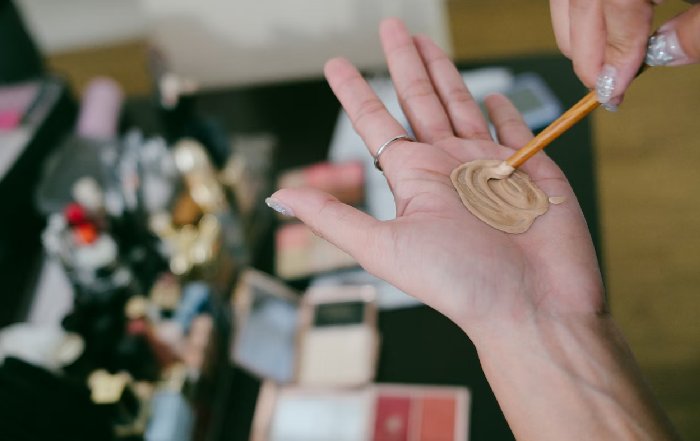
The complexion is the structural backbone of any day-to-night transformation, and in 2026, the most successful approaches rely on strategic layering rather than heavy coverage. Many professionals now favor thin, flexible base products-serum foundations, skin tints, or hybrid complexion formulas that combine skincare actives with pigment-because they are easier to refresh in the evening without caking or pilling. Beauty market analysis from organizations like NielsenIQ and McKinsey & Company has documented the shift toward skin-like finishes and multifunctional products, reflecting consumer demand for simplicity and comfort in long-wear routines. Readers interested in broader beauty industry trends can review insights from McKinsey's beauty industry reports.
For a daytime office setting in the United States, United Kingdom, Germany, or Japan, a sheer to medium base that evens out tone while allowing natural texture to show is typically the most versatile choice, particularly when paired with a thin layer of translucent powder only in the T-zone. This approach gives room for controlled intensification later; by the time the workday ends, the wearer can remove excess oil with blotting papers or a tissue, gently re-mist with a hydrating spray, and add a small amount of concealer or foundation only where necessary. This targeted application aligns with the recommendations of organizations such as the British Association of Dermatologists, which caution against excessive layering that can clog pores and exacerbate sensitivity, especially in polluted urban environments. Interested readers can explore clinical perspectives on makeup and skin health on the British Association of Dermatologists site.
On BeautyTipa, the editorial team often highlights complexion routines that prioritize longevity, breathability, and adaptability, particularly in guides and tips designed for professionals who transition from office to networking events or conferences. The most effective base strategies are those that can be revived rather than rebuilt, saving time, product, and stress while maintaining a polished appearance suitable for both corporate environments and social engagements.
Eye Makeup: Building a Flexible Architecture
Eyes are the focal point where the day-to-night transition is most visually striking, and in 2026, the dominant strategy involves creating a neutral daytime structure that can be quickly intensified with deeper tones, shimmer, or liner. Global color trends tracked by Pantone and regional preferences documented by L'Oréal, Estée Lauder, and Shiseido show that while cultural aesthetics vary-subtle gradients and soft definition in Japan and South Korea, bolder contrasts in the United States or Brazil-the underlying technique of layering remains consistent. For those interested in global color trend directions, additional context can be found through Pantone Color Institute resources.
A typical daytime eye look for professionals in European or North American financial centers might consist of a matte or satin shadow close to the skin tone, a slightly deeper shade in the crease, and a tight-lined upper lash line using a soft pencil or deep brown shadow. This understated framework respects conservative office norms while providing the structure needed for a rapid upgrade later. As evening approaches, the wearer can intensify the outer corner with a deeper matte shade, add a shimmer or metallic wash to the center of the lid, and switch from brown to black liner or extend the existing line into a subtle wing. This modular approach is particularly valuable for those working in hybrid or flexible roles, where the same individual might attend a client presentation in the afternoon and a brand launch event in the evening.
From a technical standpoint, long-wear eye formulas with film-forming polymers, as discussed in cosmetic science resources like Cosmetics & Toiletries, are crucial for ensuring that the morning application remains stable enough to be enhanced rather than removed. Learn more about how advanced polymers improve long-wear performance in professional literature such as Cosmetics & Toiletries. On BeautyTipa, coverage of technology in beauty explores how brands are using AI-assisted shade development and biometric testing to create eye products that resist creasing, smudging, and fading across diverse eyelid shapes and climatic conditions, from humid Singapore to dry Denver.
Lashes and Brows: Subtle Adjustments with Outsized Impact
Lashes and brows function as structural elements that frame the face, and small adjustments here can dramatically shift a look from understated to evening-ready. During the day, many professionals prefer a lengthening or defining mascara in black-brown or soft black, paired with a natural, softly filled brow that follows the hair's natural direction. This approach respects conservative workplace expectations in regions like Switzerland, the Netherlands, or Scandinavia while still projecting alertness and polish.
For the evening transformation, adding an extra coat of volumizing mascara or switching to a more dramatic formula can immediately deepen the gaze and create more presence in low-light environments such as restaurants, bars, or event venues. In some markets, particularly in East Asia and parts of Europe, subtle strip lashes or individual lash clusters have become more acceptable for after-work engagements, especially in industries like fashion, beauty, and media where a more expressive aesthetic is encouraged. As lash health has become a concern-especially with the popularity of extensions and serums-organizations such as the American Academy of Ophthalmology have highlighted best practices for safe lash enhancement and product use. Readers can explore eye health guidance from the American Academy of Ophthalmology.
Brows can be gently intensified for night by adding slightly more definition at the tail, subtly sharpening the lower edge, or using a tinted gel to create a fuller, more lifted effect without resorting to harsh, blocky lines. On BeautyTipa, brow and lash content is often integrated into broader makeup and beauty features, emphasizing that the most effective transformations are those that respect the individual's face shape, natural hair pattern, and cultural context, rather than imposing a single global trend.
Lips: The Fastest Route from Minimal to Statement
In the hierarchy of day-to-night transitions, lips remain the most efficient and impactful area to modify, and in 2026, professionals increasingly view lip color as a strategic tool for signaling context, mood, and intent. A neutral, satin-finish lipstick or tinted balm in the morning supports hydration and comfort during long workdays, especially in air-conditioned offices or heated indoor spaces across North America, Europe, and Asia. As evening approaches, switching to a richer, more saturated color-whether a deep berry in Sweden, a vivid red in Italy, or a warm terracotta in Brazil-instantly reframes the entire look without requiring extensive rework of the eyes or complexion.
The shift toward comfortable, long-wear lip formulas that balance pigment with conditioning agents reflects broader consumer expectations for performance without compromise, a theme analyzed in reports by Euromonitor International and Mintel. Those interested in the macro-level consumer dynamics behind these innovations can review beauty sector analyses through Euromonitor's beauty and personal care insights. At the same time, dermatologists and health organizations such as the Mayo Clinic remind users to be mindful of potential irritants, fragrances, and allergens in lip products, particularly for individuals with a history of cheilitis or atopic dermatitis. Learn more about lip and skin sensitivity from the Mayo Clinic resource center.
For BeautyTipa readers, a practical strategy involves keeping a compact "transition kit" at the office or in a work bag-containing a deeper lipstick, a coordinating lip liner, and a small mirror-so that the shift from daytime subtlety to evening definition can be executed in minutes. This approach aligns with the site's broader emphasis on efficient routines and practical guides and tips tailored to busy professionals balancing demanding schedules with active social lives.
Blush, Bronzer, and Highlight: Sculpting for Different Lighting
Cheeks and facial structure play a crucial role in how makeup reads under different lighting conditions, and the transition from fluorescent office lighting to warm restaurant illumination or cool outdoor night lighting requires thoughtful adjustment of color intensity and placement. Daytime applications in corporate environments across the United States, United Kingdom, Germany, or Singapore typically favor subtle, diffused blush in soft rose, peach, or neutral tones, with minimal shimmer and carefully blended bronzer to avoid harsh lines. This understated approach ensures that the face appears healthy and awake without drawing undue attention in conservative settings.
In the evening, the same base can be elevated by intensifying the blush, adding a touch more bronzer to the perimeter of the face, and introducing a controlled highlight on the high points of the cheeks, bridge of the nose, and cupid's bow. The key is to consider the specific lighting of the destination; for example, candlelit restaurants and dim lounges can flatten facial features, making slightly stronger contour and highlight desirable, while brightly lit events or on-camera appearances may require more precise blending and restraint. Professional makeup artistry education, as shared by institutions like the Make-Up Designory (MUD) and Cinema Makeup School, often emphasizes the importance of understanding how different light temperatures and intensities interact with shimmer particles and undertones. Readers can deepen their understanding of makeup for different lighting scenarios through resources from the Make-Up Designory.
On BeautyTipa, coverage of events and fashion highlights how cheek color trends vary across regions and industries, from the fresh, almost bare look favored in Scandinavian business culture to the more sculpted and luminous styles seen in South Korean nightlife or Brazilian social scenes. The editorial perspective consistently encourages readers to adapt techniques to their own bone structure, skin tone, and cultural context rather than replicating a single global template.
Longevity, Touch-Ups, and Product Selection
A polished day-to-night transition depends heavily on product durability and intelligent touch-up strategies, and in 2026, the market offers a wide array of long-wear, transfer-resistant formulas that still prioritize skin health and comfort. Ingredients such as flexible film formers, volatile silicones, and breathable polymers allow foundations, liners, and lipsticks to resist breakdown while accommodating facial movement. Scientific and regulatory bodies, including the European Chemicals Agency (ECHA), continue to monitor the safety of cosmetic ingredients, prompting brands to refine formulations and reduce reliance on potentially problematic substances. Those interested in the regulatory side of cosmetic ingredients can consult the European Chemicals Agency database.
From a practical standpoint, the most efficient touch-up routine involves blotting away excess oil, rehydrating the skin with a fine mist or light essence, reapplying a small amount of concealer or foundation only where needed, reinforcing eye definition, and refreshing lips. Over-layering powder or foundation can quickly create a heavy, uneven texture, especially on combination or mature skin, so targeted correction is generally more effective. Health organizations like the Cleveland Clinic note that frequent heavy reapplication can contribute to clogged pores and irritation, particularly when makeup is worn for extended periods without proper cleansing. To understand more about skin health over long wear periods, readers can refer to the Cleveland Clinic's dermatology guidance.
On BeautyTipa, product recommendations within brands and products coverage often prioritize portability and multi-use functionality-sticks that serve as blush, bronzer, and lip color; compact palettes that transition from matte to shimmer; and setting sprays that both refresh and fix makeup. This reflects the needs of professionals who may not have access to a full vanity between their last meeting and their first evening engagement, whether they are commuting across London, navigating Tokyo's transit system, or moving between meetings and events in New York, Dubai, or Hong Kong.
Wellness, Skin Health, and Ethical Considerations
A sophisticated 2026 perspective on day-to-night makeup cannot ignore the broader wellness, ethical, and sustainability dimensions that increasingly shape consumer choices. Prolonged makeup wear, combined with stress, travel, and irregular schedules, can strain the skin barrier and contribute to breakouts, sensitivity, or dullness, making a robust evening cleansing and recovery routine essential. Health authorities such as the World Health Organization (WHO) and national health services continue to emphasize the importance of sleep, nutrition, and stress management for overall skin health, reinforcing the idea that cosmetic solutions are most effective when integrated into a holistic lifestyle. Learn more about how lifestyle factors influence skin and appearance through resources from the World Health Organization.
In parallel, the environmental and ethical footprint of cosmetics has become a central concern for consumers across Europe, North America, Asia, Africa, and South America. Organizations like the Environmental Working Group (EWG) and initiatives under the United Nations Environment Programme (UNEP) have drawn attention to ingredient safety, packaging waste, and the climate impact of beauty supply chains. Professionals who care about the long-term sustainability of their routines increasingly seek products with recyclable packaging, responsibly sourced ingredients, and transparent corporate practices. Those interested in the environmental dimension of beauty can learn more about sustainable business practices.
BeautyTipa engages with these themes across wellness, health and fitness, and food and nutrition content, recognizing that a truly modern day-to-night makeup strategy must be compatible with long-term skin health, ethical values, and environmental responsibility. The site's global readership-from South Africa to Sweden, from Brazil to South Korea-expects not only performance and aesthetics but also integrity and transparency from the brands they support.
Professional Image, Career Context, and Cultural Nuance
Beyond aesthetics, the way an individual transitions makeup from day to night carries implications for professional image and career trajectory, especially in sectors where personal presentation is closely scrutinized. In finance, law, and certain corporate environments in the United States, United Kingdom, Germany, or Switzerland, a subtle, refined shift that maintains a polished but understated appearance may be more appropriate, whereas in fashion, beauty, entertainment, and creative industries in cities such as Paris, Milan, Seoul, or São Paulo, a bolder, more expressive evening transformation can enhance personal branding and creative identity.
Career guidance platforms and HR consultancies, including LinkedIn and Glassdoor, have documented how visual presentation influences first impressions, networking outcomes, and perceived leadership potential, especially in client-facing roles. Readers can explore how professional image intersects with career development through resources on LinkedIn's Career Advice pages. Within this context, day-to-night makeup becomes a strategic communication tool: a way to signal adaptability, situational awareness, and cultural fluency without sacrificing authenticity.
On BeautyTipa, the intersection of presentation and opportunity is frequently discussed in the jobs and employment and business and finance sections, where professionals across regions share how they calibrate their makeup choices for interviews, internal promotions, client pitches, and industry events. The editorial voice consistently encourages readers to consider local norms, organizational culture, and their own comfort levels, emphasizing that the most powerful look is one that feels aligned with personal values and professional ambitions.
A Holistic, Future-Facing Approach to Day-to-Night Makeup
By 2026, transitioning makeup from day to night is best understood as a holistic practice that integrates skin science, cosmetic technology, cultural awareness, ethical considerations, and career strategy. The archetypal transformation-from soft, neutral office look to more defined, luminous evening style-remains relevant, but the methods and mindset have evolved. Instead of relying on heavy reapplication or dramatic last-minute changes, modern professionals design their morning routines as modular systems that can be adapted with a few strategic adjustments to eyes, lips, cheeks, and complexion, supported by long-wear, skin-friendly formulas.
For the global community of BeautyTipa, this evolution mirrors the broader transformation of beauty itself: from a static, occasion-based ritual to a dynamic, integrated part of daily life that reflects health, identity, and ambition. Whether a reader is navigating corporate life in London, launching a startup in Berlin, working in creative industries in Los Angeles, consulting in Singapore, or building a career in fashion in Milan or Tokyo, the principles remain consistent: prioritize skin health, invest in intelligent products, respect cultural and professional context, and use makeup as a tool to move confidently through every phase of the day.
As BeautyTipa continues to explore emerging trends, innovations in technology and beauty, and the global business of self-presentation, the art of day-to-night makeup will remain a central theme, not only as a set of techniques but as an expression of how modern individuals navigate a world where personal presence-offline and online-matters more than ever. Readers looking to refine their own approach can explore the wider ecosystem of content across beauty, makeup, and guides and tips, using these resources to design routines that are as resilient, adaptable, and future-oriented as their careers and lives demand.
