
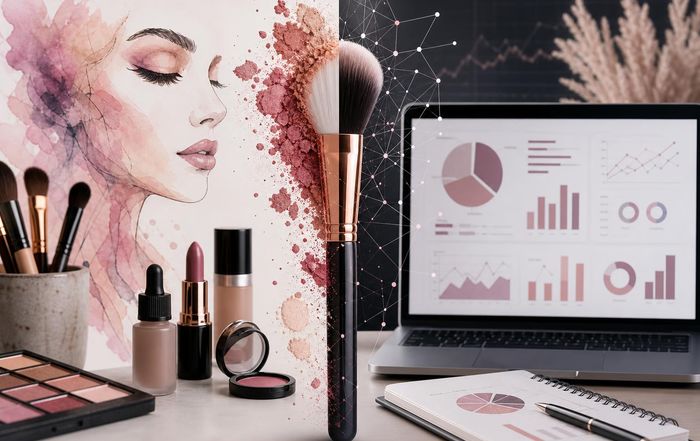
Beauty Jobs That Combine Creativity and Analytics
The New Face of Beauty Careers
The global beauty industry is no longer defined solely by artistry at the makeup counter or innovation in the laboratory; it is increasingly shaped by professionals who can move fluently between creativity and analytics, translating aesthetic vision into measurable business outcomes. As beautytipa.com engages amazing people across beauty, wellness, skincare, technology, and business, it is clear that the most influential roles in this sector now demand a rare combination of design sensibility, data literacy, and commercial acumen. From New York to Seoul, London to São Paulo, the most sought-after beauty careers are those that bridge the emotional appeal of beauty with the analytical rigor required by modern, data-driven organizations.
This shift is driven by the convergence of several forces: the rise of AI-powered personalization, the dominance of digital and social commerce, the growing emphasis on sustainability and regulatory compliance, and the global expansion of beauty markets from North America and Europe to Asia, Africa, and South America. As leading companies such as L'Oréal, Estée Lauder Companies, Shiseido, LVMH, and Unilever invest heavily in data science and digital transformation, they increasingly recruit professionals who can interpret consumer insights, craft compelling narratives, and convert both into profitable and responsible growth. For readers of beautytipa.com, understanding these hybrid roles is essential, whether they are planning a career move, building a beauty brand, or investing in the future of this fast-evolving sector.
Why Creativity and Analytics Now Go Hand in Hand
Historically, beauty careers were often segmented into creative tracks, such as makeup artistry and product development, and analytical tracks, such as finance and supply chain. In 2026, that separation has largely dissolved. Beauty consumers in the United States, United Kingdom, Germany, Canada, Australia, and beyond now expect hyper-personalized experiences, transparent ingredient lists, credible sustainability claims, and seamless omnichannel journeys. Meeting those expectations requires professionals who can interpret complex data sets and at the same time develop emotionally resonant concepts, campaigns, and products.
Industry reports from organizations such as McKinsey & Company and Deloitte show that beauty brands that integrate advanced analytics into creative decision-making outperform peers on revenue growth and customer retention. Learn more about how analytics is transforming consumer industries at McKinsey. At the same time, surveys from NielsenIQ and Kantar indicate that visual storytelling, brand authenticity, and cultural relevance remain decisive in purchase decisions across markets from France and Italy to South Korea and Japan. This dual reality explains why roles that combine creativity and analytics are expanding rapidly and why they offer strong career resilience even as automation reshapes traditional functions.
For readers exploring broader industry shifts, beautytipa.com provides ongoing coverage of beauty trends and business and finance developments, helping professionals understand how macro-level changes translate into concrete career opportunities.
Data-Driven Brand Strategists and Creative Marketers
One of the most prominent hybrid roles in 2026 is the data-driven brand strategist or creative marketer working within major beauty houses and high-growth indie brands. These professionals sit at the intersection of storytelling and performance metrics, translating brand purpose into campaigns that are both emotionally compelling and empirically optimized. They analyze consumer behavior data from sources such as Google Analytics, social platforms, and retail partners, and then use those insights to shape brand positioning, creative concepts, and channel strategies.
In practice, a brand strategist at a company like Sephora or Ulta Beauty might interpret search trends, loyalty program data, and social listening insights to identify emerging interests in barrier-repair skincare, fragrance layering, or microbiome-friendly products, and then collaborate with creative teams to develop campaigns that resonate specifically with audiences in the United States, the United Kingdom, or South Korea. Learn more about consumer behavior and digital marketing at Think with Google. The strategist then works with performance marketers to test variations of messaging, visuals, and formats across platforms such as Instagram, TikTok, and YouTube, continually refining the creative based on conversion, engagement, and retention metrics.
For readers who want to understand how brand storytelling evolves alongside data, beautytipa.com offers insights into beauty and makeup narratives that succeed in competitive markets such as Europe and Asia. Combining an understanding of culture, aesthetics, and analytics is now a baseline expectation for senior marketing roles, particularly in multinational organizations that must adapt to local preferences in markets as diverse as Brazil, China, and South Africa.
Product Development, Consumer Insights, and the Science of Desire
Another core domain where creativity and analytics converge is product development and consumer insights. Modern product managers and innovation leads in beauty companies rely on a blend of trend forecasting, scientific research, and quantitative testing to create products that satisfy both emotional desires and functional needs. Organizations such as Mintel and WGSN provide data and forecasts on ingredient trends, packaging formats, and consumer attitudes across regions like North America, Europe, and Asia; learn more about trend intelligence at WGSN. However, it is the product development professional who must translate these signals into concrete formulations, textures, shades, and usage rituals.
At a company such as L'Oréal or Procter & Gamble, a product manager might review survey data, focus group transcripts, and e-commerce reviews to understand unmet needs in sensitive-skin skincare, then work with R&D chemists to develop a formula that balances efficacy, safety, and sensorial appeal. They then test multiple prototypes with panels in markets such as Germany, Japan, and Singapore, analyzing feedback and biometric data to refine the product. This role demands fluency in both the language of science and the language of beauty, as well as the ability to present data-driven business cases to senior leadership.
Readers interested in the technical and experiential dimensions of products can explore the dedicated skincare and brands and products sections on beautytipa.com, where emerging formulations, regional preferences, and scientific developments are examined with both depth and practical relevance. The most successful product leaders in 2026 are those who can interpret dermatological research, regulatory guidelines, and consumer sentiment and then synthesize them into products that feel intuitive, luxurious, and trustworthy.
Beauty Data Scientists and AI Personalization Specialists
Perhaps the most emblematic example of careers blending creativity and analytics is the rise of beauty data scientists and AI personalization specialists. These professionals design algorithms and models that power recommendation engines, virtual try-on tools, and personalized skincare routines, enabling brands to deliver tailored experiences at scale. Organizations such as Perfect Corp. and ModiFace have partnered with major global brands to integrate AR and AI into e-commerce and in-store environments, allowing consumers in markets from Canada and Australia to Thailand and Malaysia to experiment with looks and products digitally. Learn more about AI applications in beauty and retail at Perfect Corp..
A beauty data scientist in 2026 might build machine learning models that predict which foundation shades are most likely to match consumers based on selfies, climate, and previous purchases, or develop algorithms that recommend routines based on skin concerns, ingredient preferences, and lifestyle data. This work is technical, involving programming languages, statistical methods, and cloud infrastructure, but it also requires an appreciation of aesthetics, cultural nuance, and user experience. The models must not only be accurate but also feel intuitive and inclusive to users across varied skin tones, cultures, and gender identities.
At the same time, AI personalization specialists collaborate closely with UX designers, content creators, and marketing teams to ensure that algorithmic outputs are translated into visually appealing and emotionally engaging interfaces. For readers interested in how technology is reshaping the sector, beautytipa.com maintains a dedicated technology and beauty section, exploring how AI, AR, and data platforms are redefining both consumer journeys and professional roles. Industry organizations such as the World Economic Forum also provide broader context on AI and the future of work; learn more at the World Economic Forum.
Social Media, Influencer Analytics, and Creative Commerce
Social media has long been a creative playground for beauty enthusiasts, but in 2026 it has matured into a sophisticated commercial ecosystem where analytics-driven creativity is essential. Social media strategists, influencer marketing managers, and content performance analysts in beauty companies now use data from platforms such as Instagram, TikTok, YouTube, and emerging regional networks to design and optimize content strategies. They track metrics such as watch time, click-through, save rates, and sentiment to understand which narratives, formats, and collaborations resonate in specific markets such as Spain, the Netherlands, Sweden, and South Korea.
A social media strategist at a brand like Fenty Beauty or Huda Beauty might analyze performance data from multiple campaigns, segment audiences by age, geography, and interest, and then work with creators to develop content that aligns with both brand identity and platform algorithms. Influencer marketing has become especially data-intensive, with tools that evaluate authenticity, audience overlap, and conversion potential. Learn more about creator economy trends at Influencer Marketing Hub. However, the analytical rigor does not diminish the need for creativity; instead, it provides a framework within which experimentation, storytelling, and visual innovation can be more effectively targeted and scaled.
For those exploring how to build a presence or partnership strategy in this space, beautytipa.com offers practical guides and tips that address both creative content development and metrics-based optimization. The most successful social media professionals in beauty are those who can interpret dashboards and data visualizations while also understanding color theory, cultural trends, and the emotional drivers behind shares and comments.
Retail, Omnichannel Experience, and Experiential Design
Beauty retail in 2026 is defined by omnichannel experiences that blur the lines between physical and digital environments. Roles such as omnichannel experience manager, retail analytics lead, and experiential design strategist require a rare combination of spatial creativity, customer empathy, and quantitative analysis. Companies like Sephora, Douglas, and Watsons use footfall analysis, heat maps, and transaction data to optimize store layouts, product placements, and staffing, while at the same time creating immersive environments that encourage discovery and play. Learn more about retail innovation at the National Retail Federation.
An omnichannel experience manager might analyze how customers in Switzerland, Denmark, and Finland move between mobile apps, websites, and physical stores, then design campaigns that integrate digital sampling, in-store events, and personalized follow-ups. They collaborate with visual merchandisers, UX designers, and logistics teams to ensure that the experience is both aesthetically coherent and operationally efficient. This role illustrates the broader trend in beauty careers: success depends on the ability to interpret complex data and then translate it into tangible experiences that feel seamless and inspiring.
Readers of beautytipa.com who follow events and experiential trends can observe how global beauty fairs, pop-up activations, and local retail innovations are increasingly informed by analytics, from traffic projections to conversion modeling. The capacity to design environments that are both beautiful and data-optimized is becoming a core competitive advantage in markets worldwide.
Sustainability, Ethics, and Responsible Innovation
As consumers in markets such as the United States, Germany, France, and Norway become more concerned about environmental impact, social responsibility, and ingredient safety, new roles have emerged at the intersection of sustainability, compliance, and creative innovation. Sustainability strategists, life-cycle analysts, and ethical sourcing managers in beauty companies are tasked with ensuring that products and campaigns align with evolving regulations and consumer expectations, while still delivering aspirational experiences and compelling narratives.
Organizations such as the Ellen MacArthur Foundation and UN Environment Programme provide frameworks for circular economy practices and sustainable production; learn more about sustainable business practices at the Ellen MacArthur Foundation. In practice, a sustainability manager at a global beauty group might analyze the carbon footprint of packaging designs, evaluate refill models, and work with creative teams to communicate these initiatives in a way that is both accurate and emotionally resonant. They must interpret regulations from the European Union, the United States Food and Drug Administration, and authorities in markets such as China, Japan, and Brazil, balancing legal requirements with brand aesthetics and consumer expectations.
For readers seeking to understand how ethics and beauty intersect, beautytipa.com frequently explores these themes across wellness, health and fitness, and food and nutrition, recognizing that modern consumers view beauty holistically, linking external appearance with internal health, environmental impact, and social justice. Professionals who can interpret environmental data, supply chain metrics, and stakeholder expectations while crafting credible and inspiring sustainability narratives are increasingly central to brand reputation and long-term value creation.
Career Paths, Skills, and Education for Hybrid Beauty Roles
For individuals interested in pursuing beauty careers that combine creativity and analytics, the most important realization in 2026 is that there is no single, linear path. Professionals now arrive in these roles from backgrounds as diverse as design, computer science, marketing, psychology, and finance. However, common skill sets are emerging: data literacy, including comfort with spreadsheets, dashboards, and basic statistical concepts; creative communication, including visual storytelling, copywriting, or content design; and commercial awareness, including understanding of profit drivers, pricing, and consumer behavior.
Educational institutions such as Fashion Institute of Technology (FIT) in New York, London College of Fashion, and Institut Français de la Mode have expanded programs that blend beauty marketing, data analytics, and digital strategy; learn more about fashion and beauty business education at London College of Fashion. Online learning platforms and professional associations also offer specialized courses in topics such as AI in retail, digital marketing analytics, and sustainable product development. For professionals in regions such as Asia, Africa, and South America, remote learning has opened access to global best practices, while local universities and incubators increasingly tailor programs to regional beauty markets.
Readers seeking to navigate these opportunities can consult the jobs and employment section of beautytipa.com, which highlights emerging roles, skill requirements, and regional trends in hiring. Industry organizations such as the Personal Care Products Council and Cosmetics Europe also publish guidelines and insights on regulatory and technical competencies, which are valuable for those aiming to work in R&D, regulatory affairs, or sustainability; learn more at Cosmetics Europe.
Global Perspectives and Regional Nuances
Although the overarching trend toward analytically informed creativity is global, regional nuances shape how these roles are defined and executed. In North America, particularly the United States and Canada, the emphasis often lies on direct-to-consumer models, influencer-driven growth, and venture-backed indie brands that rely heavily on performance marketing and rapid experimentation. In Europe, including the United Kingdom, Germany, France, Italy, Spain, the Netherlands, Switzerland, Sweden, Norway, Denmark, and Finland, regulatory complexity, heritage brands, and strong pharmacy and specialty retail channels create a landscape where compliance, quality, and long-term brand equity are paramount.
In Asia, markets such as South Korea, Japan, China, Singapore, Thailand, and Malaysia are at the forefront of beauty technology, with consumers highly receptive to innovation in textures, formats, and digital tools. Learn more about Asia's leadership in beauty innovation at Korea Trade-Investment Promotion Agency and similar national trade bodies. In South America and Africa, including Brazil and South Africa, rapid digital adoption, vibrant local cultures, and evolving regulatory frameworks create fertile ground for hybrid professionals who can adapt global best practices to local contexts.
Beautytipa.com serves a worldwide audience and recognizes that successful beauty careers must be grounded in cultural intelligence as well as technical skills. The international section offers perspectives on how trends, regulations, and consumer preferences differ across regions, helping professionals and entrepreneurs make informed decisions about where and how to build their careers or expand their brands.
The Role of Beautytipa.com in a Hybrid Beauty Future
As the beauty industry continues to evolve, beautytipa.com positions itself as a trusted guide for professionals, students, entrepreneurs, and investors who want to understand not only what is happening but why it matters and how to respond. By covering topics across routines, fashion, technology, wellness, and business, the platform reflects the increasingly interconnected nature of beauty, where a skincare routine might be informed by wearable data, a fashion trend, and nutritional science all at once.
The editorial approach emphasizes experience, expertise, authoritativeness, and trustworthiness, offering analysis that connects consumer behavior, corporate strategy, scientific research, and cultural shifts. In a world where misinformation about ingredients, health claims, and quick-fix solutions can spread rapidly, having a reliable source that contextualizes trends and technologies is essential for both professionals and consumers. Organizations such as the U.S. Food and Drug Administration (FDA) and the European Commission provide official regulatory information; readers can learn more about cosmetic regulations at the FDA cosmetics overview and the European Commission cosmetics portal.
By curating insights from global markets and highlighting real-world applications of creative and analytical skills, beautytipa.com helps readers envision concrete career paths, identify skill gaps, and stay ahead of industry transformations. Whether a reader is considering a move into AI-powered personalization, data-informed brand strategy, sustainability leadership, or experiential retail design, the site offers a foundation for informed decision-making and long-term professional growth.
Building a Career at the Intersection
As the beauty industry moves deeper into 2026 and beyond, the most resilient and rewarding jobs will likely continue to be those that integrate creativity with analytics, allowing professionals to shape not only products and campaigns but also the underlying business models and technologies that define the sector. Automation will increasingly handle routine tasks in areas such as basic reporting, inventory management, and standard content generation, but the uniquely human capacity to combine data interpretation with imagination, empathy, and ethical judgment will remain indispensable.
For individuals entering or evolving within the industry, the imperative is clear: cultivate a portfolio that demonstrates both artistic sensibility and analytical capability, seek roles that offer exposure to cross-functional collaboration, and remain curious about how technology, culture, and consumer expectations intersect. Engaging with resources such as beautytipa.com, professional associations, academic programs, and global industry events can help maintain this learning curve and ensure that careers remain aligned with the most dynamic and impactful opportunities.
Ultimately, beauty is not only about appearance; it is about experience, identity, and connection, all of which are increasingly mediated by data and digital platforms. Those who can design experiences that are both emotionally resonant and analytically optimized will shape the next chapter of the industry, from product labs in Tokyo and Paris to digital studios in Los Angeles and Singapore. In this world, beauty jobs that combine creativity and analytics are not a niche; they are the new center of gravity, and they will define how brands and professionals thrive in the years ahead.
