
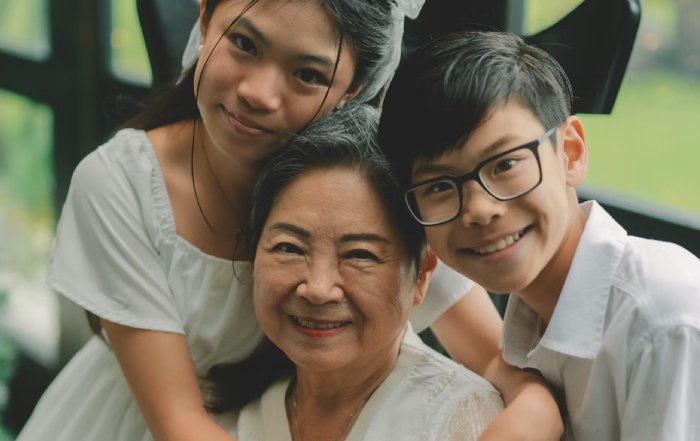
Skincare for Different Age Groups: Teens to Seniors
How Age Shapes Skin - And Why It Matters More Than Ever
Skincare is no longer viewed as a luxury reserved for a select few; it has become a core component of personal health, professional presence, and overall wellbeing across generations. From teenagers navigating acne in the United States and the United Kingdom, to professionals in Germany and Singapore managing stress-induced sensitivity, to seniors in Japan and Italy focused on maintaining elasticity and radiance, the global conversation around skin has matured into a science-driven, inclusive, and highly personalized discipline. For BeautyTipa and its readers, understanding how skin evolves from adolescence through later life is central to building routines that are not only effective but also sustainable, safe, and aligned with modern expectations of transparency and trust.
Dermatological research, increasingly accessible through institutions such as the American Academy of Dermatology and the British Association of Dermatologists, has clarified that age is one of the single most important variables in skincare decision-making, alongside genetics, environment, and lifestyle. Collagen production, sebum levels, barrier function, hormonal fluctuations, and cellular turnover all change with time, and so the products and routines that serve a teenager in Brazil or South Africa can be counterproductive for a professional in Canada or a retiree in France. As BeautyTipa develops guidance across its dedicated sections, from skincare insights to beauty trends and wellness perspectives, tailoring recommendations to life stage is becoming a defining feature of responsible, expert-led content.
This age-aware approach is also being reinforced by regulatory shifts and consumer expectations in regions such as the European Union, where the European Commission has tightened cosmetic regulations, and in markets such as South Korea and Japan, where advanced formulations and dermocosmetics are reshaping global standards. As a result, readers of BeautyTipa from North America, Europe, Asia, Africa, and South America are increasingly seeking not generic advice, but nuanced guidance that reflects their age, environment, cultural preferences, and professional demands.
Teenage Skin (13-19): Managing Hormones, Habits, and First Routines
Teenage skin, whether in the United States, the United Kingdom, or emerging beauty hubs like Thailand and Brazil, is dominated by hormonal fluctuation. Rising androgen levels stimulate sebaceous glands, leading to increased oil production, clogged pores, and a heightened risk of acne. Dermatology guidelines from organizations such as the Mayo Clinic emphasize that the priority for this age group is not aggressive treatment, but consistent, gentle routines that support the barrier while addressing breakouts. For BeautyTipa, which often introduces younger readers to foundational practices through its guides and tips, the key message is that early habits set the stage for decades of skin health.
Teens across regions from Canada and Australia to South Africa and Malaysia are heavily influenced by social media, where skincare trends can be driven more by virality than by evidence. Overuse of strong exfoliants, inappropriate anti-aging products, or unverified DIY treatments can compromise the skin barrier, leading to irritation, post-inflammatory hyperpigmentation, and long-term sensitivity. Global health resources such as the World Health Organization highlight the importance of health literacy in adolescence, and this extends to skincare literacy: understanding ingredient labels, recognizing when to seek professional care, and identifying credible educational sources. BeautyTipa has a role in translating complex dermatological concepts into accessible language that respects the intelligence and curiosity of teenage readers.
In practice, teenagers benefit from a streamlined routine focusing on cleansing, hydration, sun protection, and targeted acne management when needed. Evidence-based ingredients such as salicylic acid, benzoyl peroxide, and topical retinoids, when used under appropriate guidance, can significantly reduce breakouts and minimize scarring, which is particularly important in darker skin tones prevalent in regions such as Africa, South Asia, and Latin America where hyperpigmentation can be more persistent. Resources like the National Health Service in the UK and the Cleveland Clinic in the US provide clear, medically vetted frameworks that complement the lifestyle-focused content curated on BeautyTipa. By encouraging teens to start with simple routines and to be skeptical of quick fixes, BeautyTipa helps lay the foundation for a lifelong, healthy relationship with their skin.
Twenties (20-29): Prevention, Lifestyle, and the First Signs of Change
By the twenties, many individuals in cities from New York and London to Berlin, Seoul, and Singapore notice that while acne may be less intense, it has not always disappeared, and new concerns such as dullness, dehydration, and early fine lines begin to emerge. This decade is often characterized by lifestyle volatility: late nights, career stress, urban pollution, and, in some regions, high UV exposure, all of which accelerate oxidative stress and compromise the skin barrier. Research from organizations like the Harvard T.H. Chan School of Public Health underscores the interplay between sleep, diet, stress, and systemic inflammation, which is directly reflected in skin quality. For BeautyTipa, whose audience in this age group is particularly engaged with routines, health and fitness, and food and nutrition, the twenties represent a pivotal window for prevention.
This is the decade when sun protection becomes non-negotiable. Dermatologists around the world consistently identify ultraviolet radiation as the primary extrinsic driver of premature aging and skin cancer, and organizations such as the Skin Cancer Foundation provide clear guidance on daily SPF use, even in countries with cooler climates like Sweden, Norway, and Finland. For young professionals and students, building the habit of applying broad-spectrum sunscreen every morning is one of the highest-yield interventions for long-term skin health, irrespective of skin tone or geography.
At the same time, the twenties are often when individuals first explore active ingredients such as vitamin C, niacinamide, and low-strength retinoids for tone, texture, and early fine lines. The rise of evidence-based beauty brands in markets like France, South Korea, and Japan has made sophisticated formulations more accessible, but it has also created confusion. Platforms like BeautyTipa, supported by its brands and products coverage and technology and beauty section, can help readers evaluate ingredient lists, understand concentration ranges, and differentiate between marketing language and scientifically supported claims. External resources such as the National Center for Biotechnology Information offer open-access dermatological studies that inform this kind of analysis, reinforcing BeautyTipa's commitment to expertise and trustworthiness.
In global hotspots like Los Angeles, Sydney, Barcelona, and Cape Town, where outdoor lifestyles are common, environmental exposure is especially intense, making antioxidant serums and barrier-supportive moisturizers particularly valuable. For readers in dense urban centers such as Shanghai, Tokyo, Paris, and Amsterdam, pollution and blue light exposure are additional considerations, and research summarized by the Environmental Working Group and similar organizations is driving the development of anti-pollution skincare. By helping readers in their twenties align their routines with their environment, BeautyTipa positions skincare not as vanity, but as a strategic component of long-term health and professional confidence.
Thirties (30-39): Repair, Resilience, and Strategic Anti-Aging
In the thirties, the biological underpinnings of skin aging become more visible. Collagen production declines, cellular turnover slows, and expression lines around the eyes, forehead, and mouth become more apparent, regardless of whether someone lives in Canada, Italy, Singapore, or South Korea. Many professionals at this stage are balancing demanding careers, family responsibilities, and increased digital exposure, all of which can contribute to stress-related skin concerns such as rosacea, melasma, and persistent dehydration. Clinical insights from organizations such as the American Academy of Dermatology and the European Academy of Dermatology and Venereology emphasize that this decade is crucial for integrating scientifically validated anti-aging strategies, while still respecting individual skin sensitivities.
Retinoids, long considered the gold standard in topical anti-aging, often become central in the thirties. When introduced slowly and supported by barrier-repairing ingredients such as ceramides and peptides, they can significantly improve texture, pigmentation, and fine lines. However, their use requires education, patience, and realistic expectations, particularly in sensitive or darker skin types common in regions such as India, Nigeria, Brazil, and Malaysia. This is where BeautyTipa's role as an interpreter of dermatological science becomes essential, translating complex recommendations into practical routines that readers can follow without fear of over-irritation or unrealistic promises, and connecting them to deeper resources on skincare and wellness.
In this decade, professional treatments such as chemical peels, microneedling, and laser therapies also become more common, particularly in markets with advanced aesthetic industries like the United States, the United Kingdom, Germany, and South Korea. Reputable clinics often align their protocols with evidence-based guidelines from bodies such as the U.S. Food and Drug Administration and the Health Sciences Authority of Singapore, ensuring that devices and procedures meet safety standards. For an international audience, BeautyTipa can help readers understand what to look for in practitioners, how to evaluate treatment claims, and how to integrate in-clinic procedures with at-home routines without compromising the skin barrier or overloading the skin with actives.
At the same time, the thirties are often when lifestyle factors, including diet, exercise, alcohol consumption, and sleep, begin to show more directly on the face. Data from organizations like the World Obesity Federation and the Global Wellness Institute underscore the growing prevalence of metabolic and stress-related conditions that can influence inflammation and skin health. For professionals in demanding sectors across North America, Europe, and Asia, BeautyTipa's integrated coverage of health and fitness and business and finance creates a context in which skincare is seen as part of a broader strategy for resilience, performance, and long-term wellbeing.
Forties (40-49): Hormonal Shifts, Structural Support, and Targeted Care
By the forties, intrinsic aging and cumulative environmental exposure intersect with hormonal changes, especially for women approaching perimenopause in regions such as Europe, North America, and parts of Asia. Estrogen levels begin to fluctuate, affecting collagen density, elasticity, and moisture retention, and leading to concerns such as sagging around the jawline, deepening nasolabial folds, and more pronounced under-eye hollows. Research shared by institutions like the North American Menopause Society and the National Institute on Aging highlights how these hormonal shifts influence not only systemic health but also skin physiology, underscoring the need for more specialized, age-aware skincare strategies.
For many readers in their forties, particularly executives and entrepreneurs in markets such as the United States, Germany, Singapore, and the United Arab Emirates, appearance is closely tied to professional identity and confidence. As BeautyTipa addresses this demographic through its international and jobs and employment sections, it becomes essential to acknowledge that skincare at this stage is not about reversing time, but about supporting structural integrity, maintaining radiance, and aligning external appearance with internal vitality. Peptide-rich formulations, growth-factor-based products, and advanced retinoids, when used under expert guidance, can help stimulate collagen and improve firmness, while hydrating ingredients such as hyaluronic acid and glycerin address dryness that often intensifies in this decade.
In addition, pigmentary issues such as age spots, melasma, and uneven tone become more pronounced in individuals with significant sun exposure histories, including those living in Australia, Spain, South Africa, and Brazil. Dermatological literature, accessible through resources like DermNet NZ, emphasizes the importance of strict photoprotection and targeted treatments such as azelaic acid, tranexamic acid, and carefully monitored laser therapies for hyperpigmentation. For darker skin tones in regions such as Africa, the Caribbean, and Southeast Asia, BeautyTipa can help readers navigate the unique risks of post-inflammatory hyperpigmentation and keloid formation, advocating for conservative, evidence-based protocols rather than aggressive interventions.
As digital health and teledermatology platforms expand across continents, supported by infrastructure documented by organizations such as the World Economic Forum, access to expert guidance is becoming more democratized. This trend aligns with BeautyTipa's mission to combine global expertise with local relevance, ensuring that readers in their forties, whether in Zurich, Johannesburg, Tokyo, or Toronto, can make informed decisions about both in-clinic treatments and at-home routines that respect their skin's evolving needs.
Fifties and Sixties (50-69): Menopause, Regeneration, and Holistic Strategies
In the fifties and sixties, the impact of menopause on skin becomes central for many women, while men also experience gradual hormonal changes that affect skin thickness, oil production, and elasticity. Estrogen decline leads to reduced collagen, diminished hyaluronic acid content, and a weakened barrier, resulting in dryness, thinning, and increased susceptibility to irritation and injury. International bodies such as the International Menopause Society and national health agencies like Health Canada and Australia's Department of Health provide frameworks for understanding these systemic shifts, which, in turn, inform responsible skincare guidance.
At this stage, skincare is less about chasing aggressive correction and more about supporting regeneration, comfort, and resilience. Barrier-repairing formulations, lipid-rich moisturizers, and gentle exfoliants help maintain a smooth, luminous surface without compromising the skin's integrity. For readers in France, Italy, and Japan, where mature beauty is often culturally celebrated and integrated into fashion and media narratives, skincare in the fifties and sixties is frequently seen as a refinement of identity rather than a concealment of age. BeautyTipa, with its coverage of fashion and beauty, is well-positioned to highlight this shift, showcasing routines and products that emphasize radiance, comfort, and confidence over unrealistic notions of eternal youth.
Advanced in-clinic options, including fractional lasers, radiofrequency, and injectable treatments, often become part of the conversation for those who choose them, especially in markets such as the United States, United Kingdom, Germany, South Korea, and Brazil, where aesthetic medicine is highly developed. Guidelines from bodies like the International Society of Aesthetic Plastic Surgery stress the importance of practitioner expertise, informed consent, and realistic expectations, all of which align with BeautyTipa's commitment to trustworthiness and ethical communication. For readers who prefer non-invasive approaches, technologies such as LED therapy and at-home microcurrent devices, when purchased from reputable brands and used as directed, can offer incremental benefits without downtime.
The fifties and sixties are also decades when systemic health issues-cardiovascular disease, diabetes, autoimmune conditions-may become more prevalent, and medications can influence skin behavior. Medical organizations such as the American Heart Association and the International Diabetes Federation provide education on how chronic illnesses intersect with lifestyle, which indirectly shapes skin health through inflammation, circulation, and wound healing. BeautyTipa can bridge these domains, emphasizing that skincare for this age group is most effective when combined with attention to sleep, nutrition, movement, and stress management, reflecting a truly holistic approach.
Seventies and Beyond (70+): Comfort, Protection, and Dignified Care
In the seventies and older, skin becomes markedly thinner, drier, and more fragile, with reduced sebaceous activity, slower wound healing, and a higher risk of tears and infections. For seniors in North America, Europe, Asia, and beyond, skincare is increasingly intertwined with medical care, mobility, and caregiving. Geriatric medicine resources from organizations like the Johns Hopkins Medicine and the National Institute on Aging emphasize the importance of gentle cleansing, regular moisturization, and vigilant sun protection to prevent actinic damage and skin cancers, which are more prevalent in older adults.
At this stage, the primary goals of skincare are comfort, protection, and the preservation of dignity. In families across Canada, Germany, South Africa, and New Zealand, caregivers play a crucial role in daily routines, and clear, simple guidance is essential to ensure that products are appropriate for fragile skin and compatible with any existing medical conditions. Fragrance-free, hypoallergenic formulations, barrier creams for areas prone to pressure, and broad-spectrum sunscreens designed for sensitive skin are particularly important. BeautyTipa, while often associated with younger and midlife audiences, can extend its expertise to this group by highlighting the specific needs of older skin and by advocating for respectful, age-inclusive narratives in beauty and wellness.
Aesthetic concerns do not disappear in later life; many seniors in France, Italy, Japan, and the Netherlands remain interested in subtle enhancements-such as brightening serums, gentle exfoliants, and flattering makeup textures-that help them feel polished and expressive without compromising comfort. Organizations like L'Oréal Groupe, Shiseido, and Estée Lauder Companies have increasingly invested in research on mature skin, creating formulations that address these needs with sensitivity and scientific rigor. By critically evaluating such offerings, and by integrating them into age-appropriate routines discussed across its makeup and beauty content, BeautyTipa can support seniors and their families in making choices that respect both health and personal style.
Technology, Sustainability, and the Future of Age-Specific Skincare
Across all age groups, three forces are reshaping skincare in 2026: technology, sustainability, and globalization. Artificial intelligence-driven skin analysis tools, many of which are being developed or refined by major players such as L'Oréal, Unilever, and Procter & Gamble, are enabling more precise assessments of skin condition across age, ethnicity, and geography. Reports from the McKinsey Global Institute and the World Economic Forum highlight how digitalization is transforming consumer goods, including beauty, by enabling hyper-personalization and data-driven product development. For BeautyTipa, this technological shift offers an opportunity to deepen its technology and beauty coverage, critically examining the promises and limitations of AI-based diagnostics and personalized formulations.
At the same time, sustainability has become a non-negotiable expectation, especially among younger consumers in Europe, North America, and parts of Asia-Pacific such as Australia and New Zealand. Environmental organizations like the United Nations Environment Programme and the Ellen MacArthur Foundation have called for circular economy models and reduced plastic waste, and many skincare brands are responding with refillable packaging, biodegradable ingredients, and transparent sourcing. Age-specific skincare must now align with these values, ensuring that products designed for teens, adults, and seniors alike are not only safe and effective, but also environmentally responsible. BeautyTipa has the opportunity to champion these practices, guiding its audience toward brands and routines that support both personal and planetary health.
Globalization has also diversified beauty standards and routines, with cross-cultural influences flowing between K-beauty in South Korea, J-beauty in Japan, European pharmacy brands in France and Germany, and clean beauty movements in the United States, Canada, and the Nordics. Organizations such as the Organisation for Economic Co-operation and Development document how global trade and digital commerce have expanded consumer access to international products, while also raising questions about regulatory consistency and safety. For a platform with an international readership, BeautyTipa can leverage its international and trends sections to contextualize these influences, helping readers in different age groups understand which innovations are genuinely beneficial and which are primarily driven by marketing.
How Beauty Tips Serves Every Age, From Teens to Seniors
As skincare becomes more sophisticated, data-driven, and global, the need for trusted, age-specific guidance has never been greater. From teenagers in the United States managing acne and social media pressures, to professionals in the United Kingdom, Germany, Singapore, and South Korea optimizing their routines for performance and resilience, to seniors in Japan, Italy, Canada, and South Africa prioritizing comfort and dignity, every life stage brings distinct challenges and opportunities. The evolution of skin across decades is not a problem to be solved, but a reality to be understood and respected.
BeautyTipa is uniquely positioned to support this journey. Through its integrated coverage of skincare, routines, wellness, and guides and tips, complemented by insights into technology and beauty, business and finance, and international developments, the platform provides a comprehensive, age-aware perspective that aligns with the highest standards of experience, expertise, authoritativeness, and trustworthiness. By anchoring its recommendations in dermatological science, global best practices, and a deep respect for individual diversity, BeautyTipa helps readers in every decade of life build skincare routines that are not only effective, but also sustainable, ethical, and aligned with their evolving identities.
In an era where beauty is increasingly understood as a reflection of health, lifestyle, and values, age-specific skincare is not about resisting time, but about engaging with it intelligently and gracefully. Whether a reader is just beginning to explore skincare in their teens, refining their approach in midlife, or adapting routines in their seventies and beyond, BeautyTipa aims to be a reliable partner, offering clarity amid complexity and empowering each person to care for their skin with knowledge, confidence, and long-term vision.
