
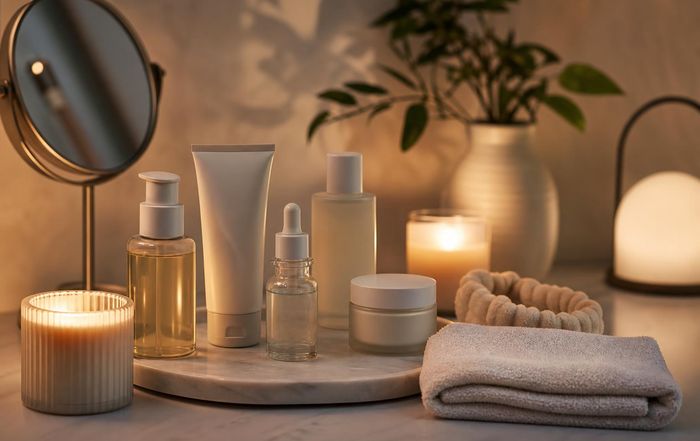
Skincare Steps That Support a Calm Evening Routine
The New Definition of Evening Skincare
Evening skincare has evolved from a purely cosmetic ritual into a cornerstone of holistic wellbeing, mental health support, and daily recovery, particularly for professionals and entrepreneurs who rely on consistent performance and presence. For the visiting fashion community here at beautytipa.com, an evening routine is no longer seen as a luxury reserved for spa days or special occasions; instead, it has become a strategic investment in long-term skin health, emotional resilience, and personal brand, especially in markets such as the United States, United Kingdom, Germany, Canada, Australia, and across Europe and Asia where high-pressure work cultures and digital lifestyles are the norm.
Dermatologists, psychologists, and sleep researchers now converge on one central idea: the way an individual transitions from work mode to rest mode has a measurable impact on skin quality, hormonal balance, and cognitive performance the next day. Studies from institutions such as Harvard Medical School and the National Institutes of Health highlight the link between chronic stress, elevated cortisol, and accelerated skin aging, while sleep research from organizations like the National Sleep Foundation shows how evening habits influence the depth and quality of restorative sleep. Learn more about the science of healthy sleep patterns at the National Sleep Foundation. In this context, an intentional, well-structured evening skincare routine becomes a powerful tool, not only for achieving a more radiant complexion, but also for signaling to the body and mind that it is time to slow down, recover, and reset.
For BeautyTipa, which serves readers each day, interested in skincare, wellness, beauty, and the intersection of lifestyle and performance, the focus is on translating scientific insights and industry innovation into practical, trustworthy steps that can be adapted to different time zones, climates, and cultural expectations, from Seoul and Tokyo to London, New York, Berlin, Singapore, and beyond.
Why a Calm Evening Routine Matters for Skin and Mind
The skin follows a circadian rhythm, a 24-hour biological cycle that regulates processes such as barrier repair, cell turnover, and sebum production. Research summarized by the American Academy of Dermatology shows that the skin's repair mechanisms peak at night, when transepidermal water loss is higher and the barrier is more permeable, making evening the optimal time to deliver active ingredients that support regeneration. Readers can explore more about circadian rhythms and skin biology through resources from the American Academy of Dermatology.
At the same time, mental and emotional states strongly influence how the skin behaves. Elevated stress hormones can lead to flare-ups of acne, eczema, rosacea, and premature fine lines. Organizations such as the American Psychological Association have documented the physiological effects of chronic stress, including inflammation and impaired immunity, which are directly relevant to skin health. Learn more about how stress affects the body at the American Psychological Association.
In high-performance economies such as the United States, United Kingdom, Germany, South Korea, Japan, and Singapore, where long working hours and constant connectivity are common, many professionals report difficulty disengaging from work at night. A calm evening routine, anchored around skincare, can serve as a tangible transition ritual, moving the body from sympathetic "fight or flight" activation to parasympathetic "rest and digest" mode. Simple actions such as massaging a cleanser into the skin, applying a serum with slow, deliberate movements, or inhaling the gentle scent of a nighttime moisturizer can become cues that the workday is over, supporting emotional decompression and better sleep. The Cleveland Clinic provides further insight into the link between relaxation routines and sleep quality on its sleep health pages.
For the BeautyTipa audience, which spans entrepreneurs, corporate leaders, creative professionals, and beauty industry experts across North America, Europe, Asia, Africa, and South America, this connection between skincare and mental reset is particularly relevant, as it aligns with a broader interest in health and fitness, food and nutrition, and performance-oriented wellness.
Preparing the Environment: Setting the Stage for Calm
Before the first drop of cleanser touches the skin, the environment in which the evening routine takes place plays a decisive role in how calming and restorative the experience will feel. Professionals in cities such as New York, London, Paris, Berlin, Tokyo, and Shanghai often transition directly from screens and artificial lighting to their bathroom mirror, without giving their nervous system time to adjust. To counter this, wellness experts recommend creating an intentional pre-skincare environment that reduces sensory overload and encourages a slower pace.
Dimming overhead lights, using warm-toned lamps, or placing a small candle in the bathroom can soften the visual field and reduce blue light exposure, which in turn supports melatonin production and prepares the body for sleep. Organizations such as The Sleep Foundation and Mayo Clinic emphasize the importance of minimizing bright light in the hours before bedtime to optimize circadian alignment; more information on sleep-friendly lighting can be found at the Mayo Clinic sleep resources.
Temperature and humidity also matter, particularly in regions with extreme climates such as Canada, Scandinavia, the Middle East, and parts of Asia. A slightly cooler room supports sleep onset, while a bathroom that is too hot or steamy can lead to prolonged facial redness and irritation, especially for sensitive or rosacea-prone skin. By adjusting the environment-lowering the thermostat slightly, ventilating the bathroom after a hot shower, or using a humidifier in dry climates-individuals create conditions that allow skincare products to work more effectively while keeping the nervous system in a calm, balanced state.
At BeautyTipa, this environmental preparation is viewed as part of a broader lifestyle ecosystem, aligning with content on routines and daily habits that support long-term wellbeing and performance, especially for readers navigating demanding jobs, frequent travel, and cross-time-zone commitments.
Step One: Gentle, Intentional Cleansing
The first active step in a calming evening skincare routine is cleansing, yet this simple act is often rushed or performed with products that are too harsh for daily use, particularly in markets where long-wear makeup, high-SPF sunscreens, and urban pollution are common, such as the United States, United Kingdom, France, Italy, Spain, China, and South Korea. Dermatologists from organizations like The British Association of Dermatologists emphasize that over-cleansing or using aggressive surfactants can compromise the skin barrier, leading to dryness, sensitivity, and breakouts. Readers can learn more about barrier-friendly cleansing approaches at the British Association of Dermatologists.
For a calm evening routine, the cleansing step becomes both functional and meditative. Many experts recommend a two-step cleansing approach for those who wear makeup or water-resistant sunscreen: first, using an oil-based or balm cleanser to dissolve pigments, sebum, and sunscreen filters, followed by a gentle, low-foam water-based cleanser to remove residual impurities without stripping natural lipids. This approach is particularly popular in South Korea and Japan, where multi-step routines have long been integrated into daily life, and where the concept of skincare as self-care is deeply embedded in culture.
The key to maintaining calm lies not only in product choice but in technique. Instead of scrubbing or rushing, individuals are encouraged to massage the cleanser in slow, upward motions, focusing on areas that hold tension such as the jawline, temples, and forehead. This brief facial massage can stimulate circulation and provide a moment of mindfulness, shifting attention from the day's concerns to the immediate sensory experience of touch, texture, and temperature. Resources from Johns Hopkins Medicine highlight how gentle touch and massage can reduce stress and lower heart rate, which can be explored further at the Johns Hopkins health library.
For BeautyTipa readers, especially those in fast-paced urban centers or high-responsibility roles, reframing cleansing as a deliberate, slow ritual rather than a hurried chore aligns with the platform's emphasis on integrating wellness into everyday beauty practices.
Step Two: Rebalancing with Toners and Essences
Once the skin is clean, the next step in a calming evening routine is rebalancing through toners, essences, or mists designed to replenish hydration and prepare the skin for active treatments. In the past, toners were often associated with astringent formulas containing high levels of alcohol, particularly in Western markets, but in 2026 the category has shifted towards barrier-supportive, pH-balanced, and hydrating formulations, influenced heavily by innovations from South Korea, Japan, and Europe.
Dermatology research has shown that the skin's natural pH is slightly acidic, typically around 4.7 to 5.5, and that maintaining this range supports a healthy microbiome and barrier function. Resources from DermNet New Zealand, a respected dermatology information platform, explain how disruptions in pH can contribute to irritation and conditions such as eczema and acne; readers can explore these insights at DermNet New Zealand.
In a calm evening routine, applying a hydrating toner or essence with the hands, rather than a cotton pad, can feel both efficient and soothing. Gently pressing the product into the skin rather than wiping or rubbing reduces friction and encourages a sense of tactile connection. Lightweight formulas containing ingredients such as glycerin, hyaluronic acid, panthenol, and fermented extracts can help replenish moisture lost during cleansing and environmental exposure, particularly in climates with central heating or air conditioning, common across North America, Europe, and parts of Asia and the Middle East.
For BeautyTipa, which regularly explores new trends and regional innovations, the evolution of toners and essences illustrates how global beauty cultures influence each other, while still allowing individuals to adapt their routines to local water quality, humidity, and seasonal changes.
Step Three: Targeted Treatments with a Soothing Mindset
The treatment step-often involving serums, ampoules, or prescription formulas-is where evening routines become highly personalized, addressing concerns such as hyperpigmentation, fine lines, acne, sensitivity, or dullness. In 2026, ingredients like retinoids, vitamin C derivatives, niacinamide, peptides, and azelaic acid remain central to evidence-based skincare, supported by data from organizations such as the American Academy of Dermatology and European Academy of Dermatology and Venereology. Readers interested in ingredient-focused guidance can explore more at the European Academy of Dermatology and Venereology.
However, a calming evening routine requires careful selection and sequencing to avoid irritation and overstimulation, particularly for individuals living in regions with high pollution, intense UV exposure, or cold, dry winters, such as China, India, Brazil, South Africa, Scandinavia, and Canada. Dermatologists increasingly advocate for "skin cycling," a concept popularized in the early 2020s, where active ingredients such as retinoids and exfoliating acids are rotated with barrier-repair nights to allow the skin to recover. This approach is especially beneficial for busy professionals who may be tempted to layer multiple potent products in search of fast results, inadvertently triggering sensitivity.
The mindset in which treatments are applied is also crucial. Instead of viewing serums as urgent interventions to "fix" perceived flaws, a calm routine reframes them as supportive tools in a long-term partnership with the skin. Applying a retinoid or peptide serum with slow, even strokes, taking a moment to pause between layers, and paying attention to how the skin feels can reduce anxiety and encourage a more compassionate relationship with one's appearance. Mental health organizations such as Mind in the United Kingdom have noted the psychological benefits of self-compassion and mindful attention; more information on these practices is available at Mind's wellbeing resources.
For keen readers of BeautyTipa, many of whom are familiar with advanced actives and global brands through brands and products coverage, the key is to combine scientific rigor with emotional intelligence, using targeted treatments in a way that respects both the skin's physiology and the individual's need for calm and reassurance at the end of the day.
Step Four: Moisturizing as a Protective, Comforting Layer
Moisturizing is often described as the "seal" of an evening routine, locking in hydration and supporting the skin's barrier overnight. In 2026, the importance of barrier health is universally recognized by dermatologists and skincare brands alike, with a focus on ceramides, cholesterol, fatty acids, and humectants that mimic the skin's natural composition. Institutions such as The Skin Cancer Foundation and American Academy of Dermatology emphasize that a strong barrier not only improves texture and comfort but also enhances resilience against environmental stressors; more on barrier protection can be found through the Skin Cancer Foundation.
For a calming evening routine, the texture and sensory profile of the moisturizer matter almost as much as its ingredient list. In warmer climates such as Singapore, Thailand, Brazil, and parts of Africa, lightweight gels or emulsions may be preferred, while in colder regions such as Scandinavia, Canada, and the Alps, richer creams or balms provide a sense of comfort and protection. The act of applying moisturizer can become a grounding ritual, particularly if it is extended beyond the face to the neck, décolletage, and even the hands, which often show early signs of aging and dryness.
Fragrance is a nuanced consideration. While fragrance-free formulas are essential for sensitive or reactive skin, some individuals find that subtle, well-formulated scents, such as lavender, chamomile, or neroli, enhance relaxation and ritual satisfaction. Organizations like The International Fragrance Association (IFRA) work on safety standards for fragrance ingredients, and professionals can learn more about responsible fragrance use at the IFRA website. For those with a history of sensitivity, patch testing and consultation with a dermatologist remain advisable, particularly when introducing new products.
Readers and subscribers of BeautyTipa, who often balance demanding schedules with a desire for refined, sensorial experiences, can view the moisturizing step as the moment when the day's efforts are symbolically closed, and the skin is wrapped in a protective layer that supports overnight repair.
Step Five: Supporting the Eye and Lip Areas
The delicate skin around the eyes and the thin skin of the lips require tailored attention in any comprehensive evening routine, particularly for individuals who spend long hours in front of screens, in dry office environments, or wearing long-lasting makeup, a common scenario for professionals in finance, technology, fashion, and media across New York, London, Frankfurt, Hong Kong, and Sydney. Ophthalmologists and dermatologists note that the periorbital area is more prone to fine lines, puffiness, and dark circles, while the lips can become dehydrated and chapped, especially in cold or windy climates.
Eye creams and serums formulated with peptides, caffeine, hyaluronic acid, and gentle antioxidants can support microcirculation and hydration without overloading the area. When applied with light tapping motions using the ring finger, they can also create a moment of focused, gentle touch that reinforces the calming nature of the routine. The American Academy of Ophthalmology offers guidance on safe practices around the eye area, which can be explored at the AAO website.
For lips, overnight treatments rich in occlusives and emollients, such as petrolatum, shea butter, or squalane, can prevent moisture loss and support a smoother surface for the following day's lipstick or gloss. This simple step is particularly relevant for readers in dry or air-conditioned environments, frequent travelers, and those in public-facing roles where appearance and comfort are closely linked.
Within BeautyTipa's fresh coverage of makeup and fashion, the emphasis on eye and lip care connects aesthetics with health, ensuring that the features most associated with expression and communication receive the protection they need to remain resilient over time.
Integrating Body Care and Mindfulness
While facial skincare tends to receive the most attention, a truly calm evening routine extends to the body, acknowledging that the skin is the largest organ and that tactile experiences across the body influence the nervous system. A warm, not overly hot, shower or bath in the evening can help lower core body temperature and support sleep onset, as documented by researchers and organizations such as The Sleep Foundation and Cleveland Clinic. Those interested in the science of evening baths and sleep can find more information at the Cleveland Clinic sleep resources.
Applying a body lotion, cream, or oil after bathing, while the skin is still slightly damp, can become an extended mindfulness practice, particularly when combined with deep breathing or simple stretches. This is especially beneficial for professionals who spend much of the day seated or under physical tension, including those in corporate, healthcare, logistics, and creative industries across North America, Europe, Asia, and Africa. The act of massaging product into the shoulders, neck, arms, and legs can release physical tension and reinforce a sense of embodiment, countering the disconnection that often arises from prolonged screen time.
For BeautyTipa, whose excellent wellness and guides and tips content emphasizes the integration of body and mind, this whole-body approach to evening skincare aligns with a broader vision of beauty as a reflection of internal balance, not just external appearance.
Technology, Data, and Personalization in Evening Skincare
Technology has become deeply embedded in beauty and wellness routines, from AI-powered skin analysis apps to connected devices that track hydration, sleep, and environmental exposure. Leading technology and beauty companies, including L'Oréal, Shiseido, Estée Lauder Companies, and device innovators in South Korea and Japan, have invested heavily in personalized skincare solutions that adapt to individual needs and regional conditions. Readers interested in the intersection of technology and beauty can explore more through BeautyTipa's dedicated technology and beauty coverage.
Wearable devices and smart mirrors can now provide real-time feedback on factors such as skin moisture levels, redness, and UV exposure, while apps integrated with health platforms from Apple, Google, and Samsung can correlate skincare habits with sleep duration, stress markers, and exercise. Organizations such as the World Health Organization and World Economic Forum have highlighted the potential of digital health tools in preventive care and personalized wellbeing; readers can learn more about these trends at the World Economic Forum's health and healthcare insights.
However, for a calm evening routine, technology must be used with intention. Constant data monitoring and notifications can easily recreate the sense of urgency that individuals are trying to leave behind at the end of the day. Many experts now recommend using technology earlier in the evening, perhaps to assess skin condition or plan product usage, and then setting devices aside during the actual routine, allowing the experience to be screen-free and sensory-focused. This balance between high-tech insights and low-tech rituals is central to BeautyTipa's approach, encouraging readers to harness innovation without sacrificing presence and calm.
Regional and Cultural Adaptations of Evening Skincare
The global readership of BeautyTipa spans diverse climates, cultural expectations, and work patterns, from the humid cities of Southeast Asia to the dry winters of Northern Europe and the intense sun exposure of Australia, South Africa, and Brazil. A calm evening routine must therefore be adaptable, respecting local conditions and cultural norms while maintaining core principles of barrier support, gentle cleansing, and mindful application.
In Asia, particularly South Korea, Japan, Thailand, and Singapore, multi-step routines with essences, ampoules, and sleeping masks are well-established, and the concept of layering lightweight hydration is widely embraced. In Europe, including France, Italy, Spain, Germany, and the Netherlands, there is a strong tradition of pharmacy-led skincare with a focus on barrier repair and minimal, high-quality formulas. In North America, especially the United States and Canada, consumers often combine dermatologist-recommended actives with wellness-oriented products that incorporate botanical extracts and sensorial elements. In emerging markets across Africa and South America, there is growing interest in locally sourced ingredients and products designed for higher melanin skin tones and specific climate challenges.
International organizations such as Cosmetics Europe, Personal Care Products Council, and regulatory bodies in the European Union, United States, and Asia work to ensure product safety and transparency, while consumer education platforms help individuals understand labels and claims. Those interested in regulatory perspectives can explore more through Cosmetics Europe. For BeautyTipa, which covers international developments and business and finance trends in beauty, understanding these regional nuances is essential to providing relevant, trustworthy guidance on evening routines that respect both global science and local realities.
Building a Sustainable, Long-Term Evening Ritual
Sustainability, both environmental and personal, is increasingly central to how professionals and consumers approach skincare in 2026. Environmentally, there is growing scrutiny of packaging, water usage, and ingredient sourcing, with organizations such as the Ellen MacArthur Foundation and United Nations Environment Programme promoting circular economy principles and responsible consumption. Readers can learn more about sustainable business practices and circular design through the Ellen MacArthur Foundation.
On a personal level, sustainability means creating an evening routine that can be maintained consistently, even during periods of travel, high workload, or life transitions. For the kind and active BeautyTipa fashionable and hot audience, which includes frequent business travelers, remote workers, and executives across continents, this may involve designing a core set of non-negotiable steps-such as cleansing, basic hydration, and a simple moisturizer-that can be performed in any hotel room or time zone, with additional steps added when time and energy allow. The aim is to avoid all-or-nothing thinking and to recognize that even a simplified routine, performed calmly and consistently, can deliver meaningful benefits for skin health and mental decompression.
Over time, a well-structured evening skincare ritual becomes more than a sequence of products; it becomes a personal boundary between public demands and private restoration, a daily affirmation that rest and recovery are as important as productivity and performance. For BeautyTipa, this philosophy underpins its broader content across beauty, wellness, fashion, and lifestyle, offering readers in the London, Paris, Milan, and beyond a framework for integrating calm, science-backed skincare into the fabric of their professional and personal lives.
As the beauty and wellness landscape continues to evolve, the most successful evening routines will be those that honor both evidence-based dermatology and the deeply human need for ritual, touch, and quiet, transforming a few minutes at the end of the day into a reliable source of calm, confidence, and renewal.
