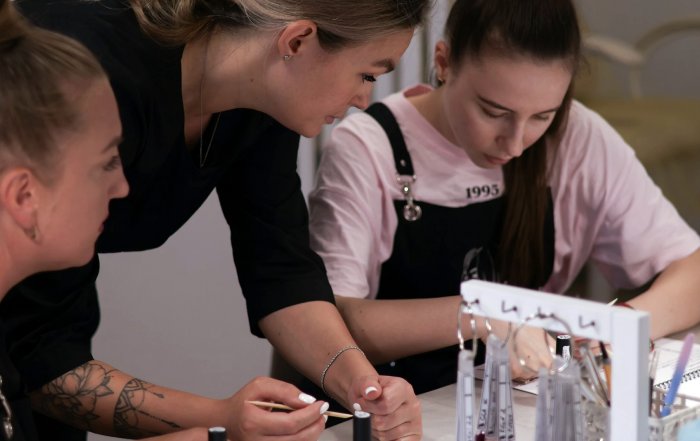

Best Finger Nail Care For Women

Last updated by Editorial team at beautytipa.com on Sunday 4 January 2026
Best Finger Nail Care For Women

The Best Fingernail Care for Women: Beauty, Wellness, and Business Perspectives

Nail care in 2026 stands firmly alongside skincare, haircare, and makeup as a core pillar of modern beauty and wellness, and for the global audience of BeautyTipa, it has become much more than a finishing touch to personal grooming; it is now a visible expression of identity, lifestyle, and professional standards, shaped by science, technology, and a rapidly evolving beauty industry. Across regions including the United States, United Kingdom, Germany, France, Canada, Australia, Italy, Spain, Netherlands, Switzerland, China, Japan, South Korea, and throughout Europe, Asia, Africa, North America, and South America, women are investing time, expertise, and financial resources into maintaining healthy, attractive nails that reflect both aesthetic preferences and deeper wellness priorities.

For readers exploring beauty on BeautyTipa, fingernail care has become a strategic part of daily routines, professional image management, and even investment decisions within the beauty business landscape, mirroring the sophistication seen in advanced skincare and wellness programs. The contemporary approach to nail care is informed by dermatology, nutrition science, clean formulation standards, sustainability metrics, and digital innovation, creating a field where experience, expertise, authoritativeness, and trustworthiness are essential to making informed choices.

Nail Health as a Mirror of Whole-Body Wellness

Modern beauty professionals and healthcare practitioners increasingly recognize nails as sensitive indicators of systemic health, and this understanding has reshaped how women in 2026 evaluate their nail routines. Smooth, strong, and evenly colored nails often signal balanced nutrition, stable hormonal function, and consistent self-care habits, while brittle, ridged, or discolored nails may point toward iron deficiency, thyroid imbalance, autoimmune conditions, or chronic stress. Organizations such as the American Academy of Dermatology highlight that subtle changes in nail texture or color can precede more visible symptoms elsewhere in the body, encouraging women to treat their nails as diagnostic clues rather than cosmetic afterthoughts; readers can explore how dermatologists view nail conditions by visiting resources from the American Academy of Dermatology.

This connection between nail appearance and internal health has driven many women to integrate nail assessments into broader wellness strategies, especially in markets like the United States, United Kingdom, Germany, Sweden, Norway, Singapore, Japan, and South Korea, where preventive medicine and holistic wellness programs are gaining traction. In high-pressure sectors such as finance, consulting, technology, fashion, and media, well-maintained nails are now seen as part of a polished professional presence that conveys attention to detail, reliability, and self-discipline, complementing skincare, grooming, and wardrobe choices.

From a business standpoint, the global nail care market continues to expand, with research groups such as Grand View Research and Allied Market Research reporting multi-billion-dollar valuations and steady growth rates through 2030, driven by demand for safer formulations, sustainable products, and tech-enabled services; readers interested in the financial dimension of this expansion can explore beauty sector overviews through Allied Market Research and deepen their understanding of beauty economics in business and finance on BeautyTipa.

Foundational Daily Nail Care Routines

In 2026, the most effective fingernail care strategies are built on consistent daily habits that protect the nail plate, cuticles, and surrounding skin, much as structured routines underpin successful skincare. Women who achieve long-term nail health tend to treat their hands and nails with the same seriousness as their face, integrating cleansing, hydration, protection, and nutrition into a coherent regimen.

Cleansing remains the first line of defense against infection and environmental buildup. Dermatologists advise using gentle, pH-balanced hand cleansers rather than aggressive soaps, especially for professionals who wash their hands frequently or work in healthcare, hospitality, or laboratory environments. Those who rely heavily on alcohol-based sanitizers, a habit that remains common in North America, Europe, and Asia, are increasingly advised to counteract dryness with barrier-repair hand creams and nourishing cuticle oils; organizations such as the Mayo Clinic provide detailed explanations of how frequent washing affects the skin barrier and nails, and interested readers can learn more about hand and nail health guidance.

Hydration of the cuticle area has become a non-negotiable step in modern nail care. Oils rich in jojoba, almond, argan, and squalane are favored for their ability to penetrate the cuticle and prevent painful hangnails, splitting, and chronic dryness, particularly in colder climates such as Canada, Northern Europe, and Finland, where low humidity and indoor heating can be especially damaging. Many women now keep portable cuticle pens at their desks or in their handbags, integrating micro-hydration moments throughout the day, a practice that aligns closely with the micro-routine philosophy promoted in skincare and wellness content on BeautyTipa.

Trimming and shaping techniques have also evolved. Glass and crystal nail files, which gently seal the free edge and reduce micro-tears, are widely recommended over rough emery boards. Shorter, rounded or squoval shapes remain popular among healthcare workers, IT professionals, and executives in Germany, Switzerland, Japan, and Singapore, who require practical yet refined nails that do not interfere with typing, medical procedures, or device use. Buffing, when done sparingly, can smooth ridges and enhance natural shine for women who prefer a polish-free, minimalist aesthetic that aligns with contemporary fashion trends in Scandinavia, Japan, and South Korea, where understated elegance is often preferred in corporate environments.

Nutrition has become a central pillar of nail health. Diets that are rich in high-quality proteins, biotin, zinc, iron, vitamin E, and omega-3 fatty acids support keratin production and nail resilience, while chronic crash dieting or restrictive eating patterns can quickly manifest as weak, peeling nails. Women in United States, United Kingdom, Australia, and Brazil increasingly turn to registered dietitians and evidence-based resources such as the Harvard T.H. Chan School of Public Health to understand how nutrient-dense foods like eggs, salmon, nuts, lentils, and leafy greens contribute to stronger nails; readers can learn more about nutrition for healthy skin, hair, and nails. This nutritional perspective is consistent with the approach to food and nutrition that BeautyTipa promotes, where nail health is seen as one visible outcome of balanced dietary habits.

Professional Nail Treatments: From Grooming to Holistic Experiences

Professional nail services in 2026 have evolved from simple manicures into multi-layered experiences that merge dermatological knowledge, spa-level relaxation, and sustainability principles, and women now evaluate salons not only on aesthetic outcomes but also on hygiene standards, ingredient transparency, and environmental impact. Classic manicures remain highly requested, particularly in urban centers such as New York, London, Paris, Berlin, Toronto, and Sydney, yet they are increasingly tailored to individual nail conditions, with technicians trained to identify early signs of damage, dehydration, or infection and to adjust products accordingly.

Spa manicures and wellness-focused hand rituals are especially popular in France, Italy, Thailand, and Switzerland, where beauty culture traditionally integrates pleasure, relaxation, and health. These services often include exfoliating scrubs, mineral-rich soaks, aromatherapy oils, and massage techniques that improve circulation and relieve tension, aligning nail care with wider wellness philosophies promoted by organizations such as Global Wellness Institute, where one can explore how spa and wellness sectors are converging.

Gel and acrylic systems have undergone a significant transformation in response to consumer concerns about nail damage and chemical exposure. Many leading brands now offer "9-free," "10-free," or "HEMA-free" gels that exclude common irritants and sensitizers, while LED curing systems are designed to minimize UV exposure time and heat spikes. Breathable gel formulas that allow water vapor transmission are gaining traction in Japan, South Korea, and Germany, where consumers are particularly attentive to nail health and formulation science. Acrylic technologies have similarly improved, with modern systems using more flexible, low-odor resins that reduce the risk of lifting and thinning when applied and removed correctly; the British Association of Dermatologists provides professional commentary on potential allergen risks in nail products, and those seeking deeper insight can review dermatology perspectives on artificial nails.

Medical-grade nail care is another growing segment, especially in United States, Germany, Japan, and Singapore, where dermatology clinics and medical spas now offer targeted treatments for fungal infections, psoriasis-related nail changes, and chronic brittleness. These services often combine prescription topicals, laser therapies, and professionally supervised nail care, creating a bridge between aesthetics and clinical medicine that appeals to women who prioritize evidence-based solutions. For those researching clinical standards, the Cleveland Clinic offers accessible overviews of nail disorders, and readers can learn more about medically supervised nail treatments.

At the same time, eco-conscious nail salons have emerged as a defining trend in cities like Los Angeles, Vancouver, Amsterdam, Copenhagen, Stockholm, and Singapore, where clients increasingly seek vegan, cruelty-free, low-toxicity polishes and removers, along with water-saving pedicure systems, energy-efficient lighting, and responsible waste management. These businesses often market their sustainability credentials as a core part of their brand identity, aligning with the broader shift toward responsible consumption and sustainable business models that BeautyTipa explores in business and finance.

💅 Ultimate Nail Care Guide 2026

Your Interactive Beauty & Wellness Companion

Daily Routine
Products
Trends
Wellness
Future Tech

1Gentle Cleansing

Use pH-balanced hand cleansers to protect the nail plate and surrounding skin. Counter alcohol-based sanitizers with barrier-repair hand creams.

2Cuticle Hydration

Apply oils rich in jojoba, almond, argan, or squalane to prevent hangnails and splitting. Keep portable cuticle pens for throughout the day.

3Proper Shaping

Use glass or crystal nail files to gently seal free edges. Choose shorter, rounded shapes for practical elegance in professional settings.

4Nutrition Focus

Consume proteins, biotin, zinc, iron, vitamin E, and omega-3s from eggs, salmon, nuts, lentils, and leafy greens for keratin production.

5Moisture Protection

Apply hand creams enriched with ceramides, shea butter, niacinamide, and hyaluronic acid to reinforce the skin barrier and nail matrix.

🌿 Clean Beauty Polishes

10-free and 12-free formulas from brands like Zoya, Butter London, and Ella+Mila. Vegan, cruelty-free, omitting formaldehyde, toluene, and DBP.

💪 Nail Strengtheners

Serums with keratin, peptides, and amino acids for improved thickness and flexibility. Ideal for post-gel recovery and age-related thinning.

🧴 Enhanced Removers

Formulas combining solvents with vitamin E, glycerin, and aloe vera to reduce dehydration. Bio-based options from sugarcane or corn.

✨ HEMA-Free Gels

Breathable gel systems that allow water vapor transmission while minimizing UV exposure and heat spikes during curing.

🔧 Smart Tools

Glass files, stainless steel cuticle pushers, and AI-assisted home manicure devices with camera analysis and companion apps.

💆 Luxury Hand Creams

Premium formulations from Chanel, Dior, La Mer, Eucerin, and CeraVe with ceramides and niacinamide for barrier repair.

Minimalist Corporate

Neutral palettes, negative space, and subtle metallics popular in finance, law, and consulting sectors globally.

Bold Cultural Expression

Vibrant colors, 3D embellishments, and holographic finishes reflecting local cultures in Brazil, Mexico, and Asia-Pacific.

Smart Nail Tech

NFC-embedded accessories for unlocking phones, storing digital cards, and triggering app actions with a tap.

Eco-Conscious Salons

Water-saving systems, energy-efficient lighting, vegan products, and responsible waste management practices.

Medical-Grade Care

Dermatology clinics offering laser therapies and prescription treatments for fungal infections and psoriasis.

AI Nail Art

Camera-guided devices that analyze nails and print intricate designs directly onto the nail surface.

🔍 Diagnostic Indicators

Nail changes can signal iron deficiency, thyroid imbalance, autoimmune conditions, or chronic stress before other symptoms appear.

🥗 Nutritional Connection

Strong nails reflect balanced nutrition and stable hormonal function. Crash dieting quickly manifests as weak, peeling nails.

🧘 Stress Management

Yoga, meditation, and breathwork help regulate cortisol, supporting healthier growth patterns for hair and nails.

💆 Spa Integration

Luxury resorts offer nail therapies with herbal infusions, mineral baths, and reflexology for circulation and relaxation.

💼 Professional Image

Well-maintained nails signal attention to detail, reliability, and self-discipline in high-pressure sectors like tech and finance.

🔬 Biotechnology Innovations

Self-healing nail coatings using microencapsulated ingredients that repair minor cracks when exposed to body heat. Personalized formulations adjusted to individual nail porosity.

🌱 Sustainability Evolution

Refillable polish systems, biodegradable glitters from plant cellulose, waterless salon protocols, and closed-loop recycling aligning with UN Sustainable Development Goals.

📱 AI & Diagnostics

Smartphone apps scanning nails for early infection signs, teledermatology connections, and computer vision for personalized product recommendations.

👗 Fashion Integration

Designers planning nail concepts with runway collections. LED-powered elements changing color via mobile apps as storytelling elements in brand campaigns.

Essential Nail Products and Tools in 2026

The at-home nail care market has matured significantly, and women now navigate a landscape of advanced, data-backed products designed to deliver salon-quality results with minimal risk. Nail strengtheners and serums formulated with keratin, peptides, amino acids, and plant-based oils are widely available, often supported by clinical testing that demonstrates improvements in thickness, flexibility, and resistance to peeling. Established brands such as OPI, Sally Hansen, and Essie, along with clean-beauty leaders and indie labels, compete to offer targeted solutions for post-gel recovery, age-related thinning, and occupational wear, while dermatology-oriented lines draw on research published in journals like the Journal of the American Academy of Dermatology, where readers can explore scientific discussions on nail disorders and treatments.

Eco-friendly nail polishes have moved from niche to mainstream. "10-free" and "12-free" formulas, which omit ingredients such as formaldehyde, toluene, DBP, camphor, and certain plasticizers, are widely stocked in retailers across North America, Europe, and Asia-Pacific. Brands like Zoya, Butter London, Ella+Mila, and newer European and Asian clean-label innovators emphasize vegan, cruelty-free credentials and often use plant-derived solvents and pigments. For BeautyTipa readers exploring brands and products, this shift reflects a broader consumer insistence on ingredient transparency, similar to what has already occurred in skincare and haircare.

Nail polish removers have also improved, with many 2026 formulas combining acetone or alternative solvents with vitamin E, glycerin, aloe vera, or plant oils to reduce dehydration and white flaking of the nail surface. Some companies are experimenting with bio-based solvents derived from sugarcane or corn, aiming to lower environmental impact while maintaining performance, an approach that aligns with guidance from organizations such as the Environmental Working Group, where consumers can learn more about evaluating cosmetic ingredients.

In terms of tools, stainless steel cuticle pushers, precision nippers, glass files, and high-quality buffers remain core investments, but the most notable development is the rise of smart and semi-automated manicure devices. AI-assisted home manicure systems, pioneered in South Korea, Japan, and China, use cameras and algorithms to analyze nail length, shape, and condition, guiding users through filing, shaping, and polishing via companion apps. Some devices can even print intricate nail art designs directly onto the nail surface, blending beauty and technology in ways that BeautyTipa explores in technology beauty.

Moisturizing hand creams tailored for nail health are another growth category. Premium skincare houses such as Chanel, Dior, and La Mer, along with dermatology brands like Eucerin and CeraVe, offer hand formulations enriched with ceramides, shea butter, niacinamide, and hyaluronic acid, designed to reinforce the skin barrier while supporting the nail matrix. Resources from the National Eczema Association highlight the importance of barrier repair in preventing dryness and irritation on hands and around nails, and readers can learn more about protecting hand skin and cuticles.

Nail Art as Personal, Cultural, and Professional Expression

By 2026, nail art has firmly established itself as a legitimate artistic discipline and a powerful mode of self-expression that crosses borders and cultures, with trends often spreading rapidly from Seoul, Tokyo, and Bangkok to Los Angeles, New York, London, and São Paulo through social media and global fashion events. For many women, nails serve as a small but highly visible canvas that can be updated more frequently than wardrobes, allowing experimentation with color, texture, and symbolism in a way that complements their personal style and professional environment.

Minimalist nail aesthetics remain especially favored among corporate professionals in sectors such as law, consulting, and finance in United Kingdom, Germany, Switzerland, Singapore, and Japan, where neutral palettes, negative space designs, and subtle metallic or micro-glitter accents project refinement without distraction. This understated approach resonates with modern fashion philosophies that emphasize longevity, versatility, and quiet luxury.

Conversely, bold and culturally expressive nail art continues to flourish in Brazil, Mexico, United States, South Africa, and parts of Asia-Pacific, where bright colors, 3D embellishments, anime-inspired motifs, and holographic finishes reflect vibrant local cultures and digital influences. International runways and beauty shows increasingly feature collaborations between fashion houses and star nail artists, with brands such as Gucci, Balenciaga, and Swarovski commissioning custom nail looks that align with seasonal collections. For readers following trends, nail art now plays a central role in storytelling on the catwalk and in campaign imagery.

Technology is amplifying this creative landscape. Smart nail stickers and microchip-embedded nail accessories, developed by innovative companies in Japan, Singapore, and South Korea, allow wearers to unlock smartphones, store digital business cards, or trigger NFC-enabled actions with a tap, transforming nails into functional wearables. LED-powered nail elements that change color or pattern via mobile apps add a futuristic dimension, particularly popular among younger consumers and attendees of events such as beauty expos, tech conferences, and music festivals. Organizations like CES (Consumer Electronics Show) have begun showcasing beauty tech, including nail innovations, and interested readers can explore how beauty and technology intersect.

Global Market Dynamics and Business Opportunities

The global nail care industry in 2026 is shaped by a blend of regional preferences, demographic shifts, and technological innovation, and for business-focused readers of BeautyTipa, it represents a compelling case study in how a once "small" category can become a strategic growth engine. North America and Western Europe remain mature markets characterized by high per-capita spending, strong salon cultures, and a growing emphasis on clean and sustainable formulations. Asia-Pacific, particularly China, South Korea, Japan, Thailand, and Singapore, continues to be a hub for innovation in both product technology and nail art, often setting global trends that are later adopted in United States, United Kingdom, and Australia.

In Latin America, with countries like Brazil and Mexico at the forefront, independent nail salons and mobile nail services have become important sources of employment and entrepreneurship for women, supported by a strong cultural affinity for bold, expressive nail styles. In Africa, especially in urban centers in South Africa, Nigeria, and Kenya, rising disposable incomes and digital access are fueling demand for beauty services, including nail care, with local entrepreneurs building hybrid salons that combine hair, makeup, and nails. Organizations such as McKinsey & Company and Euromonitor International regularly analyze these regional patterns, and business readers can learn more about global beauty market dynamics.

Consumer expectations are increasingly shaped by three core demands: health-consciousness, sustainability, and personalization. Women are scrutinizing ingredient lists, seeking cruelty-free and vegan certifications, and evaluating brands on their environmental commitments, from packaging choices to manufacturing practices. Simultaneously, personalization is becoming the norm; AI-driven shade matching, subscription boxes curated to nail condition and style preferences, and digital consultations are reshaping how products are discovered and purchased. For entrepreneurs and investors exploring opportunities within this space, BeautyTipa's business and finance section offers ongoing insight into funding trends, brand strategies, and consumer behavior.

Careers and Skills in the Nail Care Economy

The professional landscape surrounding nail care has expanded dramatically, offering diverse career paths that range from hands-on artistry to product development, education, and digital entrepreneurship. Nail artists and technicians in 2026 often operate as multi-platform professionals, combining in-salon work with social media content creation, brand collaborations, and online education. Top artists in cities like Los Angeles, New York, London, Seoul, and Tokyo command global followings on platforms such as Instagram, TikTok, and YouTube, where they showcase techniques, review products, and influence purchasing decisions across continents.

Salon owners increasingly position their businesses as lifestyle destinations rather than simple service providers, integrating curated interiors, wellness offerings, and sustainable operations to differentiate themselves in crowded markets. Many successful entrepreneurs in United States, Canada, Germany, Netherlands, and Australia design their salons to be Instagrammable spaces that encourage user-generated content, effectively turning clients into brand advocates. At the same time, franchise models and training academies are emerging to standardize high-quality service and hygiene practices across regions, reflecting the growing professionalization of the sector.

Behind the scenes, chemists, product developers, regulatory specialists, and marketing professionals are essential to the creation and global distribution of nail products. Companies in Germany, France, Japan, and South Korea are particularly active in R&D, leveraging their strong chemical and cosmetic science ecosystems to develop new polymers, pigments, and delivery systems. For readers evaluating career shifts or new qualifications, BeautyTipa's jobs and employment section highlights how skills in formulation science, digital marketing, e-commerce, and sustainability can be applied within the nail industry.

Educators and influencers also play a critical role in shaping standards and expectations. Online academies and certification programs, some backed by recognized institutions and industry bodies, provide structured training in sanitation, advanced nail techniques, and business management. Organizations such as Milady and CIDESCO International support global education frameworks in beauty and wellness, and those interested can explore professional standards and training opportunities. For BeautyTipa's international audience, this growing infrastructure means that nail careers are increasingly portable across borders, supported by recognized qualifications and digital portfolios.

Nails Within a Holistic Wellness Lifestyle

The convergence of beauty and wellness, a key theme across BeautyTipa, is clearly visible in how nails are now integrated into broader health and lifestyle strategies. Many women in Scandinavia, Canada, New Zealand, Singapore, and Japan view nail health as one of several visible indicators-alongside skin clarity, hair strength, and energy levels-that signal how well their overall lifestyle is functioning. Changes in nail growth rate, color, or texture may prompt them to adjust diet, sleep, stress management, or supplement routines, reinforcing a feedback loop between external appearance and internal well-being.

Luxury wellness resorts and medical spas in destinations such as Thailand, Bali, Switzerland, and South Africa have introduced nail-focused therapies that incorporate herbal infusions, mineral baths, and reflexology to support circulation and relaxation, integrating nails into comprehensive spa journeys. These experiences align with research from organizations like the World Health Organization on the benefits of stress reduction and preventive care, which readers can explore through WHO's health promotion resources. On a more accessible level, everyday wellness practices such as yoga, meditation, and breathwork help regulate cortisol and support healthier growth patterns for hair and nails, linking mental well-being directly to physical appearance, a connection that BeautyTipa regularly emphasizes in health and fitness content.

The Future of Fingernail Care: Science, Sustainability, and Personalization

Looking beyond 2026, the trajectory of nail care suggests even deeper integration of biotechnology, digital tools, and sustainability. Researchers and companies are experimenting with self-healing nail coatings that use microencapsulated ingredients to repair minor cracks and chips when exposed to body heat or friction, inspired by advances in smart materials and biomimicry. Personalized nail formulations, adjusted to individual nail porosity, oil levels, and environmental exposure, are being explored in R&D labs in United States, Germany, and Japan, potentially enabling polishes and treatments that last longer and cause less damage over time.

Sustainability is expected to move from differentiation to baseline expectation. Refillable polish systems, biodegradable glitters derived from plant cellulose, waterless salon protocols, and closed-loop recycling for bottles and tools are gaining momentum, guided by frameworks such as the UN Sustainable Development Goals, which businesses can review to align their practices with global sustainability targets. For BeautyTipa readers interested in how nail brands and salons will adapt, this means that future purchasing decisions will be supported by clearer environmental data and certifications, making it easier to choose products and services that align with personal values.

AI and computer vision technologies will likely play an even larger role in home and professional nail care. Smartphone apps capable of scanning nails to detect early signs of fungal infection, psoriasis, or nutritional deficiencies are in development, potentially connecting users to teledermatology consultations or personalized product recommendations, similar to how skin analysis apps already function. These tools, when responsibly designed and validated, can democratize access to expert guidance, especially in regions where dermatologist access is limited. For readers following technology beauty, nails represent one of the most exciting frontiers where diagnostics, personalization, and aesthetics intersect.

Fashion integration will continue to deepen, with designers increasingly planning nail concepts in parallel with clothing, accessories, and makeup for runway shows and editorial shoots. Nails will remain an important storytelling element in brand campaigns, reflecting themes such as sustainability, futurism, heritage, or minimalism. As global fashion capitals like Milan, Paris, New York, London, and Tokyo evolve their aesthetics, nails will continue to serve as a visible, adaptable medium through which trends are translated into everyday life, and BeautyTipa will track these developments in trends and makeup coverage.

A Strategic, Holistic Approach for BeautyTipa Readers

For the global audience of BeautyTipa, the best fingernail care in 2026 is not defined by a single product or service, but by a strategic, holistic approach that combines consistent daily routines, informed professional treatments, science-backed products, and an awareness of how nails reflect broader health and lifestyle patterns. From cuticle hydration and nutrient-rich diets to eco-conscious polishes, AI-assisted manicure devices, and wellness-driven spa experiences, women in United States, United Kingdom, Germany, Canada, Australia, France, Italy, Spain, Netherlands, Switzerland, China, Japan, South Korea, Thailand, South Africa, Brazil, Malaysia, and beyond can curate nail care plans that align with their values, ambitions, and cultural contexts.

Nails today are both a subtle professional signal and a powerful personal statement, a site where beauty, wellness, technology, and business converge. By engaging with expert resources, trusted organizations, and curated guidance across BeautyTipa-from skincare and wellness to guides and tips and international perspectives-readers can build nail care practices that are not only aesthetically refined, but also grounded in evidence, sustainability, and long-term well-being, reflecting the resilience, creativity, and evolving aspirations of women worldwide.

Full Guide Explaining All Hair Treatments for Beautiful Ladies

Last updated by Editorial team at beautytipa.com on Saturday 3 January 2026
Full Guide Explaining All Hair Treatments for Beautiful Ladies

Global Hair Treatments in 2026: Where Beauty, Science, and Wellness Meet

Hair treatments in 2026 have evolved into a sophisticated intersection of aesthetics, health, and technology, and for the audience of BeautyTipa, they now represent far more than occasional indulgences. Across North America, Europe, Asia, Africa, and South America, women are turning to advanced therapies not only to refine their personal style but also to protect long-term hair and scalp health, manage stress-related changes, and align beauty routines with broader wellness and sustainability goals. The global industry has matured into a science-led ecosystem in which leading organizations such as L'Oréal, Wella Professionals, Dyson, Kérastase, Olaplex, and Aveda integrate biotechnology, digital diagnostics, and environmentally responsible sourcing, reshaping what "good hair days" mean in everyday life and in professional, social, and digital environments.

For BeautyTipa, whose readers follow developments in beauty, wellness, skincare, routines, brands and products, and trends, haircare has become a natural extension of a holistic lifestyle. The most successful approaches in 2026 are those that combine dermatological insight, cosmetic chemistry, data-driven personalization, and cultural sensitivity, ensuring that women in the United States, United Kingdom, Germany, Canada, Australia, France, Italy, Spain, the Netherlands, Switzerland, China, South Korea, Japan, Singapore, the Nordic countries, South Africa, Brazil, Malaysia, New Zealand and beyond can adapt global innovations to their local climates, textures, and cultural expectations.

Deep Hydration and Structural Repair: The Foundation of Modern Haircare

Hydration and repair remain the backbone of contemporary hair treatment routines, but the science behind them has advanced dramatically. Environmental stressors such as urban pollution, UV exposure, hard water, and indoor heating or air conditioning, combined with frequent coloring and heat styling, continue to deplete moisture and weaken the keratin structure of hair. In response, professional-grade deep conditioning treatments now blend bond-building chemistry with lipid replenishment and microbiome-friendly ingredients, mirroring the evolution that previously transformed high-end facial skincare.

Salon systems inspired by products like Olaplex bond builders, Kérastase Fusio-Dose concentrates, and biomimetic peptide complexes are now designed to penetrate the cortex rather than simply coating the cuticle, supporting elasticity and tensile strength over multiple wash cycles. Many treatments are paired with diagnostic tools, such as camera-based strand analysis and porosity mapping, which are increasingly common in premium salons in New York, London, Paris, Berlin, Seoul, and Tokyo. These tools help professionals identify whether a client's primary need is protein reinforcement, lipid replenishment, or moisture balance, making the treatment protocol more precise and reducing the risk of overloading hair with the wrong actives.

At home, women worldwide are adopting weekly or bi-weekly masking rituals, often integrated into broader self-care routines that also include facial masks, body treatments, and mindfulness practices. Leave-in creams enriched with ceramides, hyaluronic acid, and plant oils, as well as overnight repair serums, allow users to maintain salon-level results between visits. Many of the same consumers who carefully curate their skincare regimens are now applying similar discipline to hair, aligning their choices with the guidance found in BeautyTipa's guides and tips and with dermatology-informed resources from organizations such as the American Academy of Dermatology and the British Association of Dermatologists.

Smoothing, Keratin, and Texture Management in a Safety-First Era

Keratin and smoothing treatments have undergone a quiet but significant transformation since their first global wave of popularity. Earlier controversies around formaldehyde and harsh fumes prompted regulators and consumers to demand safer alternatives, and by 2026, the most reputable formulas in markets such as the United States, Brazil, Germany, the Nordic region, and the Middle East emphasize low-toxicity or formaldehyde-free chemistry, stringent salon ventilation standards, and transparent ingredient disclosure.

Modern smoothing systems offered by companies such as Wella Professionals and L'Oréal Professionnel no longer aim to force a uniform, pin-straight result; instead, they focus on frizz reduction, humidity resistance, and manageability while respecting natural curl and wave patterns. In practice, this means that a woman in humid Singapore or Dubai can opt for a treatment that reduces daily styling time and frizz without sacrificing the volume or movement that suits her personal and professional image. Regulatory and safety insights from bodies such as the European Chemicals Agency and the U.S. Food and Drug Administration have also influenced product development and salon protocols, reinforcing consumer trust.

At the same time, plant-based and heat-free texture management has gained traction, particularly in eco-conscious markets such as Scandinavia, Germany, the Netherlands, and parts of Australia and Canada. Enzyme-based smoothing creams, amino acid complexes, and sugar-derived bonding agents aim to temporarily refine the cuticle without deeply altering the internal structure of the hair. This approach appeals strongly to women who follow clean-beauty philosophies and who often also prioritize sustainable fashion and wellness choices, as reflected in the lifestyle coverage on BeautyTipa's fashion page.

Hair Color as Science, Art, and Protection

Hair color remains one of the most transformative and emotionally significant beauty services, and in 2026 it is also one of the most technologically sophisticated. Major color houses such as L'Oréal Professionnel, Wella Professionals, Schwarzkopf Professional, and Aveda have invested heavily in ammonia-free and low-odor systems, advanced pigment dispersion, and protective co-treatments that minimize cuticle swelling and protein loss. Hybrid formulas that combine direct and oxidative dyes allow colorists to achieve high-impact shades with less structural disruption, which is especially important for repeated lightening or fashion colors.

Bond-building solutions, popularized by Olaplex and followed by brands like K18 Biomimetic Hairscience, have become standard in blonding and high-lift services across salons in the United States, United Kingdom, France, Italy, Spain, South Korea, and Japan. These treatments are now often integrated into the color mixture itself, rather than applied as a separate step, enabling stylists to push creative boundaries with reduced risk of breakage. Professional organizations like the Professional Beauty Association and trend platforms such as Vogue regularly highlight how these innovations expand possibilities for red-carpet and editorial looks while protecting hair integrity.

For BeautyTipa readers who frequently color their hair, structured maintenance routines have become essential. Sulfate-free, color-safe shampoos, pH-balancing conditioners, and weekly bond-repair masks are now considered non-negotiable components of a responsible regimen, much like SPF and antioxidants are for facial skincare. Detailed, step-by-step maintenance frameworks that integrate color care with overall routines help ensure that vibrancy and shine are preserved between salon visits.

🌟 Hair Treatments 2026 Explorer

Discover global innovations in beauty, science & wellness

Core Treatment Categories

💧 Deep Hydration & Repair

Bond-building chemistry with peptides & ceramides. Salon diagnostics include strand analysis and porosity mapping for precision treatments.

✨ Smoothing & Keratin

Formaldehyde-free formulas that reduce frizz while respecting natural texture. Heat-free enzyme systems gaining popularity in eco-conscious markets.

🎨 Advanced Color

Ammonia-free systems with integrated bond builders. Hybrid formulas enable high-impact shades with minimal structural damage.

🌿 Scalp Health

Exfoliating tonics, microbiome balancing, and LED therapy. "Scalp facials" now standard in Asian and European clinics.

📈 Growth & Anti-Loss

PRP injections, low-level laser therapy, and evidence-based nutraceuticals. Clinic-grade solutions for confidence and executive presence.

Global Regional Trends

🇺🇸 North America

Multitasking products, biotech adoption, smart devices in urban hubs

🇪🇺 Europe

Sustainability focus, clean formulations, luxury salon experiences

🇰🇷 Asia

Scalp diagnostics, biotech serums, hybrid spa-clinic innovations

🇿🇦 Africa

Protective styling, curl-respecting treatments, scalp-focused oils

🇧🇷 South America

Advanced smoothing, multi-step hydration rituals, texture innovation

🇦🇪 Middle East

Luxury treatments for heat/dryness, exceptional shine and strength focus

Technology Evolution

🔬 Smart Devices

AI-powered hairdryers and stylers monitor moisture and temperature in real-time, automatically adjusting to minimize damage.

💻 Virtual Diagnostics

Camera-based analysis of density, curl pattern, and scalp condition generates personalized treatment plans updated dynamically.

🎭 AR Visualization

Augmented reality apps allow clients to preview color, length, and texture changes before committing to services.

🧬 Biotechnology

Bond-building molecules, biomimetic peptides, and enzyme systems that penetrate the cortex for lasting repair.

🔮 Future: DNA & Stem Cells

Research points toward genomic haircare and regenerative therapies, though ethical and cost considerations remain central.

Leading Global Brands

2026 Haircare Insights

5+
Treatment Categories
20+
Countries Covered
10+
Leading Brands
AI
Powered Diagnostics

🌍 Holistic Integration

Modern haircare intersects with dermatology, wellness, sustainability, and technology. Treatments now address not just aesthetics but long-term health, stress management, and environmental responsibility.

💼 Career Opportunities

Expanding roles include trichology consultants, scalp therapy specialists, beauty tech engineers, digital content creators, and independent stylists leveraging social platforms.

Scalp Health: Where Dermatology and Beauty Converge

One of the most important shifts by 2026 is the normalization of scalp care as a central pillar of hair health, mirroring the "skinification of hair" trend. Consumers increasingly recognize that issues such as flaking, itching, excess oil, sensitivity, and thinning often originate at the scalp level and may be linked to microbiome imbalances, inflammation, hormonal changes, or stress. This awareness has led to a surge in dedicated scalp treatments that combine cosmetic elegance with dermatological rigor.

Brands like Philip Kingsley, Davines, Head & Shoulders Supreme, and premium lines from Kérastase and Aveda offer exfoliating tonics, leave-on serums with niacinamide and salicylic acid, and soothing complexes featuring ingredients such as piroctone olamine, zinc, and plant extracts. Clinics in South Korea, Japan, Singapore, and major European capitals have turned "scalp facials" into a standard service category, using techniques such as microdermabrasion, ultrasound infusion, and LED or low-level laser therapy to support circulation and follicle health. Medical organizations including the International Society of Hair Restoration Surgery and the American Hair Research Society have contributed to a more nuanced understanding of how early intervention can slow or mitigate certain forms of hair loss.

For BeautyTipa's global audience, scalp health has become a natural extension of broader wellness practices, especially for those who already follow structured wellness and health and fitness routines. Many women now treat scalp massage, gentle exfoliation, and targeted serums as weekly rituals that support both relaxation and long-term density.

Hair Growth, Thinning, and Anti-Loss Strategies in 2026

Concerns about hair thinning and shedding have intensified in recent years, influenced by stress, post-viral syndromes, hormonal transitions, and lifestyle changes. In 2026, the response to these concerns spans over-the-counter solutions, prescription treatments, clinic-based procedures, and nutrition-focused strategies, reflecting a more integrated understanding of hair biology.

Topical formulations featuring minoxidil, peptides, caffeine, and botanical complexes remain widely used, but they are increasingly supported by evidence-based nutraceuticals that provide iron, vitamin D, zinc, marine collagen, and amino acids essential for keratin synthesis. Many of these products are formulated in line with guidance from authorities such as the National Institutes of Health Office of Dietary Supplements and the European Food Safety Authority, strengthening consumer confidence in dosage and safety.

At the clinical level, platelet-rich plasma (PRP) injections, low-level laser therapy, and exosome-based treatments have gained broader acceptance in dermatology practices across the United States, Germany, South Korea, Singapore, the United Kingdom, and the Gulf region. These procedures aim to stimulate follicular activity and prolong the anagen phase of hair growth, with protocols often tailored to each patient's pattern of thinning and medical history. As regenerative medicine advances, research from institutions highlighted by organizations like the American Academy of Dermatology and academic centers in Switzerland and Japan continues to refine which candidates benefit most from these interventions.

For professional women and entrepreneurs, especially those featured in BeautyTipa's business and finance coverage, addressing hair thinning is often as much about confidence and executive presence as it is about appearance. As a result, discreet, clinic-grade solutions that fit into demanding schedules are particularly valued.

Clean, Organic, and Culturally Rooted Treatments

Clean beauty has moved from niche to mainstream, and haircare is now a central part of that shift. In 2026, many women seek treatments that align with environmental values, ethical sourcing, and cultural heritage, without compromising performance. This trend is especially strong in Germany, the Nordic countries, the Netherlands, Australia, Canada, and parts of Asia and South America, but it is increasingly global in scope.

Brands such as Aveda and Rahua have become reference points for botanical, sustainably sourced haircare, while smaller regional labels in France, Italy, Brazil, South Africa, Japan, and Thailand reinterpret traditional remedies-such as hibiscus, amla, fermented rice water, argan oil, baobab oil, and camellia oil-through a modern, clinically tested lens. Certifications from organizations like COSMOS and Ecocert help consumers navigate claims around organic content and environmental impact, and many brands now provide transparent life-cycle information in line with frameworks promoted by the UN Environment Programme.

For BeautyTipa readers who already integrate nutritious eating and mindful living into their routines, as reflected in the site's food and nutrition and wellness content, these natural treatments often feel like a seamless extension of a broader lifestyle philosophy. They also resonate strongly with communities who view hair rituals as an expression of cultural identity and intergenerational knowledge.

Technology and AI: Personalization at Scale

By 2026, technology has become a defining force in haircare, enabling levels of personalization and predictability that were impossible a decade ago. Dyson, L'Oréal, Panasonic, and other innovators have integrated sensors, connectivity, and artificial intelligence into devices and diagnostic tools, allowing both professionals and consumers to make more informed decisions.

Smart hairdryers and stylers now monitor temperature, humidity, and hair moisture in real time, automatically adjusting heat output to minimize damage while maintaining styling efficiency. Virtual consultation platforms, supported by AI-driven analysis of hair density, curl pattern, color history, and scalp condition, generate tailored treatment plans and product recommendations that can be updated dynamically as conditions change. Many of these developments are aligned with the broader "beauty tech" movement discussed on BeautyTipa's technology beauty page and echoed by global innovation forums such as the World Economic Forum in their commentary on the digital transformation of consumer industries.

Augmented reality applications have also matured, allowing women to visualize hair color, length, and texture changes with impressive accuracy before committing to a service. This capability has reduced the anxiety associated with major transformations and has enabled stylists in cities from Los Angeles and London to Seoul and São Paulo to collaborate with clients more transparently on outcomes. As with skincare, data privacy and ethical AI use have become important considerations, and leading companies are increasingly vocal about adherence to global standards such as those discussed by the OECD on AI principles.

Global and Regional Perspectives on Haircare in 2026

Regional preferences continue to shape how global innovations are adopted and adapted. In the United States and Canada, there is strong demand for multitasking treatments that reconcile busy schedules with high performance, often combining bond repair, color protection, and heat defense in single products. Major metropolitan areas such as New York, Los Angeles, Toronto, and Vancouver are hubs for early adoption of biotech treatments and smart devices, while suburban and rural markets lean more toward at-home solutions and retail-based education, supported by digital content from platforms like BeautyTipa and international authorities such as Allure and Harper's Bazaar.

In Europe, artistry and sustainability coexist. France, Italy, and Spain maintain a strong culture of luxurious salon experiences, with bespoke rituals and high-shine finishes central to personal style, while Germany, the Netherlands, Switzerland, and the Nordic countries emphasize clean formulations, minimal waste, and transparent sourcing. Asia remains a powerhouse of innovation, with South Korea and Japan leading in scalp diagnostics, biotech serums, and hybrid spa-clinic experiences, and Southeast Asian markets such as Thailand and Malaysia integrating haircare into holistic spa traditions that combine massage, aromatherapy, and herbal treatments.

Africa and South America continue to influence global hair trends through textured-hair innovation and smoothing systems. In South Africa, Nigeria, and Kenya, protective styling, curl-respecting treatments, and scalp-focused oils are key categories, while Brazil remains synonymous with advanced smoothing and multi-step hydration rituals. The Middle East, particularly the United Arab Emirates, Saudi Arabia, and Qatar, has emerged as a luxury epicenter, with women investing in high-end treatments designed to resist intense heat and dryness while delivering exceptional shine and strength.

For readers who follow BeautyTipa's international coverage, these regional nuances highlight how global brands and local entrepreneurs are co-creating a diverse but interconnected haircare landscape.

Careers, Innovation, and the Business of Hair

The expansion of the haircare sector has also reshaped employment and entrepreneurship, an area of particular relevance to BeautyTipa's audience interested in jobs and employment and business and finance. Salons and spas now recruit not only stylists and colorists but also trichology consultants, scalp therapy specialists, digital content creators, and technology-literate professionals who can operate diagnostic devices and interpret data. Beauty tech companies hire engineers, data scientists, and UX designers to develop the apps and tools that power the next generation of personalized treatments.

Independent stylists leverage social platforms and digital booking tools to build their own brands, offer virtual consultations, and collaborate with product companies on co-branded services or educational content. Many of them specialize in niches-such as curly hair, bridal styling, scalp health, or sustainable beauty-reflecting the increasingly segmented nature of consumer demand. Industry associations and training bodies, including the National Hair & Beauty Federation in the UK and similar organizations worldwide, have expanded their curricula to cover business skills, digital marketing, and client education.

At the innovation frontier, biotech startups and established corporations are collaborating with academic institutions on regenerative and genomic solutions. Research published through platforms such as PubMed and summarized by professional societies points toward a future in which DNA-informed haircare, stem-cell-based therapies, and advanced exosome formulations may offer more targeted and durable solutions to thinning and damage, though ethical, regulatory, and cost considerations remain central to their evolution.

Haircare as Identity, Confidence, and Long-Term Strategy

Across all these developments, one constant remains: hair is deeply personal. For BeautyTipa's readers, whether they are experimenting with new looks, managing hair changes linked to life stages, or aligning their routines with values around sustainability and wellness, the choices they make in 2026 are better informed and more diverse than ever before. The convergence of dermatology, cosmetic chemistry, data science, and cultural creativity has turned haircare into a field where experience, expertise, authoritativeness, and trustworthiness are essential, both for brands and for the platforms that guide consumer decisions.

By engaging with in-depth resources across BeautyTipa's homepage, from skincare and wellness to technology beauty and international insights, women can approach hair treatments not as isolated services but as part of a long-term strategy for health, confidence, and self-expression. In this new era, the most successful hair journeys are those that combine scientific rigor with personal meaning, allowing every woman, wherever she lives and whatever her lifestyle, to define beauty on her own terms while benefiting from the best that global innovation has to offer.

The Art and Science of Womens Fragrance Classification in the Perfume Industry

Last updated by Editorial team at beautytipa.com on Saturday 3 January 2026
The Art and Science of Womens Fragrance Classification in the Perfume Industry

Women's Fragrance Classification: How Scent, Science, and Strategy Shape the Modern Perfume Landscape

Fragrance has always occupied a singular place in beauty: it is invisible yet unforgettable, intimate yet shared, grounded in chemistry yet driven by emotion. While skincare and makeup can be seen, perfume creates a personal aura that lingers in memory and often becomes part of an individual's identity. In 2026, women's fragrance classification is no longer a purely technical exercise reserved for perfumers; it has become a strategic, educational, and deeply personal tool that helps consumers navigate an increasingly complex global perfume market. For BeautyTipa.com, whose audience spans beauty, wellness, fashion, and business across continents, understanding how this classification works-and why it matters-has become central to helping readers make more informed, confident, and meaningful fragrance choices.

From Classic Perfume Families to a Global Language of Scent

The roots of fragrance classification stretch back to the early twentieth century, when European perfumers began organizing perfumes into broad families to describe their dominant character. At that time, categories such as floral, woody, and oriental were sufficient to differentiate the relatively small number of prestige offerings from houses like Chanel, Dior, and Guerlain, which were already defining what luxury scent meant in France, Italy, and beyond. As the global perfume market expanded through the late twentieth century, classification systems had to evolve to keep pace with an explosion of new launches, ingredients, and styles.

A pivotal moment came in 1984 when Michael Edwards introduced the now-famous Fragrance Wheel, a visual taxonomy that grouped perfumes into families such as Floral, Oriental (now more commonly referred to as Amber), Woody, and Fresh, and then divided these into subfamilies. This framework gave both professionals and consumers a shared vocabulary, helping retailers structure their fragrance shelves and enabling customers to understand why they gravitated toward certain scents. Over time, as cultural awareness grew, terminology shifted; the move from "oriental" to "amber" reflected a broader push toward more respectful and inclusive language, mirroring wider changes in how the beauty industry addresses culture and identity.

By 2026, classification has become a living system rather than a fixed chart. It absorbs new olfactory trends, responds to regulatory shifts, and reflects consumer values around sustainability, wellness, and personalization. Readers who follow BeautyTipa's beauty coverage can see how this evolution in language and structure parallels the broader transformation of the beauty sector into a more transparent, data-driven, and ethically conscious industry.

The Anatomy of a Perfume: Notes, Structure, and Families

At the heart of fragrance classification lies a scientific understanding of how a perfume is built. Every fine fragrance is composed in three main stages-top, heart, and base notes-each defined by the volatility and molecular weight of its ingredients. Top notes, often citrus, green, or light fruity accords, are the first impression and evaporate quickly; heart notes, typically floral, spicy, or aromatic, form the core identity of the scent; base notes, usually woods, musks, ambers, and resins, provide depth and longevity, lingering on the skin for hours and sometimes on clothing for days.

These structural layers are then mapped into families. Floral fragrances, dominated by notes such as rose, jasmine, iris, peony, and orange blossom, remain the backbone of the women's fragrance market, with icons like Chanel No. 5 and Dior J'Adore continuing to influence new launches. Fresh families encompass citrus, green, aquatic, and airy fruity compositions that appeal strongly in markets such as the United States, Canada, and Australia, where clean, energetic scents are favored for daytime and office wear. Woody families, built around sandalwood, cedar, vetiver, and patchouli, have historically been associated with more masculine or unisex styles, but in recent years have become central to sophisticated women's fragrances, especially in Germany, Switzerland, and Scandinavia, where minimalist and nature-inspired aesthetics dominate. The amber family, which includes warm, resinous, and often spicy notes such as vanilla, benzoin, labdanum, and incense, remains essential in luxury perfumery and is strongly associated with evening wear, sensuality, and high-end niche creations.

This scientific layering is not merely academic. It shapes how a consumer in London, New York, Tokyo, or São Paulo experiences a scent over time, and it underpins the way fragrance advisors, beauty editors, and platforms like BeautyTipa's skincare section explain how a perfume might interact with skin type, climate, and lifestyle. As ingredient transparency improves and more brands publish detailed note pyramids, classification becomes a powerful educational tool that demystifies fragrance and makes it more accessible to both enthusiasts and newcomers.

Culture, Geography, and the Scent of Place

Women's fragrance preferences are deeply shaped by culture, climate, and local beauty ideals, so classification inevitably takes on a geographic dimension. In North America, especially the United States and Canada, consumers have long favored fresh florals, fruity florals, and gourmand scents that blend sweetness with lightness, a trend reinforced by the success of brands under groups like Estée Lauder and Coty. In France, Italy, and Spain, the heritage of haute parfumerie encourages a more daring palette, where powdery florals, rich ambers, and complex chypres retain strong appeal, and where consumers are often more comfortable with pronounced sillage and longevity.

Across the Middle East and parts of Asia, especially United Arab Emirates, Saudi Arabia, and increasingly Qatar, oud, amber, and musk form an essential part of olfactory culture, with layering of oils and sprays creating personalized signatures. This tradition has significantly influenced global perfumery, prompting Western houses such as Gucci, Dior, and Yves Saint Laurent to introduce oud-centric or intensified flankers that bridge woody and amber families. In East Asia, including Japan, South Korea, China, and Singapore, preferences tend toward lighter, more discreet fragrances with clean, musky, and watery notes, aligning with cultural norms around subtlety and personal space.

Nordic countries such as Sweden, Norway, Finland, and Denmark often favor fresh, green, and nature-inspired families that echo local landscapes and environmental values, while Brazil, South Africa, and other parts of South America and Africa see strong interest in vibrant florals and fruity accords that reflect warm climates and dynamic social cultures. For a global platform like BeautyTipa.com, which covers international beauty and fragrance developments, this diversity of olfactory cultures reinforces the importance of classification as a flexible, culturally aware framework rather than a rigid, Eurocentric system.

Niche Versus Mainstream: When Classification Becomes a Creative Playground

Over the past decade, the rise of niche perfumery has challenged traditional classification. Brands such as Byredo, Le Labo, Diptyque, and Maison Francis Kurkdjian have built their reputations by blurring boundaries between families, juxtaposing unconventional notes, and emphasizing storytelling over strict olfactory categories. A fragrance like Baccarat Rouge 540 from Maison Francis Kurkdjian, which fuses amber, woody, and airy facets in an almost crystalline structure, illustrates how a single perfume can redefine perceptions of an entire family and inspire countless interpretations across markets from Paris to Dubai to Seoul.

Niche houses often position themselves as anti-classification, yet in practice they rely on the same families-floral, woody, amber, fresh-as reference points, even if they stretch or hybridize them. They may describe a scent as a "woody floral musk" or an "ambery green," acknowledging that modern consumers appreciate nuance and complexity. This layered language resonates strongly with readers of BeautyTipa's trends coverage, who are increasingly interested in scent as a form of self-expression rather than a simple accessory.

Mainstream brands and designer houses, including Chanel, Dior, Lancôme, Prada, and Gucci, continue to rely heavily on clear classification because it supports large-scale marketing, shelf organization, and retail training. When a consumer in Berlin, Toronto, or Sydney walks into a department store or browses online at Sephora or Nordstrom, they are more likely to be guided toward a "fresh floral" or "woody amber" than toward an abstract story alone. For these brands, classification is both a navigational tool and a risk-management strategy in a market where hundreds of new launches appear each year.

Digital Tools, AI, and the New Era of Fragrance Mapping

Technology has become a decisive force in how fragrances are classified, recommended, and even created. Since the early 2020s, artificial intelligence and data analytics have been integrated into fragrance development by major flavor and fragrance houses such as Firmenich, Givaudan, and Symrise, as well as technology companies like IBM. AI tools now analyze enormous datasets of formulas, consumer reviews, sales patterns, and regional preferences to predict which note combinations are likely to resonate with specific demographics in North America, Europe, or Asia-Pacific.

For consumers, recommendation engines on beauty e-commerce platforms use machine learning to suggest perfumes based on prior purchases and expressed preferences. A customer who consistently chooses citrus-dominant and woody scents will see more fragrances from the fresh and woody families, as well as adjacent hybrid categories. Some advanced platforms allow users to take quizzes that assess their personality, lifestyle, and even mood patterns, then map those responses to fragrance families using AI-driven models. Readers can explore how these technologies intersect with beauty more broadly in BeautyTipa's technology and beauty section, which examines how algorithms are reshaping discovery and personalization.

Virtual and augmented reality have also entered the space, particularly in markets like China, South Korea, and Japan, where digital adoption is high. While scent itself cannot yet be transmitted digitally at scale, interactive tools simulate the experience by visually representing fragrance families, note pyramids, and emotional associations, allowing users to "walk through" a fragrance garden or olfactory map on their screens. This digital storytelling reinforces classification as a user-friendly, visual language that complements the inherently intangible nature of scent.

Discover Your Perfect Fragrance Family

Answer 5 questions to find your ideal scent profile

Sustainability, Ethics, and the Classification of Values

As sustainability has become a non-negotiable expectation in beauty, fragrance classification has expanded beyond olfactory characteristics to include ethical and environmental attributes. In Germany, Sweden, Norway, Netherlands, Canada, and Australia, consumers increasingly ask not only whether a perfume is floral or woody, but whether it is vegan, cruelty-free, or made with responsibly sourced ingredients. Large luxury groups such as LVMH, Kering, and Chanel have invested heavily in traceable supply chains and regenerative agriculture for key raw materials like Madagascan vanilla, Indian jasmine, and Bulgarian rose, while independent brands emphasize upcycled ingredients and biodegradable packaging.

This shift has given rise to informal "sustainability families," where perfumes are grouped according to environmental impact, certification, or ingredient sourcing rather than just scent profile. Some retailers now allow filtering by eco-labels, carbon footprint, or percentage of natural ingredients alongside traditional fragrance families. For readers interested in how these developments intersect with wellness, ethics, and lifestyle, BeautyTipa's wellness hub offers broader context on how conscious consumption is reshaping beauty choices.

Regulatory changes, including evolving standards from organizations such as the International Fragrance Association, also influence classification by restricting or guiding the use of certain ingredients, which in turn affects how families are constructed. For example, limitations on specific musks or allergenic materials push perfumers to explore biotech alternatives and new synthetics, subtly altering the olfactory profile of established families over time.

Emotion, Memory, and the Psychology Behind Scent Families

Beyond chemistry and compliance, fragrance is fundamentally emotional. Neuroscience research, including work shared by institutions like Harvard Medical School and NIH, has highlighted the close connection between the olfactory system and the limbic system, which governs memory and emotion. This explains why a woman in London might associate a particular floral perfume with her wedding day, or why a citrus cologne might instantly transport a consumer in Tokyo back to childhood summers.

Fragrance classification leverages these emotional associations by aligning families with moods, occasions, and identities. Fresh citrus and aquatic scents are frequently positioned as energizing, ideal for daytime, work, or fitness routines, a connection that aligns with broader wellness-focused habits discussed in BeautyTipa's health and fitness coverage. Soft florals are often framed as romantic and approachable, while deeper woody and amber fragrances are marketed as confident, sensual, or evening-appropriate. Brands under groups like LVMH and Estée Lauder segment their portfolios accordingly, offering collections labeled around lifestyle themes such as "day to night," "office to occasion," or "city to escape."

In recent years, mood-based classification has become more explicit. Some brands now curate assortments labeled "Calm," "Empowered," "Inspired," or "Grounded," pairing aromatherapeutic ingredients like lavender, chamomile, and sandalwood with marketing narratives around stress relief or self-care. This approach mirrors the growing convergence of beauty and mental wellbeing, an area that readers can see reflected across multiple verticals on BeautyTipa.com, from guides and tips to food and nutrition, where holistic lifestyle choices are increasingly interconnected.

Fashion, Identity, and the Role of Fragrance as an Invisible Accessory

Fragrance classification is closely intertwined with fashion, as scent functions as an invisible but powerful accessory that completes a look and reinforces personal style. Major fashion houses such as Chanel, Dior, Gucci, Prada, and Valentino use fragrance families to extend their design language from runway to bottle. A structured, aldehydic floral like Chanel No. 5 corresponds to timeless, tailored elegance; a luminous white floral like Gucci Bloom underscores romantic, contemporary femininity; a modern woody floral like Dior's newer creations reflects a confident, urban aesthetic.

During fashion weeks in Paris, Milan, New York, and London, new fragrance launches are often timed to coincide with seasonal collections, and editors increasingly discuss scent alongside fabrics, silhouettes, and color trends. In this context, classification helps stylists and consumers pair a minimalist wardrobe with clean musks and fresh fragrances, or a bold, maximalist look with richer amber and gourmand families. Readers exploring BeautyTipa's fashion section can see how editorial recommendations often integrate both visual and olfactory elements, encouraging fragrance wardrobes that evolve with seasonal trends, professional roles, and social occasions.

Careers, Expertise, and the Professional Language of Classification

Behind every bottle lies a network of experts whose work depends on precise, shared classification. Perfumers, often trained at institutions such as ISIPCA in France or through in-house programs at major fragrance houses, rely on families and subfamilies to structure briefs, critique prototypes, and communicate with brand teams. Evaluators, marketers, and regulatory specialists use the same language to ensure that a fragrance intended for a youthful audience in North America aligns with both local preferences and compliance requirements, or that a scent created for Asia-Pacific reflects regional expectations for subtlety and freshness.

Beyond traditional roles, the expansion of digital and sustainability agendas has created new opportunities for data scientists, AI specialists, and environmental experts within fragrance companies. These professionals help translate large datasets into actionable insights on which families are gaining traction in markets such as China, Brazil, or South Africa, or how a shift toward biotech ingredients might reshape woody or floral classifications. For readers considering a future in this sector, BeautyTipa's jobs and employment content highlights how expertise in fragrance families, ingredient knowledge, and consumer psychology can form a valuable foundation for careers in product development, retail, marketing, and beyond.

The Future of Women's Fragrance Classification

Looking ahead from 2026, women's fragrance classification is poised to become even more nuanced, personalized, and multidimensional. Hybrid families that combine traditionally separate categories-such as floral gourmands with salty marine facets, or green woody ambers enhanced by biotech musks-are likely to proliferate as perfumers experiment with new materials and cross-cultural inspirations. AI-driven personalization may enable consumers to build their own micro-taxonomies, where a user in Singapore or New Zealand organizes her collection not only by floral, fresh, woody, and amber, but also by emotional tags, sustainability scores, and even compatibility with specific skincare or makeup routines featured on BeautyTipa's beauty pages.

Sustainability markers are expected to become more formalized, with standardized labels and digital passports that classify perfumes by environmental impact, ethical sourcing, and recyclability. As biotechnology advances, lab-grown ingredients that replicate or reinterpret natural materials such as rose, sandalwood, or musk will create new subfamilies defined by their origin as much as by their smell, responding to growing concerns about biodiversity and climate. Cultural inclusivity will continue to reshape classification language and references, incorporating olfactory traditions from Africa, South America, South Asia, and beyond, ensuring that the global fragrance map reflects a truly global set of voices.

For BeautyTipa.com, this evolving landscape offers an ongoing opportunity to guide readers through an increasingly rich and complex world of scent. By connecting fragrance classification with adjacent interests-from brands and products and daily routines to business and finance in beauty-the platform can help women in North America, Europe, Asia, Africa, and South America not only find perfumes they love, but also understand why those perfumes resonate with their identities, values, and aspirations.

In this sense, classification is far more than a technical chart; it is a bridge between art and science, heritage and innovation, personal emotion and global market dynamics. As the industry continues to evolve, the language of fragrance families will remain an essential tool for making the invisible world of scent both intelligible and deeply personal, empowering every reader of BeautyTipa.com to build a fragrance wardrobe that is as thoughtful, distinctive, and future-ready as the rest of her beauty and wellness journey.

Top Fashion Events Globally

Last updated by Editorial team at beautytipa.com on Sunday 4 January 2026
Top Fashion Events Globally

Global Fashion Events: How Runways Shape Beauty, Wellness, and Business Worldwide

Fashion Weeks as Cultural and Economic Powerhouses

In 2026, the global fashion calendar operates as a coordinated, year-round engine that drives not only style but also beauty, wellness, technology, and finance, transforming what were once industry-insider gatherings into influential public platforms that affect how people live, work, and express themselves around the world. Fashion weeks and related events now sit at the center of a complex ecosystem that links designers, beauty conglomerates, wellness innovators, technology companies, retailers, and investors, and their decisions reverberate from the catwalks of Paris and New York to digital runways in Shanghai and immersive experiences in Seoul, Lagos, and São Paulo. For readers of BeautyTipa, this shift is particularly significant, because every major show season now doubles as a preview of the skincare routines, makeup aesthetics, wellness rituals, and lifestyle habits that will dominate the coming year.

At a time when consumers in the United States, the United Kingdom, Germany, Canada, Australia, France, Italy, Spain, the Netherlands, Switzerland, China, Sweden, Norway, Singapore, Denmark, South Korea, Japan, Thailand, Finland, South Africa, Brazil, Malaysia, and New Zealand all access the same live streams and social feeds in real time, fashion events have become truly global cultural moments. They shape perceptions of beauty and identity across Europe, Asia, Africa, North America, and South America, while also serving as barometers for sustainability, innovation, and economic health. Readers who follow the latest global style narratives on the main BeautyTipa homepage increasingly look to fashion weeks for early signals of where beauty, wellness, and lifestyle trends are heading next.

The Big Four: Historic Centers with Evolving Influence

New York Fashion Week: Commerce, Culture, and Inclusivity

New York Fashion Week (NYFW) continues to operate as a powerful bridge between creativity and commerce, reflecting the energy of the United States as a hub of media, finance, and technology. Since its origins in 1943, NYFW has evolved into a sophisticated hybrid of physical shows, digital broadcasts, and social-first content, with designers leveraging platforms such as YouTube, TikTok, and Instagram to reach audiences far beyond Manhattan. The event remains a strategic launchpad for established names like Michael Kors, Marc Jacobs, and Tommy Hilfiger, while also nurturing a new generation of American designers focused on circular fashion, ethical sourcing, and body-inclusive design.

From a beauty and wellness standpoint, NYFW is now as significant for backstage skincare and makeup as it is for the garments themselves. Brands such as Fenty Beauty, MAC Cosmetics, and Estée Lauder use the New York schedule to introduce new product lines, experimental textures, and expanded shade ranges, often coordinated with editorial features in outlets like Vogue and Allure to maximize impact. This convergence of runway and beauty counter means that the looks seen in New York can become global bestsellers within weeks, shaping everyday routines that readers can track through the BeautyTipa beauty hub and its coverage of seasonal looks, complexion trends, and professional artistry.

Paris Fashion Week: Luxury, Heritage, and Skincare Leadership

Paris Fashion Week retains its status as the most prestigious stop on the global circuit, with heritage houses such as Chanel, Louis Vuitton, Dior, and Hermès reinforcing France's reputation for craftsmanship, couture, and luxury storytelling. Yet Paris in 2026 is no longer only about tradition; it has become a laboratory for digital couture, 3D-printed embellishments, and traceable supply chains verified by blockchain solutions that leading groups like LVMH and Kering are developing in partnership with technology firms and sustainability experts such as the Ellen MacArthur Foundation, whose work on circular fashion offers a framework for responsible growth.

The city's influence on skincare and beauty remains unmatched. French brands including Lancôme, L'Oréal Paris, and Clarins often time the release of new serums, sunscreens, and hybrid makeup-skincare products to coincide with fashion week, leveraging editorial coverage in publications like Elle France and clinical insights from institutions such as INSERM to reinforce the science behind their launches. As backstage routines increasingly emphasize barrier support, gentle exfoliation, and UV protection, Paris Fashion Week effectively sets the tone for global skincare behavior, aligning closely with the education and product overviews available on the BeautyTipa skincare section.

Milan Fashion Week: Craftsmanship, Lifestyle, and Product Design

Milan Fashion Week continues to showcase the distinctive fusion of Italian heritage, precision tailoring, and modern design, with Gucci, Prada, Dolce & Gabbana, Versace, and newer luxury players presenting collections that often become reference points for global fashion and accessories markets. Italy's fashion authority, the Camera Nazionale della Moda Italiana, has intensified its focus on sustainability and digital engagement, encouraging designers to disclose supply-chain data and to adopt eco-conscious materials in line with guidance from organizations such as the Global Fashion Agenda.

Italian beauty brands, including Acqua di Parma, Kiko Milano, and Collistar, capitalize on Milan's visibility by launching fragrances, color collections, and skincare lines that mirror runway themes, whether that means minimalist sophistication, maximalist color, or nostalgic glamour. These product stories often translate into highly curated routines that consumers can adapt at home, and readers seeking to replicate Milan-inspired looks and rituals can turn to the BeautyTipa brands and products hub for structured guidance on textures, ingredients, and application techniques that complement Italian style.

London Fashion Week: Experimentation, Ethics, and Emerging Talent

London Fashion Week remains the most experimental of the Big Four, with the British Fashion Council positioning the United Kingdom as a crucible for avant-garde ideas, sustainability innovation, and new business models. Alumni such as Alexander McQueen, Stella McCartney, and Vivienne Westwood established London's reputation for conceptual design and environmental activism, and in 2026 the city builds on that legacy with AI-assisted collection planning, augmented reality show formats, and gender-fluid casting that reflects broader cultural shifts in how identity and beauty are expressed.

Beauty collaborations in London often push boundaries in color, texture, and application, with brands like Charlotte Tilbury and Pat McGrath Labs using the runway to test unconventional finishes and editorial techniques that later filter into consumer lines. Research and commentary from institutions such as the British Beauty Council and trend agencies like WGSN help frame these innovations within larger market movements, and readers who follow global aesthetics through the BeautyTipa trends section can observe how London's creative risk-taking often becomes mainstream a season or two later.

2026 Global Fashion Week Calendar

Track major fashion events shaping beauty & wellness worldwide

FEB
New York
The Big Four
FEB
London
The Big Four
FEB
Milan
The Big Four
MAR
Paris
The Big Four
MAR
Tokyo
Asia Pacific
APR
Seoul
Asia Pacific
APR
Shanghai
Asia Pacific
MAY
Dubai
Middle East
JUN
São Paulo
South America
OCT
Lagos
Africa
OCT
Johannesburg
Africa
OCT
Mumbai
Asia Pacific
The Big Four
Asia Pacific
Middle East
Africa
South America

Asia's Expanding Leadership in Fashion and Beauty

Tokyo Fashion Week: Craft, Technology, and Ritual

Tokyo Fashion Week continues to exemplify the meeting point of tradition and futurism, with Japanese labels such as Issey Miyake, Comme des Garçons, and a new wave of tech-driven designers exploring wearable electronics, responsive fabrics, and digital avatars that appear simultaneously on physical runways and virtual platforms. Japan's broader innovation ecosystem, supported by research institutions like the University of Tokyo, underpins these experiments, making Tokyo a reference point for the integration of engineering, art, and design.

In parallel, Japan's deep skincare culture exerts strong influence on global routines, from double cleansing and essence layering to sun protection and microbiome-friendly formulations. As J-beauty brands unveil new products during fashion week, they reinforce a philosophy of prevention and long-term skin health that resonates strongly with wellness-oriented consumers. Readers interested in translating these rituals into daily practice can explore structured routine ideas and product categories through the BeautyTipa routines hub, where the emphasis on gentle care and consistency mirrors Japanese beauty values.

Shanghai Fashion Week: Digital Luxury and Consumer Power

Shanghai Fashion Week has rapidly evolved into a central node in the global fashion and beauty network, reflecting China's scale, digital sophistication, and growing influence in luxury consumption. Supported by platforms such as Alibaba's Tmall Luxury Pavilion and social commerce ecosystems like WeChat and Douyin, Shanghai's shows often incorporate live-stream shopping, virtual showrooms, and AI-driven personalization, turning runway moments into instant retail events. Insights from organizations such as the China Europe International Business School and reports by Bain & Company highlight how Chinese consumers increasingly shape global luxury strategies, forcing international houses to adapt their calendars and messaging to this market.

Beauty collaborations in Shanghai frequently blend Eastern and Western perspectives, with local brands, C-beauty innovators, and multinational giants co-creating collections that respond to regional skin concerns, climate conditions, and aesthetic preferences. This fusion accelerates the diffusion of ingredients such as traditional Chinese botanicals and modern biotech actives into mainstream skincare, a trend that readers can contextualize through the broader beauty and wellness analysis available in the BeautyTipa wellness section.

Seoul Fashion Week: K-Fashion, K-Beauty, and Pop Culture

Seoul Fashion Week harnesses the global momentum of K-pop and K-drama, positioning South Korea as a cultural exporter whose influence extends far beyond Asia. With support from the Seoul Metropolitan Government and ongoing coverage by platforms like the Korea Herald, the event brings together fashion, music, and digital storytelling in a way that feels native to younger audiences who consume content primarily through mobile devices and streaming platforms.

K-beauty remains a central pillar of this ecosystem. Brands such as Laneige, Innisfree, and Dr. Jart+ use Seoul Fashion Week to introduce multi-step routines, skin-first makeup concepts, and innovative delivery systems like ampoules and cushion compacts. These launches are frequently amplified through idols and influencers, making Seoul one of the fastest-moving laboratories for global skincare and makeup experimentation. For BeautyTipa readers comparing K-beauty with other regional philosophies, the BeautyTipa makeup section and skincare pages offer frameworks for understanding how Korean trends can be adapted to different skin types and lifestyles worldwide.

India and Southeast Asia: Heritage, Craft, and Modern Luxury

In India, Lakmé Fashion Week and India Fashion Week reflect a market where traditional craftsmanship, handloom textiles, and regional embroidery coexist with contemporary silhouettes and luxury branding. The events highlight the potential of India's fashion and beauty sectors to grow in tandem with its expanding middle class, while also drawing attention to artisanal communities and sustainable production models that align with principles promoted by organizations such as the Fashion Revolution movement.

India's beauty narrative, anchored in Ayurveda and holistic wellness, is increasingly visible on global runways and in international concept stores, where oil rituals, herbal masks, and mindfulness practices are positioned as complements to modern skincare science. Meanwhile, Singapore Fashion Week and Bangkok International Fashion Week showcase Southeast Asia's capacity to merge high-tech urban lifestyles with tropical aesthetics and eco-tourism influences, reinforcing the region's growing role in fashion, beauty, and wellness tourism.

The Middle East: Luxury, Philanthropy, and Cultural Dialogue

Across the Middle East, fashion events have become platforms for both luxury expression and regional talent development. Dubai Fashion Week leverages the emirate's status as a global travel and retail hub, attracting brands, buyers, and media from Europe, Asia, and Africa. Labels such as Huda Beauty and Kayali take advantage of Dubai's strategic position to stage launches that resonate with consumers in the Gulf Cooperation Council countries as well as in Europe and North America, while regional retailers and developers track market data from sources like the Dubai Chamber of Commerce to shape investment decisions in beauty and fashion.

In Doha, Fashion Trust Arabia has emerged as a key philanthropic and developmental initiative, supporting designers from across the Middle East and North Africa through funding, mentorship, and global exposure. By combining fashion showcases with business training and international partnerships, the platform helps position the region as a serious player in both creative and commercial terms, while also elevating local beauty aesthetics, modest fashion, and craftsmanship traditions that resonate with diverse audiences.

Africa: Creativity, Sustainability, and New Market Potential

The African continent is increasingly recognized as a frontier of fashion and beauty innovation, with events such as Lagos Fashion Week, South African Fashion Week (SAFW), and Arise Fashion Week drawing attention to designers who blend local textiles, artisanal techniques, and contemporary silhouettes. Nigeria's vibrant creative scene, supported by the broader success of Afrobeats and Nollywood, has turned Lagos into a cultural capital whose influence extends across Africa and into Europe and North America, as documented by organizations like the African Development Bank in its analyses of creative industries.

African beauty brands are using these platforms to highlight ingredients such as shea butter, marula oil, baobab, and rooibos, positioning them as high-performance, naturally derived alternatives that appeal to global consumers seeking efficacy and sustainability. South African events, in particular, emphasize eco-conscious production and diversity in casting, reinforcing a message that aligns with the environmental and social expectations of younger generations. For professionals and entrepreneurs exploring the business side of these developments, the BeautyTipa business and finance section offers perspectives on investment, brand building, and cross-border expansion in emerging markets.

South America: Color, Community, and Responsible Fashion

In South America, São Paulo Fashion Week (SPFW) leads the region with a strong emphasis on inclusive casting, cultural representation, and sustainability standards that require participating brands to meet specific environmental and social criteria. These efforts, often referenced in sustainability discussions by groups such as the UN Environment Programme, have turned SPFW into a case study for how large-scale events can drive systemic change in sourcing, production, and consumption.

Other regional events, including Buenos Aires Fashion Week and Bogotá Fashion Week, highlight local craftsmanship, leatherwork, and textile innovation, while also serving as catalysts for the expansion of Latin American beauty brands that integrate indigenous ingredients and wellness philosophies. These fashion weeks contribute to a broader lifestyle narrative in which fashion, food, and community coexist, and readers interested in the intersection of nutrition, wellness, and appearance can find complementary insights on the BeautyTipa food and nutrition pages, which explore how internal health supports external radiance.

Technology's Role in the 2026 Fashion-Beauty Ecosystem

By 2026, technology has become inseparable from fashion events, reshaping how collections are designed, presented, and monetized, and simultaneously redefining how beauty and wellness products are discovered and purchased. Virtual and augmented reality enable immersive runway experiences that viewers in North America, Europe, Asia, Africa, and South America can join from home, while digital twins of garments and beauty looks are sold as collectibles or gaming assets on platforms informed by developments in Web3 and the metaverse.

Artificial intelligence plays multiple roles, from forecasting trends and optimizing inventory to personalizing product recommendations based on skin type, climate, and lifestyle data, supported by research from organizations such as the MIT Media Lab and industry analyses by McKinsey & Company. Blockchain infrastructure is used to verify the authenticity of luxury goods and to track the environmental footprint of materials, while direct-to-consumer e-commerce integrations allow viewers to purchase runway looks, beauty products, and wellness accessories in real time. For BeautyTipa readers tracking these transformations, the BeautyTipa technology and beauty section offers ongoing coverage of how digital innovation is reshaping skincare diagnostics, virtual try-on tools, and personalized routine design.

Fashion-Beauty Collaborations as Strategic Growth Engines

Strategic collaborations between fashion houses and beauty brands have matured into sophisticated, long-term partnerships that drive revenue, enhance brand equity, and set aesthetic direction across markets. Dior leverages Paris Fashion Week to synchronize couture collections with launches from Dior Beauty, using virtual try-on tools and AR filters to let consumers test runway looks instantly, while Fenty Beauty maintains its reputation for inclusivity by aligning its complexion and color launches with diverse casting and styling at NYFW shows.

Similarly, L'Oréal continues to use its "Runway for the Planet" initiatives to highlight sustainable formulations and packaging innovations, coordinating messaging with events in Paris and beyond, and Estée Lauder frequently ties limited-edition makeup collections to Milan-inspired palettes and textures. These collaborations are not only creative exercises; they are carefully planned business strategies informed by data from market research firms such as Euromonitor International, which track consumer behavior and category growth. BeautyTipa's guides and tips section helps readers translate these high-concept runway statements into realistic, everyday routines that honor both aesthetics and skin health.

Fashion Weeks as Economic and Career Catalysts

Beyond culture and creativity, fashion events in 2026 represent substantial economic engines that support jobs in design, manufacturing, retail, hospitality, media, logistics, and technology across global regions. Cities compete for hosting rights and invest in infrastructure because they recognize the tourism, trade, and branding benefits associated with being on the international fashion map, as documented in urban development studies by organizations like the World Economic Forum.

For individuals, fashion weeks create career pathways not only for designers and models but also for makeup artists, hairstylists, skincare specialists, fitness trainers, nutrition consultants, photographers, stylists, data scientists, and digital content creators. BeautyTipa's readers who are considering roles in these intersecting industries can explore the BeautyTipa jobs and employment section, which examines how evolving skills in sustainability, technology, and cross-cultural communication are reshaping job descriptions in fashion and beauty worldwide.

BeautyTipa's Perspective: From Runway Inspiration to Everyday Reality

For a global audience that spans the United States and Canada, the United Kingdom and continental Europe, Asia-Pacific hubs such as Japan, South Korea, Singapore, Australia, and New Zealand, as well as fast-growing markets in Africa and South America, the significance of fashion weeks now extends far beyond seasonal trends. These events act as early indicators of how consumers will think about self-care, identity, and performance in the months ahead, influencing everything from skincare layering philosophies to wellness travel choices and office dress codes.

On BeautyTipa, coverage of fashion events is always anchored in practical outcomes: how a runway skincare concept can be adapted into a realistic morning routine, how a makeup trend can be adjusted for different climates and skin tones, how wellness rituals showcased in luxury contexts can be made accessible and sustainable, and how fashion's evolving values inform broader lifestyle decisions. Readers can move fluidly from event-driven inspiration in the BeautyTipa fashion section to actionable skincare, wellness, and beauty advice across the site, building a coherent personal approach that aligns with both their aesthetic preferences and their long-term health.

As 2026 unfolds, the global fashion calendar will continue to function as a powerful, interconnected system that shapes beauty, wellness, technology, and business practices worldwide. The runways of New York, Paris, Milan, London, Tokyo, Shanghai, Seoul, Lagos, Dubai, São Paulo, and beyond will not only display clothing but also define how billions of people understand confidence, care, and expression in their everyday lives. For BeautyTipa's audience, staying attuned to these events is not merely about following trends; it is about reading the signals that will guide the next generation of skincare innovations, wellness habits, and professional opportunities across the global beauty and fashion landscape.

The Rise of Men's Beauty: A Booming Market

Last updated by Editorial team at beautytipa.com on Saturday 3 January 2026
The Rise of Mens Beauty A Booming Market

The Men's Beauty Revolution: How a Once-Niche Market Became a Global Powerhouse

A New Era for Men's Beauty and the Role of BeautyTipa

By 2026, the global beauty industry has firmly entered a new era in which men are no longer peripheral consumers but central participants in a rapidly expanding, highly innovative market. What began as a tentative extension of grooming products has evolved into a sophisticated ecosystem of skincare, makeup, wellness, fashion, and technology specifically designed for male audiences across North America, Europe, Asia-Pacific, the Middle East, Africa, and Latin America. The men's beauty segment is now counted among the fastest-growing categories in beauty, reshaping cultural norms around masculinity and self-care while generating billions in new revenue for both legacy conglomerates and agile startups.

Within this context, BeautyTipa.com has positioned itself as a trusted editorial and educational hub, providing readers with in-depth analysis, practical guidance, and global perspectives on how men's beauty intersects with wellness, fashion, technology, and business. Readers who explore the broader beauty coverage on the platform increasingly expect not only trend summaries but also expert-level insight into the structural forces driving this transformation and the opportunities it creates for consumers, professionals, and investors alike.

Redefining Masculinity: Cultural Shifts Behind the Boom

The rise of men's beauty cannot be understood without acknowledging the fundamental redefinition of masculinity that has taken place over the past decade. Across the United States, the United Kingdom, Germany, France, South Korea, Japan, Brazil, and beyond, rigid gender norms have gradually given way to more fluid, expressive identities, particularly among Millennials and Gen Z. These generations have grown up in digital environments where appearance, self-presentation, and personal branding are constantly visible, and where skincare and cosmetics are seen less as gendered products and more as tools of self-care and self-expression.

High-profile figures have been instrumental in normalizing this shift. Musicians such as Harry Styles and Pharrell Williams, athletes like David Beckham, and actors across Hollywood, London, and Seoul have openly embraced grooming, skincare, and even color cosmetics, challenging the notion that beauty is exclusively feminine. The influence of K-pop idols, including members of BTS and EXO, has been particularly significant in Asia and increasingly in North America and Europe, where their polished, makeup-enhanced looks have made male cosmetics aspirational rather than taboo. Social platforms such as Instagram, TikTok, and YouTube have amplified this visibility, giving rise to male beauty creators whose tutorials, reviews, and routines reach millions of global viewers and quietly redefine what it means to "look like a man" in 2026.

Readers who follow global shifts in beauty and culture on BeautyTipa often turn to the site's coverage of emerging trends to contextualize these changing perceptions and understand how they vary between regions such as Europe, Asia, and North America.

Market Scale, Growth, and Strategic Importance

By the mid-2020s, industry analysts estimate that the men's beauty and grooming market has surpassed the USD 110 billion threshold globally, with robust compound annual growth rates that outpace several traditional women's categories. Forecasts from research groups such as Statista, Grand View Research, and Allied Market Research consistently point to sustained expansion through 2030, driven by rising disposable incomes, urbanization, and shifting attitudes toward self-care among men across the United States, the United Kingdom, Germany, China, South Korea, and Brazil.

The category is no longer confined to razors, deodorants, and aftershaves. Instead, it spans advanced skincare, targeted serums, anti-aging formulations, SPF products, hair and scalp treatments, beard care, fragrance, and increasingly, complexion products and subtle color cosmetics. Retailers and brands have recognized that men are willing to pay premium prices for performance-driven solutions backed by credible science and clear results. The presence of men's skincare and cosmetics in mainstream retail environments-from Sephora and Ulta Beauty to Selfridges, Douglas, and Harrods-has moved the category from novelty to norm.

At the same time, e-commerce giants such as Amazon and fashion-led platforms like ASOS have carved out dedicated men's beauty hubs, using recommendation algorithms and targeted campaigns to introduce male shoppers to categories they might never have explored in physical stores. For readers of BeautyTipa who are tracking the financial and strategic implications of this expansion, the site's business and finance section provides a broader context on valuations, M&A activity, and investment trends tied to this high-growth segment.

Brands and Innovators Shaping the Category

The men's beauty landscape in 2026 is defined by a dynamic interplay between global conglomerates, prestige houses, and disruptive digital-native startups. L'Oréal Men Expert remains one of the most visible and widely distributed men's skincare lines in the world, leveraging the research capabilities of L'Oréal Group to deliver accessible, performance-focused products tailored to male skin concerns such as oil control, sensitivity, and early signs of aging.

Luxury fashion and beauty houses have also taken decisive steps. Chanel, with its Boy de Chanel collection, has established a benchmark for prestige men's makeup, including foundations, concealers, and brow products positioned as subtle enhancements rather than dramatic transformations. Inclusive brands like Fenty Beauty by Rihanna have further blurred gender boundaries by featuring male models in campaigns and emphasizing that complexion products, highlighters, and lip care are for anyone seeking to refine their appearance.

In the telehealth and wellness space, Hims has expanded from hair loss and sexual wellness treatments into skincare, offering prescription-grade and over-the-counter solutions through a digital platform that appeals to men who prefer privacy and convenience. In Asia, powerhouses such as Amorepacific and Shiseido continue to pioneer men's formulations, drawing on decades of expertise in sun care, anti-aging, and sensorial textures, and exporting K-beauty and J-beauty philosophies to markets from the United States and Canada to France, Italy, and the Middle East.

Digital-first brands like Geologie, Lumin, and Stryx have built loyal communities by combining data-driven personalization with minimalist branding and subscription models. For BeautyTipa readers who wish to evaluate product offerings with a critical eye, the site's dedicated brands and products coverage helps separate marketing hype from genuinely effective innovation.

Technology, AI, and Hyper-Personalization

The convergence of beauty and technology has had a particularly profound impact on men's engagement with the category. Artificial intelligence and augmented reality tools have lowered psychological barriers by allowing men to explore products privately, test virtual try-ons, and receive tailored recommendations without the perceived pressure of in-store consultations.

Companies such as Perfect Corp and Revieve now power AR experiences and diagnostic tools for retailers and brands worldwide, enabling men to assess skin conditions, visualize the impact of tinted moisturizers or concealers, and experiment with beard styles or hair colors on their smartphones. At the same time, direct-to-consumer platforms rely on machine learning to analyze quiz data, purchase history, and feedback in order to recommend optimized skincare routines, which is particularly appealing to time-poor professionals in cities such as New York, London, Berlin, Singapore, and Sydney.

Hardware innovation is progressing in parallel. Smart cleansing brushes, such as Foreo's Luna for Men, and connected grooming devices, including AI-guided trimmers and shavers, have introduced a new level of precision and convenience. As the line between beauty tech and health tech continues to blur, BeautyTipa has expanded its coverage of technology in beauty, offering readers a deeper understanding of how AI, sensors, and data are reshaping routines and expectations.

Regional Hotspots and Local Nuances

The global nature of the men's beauty boom masks significant regional differences that matter for brands, professionals, and investors. In South Korea, male skincare and makeup are fully normalized, with BB creams, cushions, and lip tints widely used across age groups and professions. This has made Seoul a critical innovation hub, influencing consumer expectations as far afield as the United States, the United Kingdom, and the Middle East. Japan, by contrast, emphasizes anti-aging and texture refinement, with a strong focus on luxury and long-term skin health.

In Western Europe, countries such as Germany, France, Italy, and Spain have seen accelerating adoption of advanced skincare and subtle complexion products, often driven by urban professionals and fashion-conscious consumers. Luxury houses like Dior, Yves Saint Laurent Beauté, and Guerlain increasingly incorporate male-focused narratives into their skincare and fragrance portfolios, while pharmacy-led brands remain popular in markets like France and Switzerland.

In China, the rapid rise of male beauty has been fueled by live-streaming commerce, influencer marketing, and aspirational pop culture, leading to robust demand for both local and international brands. Brazil, one of the world's largest male grooming markets, continues to expand beyond hair and fragrance into skincare and body care, with growing interest in sun protection and anti-pollution products in cities such as São Paulo and Rio de Janeiro. Meanwhile, in South Africa, Nigeria, and other parts of Africa, local entrepreneurs are launching brands that address specific climate conditions, skin tones, and cultural preferences.

For readers who want to compare these regional dynamics, the international section of BeautyTipa offers ongoing coverage of market developments across Europe, Asia, Africa, North America, and South America.

Men's Beauty Revolution Timeline

Journey from niche market to global powerhouse (2016-2030)

Early Adoption Phase
Basic grooming expands beyond razors and deodorants. Celebrity influencers like David Beckham begin normalizing men's skincare.
2016
K-Beauty Influence
BTS and K-pop idols drive global acceptance of male makeup. BB creams and skincare routines become aspirational.
2019
Digital Transformation
TikTok and Instagram create male beauty creators. AI-powered virtual try-ons remove psychological barriers to entry.
2021
Luxury Expansion
Chanel's Boy de Chanel and Tom Ford Beauty establish prestige men's cosmetics. Harry Styles launches Pleasing brand.
2023
Mainstream Acceptance
Market surpasses $110B globally. Men's sections appear in Sephora, Ulta, and department stores worldwide.
2026
Future: Hyper-Personalization
AI-driven microbiome analysis and genetic markers enable truly personalized formulations. Gender-neutral segmentation dominates.
2030
$110B+
Global Market Size (2026)
5-12%
Annual Growth Rate
Gen Z
Leading Demographics
Asia
Innovation Hub

Men's Skincare Routines: From Minimalist to Methodical

The typical male skincare routine in 2026 looks very different from the two-step wash-and-go habits that dominated earlier decades. Men in major markets increasingly adopt structured routines that begin with gentle cleansing, followed by targeted treatments such as exfoliating acids, vitamin C serums, niacinamide solutions, and retinol-based night care, and conclude with moisturizers and daily broad-spectrum SPF.

This evolution has been supported by an explosion of educational content. Authoritative health and dermatology resources such as Mayo Clinic and Cleveland Clinic help men understand conditions like rosacea, hyperpigmentation, and photoaging, while beauty-focused editorial platforms like Allure and Dermstore translate complex ingredient science into accessible guidance.

Within BeautyTipa, the skincare and routines sections have become particularly relevant to male readers who seek structured, evidence-based advice on building routines that fit demanding lifestyles in cities across the United States, the United Kingdom, Germany, Canada, Australia, Singapore, and the Nordics. Long-form guides, expert interviews, and practical step-by-step frameworks help bridge the gap between curiosity and consistent practice.

Wellness, Nutrition, and the Holistic View of Appearance

By 2026, the link between beauty and wellness is widely accepted, and male consumers are increasingly aware that skin health is influenced by sleep, stress, diet, and exercise as much as by serums and creams. The rise of biohacking, functional nutrition, and mental health awareness has fostered a holistic approach in which men integrate skincare with gym routines, mindfulness practices, and targeted supplementation.

Nutraceuticals such as collagen peptides, omega-3s, and antioxidant blends are now commonly marketed alongside topical skincare, while fitness platforms and wellness apps emphasize the visible benefits of reduced inflammation, better hydration, and improved sleep quality. Reputable resources such as Harvard Health Publishing and the World Health Organization provide foundational knowledge on how lifestyle factors affect skin and overall health, supporting a more informed consumer base.

Reflecting this convergence, BeautyTipa has expanded coverage in wellness and health and fitness, as well as in food and nutrition, helping readers connect the dots between dietary patterns, training regimens, stress management, and the quality of their skin, hair, and overall appearance.

Sustainability, Ethics, and Conscious Consumption

Sustainability has moved from a niche concern to a central purchasing criterion for many male consumers, particularly in markets such as the United Kingdom, Germany, the Netherlands, the Nordic countries, Canada, Australia, and New Zealand. Men are increasingly attentive to ingredient sourcing, cruelty-free claims, carbon footprints, and packaging waste, mirroring trends that have long been evident in women's beauty.

Brands like Aesop, Bulldog Skincare, and Kiehl's have built strong reputations around plant-based formulas, transparent communication, and minimalist, often recyclable packaging. Newer entrants are experimenting with refill systems, solid formats that reduce plastic use, and waterless formulations that minimize shipping weight and environmental impact. Regulatory bodies and organizations such as the European Commission and the Environmental Working Group continue to influence ingredient policies and consumer awareness, prompting brands to invest in safer, more sustainable chemistries.

On BeautyTipa, coverage of sustainable trends often intersects with men's beauty, highlighting how eco-consciousness is shaping product design, brand storytelling, and consumer loyalty in key markets from Europe to Asia-Pacific.

Men's Makeup: Subtle Enhancements and Mainstream Acceptance

One of the most striking developments by 2026 is the normalization of men's makeup beyond entertainment and fashion circles. While full glam looks remain relatively niche, subtle complexion products have become part of many men's everyday toolkits, especially in media-facing professions, corporate environments, and social media-driven industries.

Tinted moisturizers, concealers, brow gels, and color-correcting products are increasingly marketed in gender-neutral or male-specific packaging, with language that emphasizes performance, confidence, and professionalism rather than glamour. Tom Ford Beauty has long offered sophisticated complexion enhancers for men, while brands such as War Paint for Men and Stryx have built their entire identities around discreet, easy-to-use products that address dark circles, blemishes, and uneven tone.

This transition reflects a pragmatic understanding: in an era dominated by high-resolution video calls, social media, and personal branding, many men view subtle makeup as a tool to look rested, polished, and camera-ready. Industry forecasts from firms like McKinsey & Company and Euromonitor International suggest that men's makeup will continue to grow at double-digit rates through 2030, particularly in urban centers across North America, Europe, and East Asia. For readers seeking to integrate these products into coherent routines, BeautyTipa provides practical skincare and grooming guidance tailored to modern lifestyles.

Celebrity Influence, Events, and Cultural Legitimacy

Celebrity-driven brands and endorsements have given the men's beauty category a powerful cultural validation. The launch of Harry Styles' brand Pleasing, with its focus on fluid aesthetics and nail color, demonstrated that male-fronted beauty labels could resonate globally. Pharrell Williams' Humanrace positioned science-led, minimalist skincare as a universal necessity, while still speaking directly to male consumers seeking results without complexity.

Sports figures have also played an important role. Endorsements from global icons such as Cristiano Ronaldo and LeBron James for grooming, fragrance, and skincare lines have reinforced the idea that high performance and self-care are aligned rather than opposed. In Asia, collaborations between beauty brands and K-pop groups have turned product launches into cultural events with immediate sell-out potential.

Industry gatherings, trade fairs, and fashion weeks in cities such as Paris, Milan, London, New York, Seoul, and Shanghai now routinely feature panels and showcases dedicated to men's beauty. BeautyTipa follows these developments closely in its events and industry news coverage, providing readers with curated insights into how celebrity, media, and live activations continue to reshape public perception.

Retail, Distribution, and the Omnichannel Experience

Retail strategies have evolved rapidly to meet the expectations of male consumers who value both convenience and expert guidance. Specialty beauty chains like Sephora, Ulta Beauty, and Douglas have expanded men's zones with clear signage, curated assortments, and trained staff who can advise on issues such as sensitivity, shaving irritation, and anti-aging. Department stores including Selfridges and Harrods offer premium men's counters and spa-style services that appeal to high-net-worth individuals and professionals.

Direct-to-consumer subscription models pioneered by companies like Dollar Shave Club, Beardbrand, and Lumin remain popular, especially in the United States, Canada, the United Kingdom, and Australia, where busy consumers appreciate automated replenishment and personalized curation. Meanwhile, online marketplaces and fashion retailers integrate editorial content, video tutorials, and community reviews into product pages, creating an ecosystem in which discovery, education, and purchase are seamlessly connected.

For readers interested in how these shifts influence daily behavior, BeautyTipa's focus on routines helps contextualize how retail environments, subscription services, and digital discovery shape the way men build and maintain their grooming and skincare habits.

Careers, Entrepreneurship, and Professional Opportunities

The expansion of the men's beauty sector has created a wide spectrum of professional opportunities across research and development, marketing, retail, digital content, and entrepreneurship. Cosmetic chemists and dermatologists are increasingly specializing in male skin physiology and behavior, while brand strategists and marketers design campaigns that speak to diverse male audiences across regions, age groups, and cultural backgrounds.

Influencer marketing has opened new career paths for male content creators who produce reviews, tutorials, and educational content on platforms such as YouTube, TikTok, and Instagram. At the same time, investors and founders are launching niche brands that address specific needs, from products formulated for men of color to solutions designed for particular climates or lifestyles. Educational institutions and professional organizations, including the Society of Cosmetic Chemists and various business schools, are responding with specialized programs in cosmetic science, brand management, and digital commerce.

For readers considering a transition into this dynamic field, BeautyTipa offers dedicated coverage of jobs and employment in beauty, wellness, and related technology sectors, highlighting roles, skills, and regional demand from North America and Europe to Asia and Africa.

Looking Toward 2030: Inclusive, Data-Driven, and Holistic

As the industry looks toward 2030, the consensus among analysts and executives is that men's beauty will continue to expand, but with more emphasis on personalization, inclusivity, and holistic health. Advances in biotechnology and dermatological research are expected to yield increasingly targeted, evidence-backed products tailored to individual microbiomes, genetic markers, and environmental exposures. AI-driven platforms will refine their ability to recommend routines that adapt dynamically to changes in climate, stress levels, and lifestyle.

Gender boundaries in marketing are likely to soften further, with many brands pivoting to skin- and concern-based segmentation rather than male versus female lines, even as some labels continue to maintain explicitly male-focused offerings for consumers who prefer that framing. Sustainability will remain a non-negotiable expectation, with refillable systems, circular packaging models, and low-impact ingredients shifting from differentiators to baseline requirements.

For BeautyTipa and its global readership-from the United States and Canada to the United Kingdom, Germany, France, Italy, Spain, the Netherlands, Switzerland, China, South Korea, Japan, Singapore, Brazil, South Africa, and beyond-the rise of men's beauty is not merely a commercial phenomenon. It is a lens through which to understand broader changes in identity, health, technology, and culture. By exploring interconnected topics across makeup, fashion, wellness, and business and finance, the platform aims to equip readers with the knowledge and confidence to navigate this evolving landscape with discernment and purpose.

In 2026 and beyond, the message that emerges from the men's beauty revolution is clear: self-care, personal presentation, and aesthetic expression are universal pursuits, no longer constrained by gendered expectations but guided instead by individual values, scientific insight, and a growing commitment to authenticity and well-being.

Who Are the Beautiful Pop Musicians

Last updated by Editorial team at beautytipa.com on Sunday 4 January 2026
Who Are the Beautiful Pop Musicians

The Most Beautiful Pop Musicians: How Music, Image, and Wellness Redefine Global Beauty

Beauty in pop music has always been inseparable from culture, identity, and aspiration, yet by 2026 the conversation has evolved far beyond stage makeup and camera-ready perfection. For the global audience of BeautyTipa, beauty is now understood as a fusion of artistry, wellness, authenticity, technology, and business acumen, expressed through the lives and careers of the world's most influential pop musicians. From the United States and the United Kingdom to South Korea, Brazil, Nigeria, and beyond, the most admired stars are those who turn beauty into a holistic practice, a business platform, and a cultural language that resonates across continents.

At BeautyTipa, this shift is central to how beauty, wellness, skincare, fashion, and lifestyle are interpreted for readers in North America, Europe, Asia, Africa, and South America. Beauty is no longer a static ideal; it is a living ecosystem in which musicians shape routines, influence products, inspire careers, and set global standards for confidence and self-expression.

From Iconic Glamour to Holistic Beauty

In the late twentieth century, pop icons such as Madonna, Whitney Houston, and Michael Jackson defined beauty through spectacle, choreography, and the carefully controlled machinery of major labels. Their image was aspirational and distant, built on flawless hair, dramatic costumes, and perfectly staged music videos that set the tone for entire eras of style. Beauty was largely one-directional: stars radiated perfection, and audiences followed.

By the mid-2020s, however, the definition of beauty in pop had broadened dramatically. Artists such as Billie Eilish, Ed Sheeran, Lizzo, and Harry Styles helped dismantle the idea that beauty must conform to narrow standards. Learn more about evolving ideas of beauty and self-care in modern beauty culture. Oversized silhouettes, bare-faced performances, gender-fluid styling, and public conversations about body image and mental health pushed the industry toward a more inclusive, emotionally intelligent understanding of what it means to be beautiful.

This transformation coincided with a global expansion of pop itself. K-pop, J-pop, Afrobeat, and Latin pop became mainstream worldwide, bringing diverse aesthetics and wellness practices to the forefront. At the same time, social media and streaming platforms allowed fans in the United States, the United Kingdom, Germany, South Korea, Brazil, South Africa, and beyond to interact directly with artists, observe their daily routines, and adopt their skincare, fitness, and fashion choices. Beauty became participatory, transparent, and deeply personal.

American Icons: Beauty as Power, Storytelling, and Resilience

In 2026, American pop stars remain central to global beauty narratives, not because they simply look glamorous, but because they embody power, reinvention, and emotional connection.

Beyoncé continues to stand as a blueprint for integrated beauty, merging physical presence, performance excellence, and cultural leadership. Her post-Renaissance era, including high-fashion collaborations and meticulously choreographed tours, illustrates how beauty is built through discipline, wellness, and a clear sense of identity. Her work with Ivy Park and her commitment to representing Black femininity with strength and dignity demonstrate that beauty can be an instrument of social and economic empowerment. Readers interested in how beauty intersects with strategy and leadership can explore further perspectives in business and finance.

Taylor Swift exemplifies another dimension of beauty: narrative continuity and emotional transparency. The ongoing impact of her record-breaking Eras Tour, concert film releases, and re-recorded albums shows how beauty can be woven into storytelling, from the soft, nostalgic aesthetics of her earlier eras to the more mature, tailored looks of her recent work. Her influence reaches fashion, digital culture, and even city economies, underlining how a coherent, evolving image can become an asset that transcends music.

Ariana Grande, balancing her pop career with acting and the growth of r.e.m. beauty, represents a hybrid of classic glamour and contemporary entrepreneurship. Her signature high ponytail, winged eyeliner, and luminous skin have become instantly recognizable visual codes, while her beauty brand translates those codes into products that fans worldwide can integrate into their own routines. This ability to convert personal aesthetics into scalable businesses reflects a broader trend in which musicians act as founders and creative directors rather than just faces of campaigns.

Lady Gaga remains the archetype of avant-garde beauty, shifting fluidly between boundary-pushing performance art and refined Hollywood elegance. Through Haus Labs, she demonstrates how experimental color, texture, and finish can enter the mainstream, allowing fans to participate in the creative extremes of her visual world. Her trajectory illustrates that beauty can be provocative and disruptive while still being commercially viable.

Newer American voices such as Doja Cat, Olivia Rodrigo, and SZA further diversify the spectrum. Doja Cat uses surreal digital aesthetics, bold hair colors, and conceptual makeup to blur the line between physical and virtual identity. Olivia Rodrigo channels a raw, youthful energy that feels unfiltered yet carefully curated, combining grunge-inspired styling with modern pop polish. SZA embodies a softer, natural aesthetic that aligns closely with wellness and introspection, reinforcing the idea that authenticity and emotional depth are central to twenty-first century beauty.

European Refinement: Heritage, Fashion, and Artistic Freedom

Across Europe, beauty in pop music is often framed through elegance, fashion houses, and cultural heritage, yet it is no less innovative or inclusive.

Dua Lipa has become one of the most influential European style leaders, merging London's eclectic streetwear sensibility with the refined luxury of Italian and French fashion. Her collaborations with Versace, her sleek hair and sculpted makeup looks, and her increasingly confident stage presence have positioned her as a reference point for those who want to understand how music, fashion, and global branding intersect. Readers exploring crossovers between style and performance can find complementary insights in BeautyTipa's coverage of trends.

Swedish artist Zara Larsson projects a fresh, self-assured image that aligns with Scandinavian values of individuality, gender equality, and minimalism. Her outspoken advocacy for women's rights and body autonomy strengthens her authority as a beauty figure whose appeal is grounded in conviction as much as in aesthetics. The Scandinavian approach to skincare and wellness, with its emphasis on simplicity and balance, continues to influence global routines from Germany and the Netherlands to Canada and Australia.

French artist Christine and the Queens continues to challenge conventional beauty norms through gender-fluid styling, androgynous tailoring, and performance art that blurs the line between concert and theatre. Their work demonstrates how beauty can be a vehicle for philosophical exploration, inviting audiences from France, Italy, Spain, and beyond to reconsider how identity is expressed through clothing, movement, and gesture.

Spanish star Rosalía, whose work bridges flamenco, reggaeton, and experimental pop, embodies a fusion of heritage and futurism. Her long nails, bold lip colors, and mix of luxury streetwear with traditional motifs have become iconic, while partnerships with brands such as Balenciaga underline her role as a fashion authority. She illustrates how regional culture-from Barcelona to Latin America-can be amplified through a modern, globally resonant beauty language.

Asian Excellence: K-Pop, J-Pop, and the Precision of Image

Asia's contribution to global beauty in pop music is profound, particularly through the rise of K-pop and J-pop, which unite rigorous training, sophisticated styling, and meticulous skincare.

BLACKPINK remains one of the most powerful beauty forces in global pop culture. Jennie, Lisa, Rosé, and Jisoo each embody a distinct aesthetic, from modern minimalism to playful edginess, while serving as ambassadors for houses such as Chanel, Dior, Celine, and Saint Laurent. Their coordinated yet individual styles demonstrate how beauty can be systematized without losing personality. For many fans in the United States, the United Kingdom, Germany, and Singapore, BLACKPINK has become a primary gateway to Korean skincare philosophies and beauty rituals, which align closely with the in-depth routines explored in BeautyTipa's skincare section.

BTS, even as members pursue solo projects and mandatory military service timelines, continues to redefine masculine beauty. Their willingness to wear makeup on stage, experiment with hair colors, and speak openly about emotions and mental health has reshaped expectations for male performers from South Korea to Brazil and South Africa. Their influence reinforces the idea that grooming, skincare, and fashion are not restricted by gender, a perspective increasingly adopted by brands worldwide and reflected in coverage from organizations such as Vogue and GQ.

In Japan, artists influenced by pioneers like Hikaru Utada maintain a distinctive blend of subtlety and futurism. Clean lines, natural tones, and carefully considered silhouettes coexist with high-tech stage visuals and digital experimentation, reflecting broader Japanese design principles that value harmony and innovation. This approach resonates with audiences in markets such as the United States, France, and Australia who seek understated yet sophisticated beauty.

Chinese star Jackson Wang exemplifies the new generation of pan-Asian icons, combining Hong Kong roots with international fashion collaborations and multilingual releases. His athletic physique, bold streetwear aesthetic, and polished grooming make him a point of reference for male beauty in Asia and North America, illustrating how cross-cultural identity can be a powerful beauty asset.

🎵 Global Pop Beauty Icons 2026

Explore the most influential beauty figures in pop music across continents

Beyoncé
PowerWellnessCultural Leadership
Merges physical presence with performance excellence and cultural impact through discipline, wellness, and clear identity. Represents Black femininity with strength through fashion and business ventures.
Taylor Swift
StorytellingEvolutionTransparency
Beauty woven into narrative continuity across eras, from soft nostalgic aesthetics to mature tailored looks. Influence extends to fashion, digital culture, and city economies.
Ariana Grande
GlamourEntrepreneurr.e.m. beauty
Iconic high ponytail and winged eyeliner translated into scalable beauty business. Balances classic glamour with contemporary entrepreneurship across music and acting.
Selena Gomez
Mental HealthRare BeautyAuthenticity
Positions beauty as self-acceptance and emotional support. Openness about anxiety and health challenges inspires global mental health awareness with inclusive brand approach.
Bad Bunny
Gender-FluidBold ColorCultural Pride
Symbol of gender-nonconforming style using nail polish, skirts, and avant-garde outfits while maintaining Puerto Rican identity. Regional aesthetics become global statements.
Dua Lipa
FashionEleganceGlobal Branding
Merges London streetwear with Italian and French luxury fashion. Collaborations with Versace and refined makeup positioning her as reference for music-fashion intersection.
Rosalía
HeritageFuturismBold Style
Fusion of flamenco roots with experimental pop. Long nails, bold lips, and luxury streetwear mixed with traditional motifs create iconic look. Balenciaga partnerships amplify fashion authority.
Harry Styles
Gender-FluidPleasingInclusivity
Dismantles beauty conformity through gender-fluid styling and fashion choices. Pleasing brand offers gender-neutral beauty with focus on inclusive design and sustainability.
Zara Larsson
MinimalismAdvocacyScandinavian
Fresh self-assured image aligned with Scandinavian values of individuality and equality. Outspoken advocacy for rights strengthens authority grounded in conviction and aesthetics.
BLACKPINK
K-BeautyLuxury FashionGlobal Icons
Each member embodies distinct aesthetic while serving as ambassadors for Chanel, Dior, Celine, and Saint Laurent. Gateway to Korean skincare philosophies and beauty rituals worldwide.
BTS
Masculine BeautyMental HealthGrooming
Redefines masculine beauty through makeup experimentation, hair colors, and emotional openness. Reinforces that grooming and skincare transcend gender boundaries globally.
Jackson Wang
Pan-AsianStreetwearAthletic
Combines Hong Kong roots with international fashion collaborations and multilingual reach. Athletic physique and bold streetwear make him reference point for male beauty across continents.
15+
Celebrity Beauty Brands
6
Continents Influenced
100%
Wellness Integration
Key Global Beauty Trends 2026
Holistic Wellness:Mental health, nutrition, and fitness inseparable from beauty routines

Entrepreneurship:Musicians as founders and creative directors, not just brand faces

Technology Integration:AR filters, virtual idols, and AI-enhanced visuals reshape aesthetics

Inclusivity:Gender-fluid styling, diverse representation, and body positivity mainstream

Cultural Fusion:K-pop, Afrobeat, and Latin aesthetics influence global beauty standards

Authenticity:Transparency about struggles and imperfections over manufactured perfection

Latin and Afrobeat Influences: Vibrancy, Movement, and Cultural Pride

In Latin America and across the Afrobeat movement, beauty is often expressed through dynamism, color, and cultural pride, creating an aesthetic that feels both celebratory and deeply rooted in local traditions.

Shakira, still a global favorite in 2026, embodies timeless beauty through her expressive dancing, long waves, and natural yet camera-ready makeup. Her continued activism and resilience in the face of personal and legal challenges reinforce the idea that true beauty includes perseverance and integrity. Her presence remains strong not only in Latin America and Spain but also in the United States, Canada, and Europe.

Jennifer Lopez continues to demonstrate how longevity and adaptability shape beauty. Her work in music, film, and fashion, alongside the ongoing visibility of JLo Beauty, highlights how disciplined fitness, nutrition, and skincare can support a career that spans decades. Her image speaks directly to readers interested in aligning health and fitness with aesthetic goals.

Male Latin stars such as Maluma, J Balvin, and Bad Bunny redefine masculine beauty through bold color, tattoos, and experimental grooming. Bad Bunny, in particular, has become a symbol of gender-nonconforming style, using nail polish, skirts, and avant-garde outfits to challenge norms while maintaining a distinctly Puerto Rican identity. His influence extends from Mexico and Spain to the United States and the United Kingdom, demonstrating how regional aesthetics can become global statements.

Across Africa, Afrobeat leaders such as Burna Boy, Wizkid, and Tiwa Savage project a beauty grounded in cultural authenticity and confidence. Their hairstyles, jewelry, and fabrics draw on Nigerian and broader African traditions, yet are framed through a contemporary, internationally resonant lens. Media platforms like BBC Culture and The Guardian have highlighted how Afrobeat's rise has brought African beauty ideals into mainstream fashion and music discourse, influencing audiences from South Africa and Nigeria to Germany and the Netherlands.

Wellness and Mental Health: The New Foundation of Beauty

By 2026, it is widely recognized that beauty in pop music cannot be separated from wellness. Artists know that sustained performance schedules, constant visibility, and social media scrutiny require robust mental and physical health strategies.

Selena Gomez remains at the forefront of this conversation. Through Rare Beauty and her ongoing mental health advocacy, she positions beauty as a tool for self-acceptance and emotional support rather than as a mask. Her openness about anxiety, lupus, and the pressures of fame has inspired many fans in the United States, Canada, the United Kingdom, and Brazil to take their own mental health more seriously, and her brand's focus on realistic imagery and inclusive shade ranges has strengthened her credibility.

Billie Eilish has transitioned from concealing her body in oversized clothing to embracing more form-fitting silhouettes on her own terms, using interviews and documentaries to discuss body dysmorphia and self-acceptance. This evolution illustrates how personal growth and boundary-setting are integral to modern beauty narratives, especially for younger audiences in Europe, Asia, and North America.

Male artists such as Shawn Mendes and Justin Bieber also speak openly about therapy, burnout, and spiritual wellness. Their transparency reinforces the notion that wellness is not a private luxury but a public responsibility for high-profile figures whose lives are scrutinized globally. For readers of BeautyTipa, these stories align closely with content in wellness and routines, where beauty is framed as a result of sustainable daily habits rather than quick fixes.

Musicians as Beauty Entrepreneurs and Industry Leaders

One of the most significant shifts of the past decade has been the transformation of musicians into full-fledged beauty and lifestyle entrepreneurs. Their authority now extends into product development, brand positioning, and consumer education.

Rihanna remains the most influential example. Fenty Beauty and Fenty Skin permanently changed the cosmetics industry by prioritizing shade diversity and inclusive marketing. Her success proved that celebrity beauty brands could deliver both ethical leadership and financial performance, setting a template followed by many others. Business publications such as Forbes and Harvard Business Review have analyzed how her brand strategy reshaped expectations in both beauty and entertainment.

Lady Gaga with Haus Labs, Ariana Grande with r.e.m. beauty, Selena Gomez with Rare Beauty, and Jennifer Lopez with JLo Beauty all occupy distinct positions within this landscape, targeting different demographics and aesthetic preferences. Their brands are not merely extensions of their image; they are vehicles for articulating philosophies about self-expression, confidence, and care. For instance, Rare Beauty's emphasis on mental health or Pleasing's gender-neutral approach to beauty demonstrates how values and product offerings are tightly interwoven.

On the male side, Harry Styles' Pleasing and Pharrell Williams' Humanrace skincare line challenge the notion that beauty and skincare are primarily feminine concerns. Their focus on inclusive design, high-quality formulations, and sustainability speaks directly to a new generation of consumers in markets such as the United States, the United Kingdom, Germany, South Korea, and Japan, where male grooming is increasingly normalized. Readers interested in how these ventures operate as businesses can explore more in-depth discussions in BeautyTipa's business and finance section.

Technology, Social Media, and the Rise of Digital Beauty

Technology has become an indispensable element of how beauty is constructed, shared, and monetized in pop music. Social platforms such as Instagram, TikTok, and YouTube allow artists to present highly curated yet seemingly intimate glimpses into their lives, from morning skincare routines to backstage makeup sessions. This content not only drives engagement but also sets real-time beauty trends.

Artists like Doja Cat and Grimes are at the forefront of digital experimentation, using augmented reality filters, CGI effects, and AI-enhanced visuals to create otherworldly aesthetics. Their work mirrors broader developments in the beauty-tech sector, where virtual try-on tools and personalized skincare recommendations are becoming standard. Readers can deepen their understanding of these innovations in BeautyTipa's dedicated section on technology and beauty.

K-pop and J-pop industries have pioneered the use of virtual idols and hybrid performances that mix live footage with animated avatars, especially in Japan, South Korea, and increasingly in markets like China and Singapore. This trend raises new questions about what constitutes "real" beauty when digital enhancements and virtual personas can be as influential as human faces. At the same time, it opens opportunities for fans to interact with artists in immersive environments, from VR concerts to gamified fan platforms.

Mainstream Western artists also leverage high-production livestreams and concert films, which became even more refined after the pandemic-era experiments. These formats require new approaches to makeup and styling that read well on ultra-high-definition screens, influencing how makeup artists and brands think about texture, finish, and color.

Global Events and Red-Carpet Moments as Beauty Laboratories

Major cultural events continue to serve as stages where beauty narratives are crystallized and amplified. The Grammy Awards, MTV Video Music Awards, and Billboard Music Awards remain key reference points for hair and makeup trends, while the Met Gala has evolved into a global laboratory for avant-garde fashion and beauty statements, with musicians often at the center of the most discussed looks.

Festivals such as Coachella, Glastonbury, and Lollapalooza in the United States, the United Kingdom, Brazil, and other regions act as testing grounds for more relaxed yet highly stylized aesthetics, from glitter-infused eye looks to athleisure-inspired festival fashion. When BLACKPINK or Bad Bunny headlines a major festival, their styling choices often cascade into mass-market trends across Europe, Asia, and North America. Coverage of these events is central to BeautyTipa's events and trends verticals, where red-carpet looks are translated into practical advice for everyday wear.

Careers, Creativity, and Beauty as Professional Capital

For many readers, beauty in pop music is not only aspirational but also professional. The growth of global entertainment industries has created new career paths in makeup artistry, styling, skincare formulation, brand management, and content creation. The looks crafted for stars such as Beyoncé, BLACKPINK, Rosalía, or Harry Styles require teams of highly skilled professionals whose expertise is increasingly visible and celebrated.

Aspiring creatives in the United States, the United Kingdom, Germany, South Korea, Nigeria, and Brazil look to these teams as role models for sustainable careers in the beauty and entertainment sectors. Platforms such as Business of Fashion and Billboard regularly highlight the business and employment dimensions of these collaborations, while BeautyTipa's jobs and employment coverage helps readers understand how to translate passion for music and beauty into concrete opportunities.

How BeautyTipa Readers Live This Evolution

For the international community that turns to BeautyTipa from the United States, the United Kingdom, Germany, Canada, Australia, France, Italy, Spain, the Netherlands, Switzerland, China, South Korea, Japan, Thailand, South Africa, Brazil, Malaysia, and beyond, the beauty of pop musicians is not a distant spectacle but a practical influence on daily life.

When readers experiment with a K-beauty-inspired multi-step routine, they are often following the example of K-pop idols whose luminous skin has become a benchmark. When they choose a bold lip color reminiscent of Rosalía, a gender-fluid nail design inspired by Harry Styles, or a minimal, radiant look echoing Dua Lipa, they are translating global stage aesthetics into personal expression. BeautyTipa supports this process by transforming high-level trends into actionable guides and tips that respect diverse skin tones, lifestyles, and budgets.

Moreover, as wellness becomes inseparable from beauty, readers increasingly align their food and nutrition choices, sleep habits, and exercise routines with the holistic approaches modeled by artists who prioritize longevity and mental health over short-term image gains. In this sense, the most beautiful pop musicians of 2026 are not simply style icons; they are case studies in how to integrate creativity, self-care, and professional ambition.

Beauty as a Global, Evolving Language

In 2026, beauty in pop music is a global language that speaks simultaneously to the eyes, the mind, and the imagination. It is expressed through the commanding elegance of Beyoncé, the narrative power of Taylor Swift, the avant-garde experimentation of Lady Gaga, the disciplined perfection of BLACKPINK, the cultural fusion of Rosalía, the vulnerability of Selena Gomez, and the liberated individuality of Harry Styles. It is shaped by wellness practices, entrepreneurial ventures, technological innovations, and a growing insistence on inclusivity and authenticity.

For BeautyTipa, this landscape offers an inexhaustible source of insight and inspiration. By connecting the stage to the mirror, the red carpet to the morning routine, and global trends to local realities, the platform helps readers across continents interpret the beauty of pop musicians as a guide for their own journeys in makeup, skincare, wellness, fashion, and professional growth. As music continues to evolve, so will beauty-but its core in 2026 is clear: it is most compelling when it reflects the full humanity, creativity, and diversity of the artists who embody it.

Adjusting Your Hair Care Routine in Spring, Summer, Fall, Winter

Last updated by Editorial team at beautytipa.com on Saturday 3 January 2026
Adjusting Your Hair Care Routine in Spring Summer Fall Winter

Seasonal Hair Care: A Strategic Guide for Global BeautyTipa Readers

Seasonal hair care has evolved from a niche concern into a core pillar of modern beauty and wellness strategy. As of 2026, consumers across North America, Europe, Asia, Africa, and South America are increasingly aware that hair is not only a style statement but also a visible indicator of health, lifestyle, and environmental exposure. On BeautyTipa, where beauty, wellness, skincare, and business insights intersect, seasonal hair care is understood as both a personal ritual and a data-driven, science-backed practice that reflects Experience, Expertise, Authoritativeness, and Trustworthiness in the way individuals and professionals approach hair health throughout the year.

In an era shaped by climate change, urban pollution, hybrid working patterns, and rapid innovation in haircare technology, the need to adapt routines from spring to winter has never been more relevant. Across markets such as the United States, United Kingdom, Germany, Canada, Australia, France, Italy, Spain, Netherlands, Switzerland, China, Sweden, Norway, Singapore, Denmark, South Korea, Japan, Thailand, Finland, South Africa, Brazil, Malaysia, and New Zealand, consumers are experiencing more extreme seasonal contrasts, higher UV indices, and increased exposure to indoor heating and air conditioning systems. These shifts demand a sophisticated, seasonally attuned approach to hair care that aligns with the holistic philosophy that underpins BeautyTipa's beauty content.

Why Seasonal Hair Care Matters in 2026

The modern understanding of seasonal hair care is grounded in dermatological and trichological science. Hair is composed primarily of keratin and structured in layers, with the cuticle acting as a protective shield for the cortex and medulla. The scalp, rich in sebaceous glands and blood vessels, responds dynamically to temperature, humidity, UV exposure, and lifestyle changes. As dermatologists and trichologists increasingly emphasize in global conferences and clinical studies, fluctuations in climate and environment directly influence sebum production, scalp microbiome balance, hair shaft integrity, and the hair growth cycle.

Research shared by institutions such as the American Academy of Dermatology and the British Association of Dermatologists has reinforced that seasonal transitions can exacerbate dryness, trigger increased shedding, and intensify scalp conditions like seborrheic dermatitis. At the same time, public health organizations, including the World Health Organization, draw attention to the growing impact of UV radiation and pollution on skin and hair. In this context, seasonal hair care is not a cosmetic luxury but a strategic response to environmental stressors, much like seasonally adjusted skincare routines.

For BeautyTipa readers who already understand the importance of seasonal skincare through resources such as the skincare section, extending that mindset to hair and scalp is a natural progression. The same logic that guides the switch from lightweight summer moisturizers to richer winter creams applies to hair: lighter formulations in heat and humidity, and more occlusive, reparative products when cold, dry air dominates.

The Science of Seasonal Hair Changes

The hair growth cycle-anagen (growth), catagen (transition), and telogen (rest and shedding)-is influenced by genetics, hormones, nutrition, and environmental factors. Studies referenced by organizations like the National Institutes of Health indicate that many individuals experience peak shedding in late summer and autumn, with a secondary increase in spring. This evolutionary pattern, once linked to thermoregulation and protection, now manifests as seasonal hair fall that can be distressing if misunderstood.

Humidity and temperature are key external drivers. Hair is hygroscopic, meaning it absorbs moisture from the environment. In high humidity, common in tropical regions and summer seasons, the hair shaft swells and disrupts the cuticle, leading to frizz and loss of definition. In low humidity, typical of winter in North America, Europe, and parts of Asia, hair loses moisture to the air, becoming brittle, dull, and more prone to static. Meanwhile, heat and UV radiation degrade keratin and oxidize melanin, accelerating color fading and structural weakness, a concern highlighted by hair research shared in platforms such as the Journal of Cosmetic Dermatology.

This scientific context underpins the seasonal framework that BeautyTipa brings to its readers: spring as a period of renewal, summer as a time for defense and protection, autumn as a season of repair and strengthening, and winter as a phase of deep hydration and shielding.

Spring 2026: Renewal, Detox, and Scalp Rebalancing

Spring remains synonymous with renewal, and in 2026, this concept extends far beyond metaphor into concrete, evidence-based scalp and hair strategies. After months of exposure to cold winds, indoor heating, and often heavier styling products, many individuals notice dullness, buildup, and increased shedding as temperatures begin to rise.

Professionals increasingly recommend a structured spring detox focusing on the scalp. Clarifying shampoos and exfoliating treatments, often formulated with fruit acids, charcoal, or sea salt, help remove accumulated residues from silicones, oils, and styling polymers. Brands such as Kérastase, Aveda, and Christophe Robin have refined this category with formulas that respect the scalp barrier while improving microcirculation. Readers seeking to integrate these practices into a broader self-care routine can find complementary guidance in BeautyTipa's routines hub.

Hydration in spring requires nuance. While humidity typically begins to increase, hair may still carry the imprint of winter dryness. Lightweight, water-based leave-ins containing hyaluronic acid, aloe vera, and low-weight plant oils like argan or jojoba can restore elasticity without creating heaviness at the root. For many in markets like the UK, Germany, and Canada, spring is also the moment to reassess diet and fitness habits after winter, making the connection between nutrition and hair particularly relevant. Resources from organizations such as the Harvard T.H. Chan School of Public Health underscore the role of iron, zinc, omega-3 fatty acids, and protein in supporting hair growth, echoing the holistic approach reflected throughout BeautyTipa's food and nutrition section.

Spring 2026 trends on runways in Paris, Milan, New York, and London continue to favor soft gloss, natural movement, and subtle volume, which align with healthier, less product-heavy routines. This synergy between fashion and care reinforces the idea that seasonal hair health is not separate from style but foundational to it, a connection regularly explored in BeautyTipa's fashion coverage.

Summer 2026: UV Defense, Hydration, and Texture Respect

Summer remains the most challenging season for hair worldwide. Higher UV indices, prolonged outdoor activities, swimming in chlorinated pools or seawater, and persistent humidity create a compound stress load on both scalp and strands. Organizations such as the Skin Cancer Foundation have long warned about sun exposure to the scalp, particularly in areas of thinning hair, and this awareness is increasingly shaping haircare purchasing decisions.

In 2026, UV-protective hair products have moved from niche to mainstream, with leave-in conditioners, mists, and oils containing UV filters, antioxidants, and protective polymers. Brands including Living Proof, Oribe, Bumble and bumble, and Moroccanoil have consolidated their positions in this segment, while newer clean beauty labels focus on reef-safe, biodegradable formulations that appeal strongly in regions such as Australia, Southern Europe, and coastal North America. Consumers who wish to align their choices with broader sustainability goals can deepen their understanding of eco-conscious beauty through BeautyTipa's business and finance insights, where sustainability and profitability are examined together.

Frizz management remains a central summer concern, especially in Brazil, Southeast Asia, and the southern United States. Modern anti-frizz solutions increasingly rely on silicone alternatives, plant-derived polymers, and humidity-resistant film formers that smooth the cuticle without buildup. The rise of heatless styling-popularized through social platforms such as TikTok and Instagram-has further transformed summer routines. Overnight braids, curling ribbons, and air-drying with texture sprays or creams allow individuals to celebrate their natural curl or wave pattern while minimizing heat damage, an approach supported by many hair health experts and covered in depth within BeautyTipa's technology in beauty section.

Saltwater and chlorine protection has also become more sophisticated. Pre-swim oils and conditioners create a hydrophobic barrier that reduces penetration of chlorinated or mineral-heavy water, while post-swim clarifying and chelating shampoos restore balance. Professional brands such as Philip Kingsley have long advocated weekly intensive treatments in summer for color-treated or chemically processed hair, and this recommendation is now widely echoed by salons across Europe, Asia, and North America.

🌸 Seasonal Hair Care Guide 2026

Adapt your routine throughout the year for healthier, more resilient hair

🌸 Spring
☀️ Summer
🍂 Autumn
❄️ Winter
🌸

Spring: Renewal & Detox

Primary Focus

After months of cold and indoor heating, spring is the time to detox your scalp, remove buildup, and restore balance. Focus on clarifying treatments and lightweight hydration.

Scalp Detox

Use clarifying shampoos with fruit acids or charcoal to remove winter buildup from styling products.

Light Hydration

Switch to water-based leave-ins with hyaluronic acid and lightweight oils like argan or jojoba.

Nutrition Boost

Increase iron, zinc, and omega-3 intake to support the hair growth cycle during seasonal transition.

Natural Movement

Embrace softer, less product-heavy styles that align with natural hair texture and spring trends.

Key Product Types

  • Clarifying shampoos with sea salt or charcoal
  • Scalp exfoliating treatments
  • Lightweight leave-in conditioners
  • Low-weight plant oils (argan, jojoba)
☀️

Summer: UV Defense & Protection

Primary Focus

Summer brings intense UV exposure, chlorine, saltwater, and high humidity. Prioritize UV protection, frizz control, and barrier creation against environmental stressors.

UV Protection

Use leave-in products with UV filters and antioxidants to shield hair from sun damage and color fading.

Frizz Management

Apply humidity-resistant products with plant-derived polymers that smooth the cuticle without buildup.

Swim Protection

Apply pre-swim oils to create a hydrophobic barrier against chlorine and saltwater penetration.

Heatless Styling

Embrace overnight braids, curling ribbons, and air-drying to minimize heat damage during hot months.

Key Product Types

  • UV-protective mists and leave-ins
  • Anti-frizz serums with silicone alternatives
  • Pre-swim protective oils
  • Post-swim clarifying shampoos
  • Reef-safe formulations
🍂

Autumn: Repair & Strengthening

Primary Focus

Autumn is the reset season. Address summer damage with bond-building treatments, manage seasonal shedding, and prepare hair for the upcoming cold months.

Bond Repair

Use protein and bond-building treatments to restore keratin structures damaged by sun and salt exposure.

Scalp Serums

Apply scalp treatments with niacinamide, peptides, or probiotics to address sensitivity and support regrowth.

Shedding Management

Understand that increased fall shedding is normal; focus on supporting robust regrowth and minimizing breakage.

Color Protection

Use color-safe products with UV filters to maintain rich autumn tones like copper and chestnut.

Key Product Types

  • Bond-building treatments (disulfide repair)
  • Protein masks and conditioners
  • Scalp serums with active ingredients
  • Color-safe shampoos with gentle surfactants
❄️

Winter: Deep Hydration & Protection

Primary Focus

Low humidity, cold winds, and indoor heating create the most demanding conditions. Focus on intensive moisture, barrier protection, and static control.

Barrier Protection

Use rich masks with ceramides, shea butter, and oils to replenish lipids and lock in moisture.

Static Control

Switch to silk pillowcases and use ionic dryers to reduce friction and static electricity.

Regular Trims

Trim every 6-8 weeks to prevent split ends from traveling up the shaft in dry conditions.

Indoor Humidity

Use humidifiers to maintain moisture levels indoors, benefiting both hair and scalp health.

Key Product Types

  • Intensive conditioning masks
  • Rich oils (castor, marula, coconut)
  • Ceramide-based treatments
  • Anti-static sprays
  • Silk or satin hair accessories

Autumn 2026: Repair, Strengthening, and Managing Seasonal Shedding

Autumn is increasingly recognized as the critical "reset" season for hair. As daylight hours shorten and temperatures drop, many individuals report increased shedding, often prompting concern. However, data shared by research groups and summarized by resources such as the Cleveland Clinic confirm that a degree of seasonal shedding, particularly in late summer and early fall, is physiologically normal. The goal is not to eliminate shedding but to ensure that the hair and scalp environment supports robust regrowth and minimizes breakage.

In 2026, bond-building and protein-repair technologies have become highly sophisticated. Systems pioneered by Olaplex, K18, Redken, and other professional brands are widely available in salons and at home, targeting broken disulfide bonds and compromised keratin structures after months of sun, salt, and mechanical stress. These treatments, when used judiciously and balanced with moisture masks, help restore elasticity and resilience. For BeautyTipa readers who follow ingredient-focused skincare, the parallel with balancing actives and hydration will be familiar, and the same principle is explored in hair-focused pieces within BeautyTipa's guides and tips.

The "skinification of the scalp" trend continues to accelerate in autumn. Serums containing niacinamide, glycolic acid, salicylic acid, peptides, and probiotics are now formulated specifically for scalp use, addressing issues from flakiness and excess oil to sensitivity and thinning. Companies like Shiseido and L'Oréal Professionnel have invested heavily in research on scalp aging and microcirbiome balance, while clinics in South Korea and Japan lead in advanced solutions such as LED therapy, microneedling, and growth factor treatments. For readers interested in how these technologies intersect with broader wellness and health trends, BeautyTipa's health and fitness section offers context on how systemic health influences hair outcomes.

Autumn is also the prime season for color transformation, with richer tones-chestnut, copper, espresso, and deep blondes-dominating runways and street style in London, Paris, Berlin, and New York. This shift underscores the importance of color-safe shampoos, conditioners, and masks with UV filters and gentle surfactants, ensuring that creative expression does not come at the cost of long-term hair integrity.

Winter 2026: Deep Hydration, Barrier Protection, and Static Control

Winter remains the most demanding season for hair in colder regions such as Scandinavia, Canada, Northern United States, Central Europe, and parts of East Asia. Low humidity, cold winds, frequent temperature swings between outdoor air and heated interiors, and increased use of hot styling tools collectively deplete moisture and weaken the cuticle.

In 2026, winter hair strategies revolve around barrier protection and intensive conditioning. Rich masks and conditioners formulated with ceramides, shea butter, castor oil, marula oil, and glycerin help replenish lipids and lock in moisture. Trimming every six to eight weeks, a long-standing recommendation from professional stylists, remains a simple yet highly effective way to prevent split ends from traveling up the shaft and compromising overall length retention. Readers who integrate regular haircuts into broader self-care plans often find that these appointments align naturally with other wellness rituals, a connection reflected in BeautyTipa's wellness content.

Static and friction present unique winter challenges. Synthetic fabrics, wool hats, and scarves can roughen the cuticle and create static electricity, especially in very dry indoor air. Solutions include satin or silk pillowcases, silk-lined hats, and protective hairstyles that keep ends tucked away. Advances in hardware, such as Dyson's ionic hair dryers and intelligent temperature control tools, also help reduce static and prevent heat damage by monitoring airflow and temperature more precisely than traditional devices.

From a holistic perspective, winter hair health is inseparable from overall wellness. Adequate hydration, balanced nutrition, and indoor humidity control through humidifiers support both skin and scalp. Public health and nutrition authorities, including the National Health Service in the UK and Health Canada, consistently emphasize the impact of vitamin D, iron, and general diet quality on hair. This alignment between internal and external care reflects the integrated philosophy that runs through BeautyTipa, where beauty, wellness, and lifestyle are treated as interdependent rather than isolated categories.

Global and Regional Nuances in Seasonal Hair Care

While the seasonal framework is universal, its expression varies significantly by geography and culture. In humid equatorial regions such as parts of Brazil, Malaysia, Singapore, and Thailand, frizz control, oil regulation, and lightweight hydration are year-round priorities, with only subtle adjustments between rainy and relatively drier periods. In Mediterranean climates like Spain, Italy, and Southern France, UV protection and color preservation dominate the spring and summer conversation, while mild winters still call for some degree of moisture reinforcement.

In Northern Europe and Scandinavia, long, dark winters and dry indoor heating make deep hydration and scalp comfort central concerns, while relatively short but intense summers focus attention on UV defense. In East Asia, particularly Japan, South Korea, and parts of China, high humidity and strong sun combine with a culture that highly values scalp health and shine, driving advanced solutions such as scalp serums, hair supplements, and in-clinic treatments. Meanwhile, in Africa and among global communities with textured and coily hair, protective styles, low-manipulation routines, and oil-based moisture strategies remain essential across seasons, with additional UV and hydration measures layered in during hot, dry periods.

For BeautyTipa readers in these diverse markets, the unifying principle is adaptability: understanding the local climate, cultural norms, and personal hair type, then applying the seasonal framework in a way that respects both individuality and environment. Those seeking deeper cross-border insights can explore BeautyTipa's international section, where global trends and regional practices are examined side by side.

The Business and Career Landscape of Seasonal Hair Care

By 2025, the global haircare market surpassed 90 billion USD, and in 2026, seasonal product cycles are a key driver of innovation and revenue. Brands schedule launches around spring detox lines, summer UV and anti-frizz ranges, autumn repair collections, and winter hydration campaigns. This rhythm aligns with fashion calendars, major retail events, and holiday gifting seasons, creating a continuous feedback loop between consumer demand, marketing narratives, and product development.

Companies like L'Oréal Professionnel, Aveda, Shiseido, Davines, and Moroccanoil have built strong seasonal storytelling into their brand identities, combining scientific research with regional relevance. Their strategies include leveraging local botanicals, from argan oil in Morocco to camellia oil in Japan, and aligning with sustainability standards promoted by organizations such as the Ellen MacArthur Foundation and the United Nations Environment Programme. This intersection of science, sustainability, and seasonal relevance creates a sophisticated ecosystem in which consumers increasingly expect transparency and performance.

For professionals, the rise of seasonal hair care opens new pathways in product formulation, brand management, digital marketing, salon services, and education. Content creators, trichologists, dermatologists, and stylists who can communicate seasonal expertise credibly are in high demand, particularly in markets where consumers research extensively before purchasing. Readers interested in exploring or advancing careers in this expanding sector can turn to BeautyTipa's jobs and employment section, where roles across beauty, wellness, and technology are highlighted with an eye toward future growth.

BeautyTipa's Perspective: Hair in Rhythm with the Seasons

For BeautyTipa, seasonal hair care is not presented as a series of product-heavy overhauls, but as a strategic, finely tuned evolution of routines that respects the cyclical nature of both the body and the environment. Spring invites detox and gentle stimulation of the scalp, summer demands rigorous UV and humidity defense, autumn focuses on repair and fortification, and winter calls for deep nourishment and barrier protection.

This rhythm mirrors the broader editorial philosophy of the platform, which consistently emphasizes that beauty is most powerful and sustainable when it is approached holistically. Hair health is linked to skincare, nutrition, emotional wellbeing, environmental awareness, and even financial and career decisions, all of which are explored across BeautyTipa's interconnected sections. Readers who wish to operationalize these insights can navigate from seasonal hair strategies to complementary topics such as brands and products, trends, and routines, building a personalized annual plan that reflects their climate, hair type, lifestyle, and professional aspirations.

In 2026 and beyond, as environmental conditions continue to shift and innovation in hair science accelerates, seasonal hair care will remain a vital lens through which individuals and businesses alike understand and shape the future of beauty. For the global audience of BeautyTipa, embracing this seasonal mindset offers not only healthier, more resilient hair, but also a deeper, more intentional connection to self-care, style, and the world in which they live.

Girls Guide to Summer Fashion Tips to Survive the Heat

Last updated by Editorial team at beautytipa.com on Sunday 4 January 2026
Girls Guide to Summer Fashion Tips to Survive the Heat

Summer Style: How Women Are Redefining Heat-Ready Fashion with Wellness, Technology, and Sustainability

Summer 2026 finds women navigating a world where rising temperatures, longer heatwaves, and unpredictable humidity have transformed seasonal dressing from a purely aesthetic exercise into a strategic, wellness-driven decision. On beautytipa.com, where beauty, wellness, and lifestyle intersect, readers are no longer asking only what looks elegant in the sun; they are asking what supports skin health, emotional wellbeing, environmental responsibility, and professional credibility in climates that often feel extreme. Summer wardrobes have become a reflection of global realities, personal values, and technological progress, and the conversation has shifted decisively toward experience, expertise, and trust in the choices women make every day.

Light Fabrics as Climate Strategy

The foundation of smart summer style in 2026 remains the same at first glance-light, breathable fabrics-but the thinking behind those choices has become far more sophisticated. Cotton still dominates as a global staple, yet the emphasis has moved toward organic cotton, regenerative agriculture, and recycled cotton blends that reduce water usage and chemical inputs while preserving the soft hand-feel consumers love. As organizations such as the Ellen MacArthur Foundation continue to advocate circular design, brands are investing in fibers that perform in high heat without compounding environmental damage.

Linen, historically associated with Mediterranean summers, has reached new levels of popularity in France, Italy, Spain, and increasingly in the United States and United Kingdom, as women seek fabrics that absorb moisture, dry quickly, and maintain a dignified drape suitable for both boardrooms and beachside dinners. Its natural creasing, once viewed as a flaw, is now embraced as a mark of authenticity and ease, mirroring the broader trend toward relaxed sophistication. Those who want to understand how these fibers fit into a broader sustainability narrative can explore how innovators are advancing sustainable fabric development to meet climate realities.

Beyond traditional plant-based fabrics, bamboo viscose, TENCEL™ Lyocell, and other cellulosic fibers derived from responsibly managed forests have gained traction in Japan, South Korea, Germany, and Australia, where consumers are highly attuned to both comfort and environmental impact. These fabrics offer a silky, breathable feel with moisture-wicking capabilities that are especially valuable in humid regions such as Singapore, Thailand, and Malaysia. On beautytipa.com, fabric selection is consistently linked to skincare considerations, as readers recognize that rough, synthetic, or non-breathable textiles can aggravate heat rashes, body acne, and sensitivity, while soft natural fibers can support barrier health and long-term comfort.

Airy Silhouettes and the New Professional Aesthetic

Silhouette choices in 2026 reflect a world that has fully embraced comfort as a non-negotiable element of professional and social style. Tailored yet relaxed shapes-wide-leg trousers in linen blends, softly structured shirt dresses, fluid mid-length skirts, and gently oversized blazers-allow air to circulate while preserving a polished appearance. In London, New York, Berlin, and Toronto, office dress codes have evolved to accept loose, breathable garments that still convey authority, and this shift has been accelerated by hybrid work cultures that prioritize practicality alongside image.

"Summer layering" has matured into a refined practice rather than a passing trend. Women in Singapore, Bangkok, Dubai, and coastal Australia frequently rely on sheer kimonos, fine-gauge mesh cardigans, and featherweight silk or cotton cover-ups that can be slipped on in over-air-conditioned interiors and removed outdoors without disrupting the overall look. These layers act as a microclimate, moderating temperature swings while adding visual depth. Readers seeking to integrate this approach into their day-to-day lives often turn to beautytipa.com for guidance on building routines that balance beauty, comfort, and function, using silhouette strategy as a core tool in heat management.

Sun Protection as a Style Imperative

By 2026, sun protection is no longer framed as a purely dermatological concern; it is fully embedded in fashion design, marketing, and consumer expectations. Dermatologists worldwide, including those highlighted by organizations like the American Academy of Dermatology, continue to emphasize that clothing is a primary line of defense against photoaging and skin cancer. In response, brands have expanded UPF-rated collections that incorporate densely woven, lightweight fabrics into dresses, shirts, swimwear, and even suiting.

Companies such as Coolibar, Uniqlo, and sportswear leaders like Nike have integrated UV protection into mainstream lines, catering to markets in Australia, South Africa, California, and Spain, where intense UV exposure is part of daily life. Wide-brimmed hats, soft bucket hats, and visors have been reimagined with sculptural shapes and neutral color palettes that complement both minimalist and maximalist wardrobes, while oversized sunglasses from luxury houses including Dior, Gucci, and Chanel combine high UV filtration with timeless design. On beautytipa.com, sun-safe style is frequently discussed alongside holistic wellness routines, reinforcing the message that a well-curated hat, scarf, or cover-up is as critical to long-term skin health as a high-quality SPF.

Color Psychology and Thermal Comfort

Color selection has become a subtle but essential tool in managing heat stress. Light-reflective tones-ivory, sand, soft beige, blush, sky blue, and muted sage-dominate summer collections in Germany, Scandinavia, Canada, and the Netherlands, where minimalist design cultures have long favored restrained palettes. These hues help reduce heat absorption and create a visual sense of calm that aligns with the broader wellness movement.

In contrast, regions such as Brazil, Mexico, South Africa, and parts of Southeast Asia continue to celebrate saturated colors and bold prints, yet even here, designers are increasingly mindful of combining vibrancy with technical fabric choices that keep wearers cool. Fashion houses and independent labels alike are experimenting with low-impact and plant-based dyes, responding to concerns raised by institutions such as the United Nations Environment Programme about the environmental footprint of conventional dyeing. Readers interested in how color, climate, and culture intersect are increasingly turning to the trend coverage on beautytipa.com, where palettes are analyzed not only for aesthetic relevance but also for their psychological and practical implications in hot weather.

🌞 Discover Your Summer 2026 Style Profile

Answer 5 quick questions to find your perfect heat-ready fashion approach

1. What's your top priority when choosing summer clothing?
Skin health and sun protection
Environmental sustainability and ethical sourcing
Professional appearance with breathable comfort
Cultural inspiration and artisan craftsmanship
2. Which fabric appeals to you most for hot weather?
UPF-rated technical fabrics with UV protection
Organic cotton or regenerative linen
TENCEL™ Lyocell or bamboo viscose blends
Traditional handwoven cotton or natural fibers
3. How do you approach summer accessories?
Wide-brimmed hats and UV-sensing wearables
Recycled materials and circular-design pieces
Minimalist, versatile pieces that work day-to-evening
Artisan-made bags and locally crafted jewelry
4. What describes your ideal summer footwear?
Orthopedic-inspired designs with proper support
Cork, raffia, or recycled rubber materials
Hybrid sandal-sneakers that look polished
Traditional espadrilles or heritage-inspired styles
5. What matters most in your color palette?
Light-reflective tones that reduce heat absorption
Plant-based or low-impact dyes
Neutral, versatile shades for mixing and matching
Vibrant, culturally inspired prints and colors

Footwear: Health, Design, and Daily Reality

Summer footwear in 2026 reflects a decisive move away from purely decorative heels toward designs that respect anatomy, circulation, and long walking days in cities from New York to Tokyo. Espadrilles, low block-heeled sandals, minimalist leather slides, and breathable knit sneakers dominate urban sidewalks, while orthopedic-inspired footbeds have moved from niche to mainstream as women demand support without sacrificing style.

Materials such as cork, raffia, organic cotton canvas, and recycled rubber are widely adopted by sustainability-forward brands including Allbirds, Veja, and Birkenstock, whose success stories are often cited in discussions of responsible fashion on platforms like the Fashion for Good initiative. In Paris, Milan, and Barcelona, hybrid designs-sandal-sneaker hybrids or refined mules with cushioning traditionally associated with athletic footwear-embody the blending of elegance and ergonomic design. For readers of beautytipa.com, footwear is treated as part of a broader lifestyle equation, closely linked to posture, joint health, and the confidence that arises when shoes can carry a woman from morning meetings to late-night events without pain, as explored in the site's dedicated fashion and style coverage.

Accessories: Light, Functional, and Expressive

Accessories in high-heat environments have shifted toward pieces that deliver maximum impact with minimal weight. Fine gold chains, delicate pearls, and lightweight resin or wood jewelry provide visual interest without trapping heat against the skin. In Spain, Portugal, and coastal Italy, artisan-made woven bags and straw hats highlight local craftsmanship, while in cities like Amsterdam and Copenhagen, sleek crossbody bags in vegetable-tanned leather or recycled textiles reflect a more pared-back aesthetic.

Technology-enhanced accessories are increasingly visible. Compact, design-forward handheld fans, cooling neck wraps, and UV-sensing bracelets that change color when sun exposure is excessive demonstrate how innovation is quietly entering the accessory category. This intersection of function, wellness, and style mirrors developments in beauty technology and smart devices, where beautytipa.com regularly explores how wearables and connected tools are reshaping consumer expectations across beauty and fashion.

Fashion Aligned with Skin and Body Care

Clothing choices now sit at the center of conversations about skin health, heat resilience, and overall wellbeing. Dermatologists and wellness experts emphasize that breathable, non-clinging fabrics reduce friction and sweat accumulation, which in turn helps prevent breakouts, fungal infections, and flare-ups of conditions such as eczema or rosacea. Loose cotton dresses, linen trousers, and open-weave tops allow the skin to remain drier and cooler, which supports the efficacy of topical skincare products.

An emerging frontier in 2026 is skincare-infused textiles-garments treated with microencapsulated ingredients such as aloe vera, hyaluronic acid, seaweed extracts, or menthol derivatives that are released gradually through friction and body heat. While still a niche, this category is gaining visibility in luxury resort wear and loungewear from France, Italy, and Japan, and is being closely watched by organizations like the Textile Exchange for its potential to merge wellness and fashion responsibly. On beautytipa.com, these developments are evaluated through the lens of safety, efficacy, and long-term skin benefits, complementing more traditional skincare guidance that helps readers adapt routines to hotter, more humid seasons.

Wellness-Driven Dressing and Emotional Resilience

Summer 2026 has solidified the idea that clothing is not just a visual statement but a wellness tool. Fashion psychologists and behavioral experts, including those whose research is summarized by the American Psychological Association, have highlighted the ways in which breathable, non-restrictive clothing can reduce perceived stress, support emotional regulation, and enhance body confidence in challenging weather. Women in dense urban centers such as London, New York, Tokyo, Seoul, and Hong Kong increasingly choose garments that allow full range of motion, promote airflow, and avoid tight waistbands or synthetic linings that can exacerbate discomfort during long commutes.

Designers have responded with collections that incorporate subtle wellness features: dresses with built-in bra support to reduce layering, tops cut to avoid pressure points on the shoulders, and trousers with elasticated panels that move with the body without appearing casual. The concept of "dopamine dressing"-using color, texture, and silhouette to elevate mood-has been adapted for heat, with airy, joyful pieces that remain practical in high temperatures. On beautytipa.com, wellness-focused style is explored through in-depth features in the wellness section, where clothing is treated as one element of a holistic lifestyle that also includes hydration, sleep, stress management, and mindful movement.

Cultural and Regional Inspirations in a Hotter World

As global travel resumes momentum and digital culture continues to connect communities, summer fashion is drawing inspiration from traditional hot-climate dressing that has evolved over centuries. In India, airy cotton saris, kurtas, and palazzo pants remain templates for elegant, modest, and breathable attire, while in Morocco and across North Africa, kaftans and djellabas are reinterpreted with modern cuts and sustainable fabrics for both local and international markets. Across West Africa, vibrant wax prints and lightweight ankara fabrics are cut into wrap dresses, skirts, and co-ords that celebrate heritage while offering genuine comfort in the heat.

In Scandinavia, the minimalist approach of Sweden, Norway, Denmark, and Finland continues to influence global style through its emphasis on natural fibers, neutral colors, and clean lines, demonstrating that understated design can be both functional and aspirational. Meanwhile, the kimono in Japan, espadrilles in Spain, and straw sombreros and palm hats in parts of Latin America have transcended their local origins to shape global summer aesthetics. On beautytipa.com, these cross-cultural currents are examined in the international section, with an emphasis on respectful inspiration, craftsmanship, and the stories behind garments that have stood the test of time in hot climates.

Sustainability and the Business of Summer Fashion

From a business perspective, summer 2026 is a turning point in how brands approach responsibility, transparency, and innovation. Consumers in Europe, North America, Australia, Japan, and increasingly China and South Korea expect clear information about fiber sourcing, labor conditions, and environmental impact. Reports from organizations such as the Global Fashion Agenda underscore that climate resilience and resource efficiency are no longer optional for long-term viability.

Large retailers including H&M and Zara have expanded their sustainable summer lines, featuring organic cotton, linen sourced from low-water, low-chemical farms, and recycled polyester for swimwear. At the luxury end, designers such as Stella McCartney and Gabriela Hearst continue to pioneer low-impact materials, regenerative sourcing, and traceable supply chains, with summer collections often serving as showcases for innovations like plant-based leathers and biodegradable synthetics. Circular business models-rental platforms, resale marketplaces, and repair services-are especially prominent in Germany, the Netherlands, United Kingdom, and United States, where consumers increasingly view longevity and reusability as markers of status. For readers of beautytipa.com, these shifts are contextualized in the business and finance section, which analyzes how sustainability influences pricing, brand reputation, and long-term value for both companies and customers.

Integrated Wardrobes for Work, Leisure, and Travel

The modern summer wardrobe is designed to move fluidly between roles and environments. Women are curating compact collections built around versatile pieces: a linen blazer that pairs with tailored shorts for the office and with a slip dress for evening; a breathable jumpsuit that works for client meetings in New York and rooftop dinners in Barcelona; or a sarong that functions as a beach cover-up, scarf, or improvised dress while traveling in Thailand or Greece.

Workwear emphasizes structured yet breathable dresses, short-sleeved or sleeveless blouses in high-quality natural fibers, and trousers with relaxed cuts that still appear sharp. Leisure wardrobes lean into maxi dresses, wrap skirts, and co-ords that can be elevated with jewelry and sandals. Travel capsules prioritize wrinkle-resistant fabrics and neutral palettes that mix and match easily, reducing luggage weight and decision fatigue. On beautytipa.com, readers frequently consult the routines and planning content to build seasonal capsules that align with their professional obligations, social calendars, and wellness goals.

Technology as a Quiet Force in Summer Style

Technological innovation is increasingly embedded in garments and accessories without overshadowing aesthetics. Sportswear giants like Nike and Under Armour continue to refine moisture-wicking, quick-dry, and temperature-responsive fabrics for both athletic and everyday wear, while emerging startups in South Korea, Singapore, and Japan experiment with textiles that adjust ventilation or cooling properties based on ambient temperature and body heat. Research from institutions such as the MIT Media Lab demonstrates how responsive materials and embedded sensors can make clothing part of a personal climate system.

Smart accessories, including solar-powered bags that charge devices, UV-detecting wearables, and AR-powered virtual try-on tools integrated into e-commerce platforms, are reshaping how women discover, evaluate, and purchase summer fashion. These developments mirror broader shifts in the beauty sector, where devices and apps personalize routines and track progress, a theme that beautytipa.com explores in depth within its technology and beauty coverage. For readers, the key question is not whether technology can be integrated into fashion, but how it can do so in ways that are discreet, reliable, and genuinely supportive of daily life in hotter climates.

Beauty, Nutrition, and Fitness Rituals That Support Summer Style

Summer dressing cannot be separated from the broader ecosystem of self-care. Hydration, sun-safe skincare, and fitness routines designed to maintain energy in the heat all influence how clothing looks and feels on the body. In Italy, Spain, and France, for example, the traditional emphasis on fresh produce, olive oil, and moderate wine intake complements lightweight linen and cotton garments, supporting skin luminosity and overall vitality. Nutrition experts and health organizations such as the World Health Organization continue to highlight the importance of water-rich foods and electrolytes in hot conditions, advice that beautytipa.com expands on in its food and nutrition section.

Exercise habits also adapt to the season, with early-morning or late-evening outdoor activities, breathable performance fabrics, and low-impact indoor workouts that respect heat limitations. In parallel, beauty rituals focus on gentle exfoliation, lightweight moisturizers, and targeted treatments for sunspots and dehydration, all of which must harmonize with clothing choices that minimize friction and maximize protection. Readers looking to integrate these dimensions can explore the platform's guidance on health and fitness and its overarching beauty insights, which frame style as one element in a broader, evidence-informed approach to feeling and looking well in summer.

The Future of Summer Fashion and Beautytipa's Role

As climate models from organizations such as the Intergovernmental Panel on Climate Change (IPCC) project continued warming and more frequent heat extremes, summer fashion will increasingly function as a frontline adaptation tool. Women across North America, Europe, Asia, Africa, South America, and Oceania are already making purchasing decisions that prioritize breathable fabrics, responsible sourcing, integrated sun protection, and designs that respect both body and mind. Brands that can demonstrate genuine expertise, transparency, and innovation will command trust, while those that treat summer collections as purely decorative will struggle to remain relevant.

For beautytipa.com, this evolving landscape reinforces its mission to serve as a trusted, globally minded resource at the intersection of beauty, wellness, fashion, and technology. By connecting readers from the United States, United Kingdom, Germany, Canada, Australia, France, Italy, Spain, Netherlands, Switzerland, China, Sweden, Norway, Singapore, Denmark, South Korea, Japan, Thailand, Finland, South Africa, Brazil, Malaysia, and New Zealand with expert insights, practical guides, and curated recommendations, the platform helps women build summer wardrobes that are not only stylish but also resilient, ethical, and deeply aligned with their personal values.

In 2026, summer fashion is no longer a superficial concern; it is a sophisticated, multi-layered response to environmental change, health priorities, cultural identity, and technological progress. As readers continue to explore the full ecosystem of content on beautytipa.com-from brands and product spotlights to in-depth guides and tips, trend analyses, and global perspectives-they gain the knowledge and confidence to dress not just for the season, but for the future.