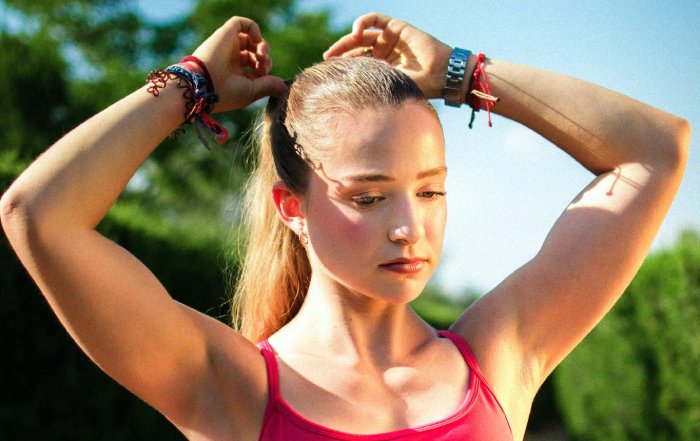
Home Treatments for Your Hair: Natural Ways to Repair, Strengthen, Shine, and Protect

Last updated by Editorial team at beautytipa.com on Saturday 3 January 2026
DIY Home Treatments for Your Hair Natural Ways to Repair Strengthen Shine and Protect

Natural Home Hair Treatments: Where Science, Tradition, and Sustainability Meet

In 2026, conversations around hair health have moved far beyond surface-level beauty, evolving into a sophisticated intersection of dermatology, cultural heritage, ethical sourcing, and personal wellbeing. For the global audience of BeautyTipa, hair is not only a symbol of confidence and identity but also a visible reflection of lifestyle choices, environmental awareness, and trust in science-backed, natural care. As consumers from the United States, United Kingdom, Germany, Canada, Australia, France, Italy, Spain, and far beyond reassess what they put on their scalp and strands, home hair treatments rooted in nature and validated by research have become central to modern routines.

This evolution has been shaped by rising concerns over harsh chemicals, increasing transparency demands in the beauty industry, and the growing influence of wellness culture worldwide. The result is a global shift: individuals are embracing natural oils, herbal infusions, fermented treatments, and biotech-enhanced botanicals, while carefully curating routines that align with sustainability, ethical production, and long-term hair and scalp health. Within this landscape, BeautyTipa has become a trusted reference point, guiding readers through trends, routines, and innovations that unify experience, expertise, authoritativeness, and trustworthiness in beauty and wellness.

The Global Turn Toward Clean, Natural Hair Care

Across major markets, the move toward natural haircare is no longer a niche preference but a structural change in consumer behavior. In North America and Europe, large segments of the population now actively avoid sulfates, parabens, phthalates, and synthetic fragrances, gravitating instead toward "clean" formulations and do-it-yourself remedies that prioritize skin compatibility and environmental responsibility. Market analysts at organizations such as McKinsey & Company and Euromonitor have documented the rapid growth of the natural and organic haircare segment, noting that it continues to outpace conventional categories as consumers seek products whose ingredient lists they can understand and trust. Those who wish to follow these dynamics from a business perspective can explore broader beauty market analysis through platforms like Harvard Business Review and complement it with BeautyTipa's own business and finance insights.

This trend is equally visible in Asia, Africa, and Latin America, where traditional herbal systems are being rediscovered and elevated with modern research. In India, Ayurvedic oils featuring amla, bhringraj, and brahmi are being reformulated in lighter, cosmetically elegant textures. In Thailand and Malaysia, coconut and pandan-based treatments are adapted for urban lifestyles. In South Africa and across the African continent, indigenous botanicals and rich butters such as shea and marula are entering global supply chains with a renewed emphasis on fair trade and community empowerment. Readers interested in how these movements interconnect globally can explore international beauty perspectives curated by BeautyTipa, which place local rituals within a worldwide context.

Understanding Hair Damage and the Role of Home Treatments

To appreciate why natural home treatments have gained such prominence, it is essential to understand how modern lifestyles damage hair. Frequent heat styling, chemical coloring, aggressive cleansing, urban pollution, hard water, and chronic stress collectively weaken the hair cuticle, leading to increased porosity, frizz, breakage, and loss of shine. Dermatologists and trichologists from institutions such as the American Academy of Dermatology and the British Association of Dermatologists consistently emphasize that hair damage is cumulative and that prevention and consistent care are more effective than sporadic repair. Readers can learn more about the scientific foundation of hair and skin health by exploring educational resources from Mayo Clinic and Cleveland Clinic, alongside BeautyTipa's dedicated skincare section, which often bridges scalp and skin concerns.

Home treatments, when properly designed and applied, address three fundamental needs: replenishing lost moisture and lipids, reinforcing structural proteins, and protecting hair and scalp from ongoing environmental and mechanical stress. Natural ingredients are particularly well suited to these tasks because they often provide complex synergies of fatty acids, amino acids, vitamins, and antioxidants that work together rather than in isolation. However, experts stress that "natural" is not automatically synonymous with "safe" or "effective," and that careful selection, patch testing, and consistency are crucial to achieving results without irritation or imbalance.

Repairing and Strengthening Hair with Nature-Inspired Solutions

Repair-focused home treatments in 2026 frequently revolve around oils, masks, and protein-enriched formulas that draw from both traditional practices and modern cosmetic science. Cold-pressed coconut oil, still one of the most researched natural hair oils, penetrates the hair shaft more effectively than many other oils due to its lauric acid profile, helping to reduce protein loss during washing. Argan oil, historically used in Moroccan beauty rituals, remains a gold standard for restoring softness and shine, while avocado oil and olive oil contribute oleic acid and vitamin E that support flexibility and resilience.

DIY masks combining ingredients such as mashed avocado, banana, honey, yogurt, and egg have become standard in many households, from New York and London to Tokyo and São Paulo, with social media and digital platforms amplifying recipes and before-and-after stories. At the same time, scientific organizations like the Journal of Cosmetic Dermatology and International Journal of Trichology continue to publish data that clarify the mechanisms by which proteins and lipids interact with the hair fiber. Those who wish to deepen their understanding of evidence-based care can explore dermatology-focused content through MedlinePlus and complement it with practical guides and tips developed by BeautyTipa.

Fermented treatments, particularly rice water, have moved from niche curiosity to mainstream practice. Inspired by Japanese and Korean traditions, fermented rice water is rich in amino acids and inositol, which may help smooth the cuticle and enhance elasticity. In Japan, South Korea, and increasingly in China, consumers integrate rice water sprays into weekly routines, often combining them with scalp massage to improve microcirculation. This fusion of ancestral wisdom with contemporary formulation know-how exemplifies the type of hybrid ritual that resonates strongly with BeautyTipa's audience, who often seek routines that are both culturally grounded and scientifically credible.

Scalp Health: The Foundation of Effective Home Care

In 2026, scalp health has firmly moved to the center of haircare conversations. Dermatologists remind consumers that the scalp is living skin, subject to inflammation, microbiome imbalances, barrier disruption, and oxidative stress. Conditions such as seborrheic dermatitis, psoriasis, and chronic dryness can profoundly affect hair density and quality, making scalp-focused home treatments a priority rather than an afterthought.

Natural exfoliants such as brown sugar, finely ground oats, or gentle fruit acids are increasingly used in pre-shampoo scrubs to remove product buildup and excess sebum without stripping the skin. Botanical ingredients like rosemary, tea tree, green tea, and aloe vera are incorporated into tonics and serums to soothe irritation and modulate the scalp microbiome. Some home users also explore probiotic-inspired mists, influenced by research from institutions such as Stanford University and Seoul National University, which are investigating the role of microorganisms in skin and scalp balance. Those interested in broader wellness implications can explore wellness-focused content on BeautyTipa, where scalp care is often discussed alongside stress management, sleep, and nutrition.

Enhancing Shine and Smoothness with Gentle, Natural Methods

Shine, often perceived as the ultimate visual marker of healthy hair, is largely a function of cuticle alignment and surface smoothness. Natural treatments that refine the hair surface and rebalance pH are therefore central to home routines. Diluted apple cider vinegar rinses, used sparingly, help restore an acidic environment after alkaline shampoos, promoting cuticle closure and improved light reflection. Herbal rinses based on chamomile, hibiscus, rooibos, or green tea provide both aesthetic benefits and antioxidant protection, with different plants favored in regions such as Germany, Italy, South Africa, and Brazil according to local traditions and hair types.

Aloe vera gel, whether freshly extracted or purchased in pure, additive-free form, offers lightweight hydration and a subtle, flexible hold, making it useful for defining curls or taming frizz without silicones. In parallel, biotech-driven formulations leveraging plant stem cells, microalgae extracts, and encapsulated vitamins are increasingly available in natural-focused lines, offering salon-like gloss while maintaining clean-label positioning. Readers who wish to track how innovation and sustainability intersect in these products can explore technology and beauty coverage on BeautyTipa, which frequently examines the science behind new shine-enhancing serums and treatments.

Protection from Heat, UV, and Pollution in a Changing Climate

As climate patterns shift and urbanization intensifies, protection has become as critical as repair. Hair and scalp are exposed daily to ultraviolet radiation, particulate pollution, temperature extremes, and indoor heating or air conditioning, all of which contribute to dryness, color fading, and cuticle erosion. In cities like Los Angeles, Madrid, Singapore, Beijing, and Johannesburg, residents increasingly rely on protective home treatments to mitigate these stressors.

Natural oils such as jojoba, marula, and grapeseed are frequently applied in small amounts as leave-in shields against environmental damage. Green tea and rosemary-based sprays, rich in polyphenols, provide antioxidant defense while adding a light conditioning effect. For heat styling, many home users combine flaxseed gel, shea butter creams, or argan oil blends as partial heat protectants, although dermatologists caution that extremely high temperatures still pose risks even with natural barriers. Organizations like the Skin Cancer Foundation and World Health Organization continue to emphasize the importance of UV protection not only for skin but also for hair and scalp, encouraging the use of hats, scarves, and shade, especially in regions such as Australia, New Zealand, and South Africa.

Protective hairstyles remain a powerful, culturally significant strategy in African, Afro-Caribbean, and African American communities. Braids, twists, buns, and wraps minimize mechanical friction and tangling, while silk or satin scarves and pillowcases reduce moisture loss overnight. These practices are increasingly adopted worldwide as part of holistic routines that blend aesthetics, cultural expression, and hair preservation. Those looking to integrate such approaches into daily life can find additional ideas within BeautyTipa's routines section, which connects day-to-night care across hair, skin, and wellness.

Natural Hair Care Routine Builder
Discover your personalized home treatment plan
Your Personalized Hair Care Profile
Recommended Natural Treatments:

Nutrition, Wellness, and the Inside-Out Approach to Hair Health

A key principle that underpins modern home haircare is the recognition that strong, resilient hair begins internally. Nutritional science and dermatology have converged on the importance of adequate protein intake, omega-3 fatty acids, iron, zinc, and vitamins such as biotin and vitamin D in supporting hair growth cycles. Diets that emphasize whole foods, including fatty fish, nuts, seeds, leafy greens, legumes, and colorful fruits, are consistently associated with better hair quality. Trusted medical resources like NHS UK and Health Canada provide general dietary guidance that can be adapted to hair health, while BeautyTipa offers complementary perspectives in its food and nutrition section.

Stress management is equally crucial, as chronic psychological stress can disrupt hormonal balance and trigger telogen effluvium, a form of diffuse hair shedding. Mindfulness practices, yoga, regular exercise, and adequate sleep are now frequently discussed in the same breath as oils and masks, particularly in wellness-oriented markets such as Sweden, Norway, Denmark, and Singapore. BeautyTipa regularly connects these themes in its health and fitness coverage, encouraging readers to view haircare as an integrated part of overall wellbeing rather than an isolated cosmetic concern.

Regional Rituals and Global Convergence

One of the most compelling aspects of natural home haircare in 2026 is the way local rituals are shared, adapted, and reimagined across borders. In the United States and Canada, the natural hair movement has cemented DIY shea butter blends, Jamaican black castor oil massages, and aloe-based hydration masks as central pillars of textured haircare, with strong community-driven knowledge sharing. In France and Italy, warm olive oil scalp massages and lavender-infused treatments retain their place as cherished family traditions, now updated with organic certification and eco-conscious packaging.

In Germany, Netherlands, and Scandinavia, consumers often prioritize minimalist, fragrance-free formulations and home remedies based on oats, flaxseeds, and chamomile, reflecting a broader culture of environmental responsibility and ingredient transparency. In Japan and South Korea, where innovation in beauty technology is rapid, rice water, camellia oil, and green tea are seamlessly integrated with peptides and microbiome-supportive actives, often packaged as customizable kits that allow users to blend their own serums at home. Across Brazil, Mexico, and other parts of Latin America, vibrant botanicals such as cupuaçu, babassu, papaya, and hibiscus form the backbone of nourishing masks and rinses, celebrated for their ability to counteract sun and humidity while maintaining volume and movement.

For readers of BeautyTipa, these global narratives are more than distant curiosities; they provide a rich source of inspiration for building personalized routines that honor heritage, climate, hair type, and ethical values. The platform's beauty section frequently highlights how these traditions can be adapted thoughtfully, ensuring respect for origin cultures while enabling practical application in everyday life.

The Business, Technology, and Career Landscape of Natural Haircare

The rise of natural home hair treatments has also reshaped the business and employment landscape. Global conglomerates such as L'Oréal, Unilever, and Procter & Gamble have expanded their portfolios with clean and plant-based lines, often acquiring or partnering with indie brands that established early credibility in the natural space. Companies like Briogeo, SheaMoisture, and The Ordinary have built strong reputations by emphasizing ingredient transparency, inclusive marketing, and evidence-informed claims, setting new standards for trust in the beauty sector.

At the same time, smaller brands across Africa, Asia, and South America are leveraging local botanicals and community-based sourcing models to offer authentic, story-rich products that resonate with global consumers seeking both efficacy and ethical alignment. Trade shows and industry events such as Cosmoprof Worldwide Bologna, In-Cosmetics Global, and Beautyworld Middle East increasingly feature dedicated zones for natural, organic, and DIY-inspired innovations, highlighting the central role of home treatments in the future of beauty. Business leaders and entrepreneurs can follow these developments through resources like World Economic Forum and complement them with BeautyTipa's own coverage of beauty business and finance.

In terms of careers, the natural haircare movement has opened pathways in trichology, cosmetic chemistry, sustainability consulting, digital education, and content creation. Professionals who can bridge scientific literacy, cultural sensitivity, and sustainability expertise are in high demand across Europe, North America, Asia, and Africa. For readers considering a future in this evolving industry, BeautyTipa provides an overview of opportunities and skill requirements in its jobs and employment section, helping them navigate a marketplace where passion for beauty intersects with innovation and responsibility.

Building a Trustworthy, Effective Routine with BeautyTipa

For individuals navigating this complex landscape in 2026, the central challenge is not a lack of options but the need to filter information and design routines that are safe, realistic, and aligned with personal goals. BeautyTipa positions itself as a partner in this process, curating trends, explaining ingredient science in accessible language, and connecting readers with structured routines that integrate hair, skin, wellness, and lifestyle. The platform's trends hub tracks global shifts in consumer behavior and formulation technology, while its brands and products section highlights offerings that meet high standards of transparency and performance.

By drawing on dermatological expertise, cultural research, and real-world user experience, BeautyTipa emphasizes the core principles that underpin trustworthy home haircare: understanding one's hair and scalp type, prioritizing scalp health, using evidence-backed natural ingredients, maintaining consistency, and integrating internal factors such as nutrition and stress management. This holistic perspective ensures that readers do not see hair treatments as isolated, one-off fixes, but as part of a broader self-care framework that supports long-term resilience and wellbeing.

Looking Ahead: Natural Haircare Beyond 2026

As the industry looks toward 2030 and beyond, several trends are likely to define the evolution of natural home hair treatments. Biotechnological advances will continue to refine plant-derived ingredients, enabling lab-grown actives that replicate the benefits of rare botanicals without overharvesting. Microbiome-focused formulations, personalized diagnostics, and AI-driven routine recommendations will increasingly shape consumer expectations, while regulatory scrutiny around greenwashing and misleading "natural" claims will intensify, pushing brands toward greater accountability.

In this context, the values that have guided BeautyTipa since its inception-experience, expertise, authoritativeness, and trustworthiness-will become even more critical. Whether readers are exploring a simple olive oil mask inspired by Mediterranean traditions, a fermented rice water rinse rooted in East Asian heritage, or a sophisticated peptide-infused serum developed through cutting-edge research, the underlying goal remains consistent: to nurture hair in ways that respect the body, honor cultural wisdom, and protect the planet.

For the global community that turns to BeautyTipa from North America, Europe, Asia, Africa, South America, and Oceania, natural home hair treatments in 2026 are not merely a trend but a meaningful expression of how beauty, wellness, and ethics can coexist. By thoughtfully combining ancestral practices with modern science, and by choosing ingredients and brands with discernment, individuals can cultivate hair that is stronger, shinier, and more resilient-while contributing to a beauty culture that values authenticity, sustainability, and informed self-care.

Famous Fashion and Beauty Brands from South Korea

Last updated by Editorial team at beautytipa.com on Saturday 3 January 2026
Famous Fashion and Beauty Brands from South Korea

South Korea's Beauty and Fashion Powerhouse: How K-Style Shapes Global Culture

South Korea's ascent from regional trendsetter to global authority in beauty and fashion is now an established reality rather than an emerging story. By 2026, K-beauty and K-fashion have evolved from niche interests into core pillars of the global style economy, influencing how consumers in North America, Europe, Asia, Africa, and South America think about skincare, self-care, identity, and luxury. For beautytipa.com, whose readers follow international trends in beauty, wellness, skincare, routines, and fashion, South Korea offers a uniquely instructive case study in how cultural heritage, technological sophistication, and strategic branding can combine to redefine an entire industry's standards of Experience, Expertise, Authoritativeness, and Trustworthiness.

While the early 2010s were marked by curiosity about BB creams and multi-step routines, the mid-2020s are characterized by full integration of Korean products, philosophies, and aesthetics into mainstream consumer behavior. Korean skincare now sits alongside French pharmacy brands in American and European bathrooms; Seoul-based fashion labels share racks with Italian and British houses in luxury department stores; and K-pop idols serve as global ambassadors not only for Korean brands but also for the world's most established luxury groups. Understanding this trajectory is essential for readers seeking to make informed decisions about products, routines, and investments in the beauty and fashion space, and beautytipa.com is uniquely positioned to interpret this evolution for an international audience.

Cultural Philosophy: The Foundations of K-Beauty and K-Fashion

The enduring strength of South Korea's beauty and fashion industries is rooted in a cultural philosophy that predates globalization and social media. Korean beauty ideals have long prioritized skin health, luminosity, and prevention over camouflage and quick fixes. Generational practices involving herbal remedies, facial massage, and gentle cleansing created a consumer base that naturally embraced the concept of skincare as daily ritual rather than occasional treatment. This philosophy underpins the now-famous multi-step routine, which, despite being adapted and simplified in many markets, still reflects the core belief that consistent care yields long-term results.

In fashion, South Korea's cultural narrative is one of synthesis rather than imitation. Traditional garments such as the hanbok, with its fluid lines and coordinated color palettes, have inspired modern silhouettes, layering techniques, and textile experimentation. Designers in Seoul absorb global influences from Paris, London, New York, and Tokyo, yet reinterpret them through a distinctly Korean lens that emphasizes playfulness, structural experimentation, and individuality. The result is a fashion ecosystem that is simultaneously avant-garde and accessible, rooted in local identity yet fully conversant with global trends.

The international reach of K-pop and K-dramas has amplified these cultural foundations. Stars such as BLACKPINK's Jennie, BTS's J-Hope, Song Hye-kyo, and newer-generation idols from groups like NewJeans and IVE project a carefully curated but emotionally resonant image of Korean style. Their skincare routines, hair colors, makeup looks, and streetwear choices are dissected and replicated by fans across continents, turning cultural products into powerful commercial engines. For readers exploring how culture, beauty, and wellness intersect, the dedicated beauty and wellness sections of beautytipa.com provide contextual frameworks and practical applications of these philosophies.

From Regional Curiosity to Global K-Beauty Standard

The globalization of K-beauty began with a few catalytic products-BB creams, sheet masks, and sleeping packs-that disrupted Western norms by merging skincare and makeup, convenience and care. Over the ensuing decade, Korean brands transformed this initial curiosity into a durable global standard. By 2026, K-beauty is no longer a trend category; it is a permanent fixture in major retail environments from Sephora and Ulta Beauty in the United States to Douglas in Europe and leading multibrand chains in the United Kingdom, Germany, and France.

Market analyses from organizations such as the Korea Trade-Investment Promotion Agency and international consultancies indicate that the global K-beauty segment has surpassed earlier projections, driven by both premium and mass-market tiers. The success is built on relentless innovation cycles, where brands update formulations rapidly, experiment with textures, and respond to consumer feedback with agility that many legacy Western companies struggle to match. Novel ingredients such as snail mucin, mugwort, centella asiatica, fermented rice, and ginseng have moved from niche fascination to mainstream acceptance, often supported by dermatological research and consumer testing.

E-commerce and social media have been central to this expansion. Platforms like YouTube, Instagram, and TikTok have allowed dermatologists, estheticians, and independent reviewers to provide transparent, often critical assessments of Korean products, which, when positive, significantly enhance consumer trust. Viral favorites such as Laneige Lip Sleeping Mask or COSRX Advanced Snail 96 Mucin Power Essence demonstrate how digital word-of-mouth can turn a single SKU into a global staple. For readers of beautytipa.com seeking to build or refine their own routines, curated insights on skincare and routines offer structured guidance grounded in these evolving global standards.

The Rise of K-Fashion as a Global Style Language

If K-beauty introduced South Korea to global consumers, K-fashion has cemented the country's reputation as a creative powerhouse. Seoul Fashion Week, once viewed as a regional event, now garners coverage from international outlets such as Vogue and Business of Fashion, and attracts buyers from the United States, United Kingdom, Germany, France, Italy, and beyond. Korean designers have mastered the art of combining streetwear sensibilities with conceptual design, resulting in collections that resonate with Gen Z and millennial consumers who prioritize authenticity, gender fluidity, and narrative.

Labels such as ADER Error, Thisisneverthat, Pushbutton, and Minju Kim exemplify this new wave. ADER Error plays with distortion, asymmetry, and unexpected details, turning everyday garments into conversation pieces. Thisisneverthat channels skate and 1990s nostalgia through carefully crafted graphics and technical materials, often in collaboration with partners like New Balance and Gore-Tex. Pushbutton challenges gender norms with exaggerated silhouettes and provocative styling, while Minju Kim, propelled into the global spotlight via Netflix's Next in Fashion, brings a romantic, almost storybook sensibility to contemporary womenswear.

Eyewear brand Gentle Monster has perhaps most clearly demonstrated how Korean fashion can redefine retail and luxury. Its flagship stores in Seoul, Shanghai, New York, London, and Paris function as immersive art installations, blending sculpture, kinetic art, and conceptual design. Collaborations with Jennie of BLACKPINK, Fendi, and even technology partners such as Huawei demonstrate how Korean brands can sit comfortably at the intersection of fashion, art, and technology. For readers tracking macro-trends and brand strategies, beautytipa.com's trends and brands and products sections provide ongoing analysis of how K-fashion continues to evolve.

🇰🇷 K-Beauty & K-Fashion Global Evolution

From Regional Curiosity to Worldwide Authority

Early 2010s

Initial Breakthrough

BB creams, sheet masks, and sleeping packs disrupt Western beauty norms. K-pop begins gaining international traction.

BB CreamsSheet MasksCuriosity Phase
Mid 2010s

Digital Amplification

YouTube and Instagram fuel transparency. Brands like COSRX and Laneige achieve viral status through authentic reviews.

Social CommerceViral ProductsTrust Building
Late 2010s

Fashion Emerges

Seoul Fashion Week gains global attention. ADER Error, Gentle Monster redefine retail as immersive experience.

Seoul Fashion WeekConceptual DesignArt + Commerce
Early 2020s

K-Pop Dominance

BTS and BLACKPINK become global ambassadors. Luxury brands partner with K-idols, reshaping celebrity marketing.

BTSBLACKPINKLuxury Partnerships
2026

Global Standard

K-beauty and K-fashion are permanent fixtures worldwide. AI personalization, sustainability focus, and tech integration lead the future.

AI Beauty TechSustainabilityGlobal Authority
Beauty InnovationSnail mucin, centella, fermented ingredients
Fashion EvolutionGender fluidity, conceptual streetwear
Cultural PowerK-pop, K-dramas drive global adoption
Tech LeadershipAI diagnostics, AR try-on, livestream commerce

Iconic Beauty Conglomerates and Indie Leaders

At the institutional level, Amorepacific Corporation remains the cornerstone of South Korea's beauty ecosystem. As one of Asia's largest cosmetics groups, it manages a portfolio that includes Sulwhasoo, Laneige, Innisfree, and Etude, each positioned to serve specific consumer segments and price points. Amorepacific's long-term investments in R&D, botanical research, and sustainable packaging have enabled it to compete directly with global giants such as L'Oréal and Estée Lauder, while retaining a distinctly Korean identity grounded in ingredients like ginseng and green tea. The company's public commitments to carbon reduction and circular packaging reflect broader global expectations for responsible corporate behavior and align with frameworks promoted by organizations such as the UN Environment Programme.

Sulwhasoo, Amorepacific's flagship luxury brand, has solidified its presence in high-end retail environments across Asia, North America, and Europe. Its reliance on hanbang, or traditional Korean herbal medicine, combined with modern biotechnology, appeals to consumers seeking depth, heritage, and efficacy in their routines. Products like the First Care Activating Serum have become icons in their own right, often compared with the hero serums of European luxury houses.

Laneige has carved out a robust global position through its expertise in hydration and barrier support. Its Water Sleeping Mask and Lip Sleeping Mask are now staples in markets from the United States and Canada to Australia and Singapore, often recommended by dermatologists and beauty editors for their balance of efficacy and sensorial appeal.

Innisfree focuses on naturally derived ingredients from Jeju Island and has become a reference point for eco-conscious consumers. The brand's refill initiatives and emphasis on recyclable materials echo broader efforts documented by organizations such as the Ellen MacArthur Foundation to promote circular economy models within consumer goods.

Alongside these conglomerates, indie and mid-scale brands have proven that transparency and specialization can be equally powerful. Dr. Jart+, now majority-owned by Estée Lauder Companies, has built a reputation for clinically inspired formulations such as the Cicapair line, which harnesses centella asiatica to support compromised skin barriers. COSRX, once a niche brand for acne-prone consumers, has grown into a global authority on minimalist, results-driven skincare, leveraging online reviews, dermatologist partnerships, and ingredient-led communication. Its success, documented by outlets like Allure, underscores the value of trust, clarity, and performance in a market crowded with marketing jargon.

K-Pop, Celebrity Capital, and the New Luxury Script

In the mid-2020s, K-pop's influence on consumer behavior is measurable, immediate, and global. Idols function as lifestyle archetypes, shaping aspirations not only in South Korea but also in the United States, United Kingdom, Germany, France, Brazil, South Africa, and beyond. When BTS, BLACKPINK, Twice, EXO, or NewJeans appear in campaigns for beauty and fashion brands, the impact on search trends, social media mentions, and sales is often dramatic.

What differentiates K-pop-driven marketing from traditional celebrity endorsement is the depth of fan engagement. Through platforms like Weverse, Bubble, and TikTok, idols maintain continuous, interactive relationships with fans, creating an ecosystem where products and styles feel integrated into a shared narrative rather than externally imposed. When Jennie appears as a Chanel ambassador while simultaneously co-creating capsule collections with Gentle Monster, she effectively bridges French heritage luxury and Korean contemporary creativity, subtly repositioning Korean brands as peers rather than aspirants.

This dynamic has been noted by luxury industry analysts at outlets such as The Business of Fashion, who point out that younger consumers increasingly define luxury not solely by heritage but by cultural relevance, digital fluency, and inclusivity. South Korean brands, with their nimble marketing, cross-industry collaborations, and integration with entertainment, are particularly well placed to meet these evolving expectations.

Digital Commerce, Beauty Tech, and Data-Driven Personalization

South Korea's status as one of the world's most digitally connected societies has provided its beauty and fashion industries with a powerful competitive advantage. Brands were early adopters of social commerce, livestream shopping, and app-based loyalty ecosystems, long before such practices became widespread in North America and Europe. Domestic platforms like Coupang and regional livestream channels in China and Southeast Asia helped refine real-time sales strategies that are now being replicated globally via TikTok Shop, Instagram Shopping, and retailer-hosted livestream events.

In beauty, AI-driven tools are increasingly integrated into brand websites and apps. Consumers can upload selfies for analysis of skin type, hydration levels, pigmentation, and fine lines, receiving personalized product recommendations in minutes. Some of these technologies align with wider trends documented by entities such as McKinsey & Company and the World Economic Forum, which emphasize the growing importance of data and personalization in consumer industries. South Korean brands are frequently at the forefront of this shift, experimenting with algorithms that adjust recommendations based on climate, lifestyle, and even local pollution indices.

In fashion, augmented reality try-on tools, virtual showrooms, and digital-only capsule collections are becoming more common. Consumers in the United States, Europe, and Asia can preview eyewear from Gentle Monster or sneakers from Thisisneverthat via AR filters, blurring the line between content and commerce. For readers of beautytipa.com interested in how these technologies shape the future of beauty and fashion, the technology beauty section offers an evolving resource on AI, AR, and digital retail strategies.

Sustainability, Ethics, and the New Consumer Contract

As environmental and social concerns move from the periphery to the center of consumer decision-making, South Korean brands have increasingly recognized that long-term competitiveness requires robust sustainability and ethics strategies. Beauty companies are under pressure to reduce plastic waste, improve ingredient sourcing, and make credible climate commitments, while fashion labels face scrutiny over labor practices, overproduction, and textile waste.

Major players such as Amorepacific have publicly set goals aligned with international frameworks like the UN Sustainable Development Goals, including targets for carbon neutrality, sustainable water use, and responsible sourcing. Innisfree continues to expand its refillable product offerings and invest in recyclable or biodegradable packaging, while emerging indie brands position themselves as vegan, cruelty-free, and low-waste from inception.

In fashion, designers such as Minju Kim and Pushbutton increasingly incorporate deadstock materials, upcycled textiles, and limited production runs to reduce environmental impact. These efforts align with broader industry conversations led by organizations such as the Fashion for Good initiative and the Global Fashion Agenda, which promote innovation in sustainable materials and circular models.

For readers of beautytipa.com who wish to connect their purchasing decisions with broader ethical and financial considerations, the business and finance section provides perspectives on how sustainability is reshaping profitability, risk, and brand equity in beauty and fashion.

Regional Penetration: From Seoul to New York, London, Berlin, and Beyond

By 2026, South Korean brands have achieved deep penetration across multiple regions, each with its own consumer expectations and regulatory environments. In North America, K-beauty is now a standard category within major retailers, and Korean brands are often central to discussions about barrier repair, sensitive skin management, and preventative anti-aging. The United States and Canada, with their multicultural populations, have embraced Korean products that cater to diverse skin tones and types, while also responding positively to wellness-framed messaging that aligns with broader health and fitness trends. Readers exploring holistic approaches can find complementary content in beautytipa.com's health and fitness section.

In Europe, where legacy luxury and pharmacy brands historically dominated, K-beauty and K-fashion have found success by positioning themselves as innovative yet compatible with local preferences. French, German, Italian, and British consumers have adopted Korean serums, essences, and sunscreens for their texture and performance, while multi-brand stores in cities such as London, Berlin, Paris, and Amsterdam now feature Korean designers alongside European labels. The United Kingdom, with its vibrant e-commerce and strong interest in global trends, has emerged as a particularly receptive market, aided by coverage from outlets like the BBC and The Guardian on the broader Hallyu phenomenon.

Across the Asia-Pacific region, from Japan and China to Thailand, Singapore, Australia, and New Zealand, Korean brands occupy a central position in beauty and fashion ecosystems. In some markets, they compete directly with local producers; in others, they are aspirational imports associated with K-pop culture and Seoul's perceived modernity. In Latin America and Africa, improved logistics, cross-border e-commerce, and social media exposure have enabled Korean brands to reach consumers in Brazil, Mexico, South Africa, and Nigeria, where youth-driven urban populations are increasingly aligned with global digital culture.

For readers who want to understand how these international dynamics shape local access to products and employment opportunities, beautytipa.com offers perspectives in areas such as international and jobs and employment, where global brand expansion intersects with careers, trade, and cross-border collaboration.

Innovation, Challenges, and the Road to 2030

Looking ahead to 2030, South Korea's beauty and fashion sectors are poised to deepen their technological integration, broaden their geographic reach, and refine their sustainability commitments. Biotechnology and dermatological research are expected to play an even greater role in skincare, with potential advances in microbiome-focused products, AI-assisted diagnostics, and hyper-personalized regimens that adjust dynamically to lifestyle and environmental data. Fashion is likely to see further convergence with gaming, virtual environments, and digital identity, as Korean brands leverage the country's strength in technology and entertainment to create hybrid physical-digital offerings.

However, this growth trajectory is not without challenges. Market saturation in K-beauty has already begun to test consumer patience, as endless product launches risk creating confusion and fatigue. Counterfeit goods remain a serious concern in both beauty and fashion, particularly in online marketplaces, prompting brands to explore blockchain-based authentication and smart packaging solutions. Cultural adaptation also requires careful navigation; while some consumers embrace comprehensive routines and experimental ingredients, others prefer minimalism and familiarity, pushing brands to localize without diluting their core identity.

Geopolitical tensions and regulatory shifts, especially in major markets such as China, the United States, and the European Union, add further complexity. Supply chain resilience, diversified market strategies, and compliance with evolving safety and data rules will be critical for sustained success. For readers of beautytipa.com, following these developments is not only intellectually interesting but also practically important when selecting brands and products that align with personal values, skin needs, and long-term wellness goals.

What South Korea's Story Means for Beautytipa Readers

For the global audience of beautytipa.com, South Korea's journey from regional innovator to global authority offers both inspiration and practical lessons. It demonstrates how a consistent focus on skin health, ritualized self-care, and thoughtful design can transform everyday routines into meaningful wellness practices. It shows how fashion can be a vehicle for identity, creativity, and cultural dialogue rather than mere consumption. It underscores the importance of transparency, research, and ethics in building trust with increasingly informed consumers.

Most importantly, the Korean example illustrates that beauty and fashion are no longer isolated categories; they are integrated into broader lifestyles that encompass wellness, nutrition, fitness, mental health, and financial decision-making. Readers exploring food and nutrition, guides and tips, or fashion on beautytipa.com can see how these elements intersect with the skincare philosophies and style narratives emerging from Seoul.

As of 2026, South Korea's influence on global beauty and fashion is not a passing wave but a structural shift. From Amorepacific's research-driven conglomerate to COSRX's ingredient-focused transparency, from Gentle Monster's immersive retail to ADER Error's conceptual streetwear, Korean brands have redefined what consumers around the world expect from products, experiences, and brands they choose to invite into their lives. For professionals, enthusiasts, and everyday consumers alike, following this evolution through beautytipa.com offers a reliable, expert, and trustworthy lens on where global beauty and fashion are headed next.

The Global Women's Fashion and Beauty Market

Last updated by Editorial team at beautytipa.com on Saturday 3 January 2026
The Global Womens Fashion and Beauty Market

The Global Women's Fashion and Beauty Market: Power, Innovation, and Responsibility

A Market That Shapes Identity and Daily Life

In 2026, the global women's fashion and beauty market stands as one of the most influential forces in culture and commerce, shaping how women present themselves, how they feel about their identities, and how they participate in social and professional life. What was once viewed simply as an industry of garments, color cosmetics, and skincare has become a complex ecosystem that touches wellness, technology, finance, sustainability, and even geopolitics. For the audience of BeautyTipa, this is not an abstract global narrative but a daily reality reflected in skincare choices, wardrobe planning, wellness priorities, and the brands they decide to trust.

The market's value now runs into the trillions when fashion, beauty, and adjacent lifestyle sectors are combined, but its true significance lies in how it mirrors evolving values and aspirations worldwide. From the United States and the United Kingdom to South Korea, Brazil, and South Africa, women use fashion and beauty as tools of self-expression, cultural connection, and empowerment. The old top-down model, where a few European maisons and multinational conglomerates dictated trends, has given way to a dynamic landscape where independent creators, digital-native brands, and local innovators stand alongside legacy giants such as Chanel, L'Oréal, Gucci, and Estée Lauder.

The democratization of style and beauty has been accelerated by global connectivity, social media, and e-commerce, making it possible for a skincare routine in Singapore to influence habits in Canada or for a streetwear trend in Berlin to resonate in Tokyo. On BeautyTipa, readers see this interplay daily across sections dedicated to beauty, skincare, routines, and trends, where global inspirations are translated into practical insights for modern lifestyles.

Economic Scale and Strategic Importance

The economic power of women's fashion and beauty has continued to grow through 2025 and into 2026, despite inflationary pressures, supply chain challenges, and geopolitical uncertainty. Industry analyses indicate that global fashion revenues have moved beyond the two-trillion-dollar mark, with women's fashion accounting for a majority share, while beauty and personal care have surpassed the seven-hundred-billion-dollar threshold and are still expanding. This growth is supported by rising middle classes in Asia, Africa, and South America, sustained demand in North America and Europe, and an increasingly sophisticated consumer base that treats fashion and beauty as integral to lifestyle rather than discretionary luxuries.

Beyond direct sales, the sector drives employment and innovation across retail, logistics, digital platforms, biotechnology, and creative services. Garment production hubs in countries such as Bangladesh and Vietnam are deeply tied to global fashion cycles, while research laboratories in France, South Korea, and Japan advance high-performance skincare and cosmetics. Luxury clusters in Italy, France, and Switzerland remain central to national branding and tourism, reinforcing the idea that fashion and beauty are strategic economic assets. Those who follow the financial and strategic side of these developments can explore more detailed analysis in BeautyTipa's business and finance coverage, which tracks how investments, mergers, and new business models are reshaping the competitive landscape.

The 2026 Consumer: Values, Agency, and Expectations

The contemporary female consumer in 2026 is more informed, empowered, and selective than at any previous point in the industry's history. She navigates a crowded marketplace with a clear sense of personal values, using digital tools to compare formulations, investigate supply chains, and scrutinize corporate behavior. Whether she is based in New York, London, Berlin, Toronto, Sydney, Paris, Milan, Madrid, Amsterdam, Zurich, Shanghai, Stockholm, Oslo, Singapore, Copenhagen, Seoul, Tokyo, Bangkok, Helsinki, Johannesburg, São Paulo, Kuala Lumpur, or Auckland, she expects brands to align with her ethics and her lifestyle.

Transparency has become a baseline requirement. Consumers increasingly consult resources such as the EU Consumer Product Safety portal or regulatory guidance from the U.S. Food and Drug Administration when evaluating product safety, and they look to organizations like the Environmental Working Group for ingredient-related concerns. Questions about labor conditions, animal testing, carbon footprints, and microplastic pollution are no longer confined to activist circles; they are part of mainstream purchasing decisions.

Inclusivity remains a defining expectation. The shift that Fenty Beauty initiated with its broad shade ranges and commitment to representation has pushed the entire sector forward, and by 2026 consumers across North America, Europe, Asia, Africa, and South America expect brands to offer meaningful diversity in skin tones, undertones, textures, and sizes. Campaigns that feature women of different ages, ethnicities, body types, and abilities are now viewed as a minimum standard rather than a bold exception. This inclusive lens extends to fragrance, haircare, and fashion silhouettes, where rigid norms have given way to more fluid, personal interpretations of style. For readers seeking to translate these macro shifts into their own daily rituals, BeautyTipa's guides on routines and guides and tips help connect global trends with practical, realistic habits.

At the same time, the convergence of beauty and wellness has deepened. Women increasingly perceive skincare as a component of preventive health, influenced by dermatological research from institutions such as the American Academy of Dermatology and by holistic wellness insights from organizations like the World Health Organization. Athleisure, performance fabrics, and ergonomic footwear underscore how fashion now reflects movement, recovery, and mental well-being. This holistic perspective is reflected across BeautyTipa's wellness and health and fitness sections, where beauty is framed as part of a broader, sustainable lifestyle.

Global Women's Fashion & Beauty Market 2026

Interactive Market Intelligence Dashboard
Overview
Trends
Regions
Innovation
Values
$2T+
Fashion Revenue
$700B+
Beauty Market
Global
Connected Market
2026
Current Year
Economic Powerhouse
Fashion and beauty drive employment across retail, logistics, biotechnology, and creative services globally
Consumer Empowerment
Modern consumers are more informed and selective, using digital tools to evaluate formulations and supply chains
Strategic Asset
Luxury clusters in Italy, France, and Switzerland serve as national branding and tourism anchors
🌱 Sustainability First
Circular fashion, refillable packaging, and bio-based ingredients have moved from differentiator to baseline expectation
🤖 AI & Personalization
Advanced algorithms analyze skin type, climate, and lifestyle to deliver hyper-personalized product recommendations
🎯 Radical Inclusivity
Diverse shade ranges, body types, ages, and abilities are now minimum standards across beauty and fashion
💚 Beauty-Wellness Convergence
Skincare as preventive health, athleisure, and holistic self-care redefine industry boundaries
🔬 Biotechnology Revolution
Fermentation-derived actives and bioengineered ingredients offer higher purity with lower environmental impact
👁️ AR Try-On Standard
Virtual testing tools for makeup and fashion have become essential features in online retail
🇺🇸 North America
85%
🇪🇺 Europe
90%
🇰🇷 Asia-Pacific
95%
🇧🇷 South America
70%
🇿🇦 Africa
65%
Regional Influence Index:Asia-Pacific leads innovation in skincare and digital integration. Europe drives sustainability standards. North America dominates premium beauty and athleisure markets.
🧬
Bio-Luxury
Lab-grown components and fermented actives combine scientific sophistication with sustainability
🔍
Digital Passports
Blockchain-based traceability from raw material to end-of-life options
📱
Social Commerce
Live streaming and in-platform checkout enable seamless inspiration-to-purchase journeys
♻️
Circular Models
Resale platforms and rental services make access-based consumption mainstream
🎨
3D Body Scanning
Advanced fitting technology reduces returns and improves size accuracy
🌿
Regenerative Supply
Agriculture and sourcing practices that restore ecosystems while producing ingredients
Transparency
Inclusivity
Sustainability
Authenticity
Wellness
Ethical Labor
Animal Welfare
Diversity
Values-Based Purchasing
Women see purchases as expressions of beliefs on climate, labor rights, and representation—fostering loyalty beyond price or celebrity
Regulatory Alignment
Consumers consult EU safety portals, FDA guidance, and organizations like EWG when evaluating products
Community & Trust
Peer recommendations and expert voices outweigh traditional advertising in digitally connected markets
2026 Consumer Profile:Informed, empowered, and selective—navigating a crowded marketplace with clear personal values and expecting brands to align with ethics and lifestyle across all continents.

Technology at the Core of the New Experience

By 2026, technology is no longer an add-on to the fashion and beauty experience; it is a structural pillar. Artificial intelligence, augmented and virtual reality, advanced data analytics, and biotechnology are embedded from product conception to post-purchase engagement. This technological layer enables personalization at scale, supports scientific innovation, and creates new spaces where identity and style can be expressed.

Artificial intelligence underpins recommendation engines that analyze skin type, climate, lifestyle, and past purchases to suggest highly tailored skincare and makeup, drawing on dermatological insights and consumer feedback. Retailers and brands increasingly rely on AI-driven trend forecasting, scanning millions of posts across platforms like Instagram, TikTok, and Weibo to anticipate emerging aesthetics or ingredient preferences. For those interested in the mechanics of this digital transformation, BeautyTipa's technology and beauty coverage examines how algorithms, data, and design intersect to redefine the consumer journey.

Augmented reality has become standard in online beauty retail. Virtual try-on tools originally popularized through technologies such as ModiFace, now fully integrated into L'Oréal's ecosystem, allow consumers from Canada to Korea to test lip colors, foundations, and eye looks on their own images with remarkable accuracy. In fashion, AR fitting rooms and 3D body scanning are gradually improving size accuracy and reducing returns, particularly in markets with advanced digital infrastructure such as the United States, the United Kingdom, Germany, the Netherlands, the Nordics, Singapore, South Korea, and Japan.

Biotechnology is reshaping formulations. Active ingredients produced via fermentation or bioengineering offer higher purity and lower environmental impact compared with traditional extraction. The scientific rigor behind these innovations is often documented in peer-reviewed publications accessible through resources like PubMed, and consumers are increasingly comfortable with lab-grown components when they are transparently communicated and clinically validated. This shift supports the emergence of "bio-luxury," where high-performance, scientifically sophisticated products sit at the intersection of prestige and responsibility.

Sustainability as a Non-Negotiable Standard

Sustainability has moved from a competitive differentiator to a non-negotiable expectation in 2026, particularly among younger consumers in North America, Europe, and Asia-Pacific. The environmental impact of fashion-spanning textile production, dyeing, water usage, and waste-has been well documented by organizations such as the Ellen MacArthur Foundation and the United Nations Environment Programme. These insights have catalyzed both regulatory and consumer pressure for systemic change.

Circular fashion is at the center of this transformation. Resale platforms and rental models have expanded beyond early pioneers like ThredUp and Rent the Runway, with major retailers and luxury houses piloting authenticated second-hand channels and refurbishment programs. Digital product passports, supported by standards work from initiatives such as the Global Fashion Agenda, are starting to give consumers traceability from raw material to end-of-life options. This is particularly relevant in Europe, where policy frameworks increasingly encourage extended producer responsibility and transparency.

In beauty, refillable packaging, solid formats, and concentrated formulas are now widely adopted. Brands inspired by pioneers such as L'Occitane and high-end refill-focused labels have made it easier for consumers to reduce packaging waste without sacrificing luxury or performance. Ingredient sourcing is examined through the lens of biodiversity and fair trade, with guidance from organizations like the Rainforest Alliance and the Roundtable on Sustainable Palm Oil, as consumers in markets from France and Italy to Brazil and Malaysia become more aware of the ecological and social implications of key raw materials.

For BeautyTipa's readers who follow sustainability not just as a moral imperative but as a strategic business issue, the business and finance section explores how environmental, social, and governance criteria are now central to valuations, risk assessments, and long-term brand equity in fashion and beauty.

Regional Perspectives: A Connected but Diverse Landscape

Although the market is globally interconnected, regional differences remain decisive in shaping product development, marketing, and retail strategies. Understanding these nuances is essential for grasping how trends emerge, evolve, and travel.

North America, led by the United States and Canada, continues to be a powerhouse for premium beauty, athleisure, and digitally native brands. The region's consumers are highly engaged with wellness, performance fabrics, and hybrid products that bridge skincare and makeup. Major multibrand retailers and specialty beauty chains consolidate influence, while independent labels leverage social media to build loyal communities. Regulatory oversight from bodies such as the U.S. Federal Trade Commission and Health Canada contributes to consumer expectations for truthful claims and product safety.

Europe retains its status as the cradle of luxury and craftsmanship, with France, Italy, Switzerland, and the United Kingdom hosting many of the world's most prestigious fashion houses and skincare laboratories. At the same time, European consumers, especially in Germany, the Nordics, and the Netherlands, have become global leaders in sustainability consciousness, driving demand for organic certifications and low-impact textiles. The regulatory framework of the European Commission on cosmetics and textiles has set high standards that often influence global practices.

Asia-Pacific has solidified its position as an innovation engine. South Korea continues to shape global skincare routines with advanced textures, dermocosmetic concepts, and rapid product cycles, while Japan blends tradition and cutting-edge technology in both beauty and fashion. China stands out as both a manufacturing hub and a vast, digitally sophisticated consumer market, with local brands increasingly competing with Western and Korean labels. Southeast Asian markets including Thailand, Malaysia, and Singapore are emerging as regional trendsetters, combining tropical skincare needs with urban lifestyles. Readers who want to follow these developments more closely can turn to BeautyTipa's international coverage, which offers a curated view of regional shifts and cross-border influences.

Africa and South America, while still developing in relative market size, are gaining visibility through creativity and resource richness. Brazil's biodiversity underpins the success of companies such as Natura &Co, while designers across Nigeria, South Africa, and Kenya bring bold aesthetics and craftsmanship to global runways and digital platforms. These regions also highlight the importance of inclusive shade ranges and haircare tailored to diverse textures, reflecting the industry's broader shift toward genuine representation.

Changing Retail and Engagement Models

The way women discover, evaluate, and purchase fashion and beauty has changed fundamentally, with omnichannel strategies now the norm rather than the exception. E-commerce continues to expand, but physical retail has re-emerged as a space for experience, education, and community rather than simple transactions.

Online, generalist platforms coexist with highly curated environments. While global marketplaces offer breadth and convenience, specialized fashion and beauty sites attract consumers seeking editorial guidance, authenticity, and niche discovery. Social commerce has matured, with live streaming and in-platform checkout features enabling seamless transitions from inspiration to purchase. Influencer-led "drops," limited editions, and collaborative capsules create urgency and emotional engagement, particularly among younger audiences in markets such as the United States, the United Kingdom, Germany, China, South Korea, and Japan.

Offline, flagship stores, concept boutiques, and pop-ups focus on sensory immersion and human connection. Beauty retailers provide diagnostic tools, workshops, and expert consultations, while fashion spaces host exhibitions, customization services, and community events. This experiential dimension is especially important in major urban centers from New York and London to Paris, Milan, Berlin, Tokyo, and Seoul, where consumers expect retail environments to reflect brand identity and cultural relevance. Readers looking for practical guidance on navigating this evolving retail world can find curated advice in BeautyTipa's guides and tips and brands and products sections.

Culture, Identity, and the Meaning of Beauty

Fashion and beauty in 2026 remain deeply tied to cultural currents, social debates, and personal psychology. Music, film, streaming platforms, and social networks spread aesthetics across borders at extraordinary speed, but local traditions and histories still shape how trends are interpreted and adapted.

Cultural movements around body positivity, gender fluidity, and age inclusivity have permanently altered the visual language of campaigns and runways. Women in their forties, fifties, and beyond are increasingly visible as style leaders, challenging outdated notions of who beauty is for. At the same time, cultural appropriation and sensitivity are under closer scrutiny, with consumers in regions such as Europe, North America, and Asia expecting global brands to respect local customs and narratives rather than simply extracting surface-level aesthetics.

The integration of wellness into beauty routines reflects broader cultural shifts toward self-care and mental health awareness, supported by guidance from organizations like the National Institute of Mental Health. Skincare rituals, haircare treatments, and even makeup application are often framed as moments of grounding and self-connection, particularly in fast-paced urban environments. On BeautyTipa, this holistic view is woven through content on wellness, food and nutrition, and fashion, where readers see how internal and external choices reinforce one another.

Case Studies: Leadership, Disruption, and Innovation

Several companies exemplify how the women's fashion and beauty market has evolved into its current form. L'Oréal continues to be a benchmark for scale and innovation, combining a vast portfolio of brands with early investments in AR, AI, and sustainability. Its integration of virtual try-on technologies, commitment to greener formulations, and global reach across mass, masstige, and luxury segments illustrate how a legacy player can adapt to new expectations.

Estée Lauder Companies remain influential through brands such as MAC, Clinique, and La Mer, leveraging heritage, strong retail partnerships, and data-driven personalization. Their global footprint in North America, Europe, Asia, and beyond demonstrates the importance of balancing local relevance with consistent brand equity.

In fashion, Gucci and Louis Vuitton have shown how luxury can thrive in a digital-first world by embracing bold creative direction, collaborations with gaming platforms, and advanced authentication tools such as blockchain-based product passports. These moves appeal to younger luxury consumers in regions ranging from the United States and Europe to China and South Korea, who demand both heritage and innovation.

Disruptive newcomers underscore the power of agility and values-based positioning. Fenty Beauty has become a case study in how inclusivity can reshape an entire category, while rental pioneers like Rent the Runway demonstrate the viability of access-based models aligned with sustainability. Regional players such as Natura &Co in Brazil and leading K-beauty brands in South Korea highlight how local strengths-biodiversity, dermatological innovation, cultural storytelling-can be leveraged for global impact.

The Psychology Behind Choices and Loyalty

At the heart of this vast industry lies the psychology of how women relate to themselves and to others. Fashion and beauty function as languages through which women communicate mood, status, aspiration, and belonging. A tailored blazer for a presentation in London, a carefully chosen fragrance for an evening in Paris, or a minimalist skincare routine in Tokyo all serve as subtle signals of identity and intention.

Social validation and community play a powerful role in shaping preferences. Online reviews, peer recommendations, and influencer content often carry more weight than traditional advertising, particularly among younger women in digitally connected markets. At the same time, there is a strong desire for authenticity and expertise; consumers increasingly seek voices that combine personal experience with credible knowledge, which is why editorial platforms such as BeautyTipa emphasize experience, expertise, authoritativeness, and trustworthiness in every piece of content.

Ethical alignment is another psychological driver. Many women now see their purchases as expressions of their values on issues such as climate change, labor rights, animal welfare, and diversity. This alignment between internal beliefs and external choices fosters deeper loyalty than price promotions or celebrity endorsements alone can achieve. When readers explore BeautyTipa's skincare or beauty content, they are often looking not just for performance but for reassurance that a product or brand fits into a coherent, values-based lifestyle.

Looking Ahead: The Next Chapter for Women's Fashion and Beauty

As 2026 unfolds, the women's fashion and beauty market is positioned at a pivotal moment where creativity, technology, and responsibility must converge. Sustainability will continue to deepen, with bio-based materials, regenerative agriculture, and low-carbon supply chains moving from pilot projects to industry norms, supported by frameworks from bodies such as the Intergovernmental Panel on Climate Change. Digital integration will expand further into virtual wardrobes, AI-assisted diagnostics, and immersive retail, while inclusivity will remain an essential criterion for credibility and relevance across regions.

For the BeautyTipa community, these shifts translate into richer choices, more transparent information, and greater agency in shaping not only personal style but also the future of the industry itself. Whether readers are exploring new makeup looks, refining wellness-centered routines, tracking global trends, or considering career moves within fashion and beauty through avenues like jobs and employment, they are participating in a global conversation about what it means to live beautifully, responsibly, and authentically.

The global women's fashion and beauty market in 2026 is therefore more than a commercial powerhouse. It is a living, evolving reflection of how women across continents see themselves, what they value, and how they choose to engage with an increasingly interconnected world. As this evolution continues, BeautyTipa remains dedicated to offering informed perspectives, trusted guidance, and a global yet personal lens on an industry that touches every aspect of modern life.

20 Best Motivation Strategies to Get Fit and Healthy

Last updated by Editorial team at beautytipa.com on Saturday 3 January 2026
20 Best Motivation Strategies to Get Fit and Healthy

The 20 Most Effective Motivation Strategies To Get Fit And Healthy

Conversations around health and fitness have evolved significantly by 2026, moving far beyond short-term transformations or purely aesthetic goals and shifting toward a more integrated, evidence-based understanding of what it truly means to be well. In a world shaped by hybrid work models, continuous technological disruption, and rapidly changing cultural expectations, motivation can no longer be treated as a fleeting burst of willpower; it must be cultivated as an ongoing practice that blends psychological resilience, lifestyle design, and science-backed strategies. For the global audience of beautytipa.com, who look for intelligent guidance on beauty, wellness, skincare, routines, and overall quality of life, the question is not simply how to start getting fit, but how to remain motivated in a way that feels aligned, sustainable, and personally meaningful.

This in-depth article explores 20 of the most effective motivation strategies for getting fit and healthy in 2026, weaving together behavioral science, real-world practice, and the latest developments in wellness, technology, and culture. While the strategies are universal, they are presented with the beauty, wellness, and lifestyle focus that defines Beautytipa, ensuring that readers can connect their health ambitions with the broader aspirations they hold for their appearance, confidence, careers, and daily lives.

Clarifying Vision And Defining Personal Health Goals

Sustained motivation starts with clarity of intent, and in 2026 the most successful health journeys begin with a carefully articulated vision of what "fit and healthy" actually means on a personal level. Instead of vague objectives such as "get in shape" or "lose weight," individuals who thrive tend to define goals such as completing a half marathon in a specific city, building the strength to carry children or luggage comfortably, achieving a particular yoga pose, or maintaining enough energy to balance demanding careers with meaningful personal time. This level of specificity allows the brain to encode goals more effectively, turning abstract wishes into concrete targets that can be broken down into measurable milestones and tracked over time.

Vision-building tools have become more sophisticated yet remain accessible; digital platforms like Notion and Evernote are widely used to create goal journals, habit trackers, and visual boards that combine images, metrics, and reflections. Neuroscience research, including resources available through organizations such as Harvard Health Publishing and American Psychological Association, underscores that mental visualization activates neural pathways similar to those used in real action, which strengthens commitment and improves follow-through. On Beautytipa, readers can complement these insights with lifestyle-oriented planning ideas on Beautytipa Wellness, where goal-setting is consistently linked to emotional well-being, confidence, and long-term self-care.

Transforming Motivation Into Daily Routines

Once a clear vision is established, motivation must be translated into daily behavior, and this is where routine becomes the decisive factor. Behavioral scientists and institutions such as Stanford Medicine emphasize that willpower is a limited resource, while habits reduce decision fatigue and conserve cognitive energy. In practice, this means that individuals who schedule consistent workout windows, plan meals in advance, and anchor health habits to existing daily cues (such as stretching after brushing teeth or walking after lunch) are far more likely to maintain progress over months and years.

In 2026, morning routines often integrate light mobility exercises, hydration, and short mindfulness practices, while evenings may be dedicated to gentle stretching, digital detox, or preparing food for the next day. These rituals do not need to be complex; their power lies in repetition and predictability. Beautytipa readers who wish to refine their personal systems can explore structured yet flexible ideas at Beautytipa Routines, where skincare, fitness, and wellness habits are framed as interconnected elements of a single, coherent lifestyle rather than isolated tasks.

Building Motivation Through Community And Social Support

Human beings are inherently social, and in 2026 the most robust fitness motivation often arises from connection rather than isolation. Group classes, running clubs, yoga studios, and wellness retreats continue to thrive because they provide accountability, shared identity, and emotional reinforcement. Digital communities have become even more powerful, with platforms like Strava, Peloton, and Nike Training Club cultivating global networks where participants encourage one another, share progress, and celebrate milestones, regardless of geography. These communities are especially relevant for readers in countries such as the United States, United Kingdom, Germany, Canada, Australia, and throughout Asia and Europe, where hybrid lifestyles often combine remote work with digital socialization.

At the same time, local experiences retain immense value. Informal walking groups, workplace wellness initiatives, or neighborhood bootcamps can transform fitness from a solitary obligation into a social ritual. Research highlighted by organizations such as World Health Organization suggests that social support is a strong predictor of adherence to physical activity guidelines. Beautytipa Events showcases how the beauty and wellness industries are increasingly designing experiences that combine movement, education, and community, and readers can explore these evolving formats at Beautytipa Events.

Using Technology To Track, Understand, And Refine Progress

By 2026, fitness technology has matured into an integrated ecosystem that extends well beyond step counts. Wearables such as Apple Watch, Oura Ring, WHOOP, and similar devices from brands like Garmin and Samsung now track heart rate variability, sleep stages, recovery scores, and even stress indicators with increasing accuracy. This data, when interpreted thoughtfully, allows individuals to understand not just how hard they are training, but how well they are recovering, where they might be overreaching, and how lifestyle variables such as late-night work or alcohol consumption affect performance and mood. Resources from Cleveland Clinic and Mayo Clinic help users interpret such metrics from a medical and health perspective.

Nutrition and training apps, including MyFitnessPal, Cronometer, and AI-driven coaching tools, provide personalized plans that adapt to user feedback and performance. For Beautytipa readers, this technological landscape intersects with beauty and wellness in meaningful ways, as better sleep, balanced hormones, and reduced stress directly influence skin health, hair quality, and overall appearance. The intersection of data, beauty, and self-care is discussed in depth at Beautytipa Technology Beauty, where innovation is evaluated through the lens of trustworthiness and practical benefit.

Rewarding Consistency Rather Than Only Visible Results

One of the most important psychological shifts in 2026 is the move away from outcome-obsessed motivation toward a focus on effort and consistency. Bodies change at different rates, and external results such as weight loss or muscle definition can be influenced by genetics, age, hormones, and medical conditions. Individuals who tie their motivation exclusively to rapid physical change are at high risk of discouragement, whereas those who learn to value the act of showing up-completing a workout, choosing a balanced meal, going to bed on time-build a more resilient foundation.

Behavioral frameworks such as those popularized by James Clear and research from Behavioral Science & Policy Association highlight the power of small, repeated wins. Simple self-reward systems, such as tracking streaks, journaling achievements, or periodically investing in wellness-related treats like quality activewear, spa visits, or skincare, reinforce the identity of a committed, health-oriented person. Beautytipa provides product inspiration and critical evaluation at Beautytipa Brands and Products, helping readers choose rewards that support, rather than undermine, their long-term goals.

Preventing Boredom With Strategic Variety

Monotony remains a major threat to motivation, particularly for those who repeat the same workout patterns week after week. In 2026, fitness professionals recommend structured variety: rotating between strength training, cardiovascular exercise, flexibility work, and mind-body modalities to keep both body and mind engaged. This approach not only maintains interest but also reduces injury risk and supports more balanced development of strength, mobility, and endurance. Organizations like American Council on Exercise (ACE) and National Academy of Sports Medicine (NASM) provide frameworks for safe and effective cross-training.

Global wellness tourism has amplified access to variety, with destinations in Thailand, Italy, Spain, and beyond offering immersive retreats that combine hiking, yoga, spa therapies, and cultural experiences. For Beautytipa readers interested in how travel can expand their wellness repertoire, Beautytipa International explores how different regions-from Europe and North America to Asia, Africa, and South America-interpret and integrate movement, relaxation, and beauty traditions.

Integrating Mindfulness And Mental Health Into Fitness

Motivation cannot be sustained if mental health is neglected, and by 2026 the most progressive fitness philosophies treat emotional well-being as inseparable from physical training. Mindfulness practices such as meditation, breathwork, and mindful movement help individuals tune into their bodies, manage stress, and break cycles of self-criticism that often derail progress. Digital platforms like Headspace and Calm have expanded their libraries to include sport-specific meditations, sleep programs, and stress-reduction sessions tailored to busy professionals and students alike.

Major health organizations, including National Institute of Mental Health, emphasize that anxiety, depression, and chronic stress can impede motivation, disrupt sleep, and contribute to emotional eating or inactivity. For Beautytipa readers, integrating mindfulness with fitness and beauty routines-such as pairing a post-workout cooldown with a calming skincare ritual-creates a more nurturing, sustainable experience. This holistic integration is explored further at Beautytipa Health and Fitness, where mental resilience is treated as a core component of a healthy lifestyle.

Aligning Nutrition With Performance, Energy, And Appearance

Nutrition has always been a pillar of fitness, but in 2026 it has become far more personalized, data-informed, and closely linked to both performance and outward appearance. Advances in gut microbiome testing, continuous glucose monitoring, and genetic analysis have allowed nutritionists to create tailored dietary strategies that support stable energy, recovery, and metabolic health. Organizations such as Academy of Nutrition and Dietetics and British Nutrition Foundation continue to emphasize evidence-based guidelines amidst a crowded field of trends and fads.

For many, motivation increases when they experience firsthand how adjusted nutrition improves workout capacity, mood, skin clarity, and sleep quality. Balanced macronutrients, sufficient protein intake, hydration, and micronutrient-rich foods become tangible drivers of daily well-being rather than abstract recommendations. The rise of plant-forward eating, Mediterranean-style patterns, and culturally diverse healthy cuisines across the United States, Europe, Asia, and beyond offers flexible frameworks that can be adapted to local preferences. Beautytipa connects these principles with practical lifestyle choices at Beautytipa Food and Nutrition, where recipes, product insights, and expert commentary are curated through a lens of trust and long-term health.

Seeing Beauty As A Reflection Of Health

For the audience of beautytipa.com, beauty is never merely superficial; in 2026 it is increasingly recognized as a visible expression of internal balance and consistent self-care. Clearer skin, improved posture, brighter eyes, and a more relaxed facial expression are all common side effects of regular exercise, balanced nutrition, quality sleep, and effective stress management. This perspective transforms motivation: instead of chasing an unrealistic ideal, individuals focus on cultivating habits that allow their natural features to look their best.

Global beauty brands and retailers such as Sephora, Lululemon, and Clinique have expanded wellness-oriented lines that target active lifestyles, from sweat-resistant skincare to recovery-enhancing body care. Dermatologists and organizations like American Academy of Dermatology emphasize the interplay between lifestyle and skin health, reinforcing that topical products are most effective when supported by healthy routines. On Beautytipa Beauty, this connection between inner wellness and outer radiance is a central theme, helping readers understand how every workout and every night of good sleep contributes to the way they look and feel.

Drawing Strength From Professional Guidance

While self-directed fitness is now easier than ever, professional guidance remains a powerful motivator, particularly for busy individuals across North America, Europe, and Asia who want efficient, safe, and results-driven strategies. Personal trainers, physiotherapists, health coaches, and registered dietitians provide structure, accountability, and expert insight that many people struggle to create on their own. Hybrid coaching models-combining in-person sessions with app-based tracking, video calls, and messaging-allow professionals to work with clients across time zones, including those in the United States, United Kingdom, Germany, Singapore, Japan, and beyond.

Digital coaching platforms such as Future, Noom, and Kickoff integrate data from wearables, nutrition logs, and subjective feedback to create adaptive plans. For those in leadership roles or high-pressure environments, executive wellness coaching links fitness and mental resilience directly to performance and career longevity. Beautytipa supports this professionalization of self-care with practical content at Beautytipa Guides and Tips, where readers can better understand what to expect from experts and how to evaluate credentials and methodologies.

🎯 Discover Your Fitness Motivation Style

Find the perfect strategies to stay motivated on your wellness journey

🎉 Your Motivation Profile

Making Fitness Engaging Through Gamification

Gamification has matured into a sophisticated motivational tool by 2026, turning exercise into an experience that is competitive, playful, and socially connected. Platforms such as Zwift, Supernatural, and FitXR blend immersive visual environments with structured workouts, leaderboards, and achievement systems, encouraging users to push a little further than they might on their own. Even mainstream ecosystems like Apple Fitness+ and Samsung Health use badges, streaks, and seasonal challenges to keep users engaged.

Psychologists and organizations like American College of Sports Medicine (ACSM) note that gamification taps into intrinsic motivators such as mastery, autonomy, and social relatedness. For Beautytipa readers, this approach aligns well with lifestyle-oriented motivation: when movement feels like a game or a shared adventure rather than a chore, it becomes easier to maintain. Current developments at the intersection of gamification, beauty, and wellness are regularly highlighted on Beautytipa Trends, where cultural shifts in how people engage with health are analyzed in depth.

Strengthening Commitment Through Public Accountability

Public commitments-whether shared with friends, family, colleagues, or online communities-can dramatically increase adherence to health goals. In 2026, many individuals leverage platforms like Instagram, TikTok, and private messaging groups to declare training plans, post progress updates, or participate in monthly challenges. This form of accountability leverages social expectations and support; when others are aware of one's goals, it becomes psychologically harder to abandon them without reflection.

Corporate wellness programs and professional networks increasingly integrate health-related challenges, linking physical activity with team-building and engagement. Organizations such as Society for Human Resource Management (SHRM) highlight that well-designed wellness initiatives can improve productivity and reduce burnout. For readers of Beautytipa who are navigating careers in beauty, fashion, technology, or other sectors, Beautytipa Jobs and Employment offers insights into how personal health and professional growth reinforce one another.

Designing Environments That Naturally Support Healthy Choices

Environment design has emerged as a subtle yet powerful lever of motivation. In 2026, many homes and workplaces are being reimagined as wellness-supportive spaces, with dedicated corners for yoga or meditation, compact smart gyms such as Tonal or Mirror, and ergonomic setups that encourage movement rather than prolonged sedentary behavior. Urban planners and public health experts, including those referenced by World Economic Forum, point out that cities with accessible parks, bike lanes, and pedestrian-friendly infrastructure naturally foster more active lifestyles.

For individuals, small environmental tweaks can have disproportionate effects: keeping workout clothes visible, placing a water bottle on the desk, or arranging the kitchen to make healthy foods convenient and appealing all reduce friction. For beauty-conscious readers, even the aesthetics of these spaces-lighting, scent, color-can enhance the emotional appeal of movement and self-care. The growing business of wellness-focused real estate, workplace design, and consumer products is analyzed through a financial and strategic lens at Beautytipa Business and Finance.

Using Music, Media, And Culture To Elevate Effort

Music and media remain some of the most accessible motivational tools. AI-enhanced playlists on Spotify, Apple Music, and YouTube Music can now match tempo and mood to workout intensity, while podcasts and audiobooks turn walks and runs into opportunities for learning and inspiration. Studies referenced by organizations like American Heart Association suggest that rhythmic music can enhance endurance and perceived enjoyment of exercise, particularly during cardiovascular training.

Visual media also plays a role: fitness-focused YouTube channels, streaming workouts, and inspirational documentaries available on platforms like Netflix or Amazon Prime Video provide models of dedication and resilience. For audiences interested in how culture, fashion, and movement intersect, Beautytipa Fashion explores how activewear, street style, and performance culture influence the way people engage with fitness and self-presentation across major markets from New York and London to Seoul and Tokyo.

Protecting Motivation With Balanced Scheduling And Stress Management

In the context of demanding careers, family responsibilities, and digital overload, motivation often erodes under chronic stress rather than simple laziness. In 2026, effective health strategies treat scheduling as a form of self-protection: workouts, meal preparation, and recovery are blocked into calendars with the same seriousness as business meetings. Tools such as Google Calendar, Notion, and Microsoft Outlook are widely used to create recurring time slots that anchor health habits, while flexibility is maintained to adapt to travel, deadlines, or family needs.

Stress management itself becomes a central motivational strategy. Overtraining or overcommitting leads to exhaustion, which in turn triggers skipped sessions and negative self-talk. Balanced programs include rest days, active recovery, and mental downtime, acknowledging that long-term consistency beats short-term intensity. Organizations like Mind and Mental Health Foundation provide guidance on recognizing burnout and building healthier boundaries. On Beautytipa, these themes are woven into broader lifestyle discussions at Beautytipa Wellness, emphasizing that protecting energy is a prerequisite for sustained motivation.

Learning From Role Models And Global Success Stories

Human motivation is strongly influenced by narrative, and in 2026, access to inspiring stories is virtually unlimited. From world-class athletes like Serena Williams, Cristiano Ronaldo, and Naomi Osaka to wellness entrepreneurs and digital creators, individuals can study how others navigate setbacks, discipline, and self-belief. Platforms such as TED and health-focused media outlets host talks and documentaries that explore not only physical training but also mindset, identity, and purpose.

For Beautytipa readers across continents-from North America and Europe to Asia, Africa, and South America-international perspectives are particularly valuable, as they reveal how cultural context shapes approaches to food, movement, and beauty. Beautytipa International curates these stories, helping readers see that there is no single "correct" path to fitness, but many culturally grounded ways to thrive.

Embedding Movement Into Everyday Life

A defining trend by 2026 is the reimagining of fitness as a lifestyle rather than an isolated activity. In cities like Copenhagen, Amsterdam, and Tokyo, walking and cycling are primary modes of transportation; in many workplaces worldwide, standing desks, walking meetings, and stretch breaks are increasingly normalized. This integration of movement into daily routines reduces reliance on motivation alone, because physical activity becomes part of how life is structured rather than a separate task requiring extra effort.

The global popularity of athleisure and performance fashion-driven by brands such as Nike, Adidas, and Alo Yoga-supports this lifestyle, allowing individuals to transition seamlessly from work to light exercise to social engagements. For Beautytipa readers, this convergence of fashion, function, and wellness is central to how they express identity and values. Articles on Beautytipa Beauty regularly explore how clothing, grooming, and movement combine to create a coherent, confident personal brand.

Maintaining Motivation With A Long-Term Health And Longevity Perspective

Short-term goals can spark initial action, but long-term motivation increasingly stems from a desire for longevity, independence, and quality of life. Concepts like the Blue Zones, popularized by research into regions such as Okinawa in Japan and Sardinia in Italy, have demonstrated that daily movement, plant-forward diets, social connection, and stress reduction are powerful predictors of healthy aging. Resources from Blue Zones Project and public health agencies around the world have made these insights accessible to mainstream audiences.

For many in 2026, especially in aging populations across Europe, North America, and parts of Asia, the most compelling reason to exercise is to remain active, mentally sharp, and engaged well into later decades of life. This perspective reframes fitness from a temporary project into an ongoing investment. On Beautytipa, this long-term lens is reflected in content on Beautytipa Skincare, where preventive care and healthy habits are emphasized as keys to graceful, confident aging rather than quick fixes.

Developing Resilience To Navigate Setbacks

No fitness journey is linear, and the capacity to recover from interruptions-whether caused by illness, travel, work crises, or emotional challenges-is a defining trait of those who succeed over time. Psychological research, including insights from Greater Good Science Center at UC Berkeley, highlights self-compassion, growth mindset, and realistic expectations as essential components of resilience. Individuals who view setbacks as data rather than failure can adjust strategies, seek support, and return to their routines without the shame that often leads to abandonment.

For Beautytipa readers, this mindset applies equally to beauty and wellness routines: missing a few days of skincare or a week of workouts does not erase progress; it simply calls for a calm reset. Practical strategies for rebuilding habits-starting smaller, adjusting schedules, or revisiting goals-are discussed at Beautytipa Routines, where consistency is framed as a flexible, humane practice rather than a rigid standard.

Using Travel And Cultural Exploration As Motivational Fuel

Wellness tourism has continued to expand in 2026, and for many individuals worldwide, travel serves as both a reward for healthy living and a motivator to maintain fitness at home. Retreats in Thailand, Costa Rica, Bali, Greece, and other destinations combine structured movement, spa therapies, local nutrition, and cultural immersion. Experiencing practices such as Scandinavian cold plunges, Japanese onsen rituals, or Mediterranean outdoor dining often reshapes how travelers view rest, community, and daily activity.

These experiences can create powerful emotional anchors: training for a hiking trip in the Alps or a yoga immersion in Italy provides a concrete, exciting reason to stay consistent. Beautytipa captures these cross-cultural inspirations at Beautytipa International, translating them into actionable ideas readers can implement regardless of where they live.

Aligning Fitness With Personal Identity And Values

Perhaps the most profound motivational shift by 2026 is the move toward identity-based health: people stay consistent when being "a healthy, active person" feels like an authentic part of who they are. This alignment is reinforced by inclusive communities that welcome diverse ages, body types, genders, and cultural backgrounds, making it easier for individuals to see themselves reflected in fitness spaces. Movements around body neutrality, strength at every size, and inclusive sport have helped dismantle narrow ideals, particularly in markets like the United States, United Kingdom, Canada, Australia, and Scandinavia.

When fitness aligns with broader values-such as environmental responsibility, social justice, or family care-it becomes more meaningful. Examples include cycling instead of driving to reduce emissions, joining charity runs that support health equity, or staying fit to be an active parent or caregiver. On Beautytipa Beauty, identity, aesthetics, and wellness are treated as deeply interconnected, helping readers design health practices that reflect who they truly are and how they want to show up in the world.

Prioritizing Recovery And Rest As Strategic Advantages

In earlier eras, motivation was often equated with relentless effort; by 2026, high performers in sport, business, and creative fields increasingly recognize that intelligent rest is non-negotiable. Sleep quality, in particular, is now understood as a multiplier of motivation, cognitive performance, and metabolic health. Institutions like National Sleep Foundation and Sleep Foundation provide guidelines on duration, environment, and habits that support restorative rest.

Recovery technologies-such as percussive therapy devices, compression systems, and infrared saunas-have moved from elite athletic facilities into homes and wellness centers worldwide. When individuals experience firsthand how better sleep and systematic recovery improve mood, reduce cravings, and enhance skin and hair quality, their motivation to protect these habits grows. For the Beautytipa community, rest is not only a health necessity but also a beauty strategy, and Beautytipa Skincare frequently highlights how nighttime routines and circadian-friendly habits influence appearance.

Connecting Fitness To Broader Life Goals And Purpose

The deepest, most enduring motivation arises when fitness is clearly linked to life goals that extend beyond the gym. For some, this means staying healthy enough to build a business, pursue an international career, or support a demanding creative practice; for others, it is about being present and active with family, or having the stamina to explore the world. Events such as charity marathons, community challenges, and global observances like World Mental Health Day or World Wellness Day demonstrate how personal health can be integrated with collective purpose.

From a business perspective, leaders and entrepreneurs increasingly view their physical and mental health as strategic assets. Research from organizations like McKinsey & Company and Deloitte highlights the economic value of employee well-being and the performance benefits of resilient leadership. Beautytipa explores these intersections at Beautytipa Business and Finance, helping readers understand that investing in their health is simultaneously a personal and professional decision.

Embracing Cultural And Market Shifts In Global Wellness

Finally, motivation is shaped by the broader cultural environment, and by 2026 the global wellness economy has grown into a multi-trillion-dollar sector influencing policy, design, and consumer behavior. Governments in countries such as Norway, Singapore, Australia, and Japan are investing in infrastructure and programs that make active living more accessible, while brands across beauty, fashion, food, and technology are integrating wellness into their core offerings. Reports from organizations like Global Wellness Institute track these trends and highlight opportunities and risks.

For Beautytipa readers in regions from North America and Europe to Asia, Africa, and South America, understanding these macro trends helps contextualize personal choices. When wellness is seen not as a luxury but as a cultural norm and economic priority, individual motivation gains social reinforcement. Beautytipa Trends regularly analyzes how these shifts influence beauty, health, and lifestyle decisions, ensuring that readers remain informed and empowered.

Sustaining Motivation In 2026 And Beyond

Motivation to get fit and healthy in 2026 is no longer about isolated resolutions or short-lived bursts of enthusiasm; it is about building a life where wellness, beauty, and purpose reinforce each other every day. From clarifying vision and leveraging technology to embracing community, recovery, and identity-based habits, the 20 strategies outlined here reflect a comprehensive, modern approach grounded in experience, expertise, and trust. For the global audience of beautytipa.com, these strategies are not abstract theories but practical pathways to a more energetic, confident, and fulfilling life.

As readers continue their journeys-whether they are just beginning to move more, refining advanced training programs, or integrating beauty and wellness into demanding professional schedules-Beautytipa remains a partner in informed, holistic self-care. Further exploration across Beautytipa Wellness, Beautytipa Skincare, Beautytipa Health and Fitness, Beautytipa Trends, and the homepage at Beautytipa will provide ongoing guidance, helping every reader transform motivation from a momentary feeling into a lasting, empowering way of life.

The Health and Beauty Benefits of Drinking Tea

Last updated by Editorial team at beautytipa.com on Saturday 3 January 2026
The Health and Beauty Benefits of Drinking Tea

Tea, Beauty, and Wellness in 2026: How a Timeless Ritual Became a Modern Beauty Strategy

Tea has travelled an extraordinary path from ancient medicinal infusion to a central pillar of contemporary beauty and wellness culture. In 2026, this evolution is more visible than ever: from dermatology clinics in New York and London to wellness retreats in Bali and Seoul, tea is being positioned as both a daily ritual and a strategic asset for long-term health, skin quality, and emotional balance. Across regions as diverse as the United States, the United Kingdom, Germany, China, Japan, South Korea, Brazil, and South Africa, tea has become a unifying symbol of holistic self-care that aligns with modern expectations of science-backed, ethical, and sustainable beauty.

At beautytipa.com, where the focus is on connecting beauty, wellness, skincare, technology, and lifestyle, tea is increasingly approached not as a trend but as a foundational element of a high-performing routine. Readers who care about evidence-based beauty, from professionals in the cosmetics industry to consumers refining their personal rituals, are looking at tea as a bridge between inner health and outer radiance. This perspective is reinforced by the convergence of nutritional science, dermatology, and consumer behavior, as well as the rise of integrated routines that combine oral intake, topical application, and mindful rituals. In this environment, tea is no longer simply a warm drink; it is a strategic tool for longevity, vitality, and professional-level grooming that is accessible across income levels and cultures.

From Ancient Rituals to Global Beauty Culture

The story of tea and beauty begins in ancient China, where, according to legend, Emperor Shen Nong discovered tea around 2737 BCE when wild leaves drifted into boiling water. What started as a medicinal tonic evolved into a cultural and spiritual practice that spread throughout Asia and, centuries later, into Europe and North America. In China and Japan, tea drinking was closely associated with clarity of mind, digestive health, and graceful aging, concepts that mirror the modern understanding of how systemic wellness influences the skin, hair, and overall appearance. The Japanese chanoyu tea ceremony elevated tea to a refined art form that combined aesthetics, mindfulness, and respect for nature, while in India, tea and herbal infusions were integrated into Ayurveda, where plant-based formulas were tailored to balance the body's doshas, supporting both internal health and external glow.

By the time tea reached the salons and drawing rooms of 17th-century Britain, it had already acquired a reputation for sophistication and subtle therapeutic value. The afternoon tea tradition, which remains a cultural hallmark in the United Kingdom, created a social framework in which tea signified elegance, composure, and cultivated taste. As global trade expanded, different regions adopted their own tea customs, from Moroccan mint tea to South American yerba mate and South African rooibos, each carrying implicit ideas about vitality, beauty, and social connection. In 2026, these regional legacies underpin the way global consumers approach tea as part of their personal care philosophy, linking local heritage with cutting-edge beauty science. Those interested in how these traditions intersect with contemporary routines can explore the evolving narratives in the Beauty and International sections of beautytipa.com.

The Bioactive Foundation: Why Tea Matters for Skin and Body

The modern enthusiasm for tea in beauty and wellness is firmly grounded in its biochemical profile. Teas derived from Camellia sinensis-green, black, white, and oolong-contain high concentrations of polyphenols, catechins, flavonoids, and amino acids such as L-theanine, while herbal infusions contribute vitamins, minerals, and specialized phytochemicals. Green tea is particularly rich in epigallocatechin gallate (EGCG), one of the most researched antioxidants in nutritional and dermatological science, known for its ability to neutralize free radicals and modulate inflammatory pathways that contribute to skin aging and chronic disease. Black tea, by contrast, contains theaflavins and thearubigins formed during fermentation, which support vascular function and circulation, indirectly influencing skin tone and vibrancy.

International health organizations have repeatedly highlighted the role of antioxidants in protecting cells from oxidative stress and premature aging, and tea is now widely recognized as one of the most accessible dietary sources of these compounds. Research summarized by institutions such as the National Institutes of Health and the European Food Safety Authority has explored how tea polyphenols affect cardiovascular health, metabolic balance, and inflammatory markers, all of which have downstream effects on the appearance and resilience of the skin. Herbal teas such as chamomile, hibiscus, peppermint, and rooibos add complementary benefits: chamomile for its calming apigenin content, hibiscus for anthocyanins that support collagen and elasticity, and rooibos for naturally occurring alpha hydroxy acids and zinc. For readers who want to translate these biochemical advantages into practical skincare choices, beautytipa.com offers detailed guidance in its Skincare and Guides and Tips categories.

Tea and Skin: From Clinical Evidence to Daily Ritual

In the last decade, tea has become a star ingredient in both oral and topical beauty strategies, with green tea at the forefront. Dermatology research and cosmetic innovation have converged on the understanding that EGCG and related catechins help reduce UV-induced damage, mitigate redness, and support collagen integrity. Clinical studies reported by organizations such as the American Academy of Dermatology and journals indexed by PubMed have associated regular green tea consumption with improvements in skin elasticity, hydration, and photoprotection, particularly when combined with a high-SPF sunscreen and a generally balanced diet.

Topically, green tea extracts are now standard in serums, essences, and moisturizers from brands across Asia, Europe, and North America. Companies such as Innisfree, Tatcha, Origins, and L'Occitane have built entire product lines around green or black tea fermentation, often sourcing from specific terroirs like Jeju Island or Uji to emphasize purity and provenance. These products typically target fine lines, uneven tone, and sensitivity, and are marketed as gentle yet powerful alternatives or complements to retinoids and acids. At the same time, herbal teas have carved out their own niche: chamomile and calendula for sensitive or reactive skin, rooibos and hibiscus for radiance and firmness, and peppermint or spearmint infusions for those managing oiliness and hormonal breakouts.

The philosophy of "beauty from within" has gained remarkable traction since 2023, particularly in markets such as the United States, Germany, Italy, South Korea, and Japan, where consumers are increasingly aware that topical products alone cannot fully counteract stress, pollution, and lifestyle-related damage. Beauty professionals now routinely emphasize hydration, antioxidant intake, and anti-inflammatory nutrition in their recommendations, and tea is frequently cited as a low-barrier, high-impact daily choice. Readers seeking to integrate tea into structured, results-oriented routines-morning, workday, and evening-can find practical frameworks in the Routines section of beautytipa.com, where tea is treated as part of a coordinated skincare and wellness architecture.

Gut, Mind, and Skin: Tea in Holistic Wellness

One of the most important shifts in beauty thinking between 2020 and 2026 has been the mainstream acceptance of the gut-skin-brain axis. Poor digestion, chronic stress, and sleep disruption are now widely recognized as key drivers of inflammatory skin conditions, premature aging, and hair shedding. Herbal teas occupy a strategic position in this context, as they offer a gentle, non-pharmaceutical way to influence digestion, mood, and sleep quality. Peppermint, ginger, and fennel teas are commonly used to reduce bloating, support gastric motility, and enhance nutrient absorption, which in turn ensures that the skin and hair receive adequate building blocks for repair and regeneration. Scientific discussions hosted by institutions such as Harvard T.H. Chan School of Public Health and the Cleveland Clinic have highlighted how dietary patterns and microbiome diversity shape skin health, reinforcing the relevance of tea as part of a broader nutritional strategy.

Stress management is another area in which tea has demonstrated tangible value. L-theanine, found primarily in green tea, has been shown in multiple studies to promote a state of calm alertness, reducing subjective stress and supporting focus without sedation. This makes green tea and certain blended infusions attractive alternatives to high-caffeine or high-sugar beverages, particularly for professionals in demanding fields such as finance, technology, medicine, and creative industries. Chamomile, passionflower, and lavender teas are widely used as pre-sleep rituals to encourage deeper rest, which is crucial for overnight skin repair, hormonal balance, and cognitive performance. Advisory content from organizations like the Sleep Foundation and the Mayo Clinic frequently mentions herbal teas as part of sleep hygiene, aligning with the holistic beauty philosophy embraced by beautytipa.com in its Wellness and Health and Fitness coverage.

🍵 Tea Beauty Guide 2026

Discover how different teas support your beauty & wellness goals

Green Tea
Black Tea
Herbal Tea
Rooibos
🍃Green Tea
Anti-Aging
UV Protection
Skin Elasticity
Reduces Redness
EGCG Antioxidant Power95%
Collagen Support88%
Stress Reduction (L-theanine)92%
How to Use:
  • Drink 2-3 cups daily for antioxidant benefits
  • Apply cooled green tea as a toner for inflammation
  • Use in morning skincare routine with SPF
  • Look for EGCG in serums and moisturizers
Black Tea
Circulation Boost
Skin Vibrancy
Hair Strength
Scalp Health
Theaflavins Content85%
Vascular Function80%
Hair Follicle Support78%
How to Use:
  • Use as hair rinse to reduce shedding
  • Enhances depth of color in darker hair
  • Drink daily for cardiovascular and skin support
  • Apply caffeine-rich extracts to scalp for circulation
🌸Herbal Tea
Calming
Digestive Support
Sleep Quality
Skin Sensitivity
Stress Relief (Chamomile)90%
Gut-Skin Axis Support82%
Inflammation Reduction87%
How to Use:
  • Chamomile before bed for restorative sleep
  • Peppermint for digestive health and clear skin
  • Hibiscus for collagen and radiance
  • Use cooled chamomile for sensitive skin toning
🌿Rooibos Tea
Alpha Hydroxy Acids
Zinc-Rich
Hair Shaft Strength
Scalp Soothing
Natural AHA Content83%
Mineral Support88%
Antioxidant Activity79%
How to Use:
  • Drink for mineral-rich wellness support
  • Use in hair treatments for strengthening
  • Apply to scalp for irritation relief
  • Caffeine-free option for evening routines

Hair, Scalp, and Tea-Driven Care

Hair health has become a core concern in the beauty and wellness economy, especially as stress-related shedding, hormonal changes, and environmental damage have affected consumers across age groups and regions. Tea, particularly black and green varieties, contributes to hair care in two complementary ways: systemic support and topical application. Caffeine and catechins can stimulate microcirculation in the scalp, supporting follicle activity and potentially reducing the impact of androgen-related hair thinning. At the same time, the antioxidant profile of tea helps protect follicles from oxidative stress, which is increasingly recognized as a contributor to both hair loss and dullness.

In practice, this has led to the popularity of tea-based hair rinses and scalp treatments. Black tea rinses are frequently used to reduce shedding and enhance depth of color in darker hair, while chamomile infusions are valued for subtly brightening blonde tones and calming sensitive scalps. Rooibos, with its zinc and alpha hydroxy acids, has become a favored ingredient in South African and international formulations aimed at strengthening the hair shaft and soothing irritation. Professional trichology clinics and hair-focused brands have also begun to incorporate tea extracts into leave-in treatments and serums, positioning them as supportive elements in broader hair-loss protocols. For readers exploring natural yet structured approaches to hair and scalp care, beautytipa.com provides methodical recommendations in its Guides and Tips and Brands and Products sections.

Global Market Dynamics and Consumer Trends in 2026

By 2026, the global tea market has expanded far beyond traditional loose-leaf and teabag formats, intersecting with functional beverages, nutraceuticals, and beauty-from-within supplements. Analysts from organizations such as the World Bank and OECD have noted that rising middle-class populations in Asia, Africa, and South America, combined with aging demographics in Europe and North America, have created strong demand for accessible wellness solutions that align with local cultural habits. Tea, with its deep cultural roots and relatively low cost, fits this demand profile exceptionally well.

In the United States and Canada, ready-to-drink teas fortified with collagen, hyaluronic acid, probiotics, or adaptogens are now common in supermarkets and boutique wellness stores, often marketed as convenient beauty elixirs for urban professionals. In the United Kingdom, Germany, France, Italy, Spain, and the Nordic countries, consumers have embraced organic herbal blends and premium loose-leaf teas as part of a broader slow-living and sustainability movement, pairing them with minimalist skincare routines and plant-forward diets. In Asia, particularly in China, Japan, and South Korea, innovation has focused on high-grade matcha, fermented tea essences, and sophisticated packaging that blends tradition with futuristic design, reinforcing regional leadership in beauty and wellness innovation. South Africa and Brazil have leveraged rooibos and yerba mate as signature ingredients, building export-oriented brands that emphasize local biodiversity and scientific validation.

beautytipa.com tracks these developments closely in its Trends and Business and Finance coverage, analyzing how tea-related products are positioned, priced, and regulated in different markets. Professionals in the beauty, fashion, and wellness industries increasingly rely on this type of insight to design regionally relevant offerings, whether that involves matcha-based skincare for Japanese consumers, hibiscus-infused haircare for African and European markets, or collagen tea shots for North American and Australian audiences.

Sustainability, Ethics, and the New Standard of Trust

As global consumers become more conscious of the environmental and social impact of their purchases, tea has emerged as a test case for how agricultural commodities can support both human well-being and planetary health. Ethical sourcing, fair wages, biodiversity protection, and climate resilience are now central to brand narratives, and companies that fail to address these issues risk losing credibility among educated buyers. Organizations such as the Rainforest Alliance and Fairtrade International have helped set standards and certification frameworks that guide responsible tea production, and many beauty brands now highlight these certifications when promoting tea-based products.

Brands like Pukka Herbs, The Republic of Tea, and several leading Asian and European companies have invested in regenerative agriculture, reduced pesticide use, and traceable supply chains, presenting tea as a model of sustainable luxury rather than an anonymous commodity. This aligns closely with the values of the beauty and wellness audience that beautytipa.com serves, where trust is built not only on product performance but also on transparency and ethical conduct. Readers interested in how sustainability intersects with profitability, innovation, and brand equity can explore in-depth analyses in the Business and Finance and Technology Beauty sections, where tea often appears as a case study in responsible growth.

Technology, Personalization, and the Future of Tea-Driven Beauty

The period from 2023 to 2026 has also seen technology reshape how consumers discover, select, and use tea for beauty and wellness. Artificial intelligence, microbiome analysis, and genetic testing are increasingly applied to personalize recommendations, with digital platforms suggesting specific teas or tea-based products based on stress levels, sleep patterns, skin concerns, and dietary habits. Large beauty and wellness companies, alongside startups, are experimenting with apps and online consultations that integrate tea into comprehensive plans covering skincare, nutrition, fitness, and mental health.

On the formulation side, advances in encapsulation technology and delivery systems have enabled more stable and potent integration of tea polyphenols into creams, serums, and ingestible products. Research institutions and R&D departments, often collaborating with universities and dermatology centers, are exploring nano-encapsulation and liposomal carriers to improve the penetration and bioavailability of EGCG and other catechins, aiming to maximize their anti-aging and anti-inflammatory effects. Industry-oriented publications and conferences, including those highlighted by the Personal Care Products Council and the Cosmetics Europe association, regularly feature tea as a key case in the development of natural, high-performance actives.

For professionals and advanced consumers following these developments, beautytipa.com provides ongoing coverage in Technology Beauty and Trends, situating tea within the broader movement toward data-driven, personalized, and eco-conscious beauty.

Integrating Tea into a High-Value Lifestyle

The true power of tea in 2026 lies not only in its individual properties but in how it integrates into a coherent lifestyle that supports both personal and professional goals. For a global audience spanning New York, London, Berlin, Toronto, Sydney, Paris, Milan, Madrid, Amsterdam, Zurich, Shanghai, Stockholm, Oslo, Singapore, Copenhagen, Seoul, Tokyo, Bangkok, Helsinki, Johannesburg, São Paulo, Kuala Lumpur, and Auckland, tea offers a rare combination of universality and customization. It can be adapted to different climates, cuisines, work rhythms, and cultural expectations, while maintaining a consistent core of antioxidant support, emotional comfort, and sensory pleasure.

Morning routines might pair a cup of high-quality green tea with a focused skincare ritual, using tea-infused cleansers and serums to prepare the face for urban exposure and digital screen time. Midday breaks may involve a functional tea blend that supports focus and digestion, replacing sugary drinks and reinforcing long-term metabolic health. Evening wind-down rituals often include chamomile, rooibos, or lavender teas, combined with restorative skincare and simple breathing exercises, creating a buffer between professional demands and restorative sleep. Weekends and social occasions can center on shared tea experiences, from matcha ceremonies to rooftop iced tea gatherings, reinforcing social bonds while maintaining alignment with wellness and beauty objectives.

For those building or refining such routines, beautytipa.com serves as a practical and strategic partner, with interconnected resources across Skincare, Wellness, Routines, Food and Nutrition, and Fashion. The platform's editorial perspective emphasizes Experience, Expertise, Authoritativeness, and Trustworthiness, ensuring that recommendations around tea and beauty are grounded in credible science, cultural sensitivity, and long-term sustainability rather than short-lived fads.

A Strategic Perspective for 2026 and Beyond

In 2026, tea stands at the intersection of multiple powerful currents: the rise of holistic wellness, the demand for clean and effective beauty, the shift toward sustainable consumption, and the integration of technology into personal care. For individuals and organizations alike, tea offers a rare opportunity to align daily habits with long-term health, aesthetic, and ethical goals. It supports skin quality, hair strength, mental clarity, digestive balance, and emotional resilience, while also connecting consumers to global cultures and responsible agricultural practices.

For the community around beautytipa.com, tea is more than a recurring topic; it is a lens through which to view the future of beauty and wellness. It exemplifies how tradition and innovation can coexist, how local heritage can inform global trends, and how small, consistent rituals can accumulate into significant improvements in appearance, confidence, and quality of life. As the beauty and wellness industries continue to evolve toward more integrated, transparent, and human-centered models, tea will remain a quiet but powerful constant-a daily choice that reflects both personal priorities and a broader vision of a healthier, more radiant, and more sustainable world.

The Significance of Breakfast

Last updated by Editorial team at beautytipa.com on Saturday 3 January 2026
The Significance of Breakfast

Breakfast, Beauty, and the Business of Well-Being

Breakfast, once described in simple terms as the "most important meal of the day," has evolved in 2026 into a sophisticated intersection of nutrition science, beauty culture, global business, and digital innovation. For the audience of BeautyTipa, which views beauty, wellness, and lifestyle as a single, interconnected ecosystem, breakfast is no longer a routine obligation but a strategic daily choice that influences skin health, cognitive performance, emotional balance, professional productivity, and even environmental impact. The morning meal has become a touchpoint where personal aspirations and global trends meet, shaped by advances in nutritional research, the rise of functional beauty products, technological personalization, and shifting cultural attitudes across regions from North America and Europe to Asia, Africa, and South America.

In this landscape, breakfast is not just a matter of what is on the plate, but why it is there, how it is sourced, and how it aligns with broader goals for long-term health, aesthetic refinement, and conscious consumption. Readers of BeautyTipa increasingly recognize that the first decisions they make each morning-what to eat, how to eat, and even with whom to eat-can determine how effectively they show up in their careers, how resilient their bodies and minds remain under pressure, and how harmoniously their lifestyles align with global sustainability imperatives.

The Nutritional Architecture of a Modern Breakfast

Nutrition science in 2026 places breakfast at the center of metabolic regulation and cognitive performance, especially in high-pressure economies such as the United States, United Kingdom, Germany, Canada, Australia, Japan, and South Korea, where long working hours and digital overload are common. A well-designed breakfast typically combines complex carbohydrates, high-quality proteins, healthy fats, and a spectrum of micronutrients, forming a nutritional architecture that stabilizes blood glucose, replenishes glycogen after overnight fasting, and provides the brain with steady fuel for decision-making and focus throughout the morning.

Complex carbohydrates from sources such as steel-cut oats, wholegrain rye, or quinoa release energy gradually, avoiding the spikes and crashes associated with refined sugars. Proteins from eggs, Greek yogurt, tofu, or pea-based alternatives support muscle maintenance, hormone balance, and satiety, while healthy fats from avocado, nuts, seeds, and olive oil contribute to cellular integrity and anti-inflammatory processes. Micronutrients such as B vitamins, magnesium, zinc, and iron-often supplied through leafy greens, fortified cereals, and legumes-play critical roles in energy metabolism and neurotransmitter synthesis. Readers who want to integrate this science into everyday decisions can explore practical frameworks at BeautyTipa Food and Nutrition.

From a beauty and skincare perspective, breakfast is increasingly viewed as the first active step of the daily regimen, complementing external routines described in BeautyTipa Skincare. Antioxidant-rich fruits like berries, pomegranate, and citrus help counteract oxidative stress that accelerates fine lines and uneven tone, while collagen-supportive nutrients such as vitamin C, amino acids, and copper contribute to firmer, more resilient skin. Hydrating foods like cucumber, watermelon, and chia-based puddings support the skin's moisture barrier from within, amplifying the effects of serums and moisturizers applied externally. This synergy between nutrition and topical care underscores why leading dermatologists and nutrition experts now speak of "360-degree skincare," where breakfast is a non-negotiable pillar.

Cultural Diversity and the Global Identity of Breakfast

Breakfast has become one of the clearest expressions of cultural identity in a globalized world, and yet it is also one of the most adaptable rituals, continuously absorbing influences from travel, migration, and digital media. In Italy and France, the archetypal breakfast of espresso with a croissant or tartine remains deeply rooted in daily life, but cafés increasingly offer oat and soy lattes, wholegrain pastries, and spreads enriched with plant sterols to accommodate health-conscious and flexitarian consumers. In Japan, the traditional ichiju-sansai-style breakfast-rice, grilled fish, miso soup, and pickles-continues to exemplify balance and moderation, while in South Korea, rice, kimchi, and fermented soups provide probiotics and antioxidants that align naturally with the country's emphasis on gut health and K-beauty ideals.

Across the United States, United Kingdom, Canada, and Australia, breakfast has undergone a particularly visible transformation in the last decade. Classic combinations like bacon and eggs or sugary cereals are steadily giving way to avocado toast on sourdough, overnight oats with chia and flaxseed, smoothie bowls topped with granola and seasonal fruit, and plant-based sausages or "egg" alternatives that echo traditional flavors with a lighter environmental footprint. In emerging and rapidly urbanizing markets such as Brazil, South Africa, Malaysia, and Thailand, traditional staples-tapioca crepes, maize porridges, nasi lemak, congee, or idli-are increasingly paired with superfoods like acai, quinoa, and spirulina, reflecting both pride in local culinary heritage and openness to global wellness trends. Readers interested in how these shifts play out across continents can explore BeautyTipa International for region-specific insights.

This cultural fluidity has made breakfast a powerful channel for soft diplomacy and lifestyle aspiration. Social media platforms and global streaming services expose audiences in Europe, Asia, Africa, and South America to each other's morning rituals, inspiring cross-cultural experimentation: Scandinavian-style rye crispbreads appear on tables in Singapore, while Korean-inspired savory porridges gain followers in London and Berlin. In this way, breakfast becomes not only nourishment but a daily opportunity to experience the world.

Breakfast as a Beauty Strategy: From Skin Glow to Hair Strength

The relationship between breakfast and outer radiance is now firmly embedded in the beauty discourse. Dermatologists, trichologists, and nutrition scientists agree that the skin, hair, and nails are highly responsive to morning nutritional choices, particularly when those choices are consistent over months and years. Vitamin C-rich fruits such as kiwi, orange, and guava enhance collagen synthesis, while vitamin E from nuts and seeds helps protect cell membranes from oxidative damage. Zinc, often supplied by pumpkin seeds, eggs, or fortified cereals, supports wound healing and helps regulate sebum, making it relevant for individuals prone to breakouts.

Omega-3 fatty acids from walnuts, flaxseeds, chia, and oily fish, when included in breakfast, reinforce the skin's lipid barrier and reduce low-grade inflammation, which is implicated in acne, eczema, and premature aging. Protein, whether from dairy, legumes, or plant-based blends, provides the amino acid building blocks required for keratin production in hair and nails, making it critical for those seeking stronger strands and improved hair density. Readers interested in connecting these principles with specific product choices can explore BeautyTipa Beauty and BeautyTipa Brands and Products, where topical and ingestible solutions are evaluated through the lens of holistic beauty.

The beauty industry has responded to this convergence by launching a new generation of "beauty-from-within" breakfast products. Collagen peptides formulated to dissolve into coffee or matcha, probiotic yogurts marketed for skin clarity, and cereals fortified with biotin and hyaluronic acid precursors are now common in premium supermarkets and online platforms. Companies such as Nestlé Health Science, Danone, and beauty-led wellness brands inspired by L'Oréal's nutraceutical collaborations are investing heavily in research and development to substantiate claims around elasticity, hydration, and radiance. This trend reinforces the idea that breakfast is no longer a neutral meal; it is a strategic moment for targeted beauty interventions.

🌅 Your Complete Breakfast Guide

Build your perfect morning routine for beauty, wellness & performance

Beauty
Nutrition
Global
Wellness
Radiant Skin

Vitamin C from citrus and berries enhances collagen synthesis while antioxidants combat oxidative stress and fine lines.

💪Strong Hair & Nails

Protein-rich foods provide amino acids for keratin production. Omega-3s from walnuts and flaxseeds strengthen hair follicles.

💧Deep Hydration

Chia puddings and water-rich fruits support your skin's moisture barrier from within, amplifying external skincare.

🛡️Anti-Aging Defense

Zinc from pumpkin seeds regulates sebum while vitamin E from nuts protects cell membranes from damage.

💡 Pro Tip

Combine your breakfast with topical skincare for 360-degree beauty. The synergy between nutrition and external care delivers visible results within weeks.

Complex Carbohydrates35%
High-Quality Proteins30%
Healthy Fats25%
Micronutrients & Fiber10%
🎯 Optimal Balance

Steel-cut oats with Greek yogurt, berries, walnuts, and chia seeds provides the ideal nutritional architecture for sustained energy and metabolic health.

🇯🇵 Japan

Rice, grilled fish, miso soup, pickles - balanced nutrition with natural probiotics

🇰🇷 South Korea

Rice, kimchi, fermented soups - gut health aligned with K-beauty ideals

🇮🇹 Italy

Espresso with pastries, now includes oat lattes and wholegrain options

🇺🇸 USA

Avocado toast, smoothie bowls, overnight oats with plant-based alternatives

🇧🇷 Brazil

Tapioca crepes paired with acai and superfoods

🇿🇦 South Africa

Maize porridge with quinoa and spirulina fusion

🌍 Cultural Fusion

Modern breakfast blends traditional heritage with global wellness trends. Scandinavian rye appears in Singapore while Korean porridges gain followers in London.

🧠Mental Clarity

Complex carbs support serotonin production while magnesium-rich nuts regulate stress response for improved focus.

Athletic Performance

Proper carbohydrate intake replenishes glycogen for endurance while protein supports muscle repair after training.

🌱Sustainability

Plant-based options like oat milk have lower environmental footprints. Ethical sourcing supports biodiversity and climate resilience.

🎯Productivity

Stable blood glucose from balanced breakfast prevents mid-morning crashes and maintains decision-making capacity.

⏰ Consistency Matters

Skipping breakfast regularly is linked to metabolic imbalances, reduced cognitive performance, and dull complexion. Make it a non-negotiable daily ritual.

Plant-Based and Sustainable Breakfasts in a Climate-Conscious Era

Sustainability has shifted from a niche concern to a mainstream expectation, and breakfast is one of the most visible arenas where consumers express their environmental values. Plant-based options dominate innovation pipelines, with oat milk, pea-based drinks, and almond alternatives reshaping the dairy category. In many markets across Europe, North America, and Asia, oat milk has become the default in cafés, driven by its lower water and land footprint compared with traditional dairy and some nut-based milks. Consumers who wish to deepen their understanding of sustainable dietary patterns can review guidance from organizations such as the Food and Agriculture Organization and explore practical lifestyle approaches via BeautyTipa Wellness.

Breakfast staples including vegan pancakes, chickpea omelets, and coconut- or soy-based yogurts now appeal not only to vegans but also to flexitarians and climate-conscious professionals in cities like New York, London, Berlin, Tokyo, and Seoul. Ethical sourcing has become a differentiator for coffee, cocoa, and tea brands, with certifications from Fairtrade International and the Rainforest Alliance serving as signals of social and environmental responsibility. Supergrains such as millet, sorghum, and teff-often cultivated in Africa and parts of Asia-are gaining prominence as climate-resilient, biodiversity-supporting alternatives to monoculture crops, and they are increasingly featured in breakfast porridges and granola blends.

Packaging innovation further underscores the sustainability agenda, with companies adopting recyclable, compostable, or reusable formats and experimenting with minimal-ink, biodegradable materials. For investors and entrepreneurs following this space, resources like the World Resources Institute and Ellen MacArthur Foundation offer in-depth analysis on circular food systems and regenerative agriculture, both of which are shaping the breakfast market's long-term trajectory.

Mental Health, Mindfulness, and the Emotional Role of Breakfast

In an era marked by hybrid work, constant connectivity, and rising rates of burnout, breakfast has acquired new emotional significance. Psychologists and wellness experts increasingly frame the morning meal as an anchor for mental health, a daily opportunity to slow down, practice mindfulness, and create a sense of predictability in otherwise volatile schedules. Skipping breakfast, particularly in high-stress environments, is associated with greater irritability, impaired concentration, and a tendency to rely on high-sugar snacks later in the day, which can further destabilize mood and energy.

Mindful breakfast practices-such as eating away from screens, paying attention to flavors and textures, and reflecting briefly on intentions for the day-are being integrated into corporate wellness programs in Germany, Canada, Singapore, and Switzerland. Employers increasingly recognize that providing healthy breakfast options and quiet spaces can improve cognitive performance, collaboration, and job satisfaction. Nutrient choices also matter: complex carbohydrates from oats and whole grains support serotonin production, while magnesium-rich nuts and seeds help regulate the stress response, and moderate amounts of dark chocolate can deliver flavonoids that support cognitive function. Readers seeking to incorporate such rituals into their own mornings can find practical frameworks at BeautyTipa Routines.

These developments are aligned with broader research from organizations such as the World Health Organization and American Psychological Association, which emphasize the importance of daily habits in managing stress, anxiety, and mood disorders. Breakfast, in this context, becomes a low-cost, high-impact intervention in mental well-being.

Fitness, Performance, and the Strategic Use of Morning Fuel

For athletes and fitness-oriented individuals, breakfast functions as a performance tool. Endurance activities such as long-distance running or cycling require adequate carbohydrate intake early in the day to replenish glycogen stores, while resistance training and high-intensity interval workouts benefit from breakfasts that combine protein and healthy fats to support muscle repair and sustained energy. In markets like Australia, United States, Brazil, and United Kingdom, sports nutrition brands have developed breakfast-focused product lines, including protein-enriched porridges, electrolyte-fortified granolas, and ready-to-drink shakes that double as pre- or post-workout meals.

The growth of digital fitness platforms and wearable devices has made it easier for individuals to align breakfast choices with training data. Heart-rate variability, sleep quality, and activity levels recorded by wearables can guide whether a person might benefit more from a carbohydrate-forward breakfast or a protein-dominant one on a given day. Research from institutions such as the International Society of Sports Nutrition and Harvard T.H. Chan School of Public Health continues to refine recommendations, making it possible to tailor breakfast with greater precision. Those interested in integrating exercise and nutrition more intentionally can explore BeautyTipa Health and Fitness, where fitness and wellness strategies are viewed through a holistic lens.

Technology, Data, and the Personalization of Breakfast

By 2026, technology has become a central architect of breakfast decisions. Health apps aggregate data from sleep trackers, glucose monitors, and activity wearables to recommend personalized morning meals optimized for energy, focus, or recovery. In United States, South Korea, Japan, Germany, and Singapore, AI-enhanced platforms analyze patterns over time-such as which breakfasts correlate with better concentration or fewer mid-morning cravings-and generate adaptive meal plans that evolve with the user's lifestyle, age, and health goals.

Smart kitchen devices, including connected blenders, coffee systems, and countertop ovens, integrate with these apps to automate preparation. A user might wake to a pre-scheduled smoothie containing the precise mix of protein, fiber, and micronutrients suggested by their health dashboard, while a smart coffee machine adjusts caffeine levels based on recent sleep quality. E-commerce and subscription services further extend personalization by delivering curated breakfast kits-Nordic-style rye assortments, Japanese matcha and miso sets, or Latin American acai and cacao combinations-directly to consumers' homes. For those following the convergence of food, AI, and beauty, BeautyTipa Technology Beauty offers ongoing coverage of how digital tools are reshaping wellness routines.

Technology is also being leveraged by public-health organizations and NGOs to improve breakfast quality in schools and low-income communities. Digital platforms help optimize menus for nutrient density and cost, while data-driven interventions track the impact of improved breakfasts on academic performance and attendance, aligning with initiatives documented by institutions such as UNICEF and the World Food Programme.

Market Dynamics and Business Opportunities in the Breakfast Economy

The global breakfast economy, closely intertwined with the broader beauty and wellness sectors, has become a fertile ground for innovation and investment. Major food corporations such as General Mills, Kellogg's, Nestlé, and Danone are repositioning legacy breakfast products around health, sustainability, and functionality, reformulating cereals to reduce added sugars, increasing fiber and protein content, and introducing lines targeted at specific needs such as gut health, immunity, or skin support. At the same time, agile startups are capturing niche segments with subscription-based breakfast boxes, hyper-local sourcing, and specialized offerings such as low-FODMAP, keto, or allergen-free options.

Beauty and fashion brands are also entering the breakfast space through cross-industry collaborations. Retailers like Sephora experiment with wellness snacks and functional beverages, while fashion houses partner with cafés for branded breakfast experiences that combine gastronomy with seasonal collections. Investors tracking this convergence rely on insights from resources such as McKinsey & Company and the Global Wellness Institute, both of which highlight the rapid growth of the "wellness lifestyle" category. Readers interested in the financial and entrepreneurial dimensions of these developments can explore BeautyTipa Business and Finance, where the breakfast sector is examined as part of the broader beauty-wellness economy.

Employment opportunities are expanding accordingly. Chefs specializing in plant-based and functional breakfasts, nutrition-focused product developers, sustainability officers overseeing ethical sourcing, and digital marketers skilled in wellness storytelling are increasingly in demand across North America, Europe, Asia, and Oceania. Platforms like BeautyTipa Jobs and Employment help professionals navigate this evolving landscape, highlighting roles that sit at the intersection of food, beauty, and technology.

Health Risks of Skipping Breakfast and the Importance of Consistency

While intermittent fasting and compressed eating windows remain popular among certain groups, a growing body of research warns that routinely skipping breakfast-particularly when replaced by unstructured snacking-can contribute to metabolic imbalances, including insulin resistance, dyslipidemia, and weight gain. Studies referenced by organizations such as the National Institutes of Health and Mayo Clinic indicate that children and adolescents who miss breakfast are more likely to experience reduced attention span, poorer academic performance, and higher rates of obesity. Among adults, especially those in demanding professional roles, irregular morning eating patterns are associated with higher perceived stress, lower productivity, and a greater likelihood of turning to convenience foods later in the day.

From a beauty standpoint, inconsistent breakfast habits can manifest as dull complexion, increased skin sensitivity, and brittle hair due to chronic underconsumption of protein, essential fatty acids, and micronutrients. Over time, this undermines the effectiveness of even the most advanced topical skincare routines. For readers seeking practical strategies to build sustainable, health-promoting habits around breakfast, BeautyTipa Guides and Tips provides actionable frameworks that respect cultural preferences, time constraints, and personal goals.

Breakfast, Lifestyle Aesthetics, and the Fashion of Wellness

The aesthetic dimension of breakfast has become impossible to ignore. On social platforms, morning meals are curated with the same attention to detail as outfits or skincare "shelfies," turning smoothie bowls, matcha lattes, and minimalist fruit plates into lifestyle statements. In fashion-forward cities like Paris, New York, London, and Seoul, collaborations between cafés and fashion or beauty brands turn breakfast into an experiential marketing channel, where guests can attend capsule collection previews, skincare masterclasses, or fragrance launches while enjoying carefully styled menus.

This fusion of fashion and food extends to product design: oat milk cartons with sleek typography, pastel-colored protein powders, and artisanal ceramic bowls are crafted to complement contemporary interior and wardrobe aesthetics. Breakfast thus becomes a visible extension of personal branding, signaling values such as health consciousness, environmental responsibility, and refined taste. For those interested in how these visual and cultural narratives intersect, BeautyTipa Fashion examines breakfast as part of the broader lifestyle aesthetic that defines modern beauty consumers.

Breakfast as a Foundation for Conscious Living

In 2026, breakfast stands at the crossroads of science, culture, technology, and commerce, but for the BeautyTipa audience, its deepest value lies in its capacity to anchor a conscious lifestyle. A thoughtfully composed morning meal supports metabolic health, sharpens mental clarity, and nurtures skin and hair from within. It also offers a daily opportunity to practice sustainability, whether through plant-based choices, local sourcing, or reduced food waste. On a social level, breakfast can strengthen family bonds, foster community in workplaces and cafés, and serve as a quiet ritual of self-respect before the demands of the day intensify.

As longevity science advances and societies place greater emphasis on preventive health, breakfast is likely to become even more personalized and integrated into digital wellness ecosystems, while remaining one of the simplest and most universal acts of self-care. For readers of BeautyTipa, embracing breakfast as a strategic, beautiful, and ethical ritual is a powerful way to align daily choices with long-term aspirations-for radiant skin, resilient health, professional excellence, and a more sustainable world.

The Best Hair Care Products and Cosmetology Jobs

Last updated by Editorial team at beautytipa.com on Saturday 3 January 2026
The Best Hair Care Products and Cosmetology Jobs

The Future of Hair Care and Cosmetology Careers: Insight for a Global BeautyTipa Audience

In 2026, hair care and cosmetology sit at the crossroads of science, technology, sustainability, and global career mobility, and for the international community that turns to BeautyTipa for guidance, this convergence is reshaping not only how people care for their hair but also how beauty professionals build meaningful, future-proof careers. What was once a relatively traditional segment of the beauty sector has become one of its most innovative and strategically important pillars, with consumers in the United States, United Kingdom, Germany, Canada, Australia, France, Italy, Spain, Netherlands, Switzerland, China, Japan, South Korea, Singapore, and beyond demanding solutions that are personalized, ethical, and technologically advanced, while professionals across Europe, Asia, Africa, North America, and South America look for new ways to combine creativity with expertise and entrepreneurship.

For readers of BeautyTipa, understanding the best hair care products and the evolving landscape of cosmetology jobs in 2026 is not a purely theoretical exercise; it is an opportunity to align personal routines, purchasing decisions, and career strategies with a rapidly changing global market. As BeautyTipa continues to curate insights across beauty, skincare, routines, trends, and business and finance, hair care and cosmetology sit naturally at the center of this ecosystem, illustrating how experience, expertise, authoritativeness, and trustworthiness now define success for both brands and professionals.

Part I: The Evolving Global Hair Care Market in 2026

Market Growth and Strategic Shifts

By early 2026, the global hair care market is estimated to have surpassed 120 billion USD in annual value, building on the strong momentum of previous years and reflecting a deeper structural shift rather than a short-term spike in demand. The growth is driven by three interlinked forces-hyper-personalization, sustainability, and the integration of wellness and health science into everyday beauty routines-forces that are visible in both premium and mass segments across North America, Europe, and fast-growing markets in Asia-Pacific, Latin America, and Africa.

Major multinational groups such as L'Oréal, Procter & Gamble, Estée Lauder, and Unilever continue to shape the competitive landscape with expansive portfolios and strong research and development capabilities, yet the market is far from static. Independent labels in the United States, United Kingdom, Germany, France, South Korea, and Australia are capturing attention by focusing on niche needs, such as curly and coily hair care, scalp health, or microbiome-friendly formulations, often emphasizing transparent sourcing, vegan formulations, and low-waste packaging. Readers who follow BeautyTipa trends coverage will recognize that these niche brands succeed because they combine strong storytelling with credible scientific claims, a combination that global consumers increasingly expect.

The rise of direct-to-consumer digital models and cross-border e-commerce has further accelerated this shift, allowing smaller companies to reach consumers in markets as diverse as Brazil, Malaysia, South Africa, New Zealand, and the Nordic countries without traditional retail infrastructure. As a result, product discovery is no longer confined to local shelves; it happens on social platforms, in digital communities, and through trusted editorial voices such as BeautyTipa, where readers compare routines, ingredients, and brand values before making purchasing decisions.

Personalization and Data-Driven Formulation

One of the defining features of the 2026 hair care landscape is the sophistication of personalization. Companies such as Function of Beauty, Prose, and newer AI-native startups now leverage machine learning, environmental data, and self-reported lifestyle factors to design tailored formulations that go far beyond basic hair type categories. Consumers are encouraged to share information about water hardness, pollution exposure, hormonal changes, and even diet, allowing algorithms to generate more precise product recommendations.

These experiences are often supported by mobile applications or in-store diagnostic tools that analyze scalp images, strand thickness, and porosity. Platforms inspired by the digital health sector, including tools similar to those discussed by the World Economic Forum and MIT Technology Review, are increasingly embedded into beauty retail, making the line between cosmetic and quasi-clinical assessment thinner than ever. For readers seeking to build more effective hair routines, this means that trial-and-error is gradually being replaced by data-driven experimentation, a shift that aligns closely with the practical guidance found in BeautyTipa guides and tips.

Clean, Clinical, and Conscious Ingredients

The clean beauty movement has matured significantly by 2026, moving beyond simple "free-from" claims to a more rigorous, evidence-based approach. Consumers in markets such as the United States, Germany, France, and the Nordics now scrutinize ingredient lists with the help of databases and resources from institutions like the Environmental Working Group and regulatory guidance from agencies such as the European Commission and the U.S. Food and Drug Administration. They expect brands to provide clarity about the safety, efficacy, and environmental impact of surfactants, preservatives, and active complexes used in shampoos, conditioners, and treatments.

Pioneering companies such as Aveda and Davines have continued to refine their sustainability credentials, using renewable energy, responsible sourcing, and climate-conscious logistics, while biotech-driven firms collaborate with organizations like Ginkgo Bioworks to create lab-engineered actives that mimic or improve upon natural oils and proteins. Biotech-fermented ingredients, for instance, are now common in premium hair masks and serums, offering consistent quality without placing pressure on fragile ecosystems, an evolution that aligns with emerging research from institutions such as Nature and Harvard's Wyss Institute on synthetic biology and sustainable materials.

For BeautyTipa readers, this shift means that choosing "clean" hair care is no longer a matter of avoiding certain controversial ingredients; it is about understanding performance claims, reading labels with a critical eye, and integrating products into broader wellness-oriented routines that may also involve nutrition and lifestyle changes.

Part II: Key Hair Care Categories and Innovations

Shampoos and Conditioners as Scalp and Barrier Therapies

Shampoos and conditioners in 2026 are increasingly positioned as scalp and barrier therapies rather than simple cleansing and detangling products. Dermatologists and trichologists, drawing on research from organizations such as the American Academy of Dermatology, emphasize the importance of the scalp microbiome, skin barrier integrity, and inflammation control in preventing hair thinning and breakage. As a result, many leading formulations now combine mild surfactants with prebiotics, probiotics, ceramides, and soothing botanical extracts.

Lines such as Kérastase Genesis, as well as newer biotech-enhanced ranges, focus on reducing hair fall related to breakage and stress, while some brands experiment with DNA-repair-inspired complexes and antioxidant systems aimed at combating oxidative damage from urban pollution and UV exposure. In major cities from London and Berlin to Seoul and São Paulo, consumers increasingly view these products as an extension of skincare, mirroring the logic found in BeautyTipa skincare coverage, where barrier repair and microbiome balance are central themes.

Intensive Masks, Treatments, and Bond Builders

Intensive treatments have moved from occasional indulgence to routine necessity for many consumers who regularly color, heat-style, or chemically treat their hair. Bond-building technologies popularized by Olaplex have inspired an entire category of products that target the internal structure of the hair shaft, while new formulations incorporate peptides, plant stem cells, and adaptogens such as ashwagandha and ginseng to address both mechanical and stress-related damage.

Scientific discussions in publications like the Journal of Cosmetic Science and updates from professional organizations such as the International Federation of Societies of Cosmetic Chemists help shape how brands design these products and how professionals in salons across Italy, Spain, Japan, and South Korea position them to clients. For readers of BeautyTipa, this means that selecting a mask or treatment is no longer about generic "damage repair" claims; it involves assessing hair history, texture, environmental exposure, and even lifestyle factors such as exercise and swimming, which are often explored in the context of health and fitness.

Oils, Serums, and Leave-In Protectors

Hair oils and serums have continued their ascent in 2026, especially in humid regions such as Southeast Asia, coastal Australia, Brazil, and parts of Africa, where frizz control and moisture management are daily priorities. Traditional favorites like argan, marula, and coconut oil are now complemented by biotech-derived lipids engineered for specific refractive indices, spreadability, and heat protection profiles, allowing brands to offer lighter, non-greasy textures suitable even for fine hair.

Many serums now incorporate UV filters, pollution shields, and heat-activated polymers, reflecting a broader awareness of environmental aggressors documented by organizations like the World Health Organization. For consumers, these products function as daily "armor" for the hair, much as SPF and antioxidants do for the skin, and they are often integrated into personalized routines that BeautyTipa helps readers structure through its dedicated routines section.

Hair Color, Texture Services, and Inclusivity

Hair color continues to be a powerful form of self-expression, and in 2026, innovation in pigments and delivery systems has resulted in gentler yet more vibrant formulas. Ammonia-free and low-PPD systems are now widely available in salons across North America, Europe, and Asia, while semi-permanent and temporary colors cater to younger consumers and professionals seeking low-commitment experimentation. AI-assisted apps, often inspired by advances in computer vision discussed by entities such as Stanford University, allow users to preview shades and styles in real time, reducing anxiety about dramatic changes.

In parallel, there has been a decisive move toward inclusivity, with brands and salons investing in education and product development for textured, coily, and protective styles. From New York and Toronto to London, Paris, Johannesburg, and Lagos, consumers increasingly expect stylists to understand diverse hair types and cultural practices. This shift is echoed in BeautyTipa's coverage of makeup and fashion, where diversity and representation are treated as essential, not optional, components of modern beauty.

2026 Hair Care & Cosmetology Guide

Your Interactive Career & Product Navigator

Part III: Sustainability and the Circular Hair Care Economy

Environmental Expectations and Regulatory Pressure

Sustainability has moved from marketing narrative to operational necessity. Climate commitments, waste reduction targets, and evolving regulations in regions such as the European Union, where frameworks like the European Green Deal shape corporate behavior, are pushing hair care brands to rethink packaging, sourcing, and manufacturing. Consumers in markets as varied as the Netherlands, Sweden, Norway, Denmark, and Singapore are particularly vocal about plastic waste and carbon footprints, expecting brands to provide clear evidence of progress.

For BeautyTipa readers who follow wellness and sustainable lifestyle content, this convergence of policy, consumer activism, and corporate responsibility reinforces the idea that personal care choices are inseparable from environmental impact, and that hair care routines can either support or undermine broader sustainability goals.

Packaging Innovation and Refill Systems

Refillable packaging, concentrated bars, and lightweight formats have become mainstream options rather than niche experiments. Companies like Davines and divisions of Unilever continue to pilot refill stations in salons and retail stores across the United States, Germany, Japan, and South Korea, while new entrants explore bioplastics, paper-based bottles, and algae-derived materials. Industry initiatives aligned with organizations such as the Ellen MacArthur Foundation promote circular design principles, encouraging brands to consider the full lifecycle of each product.

For salon professionals and independent cosmetologists, adopting refill and low-waste systems is increasingly a business differentiator, particularly in urban centers like London, New York, Berlin, and Melbourne where environmentally conscious clients actively seek out eco-aligned services. This business dimension is frequently explored in BeautyTipa's business and finance section, which helps readers understand how sustainability and profitability can reinforce each other.

Biotech, Sourcing, and Ethical Supply Chains

Biotechnology plays a growing role in reducing pressure on natural resources, allowing brands to produce equivalents of rare plant oils, proteins, and active molecules in controlled environments. Companies such as Amyris and Ginkgo Bioworks, alongside academic partners highlighted by institutions like UC Berkeley, are developing fermentation-based ingredients that offer consistent quality and traceability while avoiding overharvesting or habitat destruction.

At the same time, there is heightened scrutiny of labor conditions and community impact in traditional sourcing regions across Africa, South America, and Southeast Asia. Certifications supported by organizations such as Fairtrade International and third-party audits are increasingly used to reassure consumers that ingredients such as shea butter, coconut oil, and botanical extracts are produced ethically. For the BeautyTipa community, this reinforces the importance of aligning product choices with values and of seeing hair care not just as a personal ritual, but as part of a global economic and social network.

Part IV: Cosmetology Careers in 2026 - Expertise, Technology, and Global Mobility

Expanding Demand and Professional Prestige

Cosmetology in 2026 is a multifaceted profession that combines artistry, scientific understanding, digital literacy, and business skills. Global demand for skilled hair professionals continues to grow, with workforce studies from organizations like the International Labour Organization and regional industry bodies indicating steady job creation across salons, spas, medical clinics, and freelance platforms. Markets such as the United States, United Kingdom, Germany, Canada, and Australia remain central hubs, but rapid expansion in Brazil, Thailand, South Africa, and Gulf states such as the United Arab Emirates is creating new pathways for internationally minded professionals.

The profession has also gained prestige through its closer alignment with dermatology, trichology, and wellness. Collaboration between cosmetologists and medical professionals, as seen in integrated clinics and hair restoration centers, underscores the technical complexity of modern hair care. For readers exploring career options, BeautyTipa's jobs and employment section offers context on how this evolution translates into new roles, compensation models, and skills requirements.

Specialization and Professional Niches

Cosmetology in 2026 is defined by specialization. Hair technologists with advanced knowledge of scalp disorders, hair fiber science, and treatment protocols work alongside dermatologists and use diagnostic tools informed by research from sources such as the National Institutes of Health. Eco-beauty specialists focus on low-waste services, water-saving techniques, and certified sustainable products, appealing to clients who prioritize environmental impact.

Digital beauty consultants conduct video consultations for clients across continents, using augmented reality and AI-powered recommendation systems to design routines and product regimens tailored to climate, lifestyle, and cultural preferences. Luxury spa cosmetologists serve international travelers in destinations such as Italy, France, Thailand, the Maldives, and South Africa, where hair and beauty treatments are integrated into holistic wellness experiences. Freelance and mobile cosmetologists, leveraging social platforms and booking apps, have built cross-border client bases, particularly in metropolitan areas with vibrant event and fashion industries.

For global readers of BeautyTipa, this specialization illustrates that cosmetology can be adapted to different personalities and ambitions-whether one is more drawn to science, sustainability, digital innovation, or luxury hospitality.

Education, Certification, and Lifelong Learning

Training pathways in 2026 reflect the complexity of the profession. Many cosmetology schools now offer hybrid models combining in-person technical training with online theory modules, business management, and digital marketing. Virtual reality tools are used to simulate cutting, coloring, and client consultations, allowing students to practice before working with live models. Professional associations and academies, some associated with brands like L'Oréal Professionnel and Wella, provide advanced courses on topics such as textured hair, scalp health, and sustainable salon operations.

International certifications and standardized curricula are making it easier for professionals to move between regions, a development that is particularly important for those interested in working in Europe, Asia, or the Middle East. Continuous education is no longer optional; it is an expectation shared by employers and clients alike, mirroring the ethos of ongoing learning that BeautyTipa promotes across its international coverage.

Technology as a Core Professional Tool

Technology is now embedded in cosmetology practice. AI-enabled scalp analyzers, AR mirrors for virtual try-ons, digital booking and payment systems, and customer relationship management platforms are standard in leading salons across New York, London, Tokyo, Seoul, and Dubai. For professionals, mastering these tools is part of demonstrating expertise and building trust, as clients increasingly expect data-backed recommendations rather than intuition alone.

The intersection of beauty and technology, a recurring theme in BeautyTipa's technology and beauty section, is not only changing the client experience but also creating entirely new roles, such as product trainers for beauty-tech devices, content creators who translate complex science into accessible language, and consultants who help salons implement sustainable and digital transformation strategies.

Part V: Beauty, Business, and Entrepreneurship

Cosmetologists as Brand Builders and Founders

Entrepreneurship has become a natural extension of cosmetology careers. Many professionals in 2026 operate as independent brand builders, using platforms like Instagram, TikTok, and YouTube to showcase transformations, share educational content, and build communities. Some launch their own product lines, leveraging their intimate understanding of client pain points to create targeted solutions in areas such as scalp health, curly hair care, or low-toxin color services.

Access to e-commerce infrastructure and crowdfunding platforms has lowered barriers to entry, while investor interest in beauty and wellness-documented by financial media such as the Financial Times and Bloomberg-has created opportunities for scalable growth. For the BeautyTipa audience interested in business strategy, this entrepreneurial wave demonstrates how technical expertise, personal branding, and financial literacy can combine to create resilient, globally relevant ventures, a topic explored in depth in BeautyTipa's business and finance content.

Investment, Innovation, and Market Dynamics

Investors continue to view beauty, and hair care in particular, as a resilient category with strong margins and recurring revenue. Startups that focus on personalization, biotech ingredients, multicultural inclusivity, and sustainable packaging are especially attractive, as they align with long-term structural trends rather than short-lived fads. Regions such as Europe, North America, and parts of Asia remain central to innovation, but emerging ecosystems in Brazil, South Africa, and Southeast Asia are gaining prominence.

For cosmetologists and aspiring professionals, this investment climate translates into expanded career options, from joining high-growth startups to collaborating on product development as expert advisors. For consumers, it means a steady stream of new offerings-but also a greater need for trusted curation and evaluation, a role that BeautyTipa plays by connecting readers with grounded, experience-based perspectives across brands and products.

Part VI: International Opportunities, Events, and the Road Ahead

Beauty Tourism and Global Mobility

Beauty tourism continues to expand in 2026, with clients traveling to destinations such as Thailand, Japan, South Korea, France, Italy, and Singapore for specialized hair and spa treatments that blend local traditions with cutting-edge technology. Luxury hotels and medical spas in Dubai, Bali, Costa Rica, and Cape Town recruit experienced cosmetologists to serve international clientele who expect both technical excellence and cultural sensitivity.

This global mobility reinforces cosmetology's appeal as a career that offers not only financial potential but also opportunities for travel and cross-cultural learning. For BeautyTipa readers based in or interested in regions across Europe, Asia, Africa, and the Americas, this dynamic underscores the importance of language skills, cultural awareness, and internationally recognized certifications.

Industry Events and Professional Networking

Major trade shows and conferences remain crucial platforms for discovering innovation and building professional networks. Events such as Cosmoprof Worldwide Bologna, Beautyworld Middle East, and leading shows in Las Vegas, Paris, and Hong Kong bring together brands, formulators, salon owners, and investors to explore new technologies, ingredients, and business models. Digital extensions of these events, accelerated by the virtual shift of recent years, allow professionals from Canada, New Zealand, Scandinavia, and beyond to participate without travel.

For the BeautyTipa community, staying informed about these gatherings through resources like BeautyTipa events offers a window into future trends and an opportunity to benchmark local practices against global best-in-class innovation.

Future Directions: Where Hair Care and Cosmetology Are Heading

Looking ahead from 2026, several trajectories seem particularly influential. Hyper-personalization is likely to deepen as genomic insights, microbiome mapping, and advanced diagnostics become more accessible, raising important questions about data privacy and ethics that regulators and industry bodies will need to address. Sustainable innovation will remain central, with circular systems, waterless formats, and regenerative sourcing playing larger roles, especially as climate pressures intensify.

Inclusivity in hair types, gender identities, and cultural practices will continue to expand, reshaping education curricula and product development pipelines. Digital integration-through AR, AI, and connected devices-will further blur the line between at-home and in-salon care, while the convergence of hair health with nutrition, stress management, and physical activity will strengthen the link between beauty and holistic wellness, a connection consistently highlighted across BeautyTipa wellness and health and fitness content.

For BeautyTipa, whose mission spans beauty, fashion, food and nutrition, and wellness, this evolving landscape reinforces the importance of providing readers with not just product recommendations, but context, education, and strategic guidance. Whether a reader is refining a hair care routine, evaluating a new brand, or considering a career in cosmetology, the path forward in 2026 is defined by informed choices, credible expertise, and an awareness of how individual decisions intersect with global systems.

In this environment, experience, expertise, authoritativeness, and trustworthiness are not abstract ideals; they are the essential foundations on which effective routines, responsible brands, and successful careers are built.

The Best Online Workouts for Women

Last updated by Editorial team at beautytipa.com on Saturday 3 January 2026
The Best Online Workouts for Women

The New Era of Women's Online Fitness in 2026: How Digital Workouts Redefined Strength, Beauty, and Well-Being

A Connected World of Movement

By 2026, women's fitness has become one of the clearest examples of how digital transformation can reshape everyday life, merging health, beauty, and lifestyle into a single, integrated experience. What began with televised aerobics and VHS tapes in the 1980s has evolved into a sophisticated ecosystem of apps, platforms, wearables, and virtual communities that reach women in New York, London, Berlin, Toronto, Sydney, Paris, Tokyo, Seoul, Singapore, São Paulo, Johannesburg, and beyond. For the audience of BeautyTipa, this evolution is not a distant trend but a lived reality, influencing how they plan their days, care for their bodies, and define personal success.

The shift is profound: online workouts are no longer a backup option when time is tight or gyms are closed; they have become the primary fitness channel for millions of women worldwide. This transformation reflects broader movements toward autonomy, flexibility, and holistic wellness. Women who balance demanding careers, caregiving responsibilities, entrepreneurial pursuits, and studies increasingly rely on digital fitness because it adapts to their lives instead of asking them to adapt to rigid schedules or locations. At the same time, the convergence of artificial intelligence (AI), wearable technology, virtual reality (VR), and evidence-based health insights has elevated online workouts from generic follow-along videos to personalized, data-informed training experiences.

For BeautyTipa, which connects beauty, wellness, skincare, routines, and lifestyle under one digital roof, this new era of women's fitness is central to how readers think about self-care, appearance, confidence, and long-term health. Fitness is no longer siloed from beauty; it is a foundation that supports everything from glowing skin and improved posture to emotional resilience and professional performance.

Learn more about how wellness shapes modern beauty perspectives on the BeautyTipa wellness hub.

From Aerobics Icons to AI Coaches: A Brief Evolution

Women's fitness has always mirrored cultural norms and technological capabilities. In the 1980s, figures like Jane Fonda helped normalize at-home exercise, turning living rooms into personal studios and showing that fitness could be stylish, aspirational, and accessible. The 1990s and early 2000s brought structured programs such as P90X and Insanity, delivered via DVDs that emphasized discipline, intensity, and visible transformation. These formats were still largely one-directional: women followed the routines, but the programs could not respond to individual needs.

The rise of YouTube in the late 2000s and early 2010s democratized access to fitness instruction, allowing creators around the world to share workouts for free and inspiring the first wave of truly global, online fitness communities. Soon, connected platforms like Peloton and Apple Fitness+ began to combine streaming technology, real-time performance data, and strong branding to create immersive ecosystems that made at-home workouts feel as engaging as boutique studio classes.

By 2026, the landscape has shifted again. AI-driven platforms can adapt to a woman's energy levels, injury history, menstrual cycle, and stress load. Wearables such as the Apple Watch, Fitbit, and Oura Ring collect continuous biometric data, while VR headsets from Meta, Sony, and other manufacturers transport users into fully immersive training environments. At the same time, advances in women's health research, highlighted by organizations like the World Health Organization and Office on Women's Health, have increased awareness of how female physiology, hormones, and life stages should shape exercise design.

For the global audience of BeautyTipa, spanning the United States, United Kingdom, Germany, Canada, Australia, France, Italy, Spain, Netherlands, Switzerland, China, Sweden, Norway, Singapore, Denmark, South Korea, Japan, Thailand, Finland, South Africa, Brazil, Malaysia, and New Zealand, this evolution means that online fitness is no longer a one-size-fits-all proposition. Instead, it is a spectrum of tailored experiences that can be aligned with cultural preferences, time zones, languages, and personal priorities.

Readers can explore how these shifts intersect with broader lifestyle movements in the BeautyTipa trends section.

Why Digital Fitness Became the Default for Women

For many women, the primary appeal of online workouts in 2026 lies in their ability to reconcile ambition with well-being. Long working hours, remote and hybrid job structures, caregiving roles, and the pressures of urban living have made time the scarcest resource. Digital platforms address this challenge by delivering high-quality workouts that can be accessed at any moment, in any location, and at any duration, whether that means a focused 15-minute strength session before a morning meeting or a restorative yoga flow before bed.

Another powerful driver is privacy and psychological comfort. Women who may feel intimidated in crowded gyms or pressured by traditional beauty standards often find it easier to experiment, make mistakes, and progress at home. This is particularly relevant in markets where cultural norms may discourage women from exercising in mixed-gender spaces or where gym access is limited, such as parts of Asia, Africa, and South America. Online platforms enable women in diverse regions to benefit from world-class instruction without compromising cultural expectations or personal comfort.

Accessibility is equally important. High-speed internet and smartphone penetration, documented by organizations such as the International Telecommunication Union, have expanded digital fitness access even in emerging markets. Women in Bangkok, Lagos, Mexico City, or Cape Town can now follow the same expert-led workouts as women in Los Angeles or Zurich, creating a shared global language of movement. This cross-border exchange has enriched fitness culture, blending influences from K-pop dance in South Korea, pilates innovations from Germany, barre techniques from France, and mindfulness traditions from Japan.

Finally, the modern digital fitness ecosystem has embraced inclusivity and body positivity. A new generation of trainers and platforms showcases diverse body types, ethnicities, ages, and abilities, countering decades of narrow beauty ideals. Many programs now explicitly focus on strength, energy, and mental resilience rather than weight alone, aligning closely with BeautyTipa's perspective that beauty is inseparable from health, confidence, and self-respect.

Readers can deepen their approach to whole-life self-care by exploring BeautyTipa's routines and rituals insights.

Leading Platforms Shaping Women's Fitness in 2026

In 2026, several major platforms stand out for their reach, innovation, and influence on women's fitness behaviors across regions.

Peloton remains a dominant force, having expanded far beyond its original bike-centric model into a complete digital studio accessible via app, smart TV, and web. Its offering now spans cycling, running, strength, pilates, yoga, barre, boxing, and meditation. The live leaderboard and instructor shout-outs create a sense of community and accountability that many women find motivating, especially when training alone at home. Peloton's strategic localization-adding multilingual classes and region-specific music and challenges-has increased its relevance in Europe, Asia-Pacific, and Latin America. Learn more about Peloton's evolving ecosystem on the official Peloton site.

Apple Fitness+, integrated tightly with the Apple Watch and the broader Apple ecosystem, continues to attract women who value seamless technology and data-driven insight. The platform uses heart rate, activity history, and trends to recommend workouts and track progress, while curated collections help users pursue goals such as building core strength, improving mobility, or managing stress. In 2026, Apple's expansion of health features, including cycle tracking and sleep analysis, has made Fitness+ particularly relevant for women seeking a holistic view of their well-being. Additional details can be found through Apple Fitness+.

The Nike Training Club (NTC) app remains a powerful, globally recognized option. Combining the authority of Nike's performance heritage with accessible programming, NTC offers structured multi-week plans, bodyweight routines, mobility work, yoga flows, and athlete-inspired strength sessions. Its global campaigns, often tied to women's empowerment and sport participation, resonate strongly across North America, Europe, and Asia. More about the platform's structure and philosophy is available via the Nike Training Club app page.

For BeautyTipa readers who want to connect these platforms with product choices and brand stories, the BeautyTipa brands and products section offers complementary guidance that aligns fitness decisions with skincare, beauty, and wellness investments.

Women's Digital Fitness 2026

Explore the transformation of online workouts worldwide

Leading Fitness Platforms

Peloton

Complete digital studio with live classes, cycling, strength, yoga & more

Apple Fitness+

Apple Watch integration with personalized recommendations

Nike Training Club

Structured plans, bodyweight routines & athlete-inspired sessions

Alo Moves

Deep yoga library with meditation & breathwork

Les Mills+

Strength-focused programs for metabolic health & bone density

FitXR & Supernatural

VR immersive training in stunning virtual environments

Specialized Formats Tailored to Women's Needs

Beyond the large, generalist platforms, a vibrant ecosystem of specialized services has emerged, focusing on particular training styles and life stages that are especially relevant for women.

Yoga and mind-body platforms such as Alo Moves and Glo provide deep libraries of classes that range from gentle restorative flows and prenatal yoga to advanced vinyasa and meditation. These services increasingly integrate breathwork, sleep support, and emotional resilience practices, acknowledging the tight link between nervous system health, hormonal balance, and physical performance. Interested readers can explore yoga-centric offerings at Alo Moves and Glo.

Strength-focused platforms, including Les Mills+ (formerly Les Mills On Demand) and Tone It Up, have contributed to a cultural shift in how women perceive resistance training. Once seen as the domain of bodybuilders or high-performance athletes, strength work is now widely recognized as essential for metabolic health, bone density, posture, and healthy aging. Many of these programs incorporate guidance aligned with research from organizations like the National Institutes of Health, particularly around midlife health and menopause, helping women adapt training intensity and recovery strategies to changing physiological needs. More information is available through Les Mills+ and Tone It Up.

Dance and rhythm-based fitness has also flourished, especially among younger demographics and in regions with strong music and nightlife cultures. Platforms such as Obé Fitness and The Sculpt Society offer high-energy dance cardio, sculpting, and low-impact toning that blend entertainment with effective training. These formats often feature diverse musical influences-Latin, Afrobeat, K-pop, EDM-reflecting the global nature of contemporary fitness culture. Their appeal lies not only in calorie burn but in emotional release, self-expression, and joy. More about these platforms can be discovered at Obé Fitness and The Sculpt Society.

For women who want to translate these training choices into broader health strategies, BeautyTipa's health and fitness section provides additional context on sustainable strength, cardiovascular health, and recovery.

Technology as a Silent Coach: Wearables, AI, and VR

The most distinctive characteristic of women's online fitness in 2026 is the degree to which technology now acts as a silent coach, guiding decisions in real time. Wearable devices track heart rate, heart rate variability, sleep phases, menstrual cycles, and activity patterns, generating data that AI systems can interpret. Platforms such as Freeletics and Future use machine learning to design adaptive programs that respond to how a woman's body is actually performing, rather than relying on static schedules.

This personalization is particularly valuable for women navigating phases like pregnancy, postpartum recovery, perimenopause, and menopause, where energy levels, joint stability, and recovery capacity can fluctuate significantly. AI-informed training, combined with guidelines from institutions like the Mayo Clinic or Cleveland Clinic, helps women choose appropriate intensities, exercise types, and rest days, reducing injury risk while supporting progress. More about these AI-driven offerings can be found at Freeletics and Future.

Virtual reality has added another layer of engagement. Platforms such as FitXR and Supernatural place users in immersive environments-mountaintop vistas, futuristic arenas, or tranquil landscapes-where boxing, rhythm-based cardio, or guided meditations feel more like interactive experiences than conventional workouts. This approach has proven especially effective in markets like the United States, Japan, and Germany, where high VR adoption and a strong gaming culture intersect. Details about these experiences are available at FitXR and Supernatural.

For BeautyTipa readers interested in the broader intersection of technology and personal care, the technology and beauty section explores how data, devices, and digital platforms are transforming not only fitness but also skincare, makeup, and wellness.

Community, Accountability, and the Social Dimension of Fitness

Despite the sophisticated technology underpinning modern online fitness, its emotional core remains human connection. Women around the world rely on digital communities for accountability, encouragement, and shared celebration. Platforms like Peloton, Obé Fitness, and ClassPass have embedded social features-leaderboards, live chats, badges, and community challenges-that transform solitary workouts into communal events. For women who work from home or live in smaller towns without extensive gym options, these features provide a vital sense of belonging.

Social media has amplified this effect. On Instagram, TikTok, and YouTube, women share progress updates, transformation stories, daily workout clips, and practical tips, creating a vast, informal knowledge network. Influencers and trainers use these channels to break down complex topics-such as progressive overload, mobility work, or cycle-syncing workouts-into digestible formats. This dynamic has made fitness education more accessible and interactive, while also enabling women in different regions to learn from each other's practices and cultural contexts. For example, a strength coach in Stockholm may inspire women in Singapore or Johannesburg to adopt new mobility routines, while a pilates instructor in Seoul influences posture-focused training in Los Angeles.

Readers who want to understand how these global exchanges influence broader lifestyle choices can explore BeautyTipa's international insights, which track cross-border trends in beauty, fashion, and wellness.

Health, Beauty, and Performance: The Benefits That Matter

The benefits of consistent online training extend well beyond visible muscle tone or weight changes. For women, regular participation in structured digital programs supports cardiovascular health, improves insulin sensitivity, and contributes to lower risks of chronic conditions such as heart disease and type 2 diabetes, themes frequently highlighted by organizations like the American Heart Association. Strength and resistance training help maintain bone density, a critical factor in preventing osteoporosis, particularly in postmenopausal women.

From a beauty and skincare perspective, improved circulation, better sleep, and reduced chronic stress can translate into brighter skin, reduced inflammation, and a more youthful appearance, especially when combined with appropriate skincare routines. This is where the synergy between fitness and beauty becomes particularly visible for BeautyTipa readers: a well-designed workout plan supports the efficacy of skincare investments and cosmetic choices. Those seeking to align their training habits with skincare strategies can explore the BeautyTipa skincare section.

The mental and emotional benefits are equally significant. Exercise has been consistently linked with reduced symptoms of anxiety and depression, better cognitive performance, and greater resilience in the face of daily stress, as discussed by authorities such as the National Institute of Mental Health. Many modern platforms incorporate mindfulness, meditation, and breathwork directly into their offerings, enabling women to use movement as a tool for emotional regulation and focus. This is particularly important for professionals and entrepreneurs navigating high-pressure environments, as well as caregivers managing complex family responsibilities.

Challenges in the Digital Fitness Landscape

Despite its many advantages, the digital fitness landscape is not without challenges. Screen fatigue is a real concern, particularly for women whose work already requires long hours in front of laptops or smartphones. Transitioning directly from remote meetings to screen-based workouts can lead to eye strain, mental exhaustion, and diminished enjoyment. To counter this, many women are adopting hybrid approaches that combine online guidance with offline execution, such as following app-based training plans while exercising outdoors or in local gyms.

Another issue is the lack of direct, in-person form correction. While many platforms offer detailed cues, slow-motion demonstrations, and even AI-assisted form feedback, they cannot fully replicate the nuanced observation of an experienced trainer standing nearby. This limitation is particularly relevant for complex lifts, advanced yoga poses, or rehabilitation exercises. Women who engage heavily in digital training often benefit from periodic in-person sessions or consultations with physiotherapists and certified trainers, ensuring that technique remains safe and efficient.

Cost can also be a barrier, especially in lower-income regions or for younger users. Premium platforms with extensive live content and advanced features may require monthly fees that are difficult to sustain. However, a robust ecosystem of free or low-cost resources-particularly on YouTube, as well as budget-friendly apps-helps mitigate this challenge. Many women now curate a mix of paid and free content to balance quality, variety, and affordability. Those looking to optimize their fitness investments within a broader financial plan may find it useful to consult BeautyTipa's business and finance perspectives, which often touch on budgeting for wellness and lifestyle.

For practical strategies on structuring sustainable, cost-effective workout routines, readers can visit the BeautyTipa guides and tips section.

Looking Ahead: The Future of Women's Online Fitness

The trajectory of women's digital fitness points toward even deeper integration with other aspects of life and self-care. By the end of this decade, it is likely that many women will use unified platforms that combine workouts, nutrition planning, mental health support, skincare recommendations, and even wardrobe suggestions for active lifestyles, drawing on data from wearables and smart home devices. Such systems will be able to propose daily action plans-suggesting a low-impact workout after a poor night's sleep, recommending anti-inflammatory recipes, and aligning them with skincare routines that support recovery after outdoor training.

Predictive coaching will grow more sophisticated as AI models absorb larger datasets and as research on women's health and performance expands. This could result in training plans that anticipate hormonal shifts, travel schedules, or seasonal mood changes, offering proactive, personalized guidance. Global expansion will continue as localized platforms emerge in Africa, South America, and Southeast Asia, delivering content in local languages and reflecting regional cultural norms, body ideals, and music preferences.

For BeautyTipa, whose readers care about beauty, wellness, fashion, and performance in equal measure, this future presents an opportunity to treat fitness not as an isolated activity but as a central thread connecting skincare, nutrition, mental health, and personal style. Readers who want to see how movement trends intersect with wardrobe and aesthetic choices can explore the BeautyTipa fashion section, while those interested in nourishing their training through diet can benefit from the food and nutrition coverage.

A Holistic Vision of Strength and Beauty

In 2026, women's online fitness stands at the intersection of empowerment, technology, and holistic well-being. It has moved far beyond the era of one-directional workout tapes to become a responsive, global ecosystem that respects women's time, honors their individuality, and supports their ambitions. For the BeautyTipa community, this ecosystem offers tools to build physical strength, protect long-term health, enhance natural beauty, and cultivate mental resilience, all while fitting into increasingly complex, international lifestyles.

As digital platforms continue to evolve, the most important shift may be philosophical rather than technological: fitness is no longer portrayed merely as a path to a certain look, but as a foundation for a life of energy, clarity, and confidence. Women across North America, Europe, Asia, Africa, and South America are using online workouts not simply to change their bodies, but to claim ownership of their routines, their choices, and their futures.

For those ready to refine their own path-whether that means exploring new workout styles, upgrading wellness routines, or connecting beauty and health in a more intentional way-the broader BeautyTipa platform at beautytipa.com offers a curated companion to this new era of digital strength and self-care.