
The Future of Beauty Tech and Smart Skincare Devices

Last updated by Editorial team at beautytipa.com on Saturday 3 January 2026
Article Image for The Future of Beauty Tech and Smart Skincare Devices

The Future of Beauty Tech and Smart Skincare Devices

Intelligent Beauty Becomes Everyday Reality

By 2026, the global beauty industry has firmly entered an era in which devices, data and digital ecosystems are no longer experimental add-ons but core components of how people understand, manage and enhance their skin. What began a decade ago as a wave of connected cleansing brushes and basic skin-analysis apps has evolved into an intricate landscape of AI-driven diagnostic platforms, at-home devices that approximate in-clinic procedures, and integrated wellness systems that treat skin as both a biological organ and a reflection of overall health. For BeautyTipa, which positions itself at the intersection of innovation, aesthetics and practical guidance, this transformation defines the context in which its readers choose products, design routines, evaluate investments and shape careers in beauty and wellness.

Consumers from North America and Europe to Asia-Pacific, Latin America and Africa now approach skincare with a level of sophistication that would once have been reserved for medical consultations. They expect evidence-based results, personalized recommendations and frictionless digital experiences that allow them to move fluidly between in-clinic treatments, at-home devices and topical formulations. The broader rise of connected health, tracked by institutions such as the World Economic Forum, has helped normalize the idea that skin health belongs within a continuum of digital wellness; readers can learn more about how the fourth industrial revolution is reshaping health and technology on the World Economic Forum's platform at weforum.org. Within this environment, beauty technology has become central to how individuals across the United States, United Kingdom, Germany, France, China, South Korea and beyond manage not only appearance and confidence but also long-term skin resilience, making it a natural focus for the coverage and analysis that BeautyTipa offers across its main beauty hub.

From Linear Routines to Intelligent Skin Systems

The traditional model of skincare, built around a linear sequence of cleansing, treating and moisturizing based on broad categories such as dry, oily or combination skin, has been progressively replaced by a system-based approach in which devices, diagnostics and data-driven insights are integrated into daily life. Consumers now routinely combine targeted formulations with AI-powered apps, smart mirrors, LED masks, microcurrent tools and teledermatology consultations that connect them with licensed professionals across borders. This shift mirrors the rise of personalized medicine and precision wellness, documented by institutions such as the National Institutes of Health, where developments in individualized healthcare can be explored at nih.gov.

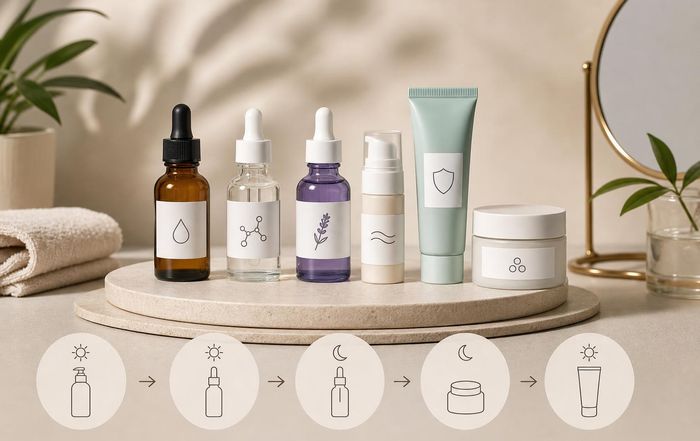
For visitors to BeautyTipa, a straightforward product review no longer fully answers the questions they bring to the site. Readers increasingly look for guidance on how a device fits into an existing regimen, how often it should be used, how it interacts with active ingredients such as retinoids or acids, and how lifestyle factors influence outcomes. The platform's dedicated sections on skincare and routines therefore increasingly adopt a systems perspective, explaining how to synchronize smart cleansing tools, treatment devices and topical formulas into coherent, sustainable routines that respect the skin barrier, adapt to seasonal and environmental changes, and deliver measurable improvements over time.

The Technologies Powering Smart Skincare in 2026

Behind the sleek surfaces of today's smart skincare devices lies a convergence of sensor technology, artificial intelligence, connectivity and, in many cases, energy-based modalities such as light, heat, ultrasound and microcurrent. Optical sensors now evaluate hydration, redness, pigmentation and even subtle changes in texture; thermal sensors monitor skin temperature and can provide indirect insights into barrier function; and high-resolution cameras capture micro-level variations in tone and fine lines that are imperceptible to the naked eye. These data streams are processed by machine-learning models that compare an individual's skin profile with large, anonymized datasets to predict responses to specific treatments, adjust device intensity in real time and refine recommendations with continued use.

Research institutions including MIT and Stanford University have played a pivotal role in advancing the materials, sensors and algorithms that underpin these devices. Readers interested in the evolution of wearable and skin-interfacing technology can follow developments in wearable sensors through MIT's news pages at news.mit.edu, while advances in AI for health-related applications are regularly discussed by the Stanford Institute for Human-Centered Artificial Intelligence at hai.stanford.edu. Dermatological authorities such as the American Academy of Dermatology continue to provide clinical frameworks for evaluating which device-based interventions are supported by evidence and which remain speculative, with further guidance on devices and procedures available at aad.org.

For BeautyTipa, which emphasizes both innovation and accountability in its technology and beauty coverage, the task in 2026 is to translate these technical advances into clear, actionable explanations. Readers need to understand how algorithms are trained, what kinds of data are collected, how privacy is protected, and how efficacy is validated through clinical or consumer testing. By clarifying these elements, BeautyTipa helps its audience distinguish between genuinely innovative devices and those whose claims are primarily marketing-driven, thereby reinforcing trust and informed decision-making.

Evolving Categories of Smart Skincare Devices

The smart skincare device market now spans a broad spectrum of categories, each addressing distinct consumer needs while increasingly overlapping as multi-functional systems. Cleansing and exfoliation tools have matured from simple vibrating brushes into connected devices that use pressure sensors and motion tracking to coach users toward gentler, more effective cleansing, often synchronized with apps that adapt recommendations based on climate, pollution levels and product usage. Light-based devices, particularly LED masks and targeted handheld tools, leverage specific wavelengths to address acne, erythema, hyperpigmentation and signs of aging, supported by a growing body of clinical research that can be explored through databases such as PubMed at pubmed.ncbi.nlm.nih.gov.

Microcurrent, radiofrequency and ultrasound devices aim to stimulate collagen production, enhance lymphatic drainage and improve facial muscle tone, offering at-home alternatives or adjuncts to in-office procedures. More sophisticated systems combine diagnostics with treatment, adjusting parameters such as intensity, pulse duration and wavelength in response to real-time feedback from sensors, thereby creating highly individualized treatment sessions. Wearable patches, smart sheet masks and bio-sensing stickers, some infused with controlled-release active ingredients, blur the line between cosmetics and medical devices, an area closely monitored by regulatory agencies such as the U.S. Food and Drug Administration, whose medical device guidance can be reviewed at fda.gov.

For readers exploring brands and products on BeautyTipa, understanding these categories is crucial for aligning purchases with personal goals, budget and tolerance for experimentation. The platform's role increasingly extends beyond evaluating performance to clarifying which concerns respond well to at-home technologies, which require professional oversight, and how to balance device-based interventions with foundational elements such as sun protection, barrier-supportive care and consistent, evidence-based routines.

AI-Driven Personalization and Data-Centric Beauty

Artificial intelligence now sits at the heart of many beauty technology experiences. Contemporary apps and platforms analyze selfies, detailed questionnaires and, in some cases, environmental and lifestyle data to generate tailored recommendations for products, routines and device settings. Some systems integrate with wearables that track sleep patterns, stress markers and physical activity, creating a holistic profile that links skin behavior with broader wellness indicators. Technology leaders such as Google and Microsoft continue to invest in AI tools and cloud infrastructures that underpin many of these consumer applications; those interested in the underlying research can explore AI initiatives through Google's AI portal at ai.google and examine responsible AI frameworks at Microsoft's AI platform at microsoft.com.

The effectiveness of AI-driven personalization depends heavily on data quality, model design and ongoing monitoring. Algorithmic bias remains a critical concern, particularly in relation to skin tone, age, gender and ethnic diversity, as models trained primarily on limited demographic datasets may misinterpret or under-serve users from underrepresented groups. Organizations such as the World Health Organization have highlighted the importance of equity in digital health, with broader context on digital health equity available at who.int. In beauty tech, this translates into a responsibility for brands and platforms to ensure that their tools perform reliably across the full spectrum of skin tones and cultural practices found in markets from the United States and United Kingdom to Nigeria, India, Brazil, Japan and South Korea.

Because BeautyTipa serves a global audience through its international and trends coverage, inclusivity in AI-powered beauty tools is a non-negotiable dimension of trust. The platform's analyses increasingly examine whether brands disclose how their models are trained, which skin phototypes and age groups are represented in their datasets, and how they audit outcomes for bias. By foregrounding these questions, BeautyTipa helps readers evaluate not just what a device or app promises, but whose needs it genuinely serves.

🔮 Beauty Tech Evolution Timeline

The Journey to Intelligent Skincare in 2026

2015

The Beginning

Connected cleansing brushes and basic skin-analysis apps emerge as experimental add-ons to traditional routines.

Basic AppsCleansing Devices
2018

Smart Diagnostics

Optical sensors begin evaluating hydration, redness, and pigmentation with increasing accuracy.

SensorsData Analysis
2020

AI Integration

Machine learning models compare individual profiles with large datasets to predict treatment responses.

AIPersonalizationCloud Data
2022

Wellness Convergence

Devices expand beyond cosmetics to integrate sleep tracking, stress markers, and holistic health indicators.

WearablesHolistic Health
2024

Advanced Modalities

LED masks, microcurrent, radiofrequency, and ultrasound devices offer at-home alternatives to clinical procedures.

LED TherapyRF TechnologyUltrasound
2025

Real-Time Adaptation

Devices adjust intensity, wavelength, and duration based on real-time sensor feedback for individualized sessions.

Smart SensorsAdaptive Tech
2026

Intelligent Systems

Complete digital ecosystems integrate diagnostics, treatment, teledermatology, and sustainable practices as everyday reality.

Full IntegrationSustainabilityTelemedicine

Holistic Wellness and the Skin-Health Connection

In 2026, the convergence of beauty technology and wellness has become unmistakable. Skin is widely regarded as both a protective organ and a visible indicator of internal health, stress, nutrition and sleep quality. Smart devices and apps have therefore expanded their scope from purely cosmetic claims to holistic wellness guidance, offering recommendations that may include breathing exercises, sleep hygiene protocols, nutrition suggestions and environmental adjustments such as humidifier use or blue-light management. The Global Wellness Institute continues to chart how beauty, fitness and mental health are converging; professionals and enthusiasts can explore these global wellness trends at globalwellnessinstitute.org.

This integrated perspective aligns closely with BeautyTipa's editorial approach across wellness, health and fitness and food and nutrition. Devices that monitor skin hydration, for example, increasingly contextualize readings with insights about water intake, sodium consumption, alcohol use and sleep duration, often drawing on research from institutions such as the Harvard T.H. Chan School of Public Health, where readers can learn more about nutrition and chronic disease prevention at hsph.harvard.edu. As a result, beauty routines are evolving into personalized wellness programs that require users to understand the interplay between topical treatments, behavioral habits and technology-driven interventions, reinforcing the need for clear, integrative guidance of the kind BeautyTipa aims to provide.

Business Models, Investment and Competitive Dynamics

The commercial landscape surrounding beauty technology has become significantly more sophisticated by 2026. Venture capital firms, strategic corporate investors and private equity funds have poured capital into startups and established brands that sit at the intersection of beauty, health and consumer technology. Consulting firms such as McKinsey & Company and Deloitte have identified beauty tech and wellness platforms as high-growth segments within consumer markets; executives and investors can review beauty and personal-care insights at McKinsey's consumer packaged goods portal at mckinsey.com and examine broader consumer technology trends at Deloitte's technology, media and telecommunications section at deloitte.com.

Subscription models, device-plus-consumable ecosystems, and data-driven loyalty programs now dominate the strategic playbook. Many brands design devices that require proprietary cartridges, masks or serums, thereby generating recurring revenue and enabling continuous data collection that can refine product development and marketing. At the same time, some companies are experimenting with open APIs and interoperability, allowing their devices to integrate with third-party wellness apps, smart home systems and even electronic health records in clinical contexts. Within BeautyTipa's business and finance coverage, these models are analyzed not only from a profitability standpoint but also in terms of consumer autonomy, data ownership and long-term value.

Regulators and industry groups are increasingly attentive to the potential for ecosystem lock-in, where consumers find it difficult to switch devices or transfer their data to competing platforms. Discussions around standards for data portability, interoperability and transparent subscription practices are becoming more prominent, influencing how brands design their offerings and how consumers evaluate long-term commitments to specific device ecosystems.

Regulation, Safety and Data Protection

As beauty devices grow more powerful and data-intensive, regulatory scrutiny has intensified across major markets, including the United States, European Union, United Kingdom, Canada, Australia, Japan, South Korea and Singapore. Authorities are clarifying the boundaries between cosmetic devices, wellness tools and medical devices, as each category carries different requirements for safety testing, clinical validation, labeling and post-market surveillance. In Europe, the European Commission and the European Medicines Agency continue to refine frameworks related to digital health and medical devices, with information on health policy and product safety available at health.ec.europa.eu and detailed medical device regulations accessible at ema.europa.eu.

Data privacy and cybersecurity are equally central. Smart skincare systems often collect biometric data, high-resolution facial images, usage patterns and sometimes geolocation data, raising questions about consent, storage, cross-border data transfers and potential misuse for purposes such as targeted advertising or insurance profiling. Regulations such as the European Union's General Data Protection Regulation set stringent expectations for transparency, data minimization and user rights, and individuals and businesses can review core GDPR principles at gdpr.eu. Parallel developments in the United States, including state-level privacy laws, and evolving frameworks in regions such as Asia and South America, require global brands to adopt robust, privacy-by-design architectures.

For BeautyTipa, which seeks to support informed, confident consumer decisions, it has become essential to highlight not only the functional capabilities of devices but also their data practices. Reviews and analyses increasingly examine whether brands provide clear privacy notices, allow users to export or delete their data, protect information with strong encryption and avoid opaque data-sharing arrangements with third parties.

Sustainability and the Environmental Impact of Beauty Tech

Sustainability has moved from a peripheral concern to a core strategic priority across the beauty sector, and technology plays a dual role in this transformation. On one hand, smart devices often contain plastics, metals, rare earth elements and rechargeable batteries, contributing to electronic waste and resource depletion if not designed and managed responsibly. On the other hand, data-driven personalization can reduce overconsumption by helping users purchase fewer but more suitable products, and connected devices can optimize dosage and usage frequency, thereby minimizing waste of formulations and packaging. Organizations such as the Ellen MacArthur Foundation advocate for circular economy principles in consumer goods, offering guidance on circular design at ellenmacarthurfoundation.org.

Forward-looking brands are experimenting with modular designs that allow components such as batteries or sensor modules to be replaced rather than discarding entire devices. Some have launched take-back or refurbishment programs, while others explore bio-based materials and low-energy manufacturing processes. Environmental and scientific bodies, including the Intergovernmental Panel on Climate Change, provide broader context on how consumer electronics and lifestyle products affect global climate goals, with climate mitigation strategies available at ipcc.ch. For BeautyTipa, whose readers increasingly expect alignment between aesthetic innovation and environmental responsibility, evaluating the lifecycle footprint of devices-manufacturing, usage, longevity and end-of-life options-has become an integral part of coverage, complementing performance assessments with sustainability insights.

Careers, Skills and Employment in Beauty Technology

The fusion of beauty and technology is reshaping professional pathways across the value chain, from research and development to retail, marketing and regulatory affairs. Product teams now integrate cosmetic chemists, dermatologists and estheticians with data scientists, machine-learning engineers, user-experience designers, hardware specialists and cybersecurity experts. Retail staff in major markets such as the United States, United Kingdom, Germany, China and Brazil increasingly act as technology consultants, explaining device features, app integrations and data implications to consumers. Marketing professionals must navigate both creative storytelling and complex regulatory constraints around medical claims, AI transparency and sustainability messaging.

Industry bodies and academic institutions have responded by expanding training and certification programs in cosmetic science, digital product management and beauty technology. Organizations such as the Society of Cosmetic Scientists provide information on education and qualifications in cosmetic science at scs.org.uk. Within BeautyTipa's jobs and employment coverage, beauty tech is increasingly presented as a fertile field for cross-disciplinary careers that combine passion for aesthetics with expertise in science, engineering or data. Professionals who thrive in this environment tend to possess both deep domain knowledge and the ability to collaborate across disciplines, reflecting the industry's shift toward integrated, cross-functional innovation.

Education, Trust and Beautytipa's Editorial Role

With the proliferation of AI claims, "clinical-grade" marketing language and influencer-driven device endorsements, consumer education has become a central determinant of trust in beauty technology. Shoppers in regions as diverse as North America, Europe, Asia and Africa are seeking reliable sources that can explain which technologies are genuinely supported by evidence, which devices are safe for unsupervised home use, and which investments are likely to deliver meaningful, long-term benefits. Independent organizations such as Consumer Reports continue to evaluate consumer electronics and connected devices, offering guidance on shopping for smart products at consumerreports.org.

For BeautyTipa, trust is built through clear editorial standards, transparent disclosure of commercial relationships and a commitment to presenting both strengths and limitations of beauty technologies. The platform's guides and tips, makeup and core beauty sections increasingly integrate device-related advice, explaining how to incorporate tools safely into routines, how to interpret app-generated scores or recommendations, and how to balance device usage with foundational skincare practices. Coverage of events, from major trade shows in Europe and North America to innovation forums in Asia, allows readers to follow emerging technologies, regulatory discussions and scientific debates, while the trends section contextualizes marketing narratives within broader shifts in consumer behavior, regulation and technology.

Looking Beyond 2026: The Next Phase of Beauty Tech

As 2026 progresses, the trajectory of beauty technology suggests even deeper integration with healthcare, more discreet and embedded sensing, and heightened attention to ethics, sustainability and inclusivity. Devices are likely to become less conspicuous, with sensing and treatment capabilities integrated into mirrors, bathroom fixtures, textiles and wearables that accompany users throughout the day. Advances in materials science and bioengineering may yield new forms of skin-interfacing patches and micro-needled delivery systems that synchronize with apps and cloud platforms, while progress in edge computing will enable more data processing to occur on-device, reducing latency and enhancing privacy.

International collaboration among dermatologists, technologists, regulators and consumer advocates will shape how standards develop and how quickly new technologies achieve scale across markets such as the United States, European Union, China, Japan, South Korea, Brazil, South Africa and beyond. As beauty tech becomes more tightly interwoven with teledermatology, digital therapeutics and preventive health strategies, the boundary between cosmetic and medical applications will continue to blur, requiring careful governance and clear communication.

Within this evolving landscape, platforms like BeautyTipa occupy a critical position. Serving a global readership with interests that span advanced skincare, fashion, wellness and professional development, the site is uniquely placed to connect technical innovation with human experience. Its mission in the coming years will be to deepen the quality of its analysis, maintain rigorous standards of evidence and transparency, and continue to translate complex developments into practical, trustworthy insights that help individuals and businesses navigate the future of beauty technology with confidence. Ultimately, the success of beauty tech will not be measured solely by the sophistication of its sensors or algorithms, but by the quality of experiences it creates, the expertise that supports it, the authoritativeness of the information that surrounds it and the trustworthiness of the ecosystems in which it operates-principles that will continue to guide how BeautyTipa serves its community worldwide.

Makeup Trends Influenced by Global Fashion Capitals

Last updated by Editorial team at beautytipa.com on Sunday 4 January 2026
Article Image for Makeup Trends Influenced by Global Fashion Capitals

Global Fashion Capitals and the Makeup Landscape

How Fashion Capitals Continue to Shape Beauty

By 2026, the global beauty ecosystem has become even more tightly interwoven with the world's leading fashion capitals, and the rhythm of the industry is now defined by a near-continuous dialogue between runways, digital platforms, laboratories, and consumers' daily routines. The influence of New York, London, Milan, Paris, Tokyo, and Seoul, alongside fast-rising hubs such as Shanghai, Dubai, and São Paulo, reaches the international audience of BeautyTipa in real time, as looks move from backstage to livestreams, then into retail and home routines with unprecedented speed. For readers across North America, Europe, Asia, Africa, and South America, this is no longer simply a question of copying runway makeup; it is about understanding how global fashion capitals set the tone for innovation, business strategy, cultural storytelling, and personal identity in beauty, from makeup and skincare to wellness, technology in beauty, and business and finance.

Major fashion weeks and associated events in New York, London, Milan, Paris, Seoul, Tokyo, Shanghai, and São Paulo now function as global laboratories where makeup artists, product developers, and designers experiment with color, texture, biotechnology, and sustainability. These showcases feed editorial campaigns, retail strategies, and e-commerce assortments that are tracked closely by executives, investors, and analysts through platforms such as The Business of Fashion, McKinsey & Company, and WWD, which treat makeup not only as an aesthetic barometer but as a leading indicator of broader consumer sentiment and category growth. As BeautyTipa follows this evolution for its readers, the platform places particular emphasis on experience, expertise, authoritativeness, and trustworthiness, distilling complex industry shifts into practical insights that can be applied to everyday routines and long-term beauty planning.

New York: Inclusive Commerciality and the Polished Everyday Look

In 2026, New York remains a powerful reference point for commercially viable, office-ready, and camera-friendly makeup that resonates strongly in the United States, Canada, and other major urban markets. The city's long-standing commitment to diversity and inclusion continues to drive global expectations around shade ranges, undertone accuracy, and complexion flexibility, with brands headquartered or heavily present in New York responding to consumers who demand foundations, concealers, and tints that perform across all skin tones and work equally well under natural light, studio lighting, and video calls. Market intelligence from organizations such as NielsenIQ and Statista confirms that inclusive complexion portfolios are no longer a differentiator but a baseline requirement in North America and increasingly in Europe and Asia.

On the runways of New York Fashion Week, makeup artists are refining the "skin-realism" aesthetic that has gained ground since the pandemic years, favoring sheer, buildable coverage, targeted spot-concealing, and subtle sculpting that respects natural skin texture. Dewy but controlled finishes, cream-based bronzers and blushes, and softly defined brows dominate many shows, while lip looks range from polished neutrals suited to hybrid work environments to classic reds that echo the city's affinity for timeless glamour. For the BeautyTipa audience, this New York aesthetic is particularly relevant to professionals balancing demanding careers with personal expression, and the editorial team frequently translates these looks into practical guides and tips that can be adapted for different industries, from finance and law to tech and media.

From a business standpoint, New York's influence is amplified by its role as a headquarters city for major beauty conglomerates such as Estée Lauder Companies and Revlon, as well as a launchpad for indie brands that leverage direct-to-consumer models, social commerce, and influencer partnerships. Reports from Euromonitor International and Deloitte show that color cosmetics have returned to strong growth, with hybrid makeup-skincare products and long-wear, mask-flexible formulas gaining particular traction. The New York-driven emphasis on versatility, inclusivity, and professional polish aligns closely with these trends, and BeautyTipa reflects this reality by highlighting routines and product strategies that help readers build resilient makeup wardrobes suitable for boardrooms, co-working spaces, and after-hours networking events.

London: Experimental Expression and Ethical Edge

London's contribution to the global makeup conversation in 2026 is grounded in its subcultural heritage and its reputation as a crucible for experimental, sometimes confrontational beauty narratives. At London Fashion Week, bold graphic liners, unexpected color blocking, and deliberately imperfect finishes continue to challenge conventional notions of symmetry and flawlessness, reflecting a broader cultural embrace of authenticity and anti-filter aesthetics. Platforms such as the British Fashion Council, Vogue, and Dazed regularly spotlight London-based makeup artists and brands whose work blurs the line between beauty and performance art, and these experimental looks frequently migrate from editorial pages and underground clubs into mainstream social media trends.

This experimentalism is not just visual; it is also ethical and conceptual. Many London-driven trends are intertwined with conversations about identity, inclusivity, and sustainability, resonating strongly with Gen Z and younger millennials across the United Kingdom, Germany, the Netherlands, Scandinavia, and beyond. Consumer research from Mintel and sustainability analyses from organizations such as the Ellen MacArthur Foundation and UN Environment Programme indicate that British and European consumers increasingly expect cruelty-free formulations, low-waste packaging, and transparent sourcing, and they often reward brands that integrate these values into bold, expressive aesthetics. For the BeautyTipa community, which closely follows beauty trends and ethical innovation, London offers a model of how creative risk-taking can coexist with responsible business practices.

London's independent beauty scene also plays a pivotal role in translating runway experimentation into consumer-accessible products, with small and mid-sized brands collaborating closely with makeup artists to develop multi-use pigments, gels, and finishes that can be customized for both subtle and extreme looks. These products often appear first in concept stores and niche e-commerce platforms before gaining wider distribution, and they have become particularly influential in markets such as the United Kingdom, France, and the Nordic countries, where consumers are open to expressive color but still value functional performance. For readers exploring career paths in beauty, London's ecosystem illustrates how artistry, brand building, and content creation intersect within an evolving jobs and employment landscape that rewards creativity, digital fluency, and ethical awareness.

🌍 Global Fashion Capitals Makeup Trends 2026

Explore signature beauty aesthetics from fashion's most influential cities

Milan: Luxury Heritage and Modernized Glamour

Milan's impact on makeup trends in 2026 is deeply rooted in its heritage of luxury craftsmanship and precise tailoring, yet the city has also embraced a more modern, wellness-aware vision of glamour. Milan Fashion Week remains a showcase for meticulously sculpted cheekbones, velvety matte or satin complexions, and harmonized color stories that align with collections from houses such as Gucci, Prada, and Dolce & Gabbana, but the execution increasingly incorporates skincare benefits, breathable textures, and more nuanced approaches to glow. This refined aesthetic resonates strongly in Italy, France, Spain, and Latin America, where classic beauty codes still hold influence but are being subtly reinterpreted for a generation that values comfort and skin health alongside visual impact.

Industry data from L'Oréal Group, Kering, and the European Commission underscores the continued strength of the premium and luxury beauty segments in Europe and key international markets, with consumers willing to invest in high-quality complexion products, lipsticks, and eye palettes that promise both performance and sensorial pleasure. Milan's visual language supports this trend by emphasizing timeless staples-a perfectly calibrated red lip, a soft smoky eye in earthy tones, or a refined cat-eye liner-that can anchor a sophisticated makeup wardrobe. For BeautyTipa readers exploring brands and products, Milan's approach reinforces the value of building a curated collection of long-term essentials rather than constantly chasing short-lived novelties.

At the same time, Milanese brands and European manufacturers are increasingly attentive to sustainability, ingredient transparency, and regulatory developments shaped by institutions such as Cosmetics Europe, the European Chemicals Agency, and the European Medicines Agency. Refillable packaging, responsibly sourced pigments, and skincare-infused color formulas are becoming more common on Milan runways and in the associated product launches, reflecting a broader European push toward circularity and safer formulations. This convergence of heritage luxury and modern responsibility offers a compelling blueprint for consumers in Europe, North America, and Asia who wish to enjoy polished glamour while aligning their choices with environmental and ethical priorities.

Paris: Skin-Centric Refinement and Couture-Level Storytelling

Paris continues to occupy a singular position in the global beauty hierarchy, with Paris Fashion Week and the haute couture schedule setting the tone for aspirational aesthetics, fragrance narratives, and the fusion of art, science, and craftsmanship. French beauty heritage, embodied by houses such as Chanel, Dior, Lancôme, and Hermès, remains synonymous with the concept of effortless chic, and in 2026 this translates into makeup trends that prioritize luminous, well-prepared skin, subtle sculpting, and carefully chosen accents rather than overtly transformative techniques. The enduring popularity of French pharmacy skincare, frequently highlighted by publications such as Harper's Bazaar and Vogue France, reinforces the idea that makeup is most effective when it enhances a well-cared-for complexion.

On the Paris runways, makeup artists often introduce conceptual elements-ethereal washes of shimmer, painterly blush draping, or delicate metallic veils-that later influence editorial spreads and premium product launches across Europe, North America, and parts of Asia. These looks are typically grounded in rigorous product testing and regulatory compliance shaped by European institutions, which ensures that innovations in texture, longevity, and pigment intensity are supported by robust safety and performance standards. For BeautyTipa, which approaches beauty through an integrated lens that includes wellness, fashion, and health and fitness, Paris exemplifies how brands can build cohesive narratives that connect skincare, makeup, fragrance, and broader lifestyle choices.

Paris is also a focal point for discussions about sun protection, pollution defense, and anti-aging strategies, with dermatological research from institutions referenced by organizations like the American Academy of Dermatology and Mayo Clinic influencing the formulation of complexion products showcased on its runways. Foundations and skin tints increasingly integrate advanced UV filters, antioxidants, and barrier-supporting ingredients, reflecting a recognition that urban lifestyles in cities such as Paris, London, New York, and Tokyo expose skin to environmental stressors that must be addressed holistically. This skin-centric sophistication aligns closely with the interests of BeautyTipa readers who are building long-term skincare strategies while still seeking the polished, understated elegance for which Paris is renowned.

Seoul and Tokyo: Technological Innovation and Skin-Makeup Hybrids

In 2026, Seoul and Tokyo continue to exert outsized influence on the global understanding of what makeup can and should do, particularly in relation to skin quality, personalization, and the integration of technology. South Korea's beauty industry, supported by organizations such as KOTRA and analyzed extensively by Euromonitor and Mintel, remains at the forefront of hybrid formulations that blur the line between skincare and makeup, from cushion foundations with advanced UV protection to serum-infused tints and balms designed to support barrier health. The "glass skin," "cloud skin," and "honey skin" aesthetics that gained prominence in previous years have evolved into more individualized approaches, with consumers in South Korea, the United States, Europe, and Southeast Asia using diagnostic tools and AI-driven recommendations to tailor their base products to their specific concerns.

On Seoul's runways and in its influential K-pop and K-drama ecosystems, makeup trends emphasize translucency, soft gradients, and playful color accents that can be dialed up or down depending on occasion and personal style. Brands such as Amorepacific, Laneige, and Etude continue to launch complexion products and lip tints that rapidly gain global traction through social media and cross-border e-commerce platforms. In Tokyo, the aesthetic spectrum is broader, ranging from ultra-minimal, almost bare looks to highly stylized subcultural expressions inspired by Harajuku, anime, and alternative fashion scenes. Brands such as Shiseido, Canmake, and SUQQU reflect this diversity, offering both subtle, office-appropriate formulations and high-impact colors and textures that appeal to creative communities in Japan, Europe, and North America.

Both Seoul and Tokyo are also deeply embedded in the beauty technology landscape, with significant investments in AI-based skin analysis, virtual try-on, and personalized formulation systems. Reports from CB Insights, PwC, and the World Economic Forum highlight the rapid growth of beauty-tech startups in East Asia, many of which pilot innovations in markets such as South Korea, Japan, and Singapore before expanding globally. These technologies enable consumers to experiment with makeup looks inspired by global fashion capitals without visiting physical counters, and they provide brands with granular data on preferences, shade gaps, and emerging micro-trends. For BeautyTipa, which dedicates a full vertical to technology in beauty, Seoul and Tokyo offer a preview of how digital tools, data, and creativity will continue to reshape the beauty experience worldwide.

Emerging Hubs: Shanghai, Dubai, São Paulo, and Expanding Regional Influence

Beyond the traditional fashion capitals, emerging hubs such as Shanghai, Dubai, São Paulo, Mumbai, and Johannesburg are playing an increasingly visible role in shaping global makeup trends, reflecting shifting economic power and demographic momentum across Asia, the Middle East, Africa, and South America. In Shanghai, the intersection of luxury retail, domestic Chinese innovation, and digital ecosystems built around platforms such as Tmall, WeChat, and Douyin has created a sophisticated beauty market where consumers move fluidly between Western-inspired looks and distinctly local aesthetics. Insights from China Beauty Expo and McKinsey underscore the speed at which trends spread through livestream commerce and influencer-driven campaigns, with bold lips, precise liners, and soft-focus idol-inspired complexions all coexisting within a dynamic visual culture.

Dubai and other Gulf cities project a distinct vision of high-coverage glamour, sculpted contouring, and long-wear, heat-resistant formulas that serve local cultural preferences while influencing global approaches to evening and event makeup. Organizations such as the Arab Fashion Council and regional beauty media document how this aesthetic is evolving, incorporating softer finishes, skin-care benefits, and more nuanced highlighting techniques while retaining its characteristic drama. In São Paulo and other Latin American centers, vibrant colors, bronzed skin, and expressive eye looks draw from local music, dance, and street culture, creating makeup narratives that resonate strongly in Brazil, Argentina, and neighboring markets and increasingly inspire festival and summer beauty trends worldwide. For BeautyTipa, which serves readers across Europe, Asia, Africa, North America, and South America through its international coverage, these hubs illustrate that trend leadership is now distributed rather than centralized, with inspiration moving in multiple directions simultaneously.

The Convergence of Makeup, Wellness, and Daily Routines

Across all fashion capitals and emerging hubs, one of the defining features of the 2026 makeup landscape is the continued convergence of beauty with wellness, skincare, and lifestyle design. Consumers in the United States, the United Kingdom, Germany, Canada, Australia, France, Italy, Spain, the Netherlands, Switzerland, China, South Korea, Japan, and beyond are increasingly seeking products and routines that support not only immediate visual impact but also long-term skin health, psychological comfort, and alignment with personal values. The rise of skin tints, serum foundations, and complexion products containing ingredients such as niacinamide, hyaluronic acid, ceramides, and peptides reflects this integration, drawing on dermatological and wellness insights shared by institutions like the American Academy of Dermatology, Mayo Clinic, and World Health Organization.

Everyday routines are becoming more strategic and modular, as consumers build flexible systems that can be adapted to different climates, work patterns, and social contexts. Many readers of BeautyTipa now curate streamlined sets of multi-use sticks, balms, and palettes that can transition from a minimal daytime face suitable for remote work or casual office environments to more sculpted, high-impact looks for evenings and events. This shift is closely connected to broader lifestyle considerations, including sleep, nutrition, and exercise, which influence how makeup sits on the skin and how long it wears. In response, BeautyTipa increasingly links beauty, health and fitness, and food and nutrition, providing readers with integrated perspectives on how internal and external habits work together to support both appearance and wellbeing.

Regional preferences also shape how this convergence manifests. In Nordic countries such as Sweden, Norway, Denmark, and Finland, for example, there is a strong emphasis on minimalism, clean formulations, and subtle radiance, while in markets such as Brazil, South Africa, and Thailand, sun resilience, sweat resistance, and vibrant color payoff are often prioritized. For readers in Singapore, Malaysia, and other humid climates, lightweight, breathable textures and smart setting techniques are key to maintaining comfort and performance throughout the day. BeautyTipa reflects these nuances in its coverage of routines, offering regionally informed suggestions that help readers adapt global runway inspiration to local weather, cultural norms, and professional expectations.

Business Strategy, Technology, and the Value of Insight

From a strategic business perspective, understanding how global fashion capitals influence makeup trends has become essential for brands, investors, and professionals operating in the beauty sector. Executives increasingly rely on trend intelligence from sources such as The Business of Fashion, WWD, Deloitte, and OECD to anticipate shifts in consumer demand, allocate research and development budgets, and design marketing campaigns that can resonate across diverse markets. The compressed timelines between runway debut and retail launch, driven by social media, e-commerce, and global logistics, mean that a striking eyeliner shape from London, a dewy base innovation from Seoul, or a color story from São Paulo can be commercialized within a single season, rewarding organizations that combine creative agility with operational excellence.

Technology is central to this new reality. AI-driven forecasting tools, social listening platforms, and advanced analytics allow brands to monitor conversations, sentiment, and purchasing behavior on channels such as Instagram, TikTok, YouTube, and X, identifying both macro-trends and niche movements that might otherwise go unnoticed. At the same time, regulatory developments, sustainability commitments, and evolving labor dynamics-tracked by institutions such as the International Labour Organization, the Global Reporting Initiative, and the World Economic Forum-shape what is feasible in terms of formulation, packaging, and workforce skills. For BeautyTipa, which covers business and finance in beauty, these dynamics underscore the importance of cross-functional expertise, where creative vision, regulatory knowledge, technological fluency, and financial acumen are all required to translate runway inspiration into responsible, profitable products.

For professionals and aspiring entrants into the beauty industry, this environment presents both opportunities and challenges. Roles in product development, artistry, digital marketing, retail strategy, and sustainability now demand a nuanced understanding of global trend flows, regional differences, and the technical underpinnings of modern formulations and tools. As BeautyTipa engages with this audience, the platform increasingly focuses on helping readers interpret how trends emerging from New York, London, Milan, Paris, Seoul, Tokyo, and other hubs intersect with long-term career prospects, entrepreneurial possibilities, and the evolving jobs and employment landscape.

Looking Forward: A Connected, Responsible, and Personalized Beauty Future

Looking ahead through 2026, the influence of global fashion capitals on makeup trends is expected to become even more collaborative, inclusive, and technologically sophisticated. Rather than a one-directional flow from a small set of Western cities to the rest of the world, the beauty narrative now resembles a dense network in which ideas circulate rapidly among New York, London, Milan, Paris, Seoul, Tokyo, Shanghai, Dubai, São Paulo, and numerous other creative centers, while local communities adapt and remix these influences to reflect their own cultural narratives and practical needs. For BeautyTipa, whose readership spans the United States, United Kingdom, Germany, Canada, Australia, France, Italy, Spain, the Netherlands, Switzerland, China, Sweden, Norway, Singapore, Denmark, South Korea, Japan, Thailand, Finland, South Africa, Brazil, Malaysia, New Zealand, and beyond, this evolution reinforces the importance of regionally aware coverage that connects trends, events, and expert guides and tips with the lived realities of diverse audiences.

At the same time, heightened awareness of sustainability, mental health, and social responsibility is reshaping expectations of beauty brands, retailers, and influencers. Organizations such as the UN Environment Programme, Global Reporting Initiative, and World Health Organization are influencing how companies measure and communicate their environmental and social performance, and consumers are increasingly factoring these considerations into their purchasing decisions, even in categories historically driven by impulse and aspiration. In this context, the makeup looks seen on global runways are not just aesthetic experiments; they are also vehicles for conveying values, testing new technologies, and exploring more sustainable approaches to product design, distribution, and consumption.

Ultimately, the makeup landscape of 2026 reflects a world in which beauty is both personal and collective, rooted in local cultures yet shaped by global conversations, and deeply connected to broader shifts in technology, wellness, and commerce. By tracking developments across fashion capitals and emerging hubs, and by translating them into clear, actionable insights, BeautyTipa aims to support its readers in building routines and strategies that honor individuality while engaging thoughtfully with the wider industry. Whether a reader is refining a daily office look in New York, experimenting with subversive color in London, embracing polished glamour in Milan, pursuing skin-first refinement in Paris, exploring tech-enabled hybrids in Seoul or Tokyo, or drawing inspiration from Shanghai, Dubai, São Paulo, and beyond, BeautyTipa remains committed to offering informed, trustworthy guidance that reflects the complexity and promise of the global beauty landscape today.

Inside the Science of Skin Barrier Repair

Last updated by Editorial team at beautytipa.com on Sunday 4 January 2026
Article Image for Inside the Science of Skin Barrier Repair

Inside the Science of Skin Barrier Repair

Why the Skin Barrier Has Become a Strategic Priority

By 2026, the global beauty and wellness landscape has shifted decisively toward a "barrier-first" philosophy, and for the readers of Beautytipa, this evolution is not a passing trend but a structural change in how beauty, health, and lifestyle are understood. As consumers in the United States, Europe, Asia, Africa, and South America become more informed and more demanding, the skin barrier is now viewed as a strategic asset that underpins every other aesthetic and health goal, from anti-aging and pigmentation management to comfort, resilience, and psychological wellbeing. For a platform like Beautytipa, which connects beauty, wellness, technology, business, and international perspectives, barrier repair has moved from specialist dermatological discourse into the center of editorial coverage, product evaluation, and long-term guidance for readers seeking both results and reliability.

Dermatologists describe the skin barrier, dominated by the stratum corneum, as a complex, living interface that regulates water balance, blocks irritants and pathogens, and modulates immune responses. This barrier is not static; it reacts to climate, stress, nutrition, hormonal shifts, and product choices, which means that the state of the barrier is effectively a live indicator of how internal and external pressures are being managed. As urbanization intensifies, remote and hybrid work keep people tethered to screens, and climate instability reshapes daily life from New York to London, Berlin, Toronto, Sydney, Paris, Milan, Madrid, Amsterdam, Zurich, Shanghai, Stockholm, Oslo, Singapore, Copenhagen, Seoul, Tokyo, Bangkok, Helsinki, Johannesburg, São Paulo, Kuala Lumpur, and Auckland, the barrier is under sustained stress, making evidence-based repair and protection a priority not only for individuals but also for brands, professionals, and investors across the beauty and wellness ecosystem.

The Modern Biology of the Barrier: A Dynamic, Multifactorial System

Contemporary dermatological science, informed by research from institutions such as Harvard Medical School and Mayo Clinic, now portrays the barrier as a tightly regulated structure built on the familiar "brick-and-mortar" model, in which flattened corneocytes form the bricks and an intercellular lipid matrix of ceramides, cholesterol, and fatty acids forms the mortar. Yet in 2026, this model is understood as only a starting point, because the barrier's function depends on protein processing, enzymatic activity, pH gradients, and the constant turnover of cells and lipids. Readers who explore the science-focused articles in Beautytipa's skincare hub increasingly recognize that a moisturizer, serum, or treatment succeeds or fails based on how it interacts with this sophisticated architecture rather than on marketing promises alone.

The barrier also hosts a dense and diverse microbiome of bacteria, fungi, and viruses that coexist with the host immune system. Work summarized by the National Institutes of Health shows that this microbiome communicates with immune cells, influences inflammation, and competes with pathogenic organisms, effectively acting as an additional biological shield. When harsh cleansers, aggressive exfoliants, or environmental pollutants disturb this ecosystem, the result can be heightened sensitivity, breakouts, or flare-ups of conditions such as rosacea and atopic dermatitis. At the same time, natural moisturizing factors derived from filaggrin and related proteins help maintain water content and suppleness. The cumulative effect is that barrier health is directly visible in tone, texture, elasticity, and radiance, across age groups, genders, and ethnicities, making barrier literacy an essential skill for anyone curating a rational skincare strategy.

Environmental Pressures and the Global Barrier Health Challenge

Environmental stressors have become one of the most visible drivers of barrier damage, particularly in densely populated and industrialized regions. Studies published in platforms like the Journal of Investigative Dermatology have linked air pollution, including particulate matter and nitrogen oxides, to increased pigmentation, dryness, and premature aging, with residents of cities such as London, Los Angeles, Seoul, Beijing, and São Paulo facing daily exposure to airborne contaminants that adhere to the skin, generate free radicals, and gradually erode lipid structures. For Beautytipa's internationally minded readers, who follow global beauty trends and frequently travel for work or leisure, these findings underscore the need to see barrier care as a form of environmental risk management.

Climate change further complicates this picture. Data from organizations such as the World Health Organization and the Environmental Protection Agency highlight rising UV indices, increased heat waves, and shifts in humidity that collectively strain the barrier's capacity to maintain equilibrium. In cold, dry winters in Scandinavia, Germany, Switzerland, Canada, and parts of the United States, the combination of low outdoor humidity and heated indoor air can strip moisture and disrupt lipids, while in hot, humid climates like Thailand, Brazil, Malaysia, and parts of Africa, sweat, pollution, and UV exposure create a different but equally demanding set of challenges. As a result, Beautytipa's readers are learning to adapt their routines seasonally and geographically, integrating barrier-supportive products and habits as part of a broader environmental resilience strategy.

Lifestyle, Stress, and the Inside-Out Dimension of Barrier Health

The modern barrier conversation in 2026 extends far beyond what is applied to the skin's surface, because lifestyle patterns have emerged as powerful determinants of barrier integrity. Research collated by The American Academy of Dermatology indicates that chronic psychological stress, common in high-intensity sectors such as finance, technology, consulting, and healthcare, elevates cortisol and other stress mediators that impair the skin's ability to retain moisture and repair microdamage. Simultaneously, irregular sleep, late-night screen exposure, and jet lag disrupt circadian rhythms that govern barrier regeneration and antioxidant capacity. For readers drawn to Beautytipa's integrated coverage of wellness, health and fitness, and beauty, this evidence reinforces the idea that barrier repair must be approached as part of a holistic lifestyle architecture rather than as an isolated cosmetic fix.

Nutrition is equally important. Guidance from sources such as Harvard T.H. Chan School of Public Health and Cleveland Clinic emphasizes that essential fatty acids, high-quality proteins, and antioxidants support the synthesis of barrier lipids, collagen, and protective enzymes, while diets overloaded with ultra-processed foods and sugars may promote systemic inflammation that manifests on the skin. Omega-3-rich foods, colorful vegetables and fruits, nuts, seeds, and adequate hydration contribute to a more resilient barrier from within, complementing topical strategies. On Beautytipa, coverage of food and nutrition increasingly intersects with skincare content, encouraging readers in North America, Europe, and Asia-Pacific to view their plates, their stress-management routines, and their sleep hygiene as integral components of barrier care.

🛡️ Skin Barrier Health Quiz

Test your knowledge about skin barrier science and repair

1/8

Core Ingredients Defining Barrier Repair Formulations in 2026

In the product arena, the last few years have seen a decisive pivot from "more actives, stronger percentages" toward formulations that restore, mimic, or gently enhance the skin's own barrier mechanisms. Ceramides remain at the center of this movement. Educational resources such as DermNet NZ explain how specific ceramide subclasses and ratios mirror the natural lipid profile of healthy skin, improving cohesion between corneocytes and reducing transepidermal water loss. In 2026, many of the most trusted barrier creams and serums, whether from pharmacy brands or prestige labels, use multi-ceramide complexes combined with cholesterol and fatty acids such as linoleic acid to rebuild the full lipid matrix rather than focusing on any single component in isolation.

Humectants like glycerin, hyaluronic acid, and polyglutamic acid draw water into the stratum corneum, while occlusive or semi-occlusive agents such as petrolatum, dimethicone, and plant-derived squalane form breathable seals that slow evaporation. Niacinamide, supported by evidence from organizations like the British Association of Dermatologists, contributes by enhancing barrier recovery, reducing redness, supporting an even tone, and modulating sebum production, making it a multi-functional staple in barrier-focused formulas that must work across diverse skin tones and climates. Meanwhile, soothing agents such as panthenol, allantoin, colloidal oatmeal, and madecassoside are widely used to calm irritation and support recovery, especially after procedures or in the context of retinoid use. For Beautytipa's readers who consult the platform's brands and products section, understanding ingredient lists through this barrier lens has become a crucial skill in distinguishing robust formulations from marketing-driven noise.

Microbiome, Postbiotics, and the Next Layer of Barrier Intelligence

The skin microbiome has moved from an emerging topic to a core pillar of barrier science. High-impact publications referenced by journals such as Nature and Science have documented how commensal microbes contribute to pH regulation, immune training, and pathogen defense, effectively serving as a living extension of the physical barrier. Disruption of this microbiome through over-cleansing, frequent use of antibacterial agents, or poorly targeted antibiotics can lead to dysbiosis, with downstream effects including sensitivity, acne flares, and chronic inflammation.

In response, 2026 has seen the maturation of microbiome-conscious skincare, with products featuring prebiotics that feed beneficial bacteria, carefully selected probiotic strains, and postbiotics-non-living microbial metabolites and lysates that deliver benefits without the stability challenges of live organisms. Clinical and regulatory bodies, including the European Medicines Agency and U.S. Food and Drug Administration, are paying closer attention to microbiome-related claims, prompting serious brands to invest in rigorous testing. For Beautytipa's audience exploring advanced skincare in the beauty and guides and tips sections, the key is to look beyond buzzwords and focus on clearly defined ingredients, plausible mechanisms, and transparent communication of what has actually been demonstrated in controlled studies.

Digital Lifestyles, Blue Light, and Indoor Environmental Stress

With remote and hybrid work now entrenched across North America, Europe, and Asia, digital exposure has taken a more prominent place in barrier discussions. While organizations such as The Skin Cancer Foundation emphasize that UV radiation from the sun remains the dominant concern for skin aging and cancer risk, research and commentary from bodies including the American Academy of Ophthalmology suggest that prolonged exposure to blue light from screens may contribute to eye strain, circadian disruption, and oxidative stress in certain contexts. When combined with dry indoor air from heating or air conditioning, low humidity, and prolonged sedentary behavior, the result is a subtle but persistent assault on the barrier.

In response, formulators increasingly incorporate antioxidant systems-often combining vitamin C, vitamin E, ferulic acid, resveratrol, coenzyme Q10, or botanical polyphenols-to help neutralize free radicals generated by UV, pollution, and possibly blue light. Some products add lutein, carotenoids, or algae extracts that have shown promise in laboratory settings. For Beautytipa's community interested in technology and beauty innovation, this intersection of digital ergonomics, lighting design, and skincare highlights a broader trend: barrier protection is no longer limited to what happens outdoors but extends to the design of workspaces, screen habits, and even home air quality strategies.

Constructing a Barrier-First Routine: Principles Over Hype

In a crowded global market, a barrier-first routine offers a rational framework for decision-making. Leading medical centers such as Johns Hopkins Medicine and Cleveland Clinic emphasize that gentle cleansing, appropriate moisturization, and daily sun protection are the non-negotiable pillars of skin health, while overuse of exfoliants, peels, and high-dose actives is a common cause of unnecessary damage. For Beautytipa's readers, who often experiment with new launches and regional innovations from Korea, Japan, France, Germany, the United States, and beyond, the practical implication is to prioritize tolerance and consistency over constant novelty.

A barrier-centric routine typically begins with a mild, pH-balanced cleanser that respects the skin's acid mantle, followed by a hydrating step that delivers humectants and soothing agents, and a moisturizing step that replenishes lipids. Broad-spectrum sunscreen, ideally with both UV and pollution defense, is essential in the morning, particularly in high-UV regions such as Australia, South Africa, Southern Europe, and much of Asia and Latin America. When irritation, tightness, or stinging occurs, Beautytipa's guidance in the routines section encourages readers to scale back exfoliation and potent actives, temporarily simplify their regimen, and allow the barrier to reset before reintroducing targeted treatments like retinoids or acids in a controlled, stepwise fashion.

Clinical Treatments, Procedures, and Professional Oversight

While home care is foundational, there are many circumstances in which professional assessment and intervention are critical to safe, effective barrier repair. Dermatology clinics and medical spas in the United States, United Kingdom, Germany, Canada, Australia, France, Italy, Spain, the Netherlands, Switzerland, China, South Korea, Japan, Singapore, and other markets now routinely integrate barrier-supportive protocols before and after procedures such as lasers, microneedling, chemical peels, and energy-based treatments. Authoritative resources like Mayo Clinic stress the importance of tailoring procedure intensity and frequency to individual skin type, medical history, and barrier status, particularly for patients with darker phototypes who may be more prone to post-inflammatory hyperpigmentation.

Low-strength chemical peels, LED light therapy targeting inflammation, and prescription barrier creams for atopic dermatitis or chronic irritant dermatitis are increasingly positioned as tools to rebalance rather than strip the skin. For Beautytipa's international readership, this shift underscores the importance of seeking practitioners who understand ethnic diversity, regional environmental conditions, and the cumulative impact of combining home actives with in-office procedures. Barrier-aware care pathways are gradually becoming a marker of quality in dermatology and aesthetic medicine, and readers are encouraged to ask explicit questions about how their barrier will be supported throughout any treatment journey.

The Business of Barrier Repair: Growth, Differentiation, and Responsibility

From a business perspective, barrier repair has matured into a high-value, high-trust category that cuts across mass, masstige, and luxury segments. Market analyses from organizations such as McKinsey & Company and Euromonitor International have documented robust growth in dermocosmetic and sensitive-skin segments, as consumers increasingly favor products with clinical backing, minimalist ingredient lists, and transparent communication. For the business-oriented audience engaging with Beautytipa's business and finance coverage, barrier repair represents a compelling case study in how scientific literacy, consumer education, and regulatory trends can reshape category dynamics.

Brands that position themselves as barrier experts must now demonstrate real expertise, from investing in in vitro and in vivo studies to publishing data in peer-reviewed forums and partnering with dermatologists and academic institutions. At the same time, retailers in North America, Europe, and Asia are curating dedicated "barrier care" or "skin health" assortments, and professional training for beauty advisors increasingly includes barrier assessment and product-matching skills. The economic opportunity is significant, but so is the responsibility to avoid over-medicalizing cosmetics, oversimplifying complex conditions, or exploiting consumer anxiety. Platforms like Beautytipa, which evaluate products and strategies through the lens of Experience, Expertise, Authoritativeness, and Trustworthiness, play a vital role in holding the industry to high standards.

Sustainability, Ethics, and Trust in Barrier-Focused Brands

In 2026, trust in barrier repair products extends beyond efficacy to include environmental and ethical considerations. Organizations such as the UN Environment Programme and Environmental Working Group have brought attention to issues like microplastic pollution, non-biodegradable packaging, and the environmental impact of certain UV filters and petrochemical ingredients. Consumers in Europe, North America, and Asia-Pacific increasingly expect barrier-supportive formulations to align with broader sustainability and social responsibility values, from responsible sourcing of botanical extracts to cruelty-free testing policies and fair labor practices in supply chains.

Beautytipa's coverage of international developments and beauty trends reflects this convergence of ethics and performance. Readers are encouraged to ask not only whether a product calms redness or reduces dryness, but also how its ingredients are sourced, how its packaging can be recycled, and whether the brand communicates transparently about its environmental goals. In this context, barrier repair becomes a symbol of a broader shift toward conscious consumption, where caring for one's own protective interface with the world is linked to caring for the ecosystems and communities that make that care possible.

Careers and Skills in the Era of Barrier-Centric Beauty

The rise of barrier science has opened new professional avenues across research, product development, marketing, education, and digital health. Companies ranging from global multinationals to biotech start-ups are seeking professionals with backgrounds in dermatology, cosmetic chemistry, immunology, microbiology, data science, and regulatory affairs. Organizations such as the Society of Cosmetic Chemists and American Academy of Dermatology support ongoing education in formulation science, clinical evaluation, and patient communication, while universities and online learning platforms are introducing specialized programs in cosmetic and dermal science.

For readers exploring new roles or career transitions through Beautytipa's jobs and employment section, the barrier category offers a rich intersection of science, creativity, and consumer impact. Opportunities range from clinical research roles testing new ceramide complexes or microbiome interventions, to regulatory experts navigating evolving rules in the European Union and Asia, to content strategists and educators who translate complex barrier concepts into accessible guidance for global audiences. As digital tools and AI-driven personalization expand, data analysts and machine-learning specialists are also increasingly involved in mapping environmental, behavioral, and biological variables to individualized barrier-care recommendations.

Regional Nuances: Barrier Repair Across Cultures and Climates

Although the fundamental biology of the barrier is shared across humanity, regional climates, cultural practices, and regulatory environments create distinct approaches to barrier care. In East Asia, especially South Korea and Japan, long-standing traditions of multi-step routines, gentle cleansing, and hydration layering have made barrier preservation an implicit standard, with innovations like essences, ampoules, and sleeping masks influencing global practice. In France, Germany, and other European countries, pharmacy-based dermocosmetic brands with a strong clinical orientation have championed minimalist formulas and strict tolerance testing, often recommended by dermatologists and general practitioners for sensitive or compromised skin.

In North America, barrier repair has been integrated into broader narratives of wellness, anti-aging, and lifestyle optimization, with a focus on multi-tasking formulas that combine barrier support, pigment control, and texture refinement. In regions such as South Africa, Brazil, Thailand, and other parts of Asia, Africa, and South America, barrier strategies must account for intense UV exposure, humidity, heat, and specific pigmentary concerns, leading to a growing emphasis on photoprotection, antioxidant defense, and post-inflammatory hyperpigmentation prevention. For Beautytipa's globally distributed readership, this diversity reinforces the importance of contextualizing advice and recognizing that an effective routine in Stockholm in winter may be inappropriate for Singapore or Johannesburg in summer.

Practical Guidance for Beautytipa Readers in 2026

For individuals seeking to translate the evolving science of barrier repair into daily practice, several enduring principles emerge from the convergence of clinical evidence and real-world experience. Consistency with a gentle, well-designed routine almost always outperforms sporadic use of aggressive treatments or constant experimentation with new actives. Early attention to warning signs such as tightness, burning, flaking, or sudden reactivity can prevent more serious barrier breakdown, making it wise to maintain a simplified "recovery regimen" with proven barrier-supportive products. Integrating lifestyle adjustments-improved sleep hygiene, stress management practices, thoughtful nutrition, and regular physical activity-amplifies the benefits of topical care and aligns with Beautytipa's broader commitment to integrated wellness and health and fitness.

Partnering with qualified professionals, whether board-certified dermatologists, licensed estheticians, or registered dietitians, remains a powerful way to personalize barrier strategies in light of medical history, medication use, cultural preferences, and aesthetic goals. For readers navigating career demands, travel schedules, and family responsibilities across multiple continents, Beautytipa's editorial mission is to provide grounded, actionable guidance rather than one-size-fits-all prescriptions, helping each reader design routines and lifestyles that support their barrier in the context of their own reality.

The Future of Barrier Science and Beautytipa's Role

Looking ahead, the next phase of barrier innovation is likely to be shaped by biotechnology, advanced analytics, and long-term clinical data. Research collaborations between institutions such as Stanford Medicine and King's College London and industry partners are exploring gene expression profiles, lipidomics, and microbiome signatures that could enable hyper-personalized barrier interventions. AI-driven tools, integrated into smartphones and connected devices, are being developed to analyze images, environmental data, and lifestyle patterns to recommend tailored regimens and predict barrier stress before it becomes clinically visible. Novel delivery systems, including encapsulation technologies and biomimetic materials, aim to deposit lipids, humectants, and signaling molecules precisely where they are most needed within the stratum corneum.

For Beautytipa, this evolving landscape presents both an opportunity and a responsibility. As a platform that connects beauty, skincare, guides and tips, technology and beauty, and business and finance, it is uniquely positioned to interpret emerging science, scrutinize commercial claims, and translate complex developments into clear, trustworthy insights that support informed decision-making. By maintaining a focus on Experience, Expertise, Authoritativeness, and Trustworthiness, Beautytipa aims to help its global audience navigate the increasingly sophisticated world of barrier repair, ensuring that as science advances, readers remain empowered to protect, restore, and respect the vital interface between their inner health and the external world.

Wellness Habits Shaping Modern Beauty Lifestyles

Last updated by Editorial team at beautytipa.com on Saturday 3 January 2026
Article Image for Wellness Habits Shaping Modern Beauty Lifestyles

Wellness Habits Shaping Modern Beauty Lifestyles

How Wellness Became the New Face of Beauty

By 2026, the global beauty landscape has fully embraced a holistic philosophy in which appearance is no longer viewed as a stand-alone goal but as the visible outcome of daily choices in health, mindset, and lifestyle, and BeautyTipa has positioned itself at the center of this shift by tracking how audiences from the United States and United Kingdom to Germany, Canada, Australia, France, Italy, Spain, South Korea, Japan, Singapore, Brazil, South Africa, and beyond now interpret beauty through the lens of wellness rather than purely cosmetic transformation. This evolution has been accelerated by advances in health literacy, easier access to dermatological and nutritional science, and a digital culture that increasingly rewards transparency and credibility over airbrushed perfection, so that radiant skin, strong hair, and a confident presence are now widely recognized as the cumulative result of habits in sleep, nutrition, movement, stress management, and skincare rather than the effect of any single product or treatment.

Global health authorities such as the World Health Organization continue to emphasize the role of lifestyle in chronic disease, mental health, and overall quality of life, and as consumers absorb the connection between systemic inflammation, hormonal imbalance, and premature aging, they increasingly seek wellness frameworks that can guide everyday decisions about skincare, diet, and self-care rituals. For readers following BeautyTipa's beauty insights, this means that beauty is now understood as an integrated system: what is eaten at breakfast, how long one sits in front of a screen, the quality of sleep, the stability of mood, and the consistency of sun protection all contribute to visible outcomes on the face and body.

At the same time, multinational leaders such as L'Oréal, Estée Lauder Companies, Unilever, and Shiseido are investing in research on the interaction between the skin barrier, microbiome, nervous system, and environment, while dermatology organizations and public health institutions share accessible resources on topics like photoaging, pollution damage, and the impact of stress hormones on skin health through portals such as the American Academy of Dermatology and the National Institutes of Health. This convergence of scientific rigor, consumer curiosity, and digital transparency underpins the wellness habits shaping modern beauty lifestyles in 2026 and informs the editorial approach at BeautyTipa, which focuses on experience, expertise, authoritativeness, and trustworthiness in every article and guide.

Sleep, Circadian Health, and the Mature Nighttime Beauty Economy

Sleep has moved from an often-ignored wellness recommendation to a central beauty strategy, with clinical research from institutions like Harvard Medical School and Mayo Clinic continuing to demonstrate how deep, regular sleep supports collagen production, cellular repair, melatonin regulation, and immune resilience, all of which are directly reflected in skin tone, firmness, and brightness. Rather than relying solely on corrective creams or concealers, consumers across North America, Europe, and Asia are adopting "circadian beauty" routines that align skincare, light exposure, and even meal timing with the body's internal clock, using science-based approaches to optimize both health and appearance.

The nighttime beauty economy, which expanded rapidly by 2025, has now matured into a sophisticated ecosystem that includes barrier-supporting night creams, gentle retinoids, and peptide serums, but also sleep-support technologies such as smart lighting that gradually dims and warms in the evening, blue-light-filtering solutions for screens, and wearables that monitor heart rate variability and sleep stages. Brands collaborate with sleep specialists and psychologists to design integrated rituals that combine breathwork, stretching, aromatherapy, and calming skincare sequences, while platforms like Sleep Foundation explain how habits such as late-night caffeine, irregular bedtimes, and prolonged screen exposure undermine both sleep quality and skin recovery. Readers who visit BeautyTipa's routines section increasingly seek structured evening plans that coordinate lifestyle behaviors with topical care, from digital curfews to the precise ordering of cleansing, treatment, and moisturizing steps.

In high-pressure markets such as Germany, Sweden, Singapore, South Korea, and Japan, where long work hours and intense screen time are common, sleep as a beauty habit is now framed as a performance and longevity issue, with employers and wellness programs referencing organizations such as the National Sleep Foundation to justify sleep-friendly policies and corporate education. This cultural shift reinforces the idea that bright eyes, even skin tone, and a rested expression are not superficial goals but indicators of adequate recovery, nervous system balance, and long-term resilience, and it encourages professionals and consumers alike to treat sleep as a non-negotiable pillar of any serious beauty strategy.

Nutrition, Gut Health, and "Skin from Within" in a Global Context

Nutrition has become a central driver of beauty outcomes, and by 2026 the concept of "skin from within" is deeply embedded in consumer thinking from North America and Europe to Asia and Oceania. Scientific bodies such as the European Food Safety Authority and the U.S. National Institutes of Health continue to clarify the roles of vitamins, minerals, polyphenols, amino acids, and essential fatty acids in maintaining skin barrier function, collagen synthesis, antioxidant defense, and hair follicle health. As this knowledge disseminates through mainstream and professional channels, consumers in the United States, United Kingdom, Canada, Australia, and across Europe increasingly view their plates and cups as extensions of their skincare shelf.

The gut-skin axis has moved from niche topic to common vocabulary, with dermatologists, gastroenterologists, and nutritionists explaining through outlets like Cleveland Clinic and Johns Hopkins Medicine how microbial diversity, intestinal permeability, and systemic inflammation influence acne, rosacea, eczema, and premature aging. For readers exploring BeautyTipa's food and nutrition coverage, this translates into practical guidance on moderating sugar and alcohol, prioritizing fiber-rich whole foods, incorporating fermented dishes popular in countries such as South Korea, Japan, Germany, and Scandinavia, and considering evidence-based probiotic or prebiotic supplements when appropriate. The visible benefits-steadier energy, reduced puffiness, improved clarity, and more even tone-reinforce the perception that dietary patterns are as important as topical serums in any comprehensive beauty plan.

The ingestible beauty market, from collagen powders and marine peptides in Australia and New Zealand to herbal tonics and traditional botanicals in China, Thailand, and Brazil, now operates under closer scrutiny, with regulators and independent organizations such as Consumer Reports and national health agencies urging clearer labeling, realistic claims, and robust safety standards. This environment rewards brands that invest in clinical trials, transparent sourcing, and responsible communication, and it encourages BeautyTipa's global audience to evaluate ingestible products with the same critical lens they apply to skincare. By integrating internal nourishment with external care, consumers build more resilient, sustainable beauty routines that align with long-term health goals rather than short-term aesthetic fixes.

🌟 Wellness Habits for Modern Beauty

Explore the interconnected lifestyle practices shaping beauty in 2026

😴SleepCircadian beauty
🥗NutritionSkin from within
💪MovementFunctional vitality
🧘Mental HealthEmotional balance
SkincareDaily practice
📱TechnologyPersonalization

Sleep & Circadian Health

Sleep has evolved from an overlooked wellness factor to a central beauty strategy, with scientific research demonstrating its critical role in skin recovery and appearance.

Key Benefits

  • Supports collagen production and cellular repair
  • Enhances melatonin regulation and immune resilience
  • Improves skin tone, firmness, and brightness
  • Reduces under-eye circles and puffiness

Practical Habits

  • Maintain consistent sleep schedules aligned with circadian rhythms
  • Use smart lighting that gradually dims in evening
  • Apply barrier-supporting night creams and peptide serums
  • Implement digital curfews to reduce blue light exposure
  • Combine breathwork and aromatherapy in evening rituals
💡 The "circadian beauty" approach coordinates skincare, light exposure, and meal timing with your body's internal clock for optimal results.
Impact Level:

Nutrition & Gut Health

The "skin from within" concept has become deeply embedded in beauty thinking, recognizing that dietary choices directly influence skin appearance and health.

Key Benefits

  • Strengthens skin barrier function and collagen synthesis
  • Provides antioxidant defense against environmental damage
  • Supports microbial diversity and reduces inflammation
  • Improves clarity, reduces puffiness, and evens tone

Practical Habits

  • Prioritize fiber-rich whole foods and fermented dishes
  • Moderate sugar and alcohol consumption
  • Include essential fatty acids and amino acids daily
  • Consider evidence-based probiotic supplements
  • Stay hydrated with adequate water intake
💡 The gut-skin axis explains how microbial diversity and intestinal health influence conditions like acne, rosacea, and premature aging.
Impact Level:

Movement & Functional Strength

Physical activity's connection to beauty is now recognized with greater nuance, emphasizing how movement enhances circulation and supports overall vitality.

Key Benefits

  • Enhances circulation and lymphatic drainage
  • Modulates stress hormones and reduces inflammation
  • Contributes to clearer skin and reduced fluid retention
  • Improves posture, energy, and confident presence

Practical Habits

  • Combine strength training with low-impact cardio
  • Practice mobility work and posture correction exercises
  • Include facial yoga and breath training
  • Balance high-intensity work with recovery protocols
  • Avoid overtraining that can elevate cortisol
💡 The aesthetic of vitality emphasizes functional strength and mobility over narrow weight-centric goals, expressing beauty through posture and ease of movement.
Impact Level:

Mental Health & Stress Management

Mental health has become a defining dimension of beauty, as chronic stress can manifest externally through dullness, breakouts, and accelerated aging.

Key Benefits

  • Prevents stress-related skin issues and hair shedding
  • Supports emotional resilience and self-image
  • Creates space for mindfulness and self-regulation
  • Enhances overall glow and confident expression

Practical Habits

  • Practice mindful cleansing and intentional breathing during skincare
  • Set boundaries at work and implement digital detox strategies
  • Spend time in nature and prioritize social connection
  • Use grounding techniques during daily routines
  • Consider therapy or coaching for self-image concerns
💡 Beauty rituals are being reframed as opportunities for mindfulness, viewing emotional state as an integral part of aesthetic identity.
Impact Level:

Skincare as Daily Health Practice

Skincare has transformed from a product-driven category into a disciplined, health-oriented practice grounded in dermatological science and prevention.

Key Benefits

  • Maintains long-term barrier integrity and function
  • Prevents photoaging and environmental damage
  • Supports skin's natural recovery processes
  • Builds tolerance through consistent, gentle routines

Practical Habits

  • Use gentle pH-balanced cleansers daily
  • Apply broad-spectrum sunscreen every morning
  • Layer barrier-supporting moisturizers consistently
  • Introduce targeted actives slowly with patch testing
  • Choose fragrance-free, microbiome-friendly formulations
💡 Regional trends like Korean "skin minimalism" emphasize fewer, high-performance products that respect the skin's natural functions.
Impact Level:

Beauty Technology & Personalization

Technology enables data-driven wellness journeys, giving individuals access to analysis tools and expertise once confined to clinics.

Key Benefits

  • Provides personalized product recommendations
  • Tracks skin changes and progress over time
  • Monitors UV exposure, hydration, and stress markers
  • Enables virtual dermatological consultations

Practical Habits

  • Use smartphone-based skin analysis apps responsibly
  • Track sleep quality and stress with wearables
  • Access teledermatology for expert guidance
  • Leverage connected mirrors for routine monitoring
  • Prioritize platforms with strong data protection
💡 Advanced algorithms analyze skin images, lifestyle data, and environmental factors to generate tailored recommendations backed by scientific research.
Impact Level:

Movement, Functional Strength, and the Aesthetic of Vitality

Physical activity has long been associated with health, but in 2026 its direct link to beauty is recognized with far greater nuance, as research from organizations such as the American College of Sports Medicine and the World Heart Federation continues to demonstrate how regular movement enhances circulation, supports lymphatic drainage, modulates stress hormones, and reduces chronic inflammation, thereby contributing to clearer skin, reduced fluid retention, and a more youthful overall appearance. Across North America, Europe, and Asia, the conversation has shifted away from narrow weight-centric ideals toward an aesthetic of functional strength, mobility, and vitality, in which beauty is expressed through posture, energy, and ease of movement.

Digital fitness platforms and connected devices now offer integrated programs that combine strength training, low-impact cardio, mobility work, and recovery protocols with facial yoga, breath training, and posture correction, reflecting a desire to harmonize physical capacity with outward appearance. For readers of BeautyTipa's health and fitness content, a comprehensive beauty routine may now include resistance training to support bone density and muscle tone in midlife, gentle modalities like Pilates or yoga to protect joints, and targeted mobility exercises to maintain an open, confident posture that enhances the way clothes, hairstyles, and makeup present in real life and on camera.

The rise of hybrid wellness spaces-combining gyms, recovery suites, infrared saunas, cryotherapy, and skincare clinics-has become a notable trend in cities such as New York, Los Angeles, London, Paris, Berlin, Seoul, Singapore, and Dubai, illustrating how the industry increasingly sees fitness, recovery, and beauty treatments as interconnected services. Medical centers like Mayo Clinic and Cleveland Clinic caution, however, that overtraining, insufficient sleep, and extreme dieting can elevate cortisol and compromise the skin barrier, nails, and hair, reinforcing the need for balanced, periodized training plans rather than high-intensity, short-term approaches. In this environment, BeautyTipa's audience is drawn to guidance that integrates performance, aesthetics, and health into coherent, sustainable routines.

Mental Health, Stress Management, and Emotional Beauty

Mental health has become a defining dimension of contemporary beauty, as consumers, clinicians, and brands acknowledge that chronic stress, anxiety, and burnout can manifest externally through dullness, breakouts, hair shedding, and accelerated aging. Organizations such as the American Psychological Association and Mind in the United Kingdom, along with public health agencies in Europe, Asia, Africa, and the Americas, have played a key role in destigmatizing mental health conversations and highlighting the physiological pathways through which stress impacts the skin and body.

In high-well-being countries like Norway, Sweden, Finland, Denmark, Canada, and New Zealand, wellness culture increasingly promotes slow living, time in nature, and social connection as fundamental components of a beautiful life, encouraging individuals to view their emotional state as part of their aesthetic identity. Beauty rituals are being reframed as opportunities for mindfulness and self-regulation rather than purely functional tasks, with practices such as mindful cleansing, intentional breathing while applying skincare, or short gratitude exercises integrated into morning and evening routines. On BeautyTipa's wellness hub, readers gravitate toward content that links emotional resilience with concrete habits, including boundary-setting at work, digital detox strategies, and simple grounding techniques that can be practiced during skincare or makeup application.

Brands and event organizers in major markets such as the United States, France, Italy, South Korea, and Japan are investing in "mental-wellness-centric" experiences, from quieter retail environments and sensory-friendly store designs to guided meditation corners at beauty expos and collaborations with therapists and coaches who address self-image, aging, and social media comparison. Institutions like Mental Health Foundation and World Federation for Mental Health provide frameworks for responsible messaging, reminding the industry that mental health support must be evidence-based and ethically delivered. This broader awareness reinforces the notion that true beauty is inseparable from psychological well-being and that sustainable beauty habits must nurture both the nervous system and the skin barrier.

Skincare as Daily Health Practice Rather Than Occasional Indulgence

Skincare has undergone a profound transformation, evolving from a largely product-driven category into a disciplined, health-oriented practice grounded in dermatological science, prevention, and long-term barrier integrity. Professional organizations such as the American Academy of Dermatology, the British Association of Dermatologists, and the European Academy of Dermatology and Venereology provide detailed guidance on sun protection, retinoid use, pigment management, and barrier repair, enabling consumers from the United States and Canada to Germany, France, Italy, Spain, and the Nordic countries to distinguish marketing hype from evidence-based protocols.

On BeautyTipa, readers turn to the dedicated skincare section to understand how to construct routines tailored to their skin type, age, climate, and cultural context, prioritizing essentials such as gentle, pH-balanced cleansers, broad-spectrum sunscreen, and barrier-supporting moisturizers, and then layering in targeted actives like vitamin C, niacinamide, peptides, or exfoliating acids when indicated. There is growing interest in fragrance-free, microbiome-friendly, and dermatologist-tested formulations, along with practices such as patch testing, slow introduction of new products, and seasonal adjustment of routines to minimize irritation and support long-term tolerance.

Regional trends reinforce this health-first mindset. In South Korea and Japan, "skin minimalism" and "skip-care" continue to gain traction as consumers favor fewer, high-performance products that respect the skin's natural functions, while in France and Switzerland, thermal water-based and sensitive-skin ranges remain popular, and in markets like the United Kingdom, Australia, and South Africa, daily sun protection has become a widely accepted non-negotiable. Dermatology resources from organizations such as NHS in the United Kingdom and DermNet NZ in New Zealand provide further support for evidence-based routines. Across all these regions, skincare is increasingly seen not as an occasional pampering activity but as a daily health practice interconnected with sleep, diet, stress, and environmental exposure.

Beauty Technology, Data, and Personalized Wellness Journeys

Technology now plays a central role in enabling wellness-driven beauty lifestyles, giving individuals access to data, tools, and expertise that were once confined to clinics and laboratories. Research groups such as MIT Media Lab and innovation centers within companies like L'Oréal, Shiseido, and Procter & Gamble have developed advanced algorithms that analyze high-resolution skin images, lifestyle questionnaires, and environmental data to generate personalized product recommendations and track changes over time.

For readers interested in the intersection of innovation and self-care, BeautyTipa's technology and beauty coverage explores how smartphone-based skin analysis, connected mirrors, and wearable devices that monitor UV exposure, hydration proxies, sleep quality, and stress markers can inform daily decisions about routines and habits for users in cities from New York, Toronto, and São Paulo to London, Amsterdam, Zurich, Singapore, and Tokyo. At the same time, regulators and privacy advocates, including bodies such as the European Data Protection Board, emphasize the importance of data protection, consent, and ethical AI, urging brands to be transparent about how biometric and behavioral data are stored and used.

Teledermatology and virtual consultations have become standard in the United States, Canada, the United Kingdom, Germany, Australia, and an increasing number of Asian and African markets, allowing individuals to access dermatological advice and prescription care without geographic barriers. Online education platforms collaborate with dermatologists, nutritionists, psychologists, and fitness professionals to provide integrated programs that address skincare, nutrition, movement, and mental health in a coordinated way. This digital ecosystem supports a more empowered, data-informed consumer who expects platforms like BeautyTipa not only to review products but also to contextualize technology, explain scientific developments, and highlight both the possibilities and limitations of AI-driven personalization.

Conscious Brands, Sustainability, and Ethical Lifestyles

The rise of wellness-centric beauty has coincided with heightened concern about environmental impact, social equity, and ethical business practices, as consumers recognize that personal well-being is inseparable from the health of the planet and the fairness of supply chains. Organizations such as the United Nations Environment Programme and the Ellen MacArthur Foundation continue to draw attention to plastic pollution, resource depletion, and the need for circular business models, prompting beauty companies to explore refill systems, concentrated and solid formats, upcycled ingredients, and lower-impact logistics.

For readers of BeautyTipa's business and finance section, sustainability is not only a moral imperative but also a strategic differentiator, as investors and retailers increasingly evaluate brands through environmental, social, and governance criteria, and consumers show a willingness to support companies that align with their values. Certifications from bodies such as Ecocert, Leaping Bunny, and B Corp serve as widely recognized trust signals, though informed consumers are learning to look beyond labels to understand sourcing, labor practices, animal welfare, and long-term climate commitments. Resources from organizations like CDP and UN Global Compact help stakeholders learn more about sustainable business practices and responsible reporting.

In regions such as South Africa, Brazil, India, and parts of Southeast Asia, ethical beauty also encompasses fair trade sourcing, community partnerships, and respectful integration of indigenous knowledge, highlighting the importance of cultural sensitivity in global brand strategies. This broader ethical lens encourages consumers to see each purchase as an expression of personal values, integrating wellness, beauty, and social responsibility into a single lifestyle narrative. BeautyTipa's coverage of brands and products increasingly reflects this intersection, spotlighting companies that combine performance with transparency, inclusivity, and environmental stewardship.

Careers, Skills, and Evolving Roles in the Wellness-Beauty Economy

As wellness habits reshape consumer expectations, they are also transforming the employment landscape across beauty, health, and technology, creating new career paths and skill requirements. Product developers, marketers, and retail professionals are now expected to understand not only cosmetic science but also nutrition, psychology, data analytics, and sustainability, as brands seek cross-functional teams capable of designing and communicating integrated wellness solutions. For readers exploring BeautyTipa's jobs and employment coverage, this shift means recognizing that careers in beauty increasingly intersect with fields such as health coaching, telemedicine, wearable technology, and ESG consulting.

In the United States, United Kingdom, Germany, Singapore, and other innovation hubs, universities and specialized academies are launching programs in holistic aesthetics, cosmetic nutrition, digital wellness strategy, and sustainable product design, while established professionals pursue additional certifications in areas like mindfulness facilitation, functional skincare, or responsible supply chain management to remain competitive. Retail environments are evolving accordingly, with beauty advisors trained as "wellness guides" who can discuss ingredient safety, lifestyle factors, and emotional well-being in addition to demonstrating product application.

Regulators and professional associations emphasize the need for clear boundaries and qualifications when brands or practitioners make health-related claims, and organizations such as FDA in the United States and the European Medicines Agency in Europe are paying closer attention to the overlap between cosmetics, supplements, and quasi-medical products. Within this context, BeautyTipa serves as a bridge between specialists and consumers, curating expert insights and practical explanations that help audiences evaluate new roles, credentials, and opportunities in a rapidly evolving wellness-beauty economy.

Global Trends, Local Nuances, and BeautyTipa's Role in 2026

Although wellness-driven beauty habits share common foundations across continents, regional nuances remain significant, shaped by culture, climate, regulation, and historical ideals. In East Asia, particularly South Korea, Japan, and increasingly China, there is a strong emphasis on prevention, meticulous routines, and advanced textures, supported by robust innovation ecosystems and tech-savvy consumers. In Mediterranean countries such as Italy and Spain, diet, social connection, and leisurely rituals play a central role, with olive oil-rich cuisine, outdoor living, and multigenerational beauty wisdom contributing to the local vision of wellness. Northern European nations like Sweden, Norway, Denmark, and Finland often prioritize minimalism, ingredient transparency, and nature-centric lifestyles, while North America, Australia, and New Zealand maintain a strong culture of performance, experimentation, and early adoption of new technologies.

These differences create a rich global tapestry of wellness-driven beauty practices, yet they are unified by a shared desire for authenticity, long-term health, and evidence-based decision-making. For an international readership spanning Europe, Asia, Africa, South America, and North America, BeautyTipa acts as a trusted guide, connecting global trends and innovations with locally relevant perspectives, and providing practical guides and tips that respect diverse lifestyles, budgets, and cultural values. Coverage of major industry events, emerging technologies, and evolving consumer preferences is always framed within the site's core principles of experience, expertise, authoritativeness, and trustworthiness, ensuring that readers can navigate a complex marketplace with clarity and confidence.

As 2026 unfolds, it is increasingly clear that wellness habits will continue to define modern beauty lifestyles, with individuals, brands, and policymakers recognizing that the most compelling form of beauty is one that reflects inner balance, resilience, and ethical integrity. Whether readers are refining a skincare regimen, rethinking nutrition, adopting new movement practices, addressing stress, or aligning purchases with environmental and social values, BeautyTipa remains committed to offering nuanced, globally informed perspectives that support intelligent, sustainable choices. By integrating insights across beauty, wellness, skincare, routines, technology, business, and culture, the platform affirms that beauty is not a final destination but an ongoing, holistic practice of living well-one that evolves with science, society, and the personal ambitions of its worldwide community.

How Skincare Routines Differ Around the World

Last updated by Editorial team at beautytipa.com on Saturday 3 January 2026
Article Image for How Skincare Routines Differ Around the World

How Skincare Routines Differ Around the World

Global Beauty, Local Rituals: The 2026 Perspective

In 2026, skincare has solidified its position as a global language that connects consumers from New York to Seoul and from London to São Paulo, yet the way individuals cleanse, treat and protect their skin remains profoundly shaped by local climate, cultural heritage, regulation and economic context. As cross-border e-commerce, social media and AI-driven personalization accelerate, routines are no longer confined within national borders; instead, they are constantly evolving hybrids of regional wisdom and global innovation. For BeautyTipa, which speaks to an international audience interested in beauty, wellness, skincare, routines and lifestyle, understanding how these regional differences interact with universal skin biology is central to helping readers design routines that are not only aspirational but also realistic, safe and effective for their specific environment and needs.

The global skincare market in 2026 continues to be dominated by large multinationals such as L'Oréal, Estée Lauder Companies, Shiseido and Unilever, alongside agile digital-native brands and biotech start-ups that specialize in microbiome care, DNA-informed personalization and sustainable formulations. Yet, despite this concentration of corporate power, local priorities remain visible in the daily habits of consumers in the United States, United Kingdom, Germany, Canada, Australia, France, Italy, Spain, the Netherlands, Switzerland, China, Sweden, Norway, Singapore, Denmark, South Korea, Japan, Thailand, Finland, South Africa, Brazil, Malaysia and New Zealand, as well as across broader regions in Europe, Asia, Africa, North America and South America. Readers who explore skincare, routines and trends on BeautyTipa increasingly expect more than product round-ups; they seek nuanced explanations of why a multi-step Korean routine thrives in humid Seoul, why minimalist French pharmacy regimens resonate in Paris, and why high-SPF, barrier-focused care is non-negotiable in Australia or the southern United States.

Science, Regulation and the New Risk-Aware Consumer

Any comparison of global skincare routines in 2026 must begin with the scientific and regulatory foundations that determine what can be sold, which claims are allowed and how safety is assessed. Dermatological research, much of it disseminated through institutions such as the American Academy of Dermatology and the European Academy of Dermatology and Venereology, has reinforced core principles that now underpin routines worldwide: consistent photoprotection, barrier preservation, early management of acne and rosacea, and cautious, evidence-based use of potent actives such as retinoids and chemical exfoliants. For BeautyTipa readers, who often approach skincare as part of a broader health and performance strategy, these principles are echoed across the platform's wellness and health and fitness coverage, where sleep, stress, exercise and nutrition are treated as integral to skin quality.

Regulation remains a key differentiator. The European Commission's cosmetics framework continues to be among the strictest in the world, with a dynamic list of restricted and banned substances and rigorous safety dossiers for new ingredients. This has fostered a culture in which consumers in France, Germany, Italy, Spain, the Netherlands and the Nordic countries often place particular trust in dermocosmetic and pharmacy brands that emphasize tolerability, clinical studies and transparent labeling. Those interested in the policy context can explore how environmental and consumer protection agencies such as the European Chemicals Agency and the European Environment Agency influence ingredient choices and sustainability initiatives, and how these regulations translate into the textures and claims found on European shelves.

In the United States and Canada, the regulatory landscape has been evolving. The modernization of U.S. cosmetics regulation in the mid-2020s has pushed brands to improve safety substantiation and recall mechanisms, yet the U.S. Food and Drug Administration (FDA) still categorizes many products differently from the European Union, especially sunscreens and certain "cosmeceutical" treatments. Health Canada maintains its own frameworks for cosmetics and natural health products, leading to distinct product portfolios and marketing approaches. Global readers who wish to understand how international standards are converging can turn to organizations such as the World Health Organization and the OECD's work on chemicals and consumer products, which highlight ongoing efforts to harmonize safety standards while preserving room for innovation.

The result of this scientific and regulatory backdrop is a more risk-aware consumer. In 2026, readers of BeautyTipa are not only asking whether a product "works" but also whether it is appropriately tested, responsibly sourced and compatible with their skin type, age, environment and medical history. This demand for expertise and trustworthiness is reshaping how routines are built and how brands communicate across all major markets.

East Asia: Layering, Precision and Tech-Enabled Customization

East Asia remains at the forefront of global skincare innovation, and by 2026 the influence of South Korea, Japan and China on worldwide routines has only intensified. The "K-beauty" philosophy, once associated with a rigid 10- to 12-step regimen, has evolved into a more flexible layering approach that prioritizes skin barrier health, hydration and gentle exfoliation, while trimming unnecessary steps for time-pressed consumers. In Seoul and Busan, individuals may still use oil cleansers, low-pH gels, essences, ampoules, serums, emulsions and creams, but they increasingly rotate steps based on daily skin condition, pollution levels and hormonal fluctuations, aided by AI-driven skin analysis tools embedded in popular local apps.

The South Korean beauty ecosystem, supported by R&D grants and export strategies from bodies such as the Korean Ministry of Trade, Industry and Energy and industry groups like the Korea Cosmetic Association, continues to pioneer advanced sunscreen filters, micro-encapsulation technologies and hydrogel delivery systems. As personalization moves beyond marketing slogans, consumers can now access algorithmically generated routines, where serums are mixed on demand in refillable cartridges based on data from smartphone imaging and questionnaires. Readers following technology in beauty on BeautyTipa can contextualize these developments alongside broader analyses from consultancies such as McKinsey & Company's beauty industry insights, which track how AI, biotech and sustainability are reshaping product pipelines across Asia.

Japan, while equally advanced, maintains a distinctive aesthetic and ritualistic approach. Japanese routines in Tokyo, Osaka and Kyoto emphasize sensorial refinement, pH balance and consistent prevention. Consumers often favor silky oil cleansers, softening lotions, milky emulsions and highly elegant sunscreens, reflecting the long-standing influence of companies like Shiseido, KOSÉ and Kao. The Japanese concept of maintaining "mochi-skin" or smooth, hydrated, bouncy skin is supported by ceramide-rich moisturizers, stable vitamin C derivatives and gentle retinoids, which are introduced early and maintained consistently rather than used in aggressive, short-term corrective cycles. For BeautyTipa readers, this approach offers an instructive contrast to more treatment-heavy Western routines, and the platform's guides and tips often draw on Japanese methodology when explaining layering order, patting techniques and the role of texture in adherence.

China, now one of the largest skincare markets worldwide, showcases a blend of traditional Chinese medicine and cutting-edge dermatology. Consumers in cities such as Shanghai, Beijing and Shenzhen frequently seek brightening and tone-evening products that combine herbal extracts like ginseng, goji and licorice root with laboratory-validated actives such as niacinamide, peptides and tranexamic acid. Domestic brands, supported by e-commerce giants such as Alibaba's Tmall and JD.com, compete with global players by emphasizing "C-beauty" identity, local ingredients and formulas tailored to Chinese skin concerns and pollution levels. Market intelligence providers like Euromonitor International document how younger Chinese consumers scrutinize ingredient lists, demand proof of efficacy and increasingly prioritize reef-safe and low-carbon formulations, mirroring sustainability trends seen in Europe and Oceania.

Across broader East and Southeast Asia, including Thailand, Singapore, Malaysia and the wider ASEAN region, humidity and heat dictate the preference for lightweight gels, essences and fluid sunscreens that resist sweat and sebum without clogging pores. Even skin tone, radiance and pollution defense are recurring themes, and many routines integrate both Western actives and regional botanicals, illustrating how global and local knowledge can coexist within a single bathroom cabinet.

🌍 Global Skincare Routines 2026

Explore how different regions approach skincare based on climate, culture & innovation

🏯East Asia

Multi-step layering with cutting-edge tech. K-beauty & J-beauty emphasize hydration, barrier health, and AI-driven personalization.

10+ StepsEssencesSPF InnovationTech-Enabled
🏛️Europe

Pharmacy tradition meets clinical minimalism. Focus on dermocosmetics, sustainability, and evidence-based formulations with minimal steps.

Pharmacy BrandsMinimal StepsEco-CertifiedBarrier Support
🗽North America

Performance-driven wellness culture. Combines dermatologist-backed actives with tech devices and holistic self-optimization approach.

RetinoidsLED DevicesWellness FocusData-Driven
🌏Asia-Pacific

UV protection priority with natural ingredients. Australia & New Zealand lead in sun safety, while SE Asia balances humidity and pollution defense.

High SPFNatural BotanicalsLightweight GelsSun Safety
🌍Middle East, Africa & Latin America

Climate-adapted hybrid routines. Combines traditional botanicals with modern actives, addressing diverse skin tones and extreme conditions.

Melanin-Rich CareBody FocusTraditional OilsIntensive Hydration

🔬 Universal Principles Across All Regions

Foundation

Gentle Cleansing

Protection

Daily Sunscreen

Hydration

Barrier Support

Treatment

Targeted Actives

Approach

Climate-Adapted

Integration

Holistic Wellness

Europe: Pharmacy Tradition, Sustainability and Clinical Minimalism

European skincare in 2026 is defined by its pharmacy heritage, regulatory rigor and increasingly vocal commitment to sustainability. In France, dermocosmetic brands rooted in thermal water research and sensitive-skin science remain central to routines in Paris, Lyon and Marseille. Consumers often begin with micellar waters or gentle gel cleansers, followed by barrier-supporting serums containing niacinamide, ceramides or panthenol, and finish with moisturizers and high-protection sunscreens, particularly in cities where pollution and UV index have risen due to climate change. This pharmacy-led culture reinforces the perception that skincare is quasi-medical, and the trust placed in pharmacists and dermatologists is reflected in the popularity of clinic-backed brands and prescription-adjacent products.

Germany, Switzerland and the Nordic countries, including Sweden, Norway, Denmark and Finland, tend to favor functional, fragrance-light formulations designed for sensitive, reactive or dryness-prone skin. These markets were early adopters of eco-certifications and refill systems, and by 2026 many mainstream brands in Berlin, Stockholm and Copenhagen have integrated life-cycle assessments and carbon disclosures into their marketing. Organizations such as the European Environment Agency and the United Nations Environment Programme's work on sustainable lifestyles have helped frame skincare within broader conversations about climate resilience, microplastic pollution and water use, influencing everything from packaging formats to the popularity of solid cleansers and concentrated serums. BeautyTipa reflects this shift in its business and finance coverage, where sustainability is treated not as a niche trend but as a core strategic driver for brands operating in Europe and beyond.

Southern Europe, particularly Italy and Spain, combines pharmacy credibility with a more sensorial, lifestyle-oriented expression of beauty. Consumers in Milan, Rome, Barcelona and Madrid often incorporate antioxidant-rich serums, hydrating gels and body care inspired by Mediterranean ingredients such as olive oil, grape seed extract and citrus-derived actives. Skincare is closely linked to diet, outdoor living and a cultural emphasis on pleasure, and many routines are complemented by nutrition practices that resonate with the Mediterranean diet. Those who wish to explore the connection between diet and skin can consult food and nutrition content on BeautyTipa, alongside evidence-based resources such as the Harvard T.H. Chan School of Public Health, which outlines how dietary patterns influence inflammation, glycation and oxidative stress in the skin.

In the United Kingdom and the Netherlands, an ingredient-literate, digitally savvy consumer base has embraced clinical minimalism, where routines are built around a small number of high-impact actives rather than extensive step counts. It is common for enthusiasts in London or Amsterdam to compare pH levels, buffer systems and delivery technologies of different retinoids, azelaic acid products or exfoliating acids, often referencing information from professional organizations such as The British Association of Dermatologists. This analytical mindset aligns closely with BeautyTipa's focus on expertise and trustworthiness, and informs how the platform evaluates brands and products for an international audience that expects both scientific rigor and practical guidance.

North America: Performance, Wellness and Data-Driven Personalization

In 2026, skincare routines in the United States and Canada sit at the intersection of high-performance dermatology, wellness culture and technology-enabled personalization. Consumers in New York, Los Angeles, Chicago, Toronto and Vancouver increasingly see skincare as part of a broader self-optimization toolkit that includes fitness, mental health practices and nutrition, a holistic view that is mirrored in BeautyTipa's integrated coverage of wellness, health and fitness and beauty.

North American routines typically revolve around clearly defined steps: effective cleansing, targeted treatment and robust protection. Prescription and over-the-counter retinoids, chemical exfoliants, multi-weight hyaluronic acid serums, peptide blends and advanced sunscreens are widely used, often guided by dermatologist recommendations and social media education. Organizations such as the American Academy of Dermatology and major hospital systems provide consumer-facing resources on issues such as safe retinoid use, skin cancer prevention and the management of melasma or post-inflammatory hyperpigmentation, and these materials strongly influence how informed consumers build their routines.

The wellness economy, analyzed by bodies like the Global Wellness Institute and consultancies such as Deloitte, has also shaped product development, with rising demand for microbiome-friendly formulas, fragrance-free options for sensitive users, and products marketed as "stress-relieving" or "sleep-supporting." While the evidence base for some of these claims varies, consumers are increasingly comfortable blending science-backed actives with sensorial elements such as aromatherapy-inspired textures and scents, provided they are clearly informed about potential irritation risks. Trusted medical sources such as the Mayo Clinic and academic dermatology journals remain crucial for separating marketing language from clinically meaningful outcomes, a distinction that BeautyTipa emphasizes when dissecting emerging trends for its readers.

Technology is especially visible in North American routines. AI-powered skin analysis apps, smart mirrors, teledermatology platforms and at-home devices such as LED masks, radiofrequency tools and microcurrent gadgets have moved from niche status to mainstream curiosity. While not all devices deliver on their promises, a subset is supported by growing clinical data, and consumers increasingly expect platforms like BeautyTipa to provide independent, evidence-oriented assessments. In Canada and the northern United States, extreme winter conditions and dry indoor heating lead to heavier reliance on occlusive moisturizers, barrier-repair creams and overnight masks during colder months, demonstrating how environmental realities still anchor routines in tangible local needs, even as digital tools globalize product discovery.

Asia-Pacific Beyond East Asia: UV, Tradition and Eco-Conscious Innovation

Beyond East Asia's major hubs, the wider Asia-Pacific region reveals how climate, indigenous knowledge and rapid urbanization shape skincare practices. In Australia, where UV radiation levels remain among the highest globally, daily sunscreen use is deeply embedded in public health messaging, supported by long-running campaigns from organizations such as the Cancer Council Australia. Australian routines in Sydney, Melbourne, Brisbane and Perth often begin with lightweight cleansers and antioxidant serums, followed by broad-spectrum, water-resistant sunscreens designed to withstand outdoor lifestyles. Sun protection is framed not only as an anti-aging strategy but also as a critical defense against skin cancer, and many local brands foreground SPF innovation as their primary value proposition.

New Zealand shares this sun-safety focus but adds a strong emphasis on natural and indigenous ingredients, including manuka honey, kawakawa and harakeke. Many New Zealand brands position themselves at the intersection of eco-consciousness and respect for Māori heritage, aligning with global frameworks such as the UN Global Compact that encourage responsible sourcing and community engagement. For BeautyTipa readers interested in how sustainability and cultural respect translate into product claims and price points, these markets offer instructive case studies that are often discussed in the platform's business and finance and international sections.

In Southeast Asia, including Singapore, Malaysia and Thailand, humidity and pollution shape routines that prioritize lightweight hydration, sebum control and anti-pollution defenses. Gel moisturizers, fluid sunscreens and non-comedogenic formulations are favored, while urban professionals increasingly adopt retinoids, vitamin C and exfoliating acids in the evening to address pigmentation and texture concerns. Reports from institutions such as the World Bank on urban air quality and health underscore why antioxidants and barrier-supporting ingredients have become central pillars of skincare marketing in rapidly growing cities like Bangkok and Kuala Lumpur.

South Asia, particularly India, continues to blend traditional Ayurvedic wisdom with modern dermatology. Turmeric, neem, sandalwood and ashwagandha remain popular in masks, oils and cleansers, often marketed as holistic remedies that support both skin and systemic well-being. At the same time, urban consumers in Mumbai, Delhi and Bangalore are increasingly comfortable with retinoids, chemical exfoliants and dermatologist-formulated sunscreens, reflecting a pragmatic approach that values both heritage and science. For those seeking balanced evaluations of traditional ingredients, institutions such as the National Center for Complementary and Integrative Health provide critical overviews of efficacy and safety, which complement BeautyTipa's own evidence-based analyses in beauty and guides and tips.

Middle East, Africa and Latin America: Climate, Culture and Emerging Influence

In 2026, the Middle East, Africa and Latin America are no longer viewed merely as "emerging" skincare markets; they are recognized as influential regions with distinct needs that increasingly shape global product development. In the Gulf states and broader Middle East, high sun exposure, heat and often dry air drive routines that emphasize intensive hydration, high-SPF sunscreens and targeted pigmentation treatments. Consumers in Dubai, Riyadh and Doha frequently combine Western luxury brands with regional practices such as the use of argan oil, black seed oil and other botanicals, creating hybrid routines that address both cultural preferences and dermatological realities. Modest dress patterns, indoor lifestyles and air-conditioned environments also influence concerns such as vitamin D deficiency and localized hyperpigmentation, topics discussed by health organizations like the Cleveland Clinic and regional dermatology societies.

Across Africa, from South Africa to Nigeria and Kenya, skincare routines must accommodate diverse climates and a wide spectrum of skin tones. There is growing recognition that darker skin has specific needs, including a higher propensity for hyperpigmentation, keloid scarring and sensitivity to certain aggressive actives. South Africa's relatively mature regulatory environment and retail infrastructure have made it a hub for both local and international brands targeting African consumers, while entrepreneurial ecosystems in Lagos and Nairobi are giving rise to brands explicitly formulated for melanin-rich skin. Economic analyses from bodies such as the International Monetary Fund highlight the rising purchasing power of African middle classes, and BeautyTipa's jobs and employment coverage increasingly features professionals and founders who are building careers in these dynamic markets.

In Latin America, particularly Brazil and Mexico, skincare is strongly connected to body culture, sun exposure and urban pollution. Brazilian routines often prioritize body sunscreens, firming lotions and products targeting cellulite and stretch marks, reflecting a holistic view of skin that extends well beyond the face. At the same time, consumers in São Paulo, Rio de Janeiro and Mexico City are increasingly aware of pollution's impact on premature aging, leading to a surge in antioxidant serums and detoxifying masks. Regional health authorities and organizations such as the Pan American Health Organization have underscored the importance of UV protection and environmental health, reinforcing messages that are now echoed in brand campaigns and influencer content across the region.

Digital Convergence and the Role of Trusted Interpreters

While regional differences remain pronounced, digital convergence ensures that routines in 2026 are more interconnected than ever. Social media platforms, global marketplaces and cross-border logistics allow a consumer in London to incorporate Japanese sunscreens, a user in Toronto to experiment with Korean essences, or a shopper in Singapore to try French pharmacy serums. The World Trade Organization tracks how cross-border e-commerce is reshaping retail structures, but for consumers the more immediate concern is often authenticity, safety and suitability when buying from abroad. Counterfeit products, mislabeled ingredients and the absence of local regulatory oversight can pose real risks, especially for potent actives and sunscreens.

This environment increases the importance of trusted interpreters. BeautyTipa, positioned as a global yet accessible platform, plays a mediating role by contextualizing international trends for readers across North America, Europe, Asia, Africa and South America. Through coverage of brands and products, routines and events, the site helps readers distinguish between routines that are inspiring but impractical for their climate or lifestyle and those that can be meaningfully adapted. External organizations such as the Environmental Working Group and the Roundtable on Sustainable Palm Oil further inform discussions about ingredient safety, environmental impact and ethical sourcing, themes that resonate strongly with BeautyTipa's audience of globally minded, research-oriented consumers.

At the same time, conversations about inclusivity and representation have broadened expectations for what global skincare should look like. Consumers now expect brands to formulate for a full spectrum of skin tones and types, to feature diverse faces in marketing and to acknowledge regional concerns that extend beyond a narrow Eurocentric ideal. Fashion and beauty have converged in runway and editorial narratives that treat healthy, expressive skin as a central style element, and readers who follow fashion and makeup on BeautyTipa increasingly seek advice that integrates complexion care with color cosmetics, wardrobe and lifestyle choices.

From Global Inspiration to Personal, Trustworthy Routine

For readers of BeautyTipa in 2026, the diversity of global skincare routines is both an unparalleled resource and a potential source of confusion. Multi-step K-beauty regimens, minimalist French pharmacy approaches, high-tech North American device routines, Ayurvedic-inspired rituals from India, SPF-centric Australian habits and body-focused Brazilian practices all offer valuable insights, yet none of them can be transplanted wholesale into another context without adaptation. The most successful routines are those that translate global inspiration into local, personalized action.

This translation begins with a clear understanding of universal principles: gentle, appropriate cleansing; consistent sun protection; barrier support through humectants, emollients and occlusives tailored to climate; targeted treatment of specific concerns such as acne, pigmentation or sensitivity; and alignment with overall wellness practices that include sleep, stress management, exercise and nutrition. From there, individuals can layer in regional wisdom-such as Japanese emphasis on texture, Korean focus on layering, Mediterranean appreciation of antioxidants, or African expertise in caring for melanin-rich skin-while respecting their own skin type, age, budget and time constraints.

BeautyTipa is designed to support this process by offering structured yet flexible guidance across skincare, trends, guides and tips and other sections of the site. The platform's editorial approach emphasizes Experience, Expertise, Authoritativeness and Trustworthiness, drawing on dermatological research, public health recommendations and real-world testing to help readers from the United States, United Kingdom, Germany, Canada, Australia, France, Italy, Spain, the Netherlands, Switzerland, China, Sweden, Norway, Singapore, Denmark, South Korea, Japan, Thailand, Finland, South Africa, Brazil, Malaysia and New Zealand navigate an increasingly complex marketplace. External resources from reputable institutions, including the World Health Organization, leading universities and professional dermatology associations, further reinforce the evidence base behind the advice.

Ultimately, the story of how skincare routines differ around the world in 2026 is also a story about how individuals define self-care, identity and aspiration in an interconnected era. Rather than chasing a single global ideal, consumers are learning to honor the unique needs of their own complexion, climate and culture, while drawing inspiration from the rituals of others. As a global hub for beauty, wellness and lifestyle insight, BeautyTipa aims to be a trusted companion on that journey, helping each reader transform global knowledge into a personal routine that is effective, sustainable and deeply aligned with who they are and where they live.

The Rise of Clean Beauty Across Global Markets

Last updated by Editorial team at beautytipa.com on Saturday 3 January 2026
Article Image for The Rise of Clean Beauty Across Global Markets

The Rise of Clean Beauty Across Global Markets

Clean Beauty as a Mature Global Movement

By 2026, clean beauty has firmly evolved from an emerging niche into a mature global movement that shapes how consumers, brands, regulators, and investors think about products that touch the skin and, by extension, influence health, identity, and the environment. For BeautyTipa and its international audience across North America, Europe, Asia, Africa, and South America, clean beauty is now a strategic lens through which beauty, wellness, and lifestyle decisions are evaluated, a framework for product development and corporate governance, and a key marker of trust in a crowded and often confusing marketplace.

Clean beauty today sits at the intersection of dermatological science, sustainability, digital transparency, and consumer empowerment, encompassing ingredient clarity, environmental responsibility, ethical sourcing, inclusive product design, and technology-enabled personalization. While definitions still vary between markets and regulatory jurisdictions, the unifying thread is a profound shift in power from brands to informed consumers who expect evidence-based claims, verifiable sustainability, and products that align with their personal values as much as with their aesthetic goals. As BeautyTipa continues to explore evolving beauty and wellness narratives, the rise of clean beauty offers a critical vantage point for understanding where the global beauty industry is heading and how businesses can build resilient growth in this new paradigm.

Redefining Clean Beauty in 2026: From "Free From" to Evidence-Based

The earliest wave of clean beauty was dominated by "free from" messaging, with brands emphasizing the absence of controversial ingredients such as parabens, sulfates, and phthalates, often relying on fear-based narratives rather than robust scientific assessment. By 2026, that reductive framing has largely given way to a more nuanced, evidence-based approach that balances safety, efficacy, and environmental impact, supported by advances in toxicology, dermatology, and green chemistry. Organizations like the Environmental Working Group continue to shape public awareness through ingredient databases, while regulatory bodies such as the European Commission steadily refine and tighten cosmetic regulations, compelling brands to strengthen documentation, safety assessments, and post-market surveillance.

Clean beauty now generally refers to products formulated with a high level of ingredient transparency, a commitment to safety grounded in current toxicological data, and a lifecycle view that considers sourcing, manufacturing, use, and disposal. This includes responsible raw material procurement, reduced environmental footprint, and ethical labor practices throughout the supply chain. Consumers in markets such as the United States, United Kingdom, Germany, France, South Korea, and Japan increasingly consult scientific resources like the National Institutes of Health and PubChem to understand cosmetic ingredients and their potential interactions with skin and health. For readers exploring skincare and wellness options on BeautyTipa, the evolution of "clean" has made the term less about simplistic ingredient blacklists and more about substantiated performance, traceability, and long-term trust.

Health, Environment, and Digital Transparency as Core Drivers

The acceleration of clean beauty is inseparable from broader societal shifts in health consciousness, environmental concern, and the expectation of radical transparency in the digital age. Global guidance from institutions such as the World Health Organization has reinforced the importance of preventive health, and this mindset has extended from nutrition and exercise to personal care, where consumers scrutinize ingredient lists with the same intensity they apply to food labels. They increasingly seek formulations that support barrier function, protect against pollution and blue light, and respect the skin's microbiome, often guided by dermatological research and expert organizations such as the American Academy of Dermatology.

Environmental awareness has intensified as well, driven by high-profile reports from the United Nations Environment Programme on plastic pollution, climate change, and biodiversity loss, which have made the environmental impact of everyday products more visible. As a result, demand has surged for recyclable, refillable, and biodegradable packaging, water-conscious formulations, and ingredients sourced through regenerative agriculture or verified fair trade schemes. At the same time, social media and digital platforms have democratized access to information, allowing consumers in Canada, Australia, Singapore, Brazil, and South Africa to compare formulations, read independent reviews, and watch expert breakdowns in real time. For the BeautyTipa community, which actively follows global trends and cross-border innovation, clean beauty has become a shared international conversation rather than a trend confined to a few advanced markets.

Regional Nuances: How Clean Beauty Differs Around the World

Although clean beauty is a global phenomenon, its expression remains highly regional, shaped by cultural expectations, climate, regulatory regimes, and local innovation ecosystems. In Europe, particularly in France, Germany, Italy, Spain, the Netherlands, and the Nordic countries, a long-standing tradition of pharmacy-led skincare and stringent cosmetic regulation underpins a version of clean beauty that emphasizes dermatological safety, minimalist formulations, and eco-certifications. Standards from organizations such as COSMOS and Ecocert are widely recognized by consumers, and many European brands detail sourcing, testing, and manufacturing practices as a matter of course, responding to sophisticated and environmentally conscious audiences.

In North America, especially the United States and Canada, the clean beauty movement was shaped early on by independent brands and retailers establishing their own ingredient standards. Retailers like Sephora with its clean labels and Credo Beauty with its "Dirty List" helped codify expectations and pressured large conglomerates to reformulate or acquire clean-focused portfolios. In 2026, the U.S. regulatory environment has become more active, with modernized cosmetics legislation prompting brands to improve safety substantiation and recall procedures, aligning more closely with European standards while still allowing significant room for innovation.

Across Asia, markets such as South Korea, Japan, China, and Singapore integrate clean beauty with advanced cosmetic science, high-tech textures, and rigorous product testing. K-beauty and J-beauty brands increasingly combine microbiome-friendly actives, fermented ingredients, and refillable packaging, offering products that are sensorially sophisticated yet aligned with safety and sustainability principles. In South Korea and Japan, where consumers are highly informed and digitally engaged, clean beauty is less about rejecting synthetics and more about balancing innovation, tolerance for sensitive skin, and environmental responsibility.

Emerging markets in Africa, South America, and Southeast Asia add further depth by integrating indigenous botanicals and traditional remedies into modern clean frameworks. Entrepreneurs in South Africa, Brazil, Malaysia, and Thailand are building brands that highlight biodiversity, local agriculture, and community empowerment, often working with NGOs and development agencies to ensure ethical sourcing and fair compensation. As BeautyTipa expands its international coverage, these regional nuances underscore that clean beauty is not a single universal standard but a spectrum of practices shaped by local realities, regulatory maturity, and cultural heritage.

The Scientific Foundation of Modern Clean Formulation

A defining characteristic of clean beauty in 2026 is its deepening reliance on rigorous scientific research and multidisciplinary expertise. Cosmetic chemists, dermatologists, and toxicologists, supported by organizations such as the Society of Cosmetic Chemists, play a central role in developing formulations that are both high-performing and aligned with evolving safety standards. Rather than simply removing controversial ingredients, leading clean brands invest in advanced alternative chemistries, biomimetic actives, and biotech-derived ingredients designed to deliver measurable clinical benefits.

Progress in green chemistry, championed by the American Chemical Society and other scientific bodies, has accelerated the development of surfactants, preservatives, and emollients that are effective, stable, and more environmentally benign. Biotechnology companies now produce lab-grown versions of ingredients such as squalane, collagen, and certain peptides, reducing pressure on marine, animal, and vulnerable plant sources while ensuring consistent purity and traceability. Parallel advances in understanding the skin microbiome, inflammation pathways, and photoaging have led to a new generation of clean products that work with the skin's natural systems, emphasizing gentle yet potent interventions rather than aggressive, potentially disruptive treatments.

For readers using BeautyTipa's guides and tips, this scientific evolution underscores the importance of moving beyond simplistic assumptions that "natural" always equals "better" or that all synthetic ingredients are inherently harmful. The most credible clean brands now publish clinical data, safety dossiers, and third-party testing results, and they are increasingly transparent about formulation trade-offs, such as stability versus preservative load or texture versus biodegradability. This commitment to evidence strengthens perceived expertise, authoritativeness, and long-term trustworthiness in the eyes of both consumers and professional stakeholders.

🌿 Clean Beauty Knowledge Quiz

Test your understanding of the clean beauty movement in 2026

What represents the evolution of clean beauty from its early days to 2026?

Which factor is NOT a core driver of clean beauty acceleration?

How does clean beauty differ between regions in 2026?

What role does biotechnology play in modern clean beauty?

What sustainability principle from the Ellen MacArthur Foundation influences clean beauty?

How has technology transformed clean beauty consumer experience?

Sustainability and Ethics: From Packaging to Planetary Impact

Sustainability has become an inseparable pillar of clean beauty, extending from ingredient sourcing to packaging, logistics, and end-of-life management. Insights from the Ellen MacArthur Foundation on circular economy principles have significantly influenced how beauty companies conceive product lifecycles, encouraging refill systems, solid or concentrated formats that reduce water and packaging, and innovations such as dissolvable films or compostable materials. Brands now routinely experiment with recycled aluminum, glass, and next-generation bioplastics, while retailers test refill bars, bulk stations, and closed-loop return schemes to minimize waste.

Supply chain ethics and transparency are equally central to the clean beauty value proposition. Consumers and advocacy groups expect brands to disclose where and how ingredients are grown, harvested, and processed, and how workers throughout the chain are treated and compensated. Certifications from organizations like the Rainforest Alliance and Fairtrade International are increasingly visible on packaging, particularly in markets such as Switzerland, the Netherlands, and the Nordic countries, where sustainability is deeply embedded in consumer culture. In regions facing acute climate and biodiversity challenges, from Brazil's Amazon basin to parts of Africa and Southeast Asia, the link between beauty supply chains and ecosystem health is more visible than ever.

For professionals following business and finance insights on BeautyTipa, sustainability is now a material financial issue rather than a peripheral corporate social responsibility initiative. Investors integrate environmental, social, and governance (ESG) metrics into their evaluation of beauty companies, and firms with robust clean and sustainable strategies often enjoy reputational advantages, improved risk profiles, and better access to capital. At the same time, greenwashing risks have increased, prompting regulators and consumer protection agencies to scrutinize environmental and ethical claims with greater intensity.

Technology and Data: The Digital Infrastructure of Clean Beauty

Technological innovation underpins nearly every aspect of modern clean beauty, from ingredient discovery to consumer experience. Artificial intelligence and machine learning are used by major players such as L'Oréal and Unilever to screen massive ingredient libraries, predict formulation stability, and design products tailored to specific skin types, climates, and lifestyle factors. Smaller startups leverage cloud-based R&D tools and open scientific datasets, enabling them to compete on agility and specialization despite limited physical infrastructure.

Digital transparency tools are reshaping how consumers interact with clean beauty claims. Ingredient scanning applications, many of which draw on public regulatory and scientific databases, allow users from the United States to Singapore to quickly review potential concerns related to specific components, while blockchain-based traceability initiatives, piloted by several multinational companies and technology consortia, offer verifiable records of ingredient origin and manufacturing steps. As BeautyTipa deepens its coverage of technology and beauty, it is increasingly clear that digital trust has become as critical as traditional brand reputation in shaping purchasing decisions.

E-commerce platforms and social media ecosystems amplify these dynamics, enabling rapid dissemination of both expert analysis and user-generated feedback. Dermatologists, cosmetic chemists, and sustainability specialists share long-form educational content on platforms like YouTube and LinkedIn, while brands use direct-to-consumer channels not only to sell but also to publish ingredient glossaries, sustainability reports, and third-party lab results. The result is a more informed yet more demanding consumer base that expects responsive communication, continuous product improvement, and alignment between marketing narratives and verifiable data.

Competitive Strategy: How Brands Navigate the Clean Beauty Landscape

For established corporations and emerging entrepreneurs alike, clean beauty has shifted from optional positioning to strategic necessity. Major global groups such as Estée Lauder Companies, Shiseido, and Procter & Gamble have expanded their portfolios with clean-focused acquisitions and brand launches, while systematically reformulating legacy lines to comply with stricter retailer standards and evolving regulations. This dual approach allows them to protect existing revenue streams while experimenting with new value propositions, including biotech actives, low-waste formats, and region-specific botanicals.

Independent brands continue to play an outsized role in shaping the clean beauty conversation, often born digital and anchored in purpose-driven missions. Their agility enables rapid response to new research findings, ingredient controversies, and consumer feedback, particularly in dynamic markets such as the United States, United Kingdom, Germany, and South Korea. However, as the category matures, differentiation has become more challenging; "clean" alone is no longer a meaningful point of distinction. Brands increasingly compete on clinical performance, inclusivity in shade and tone, sensory experience, cultural authenticity, and the depth of their sustainability commitments.

Executives and investors who follow BeautyTipa's business and finance coverage recognize that winning in clean beauty requires integrated strategy across R&D, marketing, supply chain, regulatory affairs, and corporate governance. It also demands robust risk management, as claims about safety, sustainability, and ethics are closely scrutinized by regulators, consumer organizations, and the media. Companies that invest in transparent reporting, third-party verification, and authentic stakeholder engagement are better positioned to build durable, trusted brands in a landscape where reputational damage can spread globally within hours.

Talent, Skills, and Careers in a Clean Beauty Economy

The expansion of clean beauty has reshaped talent needs across the beauty and wellness sector, creating new roles and redefining existing ones. Cosmetic chemists with expertise in green chemistry, regulatory affairs specialists who understand diverse global frameworks, ESG and sustainability strategists, and data scientists focused on consumer analytics and predictive modeling are all in high demand. Educational institutions and professional organizations, including the Institute of Personal Care Science and university-based cosmetic science programs, have updated curricula to emphasize safety assessment, lifecycle analysis, and digital literacy.

Professionals seeking to advance their careers increasingly turn to platforms such as LinkedIn Learning and specialized training providers to build competence in areas like ingredient evaluation, ESG reporting, regulatory compliance, and science communication. As BeautyTipa expands its focus on jobs and employment in beauty and wellness, it is evident that clean beauty is not only a product category but also a significant driver of employment and skills development, attracting talent from fields as varied as toxicology, environmental science, software engineering, behavioral psychology, and supply chain management.

Brands that prioritize continuous learning, cross-functional collaboration, and ethical leadership development are better equipped to navigate the complexities of clean beauty. They can respond more quickly to regulatory shifts, scientific discoveries, and consumer concerns, and they are more credible when communicating with sophisticated audiences that increasingly expect not just polished branding but demonstrable expertise from the people behind the products.

Integrating Clean Beauty into Daily Routines and Lifestyles

For consumers, the practical question is how to translate clean beauty principles into everyday routines without falling into overwhelm or perfectionism. Many individuals adopt a phased approach, prioritizing products with the highest frequency and duration of skin contact, such as moisturizers, serums, sunscreens, and body care, before gradually extending clean criteria to haircare, makeup, and fragrance. Dermatologists and health professionals often advise focusing first on products that remain on the skin, then refining routines based on personal sensitivities, lifestyle, and budget.

At BeautyTipa, editorial coverage of routines, makeup, and health and fitness emphasizes the integration of clean beauty into a broader wellness framework that includes sleep quality, stress management, physical activity, and nutrition. Research from institutions such as the Mayo Clinic and the Harvard T.H. Chan School of Public Health highlights the interconnectedness of skin health, systemic inflammation, diet quality, and lifestyle behaviors, reinforcing the idea that products are most effective when aligned with holistic self-care.

Clean beauty also intersects with fashion and personal style, influencing how individuals express their identity and values. Some consumers gravitate toward minimalist aesthetics, refillable packaging, and neutral palettes that reflect a commitment to simplicity and sustainability, while others embrace bold color stories and experimental textures built on clean formulations that do not compromise creativity for ethics. As BeautyTipa explores adjacent areas such as fashion and food and nutrition, it is increasingly clear that clean beauty is part of a larger cultural shift toward intentional living rather than an isolated trend.

BeautyTipa's Role in a Clean Beauty Future

As clean beauty consolidates its position across global markets, BeautyTipa serves as a cross-disciplinary platform that connects beauty, wellness, business, technology, and lifestyle in a way that is both globally informed and personally relevant to its readers. By curating insights on brands and products, emerging trends, international developments, and evidence-based guides and tips, the platform helps its audience navigate a complex marketplace with greater clarity, confidence, and discernment.

The editorial philosophy of BeautyTipa is anchored in Experience, Expertise, Authoritativeness, and Trustworthiness, drawing on scientific advances, regulatory updates, industry analysis, and consumer perspectives from regions as diverse as the United States, United Kingdom, Germany, China, Japan, South Korea, South Africa, Brazil, and the Nordic countries. By connecting the dots between biotechnology, sustainability, digital transformation, and shifting consumer expectations, BeautyTipa supports readers in making decisions that align with their personal values, professional objectives, and long-term well-being.

Looking beyond 2026, clean beauty is likely to transition from a differentiating label to a baseline expectation, as regulatory standards rise, consumer literacy deepens, and technological capabilities expand. For businesses, the challenge will be to move from compliance-driven approaches to genuine leadership, embedding clean principles into the core of strategy and culture rather than treating them as marketing add-ons. For consumers, the opportunity lies in using the growing availability of trustworthy information to build routines and lifestyles that support both individual health and planetary resilience.

In this evolving landscape, BeautyTipa remains committed to delivering nuanced, globally relevant coverage that reflects the complexity and promise of clean beauty. By bridging scientific rigor, market insight, and practical guidance, and by weaving clean principles into every relevant topic from wellness to technology-beauty, the platform aims to be a trusted companion for readers navigating the future of beauty and wellness. In doing so, BeautyTipa reinforces the idea that truly modern beauty in 2026 and beyond is defined not only by aesthetics, but by integrity, intelligence, and a clear commitment to people and the planet.

How Scandinavian Ingredients Are Transforming Global Skincare

Last updated by Editorial team at beautytipa.com on Saturday 3 January 2026
Article Image for How Scandinavian Ingredients Are Transforming Global Skincare

How Scandinavian Skincare Quietly Redefined Global Beauty Standards

Scandinavian skincare has moved from niche curiosity to global benchmark, and by 2026 it stands as one of the most influential forces shaping how consumers, brands, and investors think about beauty, wellness, and sustainability. What began as a regional philosophy rooted in the landscapes and lifestyles of Sweden, Norway, Denmark, Finland, and Iceland has evolved into a mature, export-ready model that is reshaping expectations in major markets across North America, Europe, and Asia. For the international audience of BeautyTipa.com, which spans the United States, United Kingdom, Germany, Canada, Australia, France, Italy, Spain, Netherlands, Switzerland, China, South Korea, Japan, Singapore, and beyond, the Scandinavian approach offers not only product inspiration but also a blueprint for building trustworthy, science-backed, and ethically grounded beauty businesses.

As consumers increasingly scrutinize ingredient lists, corporate values, and environmental footprints, Nordic skincare has become a reference point for how to combine purity, performance, and responsibility. This transformation is not driven by marketing slogans alone; it is anchored in a deep cultural commitment to balance, a rigorous scientific ecosystem, and a regulatory environment that rewards transparency. From the perspective of BeautyTipa.com, which covers beauty, skincare, wellness, business and finance, and technology in beauty, understanding this Scandinavian evolution is essential for professionals, entrepreneurs, and informed consumers who want to anticipate where global beauty is heading next.

Nordic Beauty as a Cultural Export, Not a Passing Trend

The Scandinavian skincare movement is often summarized by three words: simplicity, functionality, and sustainability. Yet behind those terms lies a complex cultural and economic story. In the Nordic countries, beauty has long been viewed as an extension of overall wellbeing rather than a separate or purely aesthetic pursuit. Concepts such as the Swedish "lagom" (just enough) and the Danish "hygge" (comfort and coziness) are not lifestyle clichés; they are practical frameworks that shape how people approach consumption, self-care, and even time management.

This ethos translates into skincare routines that favor a small number of highly effective products over elaborate, multi-step regimens. Rather than chasing constant novelty, Nordic consumers tend to prioritize long-term skin health, resilience, and comfort. As global fatigue with overconsumption and "product overload" has grown, this restrained philosophy has resonated strongly with younger demographics in North America, Europe, and Asia, who are increasingly skeptical of aggressive marketing and complicated routines. Learn more about how consumer expectations are shifting in the international beauty market by exploring BeautyTipa's trends coverage.

At the same time, the Nordic region has built a reputation for clean air, pure water, and relatively low levels of pollution, which has helped cement the perception of Scandinavian products as inherently "clean" and trustworthy. International consumers associate Nordic life with outdoor activity, balanced work-life culture, and a strong social safety net, and this perception feeds directly into how they evaluate beauty brands originating from the region. The result is a powerful halo effect that Scandinavian companies have learned to leverage responsibly, grounding their storytelling in verifiable facts, scientific research, and third-party certifications rather than empty claims.

Nature as Laboratory: The Scientific Value of Extreme Environments

A defining feature of Scandinavian skincare is its deep reliance on ingredients that have evolved in harsh, highly variable climates. Long winters, intense UV exposure during short summers, and dramatic temperature swings have forced Nordic flora and marine organisms to develop sophisticated defense mechanisms. Researchers from institutions such as Uppsala University, University of Helsinki, and Aarhus University have shown that plants and algae exposed to these conditions often contain elevated levels of antioxidants, vitamins, and protective compounds. Those findings have been widely reported by organizations like the European Food Safety Authority and are increasingly referenced in global product development.

This scientific underpinning distinguishes Scandinavian natural beauty from more generic "green" positioning. Ingredients such as cloudberry, sea buckthorn, birch sap, and Arctic algae are not selected simply because they sound exotic; they are chosen because their biochemical profiles have been rigorously studied, with measurable benefits for hydration, barrier function, and oxidative stress. For readers of BeautyTipa.com, who frequently seek evidence-based guides and tips, this combination of traditional knowledge and modern research offers a compelling model for how nature and science can reinforce, rather than contradict, one another.

The Nordic region has also invested significantly in biotechnology and green chemistry to ensure that these ingredients are sourced and processed in ways that preserve their activity while minimizing environmental impact. Cold extraction technologies, supercritical CO₂ extraction, and microencapsulation techniques, documented by organizations like COSMOS-standard, are now standard in many Scandinavian laboratories, enabling brands to deliver high-performance formulations without relying on controversial solvents or aggressive processing methods.

Cloudberry, Sea Buckthorn, Birch Sap, and Arctic Algae: Ingredients with Global Reach

Cloudberry, often called the "gold of the Arctic," has become one of the most recognizable icons of Nordic skincare. Rich in vitamin C, polyphenols, and omega fatty acids, this small, amber-colored berry thrives in boggy, subarctic environments where few other fruits can survive. Brands such as Lumene and The Nordic Beauty Edit have incorporated cloudberry into serums and moisturizers designed to brighten dull complexions and support barrier repair, and their success has encouraged formulators from the United States, Germany, Japan, and South Korea to look northward for inspiration. Readers interested in integrating such ingredients into daily practice can explore routine-focused perspectives in the BeautyTipa routines section.

Sea buckthorn, another vitamin-dense berry native to Nordic coastlines and highland areas, has gained international recognition for its capacity to support skin regeneration and combat dryness. Its unusually high concentration of omega-7 fatty acids and carotenoids has been the subject of multiple clinical investigations, some of which have been summarized by the National Center for Biotechnology Information. Scandinavian and global brands alike now use sea buckthorn oil in facial oils, creams, and even ingestible beauty supplements, reflecting the broader convergence of beauty, nutrition, and wellness that defines the 2020s.

Birch sap, harvested in early spring when trees begin to awaken from winter dormancy, serves as a natural, mineral-rich alternative to traditional toners and essences. It contains amino acids, trace minerals, and simple sugars that help hydrate the skin without heaviness, making it particularly appealing to consumers in France, Italy, Spain, and the United Kingdom, where pollution and climate variability can compromise the skin barrier. Nordic and Baltic brands such as Mádara Organic Skincare and Rituals have helped popularize birch-based products beyond the region, often pairing them with hyaluronic acid and niacinamide to create sophisticated yet gentle formulas.

Arctic algae and moss represent the cutting edge of Scandinavian bioactive research. Microalgae species living in icy waters and snow-covered rocks have evolved powerful protective systems against UV radiation and oxidative stress. Studies published by organizations like the Journal of Cosmetic Dermatology highlight how extracts from these organisms can help reduce signs of premature aging and improve skin firmness. Scandinavian biotech companies are now licensing these ingredients to global manufacturers, demonstrating how a regional ecosystem can feed into worldwide innovation pipelines. For professionals tracking these developments, BeautyTipa's technology and beauty coverage provides ongoing analysis of how such discoveries translate into commercial products.

Sustainability and Trust: The Nordic Advantage

By 2026, sustainability is no longer a niche concern; it is a core expectation in major beauty markets. Scandinavian brands have been early movers in this space, in part because environmental responsibility is deeply embedded in regional policy and culture. Nordic countries consistently rank at the top of the Yale Environmental Performance Index, and this macro-level commitment filters down into how companies design their products and operations.

Many Nordic skincare brands adhere to strict sourcing guidelines, ensuring that wild-harvested ingredients are collected in ways that protect biodiversity and respect local communities. Certification schemes such as the Nordic Swan Ecolabel and Ecocert have set high benchmarks for ingredient safety, biodegradability, and packaging recyclability. The Nordic Council of Ministers has also promoted circular economy initiatives that encourage companies to reduce waste, use renewable energy, and design packaging for reuse or efficient recycling. Businesses and investors who want to understand how these regulatory frameworks influence market performance can explore related discussions in the BeautyTipa business and finance section.

Transparency plays a crucial role in building trust. Many Scandinavian brands publish detailed information about sourcing regions, extraction methods, and environmental impact on their websites, mirroring broader European trends toward corporate accountability as promoted by the European Commission. Ingredient lists are often simplified, avoiding unnecessary fragrances, colorants, and controversial preservatives, which appeals strongly to consumers with sensitive skin or allergies in markets such as Germany, Netherlands, Switzerland, and Japan.

Packaging innovation is another area where Nordic companies have taken the lead. Refillable glass bottles, post-consumer recycled plastics, and bio-based materials derived from wood pulp or sugarcane are increasingly common. Some brands are piloting deposit-return schemes and refill stations in collaboration with retailers, echoing the circular systems long used in Scandinavian beverage industries. These moves align with global goals articulated by organizations like the United Nations Environment Programme, which advocates for reduced plastic waste and more sustainable consumption patterns.

🌿 Nordic Skincare Revolution

Interactive Guide to Scandinavian Beauty by 2026
🫐 Cloudberry
Known as "gold of the Arctic," this vitamin C-rich berry thrives in subarctic bogs. Contains polyphenols and omega fatty acids that brighten complexions and support barrier repair.
🌊 Sea Buckthorn
Packed with omega-7 fatty acids and carotenoids, this coastal berry supports skin regeneration and combats dryness. Used globally in facial oils and supplements.
🌳 Birch Sap
Harvested in early spring, this mineral-rich sap contains amino acids and trace minerals. Hydrates skin without heaviness, perfect for pollution-stressed skin.
🧊 Arctic Algae
Microalgae from icy waters evolved powerful UV and oxidative stress protection. Clinically shown to reduce premature aging and improve firmness.
Early 2000s
Nordic brands establish foundations in simplicity and natural ingredients, rooted in "lagom" and "hygge" philosophies.
2010-2015
Scientific research validates biochemical benefits of Arctic botanicals. Universities publish studies on antioxidant-rich Nordic flora.
2016-2020
Global retailers like Sephora and Nordstrom expand Nordic assortments. "Clean beauty" movement gains momentum worldwide.
2021-2024
Biotech innovations emerge. Brands develop sustainable sourcing, refillable packaging, and circular economy models.
2026
Scandinavian skincare becomes global benchmark. Nordic ingredients and philosophies redefine international beauty standards.
🇺🇸 North America
Major retailers feature Nordic brands in "clean beauty" categories
🇪🇺 Europe
Reference point for sustainability and minimalist luxury
🇰🇷 Asia
Calm formulations appeal to pollution-stressed, sensitive skin
🇦🇺 Australia
Growing demand for ethical sourcing and "beauty from within"
Simplicity & Functionality
Small number of highly effective products over elaborate multi-step regimens. Focus on long-term skin health rather than constant novelty.
Science-Backed Formulations
Ingredients chosen based on rigorous biochemical research from Nordic universities. Traditional knowledge meets modern clinical testing.
Environmental Responsibility
Wild-harvested ingredients protected through strict guidelines. Nordic Swan Ecolabel and circular economy initiatives standard practice.
Transparency & Trust
Detailed sourcing information, simplified ingredient lists, and third-party certifications build consumer confidence.
Design Minimalism
Clean typography, soft colors, and uncluttered packaging communicate reliability. Aesthetic restraint as commercial asset.

Market Impact Across Regions: From Niche to Mainstream

The commercial impact of Scandinavian skincare is now visible across multiple continents. In North America, large retailers such as Sephora, Nordstrom, and Ulta Beauty have expanded their Nordic assortments, often highlighting them in "clean beauty" or "conscious beauty" categories. In Europe, where regulatory frameworks already favor safer ingredients, Scandinavian brands have become reference points for best-in-class sustainability and minimalist luxury, particularly in Germany, France, Italy, Spain, and the Netherlands.

In Asia, where K-beauty and J-beauty have traditionally dominated, Nordic brands have found room to differentiate by emphasizing calm, fragrance-light formulations and clinically documented efficacy. Urban consumers in South Korea, Japan, Singapore, and Thailand are increasingly drawn to products that promise to soothe stressed, sensitized skin affected by pollution, long working hours, and intensive cosmetic use. Nordic products, with their gentle yet potent actives, meet this need while also appealing to a growing interest in sustainability and ethical sourcing. For a broader view on how these global shifts intersect with lifestyle and wellness, readers can visit BeautyTipa's wellness and health and fitness sections.

The influence of Scandinavian ingredients extends beyond topical skincare. Collagen boosters, berry-based nutraceuticals, and "beauty from within" supplements featuring Arctic botanicals are becoming more common on shelves in Canada, Australia, Brazil, and South Africa. This reflects a wider convergence between nutrition and beauty, a trend supported by research from institutions like the Harvard T.H. Chan School of Public Health, which continues to highlight the role of diet and antioxidants in overall skin health.

Leading Brands and the New Definition of Luxury

Several Scandinavian brands have become case studies in how to build global businesses on a foundation of integrity, innovation, and design. Lumene, headquartered in Finland, is often cited as a pioneer. Using Arctic spring water and locally harvested berries, the company has created a portfolio that marries regional authenticity with advanced R&D. Its strategy of investing in clinical testing, sustainable packaging, and transparent communication has allowed it to compete successfully in premium segments in the United States, United Kingdom, and Asia.

Verso Skincare, founded in Sweden, has taken a more dermatological approach, focusing on retinoid innovation. Its proprietary Retinol 8 complex promises similar benefits to traditional retinol with reduced irritation, appealing to professionals and consumers seeking high-performance anti-aging solutions. The brand's monochromatic packaging and restrained visual identity have influenced design trends well beyond the Nordic region, demonstrating how aesthetic minimalism can become a commercial asset.

Icelandic brand Bioeffect exemplifies the intersection of biotechnology and luxury. By cultivating epidermal growth factors (EGFs) in barley plants using geothermal energy, the company has created a unique value proposition that unites high science, renewable energy, and local agriculture. Its serums are now stocked in prestige retailers worldwide, serving as proof that biotech-driven skincare can be both environmentally mindful and commercially successful.

Smaller, artisanal labels such as Skyn Iceland, L:a Bruket, and Bjork and Berries embody the emotional and sensory side of Nordic beauty. They emphasize natural fragrances, tactile packaging, and storytelling rooted in specific landscapes and rituals, from Swedish forests to Icelandic hot springs. Their success in markets like United Kingdom, Germany, and United States shows that consumers are willing to pay a premium for products that feel personal, grounded, and authentic. Those interested in discovering and evaluating such brands can find curated perspectives on BeautyTipa's brands and products page.

Consumer Psychology: Why Nordic Skincare Feels Trustworthy

The rise of Scandinavian skincare is closely tied to evolving consumer psychology. After years of exposure to contradictory marketing messages, fast-changing trends, and information overload, many consumers now seek brands that feel calm, consistent, and honest. Nordic beauty's restrained visual language-soft colors, clean typography, uncluttered packaging-communicates a sense of order and reliability that contrasts sharply with the hyper-saturated aesthetics common in some other beauty cultures.

Trust is further reinforced by the alignment between what brands say and what they do. Ingredient lists generally match marketing narratives; sustainability claims are supported by certifications or detailed reporting; and product launches are paced more slowly than in fast-beauty markets, signaling a focus on quality over constant novelty. This coherence between message and behavior resonates strongly with educated consumers in United States, United Kingdom, Germany, Japan, and South Korea, who often research purchases via sources such as the Environmental Working Group or dermatology associations before committing.

For the audience of BeautyTipa.com, which includes industry professionals, entrepreneurs, and informed consumers, this psychological dimension is critical. It suggests that future success in beauty will be less about aggressive promotion and more about building enduring relationships based on verifiable performance and shared values. Articles across BeautyTipa's international and jobs and employment categories increasingly highlight how this shift is reshaping career paths, brand strategies, and retail models worldwide.

The Role of Technology and Data in the Nordic Model

While Scandinavian skincare is often associated with nature and tradition, technology plays a central role in its evolution. Nordic countries have strong digital infrastructures and high levels of technological literacy, which has allowed beauty companies to experiment early with AI-driven diagnostics, tele-dermatology, and data-based personalization. Startups in Sweden, Finland, and Denmark are collaborating with research hubs and global technology partners to develop algorithms that assess skin condition, climate exposure, and lifestyle factors, delivering tailored product recommendations through apps and online platforms.

This integration of data and design aligns with broader trends in digital health documented by organizations like the World Health Organization and the OECD. As consumers in United States, Canada, Singapore, and New Zealand become more comfortable with remote health services and wearable devices, the boundary between dermatology and skincare continues to blur. Nordic brands, with their strong foundation in science and regulation, are well positioned to participate in this convergence, offering solutions that feel both technologically advanced and ethically grounded. Readers interested in these developments can follow BeautyTipa's dedicated coverage in technology and beauty.

Looking Ahead: How the Scandinavian Lens Will Shape Beauty to 2030

By 2026, it is clear that Scandinavian skincare is not a transient wave but a structural influence on the global beauty ecosystem. Analysts expect Nordic-inspired products and philosophies to continue gaining share in premium and masstige segments across Europe, North America, Asia, and selected markets in Africa and South America. Yet the most significant impact may be conceptual rather than purely commercial.

The Scandinavian model reframes beauty as an integrated system that connects skin health, mental wellbeing, environmental responsibility, and social ethics. It challenges the industry to move beyond short-term trends and to design products, services, and business models that can withstand scrutiny from regulators, investors, and increasingly informed consumers. As climate concerns intensify and supply chains face greater pressure, the Nordic emphasis on resilience-mirroring the resilience of its native ingredients-offers a path forward that is both pragmatic and aspirational.

For the global community that turns to BeautyTipa.com for expert guidance on skincare, fashion, food and nutrition, and broader lifestyle choices, the Scandinavian approach provides a valuable reference point. It suggests that the future of beauty will likely favor brands that invest in credible science, transparent sourcing, thoughtful design, and long-term relationships with their customers and the planet.

As the industry moves toward 2030, Scandinavian ingredients such as cloudberry, sea buckthorn, birch sap, and Arctic algae will continue to appear on product labels from New York to Tokyo, London to Sydney, and Berlin to São Paulo. Yet their deeper significance lies in what they represent: a commitment to purity without naivety, innovation without excess, and luxury defined not by opulence but by integrity. In that sense, Nordic skincare has already achieved something rare-it has turned a regional philosophy into a global standard for experience, expertise, authoritativeness, and trustworthiness, aligning perfectly with the values that guide the editorial and analytical work of BeautyTipa.com.

The Quiet Revolution of Minimalist Beauty Routines

Last updated by Editorial team at beautytipa.com on Saturday 3 January 2026
The Quiet Revolution of Minimalist Beauty Routines

Minimalist Beauty: How "Less" Became the New Luxury

Minimalist beauty has moved from niche conversation to mainstream expectation, and by 2026 it is clear that this is not a passing fad but a structural shift in how people across the world think about appearance, self-care, and consumption. For the audience of BeautyTipa, which spans beauty enthusiasts, professionals, founders, and investors from the United States, United Kingdom, Germany, Canada, Australia, France, Italy, Spain, Netherlands, Switzerland, China, South Korea, Japan, Singapore, and beyond, minimalist beauty is no longer just an aesthetic choice; it is a business strategy, a wellness philosophy, and a statement of values.

On BeautyTipa, minimalism is not presented as a restrictive rulebook but as a framework for making better decisions across beauty, skincare, wellness, and even business and finance. Readers increasingly seek clarity in a crowded market, and the rise of minimalist routines offers exactly that: streamlined regimens, transparent ingredients, and products that justify their place on the shelf.

From Excess to Intention: How Minimalist Beauty Took Root

The minimalist beauty movement in 2026 is the result of more than a decade of cultural, economic, and technological change. Early in the 2010s, social media platforms popularized complex routines and product hauls, with 10-step regimens and heavy contouring becoming aspirational content. Over time, however, fatigue set in. Consumers in markets from North America to Asia began questioning whether more steps really meant better results, especially as skin sensitivity, irritation, and product confusion became common complaints.

Broader lifestyle minimalism played a decisive role. The global success of authors and thinkers promoting decluttering and intentional living, combined with the rise of sustainable fashion and capsule wardrobes, created an environment in which overconsumption started to feel outdated rather than glamorous. Reports from organizations such as McKinsey & Company and Euromonitor International throughout the early 2020s documented a steady pivot toward "fewer, better" purchases in beauty and personal care.

The COVID-19 pandemic intensified this shift. Remote work, fewer social events, and a renewed focus on health led people in the United States, United Kingdom, Germany, France, Italy, Japan, and South Korea to re-evaluate their daily rituals. Many discovered that when they stopped layering multiple exfoliants, serums, and primers, their skin barrier improved and their routines became more manageable. In this context, minimalist beauty was not a theoretical concept but a lived experience: fewer products, better skin, more time, and less waste.

As BeautyTipa expanded its coverage of routines and guides and tips, the platform saw growing engagement with content focused on streamlining regimens, decoding ingredient lists, and prioritizing essentials, confirming that readers across Europe, Asia, Africa, South America, and North America were ready for a new narrative.

Why Minimalist Beauty Aligns with the 2026 Consumer Mindset

By 2026, the appeal of minimalist beauty rests on four converging priorities: sustainability, health, financial prudence, and authenticity. Each reflects a deeper shift in consumer expectations and underpins the trust that audiences place in platforms like BeautyTipa.

Sustainability is perhaps the most visible driver. With climate concerns now central to policy and public discourse in regions such as the European Union, United States, Canada, and Australia, consumers are increasingly aware that every product purchased carries an environmental cost. Fewer items in a routine translate directly into less packaging, fewer shipments, and reduced resource use. Organizations like the United Nations Environment Programme and the Ellen MacArthur Foundation have highlighted beauty and personal care as sectors where circular design and waste reduction are urgently needed, reinforcing the logic of minimalist consumption.

Health and wellness are equally critical. Dermatologists and medical associations, including the American Academy of Dermatology, have warned about the overuse of active ingredients, pointing to damaged skin barriers, increased sensitivity, and unnecessary complexity as common outcomes of maximalist routines. Consumers in South Korea, Japan, Germany, Sweden, Norway, and Singapore, where skincare is often treated as a form of health care rather than cosmetic embellishment, have been especially receptive to evidence-based simplification.

Economic realities also matter. Inflationary pressures and economic uncertainty in the mid-2020s have prompted individuals and families across Europe, North America, Asia, and South America to re-examine discretionary spending. Minimalist beauty offers a premium experience without requiring a large product arsenal: instead of ten average products, consumers invest in three or four high-performing essentials. This value-driven mindset is reflected in the strategic analyses covered by BeautyTipa in its business and finance section, where founders and investors increasingly frame minimalism as both a cost-saving and brand-building opportunity.

Finally, authenticity has become a non-negotiable expectation. In an era shaped by filters, augmented reality, and highly edited content, audiences from New York to London, Berlin, Tokyo, and São Paulo show growing preference for real-skin imagery, "no-makeup makeup" looks, and brands that communicate openly about what their products do-and do not-contain. Minimalist beauty, with its emphasis on transparency and realistic results, aligns naturally with this desire for honest representation.

The Science Behind Doing Less, Better

Minimalist beauty is not simply a stylistic preference; it is grounded in dermatological science and formulation expertise. Research into skin barrier function, microbiome health, and ingredient interactions has underscored that more products do not always equate to better outcomes and can, in many cases, undermine long-term skin resilience.

Dermatologists emphasize three pillars as non-negotiable in most routines: gentle cleansing, adequate hydration, and daily sun protection. Overly aggressive cleansing, frequent exfoliation, or layering multiple strong actives can strip lipids, disrupt the microbiome, and trigger inflammation. Clinical guidance from organizations such as the British Association of Dermatologists and the European Academy of Dermatology and Venereology supports a more conservative, barrier-first approach, particularly for individuals with sensitive or reactive skin.

Ingredient transparency has become central to this shift. Consumers now routinely research formulations via resources like INCI Decoder and EWG's Skin Deep, comparing concentrations, potential irritants, and evidence-backed actives. This has encouraged brands to reduce unnecessary fillers, fragrances, and overlapping ingredients, and to communicate clearly why each component is present. Multi-functional products-such as moisturizers with built-in SPF, serums that combine antioxidants with barrier-supporting lipids, or tinted sunscreens that double as light foundation-allow users to achieve multiple goals with fewer steps.

On BeautyTipa, editorial coverage in skincare and technology and beauty explores how scientific minimalism translates into practical routines, helping readers distinguish between truly essential steps and marketing-driven complexity.

🌿 Your Minimalist Beauty Profile

Discover your ideal minimalist routine based on your lifestyle and values

Your Minimalist Essentials:

    Cultural Philosophies Shaping Minimalist Routines Worldwide

    Minimalist beauty in 2026 is not a purely Western construct; it is deeply informed by longstanding cultural philosophies from Asia, Scandinavia, and other regions that have long valued restraint, harmony, and balance.

    In Japan, concepts such as wabi-sabi and a preference for understated elegance have influenced skincare rituals for generations. Traditional Japanese routines emphasize thorough but gentle cleansing, hydration through lightweight essences and lotions, and diligent sun protection, with little tolerance for unnecessary layers. Similarly, in South Korea, the once-dominant 10-step routine has evolved into "skip-care," an approach that retains targeted actives but eliminates redundancy, reflecting consumer fatigue with overcomplication and a growing emphasis on barrier repair.

    In Scandinavian countries like Sweden, Denmark, Norway, and Finland, the philosophy of lagom-"just the right amount"-extends naturally to beauty. Consumers there tend to favor clean, fragrance-light formulations, minimalist packaging, and products that deliver multiple benefits without fanfare. This ethos aligns closely with the broader Nordic lifestyle focus on simplicity, nature, and moderation, which has inspired audiences worldwide through design, fashion, and wellness exports.

    These cultural influences resonate strongly with BeautyTipa readers who look to the site's international and trends coverage to understand how philosophies from Europe, Asia, Africa, and South America are converging into a shared global language of simplicity and self-respect.

    Brands, Products, and the New Definition of Authority

    Minimalist beauty has reshaped which brands are seen as authoritative and trustworthy. Companies that once competed on the sheer breadth of their product lines are now judged on clarity, efficacy, and ethics, while newer players gain traction by offering focused ranges and transparent communication.

    Brands such as The Ordinary helped pioneer ingredient-forward minimalism by offering single-ingredient or low-ingredient-count formulas that encourage customization without unnecessary additions. Glossier, with its emphasis on natural, "skin first" aesthetics, helped normalize the idea that makeup can be subtle and skincare uncomplicated. Luxury houses like Chanel, Dior, and Hermès have responded by launching hybrid products-foundations infused with skincare actives, serums that function as moisturizers, and balms that serve both treatment and tint purposes-catering to consumers who expect multifunctionality at high performance levels.

    In the clean and conscious beauty segment, brands such as RMS Beauty, Ilia, and Kjaer Weis have championed multi-use color products and refillable packaging, aligning minimalism with sustainability. Major retailers including Sephora and Ulta Beauty have curated "edit" sections dedicated to streamlined routines, while online platforms use editorial guides and AI tools to steer shoppers toward essential-only kits.

    For the BeautyTipa audience, the challenge is no longer finding products, but discerning which ones deserve a place in a minimalist lineup. The site's brands and products coverage is structured around this need, highlighting formulations that combine scientific credibility, ethical sourcing, and user-friendly design, and analyzing how established conglomerates like Estée Lauder Companies, L'Oréal, and Unilever adapt their portfolios to this new standard of authority.

    Technology as an Enabler of Smart Minimalism

    Technology has become a powerful ally of minimalist beauty, enabling personalization and efficiency at a scale that was impossible a decade ago. In 2026, AI-driven tools, connected devices, and data-rich platforms allow consumers to build lean routines that are tailored to their specific needs instead of following generic trends.

    Global players such as L'Oréal, Shiseido, and Amorepacific have invested heavily in AI skin diagnostics, using smartphone cameras, machine learning, and dermatological datasets to assess hydration levels, pigmentation, fine lines, and sensitivity. These tools, often integrated into brand apps or retail experiences, suggest compact routines with just a few targeted products, reducing guesswork and impulse purchases. Technology news outlets like MIT Technology Review and Wired have documented how beauty is becoming a testbed for consumer-facing AI, particularly in markets like South Korea, Japan, Singapore, and the United States.

    At-home devices have also evolved toward multi-functionality. LED masks that address multiple skin concerns, microcurrent tools that combine toning and massage, and sonic cleansing devices with adjustable modes allow users to replace several separate tools with a single, versatile device. This aligns directly with the minimalist principle of owning fewer, higher-quality items that deliver measurable results.

    On BeautyTipa, the technology and beauty section examines these developments through a critical lens, helping readers understand where technology genuinely improves outcomes and where it risks becoming another form of digital clutter.

    Sustainability, Packaging, and the Circular Beauty Economy

    Minimalist beauty and sustainability are now inseparable. As governments and regulators intensify their focus on waste reduction, carbon emissions, and chemical safety, beauty brands are under pressure to design not only products but entire systems that support a circular economy.

    The European Union's initiatives under the Circular Economy Action Plan and evolving regulations on packaging and green claims have accelerated innovation in refillable formats, lightweight materials, and recyclability. In Germany, Netherlands, France, Switzerland, and the Nordic countries, consumers increasingly favor brands that offer refills, concentrates, or solid formats, reducing single-use plastic and transport emissions. In Australia, Canada, and New Zealand, similar trends are visible as retailers prioritize low-waste brands and governments tighten environmental standards.

    Waterless and low-water formulations-powder cleansers, solid serums, concentrated essences-have gained traction in Asia, Europe, and North America, reducing the environmental cost of shipping heavy, water-rich products and aligning with minimalist preferences for portability and longevity. Organizations like the World Wildlife Fund and Greenpeace have highlighted the importance of water conservation and plastic reduction, further shaping consumer expectations.

    For BeautyTipa readers, sustainability is not a distant policy issue but a daily decision. The platform's wellness and health and fitness content increasingly integrates environmental considerations, recognizing that modern definitions of beauty and wellness include responsibility toward the planet.

    Careers, Entrepreneurship, and the Minimalist Market Landscape

    The rise of minimalist beauty has had profound implications for careers and entrepreneurship across the global beauty ecosystem. As product lines contract and strategies focus on depth rather than breadth, new roles and competencies are coming to the forefront.

    Cosmetic chemists are now tasked with formulating multi-functional products that achieve several goals without compromising stability or safety, requiring advanced understanding of ingredient synergies and long-term skin health. Marketing and brand leaders must communicate value without encouraging overconsumption, striking a balance between commercial growth and the authenticity that consumers demand. Digital specialists in AI personalization, data analytics, and content strategy are essential to building platforms that guide users toward streamlined choices instead of overwhelming them.

    For entrepreneurs in the United States, United Kingdom, Germany, France, Italy, Spain, Brazil, South Africa, Malaysia, and Thailand, minimalist beauty lowers the barrier to entry. Launching a brand with a focused capsule collection of three to five products is now not only acceptable but often seen as a sign of confidence and clarity. Investors, in turn, increasingly look for companies with tight assortments, strong unit economics, and clear sustainability roadmaps.

    BeautyTipa reflects this evolution through its jobs and employment coverage, profiling roles that are emerging within minimalist-focused brands and offering guidance for professionals transitioning from traditional portfolios to leaner, more purpose-driven product strategies.

    Where Beauty, Fashion, and Lifestyle Converge

    Minimalist beauty is closely intertwined with broader lifestyle changes in fashion, nutrition, and wellness. As consumers move away from fast fashion toward durable, ethically produced garments, beauty follows with a preference for timeless looks and products that support them.

    In fashion capitals such as Paris, Milan, London, New York, Berlin, and Copenhagen, designers including Stella McCartney, Eileen Fisher, and Gabriela Hearst have championed sustainability, traceability, and understated elegance. Runway and editorial looks increasingly feature clean skin, soft tones, and subtle glow rather than heavy contouring or dramatic transformations. This aesthetic reinforces the idea that a curated wardrobe pairs naturally with a curated beauty shelf.

    Nutrition and inner wellness complete the picture. Research from institutions such as the Harvard T.H. Chan School of Public Health and Mayo Clinic continues to link skin health with diet, sleep, stress management, and physical activity. In Japan and South Korea, fermented foods and balanced meals remain central to beauty philosophies; in North America and Europe, functional beverages, collagen supplements, and plant-forward diets have become mainstream. Minimalist beauty, in this context, is not about depending on a single "miracle" cream but about aligning topical care with lifestyle habits that support long-term radiance.

    For readers of BeautyTipa, the intersection of beauty, fashion, and lifestyle is explored through dedicated coverage in fashion and food and nutrition, reinforcing the idea that a minimalist routine is most powerful when it is part of a coherent, values-driven way of living.

    Minimalist Beauty as a Long-Term Movement

    By 2026, the evidence is overwhelming: minimalist beauty has matured into a long-term movement that reshapes how products are formulated, marketed, purchased, and used. It addresses several of the most pressing concerns of contemporary consumers-environmental responsibility, economic uncertainty, digital overload, and health anxiety-while offering a positive, empowering alternative to the culture of excess that dominated earlier decades.

    For individuals, minimalist beauty simplifies decision-making, reduces clutter, and fosters a more mindful relationship with self-care. For brands and investors, it demands higher standards of performance, transparency, and sustainability, but also opens avenues for deeper loyalty and differentiation. For regulators and environmental advocates, it aligns commercial incentives with public and planetary well-being.

    On BeautyTipa, this movement is reflected in every major vertical: from beauty and makeup to trends, events, and guides and tips. The platform's global audience-from North America to Europe, Asia, Africa, and South America-turns to it not for endless product lists, but for curated insight grounded in experience, expertise, authoritativeness, and trustworthiness.

    Minimalist beauty does not ask people to abandon pleasure, experimentation, or creativity. Instead, it invites them to be intentional: to understand why a product is chosen, how it is used, and what impact it has on skin, finances, and the wider world. In 2026, "less" has become the new luxury because it represents clarity, confidence, and care-for oneself and for the planet.

    For those ready to refine their own approach, BeautyTipa remains a dedicated partner, offering in-depth coverage, practical frameworks, and global perspectives that support the journey toward a simpler, smarter, and more sustainable way to be beautiful.