
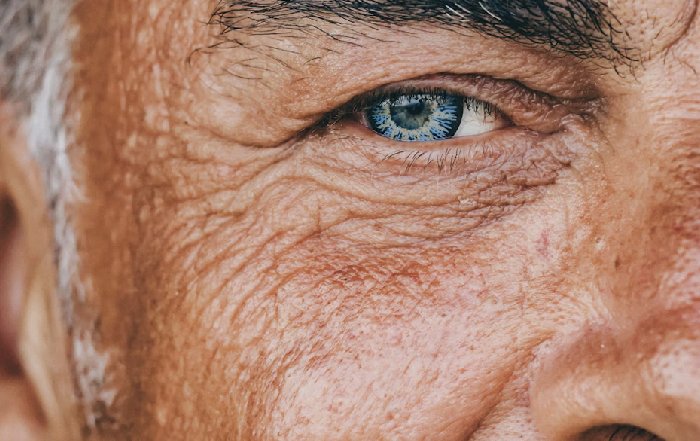
The Future of Anti-Aging Skincare Solutions in 2026: From Fear of Aging to Skin Longevity
A Mature, Age-Positive Vision for Beauty
In 2026, the global conversation around aging has matured into a more nuanced and empowering dialogue, and nowhere is this evolution more apparent than in the world of anti-aging skincare. Rather than positioning aging as a flaw to be corrected, leading experts, brands, and platforms increasingly frame the category as skin longevity and age-well care, emphasizing the preservation of skin function, resilience, and radiance over the course of a lifetime. Within this transformed landscape, BeautyTipa has steadily developed its role as a trusted guide and curator, offering readers a bridge between advanced dermatological science, practical routines, and carefully vetted products that align with contemporary expectations of transparency, inclusivity, and evidence-based performance.
This shift is particularly visible in markets such as the United States, United Kingdom, Germany, Canada, Australia, France, Italy, Spain, and the Netherlands, where consumers have become markedly more informed and discerning. They routinely cross-check claims against resources like PubMed or the American Academy of Dermatology, consult dermatologists through telehealth, and scrutinize ingredient lists with a level of sophistication that would have been rare a decade ago. Trust in this environment is built less on aspirational slogans and more on demonstrable results, clear communication of limitations, and alignment with broader well-being goals. For the audience of BeautyTipa, who already engage with in-depth perspectives on beauty, skincare, and wellness, understanding the future of anti-aging skincare means recognizing how biology, technology, lifestyle, and ethics now intersect in a single, integrated narrative.
From "Anti-Aging" to Skin Longevity: Language, Mindset, and Science
The gradual retirement of the term "anti-aging" in favor of "skin longevity," "age-well," and "pro-aging" reflects not only a cultural shift but also a deeper scientific and ethical reorientation. Organizations such as the World Health Organization have placed healthy aging at the center of public health priorities, and those who wish to understand this broader context can explore the WHO framework on aging and health, which emphasizes function, independence, and quality of life rather than youthfulness alone. This global reframing has permeated the beauty and wellness sectors, encouraging brands to move away from unrealistic promises and toward support for skin that functions optimally at every stage of life.
From a scientific perspective, skin is now widely understood as a complex, immunologically active organ whose visible condition is shaped by genetics, environmental exposure, hormonal changes, microbiome balance, and lifestyle factors. Institutions such as the Mayo Clinic have helped popularize a more medicalized understanding of skin health, and readers who wish to deepen their knowledge can review clinical guidance on skin care fundamentals, which explains how collagen degradation, elastin damage, chronic inflammation, and oxidative stress converge to produce the signs traditionally associated with aging. This scientific clarity has pushed the sector away from purely cosmetic camouflage and toward interventions that target structural and functional mechanisms.
For BeautyTipa, this shift in language and mindset shapes how content is curated and presented across its ecosystem, from practical guides and tips to deep dives into brands and products. Instead of promising to erase decades overnight, the platform emphasizes realistic timelines, cumulative improvements, and the importance of consistency, helping readers from North America, Europe, and Asia build routines that are sustainable, respectful of their individuality, and firmly anchored in dermatological evidence.
Scientific Breakthroughs and the New Ingredient Landscape
The scientific underpinnings of anti-aging skincare have expanded rapidly over the past several years, driven by advances in molecular biology, bioengineering, and materials science. Research programs in the United States, Europe, China, South Korea, and Japan are exploring how pathways related to cellular senescence, mitochondrial function, proteostasis, and DNA repair can be modulated to slow or mitigate visible aging. The National Institute on Aging, part of the National Institutes of Health, offers an accessible overview of these mechanisms, and readers can learn more about the biology of aging to better understand why certain topical strategies are prioritized over others.
Retinoids continue to occupy a central position in this landscape, supported by decades of clinical data demonstrating their capacity to improve fine lines, uneven texture, and photodamage by stimulating collagen production and normalizing keratinocyte turnover. Detailed explanations from organizations like the American Academy of Dermatology on how retinoids work in skin care have helped demystify their benefits and side effects, encouraging more informed use across age groups and skin types. Alongside retinoids, biomimetic peptides have emerged as a sophisticated tool for signaling specific cellular responses, such as enhanced matrix synthesis or barrier repair, with encapsulation and delivery technologies improving their stability and bioavailability.
Antioxidants remain another pillar of modern anti-aging formulations, with stabilized vitamin C, vitamin E, ferulic acid, and newer polyphenolic compounds designed to counteract oxidative stress and support collagen integrity. Educational resources from the Harvard T.H. Chan School of Public Health on antioxidants and oxidative stress reinforce the idea that both topical and dietary antioxidants contribute to skin health, though in different and complementary ways. Exfoliating acids such as alpha hydroxy acids, beta hydroxy acids, and polyhydroxy acids have also undergone refinement, with buffering agents and soothing botanicals making them more tolerable for sensitive skin in climates as diverse as Scandinavia, Southeast Asia, and the Middle East.
Meanwhile, progress in biomaterials and nanotechnology has produced increasingly sophisticated delivery systems, from liposomes and solid lipid nanoparticles to dissolvable microneedle patches designed to enhance penetration of large or unstable molecules without compromising safety. Research hubs like the Massachusetts Institute of Technology regularly highlight innovations in materials science and engineering, many of which find downstream applications in advanced cosmeceuticals and dermatological treatments. For readers of BeautyTipa, this scientific rigor is not an abstract curiosity but a practical filter, allowing them to distinguish between products grounded in robust mechanisms and those driven primarily by marketing narratives.
Skin Longevity Knowledge Quiz
Test your understanding of modern anti-aging science
Personalization, Skin Tech, and Data-Driven Routines
By 2026, personalization is no longer a superficial marketing claim but an operational reality in many leading beauty markets. AI-powered skin analysis, powered by computer vision and machine learning, has become a routine part of the customer journey in the United States, United Kingdom, South Korea, Japan, Singapore, and beyond, with smartphone cameras and in-store imaging devices capable of assessing fine lines, pigmentation, redness, texture, and pore visibility in remarkable detail. Technology-focused publications such as MIT Technology Review frequently examine how AI is being applied in health and beauty contexts, illustrating the rapid convergence of consumer technology, dermatology, and data science.
For BeautyTipa, which maintains a dedicated focus on technology in beauty, this trend raises both opportunities and responsibilities. Readers want to understand not only which tech-enabled solutions are worth their investment but also how algorithms interpret their skin, what data is being stored, and how biases are addressed. At-home diagnostic devices that track hydration, transepidermal water loss, sebum levels, and UV exposure have brought quasi-clinical measurements into everyday bathrooms from New York and London to Berlin, Tokyo, and Sydney. Regulatory authorities such as the U.S. Food and Drug Administration provide important guidance on the distinction between regulated medical devices and cosmetics, helping consumers and professionals understand where the boundary lies between wellness gadgets and diagnostic instruments.
Personalization now extends beyond analysis to the formulation itself, with some companies offering custom-mixed serums or creams based on online assessments, teledermatology consultations, or in-store tests. While this promises more precise targeting of concerns such as hyperpigmentation, dehydration, or sensitivity, it also raises questions about data protection, algorithmic transparency, and the generalizability of recommendations across diverse skin tones, ethnicities, and climatic conditions. In multicultural societies from the United States and Canada to South Africa, Brazil, and Malaysia, ensuring that AI models are trained on inclusive datasets is essential to avoid reinforcing inequities in product performance. Within its coverage of personalized routines, BeautyTipa emphasizes the importance of combining tech insights with professional dermatological advice and self-observation, ensuring that data-driven recommendations remain grounded in real-world experience and safety.
Wellness, Nutrition, and the Inside-Outside Continuum
The future of anti-aging skincare cannot be separated from the broader wellness movement, which has continued to expand across North America, Europe, Asia, and Oceania. Research consistently supports the view that chronic inflammation, poor sleep, unmanaged psychological stress, and nutrient-poor diets accelerate visible aging and compromise skin barrier function. Medical institutions such as the Cleveland Clinic offer extensive discussions on how lifestyle choices influence skin health, highlighting the roles of sleep hygiene, stress reduction, and exercise in maintaining a more youthful, resilient complexion.
Readers who engage with BeautyTipa's content on health and fitness and food and nutrition are familiar with the importance of micronutrients, healthy fats, and phytonutrient-rich foods in systemic health. These same factors contribute to healthier skin by supporting collagen synthesis, modulating inflammatory pathways, and protecting against oxidative stress. Institutions like Harvard Medical School regularly explore the links between diet and skin conditions, explaining how patterns such as Mediterranean-style eating can influence glycation, microcirculation, and other processes related to aging. This knowledge has encouraged a more holistic approach, where topical regimes, sun protection, and clinical treatments are complemented by attention to nutrition, hydration, and stress management.
The growth of the ingestible beauty category has added another layer to this inside-outside continuum. Collagen peptides, hyaluronic acid capsules, ceramide supplements, and botanical blends are now widely marketed in the United States, Europe, and Asia, though the quality of evidence varies significantly. The National Center for Complementary and Integrative Health provides guidance on evaluating dietary supplements critically, reminding consumers to consider clinical data, safety, and regulatory oversight before integrating such products into daily routines. On BeautyTipa, coverage of these trends is framed within a cautious, evidence-first perspective, emphasizing that supplements should complement, not replace, foundational practices such as sun protection, gentle cleansing, and consistent use of proven topical actives.
Wellness-oriented experiences in spas and clinics have also evolved, with treatments that combine facial therapies with mindfulness, breathwork, lymphatic drainage, or infrared modalities becoming increasingly common in cities from Los Angeles and London to Seoul, Bangkok, and Copenhagen. These integrative approaches reflect growing recognition that emotional well-being and stress perception can influence inflammatory skin conditions such as acne, rosacea, and eczema, which in turn shape how aging is perceived. By exploring such developments in its wellness and events coverage, BeautyTipa helps readers understand aging as a multidimensional process that involves body, mind, and environment.
Sustainability, Ethics, and Regulatory Oversight
As the beauty industry has grown, so too has scrutiny of its environmental footprint and ethical practices. In 2026, sustainability is no longer a niche concern but a mainstream expectation, particularly in markets such as Germany, the Netherlands, Sweden, Norway, Denmark, and Switzerland, where consumers closely examine packaging, ingredient sourcing, and corporate commitments. The United Nations Environment Programme provides context on the need for more sustainable consumption and production models, a theme that has direct implications for how anti-aging products are formulated, manufactured, and distributed.
Many companies have responded by adopting recyclable or refillable packaging, reducing water usage, and experimenting with bio-based or upcycled ingredients derived from agricultural by-products or marine resources. At the same time, the proliferation of eco-friendly claims has raised concerns about greenwashing, prompting stricter regulatory guidance in the European Union, United Kingdom, and North America. The European Commission outlines evolving cosmetics regulations and safety standards, which influence everything from preservative choices to labeling requirements, and which are closely watched by brands operating in France, Italy, Spain, and across the wider European market.
Ethical considerations extend beyond the environment to encompass animal testing, labor practices, inclusivity in product development, and representation in marketing. Many regions, including the European Union, the United Kingdom, and parts of Asia and South America, have restricted or banned animal testing for cosmetics, accelerating the adoption of alternative methods such as in vitro assays and advanced computational modeling. Organizations such as Cruelty Free International advocate for these methods and explain non-animal testing approaches, giving consumers a clearer understanding of how safety can be evaluated without animal use. For a platform like BeautyTipa, which regularly reviews brands and products across global markets, evaluating these ethical dimensions is central to building and maintaining reader trust.
At the same time, regulators have intensified scrutiny of marketing claims, particularly those suggesting medical or quasi-medical benefits. Terms such as "clinically proven," "dermatologist tested," and "medical grade" now require more rigorous substantiation in markets like the United States and United Kingdom. Agencies such as the U.S. Federal Trade Commission monitor advertising and substantiation standards, ensuring that companies can back their promises with robust data rather than anecdotal testimonials. In this environment, BeautyTipa's role as an interpreter of scientific evidence and regulatory context becomes especially valuable for readers seeking clarity amid a crowded and sometimes confusing marketplace.
Global Markets, Cultural Nuance, and Local Innovation
Anti-aging skincare in 2026 is both global and deeply local, shaped by cultural attitudes toward aging, climate realities, and regulatory frameworks. East Asian markets, particularly South Korea and Japan, continue to influence global trends through K-beauty and J-beauty, with their emphasis on gentle, preventive care, multi-step layering, and cosmetically elegant textures. These approaches have inspired consumers from the United States and Canada to Italy, Spain, and Brazil to view anti-aging as a gradual, daily practice rather than an emergency intervention. Through its trends and fashion coverage, BeautyTipa highlights how these regional philosophies translate into specific textures, packaging formats, and ritualized routines.
In North America, the United Kingdom, Germany, and other Western European countries, dermatology-driven and clinic-aligned brands retain strong influence, with consumers often combining topical regimens with in-office procedures such as lasers, chemical peels, radiofrequency treatments, and injectables. Professional organizations like the American Society for Dermatologic Surgery track procedural trends and patient preferences, shaping expectations about what topical products can realistically achieve when paired with clinical interventions. These markets also show growing interest in formulations tailored to sensitive or reactive skin, reflecting the high prevalence of conditions like rosacea and eczema in regions with fluctuating climates and high pollution.
Emerging markets across Africa, South America, and Southeast Asia are likewise reshaping the global anti-aging conversation. In countries such as Brazil, South Africa, Thailand, and Malaysia, rising middle classes and increased urbanization have created strong demand for sun protection, pollution defense, and hyperpigmentation management, often in higher melanin skin types that were historically underserved by global brands. Local innovators are incorporating indigenous botanicals, traditional medicinal knowledge, and climate-specific insights into modern formulations, contributing to a more pluralistic and inclusive vision of aging well. Organizations like the International Chamber of Commerce offer context on global trade dynamics, which influence how quickly such innovations can scale beyond their home regions.
For BeautyTipa, which serves a worldwide audience and emphasizes an international perspective, capturing these nuances is essential. Coverage that contrasts the sun-first anti-aging culture of Australia with the humidity-adapted routines of Singapore, or the barrier-focused strategies favored in Nordic countries like Sweden, Norway, Denmark, and Finland, helps readers appreciate that there is no single universal template for effective anti-aging skincare. Instead, the future lies in integrating globally validated science with local climate realities, cultural values, and individual preferences.
Business Models, Careers, and Investment in Skin Longevity
The evolution of anti-aging skincare has also transformed the business and employment landscape of the beauty sector. New roles have emerged at the intersection of chemistry, biology, data science, and digital marketing, with demand for formulation chemists skilled in biomimetic design, regulatory experts versed in multi-region compliance, and AI specialists capable of building fair and inclusive recommendation engines. Consulting firms such as McKinsey & Company analyze the future of the global beauty market, highlighting how personalization, sustainability, and digital engagement are driving growth and reshaping competitive dynamics.
Venture capital investment in skin longevity has expanded, with startups focused on biotech-derived actives, microbiome modulation, teledermatology, and AI-based personalization attracting funding in hubs from San Francisco and New York to London, Berlin, Singapore, and Seoul. For professionals and aspiring entrants, BeautyTipa provides context through its business and finance and jobs and employment sections, which explore how mergers and acquisitions, regulatory changes, and consumer behavior trends are influencing career opportunities and skill requirements across the value chain.
Direct-to-consumer models, subscription services, and community-built brands have altered how anti-aging products are discovered, tested, and recommended. Social platforms remain influential in shaping perceptions, but experienced consumers in the United States, Canada, the United Kingdom, Germany, France, and the Netherlands increasingly triangulate influencer content with dermatology resources, independent reviews, and regulatory updates. In this dense information environment, BeautyTipa positions itself as a filter and interpreter, leveraging expertise, editorial standards, and a commitment to trustworthiness to help readers distinguish between scientifically grounded innovation and short-lived hype.
Practical Implications for Future-Focused Routines
Despite the proliferation of advanced technologies and novel ingredients, the core principles of effective anti-aging skincare in 2026 remain grounded in a few enduring fundamentals: consistent protection, thoughtful support of the skin barrier, and gradual introduction of targeted actives. Dermatological organizations worldwide agree that daily use of high-quality, broad-spectrum sun protection is the single most impactful intervention for preventing premature aging and reducing the risk of skin cancer. The Skin Cancer Foundation offers clear explanations of why UV protection is essential, underscoring that sunscreen, protective clothing, and behavior-based strategies continue to form the foundation of any age-well regimen.
Building on this base, modern routines typically integrate antioxidants, barrier-supporting moisturizers, and, where appropriate, retinoids, peptides, or gentle exfoliating acids, tailored to individual tolerance and lifestyle. For readers navigating the complexity of choices across drugstore, prestige, and clinical brands, BeautyTipa provides structured, region-aware guidance through its skincare, routines, and makeup content, helping individuals in climates as varied as Canada, Japan, South Korea, Thailand, South Africa, Brazil, and New Zealand adapt textures, layering strategies, and active concentrations to local humidity, temperature, and UV indices.
Looking ahead, the integration of digital coaching, remote dermatology consultations, and wearable or ambient sensors that track environmental exposures is likely to deepen, enabling more dynamic adjustment of routines based on real-time conditions. Yet even as these tools become more sophisticated, the underlying objective remains straightforward: to support skin that performs well physiologically, reflects each person's identity and heritage, and adapts gracefully to the passage of time. For BeautyTipa, the commitment to experience, expertise, authoritativeness, and trustworthiness is central to helping readers worldwide make confident, informed decisions about how they care for their skin today, while laying the groundwork for healthy, vibrant skin in the decades ahead.
Readers who wish to continue exploring this interconnected world of beauty, wellness, technology, and global trends can engage with the broader BeautyTipa platform at beautytipa.com, where anti-aging skincare is treated not as an isolated concern but as part of a holistic, evolving practice of living and aging well.
