Mindfulness Practices for Modern Women in Singapore

Last updated by Editorial team at beautytipa.com on Sunday 4 January 2026
Mindfulness Practices for Modern Women in Singapore

Mindfulness and Modern Womanhood in Singapore: Perspective for Holistic Beauty and Well-Being

Singapore's Fast-Paced Reality and the Need for Mindful Living

In 2026, Singapore continues to stand as one of the most advanced, competitive, and globally connected cities in the world, a place where finance, technology, trade, and innovation intersect in a dense urban landscape that rarely slows down. Behind the efficiency of its transport systems, the gleaming skyline, and the expanding digital economy lies a quieter but increasingly urgent conversation about how modern women can protect their mental health, preserve their identity, and nurture their well-being while pursuing ambitious careers and rich personal lives. On BeautyTipa-a platform dedicated to beauty, wellness, and modern lifestyles-this conversation has become central to how readers understand not only what they apply to their skin or wear to work, but how they breathe, rest, and make decisions in a demanding world.

Women in Singapore are expected to excel in multiple roles simultaneously: high-performing professionals in sectors such as finance, technology, healthcare, fashion, and creative industries; primary caregivers and emotional anchors at home; and individuals who maintain a polished, sophisticated appearance in line with regional and global beauty standards. This convergence of expectations, intensified by social media visibility and the constant connectivity of digital work, can lead to chronic stress, anxiety, and burnout. Within this context, mindfulness has moved from the margins of spiritual practice into the center of modern living, emerging as a grounded, science-backed, and deeply practical framework for sustainable well-being.

As global research from organizations such as the World Health Organization highlights rising levels of stress and mental health concerns across urban populations, women in Singapore have increasingly embraced mindfulness as a way to stay present, resilient, and aligned with their values. Practices such as meditation, breathwork, mindful skincare, and conscious nutrition are no longer perceived as luxuries but as essential tools for navigating life in a high-pressure environment. Readers who come to BeautyTipa in search of beauty, wellness, and lifestyle guidance now frequently look for ways to integrate mindfulness into every dimension of their routines, from the boardroom to the bedroom, and from the vanity table to the yoga mat.

The Evolution of Mindfulness in Singapore's Urban Culture

Over the past decade, mindfulness in Singapore has evolved from being associated mainly with religious or spiritual traditions to becoming an integral component of healthcare, corporate strategy, education, and consumer culture. Healthcare institutions increasingly acknowledge the role of mindfulness-based interventions in managing stress, anxiety, and sleep disturbances, echoing evidence from centers such as Mayo Clinic and Harvard Health Publishing, where mindfulness is recognized as a complementary approach to conventional treatment. Singapore's own healthcare ecosystem, shaped by collaboration between public agencies and private providers, has begun to integrate structured mindfulness programs into mental health services and employee wellness initiatives.

In the Central Business District and innovation hubs like one-north, women now encounter mindfulness in places that once seemed far removed from contemplative practice. Corporate offices offer quiet rooms for reflection, guided meditation sessions during lunch breaks, and access to digital platforms that support mental well-being. Internationally recognized apps such as Headspace, Calm, and Insight Timer, as well as regional platforms tailored to Asian languages and cultural contexts, have made it possible for busy professionals to access guided practices between meetings, on commutes, or before bed. At the same time, local wellness studios and community groups blend traditional Asian philosophies with contemporary psychology, creating a uniquely Singaporean approach that respects cultural diversity while remaining evidence-based and globally informed.

For the audience of BeautyTipa, this cultural shift has deep implications. Mindfulness is no longer a separate activity that must be scheduled into an already full calendar; rather, it is increasingly woven into daily behaviors, decisions, and rituals. It can be felt in how a woman chooses her skincare products, how she approaches her wellness regimen, how she responds to workplace challenges, and how she defines success in a society that prizes achievement.

Mindful Skincare and Beauty as Emotional Sanctuary

Skincare and beauty routines in Singapore have transformed from purely aesthetic practices into opportunities for emotional grounding and self-connection, particularly for women who navigate long working hours, digital fatigue, and the climatic challenges of a hot, humid environment. Global beauty leaders such as Estée Lauder, Shiseido, and L'Oréal have aligned their product narratives with themes of self-care, stress relief, and holistic wellness, while dermatologists and skin experts increasingly acknowledge the connection between stress, inflammation, and skin conditions such as acne, eczema, and premature aging. Resources from institutions like the American Academy of Dermatology help underline the link between mental well-being and skin health, reinforcing the value of slowing down and caring for the skin with intention.

On BeautyTipa, readers exploring skincare are encouraged to view their routines not as rushed tasks performed before bed, but as mindful rituals that help them transition from the external demands of the day to an inward focus on rest and recovery. A mindful skincare routine might involve taking a few deep breaths before cleansing, paying attention to the sensation of water on the face, massaging serums and moisturizers slowly to stimulate circulation, and using gentle, upward movements that signal care rather than haste. Aromatherapeutic elements such as lavender, chamomile, or sandalwood can enhance relaxation, while simple practices like turning off notifications during evening skincare can reinforce boundaries between digital life and restorative time.

Spas and wellness centers across Singapore have responded to this shift by offering treatments that integrate facial therapies with guided breathing or short meditative visualizations, framing beauty as a gateway to inner calm. This mirrors global trends observed in markets like the United States, Japan, and Europe, where beauty is increasingly linked to mental wellness and longevity rather than quick, superficial fixes. For professional women, especially those in leadership roles, these mindful rituals provide a rare space where they are not performing for others but reconnecting with themselves.

Daily Routines and the Architecture of a Mindful Life

The typical day of a woman in Singapore may span early-morning conference calls with colleagues in North America, midday meetings with regional teams in Asia, and evening commitments with family or social networks, leaving little room for unstructured rest. Mindfulness offers a way to redesign daily routines so that they support rather than deplete energy. Instead of adding more complexity, it encourages micro-practices that can be integrated seamlessly into existing rhythms.

Many women have adopted simple techniques such as mindful breathing exercises while commuting, short journaling sessions in the morning to set intentions, or digital curfews at night to improve sleep quality. Guidance from organizations like the National Sleep Foundation underscores the importance of consistent sleep hygiene, and mindfulness-based wind-down routines-dimmed lighting, screen-free time, gentle stretches, and reflective gratitude practices-have become increasingly popular among those who recognize that productivity depends on recovery.

For readers of BeautyTipa, the idea of mindful routines extends beyond meditation cushions to encompass routines that shape beauty, nutrition, movement, and emotional regulation. A mindful morning might involve savoring a simple breakfast instead of eating in front of a laptop, selecting clothing that feels comfortable and aligned with the day's intentions, and using fragrance or skincare textures that evoke calm and confidence. The goal is not perfection but awareness: the ability to notice how each small choice influences mood, focus, and self-perception.

🧘‍♀️ Your Mindful Living Wheel

Explore 8 Pillars of Mindfulness for Modern Women in Singapore
Mindful
Skincare
Daily
Routines
Corporate
Wellness
Conscious
Fashion
Mindful
Eating
Embodied
Movement
Digital
Wellness
Career &
Purpose
🌸

Corporate Mindfulness and the Redefinition of Work-Life Balance

Corporate culture in Singapore has long been characterized by high expectations, long hours, and a strong emphasis on measurable results. However, by 2026, many organizations-particularly multinational firms and forward-looking local companies-have recognized that sustainable performance is inseparable from employee well-being. Global pioneers such as Google, Microsoft, and Salesforce have set benchmarks with mindfulness-based leadership programs, stress management initiatives, and mental health support, while Singapore's own corporate landscape has adapted these models to local needs.

Women in sectors like finance, technology, law, and consulting now encounter mindfulness not only as an optional wellness perk but as a strategic component of leadership development and organizational culture. Workshops on mindful communication, emotional intelligence, and resilience are increasingly common, and some firms partner with experts trained in mindfulness-based stress reduction, drawing on frameworks studied at institutions such as UCLA Health and Oxford Mindfulness Foundation. These programs encourage women leaders to cultivate presence in meetings, listen deeply to colleagues, and make decisions from a place of clarity rather than reactivity.

For readers interested in the intersection of wellness and economic opportunity, BeautyTipa explores how mindfulness reshapes business and finance in Singapore. Mindful workplaces tend to support flexible arrangements, hybrid work models, and more humane expectations around availability, which can be particularly beneficial for women managing caregiving responsibilities. At the same time, the normalization of mental health conversations reduces stigma and opens pathways for women to seek support when they face burnout or emotional strain. Mindfulness here becomes not only a personal coping mechanism but a catalyst for cultural change within organizations.

Fashion, Identity, and Conscious Consumption

Fashion in Singapore, influenced by global capitals such as Paris, London, New York, and Seoul, has always been a vehicle for self-expression, status, and creativity. Yet as environmental concerns and social responsibility take center stage globally, women are increasingly adopting a mindful approach to style that aligns with their values. Rather than chasing every trend, many now prioritize versatility, quality, and ethical production, reflecting a broader shift toward conscious consumption observed by organizations like the Ellen MacArthur Foundation, which advocates for circular fashion systems.

On BeautyTipa, discussions around fashion now frequently intersect with mindfulness, as readers seek guidance on building curated wardrobes that reduce decision fatigue and environmental impact. Mindful fashion choices might involve choosing breathable fabrics suitable for Singapore's climate, supporting brands that commit to fair labor and sustainable sourcing, or investing in timeless pieces that transcend seasonal fads. This approach not only simplifies daily dressing but also fosters a sense of coherence between external appearance and internal values, which can be deeply stabilizing in a rapidly changing world.

Fashion events and industry events held in Singapore increasingly spotlight sustainability, inclusivity, and wellness, reflecting the priorities of a new generation of consumers who want their clothing to tell a story of responsibility as well as style. For many women, dressing mindfully becomes an act of self-respect and environmental stewardship, reinforcing the broader ethos of mindful living that extends across beauty, work, and relationships.

Food, Nutrition, and the Practice of Mindful Eating

Singapore's food culture is famously rich and diverse, drawing from Chinese, Malay, Indian, Peranakan, and international influences, and offering everything from hawker centers to fine dining. In such a vibrant culinary environment, it can be easy to slip into habitual or stress-driven eating patterns, especially for women juggling multiple roles. Mindful eating offers a way to enjoy the abundance of flavors while maintaining balance, health, and self-awareness.

Global health authorities such as the World Health Organization and Health Promotion Board Singapore emphasize the importance of balanced diets in preventing chronic diseases, and mindfulness enhances these recommendations by focusing on how food is consumed, not just what is eaten. Women who practice mindful eating take time to notice the colors, textures, and aromas of their meals, chew slowly, and tune into hunger and fullness cues rather than external pressures or emotional triggers. This can be particularly valuable in a culture where social gatherings often revolve around food and where work-related stress can lead to late-night snacking or irregular meal patterns.

On BeautyTipa, the connection between food and nutrition and beauty is explored through the lens of mindful choices that support skin health, hormonal balance, and sustained energy. Nutrient-dense foods rich in antioxidants, healthy fats, and vitamins are framed not as restrictive "rules" but as supportive allies in a holistic lifestyle. Mindfulness helps women differentiate between genuine cravings and momentary impulses, making it easier to enjoy indulgent dishes occasionally without guilt while maintaining overall well-being.

Fitness, Movement, and Embodied Awareness

Physical activity has long been recognized as a cornerstone of health, with organizations such as the World Health Organization recommending regular exercise for cardiovascular fitness, metabolic health, and mental resilience. In Singapore, where gym culture, boutique studios, and outdoor sports are well-established, women are increasingly shifting from purely performance-oriented exercise to movement practices that emphasize presence, enjoyment, and mind-body connection.

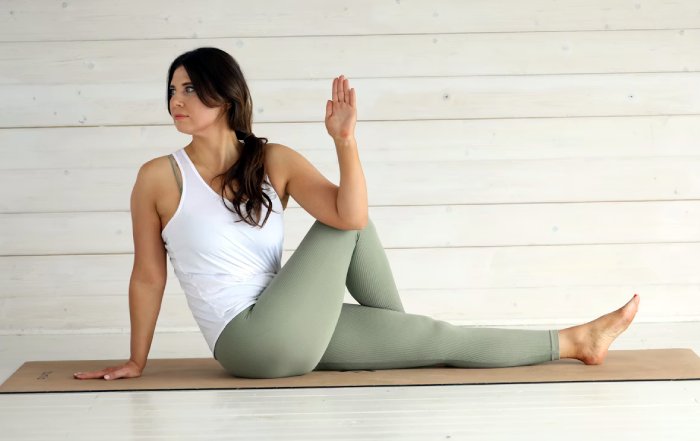
Yoga, Pilates, barre, and tai chi have gained prominence among women seeking not only physical strength and flexibility but also emotional balance. Mindful movement encourages practitioners to pay attention to breath, posture, and internal sensations, transforming workouts into meditative experiences rather than just tasks to be checked off a list. Runners and cyclists, too, are adopting mindful approaches, focusing on the rhythm of their steps or pedal strokes, the feel of the air, and the environment around them, which can reduce injury risk and enhance mental clarity.

Readers of BeautyTipa exploring health and fitness often look for ways to integrate gentle, restorative practices into their routines to counteract the sedentary nature of desk work and the strain of screen time. Mindful stretching breaks during the day, walking meetings, or short movement sessions between tasks can significantly improve mood and concentration. By viewing movement as a form of self-care rather than punishment or obligation, women cultivate a more compassionate relationship with their bodies, which in turn supports healthier body image and self-esteem.

Technology, Digital Wellness, and the New Mindful Toolkit

Singapore's position as a smart nation and technology hub means that digital tools are deeply embedded in everyday life, from mobile payments and telehealth to remote work platforms and AI-driven services. While constant connectivity can contribute to stress and information overload, it also provides powerful opportunities to support mindfulness when used intentionally.

Wearable devices such as Apple Watch, Fitbit, and other health trackers now offer features that prompt users to pause, breathe, and check in with their bodies throughout the day. These micro-interventions, backed by research from organizations like the American Heart Association, can help regulate stress responses and encourage healthier habits. At the same time, meditation apps deliver guided practices tailored to specific needs, whether it is preparing for a high-stakes presentation, unwinding after a long day, or managing anxiety during uncertain times.

For the tech-savvy audience of BeautyTipa, technology-driven beauty intersects with mindfulness in intriguing ways. AI-enabled skin analysis tools, smart mirrors, and personalized skincare recommendations can be used not only to optimize product choices but also to encourage more deliberate, reflective engagement with one's appearance. When approached mindfully, these tools help women observe changes in their skin with curiosity rather than harsh judgment, and to view self-care as an ongoing dialogue with their bodies rather than a race toward perfection.

Careers, Opportunities, and the Mindfulness Economy

As mindfulness gains traction across sectors, it is also reshaping the landscape of careers and entrepreneurship in Singapore. The growing demand for wellness services, mental health support, and mindful consumer products has created new roles for coaches, therapists, yoga teachers, nutrition consultants, wellness tech developers, and content creators. Women are at the forefront of many of these ventures, leveraging their lived experiences and professional backgrounds to build businesses that align profit with purpose.

On BeautyTipa, the intersection of mindfulness and jobs and employment is increasingly relevant to readers who are considering career pivots, portfolio careers, or side businesses in wellness, beauty, and lifestyle. The mindfulness economy encompasses everything from corporate training programs and wellness retreats to digital platforms and ethical product lines, offering opportunities not only in Singapore but also across Asia, Europe, and North America. For many women, working in this space provides a way to model the very balance and authenticity they advocate, creating a feedback loop between personal practice and professional impact.

Singapore in the Global Mindfulness Landscape

When viewed against the global backdrop, Singapore's mindfulness journey reflects both shared trends and distinctive characteristics. In the United States, mindfulness has been widely adopted in psychotherapy, corporate wellness, and education; in Europe, it is deeply intertwined with sustainability, slow living, and public health initiatives; in Japan and South Korea, it often blends with long-standing cultural practices of contemplation and aesthetic simplicity. Singapore's uniqueness lies in its ability to synthesize these influences, combining Eastern contemplative traditions, Western scientific validation, and cutting-edge technology into a cohesive and culturally flexible ecosystem.

Women in Singapore can attend Buddhist-inspired meditation sessions, science-based mindfulness workshops, yoga classes rooted in Indian philosophy, or high-tech retreats that integrate biometric feedback and virtual reality. This pluralism allows individuals from diverse ethnic and religious backgrounds to find approaches that resonate with their identities and preferences. As international conferences, wellness festivals, and beauty expos increasingly recognize Singapore as a regional hub, the perspectives and practices of Singaporean women are helping shape global conversations on mindful beauty, ethical consumption, and holistic success.

The Future: Mindful, Sustainable, and Empowered Womanhood

Looking ahead, the trajectory of mindfulness in Singapore appears closely linked with sustainability, social responsibility, and inclusive growth. As climate concerns intensify and consumers become more discerning, women are expected to play a pivotal role in driving demand for ethical beauty products, sustainable fashion, and transparent wellness brands. Organizations such as the United Nations Environment Programme emphasize the importance of responsible consumption, and mindful living provides a practical framework for aligning everyday choices with these global goals.

For BeautyTipa and its readers across Singapore and the wider world, the empowered future of mindfulness is not about retreating from ambition or disengaging from modern life. Instead, it is about redefining achievement to include mental clarity, emotional resilience, physical vitality, and authentic self-expression. Women who integrate mindfulness into their beauty rituals, work habits, relationships, and consumption patterns are crafting lives that feel not only successful on the surface but also coherent and meaningful at their core.

As 2026 unfolds, the modern woman in Singapore stands at the intersection of innovation and introspection, demonstrating that it is possible to thrive in a fast-paced, globally connected city while remaining grounded, compassionate, and true to herself. Through platforms like BeautyTipa, which connect trends, brands and products, and practical guides and tips, her journey offers a powerful blueprint for women worldwide who seek to harmonize beauty, success, and well-being through the art and science of mindfulness.

E-commerce Strategies for Beauty Brands

Last updated by Editorial team at beautytipa.com on Sunday 4 January 2026
E-commerce Strategies for Beauty Brands

The New Era of Beauty E-commerce: How Digital Strategies Are Redefining Global Beauty

The global beauty industry in 2026 stands at a pivotal intersection of technology, consumer expectations, and borderless commerce, and nowhere is this transformation more visible than in the digital strategies that now anchor the sector. What began as a rapid shift to online channels during the early 2020s has evolved into a sophisticated, data-driven, and experience-led ecosystem in which e-commerce is not simply a sales outlet but the core architecture of how beauty brands are built, scaled, and sustained. For beautytipa.com, whose audience spans beauty, wellness, skincare, fashion, and business-minded professionals around the world, understanding this evolution is essential to navigating and leading in a marketplace that is increasingly competitive, transparent, and innovation-driven.

In 2026, beauty e-commerce is not defined solely by online stores or mobile apps; it is characterized by hyper-personalized journeys, immersive digital touchpoints, and a strategic fusion of sustainability, inclusivity, and technology. From the United States and United Kingdom to Germany, South Korea, Brazil, and across Asia, Europe, Africa, and the Americas, brands are rethinking every aspect of how they design products, communicate value, and build trust with consumers who expect more than ever from the companies they choose to support. This article explores how leading beauty businesses are reshaping their e-commerce strategies, and how the insights shared on beautytipa.com help professionals, entrepreneurs, and consumers align with the most influential trends shaping the industry's future.

From Counter to Click: The Digital Evolution of Beauty

Historically, beauty was inseparable from the in-store experience, where fragrance, texture, and personal consultation defined the path to purchase. Yet by 2026, the industry has fully embraced a digital-first mindset, with online and mobile channels serving as the primary arenas for discovery, education, and conversion. The acceleration triggered by the pandemic earlier in the decade forced both heritage houses and indie labels to reimagine how to replicate and even enhance the intimacy of in-person interactions through screens.

Leading players such as Sephora, L'Oréal, Estée Lauder, and Ulta Beauty now operate as experience platforms rather than simple retailers, blending augmented reality, advanced analytics, and omnichannel design into cohesive journeys that follow the customer from social feeds to virtual try-ons and, when desired, to in-store visits. Consumers in the United States, Canada, the United Kingdom, Germany, France, and beyond have grown comfortable purchasing traditionally "touch-and-feel" categories-foundation, fragrance, hair color-based on digital tools that deliver credible simulations and tailored advice. This shift has also empowered emerging brands across South Korea, Japan, Brazil, and Europe to access global audiences without a heavy physical retail footprint, provided they master the digital levers that underpin modern beauty commerce.

Readers on beautytipa.com who follow evolving beauty trends can see how this structural change is influencing not only what products succeed, but how entire business models are being designed around online discovery and engagement.

At the same time, external forces-from regulatory guidance on product safety and labeling, as seen through organizations like the U.S. Food and Drug Administration, to consumer health information from Mayo Clinic-are shaping expectations around transparency and credibility, reinforcing the need for brands to present clear, accurate, and trustworthy digital content.

AI-Powered Personalization as the New Baseline

By 2026, personalization has moved from a differentiating feature to a baseline expectation in beauty e-commerce. Consumers in North America, Europe, and Asia increasingly expect that the products shown to them-and the content they are served-reflect their skin type, tone, concerns, lifestyle, and even environmental conditions. This demand has elevated artificial intelligence and machine learning to strategic imperatives for brands of all sizes.

Companies such as Proven Skincare, Function of Beauty, and Curology have demonstrated the power of algorithm-driven customization, using in-depth questionnaires, digital skin diagnostics, and ongoing feedback loops to deliver formulations that feel uniquely tailored to each user. At the same time, ModiFace, owned by L'Oréal, continues to set the benchmark for real-time virtual try-ons, enabling consumers to visualize lip colors, foundations, and hair shades with remarkable accuracy on their own faces via smartphone cameras or desktop webcams.

This wave of AI innovation is not limited to product matching; it extends into customer relationship management, where advanced systems segment audiences based on behavioral, transactional, and psychographic data. Brands can now anticipate when a customer is likely to run out of a serum, which shade ranges resonate in specific markets like the United Kingdom or Japan, or how seasonal changes in Germany or Canada might influence skin concerns and product needs. These insights allow for precise messaging, dynamic pricing, and curated bundles that feel less like mass marketing and more like one-to-one consultation.

For professionals and enthusiasts exploring skincare on beautytipa.com, this personalization revolution underscores why understanding ingredients, skin biology, and digital tools together is essential. It also aligns with broader movements in health and science, as organizations such as the American Academy of Dermatology provide evidence-based guidance that can be integrated into AI-driven recommendations to ensure that personalization is not only engaging, but genuinely safe and effective.

The Evolution of Beauty E-Commerce

From Traditional Retail to Digital-First Innovation

Pre-2020

In-Store Dominance

Beauty purchases centered on physical retail with fragrance testing, texture sampling, and personal consultations as the primary purchase drivers.

2020-2022

Pandemic Acceleration

Forced digital migration drives rapid adoption of virtual try-ons, AR technology, and social commerce. Brands reimagine in-person intimacy through screens.

2023-2024

AI Personalization Era

Machine learning transforms product matching, dynamic pricing, and customer segmentation. Personalization shifts from differentiator to baseline expectation.

2025

Omnichannel Integration

Seamless physical-digital convergence emerges with BOPIS, same-day delivery, and unified loyalty programs across all touchpoints and geographies.

2026

Digital-First Maturity

Sustainability, inclusivity, and technology converge. Success requires data mastery, ethical practices, and authentic community engagement across global markets.

Key Insight:The beauty industry has transformed from counter-based retail to a sophisticated digital ecosystem where AI, social commerce, and omnichannel strategies define competitive advantage in global markets.

Social Commerce, Community, and Influencer-Led Growth

Social commerce has become one of the defining forces in beauty e-commerce, particularly in markets like the United States, United Kingdom, Brazil, and across Southeast Asia and China, where platforms such as TikTok Shop, Instagram Shopping, YouTube, and Douyin have blurred the lines between entertainment, education, and transaction. In 2026, beauty brands that excel are those that treat social platforms as interactive ecosystems rather than one-way advertising channels.

Labels like Rare Beauty by Selena Gomez and Fenty Beauty by Rihanna exemplify how a strong emotional narrative, rooted in authenticity and inclusivity, can convert followers into loyal customers. Their livestream events, limited-edition drops, and behind-the-scenes storytelling reinforce the sense of community that modern consumers crave, especially among Gen Z and Millennials in North America, Europe, and Asia. Micro- and nano-influencers in Germany, Italy, South Korea, and South Africa, often with highly engaged niche audiences, are increasingly central to strategy, as their perceived honesty and relatability often outperform traditional celebrity endorsements in driving credible product discovery.

This evolution has also elevated the importance of content literacy and platform fluency for beauty entrepreneurs and marketers, areas that beautytipa.com explores through in-depth coverage of brands and products and their digital storytelling techniques. At the same time, the regulatory environment around influencer marketing is tightening, with institutions like the UK Competition and Markets Authority and the Federal Trade Commission in the United States providing guidelines on disclosure and truth-in-advertising, making compliance and transparency critical components of long-term trust.

Omnichannel Integration: Bridging Physical and Digital Worlds

Although digital channels dominate growth, the most resilient beauty brands in 2026 operate with sophisticated omnichannel strategies that integrate online and offline experiences into a seamless continuum. Consumers in the United States, Canada, the United Kingdom, Germany, France, Singapore, and Australia no longer think in terms of "online versus in-store"; they simply expect the brand to be consistent, convenient, and responsive wherever they choose to engage.

Retailers such as Sephora and Ulta Beauty have refined services like "Buy Online, Pick Up In Store" and same-day delivery, while offering virtual consultations with licensed experts that complement in-store artistry and skincare services. Loyalty programs span apps, websites, and physical locations, ensuring that rewards, personalized offers, and purchase histories travel with the customer across channels and geographies. European retailers like Douglas and UK mainstays such as Boots similarly invest heavily in linking e-commerce with brick-and-mortar, recognizing that in-person experiences still play a crucial role in categories like fragrance and luxury skincare.

For readers of beautytipa.com, this omnichannel convergence is visible in how routines are now built: consumers might discover a new serum via a TikTok review in Spain, test a texture in-store in Italy, and then subscribe to automated refills online from their home in Switzerland. This fluidity requires robust back-end integration, clear communication, and consistent brand standards, supported by best practices in customer experience design promoted by organizations such as the Nielsen Norman Group, which provides research on user experience that many global companies quietly rely upon to refine their interfaces and journeys.

Sustainability and Ethical Commerce as Strategic Imperatives

Sustainability has shifted from a marketing message to a structural requirement in beauty e-commerce, particularly in markets like Germany, the Netherlands, the Nordic countries, the United Kingdom, and increasingly across North America and Asia-Pacific. Consumers in 2026 expect brands to address the environmental impact of packaging, logistics, and product formulation, as well as the social and ethical dimensions of sourcing and labor practices.

Brands such as The Body Shop, Lush, Biossance, and Ethique have become reference points in sustainable innovation, championing refillable formats, solid formulations that reduce water and plastic use, and partnerships that support fair trade and biodiversity. Digital storefronts increasingly highlight carbon footprints, recycling instructions, and third-party certifications to help consumers make informed decisions, drawing on frameworks from organizations like the Ellen MacArthur Foundation and environmental data from entities such as the United Nations Environment Programme.

For beautytipa.com, which regularly explores the intersection of sustainability and wellness, this shift underscores a broader redefinition of beauty as part of a holistic lifestyle that includes mental health, ethical consumption, and long-term wellbeing. In markets like South Korea, Japan, and Singapore, where innovation is rapid and consumer expectations are high, brands are experimenting with refill stations, biodegradable delivery materials, and blockchain-based traceability to prove ethical sourcing, aligning e-commerce with global efforts to learn more about sustainable business practices.

Logistics, Cross-Border Commerce, and Global Scale

Behind the polished interfaces of beauty e-commerce lies a complex web of logistics, supply chain management, and cross-border compliance that determines whether brands can profitably serve customers from New York to London, Berlin, Tokyo, São Paulo, Johannesburg, and beyond. In 2026, logistics has become a strategic differentiator, with speed, reliability, and flexibility directly influencing customer satisfaction and retention.

Major marketplaces such as Amazon Beauty, Alibaba's Tmall Global, Lazada, Shopee, and Jumia have built extensive fulfillment networks that allow both multinational and indie brands to reach consumers in North America, Europe, Asia, Africa, and South America without building their own physical infrastructure in every country. AI-driven demand forecasting, local micro-fulfillment centers, and dynamic routing optimize delivery times and costs, while also helping brands reduce waste and overproduction.

For smaller labels in South Korea, Italy, Brazil, or South Africa, partnerships with providers like Shopify Fulfillment Network and ShipBob have democratized access to global customers, allowing them to focus on product innovation and branding while leveraging advanced logistics as a service. These developments align with broader conversations on global trade and digital commerce led by institutions such as the World Trade Organization, which monitors how cross-border e-commerce is reshaping international business norms.

Readers who follow international coverage on beautytipa.com can see how local nuances-from customs regulations to payment preferences and cultural attitudes toward beauty-shape the way brands configure their logistics and market-entry strategies in regions as diverse as Europe, Asia, and Africa.

Subscriptions, Membership, and Direct-to-Consumer Communities

Subscription models and direct-to-consumer (DTC) strategies remain central pillars of beauty e-commerce in 2026, but they have evolved significantly from the early days of generic monthly boxes. Today, successful subscription programs emphasize personalization, flexibility, and community-building, with consumers in the United States, United Kingdom, Canada, Australia, and beyond expecting services that adapt to their changing needs rather than locking them into rigid plans.

Pioneers like Birchbox, IPSY, and Glossybox have been joined by a wave of niche and premium offerings that focus on clean beauty, K-beauty, dermocosmetics, or luxury minis, often curated around skin concerns, seasonal changes, or lifestyle themes. Ipsy's integration of AI-driven personalization, for example, illustrates how data can be used to refine product selection and improve satisfaction, while clean-focused platforms like The Detox Market respond to growing demand for ingredient transparency and environmental responsibility.

DTC brands such as Glossier, Drunk Elephant, and newer entrants from South Korea, France, and Japan leverage subscriptions and memberships not only for predictable revenue but also as mechanisms for community feedback and co-creation. Through private forums, early access programs, and review-driven product development, they transform subscribers into collaborators whose insights inform future launches.

On beautytipa.com, detailed guides and tips help readers evaluate which subscription models align with their values, skin needs, and budgets, while also encouraging them to consider the broader implications of recurring consumption on sustainability and financial planning, themes that intersect with business and finance in the beauty sector.

Data, Insights, and Evidence-Based Decision Making

In the digital beauty economy of 2026, data is no longer a byproduct of e-commerce; it is the strategic asset that underpins product innovation, marketing effectiveness, and customer loyalty. Brands now rely on sophisticated customer data platforms and analytics tools to unify information from websites, apps, social media, retail partners, and customer service interactions, transforming raw data into actionable insight.

Global groups such as Estée Lauder and Shiseido have invested heavily in predictive analytics and AI to understand how preferences vary by region, age, and lifestyle, enabling them to tailor product assortments for markets like Japan, Germany, or Brazil and forecast demand with greater accuracy. Hyper-segmentation allows brands to move beyond broad demographic categories and instead serve micro-communities defined by specific concerns-such as hyperpigmentation in darker skin tones, sensitivity in cold climates like Scandinavia, or pollution-related issues in dense urban centers like Shanghai or London.

This data-driven approach also supports more responsible and science-backed communication. By aligning marketing claims with dermatological research and safety standards from organizations such as the European Commission's Cosmetics framework and scientific bodies like the British Association of Dermatologists, brands reinforce their credibility in a landscape where misinformation can spread quickly online.

For the beautytipa.com audience, which spans consumers, professionals, and entrepreneurs, understanding how data shapes modern beauty is essential. It enables more informed choices, encourages critical evaluation of claims, and supports the development of new businesses that are both consumer-centric and evidence-based.

Shifting Consumer Expectations and the Redefinition of Beauty

Consumer expectations in 2026 are multifaceted and deeply value-driven. Shoppers across North America, Europe, Asia, Africa, and South America expect brands to deliver on performance while also aligning with their beliefs around inclusivity, ethics, and wellbeing. The standard set by Fenty Beauty with its expansive shade range has now become an industry baseline, with customers in the United States, United Kingdom, South Africa, and Brazil demanding representation across skin tones, undertones, and hair types.

Transparency is equally critical. Brands such as The Ordinary and Paula's Choice have built strong global followings by presenting ingredients and formulations in a clear, science-focused manner, encouraging consumers to understand what they are applying to their skin and why. This trend is reinforced by health-aware audiences who consult trusted sources such as the World Health Organization and Harvard T.H. Chan School of Public Health to better understand the links between lifestyle, environment, and skin health.

At the same time, beauty is increasingly seen as part of a holistic approach to wellbeing, where health and fitness, food and nutrition, mental health, and sleep all influence how skin and hair look and feel. This broader perspective is reflected in the content and community discussions on beautytipa.com, where skincare routines, makeup techniques, and fashion choices are often considered alongside stress management, exercise, and dietary habits, mirroring the integrated lifestyle aspirations of audiences in cities from New York and London to Seoul, Singapore, and Stockholm.

Regional Dynamics in a Truly Global Marketplace

While beauty e-commerce is global, its dynamics vary significantly by region, and 2026 highlights the importance of localized strategy within a unified brand vision. In North America, the United States and Canada remain at the forefront of innovation in influencer marketing, subscriptions, and DTC brand-building, with platforms like Sephora.com, Ulta.com, and Amazon dominating distribution but constantly challenged by agile indie players.

In Europe, markets such as the United Kingdom, Germany, France, Italy, Spain, and the Netherlands emphasize sustainability, regulatory rigor, and luxury heritage. European consumers are particularly attentive to eco-certifications, provenance, and craftsmanship, making it essential for brands to align their online storytelling with values of quality, responsibility, and cultural sensitivity.

Across Asia-Pacific, South Korea and Japan continue to drive product innovation, textures, and routines, influencing global skincare and makeup habits from the United States to Brazil and South Africa. China's ecosystem, led by platforms like Tmall Global and Douyin, showcases the power of livestream shopping and integrated social-commerce experiences, while Southeast Asian markets such as Thailand, Malaysia, and Singapore demonstrate the potential of mobile-first shopping and community-driven discovery.

In Africa and South America, rising middle classes and expanding digital infrastructure are fueling rapid growth. Brazil's vibrant beauty culture, combined with strong local brands and international entrants, is creating a dynamic, hybrid market, while platforms like Jumia in Africa are opening access to a broader range of products and brands, often via smartphones as the primary point of connection.

For those following events and regional developments on beautytipa.com, these differences highlight why successful global strategies must always be grounded in local insight, cultural understanding, and flexible execution.

Technology, Work, and the Future of Beauty Business

The technological transformation of beauty e-commerce has also reshaped the nature of work and opportunity in the industry. New roles in data science, digital marketing, UX design, supply chain optimization, and regulatory compliance have emerged across the United States, Europe, and Asia, while remote and hybrid work models enable professionals in Canada, Australia, South Africa, and New Zealand to contribute to global brands without relocating.

For entrepreneurs and job seekers exploring jobs and employment on beautytipa.com, this shift opens pathways not only in traditional cosmetics companies but also in technology startups, logistics providers, and consultancy firms focused on beauty and wellness. Education providers and business schools, including institutions featured on resources like Coursera and INSEAD, now offer specialized programs on digital commerce, branding, and sustainability in consumer goods, reflecting the growing sophistication of the sector.

As beauty continues to intersect with technology, wellness, and fashion, the ability to navigate cross-disciplinary knowledge-combining an understanding of ingredients and skin science with data analytics, UX, and international business-will increasingly define leadership and innovation.

Looking Ahead: The Next Chapter of Beauty E-commerce

By 2026, it is evident that beauty e-commerce has matured into a complex, high-stakes environment where only those brands that integrate technology, authenticity, sustainability, and inclusivity will secure long-term loyalty. Emerging developments in generative AI, virtual and augmented reality, and blockchain-based transparency are poised to deepen personalization, enhance product discovery, and strengthen trust. At the same time, rising regulatory scrutiny, environmental urgency, and consumer demand for evidence-based claims will require brands to be more rigorous, transparent, and accountable than ever.

For the global audience of beautytipa.com, from beauty enthusiasts in the United States and United Kingdom to professionals in Germany, South Korea, Brazil, South Africa, and beyond, the implications are clear. Success in this new era depends on understanding not only products and trends, but also the underlying digital, economic, and cultural forces that shape how beauty is created, communicated, and consumed. Whether exploring makeup, holistic wellness, cutting-edge technology in beauty, or the business models that sustain the industry, readers are part of a global conversation about what beauty means-and how it is experienced-when the world shops, learns, and connects online first.

Beauty Trends Expected to Dominate Social Media

Last updated by Editorial team at beautytipa.com on Saturday 3 January 2026
Beauty Trends Expected to Dominate Social Media

How Social Media Is Rewriting the Global Beauty Playbook

In 2026, the convergence of social media and beauty has matured into a sophisticated, data-driven, and emotionally charged ecosystem where trends no longer simply "go viral" but are strategically incubated, stress-tested, and scaled across continents within days. For the audience of BeautyTipa, this shift is not an abstract digital phenomenon; it is the environment in which brands are built, careers are forged, and consumer expectations are reset in real time. Platforms such as Instagram, TikTok, YouTube, and a new wave of interactive beauty and wellness apps have evolved from mere marketing channels into primary arenas of cultural negotiation, where aesthetics, identity, technology, and commerce intersect. Beauty is now a continuous global dialogue, and understanding that dialogue has become essential for anyone operating in the fields of skincare, wellness, fashion, or beauty business strategy.

Short-Form Video as the Command Center of Beauty Influence

Short-form video remains the epicenter of beauty communication in 2026, but the landscape is more structured, more commercial, and more analytically driven than even a year ago. On TikTok and Instagram Reels, the viral "before and after" transformation, the 30-second skincare routine, and the one-minute masterclass in eyeliner or contouring continue to dominate user engagement, yet creators increasingly rely on sophisticated content planning, lighting, editing, and performance analytics to remain visible in algorithmically crowded feeds. For readers exploring evolving beauty content formats, it is clear that the mix of authenticity and professionalization has become a decisive success factor.

Micro-reviews, "dupe" comparisons, and real-time product tests have eroded the primacy of traditional advertising, as consumers now expect to see texture, application, and results in motion rather than in static imagery. Luxury houses such as Dior Beauty and Chanel have adapted by investing in creator partnerships and platform-native storytelling that feels spontaneous while remaining tightly controlled from a brand safety perspective. At the same time, independent brands leverage agile content strategies and rapid feedback loops, using comments, stitches, and duets to refine product positioning almost live. Those who wish to understand how digital storytelling is reshaping the market can observe how short-form video has become the default language of beauty persuasion.

Skinimalism and the New Era of Evidence-Based Skincare

The skinimalism movement, which gained momentum in the early 2020s, has evolved in 2026 into a broader philosophy of "intelligent minimalism," where consumers prioritize fewer, high-performance products backed by clinical data and transparent communication. Ingredient-savvy communities on platforms like Reddit and TikTok's #SkinTok have elevated the standards of proof, pushing brands to demonstrate measurable outcomes rather than rely on vague claims. Readers interested in deeper skincare analysis will recognize that this change has elevated expertise and trustworthiness to central pillars of digital influence.

Brands such as The Ordinary, CeraVe, and Paula's Choice remain emblematic of accessible, science-forward skincare, while La Roche-Posay and Eucerin continue to expand their dermatologist-led education across social channels. At the same time, biotech-driven companies emphasizing lab-grown actives, barrier-support formulations, and microbiome-friendly ingredients have gained traction by aligning with consumer demand for safety and long-term skin health. Resources like the American Academy of Dermatology and Harvard Health Publishing are frequently referenced in creator content, reinforcing the expectation that credible skincare communication must be grounded in scientific consensus rather than marketing rhetoric.

AI-Powered Beauty Tools and Hyper-Personalized Journeys

Artificial intelligence has moved from experimental novelty to infrastructure-level technology in the beauty world. Virtual try-on tools, powered by companies like ModiFace and Perfect Corp, are now embedded across retail ecosystems, from Sephora and Ulta Beauty e-commerce platforms to the proprietary apps of both indie and legacy brands. For readers of technology in beauty, this integration illustrates how AI has become the connective tissue between content, consultation, and commerce.

On social platforms, AI-driven recommendation engines analyze user behavior, skin concerns, and aesthetic preferences to propose tailored routines, while generative AI assists creators in storyboarding, scripting, and even visualizing future trend scenarios. Consumers increasingly expect that a digital skin analysis, delivered via smartphone camera and supported by machine learning, can offer product recommendations that rival an in-store consultation. Organizations such as the World Economic Forum and McKinsey & Company have highlighted how AI personalization is reshaping retail expectations, and the beauty sector is among the most advanced in applying these insights to everyday consumer journeys.

Beauty and Wellness: A Unified Lifestyle Narrative

By 2026, the convergence of beauty and wellness has consolidated into a unified lifestyle narrative in which glowing skin, mental clarity, physical fitness, and nutritional balance are perceived as interdependent outcomes rather than separate pursuits. Social media creators now produce integrated content that may combine a morning yoga flow, a barrier-repair skincare routine, and a discussion of stress management in a single video, reflecting the idea that outer radiance is inseparable from inner stability. Readers exploring wellness perspectives will notice that this holistic framing has real commercial implications.

Brands such as Moon Juice, Ritual, and The Nue Co. position themselves at the crossroads of supplements, skincare, and mental well-being, while dermatologists and nutritionists collaborate on content that emphasizes the role of sleep, gut health, and inflammation control in maintaining healthy skin. Reputable institutions, including the World Health Organization and the Mayo Clinic, are regularly cited in educational posts, further reinforcing the expectation that wellness-related beauty claims be anchored in medical and nutritional evidence. In this environment, beauty is less about masking imperfections and more about supporting systemic balance.

Micro-Communities, Local Identity, and Global Reach

Social media algorithms increasingly favor niche engagement over mass broadcasting, and this has empowered micro-communities to shape beauty trends with remarkable precision. Hyperlocal movements in the United States, United Kingdom, Germany, South Korea, Japan, and other key markets evolve within tightly knit circles on TikTok subcultures, Discord servers, and private Instagram groups, yet their influence can ripple globally when content crosses linguistic or cultural boundaries. Readers interested in international beauty dynamics can see how this structure rewards brands that respect local nuance while maintaining global coherence.

In Scandinavia and Germany, minimalist, eco-conscious skincare with refillable packaging and low-waste formulations aligns with long-standing cultural commitments to sustainability. In South Korea and Japan, fermented ingredients, gentle exfoliation, and microbiome-focused products dominate digital conversations, while in Brazil, South Africa, and Nigeria, content celebrating textured hair, melanin-specific sun care, and bold color cosmetics reflects local beauty priorities. Platforms like Statista and Euromonitor International offer macro-level insights into these regional variations, but it is within micro-communities that emotional resonance and trend velocity truly emerge.

Sustainability as a Baseline Expectation

Sustainability has shifted from differentiation to baseline expectation, especially among younger consumers in Europe, North America, and rapidly urbanizing regions of Asia. Social media users routinely scrutinize ingredient sourcing, packaging choices, and corporate climate commitments, and they are quick to call out "greenwashing" when brand messaging does not align with verifiable action. For readers tracking sustainable beauty trends, it is evident that environmental responsibility is now a core dimension of brand trust.

Companies such as Lush, Aveda, and REN Clean Skincare continue to be highlighted for their long-term investments in ethical sourcing, refill systems, and reduced waste, while newer brands gain traction by showcasing circular economy models and regenerative agriculture partnerships. Independent verification from organizations like the Environmental Working Group and the Ellen MacArthur Foundation is increasingly referenced in content that evaluates whether a brand's sustainability claims merit consumer confidence. On social feeds, "low-impact shelfies" featuring glass bottles, solid shampoos, and refill pouches have become visual shorthand for eco-conscious status.

Bold Makeup and Digital Self-Expression

While skincare trends lean toward minimalism and function, makeup culture on social media has embraced maximalist creativity. Color-saturated eyeliners, chrome pigments, holographic highlighters, and avant-garde face embellishments dominate TikTok and YouTube tutorials, inviting users to treat their faces as evolving canvases. For readers interested in makeup innovation, the current moment represents a renaissance of digital artistry.

Brands such as Pat McGrath Labs, Huda Beauty, and Fenty Beauty actively collaborate with creators to develop looks that are visually striking on camera and optimized for the vertical-video format. The influence of streaming series, gaming aesthetics, and K-pop styling is evident, as looks inspired by shows, virtual avatars, and music videos quickly transform into global challenges. Publications like Vogue and Allure frequently document these crossovers between entertainment and beauty, underscoring how social media has blurred the line between consumer, artist, and performer.

🌟 The Evolution of Social Media Beauty

Interactive Timeline: How Digital Platforms Transformed the Beauty Industry

Early 2020s
Skinimalism Movement Emerges
The shift toward fewer, high-performance products begins, prioritizing science-backed ingredients over extensive routines.
2023-2024
AI-Powered Personalization
Virtual try-on tools and AI skin analysis become standard, with ModiFace and Perfect Corp leading the transformation of digital beauty experiences.
2024-2025
Beauty-Wellness Convergence
Beauty and wellness merge into unified lifestyle narratives, with creators integrating skincare, fitness, nutrition, and mental health in single content pieces.
2025
Social Commerce Explosion
TikTok Shop, Instagram checkout, and live-stream shopping transform content into direct revenue channels, making beauty the highest-converting category.
2025-2026
Biotech Beauty Revolution
Lab-grown actives and microbiome-targeted formulations gain traction as consumers demand scientific proof and environmental responsibility.
2026
Intelligent Minimalism Era
Evidence-based skincare reaches maturity with ingredient-savvy communities demanding clinical data, transparent communication, and measurable outcomes.
2026
Micro-Communities Dominate
Algorithms favor niche engagement over mass broadcasting, empowering hyperlocal beauty movements that can rapidly scale globally.
Present Day
Authenticity as Currency
Genuine storytelling, transparent communication, and real experiences outperform polished content as trust becomes the ultimate competitive advantage.

Social Commerce and the Business Engine of Beauty

The commercial infrastructure surrounding beauty on social media has become increasingly sophisticated. Shoppable posts, live-streamed product demonstrations, and integrated checkout experiences on platforms like TikTok Shop, Instagram, and YouTube have turned content into a direct revenue channel rather than a mere awareness driver. Readers exploring beauty business and finance will recognize that social commerce is now central to growth strategies, particularly for digitally native brands.

Influencer-led collaborations, limited-edition drops, and affiliate marketing programs are carefully orchestrated using real-time performance data, while brands rely on platforms such as Shopify and Klarna to streamline global transactions and flexible payment options. Research from the Deloitte Consumer Industry Center and Bain & Company indicates that beauty is among the highest-converting categories in social commerce, owing to the visual nature of the products and the emotional connection consumers form with creators. For BeautyTipa readers, this underscores the importance of understanding not only how to tell a compelling story but also how to design frictionless purchase paths.

Fitness, Performance Beauty, and the Active Lifestyle Aesthetic

The integration of health, fitness, and beauty continues to deepen, with an increasing number of creators positioning themselves as holistic coaches who address movement, appearance, and mental resilience in tandem. Content featuring "gym-to-street" looks, sweat-resistant makeup, and post-workout skincare routines has normalized the idea that beauty should support, rather than conceal, an active lifestyle. For readers following health and fitness in beauty, this evolution is highly relevant.

Brands such as CliniqueFIT and performance-focused product lines from Tarte and Milk Makeup target consumers who prioritize breathability, longevity, and non-comedogenic formulas that can withstand intense physical activity. Reputable sources like WebMD and the Cleveland Clinic are frequently referenced when discussing topics such as sweat, acne, and barrier protection during exercise, reinforcing the expectation that performance beauty be grounded in dermatological insight.

Events, Expos, and the Hybrid Beauty Experience

International trade shows and consumer-facing events remain critical in setting the innovation agenda, but their impact is now inseparable from digital amplification. Gatherings such as Cosmoprof Worldwide Bologna, In-Cosmetics Global, and Beautycon are covered extensively through TikTok Lives, Instagram Stories, and YouTube vlogs, allowing global audiences to experience product launches, expert panels, and backstage demonstrations in near real time. Readers interested in beauty events can observe how the hybrid physical-digital model has extended the life cycle of each event far beyond its scheduled dates.

Brands strategically coordinate embargoed social reveals, influencer previews, and post-event content recaps to sustain buzz, while journalists and analysts synthesize key takeaways for platforms like WWD and Business of Fashion. For BeautyTipa, covering these events means not only reporting on product news but also interpreting how each innovation fits into broader narratives of sustainability, technology, and consumer behavior.

Food, Nutrition, and the Inner Beauty Economy

The inner beauty segment-encompassing ingestible supplements, functional beverages, and targeted nutrition-has matured significantly, supported by a wave of education-focused content that links diet to skin clarity, hair strength, and overall vitality. Viral recipes for collagen-infused smoothies, antioxidant-rich bowls, and adaptogen lattes reflect a growing belief that long-term beauty outcomes are shaped in the kitchen as much as in the bathroom. Readers exploring food and nutrition will find that this area is increasingly data-driven.

Companies such as Hum Nutrition, Vital Proteins, and Care/of collaborate with registered dietitians and medical experts to communicate the benefits and limitations of supplements, while consumers turn to resources like the National Institutes of Health and NHS for guidance on vitamins, minerals, and safe dosage. The most trusted content explicitly distinguishes between evidence-backed claims and emerging hypotheses, reinforcing the importance of scientific literacy in the inner beauty conversation.

AR, VR, and Immersive Beauty Exploration

Augmented reality and virtual reality have transitioned from novelty features to core components of the beauty discovery process. Consumers now expect to test lip colors, foundations, and even hair shades via AR filters with high color accuracy, and they are increasingly comfortable relying on these tools for purchase decisions. For readers of technology-beauty integration, this development highlights the importance of UX design and data ethics.

Companies such as L'Oréal and Estée Lauder continue to invest heavily in AR-powered platforms, while VR showrooms allow users in North America, Europe, Asia, and beyond to attend virtual masterclasses, explore digital flagships, and interact with AI-powered advisors. Organizations like the MIT Media Lab and the IEEE Standards Association are actively shaping discussions around responsible deployment of these technologies, including issues of representation, bias, and psychological impact.

Biotech, Science-Led Brands, and the Demand for Proof

Biotechnology has become a central engine of product innovation, particularly in skincare and haircare, where lab-grown ingredients and microbiome-targeted formulations promise efficacy with reduced environmental impact. Brands such as Biossance and Mother Dirt have paved the way for science-first storytelling, while conglomerates like Unilever and Procter & Gamble now foreground their research partnerships, patents, and clinical trial data in social content. Readers seeking advanced skincare expertise will notice that this environment rewards brands that can translate complex science into clear, relatable narratives.

Online communities scrutinize ingredient lists against databases like INCI Decoder and rely on peer-reviewed research accessible through platforms such as PubMed. Dermatologists, cosmetic chemists, and pharmacologists have become influential creators in their own right, using social channels to debunk myths, contextualize claims, and explain mechanisms of action. This shift has elevated the standard of evidence required to gain consumer trust and has made superficial "science-washing" easier to detect and reject.

Careers, Skills, and the New Beauty Workforce

The rise of social-first beauty has fundamentally reshaped career paths in the industry. Roles such as digital beauty strategist, content-first brand founder, AR filter designer, and data-informed community manager are now common, while traditional positions in product development, retail, and education increasingly require fluency in digital platforms and analytics. Readers following jobs and employment in beauty will recognize that personal branding and online visibility have become essential professional assets.

Platforms like LinkedIn, TikTok, and Instagram function simultaneously as portfolios, networking spaces, and informal training grounds. Aspiring professionals learn from masterclasses hosted by brands, educational institutions, and organizations such as the British Beauty Council and the Professional Beauty Association, while many transition from creator status to entrepreneurship through collaborations or independent brand launches. The most successful careers now sit at the intersection of technical expertise, aesthetic intuition, and digital storytelling.

Fashion, Identity, and Cross-Category Collaboration

The interplay between fashion and beauty has intensified, with cross-category collaborations shaping cohesive lifestyle narratives that resonate strongly on visual platforms. Luxury houses such as Gucci, Prada, and Valentino synchronize runway beauty looks with seasonal collections, ensuring that makeup and fragrance campaigns echo the same themes, color palettes, and cultural references. Readers exploring fashion-beauty intersections will see how this alignment amplifies both categories simultaneously.

Streetwear, sneaker culture, and digital fashion have also influenced nail art, hair color, and packaging design, as seen in collaborations between beauty brands and sportswear labels or gaming franchises. Publications like GQ and Hypebeast increasingly cover beauty as part of a broader style narrative, underlining the fact that consumers in North America, Europe, and across Asia-Pacific expect their beauty choices to integrate seamlessly with their wardrobes and digital identities.

Authentic Storytelling as the Core of Trust

Despite rapid technological evolution, authenticity remains the most powerful driver of engagement and loyalty in beauty. Social media users across the United States, United Kingdom, Canada, Australia, France, Italy, Spain, the Netherlands, Singapore, and beyond consistently reward creators and brands that communicate transparently, acknowledge limitations, and share genuine experiences rather than overly polished narratives. For readers seeking practical guides and tips, this principle is central to long-term success.

Creators who document real skin journeys, discuss failures alongside successes, and openly reference expert sources foster deeper emotional connection and higher conversion rates. Brands that embrace diversity in age, gender identity, skin tone, and ability-without tokenism-are better positioned to earn trust in a crowded marketplace. This emphasis on authenticity aligns with the broader shift toward Experience, Expertise, Authoritativeness, and Trustworthiness that defines high-value digital content in 2026.

BeautyTipa's Role in a Social-First Future

As social media continues to redefine how beauty is discovered, evaluated, and experienced, BeautyTipa occupies a unique position as a hub connecting consumers, professionals, and brands across categories and regions. From in-depth coverage of skincare and routines to analysis of brands and products, from wellness and fitness to technology and business, the platform is designed to help its global audience navigate a marketplace where information travels faster than ever and expectations continue to rise.

In 2026 and beyond, those who thrive in beauty-whether as consumers, entrepreneurs, executives, or creatives-will be those who combine deep expertise with digital fluency, who respect cultural diversity while maintaining consistent values, and who treat every interaction as an opportunity to build trust. For the worldwide community that turns to BeautyTipa for insight and direction, the message is clear: beauty is no longer defined solely by products on a shelf, but by the experiences, stories, and relationships shaped across an interconnected digital world.

Emerging Organic Skincare Brands from Germany

Last updated by Editorial team at beautytipa.com on Saturday 3 January 2026
Emerging Organic Skincare Brands from Germany

Germany's Organic Skincare Revolution: How a Quiet Powerhouse Is Redefining Global Beauty

A New Era of Conscious Beauty

By 2026, the global beauty and wellness landscape has evolved from a product-driven marketplace into a values-driven ecosystem, where ingredient integrity, environmental impact, and ethical business practices weigh as heavily as texture, scent, and packaging design. Within this shift, Germany has emerged as an unexpected yet highly credible force in organic skincare, drawing on its long-standing strengths in natural sciences, pharmaceutical rigor, and engineering precision to build brands that resonate with consumers from New York to Seoul, and from London to Sydney. For readers of BeautyTipa, who increasingly seek brands and routines that align with their health, sustainability, and lifestyle priorities, German organic skincare offers a compelling intersection of efficacy, transparency, and long-term trust.

While the global beauty market continues to expand, the organic and "clean" skincare segment has outpaced conventional categories, driven by heightened consumer awareness of ingredient safety, environmental degradation, and the social impact of supply chains. Analysts at organizations such as the OECD and trend forecasters tracking the wellness economy note that post-pandemic consumers in the United States, United Kingdom, Germany, Canada, Australia, and across Asia-Pacific have become more discerning, turning ingredient lists into decision-making tools and demanding verifiable claims rather than marketing slogans. Within this context, German brands have capitalized on a culture that already values herbal medicine, pharmacy-grade formulations, and strict regulatory oversight, transforming these national characteristics into a global competitive advantage.

For BeautyTipa, which covers the intersection of beauty, wellness, and business innovation, Germany's rise in organic skincare is more than a trend story; it is a blueprint for how brands can build Experience, Expertise, Authoritativeness, and Trustworthiness into every layer of their operations, from sourcing and research to packaging and retail.

The Foundations of German Organic Skincare Leadership

Germany's ascent in organic skincare is not a sudden phenomenon but the result of several deeply rooted cultural and regulatory factors that have converged at the right moment. Historically, German households have relied on "apothecary culture," where pharmacists, herbalists, and medical professionals play a central role in advising on remedies for skin, health, and wellness. This tradition, combined with a strong scientific infrastructure and world-renowned chemical and pharmaceutical industries, has made German consumers more comfortable with evidence-based natural products than with purely marketing-driven cosmetics.

At the same time, the European Union's regulatory framework for cosmetics, overseen through bodies such as the European Commission, enforces strict safety, labeling, and testing requirements, which in turn have encouraged German brands to prioritize meticulous formulation and transparent communication. Many German organic skincare companies voluntarily go beyond legal minimums, seeking certification from independent bodies like NATRUE and COSMOS, whose standards are widely recognized across Europe, North America, and Asia as credible indicators of natural and organic quality. Consumers who have grown wary of greenwashing often use these certifications as a starting point for trust, particularly in markets such as the United States and the United Kingdom where regulatory definitions of "natural" and "organic" in cosmetics remain less harmonized.

In parallel, Germany's national emphasis on sustainability, reflected in its leadership in renewable energy and circular economy policies tracked by organizations like the UN Environment Programme, has shaped consumer expectations and corporate behavior. Refillable packaging, climate-neutral production, and short, traceable supply chains are no longer niche talking points; they are competitive imperatives. This mindset aligns closely with the values of BeautyTipa readers who follow sustainable routines and habits and expect beauty to support, not undermine, their broader wellness and environmental commitments.

Defining Characteristics of German Organic Skincare Brands

German organic skincare brands share a set of core characteristics that distinguish them in a crowded global market and underpin their perceived authority.

One defining feature is a rigorous commitment to ingredient purity and transparency. Rather than relying on vague "free from" claims, German brands typically disclose full ingredient lists, emphasize the source and function of each component, and avoid commonly controversial substances such as parabens, mineral oils, synthetic fragrances, and microplastics. Many emphasize cold-pressed plant oils, high-grade botanical extracts, and gentle, nature-identical preservatives, often supported by research from institutions like the German Federal Institute for Risk Assessment, which informs public understanding of ingredient safety. This approach resonates strongly with consumers in markets such as Scandinavia, Canada, and Japan, where ingredient literacy is high and trust is hard-earned.

Equally important is the integration of science and nature. Unlike some "green beauty" brands that rely primarily on storytelling and heritage, German companies tend to ground their marketing in dermatological testing, measurable outcomes, and clinical trials. Collaborations with research universities and dermatology clinics, as well as adherence to guidelines from organizations like the American Academy of Dermatology, help these brands position themselves not only as lifestyle choices but as credible skincare solutions for sensitive, reactive, or problem-prone skin. This dual emphasis on sensorial pleasure and clinical performance appeals to a global audience that increasingly views skincare as a long-term health investment rather than a short-lived indulgence.

Sustainability is another non-negotiable pillar. Many German organic skincare brands adopt life-cycle thinking from the outset, assessing the environmental impact of ingredient sourcing, manufacturing, transport, and end-of-life disposal. Recyclable and recycled materials, glass packaging, aluminum tubes, and refill stations are common, as are partnerships with local organic farms and fair-trade cooperatives. This approach aligns closely with the expectations of consumers who follow sustainable business practices and view their beauty purchases as part of their personal climate strategy.

Finally, cruelty-free and often vegan standards are central. In addition to compliance with EU bans on animal testing, many German brands carry certifications from organizations such as The Vegan Society or Leaping Bunny, which are recognized by consumers worldwide as signals of ethical integrity. For BeautyTipa readers navigating an increasingly complex brand landscape, these third-party seals, combined with clear communication and consistent performance, help separate genuinely responsible companies from those engaging in surface-level marketing.

🇩🇪 German Organic Skincare Explorer

Discover Leading Brands Revolutionizing Clean Beauty in 2026

i+m Naturkosmetik Berlin

Origin
Berlin, Germany
Core Focus
Climate-conscious, vegan formulations
Innovation
Refill station concept
Social Impact
Women's rights & community activism

Key Features

100% vegan formulations with fair-trade sourcing
Refill stations across German cities and European capitals
Circular economy model reducing plastic waste
Strong social activism and community support programs

Santaverde

Origin
Hamburg, Germany
Hero Ingredient
Organic aloe vera juice
Unique Approach
Replaces water with pure aloe juice
Global Markets
US, UK, South Korea

Key Features

Certified organic aloe farms in Andalusia, Spain
Clinical studies supporting anti-inflammatory properties
Intensely hydrating for sensitive and sun-stressed skin
Transparent sourcing and ingredient-centric strategy

Und Gretel

Origin
Berlin, Germany
Specialty
High-fashion organic makeup
Target Market
Professional makeup artists & stylists
Key Cities
Paris, Milan, New York, Berlin

Key Features

Fashion-forward aesthetics meets strict natural standards
Richly pigmented without synthetic preservatives
No petrochemical-derived colorants
Professional performance for runway and editorial work

Team Dr. Joseph

Origin
South Tyrol, Germany
Specialty
Spa culture & biotechnology
Key Ingredients
Alpine botanicals
Distribution
Professional spas globally

Key Features

Alpine botanicals with traditional herbal knowledge
Combines manual massage with high-tech devices
Extensive use in professional spa treatments
Integrative wellness experiences across continents

Stop the Water While Using Me!

Origin
Hamburg, Germany
Mission
Water conservation activism
Target Audience
Young, activism-oriented consumers
Product Range
Body & hair care

Key Features

Brand name doubles as environmental call to action
Partnerships with water security organizations
Naturally formulated body and hair products
Strong following in Germany and Scandinavia

Spotlight on Influential and Emerging German Organic Skincare Brands

Several German brands exemplify how this combination of science, sustainability, and ethics can translate into international success and long-term loyalty.

i+m Naturkosmetik Berlin has evolved from a local pioneer into a widely recognized reference for climate-conscious skincare. Originating in Berlin, the brand has built its identity around vegan formulations, fair-trade sourcing, and social activism, including support for women's rights and community projects. Its refill station concept, rolled out across German cities and increasingly adopted in selected European capitals, offers consumers a tangible way to reduce plastic waste while maintaining access to high-quality cleansers, lotions, and haircare. This model reflects broader circular economy principles discussed by organizations such as the Ellen MacArthur Foundation, and demonstrates how beauty brands can operationalize sustainability rather than merely communicate it. For readers exploring more sustainable daily rituals, the ethos of i+m Naturkosmetik aligns closely with the routines and philosophies covered in BeautyTipa's guides and tips.

Santaverde, headquartered in Hamburg, has built a global reputation around a single hero ingredient: organically cultivated aloe vera. Unlike conventional formulations that use water as a base, Santaverde replaces water almost entirely with pure aloe juice from its certified organic farms in Andalusia, Spain, resulting in products that are intensely hydrating and soothing, particularly for sensitive, irritated, or sun-stressed skin. This ingredient-centric strategy is supported by clinical studies on aloe's anti-inflammatory and barrier-supporting properties, echoing findings often cited by institutions such as the National Institutes of Health. The brand's success in markets such as the United States, the United Kingdom, and South Korea illustrates how focused expertise, combined with transparent sourcing and consistent results, can build authority across cultures.

Und Gretel represents a different but equally important facet of Germany's organic beauty movement: the fusion of high fashion aesthetics with strict natural standards. Based in Berlin, the brand has gained a strong following among makeup artists, stylists, and fashion-conscious consumers in cities like Paris, Milan, and New York, offering richly pigmented lipsticks, foundations, and eye products formulated without synthetic preservatives or petrochemical-derived colorants. By positioning itself at the intersection of runway fashion and clean beauty, Und Gretel demonstrates that organic formulations can meet professional performance expectations, supporting the growing demand for luxury, sustainable makeup that does not compromise on finish or wear.

Team Dr. Joseph, originating from South Tyrol, bridges the worlds of skincare, spa culture, and biotechnology. Drawing on alpine botanicals and traditional herbal knowledge, the brand formulates products that are used extensively in professional spa treatments across Europe, Asia, and North America. Its protocols, which combine manual massage techniques with high-tech devices, reflect the broader global shift towards integrative wellness experiences tracked by organizations such as the Global Wellness Institute. For BeautyTipa readers interested in how skincare intersects with wellness tourism, Team Dr. Joseph offers a concrete example of how brands can extend beyond retail shelves into immersive, results-driven rituals.

Stop the Water While Using Me!, founded in Hamburg, exemplifies how a clear environmental message can resonate with younger, activism-oriented consumers. Its name doubles as a call to action, encouraging users to conserve water while enjoying naturally formulated body and hair products. The brand's campaigns, which have included partnerships with global organizations focused on water security and climate resilience, echo the priorities of institutions like UNESCO and reinforce the idea that beauty products can serve as daily reminders of personal responsibility. This combination of playful branding and serious purpose has helped the company build a loyal following in Germany, Scandinavia, and beyond.

Global Expansion and Market Dynamics in 2026

By 2026, German organic skincare brands are no longer confined to local health stores and niche online shops; they are present in major department stores, curated e-commerce platforms, and luxury spas across North America, Europe, Asia, and increasingly Africa and South America. Distribution strategies have evolved from traditional wholesale models into hybrid approaches that combine direct-to-consumer e-commerce, subscription services, and strategic partnerships with retailers and hospitality groups.

In the United States, for example, German brands have leveraged the growth of clean beauty sections within major retailers and specialized platforms that prioritize ingredient transparency and sustainability. In the United Kingdom and across Western Europe, partnerships with pharmacies, concept stores, and high-end perfumeries have helped these brands reach consumers who associate German-made products with reliability and scientific rigor. In Asia, particularly in South Korea, Japan, Singapore, and Thailand, German organic skincare has found a niche among consumers who are already highly engaged with advanced skincare routines but are increasingly seeking gentler, barrier-supportive formulations that avoid potentially irritating ingredients.

Macroeconomic and regulatory trends further support this expansion. Growing investor interest in ESG-aligned companies, documented by organizations such as the World Economic Forum, has made capital more accessible for brands with verifiable sustainability credentials. At the same time, evolving regulations around green claims and packaging waste in markets like the European Union, the United Kingdom, and parts of North America have raised the bar for all beauty brands, effectively rewarding those that have already embedded responsible practices into their business models. For readers following the financial and strategic side of beauty, BeautyTipa's business and finance coverage increasingly highlights German organic brands as case studies in how to build resilient, future-proof companies.

The Holistic Consumer: Wellness, Minimalism, and Transparency

The rise of German organic skincare cannot be separated from broader changes in consumer behavior. Across continents, skincare users are moving away from product-heavy, trend-driven routines and toward curated, minimalist regimens that prioritize skin health and emotional well-being. This "skinimalism" trend, observed by analysts and dermatology associations including the British Association of Dermatologists, reflects a desire to reduce irritation, waste, and decision fatigue, while still achieving visible, long-term improvements.

German brands, with their emphasis on multi-functional, well-researched formulations, are well positioned to serve this mindset. Many offer streamlined ranges where each product has a clearly defined purpose, reducing the need for complex layering and helping consumers in busy markets such as the United States, the United Kingdom, Germany, and Singapore maintain consistent routines. This approach aligns with the guidance often shared in BeautyTipa's skincare section, where readers are encouraged to focus on quality, compatibility, and long-term results rather than constant experimentation.

Transparency technologies are further reshaping trust. QR codes on packaging, batch-based traceability, and, in some cases, blockchain-backed supply chain documentation allow consumers in markets from Canada and Australia to Brazil and South Africa to see where ingredients were grown, how they were processed, and which environmental or social standards were applied. These tools echo broader trends in responsible sourcing and digital accountability discussed by organizations such as Transparency International. German brands, already accustomed to stringent documentation, have integrated these technologies relatively seamlessly, reinforcing their image as trustworthy and detail-oriented.

Employment, Innovation, and the Future of Beauty Careers

The growth of German organic skincare has also opened new career paths and skill demands across research, product development, marketing, sustainability, and digital technology. Chemists and biologists with expertise in plant-based actives, regulatory specialists versed in international cosmetic law, data scientists working on AI-driven personalization, and sustainability managers overseeing life-cycle assessments are all increasingly in demand. This evolution mirrors broader shifts in the global job market documented by sources such as the International Labour Organization, where green and digital skills are becoming central to future employment.

For professionals and students considering careers in beauty, wellness, or sustainable business, the German organic sector illustrates how technical expertise, ethical awareness, and cross-cultural communication can converge in meaningful work. BeautyTipa's jobs and employment section regularly highlights roles emerging at the intersection of technology, sustainability, and beauty, many of which are exemplified by German companies expanding into international markets.

Looking Ahead: Technology, Biotech, and the Next Chapter of Organic Beauty

As the industry moves deeper into the second half of the decade, German organic skincare is increasingly intertwined with advanced technology and biotechnology. Brands are exploring fermentation processes to enhance the bioavailability of plant extracts, leveraging microbiome research to create barrier-supportive formulations, and experimenting with lab-grown actives that reduce pressure on endangered plant species. These innovations echo broader developments in sustainable biotech described by institutions such as the Fraunhofer Society, and they suggest that the future of "natural" beauty may rely as much on laboratories as on fields, provided that transparency and safety remain central.

Digital tools are also reshaping consumer experience. AI-powered skin analysis, personalized recommendation engines, and virtual consultations allow brands to offer tailored routines to users in regions as diverse as North America, Europe, Asia, and Africa, without compromising the simplicity and integrity of their formulations. For BeautyTipa readers following how technology intersects with beauty, the evolution of German organic skincare provides tangible examples of the themes explored in the platform's technology and beauty coverage, where data-driven insights support, rather than replace, human expertise.

Germany as a Standard-Setter in Global Organic Beauty

By 2026, Germany's role in the organic skincare sector extends beyond national borders; it functions as a reference point for how brands worldwide can integrate science, ethics, and sustainability into coherent, trusted propositions. From refill stations in Berlin and Hamburg to spa rituals in Zurich, Singapore, and Tokyo, and from ingredient-focused lines like Santaverde to fashion-forward houses like Und Gretel, German companies demonstrate that organic skincare can be both aspirational and responsible, both sensorial and clinically grounded.

For the international audience of BeautyTipa, spread across the United States, the United Kingdom, Germany, Canada, Australia, France, Italy, Spain, the Netherlands, Switzerland, China, South Korea, Japan, Singapore, the Nordics, South Africa, Brazil, and beyond, the German example offers practical guidance as well as inspiration. It shows how to evaluate brands through the lens of Experience, Expertise, Authoritativeness, and Trustworthiness, how to align personal routines with broader wellness and environmental goals, and how to recognize the difference between marketing language and verifiable practice.

As BeautyTipa continues to explore global trends, events, and innovations across beauty, wellness, health, nutrition, and fashion, Germany's organic skincare movement will remain a central narrative thread. It encapsulates the future of beauty as a space where personal care, planetary care, and evidence-based innovation converge, offering consumers worldwide a more thoughtful and resilient way to care for their skin and, ultimately, themselves.

The Ultimate Skincare Routine for Women in Their 30s

Last updated by Editorial team at beautytipa.com on Sunday 4 January 2026
The Ultimate Skincare Routine for Women in Their 30s

The Ultimate Skincare Routine for Women in Their 30s

Reaching the age of thirty in 2026 marks a decisive turning point in a woman's relationship with her skin, and for the global community that turns to BeautyTipa for clarity and direction, this decade is less about "fixing" problems and more about building a long-term strategy for beauty, health, and confidence. As environmental pressures intensify, work-life dynamics evolve, and scientific innovation accelerates, women in their thirties are navigating a landscape where skincare is no longer a simple sequence of products, but a sophisticated intersection of dermatology, wellness, technology, and personal values. The first subtle lines, early changes in firmness, and occasional uneven tone are not merely cosmetic concerns; they are signals that the skin's biology is shifting and that habits formed now will shape how it looks and feels in the decades to come.

For readers across North America, Europe, Asia, Africa, and South America, BeautyTipa has become a trusted destination where experience, expertise, authoritativeness, and trustworthiness guide every recommendation. Rather than promoting a one-size-fits-all formula, the platform emphasizes that the ultimate skincare routine for women in their thirties must be preventive and corrective at the same time, grounded in robust scientific understanding yet woven into rituals that are realistic, enjoyable, and emotionally meaningful. In this context, skincare becomes part of a broader lifestyle that includes nutrition, fitness, mental health, and even professional growth, aligning with the holistic approach reflected throughout the beauty, skincare, and wellness coverage on BeautyTipa.

How Skin Changes in the 30s: Biology, Environment, and Lifestyle

By the time a woman enters her thirties, the skin's internal architecture is already undergoing measurable change. Dermatological research from institutions such as the American Academy of Dermatology and the British Association of Dermatologists has consistently shown that collagen production begins to decline by early adulthood, with a more noticeable drop in the thirties, leading to a gradual loss of firmness and elasticity. Cell turnover slows, which can contribute to dullness and rough texture, while the skin's ability to retain moisture becomes less efficient, especially in drier climates or during seasonal transitions. Hormonal fluctuations linked to contraception, fertility planning, pregnancy, postpartum phases, or perimenopausal shifts can trigger breakouts, pigmentation, and increased sensitivity, making this decade particularly complex to navigate.

At the same time, cumulative exposure to UV radiation, urban pollution, and blue light from digital devices is becoming more significant, especially for women living in major metropolitan hubs in the United States, United Kingdom, Germany, China, and beyond. Organizations such as the World Health Organization and the Environmental Working Group have highlighted the impact of environmental stressors on skin health, reinforcing the need for daily protection and antioxidant defense. For readers of BeautyTipa, who often balance demanding careers, family responsibilities, and active social lives, this means that skincare cannot be an afterthought; it must be a structured yet flexible framework that adapts to changing circumstances while preserving the integrity of the skin barrier and supporting long-term resilience.

Designing an Effective Morning Routine in 2026

A well-constructed morning routine in the thirties aims to refresh the skin, protect it from daily aggressors, and create a stable base for makeup or a bare-skin day. Dermatologists increasingly emphasize that this routine should be simple enough to maintain consistently, yet sophisticated enough to deliver targeted benefits.

Cleansing with Respect for the Skin Barrier

In the morning, cleansing is less about removing heavy impurities and more about eliminating overnight sweat, excess sebum, and residue from nighttime treatments without stripping essential lipids. Experts from organizations such as the Cleveland Clinic advise using low-foaming gel or cream cleansers formulated with gentle surfactants and pH-balanced compositions to avoid disrupting the microbiome. Brands like CeraVe, La Roche-Posay, and Fresh continue to be highlighted by professionals for their barrier-supportive formulas, integrating ceramides and soothing ingredients that are suitable for sensitive or combination skin commonly seen in this age group.

Antioxidant Defense as a Daily Standard

The thirties are the decade in which antioxidant serums become indispensable rather than optional. Vitamin C in stable forms such as L-ascorbic acid or its derivatives remains the benchmark for brightening and free-radical protection, but global research, including insights from the National Institutes of Health, has expanded the focus to combinations like vitamin C with ferulic acid, resveratrol, and green tea polyphenols. Niacinamide has also become a staple for women in the United States, Europe, and Asia, valued for its ability to improve texture, refine pores, and support barrier function while remaining well tolerated by sensitive skin. For BeautyTipa readers exploring advanced routines, the skincare section offers deeper guidance on integrating these active ingredients into a structured regimen.

Hydration and Barrier Support Tailored to Climate and Lifestyle

Hydration in the thirties must address both immediate comfort and long-term barrier resilience. Hyaluronic acid continues to be a central ingredient, but in 2026, formulations increasingly combine multi-weight hyaluronic complexes with ceramides, cholesterol, and fatty acids to mimic the skin's natural lipid structure. Women in colder regions such as Scandinavia, Canada, or Switzerland often gravitate toward richer creams that shield against wind and low humidity, while those in humid climates like Singapore, Thailand, or Brazil prefer lightweight gel-creams that hydrate without congestion. The wellness and health and fitness coverage on BeautyTipa frequently underscores how hydration, both topical and internal, supports overall vitality beyond aesthetics.

Skincare Guide for Women in Their 30s

Build your personalized routine for healthy, resilient skin

☀️ Morning
🌙 Evening
💎 Key Ingredients
📅 Weekly Care
☀️ Morning Defense Routine
1
Gentle Cleansing
Use a low-foaming, pH-balanced cleanser to remove overnight buildup without stripping your skin barrier
2
Antioxidant Serum
Apply vitamin C or niacinamide to protect against free radicals and environmental damage
3
Hydration Layer
Use hyaluronic acid with ceramides to support moisture retention and barrier function
4
Moisturizer
Choose texture based on climate: gel-cream for humidity, richer cream for dry conditions
5
Broad-Spectrum SPF
Apply daily sunscreen with UVA/UVB protection—the most important anti-aging step
💡 Pro Tip
Keep your morning routine consistent and simple enough to maintain daily, even on busy days. Protection is the priority.
🌙 Evening Repair Routine
1
Double Cleanse
Oil or balm cleanser first to remove sunscreen and makeup, then gentle water-based cleanser
2
Chemical Exfoliant (2-3x/week)
Lactic or glycolic acid to refine texture—not every night to protect your barrier
3
Retinoid Treatment
The cornerstone of anti-aging: retinol, retinaldehyde, or prescription tretinoin for collagen support
4
Eye Cream
Peptides and caffeine target fine lines, puffiness, and dark circles around delicate eye area
5
Night Moisturizer
Rich cream with niacinamide and squalane to repair and lock in active ingredients
6
Facial Oil (Optional)
Rosehip or marula oil for extra barrier support in dry climates or winter months
💡 Pro Tip
Start retinoids slowly—once or twice weekly—then gradually increase frequency as your skin builds tolerance.
💎 Essential Active Ingredients
Retinoids
Stimulate collagen, reduce fine lines, improve texture and tone
Vitamin C
Brighten skin, protect against free radicals, even pigmentation
Niacinamide
Refine pores, support barrier, improve texture and tone
Hyaluronic Acid
Intense hydration, plumps skin, supports moisture retention
Ceramides
Restore barrier function, prevent moisture loss, strengthen skin
Peptides
Signal collagen production, support firmness and elasticity
AHA/BHA
Exfoliate dead cells, refine texture, enhance radiance
Antioxidants
Ferulic acid, resveratrol, green tea protect from damage
💡 Layering Tip
Apply products from thinnest to thickest consistency: serums first, then creams, finishing with oils and SPF in the morning.
📅 Weekly Enhancement Schedule
1-2x Per Week
Chemical exfoliation with lactic, glycolic, or mandelic acid to remove dead cells and boost radiance
1-2x Per Week
Hydrating masks with glycerin, aloe vera, or centella to replenish moisture
1x Per Week
Clay or charcoal mask for congested skin, especially in polluted urban environments
2-3x Per Week
Facial massage with gua sha or jade roller to boost circulation and lymphatic drainage
Weekly
Microbiome-focused probiotic masks to support healthy skin flora and barrier function
💡 Holistic Approach
Combine topical care with nutrition rich in omega-3s, colorful vegetables, adequate hydration, regular exercise, and stress management for optimal skin health.

Sunscreen as a Non-Negotiable Daily Habit

By 2026, there is near-universal agreement among dermatologists and public health organizations such as the Skin Cancer Foundation that daily broad-spectrum sunscreen is the single most effective topical measure against premature aging and skin cancer. For women in high-UV regions such as Australia, South Africa, and southern Europe, SPF is not merely a cosmetic step but a health imperative. Modern sunscreens from brands like EltaMD, Supergoop!, and Shiseido have evolved to include protection against UVA, UVB, and in some cases visible light and infrared radiation, while offering elegant textures that work under makeup and suit diverse skin tones. For readers seeking practical advice on selecting and layering sun protection, BeautyTipa provides curated guides and tips that translate scientific recommendations into everyday routines.

Structuring an Evening Routine for Repair and Renewal

If the morning routine is about defense, the evening routine is about repair, renewal, and targeted intervention. Nighttime is when the skin's regenerative processes are most active, and a carefully designed sequence can significantly influence how effectively the skin recovers from daily stress.

Double Cleansing and the Importance of Thorough Removal

The double-cleansing method, rooted in South Korean and Japanese beauty traditions, is now widely adopted from New York to London, Berlin, Seoul, and Tokyo. An initial oil or balm cleanser dissolves sunscreen, long-wear makeup, and sebum, followed by a gentle water-based cleanser that removes residual impurities. Leading dermatology centers, such as the Mayo Clinic, note that this approach can reduce congestion and dullness while maintaining barrier integrity when appropriate products are chosen. For women who wear minimal makeup, a single gentle cleanse may suffice, but in heavily polluted urban environments, the double-cleansing ritual offers a reliable safeguard against particulate matter that can accelerate oxidative stress.

Retinoids and Active Treatments for Visible Results

Retinoids remain the cornerstone of anti-aging skincare in the thirties. Whether using prescription tretinoin or over-the-counter retinol and retinaldehyde, women across the United States, United Kingdom, Germany, and Asia are increasingly educated about starting slowly, buffering with moisturizer, and adjusting frequency to minimize irritation. Scientific literature accessible through platforms like PubMed continues to affirm the role of retinoids in stimulating collagen production, improving fine lines, and evening out texture. For those with very sensitive skin or during pregnancy and breastfeeding, alternatives such as bakuchiol, azelaic acid, and peptides offer gentler pathways to support renewal and brightness, aligning with evolving safety guidelines from organizations like the American College of Obstetricians and Gynecologists.

Alongside retinoids, controlled use of alpha hydroxy acids such as lactic and glycolic acid, or beta hydroxy acids like salicylic acid, can refine pores and enhance radiance when used no more than a few times per week. BeautyTipa's trends coverage often highlights how women in 2026 are moving away from aggressive, daily exfoliation toward more measured, skin-barrier-conscious strategies that prioritize long-term health over quick but risky results.

Nighttime Moisturizers and Oils for Intensive Repair

The final steps of the evening routine focus on replenishing lipids, calming inflammation, and locking in active ingredients. Night creams enriched with niacinamide, squalane, panthenol, and antioxidants help counteract irritation from retinoids and environmental stress. Facial oils, including rosehip, marula, argan, and newer blends featuring algae or fermented ingredients, are particularly appreciated in drier climates in North America and Europe, as well as during winter months in temperate regions. Dermatologists caution that those with acne-prone skin should select non-comedogenic oils and monitor their skin's response, but when chosen wisely, oils can enhance suppleness and support barrier repair in a way that aligns with the more sensorial, ritualistic side of skincare cherished by many BeautyTipa readers.

Eye Care as Early Prevention

Fine lines around the eyes often appear first in the thirties, especially among women who work long hours at screens or live in sunny climates. Targeted eye creams containing peptides, caffeine, hyaluronic acid, and gentle retinoid derivatives are now widely recommended by experts, including those cited by the American Academy of Ophthalmology, to address puffiness, dark circles, and early wrinkles. Cooling metal applicators, gua sha tools, and jade rollers have become popular not only for their soothing sensation but also for encouraging lymphatic drainage and microcirculation, transforming eye care from a quick dab of cream into a mindful micro-ritual at the end of the day.

Weekly Enhancements: Exfoliation, Masks, and Holistic Additions

Beyond daily routines, weekly or bi-weekly treatments allow women in their thirties to fine-tune their skincare according to changing needs, whether that means countering seasonal dryness in Canada and Scandinavia, tackling congestion in humid Asian cities, or reviving tired skin after frequent travel between Europe and North America.

Gentle chemical exfoliation once or twice a week using lactic acid, mandelic acid, or polyhydroxy acids provides a controlled way to remove dead cells and improve luminosity without the microtears and irritation sometimes caused by harsh scrubs. Hydrating masks with ingredients such as glycerin, aloe vera, and centella asiatica are especially valued in dry or air-conditioned environments, while clay or charcoal masks are beneficial for those in polluted urban centers dealing with congestion. The growing popularity of microbiome-focused products, including probiotic and postbiotic masks, reflects a deeper understanding of how skin flora contributes to barrier function, a topic increasingly explored in scientific reviews by organizations like the International Journal of Cosmetic Science.

Many BeautyTipa readers integrate these treatments into broader self-care rituals that include meditation, herbal teas, or light stretching, reinforcing the platform's holistic approach that connects skincare with mental wellbeing, as reflected across its wellness and guides and tips content.

Nutrition, Fitness, and Stress: The Internal Side of Skincare

In 2026, the link between internal health and external appearance is no longer a niche idea but a central pillar of responsible skincare. Nutritional science, summarized by authorities such as the Harvard T.H. Chan School of Public Health, highlights how diets rich in colorful fruits and vegetables, omega-3 fatty acids from sources like salmon and flaxseed, and adequate protein intake support collagen synthesis and antioxidant defense. Women in their thirties increasingly turn to collagen peptide supplements, vitamin D, and probiotics, informed by emerging research that suggests benefits for elasticity, hydration, and barrier function, though BeautyTipa consistently encourages readers to discuss supplementation with healthcare providers for individualized guidance.

Hydration through water and low-sugar beverages remains essential, especially for those living in hot climates such as Spain, Italy, Brazil, and Malaysia, or for women with high physical activity levels. Regular exercise enhances circulation and supports detoxification, contributing to a healthier complexion, while chronic stress, elevated cortisol, and poor sleep are strongly associated with breakouts, dullness, and accelerated aging. Techniques such as yoga, mindfulness meditation, and breathwork, endorsed by organizations like the American Psychological Association, are increasingly integrated into the routines of women who recognize that their skin reflects not only what they apply topically but also how they live daily. BeautyTipa's food and nutrition and health and fitness sections provide practical frameworks for aligning diet and movement with long-term skin goals.

Professional Treatments, Technology, and the 2026 Skincare Ecosystem

As the beauty and wellness industries expand, professional treatments and at-home technologies are reshaping what is possible for women in their thirties who want to act early on signs of aging or specific concerns such as pigmentation, scarring, or laxity. Dermatologists and licensed aestheticians across the United States, United Kingdom, Germany, South Korea, and Japan now offer a wide spectrum of interventions, from light chemical peels and microneedling to non-ablative laser treatments and radiofrequency tightening, many of which require minimal downtime and are tailored to different skin tones and sensitivities. Reputable clinics often reference safety guidelines from regulatory bodies such as the U.S. Food and Drug Administration and the European Medicines Agency to ensure treatments meet established standards.

At-home devices have also matured significantly by 2026. LED light therapy masks, microcurrent tools, ultrasonic cleansing systems, and radiofrequency gadgets from companies like Foreo, Dr. Dennis Gross Skincare, and CurrentBody bring aspects of professional care into the home, though BeautyTipa consistently advises readers to select devices with robust clinical testing and clear safety data. The platform's technology and beauty coverage helps demystify these innovations, explaining which tools genuinely add value to a thirty-something routine and which may be unnecessary or redundant.

Global and Cultural Perspectives on Skincare in the 30s

One of the defining strengths of the BeautyTipa community is its international perspective. Women in their thirties from the United States, United Kingdom, Germany, Canada, Australia, France, Italy, Spain, the Netherlands, Switzerland, China, Sweden, Norway, Singapore, Denmark, South Korea, Japan, Thailand, Finland, South Africa, Brazil, Malaysia, and New Zealand bring diverse traditions and expectations to their routines. In South Korea, multi-step regimens featuring essences, ampoules, and sleeping masks emphasize hydration and glow, while in Japan, a more minimalist approach built around gentle cleansing, lotions, and emulsions reflects a cultural preference for understated refinement. French pharmacy brands like Avène and Bioderma are admired worldwide for their focus on sensitive skin and thermal spring water, and in the United States, clinical, result-driven formulations and derm-backed brands dominate the conversation.

These differences illustrate that there is no singular "correct" routine; instead, women can draw inspiration from multiple traditions to create a hybrid approach that respects their skin type, climate, and lifestyle. Regional challenges-from intense UV exposure in Australia and South Africa to cold, dry winters in Norway and Finland, or high humidity in Singapore and Thailand-demand thoughtful product choices and layering strategies. The international coverage on BeautyTipa reflects this diversity, helping readers in every region adapt global best practices to local realities.

Skincare, Makeup, Fashion, and the Business of Beauty

Skincare in the thirties does not exist in isolation; it directly influences how makeup sits on the skin, how women present themselves professionally, and how they engage with the fashion and beauty economy. As skin becomes better cared for, many women in 2026 are gravitating toward lighter base products such as skin tints, BB and CC creams, and hybrid formulas that combine SPF, skincare actives, and pigment, with brands like IT Cosmetics, NARS, and Dior leading this convergence. This shift aligns with a broader aesthetic preference for natural, luminous finishes rather than heavy coverage, a trend frequently explored in BeautyTipa's makeup and fashion sections.

From a business perspective, skincare has become a strategic investment. Market analyses by organizations such as Statista and McKinsey & Company project that the global skincare sector will continue its robust growth toward 2030, with women aged 30-45 representing a key demographic driving demand for scientifically validated, ethically produced, and sensorially pleasing products. Many readers of BeautyTipa are not only consumers but also professionals and entrepreneurs in the beauty ecosystem, from cosmetic chemists and brand founders to digital marketers and content creators. The platform's business and finance and jobs and employment categories highlight how career opportunities in skincare and wellness are expanding globally, from tech-driven startups in Silicon Valley and Berlin to eco-conscious brands in Scandinavia and Asia.

Sustainability, Ethics, and Trust in Skincare Choices

By 2026, sustainability and ethics are inseparable from the concept of a responsible skincare routine. Women in their thirties, often making purchasing decisions not only for themselves but also for their households, are increasingly scrutinizing ingredient sourcing, packaging, animal testing policies, and corporate transparency. Large groups such as L'Oréal, as well as niche brands like REN Clean Skincare and Biossance, have accelerated initiatives in refillable packaging, reduced water usage, and bio-based ingredients, responding to evolving regulations in the European Union and growing consumer pressure worldwide. Reports from organizations such as the United Nations Environment Programme underscore the importance of reducing plastic waste and chemical pollution, encouraging brands to innovate in areas such as biodegradable materials and low-impact formulations.

For BeautyTipa, trustworthiness means not only recommending effective products but also encouraging readers to understand labels, question marketing claims, and align their routines with personal values. The platform's beauty and brands and products sections frequently explore how sustainability, inclusivity, and ethical sourcing are reshaping the global beauty market, empowering women in their thirties to see every purchase as a reflection of both self-care and social responsibility.

Emotional Wellbeing, Community, and the Role of BeautyTipa

Beyond all the science, technology, and market dynamics, skincare in the thirties carries a profound emotional dimension. For many women, carving out a few minutes each morning and evening to cleanse, apply serums, and massage moisturizer into the skin becomes a moment of solitude and self-recognition in otherwise crowded days. These rituals can reinforce a sense of identity at a life stage often marked by transitions in career, family, and personal priorities. Psychological research summarized by organizations like the Mental Health Foundation suggests that consistent self-care practices, even when simple, can contribute to improved mood, reduced stress, and a stronger sense of control.

Community amplifies this effect. Across continents, women share their routines, product discoveries, and challenges through social platforms, local events, and digital communities. BeautyTipa plays an active role in this ecosystem by curating events, publishing expert interviews, and providing a reliable editorial voice that filters trends through a lens of evidence and integrity. Readers know that when they visit BeautyTipa's homepage, they are entering a space where their concerns are taken seriously, where global perspectives are respected, and where advice is rooted in both expertise and empathy.

In 2026, the ultimate skincare routine for women in their thirties is therefore not a rigid checklist but a dynamic, evolving partnership between science and self-knowledge. It begins with foundational steps-gentle cleansing, antioxidant defense, robust sun protection, thoughtful evening repair-and expands into nutrition, movement, stress management, professional treatments, technology, and ethical consumption. For the international audience of BeautyTipa, this approach transforms skincare from a series of isolated products into a coherent, future-facing strategy that honors both the visible skin and the person who lives within it, ensuring that beauty in the thirties reflects not only youthfulness but also resilience, wisdom, and authentic confidence.

Digital Detox: Reclaiming Wellness in a Tech-Driven World

Last updated by Editorial team at beautytipa.com on Sunday 4 January 2026
Digital Detox Reclaiming Wellness in a Tech-Driven World

Digital Detox: How BeautyTipa Readers Reclaim Wellness in a Hyper-Connected World

A New Phase of Digital Life

By 2026, the digital economy has become the backbone of global life, shaping how people in the United States, Europe, Asia, Africa, and the rest of the world work, communicate, shop, learn, and even relax. High-speed connectivity, cloud platforms, and artificial intelligence have enabled unprecedented innovation across beauty, wellness, fashion, and lifestyle industries, while at the same time blurring the boundaries between professional and personal life. Smartphones, smartwatches, mixed-reality headsets, and connected home devices are now deeply embedded in daily routines from New York to London, Berlin, Singapore, Seoul, and São Paulo, creating a culture in which many individuals feel constantly "on," reachable, and responsive.

This hyperconnected environment has delivered immense value, but it has also intensified stress, anxiety, burnout, and a pervasive sense of mental fatigue. For readers of BeautyTipa, who care deeply about beauty, wellness, skincare, fitness, and lifestyle quality, technology has become both a powerful ally and a subtle saboteur. The same devices that provide access to self-care tutorials, fitness tracking, and skincare education also flood users with notifications, comparisons, and information overload. As a result, digital detox has evolved from a niche wellness trend into a core strategy for protecting long-term health, appearance, and emotional balance.

Digital detox today is less about abandoning technology and more about re-engineering one's relationship with it. For the BeautyTipa community, this means designing routines, environments, and mindsets that allow technology to support beauty and wellness goals without dominating life. It is about reclaiming attention, sleep, and emotional clarity, and recognizing that luminous skin, strong bodies, and confident style are deeply connected to psychological equilibrium and restorative rest.

The 2026 Digital Landscape and Its Hidden Costs

In 2026, global smartphone penetration has surpassed two-thirds of the world's population, and adoption of wearables and smart health devices continues to grow rapidly. Companies such as Apple, Samsung, Huawei, and Meta have expanded ecosystems that integrate phones, watches, glasses, and home devices into seamless digital environments. Immersive platforms like Apple Vision Pro and Meta Quest have popularized mixed reality for entertainment, fitness, remote collaboration, and even virtual beauty consultations, while streaming services and social media platforms have further extended screen time into almost every waking hour.

According to data from organizations like the International Telecommunication Union, average daily internet use in many developed markets now exceeds eight to nine hours when combining work, entertainment, and social engagement. This trend is visible across North America, Europe, and high-tech hubs in Asia such as South Korea, Japan, Singapore, and China. While such engagement fuels digital commerce, remote work, and cross-border creativity, it also correlates strongly with sleep disruption, reduced concentration, and rising levels of stress. Public health institutions and research centers, including the World Health Organization and U.S. Centers for Disease Control and Prevention, have increasingly highlighted the impact of sedentary, screen-heavy lifestyles on obesity, metabolic health, and mental well-being.

For beauty and wellness enthusiasts, these macro trends translate into very personal concerns: dull or inflamed skin from chronic stress, dark circles from late-night scrolling, postural issues from laptop work, and emotional fatigue that undermines motivation for healthy routines. This is why many BeautyTipa readers now see digital detox as essential to their broader skincare, fitness, and self-care strategies, rather than an optional experiment.

Psychological Strain: When Connectivity Undermines Calm

Mental health professionals worldwide have been sounding alarms about the psychological toll of constant digital engagement. The American Psychological Association and similar bodies in Europe and Asia have documented links between heavy social media use and increased symptoms of anxiety, depression, and low self-esteem, particularly among younger adults and teenagers who have never known an offline world. Continuous exposure to curated images of success, beauty, and lifestyle on platforms like Instagram, TikTok, and YouTube fuels comparison and perfectionism, which can erode self-confidence and body image.

At the same time, the expectation of instant replies to messages and emails, especially in fast-paced workplaces in the United States, United Kingdom, Germany, and other advanced economies, keeps the nervous system in a state of heightened alert. The brain receives a constant stream of micro-stressors in the form of notifications, which may seem trivial individually but accumulate to create chronic mental load. Research highlighted by sources such as Harvard Health Publishing explains how this perpetual low-level stress raises cortisol levels, interferes with deep sleep, and impairs emotional regulation.

For the BeautyTipa audience, this psychological strain is not just an abstract health concern; it directly affects how they experience their bodies and appearance. Elevated stress can trigger inflammatory skin conditions, exacerbate acne, and accelerate visible signs of aging, as discussed in dermatology insights from organizations like the American Academy of Dermatology. Emotional exhaustion also reduces the motivation to sustain beneficial habits such as consistent skincare routines, regular exercise, or mindful eating. As a result, digital detox strategies that restore mental clarity and emotional resilience become a form of beauty care as much as psychological care, aligning closely with the holistic approach reflected in BeautyTipa's guides and tips.

Physical Impacts: From Blue Light to Posture and Sleep

The physical consequences of digital overload are now well documented. Prolonged screen exposure contributes to digital eye strain, headaches, and blurred vision, issues extensively discussed by experts at the American Optometric Association. Blue light emitted by screens can disrupt circadian rhythms by suppressing melatonin production, undermining sleep quality and making it harder to fall into restorative deep sleep. Sleep research from institutions such as the National Sleep Foundation links evening device use with shorter sleep duration and increased daytime fatigue.

Posture is another major concern. Hours spent hunched over laptops and phones lead to neck and shoulder tension, back pain, and even structural issues over time. Ergonomics specialists and physiotherapists in markets from Canada to Australia and the Nordic countries have seen a rise in "tech neck" and related musculoskeletal complaints, especially among office workers and remote teams.

For BeautyTipa readers, the connection between these physical effects and beauty is clear. Poor sleep and chronic tension show up quickly on the face in the form of puffiness, fine lines, and a lack of radiance. In recent years, dermatology and cosmetic science have also drawn attention to the potential impact of high-energy visible (HEV) light, including blue light, on skin health. While research is still evolving, major beauty companies such as L'Oréal, Estée Lauder, Lancôme, and Shiseido have invested heavily in blue light defense formulas, incorporating antioxidants and barrier-supporting ingredients. Readers exploring BeautyTipa's skincare content will recognize this shift in product development as part of a broader response to digital lifestyle stressors.

At the same time, the wellness and fitness industry uses technology itself to counterbalance these issues. Wearables from Fitbit, Garmin, Oura Ring, and others now track sleep stages, heart rate variability, and stress markers, providing early warnings when recovery is inadequate. Health platforms like Mayo Clinic and Cleveland Clinic increasingly publish guidance on balancing screen time with physical activity, encouraging users to integrate movement breaks and posture-friendly setups into their daily routines. Once again, the core challenge is not the presence of technology but the lack of intentional boundaries around its use.

Digital Detox Assessment

Discover your digital wellness profile and get personalized recommendations

How many hours per day do you spend on screens (work + personal)?

Do you check your phone within 30 minutes of waking up?

How often do you experience digital eye strain or headaches?

Do you have tech-free zones in your home (bedroom, dining area)?

How would you rate your sleep quality?

Do you feel anxious when you can't access your phone?

0

Global Momentum: From Policy to Retreats

Around the world, digital detox has moved from personal experimentation into public policy, corporate culture, and the wellness tourism industry. In Europe, countries such as France, Germany, Spain, and Italy have advanced the conversation about work-life balance through "right to disconnect" frameworks that restrict after-hours digital demands on employees. France's pioneering legislation, followed by similar initiatives in other European Union members, reflects a growing recognition that healthy economies require protected downtime and psychological recovery. Policy debates in countries like Canada and the Netherlands increasingly reference digital well-being as part of labor and health strategy, echoing broader regulatory efforts such as the European Union's Digital Services Act, which addresses aspects of online safety and platform responsibility.

In parallel, wellness tourism has embraced digital detox as a central theme. Resorts in Thailand, Bali, Costa Rica, New Zealand, and South Africa now offer structured programs in which guests surrender their devices at check-in and engage in yoga, meditation, spa therapies, and nature immersion. Many of these retreats draw on research into the benefits of green spaces and "forest bathing," as explored by organizations like Forest Therapy Hub and health ministries in countries such as Japan and Finland. For BeautyTipa's globally minded readership, these destinations illustrate how different cultures-from Scandinavian countries that prioritize outdoor life to Asian wellness traditions rooted in mindfulness and herbal medicine-approach the same core challenge of digital overload.

Corporate leaders have also begun to see digital detox as a productivity strategy. Companies including Google, Microsoft, Salesforce, and LinkedIn have invested in employee well-being programs that encourage boundaries around email and messaging, promote meeting-free focus times, and sometimes sponsor offsite retreats where devices are minimized. These initiatives align closely with the evolving expectations of professionals in beauty, fashion, tech, and media industries, many of whom follow BeautyTipa's business and finance coverage to understand how wellness is reshaping brand identity and employer value propositions.

Practical Digital Detox: Everyday Strategies for BeautyTipa Readers

For BeautyTipa's audience across North America, Europe, Asia, and beyond, digital detox becomes most powerful when it is translated into concrete, repeatable practices that fit real lives. Rather than advocating for total disconnection, modern detox frameworks focus on intentional use, clear boundaries, and restorative rituals that integrate seamlessly with beauty, skincare, and wellness routines.

One foundational strategy is the creation of tech-free zones and times. Bedrooms, dining spaces, and bathroom vanity areas are ideal candidates, allowing sleep, meals, and skincare rituals to unfold without digital interference. Removing phones and laptops from the bedroom, for example, supports deeper sleep and transforms nighttime skincare into a calming, screen-free ritual. Morning routines that begin with hydration, stretching, and a brief skincare or mindfulness practice-before checking messages-can set a more grounded tone for the day, aligning perfectly with the habits discussed in BeautyTipa's routines section.

Mindful consumption is equally important. This involves auditing apps and notifications, keeping only those that genuinely support goals in health, learning, or work, and silencing or removing those that trigger compulsive checking. Many professionals now schedule specific windows for email and social media rather than reacting in real time, a technique supported by productivity research from institutions such as MIT Sloan School of Management and Stanford Graduate School of Business. For BeautyTipa readers, this approach frees mental space for focused work, creative expression, and intentional self-care.

Some individuals and families are also adopting weekly "digital sabbaths," designating one day or half-day as a low- or no-screen period. Whether spent hiking in the countryside, visiting art galleries, cooking nourishing meals, or enjoying spa-like rituals at home, these intervals provide a reset for the nervous system. Over time, such practices help rewire reward circuits in the brain, making offline pleasures-conversation, movement, sensory experiences-as compelling as digital ones.

How Beauty, Wellness, and Fashion Industries Shape the Detox Narrative

The global beauty and wellness industries have embraced digital detox as both a product innovation driver and a storytelling opportunity. Skincare labels now position certain lines as "anti-stress" or "digital defense," combining antioxidants, barrier-supporting lipids, and soothing botanicals to address inflammation and dullness associated with modern lifestyles. Brands such as Clarins, Aveda, Tata Harper, and The Body Shop emphasize rituals that invite users to slow down, breathe deeply, and reconnect with their senses while applying products. This approach reframes skincare as a daily meditative practice rather than a rushed chore, echoing the holistic perspective that runs through BeautyTipa's skincare and wellness coverage.

Makeup trends, too, reflect a shift toward healthier, more authentic aesthetics. Consumers in the United States, United Kingdom, France, Italy, Japan, and South Korea increasingly favor looks that highlight natural radiance, well-rested eyes, and hydrated lips over heavy, high-maintenance styles. Clean beauty and "skinimalism" speak directly to the idea that the most desirable look is one supported by genuine wellness: quality sleep, balanced nutrition, and reduced stress. Readers visiting BeautyTipa's makeup and trends sections will recognize how this aesthetic evolution is linked to broader lifestyle choices, including digital boundaries.

Fashion and athleisure brands have also entered the conversation. Companies such as Lululemon, Stella McCartney, and emerging sustainable designers across Europe, North America, and Asia emphasize comfortable, breathable, and ethically made clothing designed for movement, rest, and mindful living. Capsule wardrobes and "slow fashion" align with minimalism and digital decluttering, inviting consumers to simplify both their closets and their screen environments. This synergy between style and mental clarity is particularly relevant to BeautyTipa readers who follow fashion content as part of a holistic lifestyle.

Technology as a Partner in Personalized Digital Wellness

Even as people strive to detach from screens, technology itself is evolving to support more intelligent, personalized digital wellness. Artificial intelligence and data analytics now allow devices and apps to recognize patterns of overuse and stress, and to suggest corrective actions. Platforms like Apple Health, Google Fit, and Samsung Health integrate data from wearables, phones, and connected home devices to generate insights about sleep, activity, and heart rate variability, often nudging users toward healthier behaviors when signs of strain appear.

In 2026, this capability is extending into more nuanced digital detox support. Some apps can detect late-night scrolling patterns and recommend wind-down routines; others analyze work calendars and communication flows to propose focused, notification-free blocks of time. Mental health and mindfulness apps such as Headspace and Calm now integrate with wearables to trigger breathing exercises or short meditations when stress indicators rise. For BeautyTipa's tech-savvy readers, many of whom explore technology and beauty topics, these tools offer a way to harness innovation in service of balance rather than distraction.

Virtual reality and augmented reality also occupy a complex position in the detox landscape. While they can contribute to increased screen time, they are increasingly used to create immersive, restorative experiences: guided meditations in virtual forests, breathwork sessions on simulated beaches, or yoga classes that transport users to serene landscapes. Companies like Sony and Meta are experimenting with VR wellness environments, and some high-end spas in markets such as the United Arab Emirates, Switzerland, and Singapore are incorporating these tools into hybrid retreat offerings. The key, as always, is intentionality: using immersive technologies as periodic, structured interventions rather than endless entertainment.

Careers, Workplaces, and the New Definition of Success

Digital detox is also reshaping how professionals think about careers, productivity, and long-term success. In competitive fields ranging from beauty and fashion to technology and finance, there is growing recognition that burnout and chronic stress undermine creativity, decision-making, and leadership potential. Employers in the United States, United Kingdom, Germany, Canada, and Australia are experimenting with policies that limit after-hours communication, encourage vacation use, and provide access to mental health and wellness resources.

For BeautyTipa readers interested in jobs and employment, this shift has practical implications. Candidates increasingly evaluate potential employers on their commitment to digital well-being, flexible work arrangements, and psychological safety. Organizations that model healthy digital habits-such as respecting boundaries, discouraging "always on" culture, and integrating wellness training-are better positioned to attract and retain talent, particularly among younger generations in Europe, Asia, and North America who prioritize holistic quality of life.

Entrepreneurs, freelancers, and content creators in beauty, wellness, and fashion also face unique pressures. Building a brand often depends on social media visibility and constant content production, which can easily slide into digital overexposure. Many successful founders and influencers now openly discuss their own digital detox practices, from scheduled offline days to delegation of social media management. Their example reinforces a new narrative of success: one that values sustainability, mental health, and authenticity as much as growth metrics and follower counts.

Lifestyle Integration: Food, Movement, and Inner Balance

For the BeautyTipa community, digital detox is most effective when integrated with other pillars of wellness: nutrition, movement, and mind-body connection. Diets rich in antioxidants, omega-3 fatty acids, and hydrating foods support the body's response to stress and blue light exposure, helping repair cellular damage and maintain skin elasticity. Nutritional guidance from sources such as Harvard T.H. Chan School of Public Health and British Nutrition Foundation emphasizes colorful fruits and vegetables, green tea, nuts, seeds, and whole grains as powerful allies for both brain and skin health. Readers can translate these principles into daily life through the recipes and insights in BeautyTipa's food and nutrition section.

Movement is equally vital. Regular exercise-from yoga and Pilates to strength training and outdoor running-helps regulate mood, improve sleep, and counteract the musculoskeletal strain of desk and device use. Health authorities worldwide, including the World Health Organization, recommend at least 150 minutes of moderate-intensity activity per week, a target that becomes more achievable when individuals intentionally swap some screen time for physical activity. BeautyTipa's health and fitness content provides practical ways to embed such routines into busy lives in cities from Los Angeles to London, Dubai, and Hong Kong.

Mind-body practices such as meditation, breathwork, and gentle stretching are particularly powerful when paired with digital boundaries. A short meditation before bed, a few minutes of deep breathing after closing the laptop, or a mindful skincare ritual performed without a phone can all signal to the nervous system that it is safe to shift from high alert to rest-and-digest mode. Over time, these rituals become anchors, reinforcing a lifestyle in which technology serves as a tool rather than a master.

A BeautyTipa Perspective on the Future of Digital Detox

Looking ahead, digital detox will likely become an even more central component of global wellness culture. As artificial intelligence, mixed reality, and the Internet of Things continue to expand, the volume and intimacy of digital interactions will grow. Governments in regions such as Europe, North America, and Asia will refine policies that protect citizens' digital well-being, while businesses will increasingly compete on their ability to create humane, sustainable digital experiences. Wellness tourism, beauty innovation, and fashion design will all continue to reflect the desire for balance, authenticity, and simplicity.

For BeautyTipa and its readers across the world-from the United States, United Kingdom, Germany, and France to Singapore, South Korea, Japan, Brazil, South Africa, and beyond-digital detox is not a rejection of progress. It is a sophisticated, strategic response to a world in which technology is permanent, powerful, and pervasive. By cultivating expertise in skincare, wellness, fashion, nutrition, and mental health, BeautyTipa aims to help its audience design lives where devices enhance rather than erode their glow, confidence, and inner calm.

The path forward is defined by intentionality. It calls for clear boundaries around screens, carefully chosen digital tools, and daily rituals that reconnect individuals with their bodies, senses, and environments. It invites readers to see beauty not only in products and aesthetics but in the quality of their attention, the depth of their sleep, the strength of their relationships, and the serenity of their inner world. In 2026 and beyond, digital detox is best understood not as a temporary escape but as an essential dimension of modern beauty and wellness-a way of living that ensures technology remains a servant to human flourishing, not its rival.

Top 20 Best Makeup and Skincare Brands

Last updated by Editorial team at beautytipa.com on Sunday 4 January 2026
Top 20 Best Makeup and Skincare Brands

The Most Influential Makeup and Skincare Brands Shaping Global Beauty

The global beauty industry in 2026 stands at a pivotal intersection of science, technology, culture, and ethics, and for readers of BeautyTipa this moment represents a unique opportunity to navigate a rapidly evolving landscape with clarity and confidence. No longer driven purely by aspirational imagery or luxury positioning, the market is now defined by evidence-based formulations, AI-powered personalization, sustainability commitments, and a deepened focus on inclusivity that spans skin tone, age, gender, and geography. From long-established European and Japanese houses to disruptive North American and Asian innovators, the leading makeup and skincare brands of 2026 reflect a blend of heritage and experimentation that continues to reshape how consumers in the United States, United Kingdom, Germany, France, Italy, Spain, China, South Korea, Japan, Brazil, South Africa and beyond understand beauty, wellness, and self-expression.

For BeautyTipa, whose readers look to connect beauty with wellness, technology, business, and lifestyle, the most influential brands in 2026 are those that demonstrate clear Experience, visible Expertise, enduring Authoritativeness, and measurable Trustworthiness. These brands do not simply release new serums, foundations, or lipsticks; they design ecosystems of products, services, and digital tools that support holistic routines, healthier lifestyles, and more conscious consumption. As the industry continues to scale globally across North America, Europe, Asia, Africa, and South America, the companies that lead are those that can adapt to regional expectations while maintaining a consistent global vision grounded in science, ethics, and creativity.

Beauty's Transformation: From 2025 to 2026

The transformation of the global beauty industry over the past decade has been profound, and the transition from 2025 to 2026 has only accelerated trends that were already visible to attentive observers. What began as a shift toward "clean beauty" and "self-care" has matured into a more rigorous, science-driven model in which dermatological research, biotechnology, and data analytics underpin product development. Brands that once relied primarily on marketing narratives are now expected to provide transparent ingredient lists, publish clinical testing results, and align their claims with dermatology and cosmetic science standards that consumers can verify through trusted resources such as the American Academy of Dermatology or the British Association of Dermatologists.

At the same time, the convergence between beauty and wellness has deepened, reflecting broader societal concerns around mental health, sleep, stress, and nutrition. This is particularly evident in markets such as the United States, Canada, Australia, Germany, and the Nordic countries, where consumers increasingly view skincare as part of a broader health and fitness routine rather than an isolated cosmetic step. Readers exploring wellness-focused perspectives on BeautyTipa can see how this integrated view is shaping product choices in areas such as wellness, health and fitness, and food and nutrition, where beauty is understood as an outward reflection of internal balance and lifestyle decisions.

Digital transformation has also redefined how consumers discover and evaluate brands. AI-powered recommendation engines, skin diagnostic apps, virtual try-on tools, and data-driven personalization have become standard in key markets across Europe, Asia, and North America. Organizations such as L'Oréal Group, Estée Lauder Companies, and Shiseido Group now operate as much like technology companies as traditional cosmetics houses, investing in machine learning, computer vision, and bioinformatics to refine product design and consumer experiences. Those interested in how technology is reshaping the beauty landscape can explore technology and beauty insights on BeautyTipa, where innovation is analyzed not as a novelty but as a structural force shaping long-term industry dynamics.

The Strategic Foundations of Leading Global Brands

What differentiates the top makeup and skincare brands in 2026 is not simply the number of markets they serve or the scale of their marketing budgets; it is the depth of their strategic foundations and their willingness to adapt to new consumer expectations. Across the United States, the United Kingdom, France, Japan, South Korea, China, and emerging hubs in Southeast Asia, several pillars consistently define the most influential brands.

First, leading organizations demonstrate genuine scientific expertise. Companies such as L'Oréal Paris, Lancôme, Shiseido, SK-II, La Mer, and Kiehl's invest heavily in R&D, partner with dermatologists, chemists, and biologists, and increasingly publish summaries of their clinical data in accessible formats. Consumers can often cross-check the scientific principles behind these products using independent resources like the National Institutes of Health or the European Medicines Agency, reinforcing a culture of informed decision-making rather than blind brand loyalty.

Second, sustainability has evolved from a marketing differentiator into a baseline expectation. Top brands are now evaluated not only on product performance but also on their environmental footprint, packaging strategies, supply chain ethics, and social impact. Organizations such as Dior Beauty, Biotherm, Kiehl's, and The Ordinary have strengthened their commitments to recyclable or refillable packaging, responsible ingredient sourcing, and partnerships with environmental NGOs. Consumers seeking to understand broader sustainability frameworks can explore resources such as the UN Environment Programme or delve into sustainable business practices as covered by BeautyTipa, where the intersection of beauty, finance, and corporate responsibility is increasingly central.

Third, inclusivity and cultural sensitivity remain critical. The success of Fenty Beauty, MAC Cosmetics, Huda Beauty, and Glossier has demonstrated that shade range, imagery, and messaging must authentically reflect the diversity of global audiences, from darker skin tones prevalent in Brazil and South Africa to undertones common in East Asia and South Asia. Reputable organizations such as the World Economic Forum and the OECD have highlighted how inclusive business models can drive both social impact and economic growth, and beauty brands have taken note, embedding diversity into product design, marketing, and hiring practices.

Finally, trust has become the ultimate currency in beauty. Whether through transparent ingredient lists, third-party certifications, or open communication about product limitations and appropriate use, leading brands understand that long-term loyalty is built on honesty and consistency. For readers of BeautyTipa, who rely on expert-driven guides and tips to make informed decisions, this emphasis on trustworthiness aligns closely with the platform's mission to curate information that is both aspirational and rigorously grounded.

Heritage Powerhouses: Luxury, Science, and Global Reach

Heritage brands continue to command significant authority in 2026, not because of tradition alone, but because they have successfully integrated innovation into their legacy. L'Oréal Paris, based in France and operating across more than 150 countries, has maintained its leadership by combining mass accessibility with advanced research in areas such as skin microbiome science and AI personalization. Its work in AI-powered diagnostics and smart devices reflects broader trends in beauty technology that can be followed through BeautyTipa's technology coverage, where such tools are evaluated in the context of user experience, privacy, and long-term effectiveness.

Similarly, Estée Lauder and its portfolio of brands remain central to premium skincare and makeup in markets such as the United States, United Kingdom, Germany, and China. Iconic products like Advanced Night Repair have been continually reformulated using new peptide complexes and antioxidant systems, while the company's investments in AR try-on and virtual consultations demonstrate how digital tools can enhance, rather than replace, the in-store experience. Readers seeking to understand how such brands navigate global expansion can supplement their knowledge with cross-border insights from BeautyTipa's international section, where the nuances of operating across Europe, Asia, and the Americas are frequently discussed.

In Japan, Shiseido and SK-II continue to exemplify the fusion of Eastern skincare philosophy and advanced science. Shiseido's research into skin immunity, longevity, and the impact of environmental stressors has positioned it as a reference point not only in Japan but also in South Korea, China, Singapore, and Western markets. SK-II, with its focus on fermented ingredients and its famed Facial Treatment Essence, illustrates how a single hero ingredient, when backed by decades of research and consistent communication, can anchor a brand's global identity. Those interested in the cultural underpinnings of these brands can explore broader Asian beauty trends through BeautyTipa's trends coverage, which frequently highlights the influence of Japanese and Korean innovation on Western skincare routines.

European luxury houses such as Dior Beauty, Chanel Beauty, and Lancôme continue to set benchmarks in prestige makeup and skincare, particularly in France, Italy, Spain, and the wider European Union. Their strategies increasingly revolve around refillable packaging, bio-based ingredients, and immersive retail experiences in cities like Paris, London, Milan, and New York. For instance, Dior's refillable foundations and skincare jars reflect a broader commitment to circularity that aligns with guidelines promoted by organizations like the Ellen MacArthur Foundation, while Chanel's investments in green chemistry and sustainable sourcing demonstrate how luxury and responsibility can coexist.

🌟 2026 Beauty Brand Explorer

Discover the most influential makeup & skincare brands shaping global beauty

Filter by Category:

Science-Driven Skincare and the Rise of Clinical Transparency

In 2026, science-driven skincare brands have gained unprecedented visibility and credibility, particularly among consumers in North America, Europe, and technologically advanced Asian markets such as South Korea, Japan, and Singapore. Clinique, Kiehl's, La Mer, The Ordinary, and Drunk Elephant illustrate different approaches to clinical positioning, yet all rely on clear communication, ingredient education, and demonstrable results.

Clinique, founded on dermatological principles, continues to appeal to consumers with sensitive or reactive skin who value fragrance-free, allergy-tested formulations. Its AI-powered diagnostic tools, combined with dermatologist-tested products, provide a bridge between medical-grade guidance and accessible retail skincare. Similarly, Kiehl's leverages its apothecary heritage and strong presence in cities like New York, London, Berlin, and Tokyo to offer tailored consultations and ingredient-focused education, aligning closely with the experiential retail trends that BeautyTipa regularly explores in its beauty and skincare coverage.

At the ultra-luxury end of the spectrum, La Mer continues to command a premium by emphasizing its proprietary fermentation processes and "Miracle Broth" complex, while gradually integrating biotechnology and more transparent sustainability metrics to appeal to discerning consumers in Switzerland, the Netherlands, the United Arab Emirates, and beyond. In contrast, The Ordinary, under DECIEM, has redefined what clinical skincare can look like at an accessible price point, prioritizing single-ingredient or minimal-ingredient formulas that empower consumers to build customized routines based on their own research. Ingredient-savvy consumers often cross-reference these actives with independent scientific databases such as PubChem or health information from the Mayo Clinic, reinforcing a culture of self-education that BeautyTipa supports through practical routines and expert tips.

Drunk Elephant occupies a middle ground, positioning itself as a "clean clinical" brand that avoids certain controversial ingredients while still emphasizing efficacy and strong actives. Its philosophy resonates particularly in markets such as the United States, Canada, the United Kingdom, and Australia, where consumers increasingly seek products that are both performance-driven and gentle enough to support skin barrier health over time. This focus on barrier repair, hydration, and inflammation reduction reflects broader dermatological priorities that can be traced through resources like the Cleveland Clinic and mirrored in the health-forward content on BeautyTipa.

Inclusivity, Culture, and the Power of Brand Communities

A defining feature of the most influential makeup and skincare brands in 2026 is their ability to build authentic, engaged communities that transcend geography and demographics. Fenty Beauty, MAC Cosmetics, Huda Beauty, Glossier, and Charlotte Tilbury exemplify how inclusivity, storytelling, and social media fluency can transform brands into cultural movements.

Fenty Beauty, founded by Rihanna and backed by LVMH, remains a benchmark for inclusive shade ranges and representation. Its complexion products continue to resonate strongly in multicultural societies such as the United States, United Kingdom, Canada, Brazil, and South Africa, where consumers have long been underserved by traditional shade offerings. The brand's success has pushed competitors to expand their own ranges and rethink casting, campaign narratives, and retail training, creating a ripple effect that has fundamentally altered the complexion category. This evolution is frequently discussed in BeautyTipa's fashion and beauty crossover coverage, where the interplay between celebrity, style, and social change is analyzed in depth.

MAC Cosmetics and Huda Beauty demonstrate how artistry and bold self-expression can sustain global relevance. MAC's deep ties to professional makeup artists, runway shows, and creative communities across New York, London, Paris, Milan, and Tokyo have allowed it to remain a reference point for high-pigment, performance-driven color cosmetics. Meanwhile, Huda Kattan has leveraged social media platforms to build Huda Beauty into a powerhouse with particular influence in the Middle East, Europe, and North America, blending aspirational glamour with practical tutorials that help consumers master sophisticated looks at home. This convergence of entrepreneurship, digital influence, and global reach aligns closely with the career-focused interests of readers exploring jobs and employment in the beauty sector.

Glossier and Charlotte Tilbury illustrate two different, yet complementary, approaches to community building. Glossier's minimalist, "real skin" aesthetic resonates with younger consumers in the United States, the United Kingdom, Scandinavia, and parts of Asia who prefer lightweight, natural finishes and a strong emphasis on skincare. Charlotte Tilbury, by contrast, embraces old-Hollywood glamour and transformative artistry, offering step-by-step routines and "instant look" kits that simplify professional techniques for everyday users. Both brands rely heavily on direct-to-consumer channels, storytelling, and community feedback loops, reinforcing the idea that modern beauty brands are as much about relationships as they are about products.

Sustainability, Wellness, and the Future of Responsible Beauty

As 2026 unfolds, sustainability and wellness are no longer niche concerns but central pillars of global beauty strategy. Brands such as Biotherm, Kiehl's, Dior Beauty, and La Mer have deepened their commitments to environmental responsibility, aligning with international frameworks such as the UN Sustainable Development Goals and collaborating with NGOs to address issues ranging from ocean preservation to ethical sourcing. Biotherm's focus on aquatic ingredients and blue biotechnology, for example, has been paired with initiatives to protect marine ecosystems, reflecting a growing recognition that the health of the planet and the health of skin are interlinked.

Wellness-driven beauty, which connects skincare with sleep, stress management, exercise, and nutrition, has also gained traction in markets as diverse as Germany, Sweden, South Korea, Japan, and New Zealand. Brands increasingly position products within broader routines that might include meditation, yoga, or nutritional adjustments, encouraging consumers to think beyond quick fixes and embrace long-term habits. This holistic perspective is central to BeautyTipa's editorial approach, where readers can explore interconnected themes across wellness, health and fitness, and food and nutrition, and then translate those insights into practical, customized routines through dedicated skincare and beauty routine content.

At the business level, investors and corporate leaders are increasingly scrutinizing ESG (Environmental, Social, and Governance) performance, pushing beauty companies to integrate sustainability into their core strategies rather than treating it as a marketing add-on. Analysts tracking the sector often consult organizations such as the World Business Council for Sustainable Development and major financial institutions that evaluate ESG metrics, and this scrutiny is influencing everything from packaging design to manufacturing locations and energy use. For readers of BeautyTipa interested in the financial and strategic dimensions of beauty, the business and finance section provides context on how these pressures are reshaping the competitive landscape and creating new opportunities for brands that can demonstrate measurable impact.

What This Means for BeautyTipa Readers in 2026

For the global audience of BeautyTipa, spanning North America, Europe, Asia, Africa, and South America, the evolution of the top makeup and skincare brands in 2026 offers both opportunities and responsibilities. On one hand, consumers now have access to an unprecedented range of high-performance, scientifically validated, and ethically positioned products across categories such as makeup, skincare, wellness, and fashion-aligned beauty. On the other hand, this abundance requires careful curation, critical thinking, and a willingness to look beyond marketing claims to assess which brands truly align with personal values, skin needs, and lifestyle goals.

The most influential brands of 2026-spanning L'Oréal Paris, Estée Lauder, Shiseido, Dior Beauty, Lancôme, Chanel Beauty, Clinique, MAC Cosmetics, SK-II, Fenty Beauty, Charlotte Tilbury, Kiehl's, La Mer, The Ordinary, Drunk Elephant, Huda Beauty, Glossier, Biotherm, and Elizabeth Arden-demonstrate that enduring success in beauty is built on Experience, Expertise, Authoritativeness, and Trustworthiness. They invest in research, embrace inclusivity, engage with consumers transparently, and increasingly integrate sustainability and wellness into their core identity. For individuals in the United States, United Kingdom, Germany, France, Italy, Spain, the Netherlands, Switzerland, China, South Korea, Japan, Singapore, Brazil, South Africa, and beyond, these brands shape not only how beauty looks, but how it feels and what it represents.

Within this dynamic environment, BeautyTipa serves as a personalized, trusted guide, helping readers decode trends, compare products, understand routines, and connect beauty to broader aspects of life including wellness, technology, business, employment, and international culture. By combining global brand analysis with practical, expert-driven content across beauty, trends, skincare, and guides and tips, the platform enables its audience to navigate 2026's beauty landscape with discernment and confidence.

As innovation continues, new players will emerge and established brands will evolve, but the core expectations of informed consumers will remain consistent: products must be effective, evidence-based, inclusive, and ethically produced. The future of global beauty, as seen in 2026, belongs to brands that understand this reality and to platforms like BeautyTipa that empower individuals to make choices aligned with both their personal aspirations and their values.

Top Fragrance & Beauty Products Globally

Last updated by Editorial team at beautytipa.com on Saturday 3 January 2026
Top Fragrance & Beauty Products Globally

The Global Power of Fragrance and Beauty: How Innovation, Culture, and Values Shape the Market

The fragrance and beauty industry in 2026 stands at a rare intersection of cultural influence, scientific progress, and shifting consumer values, and for beautytipa.com and its readers across North America, Europe, Asia, Africa, and South America, this moment is not only about trends but about redefining what beauty means in a more conscious, connected, and technologically advanced world. What was once perceived primarily as a domain of luxury and indulgence has evolved into a complex global ecosystem where wellness, sustainability, inclusivity, and digital innovation are as critical as scent profiles, textures, and packaging design, and where consumers from the United States, United Kingdom, Germany, France, China, South Korea, Japan, Brazil, South Africa, and beyond expect brands to demonstrate experience, expertise, authoritativeness, and trustworthiness in every product they launch and every message they communicate.

In this landscape, fragrance and beauty products are more than accessories; they are cultural markers and emotional tools that shape identity, confidence, and self-expression, whether through the timeless elegance of European luxury houses, the ritual-driven sophistication of K-beauty and J-beauty routines, or the technology-led innovation of American and Asian brands that merge dermatology, biotechnology, and artificial intelligence. As readers of beautytipa.com explore beauty insights and product reviews, they are navigating a market where heritage and disruption coexist, where traditional perfumery sits alongside lab-grown ingredients, and where consumer expectations around ethics and transparency are higher than at any point in the industry's history.

The Fragrance Market in 2026: Heritage, Emotion, and New Olfactory Frontiers

Fragrance remains one of the most resilient pillars of the global beauty sector, with demand in 2026 continuing to grow across both luxury and accessible segments, despite economic uncertainties and geopolitical shifts. Perfume is increasingly viewed as a small but meaningful investment in emotional well-being, a sensory anchor in a fast-changing world, and this emotional dimension has reinforced its relevance among consumers in regions from North America and Europe to Asia-Pacific, the Middle East, and Latin America.

French Heritage and European Leadership in Perfume

France continues to be the epicenter of global perfumery, with houses such as Chanel, Dior, Guerlain, and Hermès embodying the fusion of artistry, craftsmanship, and scientific precision that defines modern luxury fragrance. Iconic creations like Chanel No. 5 and Dior J'adore maintain their symbolic status, while more contemporary pillars such as Chanel Chance Eau Tendre and Dior Sauvage extend their reach among younger, digitally native consumers who discover and discuss fragrances through platforms like Vogue and Harper's Bazaar. The continued success of Dior Sauvage, supported by the enduring public presence of Johnny Depp, illustrates how carefully managed storytelling, heritage, and celebrity association can converge to create a global bestseller that resonates in markets as diverse as the United States, China, and the Middle East.

These houses are also responding to a more sustainability-conscious consumer base by investing in responsible sourcing, ethical partnerships with growers, and long-term agricultural programs for ingredients such as jasmine, rose, and vanilla. Initiatives like Guerlain's Aqua Allegoria collection, which emphasizes traceable natural ingredients and eco-designed packaging, align with the growing expectation that luxury must also embody environmental responsibility, a theme increasingly highlighted by organizations such as the UN Environment Programme and sustainability-focused institutes worldwide.

Niche, Artisan, and Gender-Fluid Fragrances

Alongside the dominance of heritage brands, niche and artisan perfume houses have cemented their position as symbols of individuality and connoisseurship. Labels such as Le Labo, Byredo, and Maison Francis Kurkdjian have built global followings by offering distinctive compositions, minimalist branding, and highly curated retail experiences, with cult favorites like Baccarat Rouge 540 becoming status symbols across Europe, North America, and Asia. These brands often emphasize craftsmanship and storytelling, drawing on perfumers' personal narratives and unconventional ingredients, while also embracing gender-fluid positioning that reflects broader cultural shifts in how identity and self-expression are defined.

Many of these niche brands are also at the forefront of transparency, publishing ingredient philosophies and sustainability commitments that align with the expectations of informed consumers who consult resources such as the Environmental Working Group or ingredient databases before making purchases. Direct-to-consumer channels, online communities, and specialized boutiques have allowed artisan perfumers in regions like Italy, Sweden, South Korea, and Brazil to reach international audiences, creating a more diverse and decentralized fragrance landscape.

Celebrity, Influencer, and Creator-Led Perfumes

The celebrity fragrance model of the early 2000s has evolved dramatically by 2026, with successful launches now grounded in quality, authenticity, and emotional storytelling rather than simple name recognition. Figures such as Rihanna, through Fenty Eau de Parfum, and artists like Billie Eilish have demonstrated that when a fragrance is built with strong olfactory identity, thoughtful packaging, and a narrative that aligns with a creator's public persona, it can achieve long-term resonance rather than fleeting trend status. Influencer and creator-led brands, especially in markets like the United States, United Kingdom, and South Korea, increasingly collaborate with established fragrance houses and perfumers to ensure that formulations meet the standards expected by a more educated and discerning audience.

For readers of beautytipa.com, these developments highlight the importance of understanding not just who is behind a scent, but how it is made, what values it represents, and how it fits into a broader personal and cultural narrative, themes that are explored regularly in coverage of brands and products.

Discover Your Beauty Profile 2026
Find your personalized fragrance and beauty recommendations based on global trends

Skincare and Makeup in 2026: Science, Ritual, and Hybrid Innovation

While fragrance shapes presence and memory, skincare and makeup remain the daily touchpoints through which consumers engage with beauty, and in 2026, these categories are defined by a sophisticated blend of dermatological science, traditional wisdom, and lifestyle integration. Skincare in particular has continued to outpace other segments, driven by a global focus on prevention, barrier health, and long-term wellness, while makeup has reinvented itself through hybrid formulations and a renewed emphasis on inclusivity and authenticity.

Skincare: From K-Beauty Rituals to Clinical-grade Actives

The influence of K-beauty and J-beauty remains profound, with brands such as Sulwhasoo, Shiseido, Laneige, and Innisfree setting benchmarks for texture innovation, hydration strategies, and multi-step routines that emphasize gentle, cumulative care over aggressive quick fixes. Products like Laneige's Lip Sleeping Mask and Water Sleeping Mask, Sulwhasoo's Concentrated Ginseng Renewing Cream, and Shiseido Ultimune Power Infusing Concentrate continue to gain traction not only in Asia, but also in the United States, Europe, and Australia, where consumers appreciate the balance between sensorial pleasure and clinically backed efficacy.

At the same time, Western science-driven brands such as Estée Lauder, La Mer, Clinique, and more accessible dermatological favorites like CeraVe and La Roche-Posay maintain strong authority by grounding their ranges in research, clinical testing, and dermatologist endorsements, often referenced by organizations such as the American Academy of Dermatology. Ingredient-focused labels like The Ordinary under DECIEM have reshaped consumer expectations around price and transparency, encouraging individuals from Canada to Germany and Singapore to understand actives such as niacinamide, retinol, peptides, and ceramides at a granular level and to build personalized routines that can be tailored to concerns like hyperpigmentation, sensitivity, and aging.

Readers exploring skincare guidance on beautytipa.com increasingly look for nuanced analysis of ingredients, formulation stability, and compatibility, reflecting a more sophisticated approach where trust is earned through clarity, education, and consistent performance rather than marketing alone.

Makeup: Hybrid Formulas, Skin-first Aesthetics, and Inclusive Shades

Makeup's trajectory since the pandemic years has underscored a shift from heavy, full-coverage looks to skin-first aesthetics that prioritize glow, comfort, and flexibility, while simultaneously incorporating skincare benefits into color products. Tinted serums, foundations with broad-spectrum SPF and antioxidant complexes, and lip products enriched with barrier-supporting oils and butters exemplify this hybridization, which is particularly popular in markets like the United States, United Kingdom, Japan, and Australia, where consumers balance office, remote work, and social activities.

Brands such as Fenty Beauty by Rihanna have permanently transformed expectations around shade inclusivity, encouraging major players and emerging labels alike to offer broader undertone ranges suitable for consumers across Africa, South America, Asia, and Europe. Charlotte Tilbury continues to influence aspirational yet accessible glamour, while MAC Cosmetics, NARS, and newer clean-focused brands like ILIA Beauty and Kosas refine their positions by emphasizing sustainability, skin-friendly formulations, and collaborations with professional artists and digital creators. Publications such as Allure and Elle frequently spotlight these shifts, reinforcing the idea that makeup is now evaluated not only for color payoff and longevity but also for its impact on skin health and environmental footprint.

For beautytipa.com readers, exploring makeup developments increasingly means understanding how complexion products interact with skincare, how formulas perform in diverse climates from Dubai to Stockholm, and how brands demonstrate genuine commitment to representation and ethical sourcing.

Beauty and Wellness: A Holistic Convergence

One of the defining characteristics of the beauty landscape in 2026 is the deep integration of wellness into every category, reflecting a broader cultural recognition that external appearance, mental well-being, sleep, nutrition, and physical health are interconnected. This convergence is evident in the rise of nutricosmetics, functional foods, and at-home devices, as well as in the language brands use to describe their products, which increasingly reference resilience, balance, and inner health.

Nutricosmetics, including collagen powders, skin-focused probiotics, and vitamin complexes from companies such as HUM Nutrition, Vital Proteins, and other wellness-led brands, have moved from niche to mainstream, supported by growing scientific literature on the role of diet and supplementation in skin, hair, and nail health, as documented by organizations such as the National Institutes of Health. Functional beverages and beauty snacks are particularly popular in Japan, South Korea, China, and Europe, where consumers seek convenient ways to integrate beauty-supporting nutrients into daily routines.

At the same time, at-home beauty devices-from LED light therapy masks and microcurrent tools to ultrasonic cleansing systems and AI-guided facial massagers-are enabling professional-grade treatments in domestic settings, a trend accelerated by technological advances and increased familiarity with telehealth and remote consultation platforms. This device boom is especially visible in South Korea, Japan, the United States, and Singapore, where tech-savvy consumers are comfortable integrating connected tools into their routines and monitoring results over time.

Readers can deepen their understanding of this holistic shift through beautytipa.com's coverage of wellness and health and fitness, which explore how sleep hygiene, stress management, movement, and nutrition intersect with topical skincare and beauty rituals.

Sustainability as a Core Business Imperative

By 2026, sustainability has moved from marketing differentiator to operational necessity, with regulators, investors, and consumers in regions such as the European Union, United States, and Australia demanding measurable progress on climate impact, resource use, and social responsibility. Global leaders like L'Oréal, Unilever, Procter & Gamble, and Natura &Co have had to reengineer supply chains, packaging strategies, and formulation approaches to align with frameworks promoted by organizations such as the World Economic Forum and the OECD.

L'Oréal has expanded its sustainability roadmap with commitments to carbon-neutral operations, water stewardship, and circular packaging, while Unilever, through brands like Dove and Sunsilk, promotes transparency in ingredient sourcing and supports refill and reuse models in markets from Germany and the Netherlands to India and Brazil. Companies such as Rahua and Tata Harper emphasize regenerative agriculture, biodiverse sourcing, and farm-to-face philosophies, illustrating how smaller brands can exert outsized influence on industry norms by demonstrating viable alternatives to extractive practices.

Fragrance suppliers like Givaudan and Firmenich are increasingly turning to biotechnology to create nature-identical molecules that reduce pressure on endangered species and vulnerable ecosystems, while blockchain-based traceability tools allow stakeholders to verify sourcing claims for high-value ingredients such as sandalwood, oud, and patchouli. These shifts are reshaping what consumers understand as "luxury," with environmental and social credentials becoming as central as branding and sensory experience.

Readers interested in the financial and strategic dimensions of this transformation can explore sustainable business perspectives on beautytipa.com, where the intersection of ESG metrics, consumer trust, and long-term brand equity is increasingly central to coverage.

Technology and Beauty: AI, AR, and Biotechnology Redefining Possibilities

Technology has become inseparable from beauty in 2026, influencing everything from formulation design and testing to retail experiences and personalized recommendations, and this integration is particularly visible in markets with advanced digital infrastructure such as South Korea, Japan, Singapore, the United States, and Northern Europe.

Artificial intelligence now underpins many diagnostic and recommendation tools offered by companies like L'Oréal, Shiseido, and Sephora, where apps and smart mirrors analyze skin conditions, track changes over time, and suggest tailored routines based on environmental data, lifestyle inputs, and user feedback. Augmented reality try-on technologies allow consumers to test makeup shades, hair colors, and even fragrances through visual and descriptive simulations, reducing purchase uncertainty and enabling more inclusive representation across skin tones and facial features. Reports from consultancies such as McKinsey & Company and Deloitte underscore how these tools are reshaping retail economics and customer engagement models.

Biotechnology is equally transformative, with companies like Amyris pioneering lab-grown squalane and inspiring a broader move toward bioengineered actives that can replace animal-derived or environmentally sensitive ingredients without compromising performance. These advances help brands respond to concerns raised by environmental and animal welfare organizations, while also ensuring supply chain resilience in the face of climate change and geopolitical instability. Fragrance houses are using similar techniques to recreate complex natural notes, ensuring that beloved olfactory profiles remain accessible without depleting natural resources.

For beautytipa.com readers exploring technology in beauty, this convergence of AI, AR, and biotech raises critical questions about data privacy, ethical testing, and regulatory oversight, while also offering unprecedented opportunities for personalization, accessibility, and innovation.

Regional Nuances: How Culture and Climate Shape Beauty Choices

Despite the global nature of major brands and digital platforms, beauty remains deeply rooted in local cultures, climates, and social norms, and understanding these nuances is essential to grasp why certain products and categories surge in specific markets.

In North America, particularly the United States and Canada, consumers gravitate toward dermatologically validated skincare, with retinol serums, peptide-rich creams, and barrier-repair moisturizers from brands such as CeraVe, Estée Lauder, and Drunk Elephant ranking among bestsellers. Makeup trends often emphasize "no-makeup makeup" or soft glam, and fragrances like YSL Black Opium, Chanel Coco Mademoiselle, and Dior Sauvage remain perennial favorites. Readers can explore how these preferences translate into daily habits through beautytipa.com's coverage of routines and lifestyle-focused content.

In Europe, especially France, Italy, Spain, Germany, and the Nordic countries, there is a strong appreciation for pharmacy skincare, minimalist regimens, and Mediterranean or botanical influences. Italian and Spanish consumers often favor sun-drenched citrus and herbal notes in fragrance, with brands like Acqua di Parma embodying this sensibility, while German and Scandinavian markets show strong interest in clean, functional formulations and sustainable packaging, reflecting broader societal commitments to environmental responsibility.

Across Asia-Pacific, South Korea and Japan continue to set the pace in texture innovation, sun care, and multi-step skincare rituals, while China's rapidly expanding middle class and upper segment drive demand for prestige brands and advanced whitening, brightening, and anti-pollution solutions. Local champions such as Perfect Diary in China and established players in Japan and South Korea compete alongside Western luxury brands, creating a dynamic, fast-evolving marketplace that global observers follow closely through sources like Business of Fashion.

In the Middle East, fragrance has deep cultural roots, with oud, amber, and musk-based compositions from houses such as Ajmal, Amouage, and Arabian Oud holding iconic status, while skincare focuses on hydration and sun protection in response to arid climates. Across Africa, especially in South Africa, Nigeria, and Kenya, demand is rising for products tailored to melanin-rich skin and textured hair, with local ingredients such as shea butter and marula oil gaining international recognition and integration into global product lines.

In Latin America, Brazil stands out as a powerhouse with Natura &Co championing biodiversity, fair trade, and plant-based innovation, while consumers throughout the region show strong interest in body care, haircare, and vibrant color cosmetics that reflect a celebratory approach to self-expression.

Events, Recognition, and the Business of Beauty

Global events and trade shows continue to play a central role in shaping the beauty agenda, even as digital formats complement physical gatherings. Major fairs such as Cosmoprof Worldwide Bologna, Beautyworld Middle East, and In-Cosmetics Global serve as launchpads for new formulations, packaging technologies, and ingredient innovations, while also providing platforms for discussions on sustainability, regulation, and digital transformation. Coverage from outlets like WWD and industry associations helps stakeholders track emerging players and category shifts.

Awards and rankings, whether from professional juries, consumer voting, or editorial curation, provide crucial third-party validation that reinforces trust and visibility for both established and emerging brands. For beautytipa.com, monitoring and reporting on these events within its events section and trends coverage helps readers stay informed about which products and companies are setting new benchmarks in performance, ethics, and creativity.

The Role of Beautytipa.com in a Complex Global Beauty Ecosystem

As the beauty and fragrance industry becomes more complex, international, and value-driven, platforms like beautytipa.com play an increasingly important role in helping consumers navigate choices with confidence, particularly as they balance interests in beauty, wellness, skincare, routines, brands, trends, fashion, food, and overall lifestyle. By offering in-depth analysis, expert-informed commentary, and curated recommendations across categories such as guides and tips, international perspectives, and cross-category lifestyle content including food and nutrition and fashion, the site supports a holistic understanding of how beauty fits into contemporary life.

For readers in New York, London, Berlin, Toronto, Sydney, Paris, Milan, Madrid, Amsterdam, Zurich, Shanghai, Seoul, Tokyo, Bangkok, Singapore, Johannesburg, São Paulo, Kuala Lumpur, Auckland, and beyond, the most compelling fragrance and beauty products of 2026 are those that combine sensory pleasure with scientific credibility, cultural sensitivity, and ethical integrity. The brands that succeed will be those that treat sustainability as a core business principle, embrace technology responsibly, respect regional diversity, and communicate with transparency and humility.

In this context, beauty is no longer a superficial pursuit but a multifaceted dialogue about identity, health, culture, and the future of the planet, and beautytipa.com remains committed to guiding its global audience through this evolving landscape with clarity, depth, and a consistent focus on experience, expertise, authoritativeness, and trustworthiness.