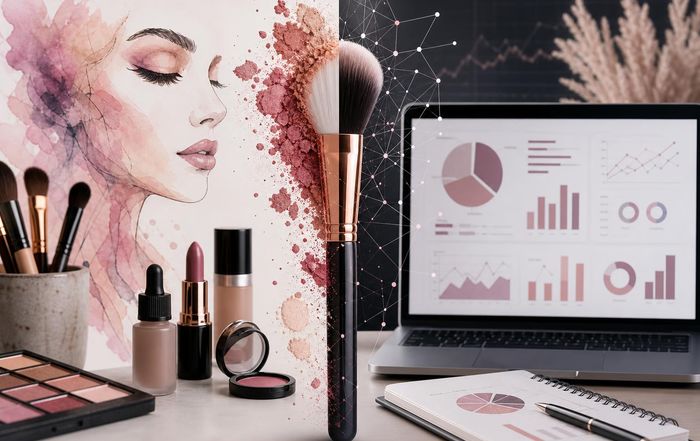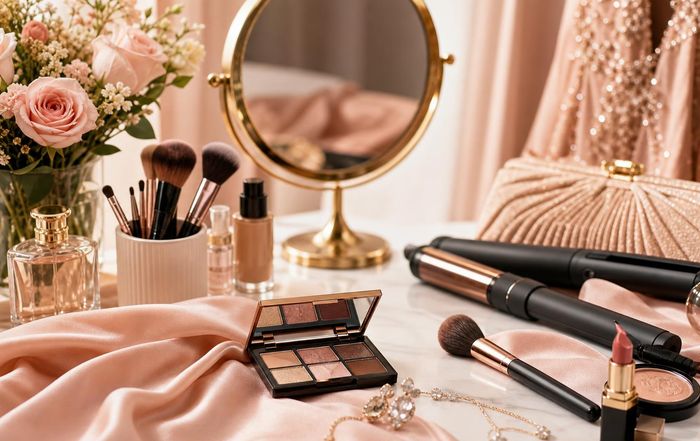
Makeup Techniques Inspired by International Runways

Last updated by Editorial team at beautytipa.com on Sunday 4 January 2026
Article Image for Makeup Techniques Inspired by International Runways

Global Runway Makeup: How International Aesthetics Shape Everyday Beauty on Beautytipa

A New Era of Runway Influence for a Global Digital Audience

By 2026, the world's major fashion capitals and emerging style hubs have collectively redefined what makeup represents, turning it from a purely decorative layer into a sophisticated language of identity, technology, and cultural expression. On runways from New York, London, Paris, and Milan to Seoul, Tokyo, Copenhagen, São Paulo, Johannesburg, and beyond, makeup artistry now operates at the intersection of skin science, digital innovation, sustainability, and inclusivity. For Beautytipa.com, whose readership spans North America, Europe, Asia, Africa, and South America, these runway narratives are not abstract creative experiments; they are practical, strategic reference points that inform how individuals structure their routines, select products, evaluate brands, and think about beauty as part of their broader lifestyle and career journeys.

The digital transformation of fashion in the early 2020s, accelerated by livestreamed fashion weeks, virtual front rows, and high-definition social media coverage, has made runway looks more accessible than ever. A user in New York can analyze a backstage skin-prep routine minutes after a show in Paris, while a professional in Singapore can adapt a Seoul-inspired gradient lip for a corporate setting the same day. Beautytipa's editorial mission, reflected across its beauty, skincare, makeup, and trends coverage, is to interpret these fast-moving international aesthetics through a lens of experience, expertise, authoritativeness, and trustworthiness, ensuring that readers receive not only inspiration but also clear, evidence-informed guidance on how to integrate runway techniques into real life.

In 2026, runway makeup is shaped by three powerful forces: a continued shift toward skin-first beauty, a deepening integration of technology and data into product development and application, and a heightened awareness of ethics, sustainability, and diversity. Understanding how these forces manifest across different regions allows Beautytipa's global audience-from the United States, United Kingdom, Germany, Canada, and Australia to France, Italy, Spain, the Netherlands, Switzerland, China, Sweden, Norway, Singapore, Denmark, South Korea, Japan, Thailand, Finland, South Africa, Brazil, Malaysia, and New Zealand-to translate international trends into personal strategies that respect both individual identity and local cultural contexts.

Skin-First Beauty as the Global Runway Baseline

A defining continuity from 2025 into 2026 is the dominance of skin-first beauty as the foundational philosophy of runway makeup. Major houses such as Dior, Chanel, Gucci, and Prada now treat complexion not as a blank surface to be heavily covered, but as a living organ whose health, texture, and tone must be preserved and enhanced. Backstage teams work closely with dermatologists, facialists, and product chemists to design pre-makeup rituals that prioritize barrier repair, hydration, and inflammation control, reflecting the growing public reliance on medical-grade information from institutions such as the American Academy of Dermatology and the Mayo Clinic.

In Seoul and Tokyo, where K-beauty and J-beauty continue to influence global standards, multi-step hydration, gentle exfoliation, and strategic layering of essences and serums have become essential backstage practices rather than niche regional techniques. The luminous, almost translucent "glass" or "mirror" skin effects seen on runways are increasingly achieved through long-term skincare strategies rather than short-term cosmetic tricks, aligning with the kind of structured, ingredient-focused routines explored in depth on Beautytipa's skincare and wellness pages. Hybrid products-tinted serums with mineral SPF, peptide-enhanced foundations, and niacinamide-infused concealers-bridge the gap between dermatological care and makeup artistry, echoing consumer interest in products validated by independent evaluators such as Consumer Reports and guided by frameworks from regulators including the European Commission's cosmetics division.

For Beautytipa's audience, this skin-first runway baseline carries practical implications. It encourages readers to see every makeup look, from a minimal New York office face to a high-impact Milanese evening style, as the final layer of a broader health-driven routine involving nutrition, sleep, stress management, and targeted skincare. It also reinforces the importance of understanding ingredient labels, patch testing, and routine design, topics that Beautytipa addresses through its guides and tips aimed at building confidence and long-term skin resilience rather than chasing short-lived visual effects.

New York and London: Editorial Minimalism and Strategic Statement Details

Runways in New York and London in 2026 continue to champion a refined form of editorial minimalism, where carefully calibrated restraint is combined with one or two high-impact focal points. Brands such as Proenza Schouler, Burberry, and a new wave of independent labels use barely-there bases, subtly laminated brows, and diffused, skin-mimicking blush as a neutral backdrop for a single, memorable gesture-perhaps a precisely drawn graphic liner, a blurred berry stain, or a small metallic accent placed in an unexpected location.

This approach reflects deeper cultural and economic realities in major urban centers, where professionals contend with compressed schedules, hybrid work models, and heightened awareness of mental well-being. Research from organizations like the World Health Organization on stress and work-life balance has indirectly influenced beauty culture, encouraging routines that are efficient, manageable, and psychologically supportive rather than overwhelming. For Beautytipa readers in cities across North America and Europe, the New York-London aesthetic offers a blueprint for time-conscious routines: invest in a strong skincare base, then choose one or two signature elements that can be swapped depending on mood, setting, or season.

Beautytipa's routines coverage frequently analyzes these runway looks in terms of process and practicality, breaking down how a monochrome cream-blush-and-lip combination or a single vivid liner shade can transition from office lighting to evening events with minimal adjustment. The editorial minimalism of these cities also aligns with the platform's emphasis on intentional consumption: instead of accumulating large volumes of products, readers are encouraged to curate compact, high-performance collections that reflect their professional image, lifestyle, and long-term skin health priorities.

Paris and Milan: Modernized Glamour and Heritage Reimagined

Paris and Milan remain synonymous with glamour, but by 2026 their runways present a more nuanced, modern version of classic beauty codes. Heritage houses such as Chanel, Dior, Valentino, and Armani revisit iconic signatures-red lips, winged liner, sculpted cheekbones, and velvety smoky eyes-while updating textures, finishes, and application methods to align with contemporary expectations around comfort, longevity, and photography.

The Parisian red lip, for example, is now often formulated with flexible, film-forming technologies that maintain saturation and definition without cracking or excessive dryness, drawing on advances documented by industry chemists and regulatory bodies. In Milan, bronzing and highlighting emphasize warmth and vitality rather than heavy, angular contouring, creating a more lifelike sense of structure that adapts gracefully to different lighting conditions, from natural daylight to evening spotlights. These shifts are particularly relevant for Beautytipa readers who want to invest in a small number of high-quality staples-such as a signature red lipstick, a versatile neutral palette, or a well-balanced cream blush-capable of delivering both runway-inspired drama and everyday elegance.

Beautytipa's brands and products reporting delves into how luxury and premium brands translate runway artistry into consumer lines, examining texture innovations, pigment development, and packaging sustainability. In a marketplace where consumers are increasingly informed by expert commentary from sources such as the Business of Fashion and consulting firms like McKinsey & Company, the platform helps its business-oriented audience evaluate which runway-linked launches represent genuine technical progress and which are primarily marketing narratives. This analytical perspective supports Beautytipa's commitment to authoritativeness and trustworthiness in a sector where heritage, aspiration, and scientific claims often intersect.

🌍 Global Runway Makeup Guide 2026

Translate International Trends Into Your Personal Style
New York & London
Paris & Milan
Seoul & Tokyo
Scandinavia
🗽
New York & London: Editorial Minimalism
Refined Restraint
Barely-there bases with subtly laminated brows and skin-mimicking blush create a neutral backdrop for strategic focal points.
One Statement Element
Choose a single memorable gesture—graphic liner, blurred berry stain, or metallic accent in an unexpected location.
💄Essential Products
Tinted Serum
Cream Blush
Brow Gel
Precision Liner
Berry Lip Stain
Make It Wearable
Perfect for time-conscious professionals. Invest in strong skincare, then add one or two signature elements that transition from office to evening with minimal adjustment.
🗼
Paris & Milan: Modernized Glamour
Heritage Reimagined
Classic red lips, winged liner, and sculpted cheeks updated with flexible formulas and contemporary textures.
Lifelike Structure
Bronzing and highlighting emphasize warmth and vitality over heavy contouring, adapting gracefully to different lighting.
💄Essential Products
Red Lipstick
Cream Bronzer
Liquid Highlighter
Neutral Palette
Setting Spray
Make It Wearable
Invest in high-quality staples that deliver both drama and elegance. Focus on flexible formulas that maintain definition without cracking throughout the day.
🌸
Seoul & Tokyo: Precision & Innovation
Glass Skin Perfection
Multi-step hydration and strategic layering achieve luminous, translucent skin through long-term skincare strategies.
Tech-Enhanced Color
AI-driven analysis and virtual try-ons guide gradient lips, multi-dimensional shimmer, and hyper-precise eye work.
💄Essential Products
Hydrating Essence
Cushion Foundation
Gradient Lip Tint
Fine Eyeliner
Pearl Highlighter
Make It Wearable
Adapt glass skin for office wear by focusing on hydration and light-reflective bases without full-face shine. Use virtual try-on tools as complements to personal experience.
🌿
Scandinavia: Ethical Minimalism
Nature-Inspired Palette
Soft, breathable looks with luminous skin and minimalistic design prioritize expression over excess.
Sustainable Beauty
Responsibly sourced ingredients, low-impact packaging, and traceable supply chains aligned with environmental values.
💄Essential Products
Clean Foundation
Natural Blush
Tinted Balm
Mineral SPF
Refillable Packaging
Make It Wearable
Align aesthetic preferences with environmental values. Choose dewy, lightly flushed looks that enhance rather than obscure the effects of a healthy lifestyle.

Seoul and Tokyo: Precision, Color Innovation, and Integrated Technology

Seoul and Tokyo maintain their status as global innovation laboratories for color, finish, and application technique. In 2026, runways and beauty presentations in these cities showcase intricate gradient lips, multi-dimensional shimmer veils, and hyper-precise eye work executed with ultra-fine tools and high-tech formulas. However, the most transformative developments lie behind the scenes, where AI-driven color analysis, virtual try-on platforms, and skin-diagnostic systems guide both product creation and backstage decision-making.

Companies such as L'Oréal, Shiseido, and Amorepacific have deepened their investment in augmented reality and machine learning, leveraging data from millions of users to refine shade ranges, undertone calibrations, and texture options. Industry events organized by bodies like the Consumer Technology Association highlight how beauty brands now operate as technology companies as much as cosmetics manufacturers, integrating biometric data, environmental sensors, and predictive analytics into their innovation cycles. On the runway, this means that the colors and finishes selected for models are tested in advance for performance under different lighting and camera conditions, anticipating how looks will appear on social platforms and in digital campaigns.

Beautytipa's technology and beauty section follows these developments closely, offering readers insight into how to use virtual try-ons, AI recommendation engines, and skin-analysis tools responsibly. For a global audience that includes tech-savvy consumers in South Korea, Japan, Singapore, and the wider Asia-Pacific region, this coverage emphasizes both the opportunities and limitations of digital beauty tools. It encourages users to treat technology as a complement to, rather than a replacement for, professional advice and personal experience, thereby maintaining trust and autonomy in a rapidly evolving landscape.

Scandinavian and Broader European Aesthetics: Soft Color, Ethics, and Sustainability

Scandinavian and Northern European fashion weeks, particularly in Copenhagen and Stockholm, continue to exert outsized influence on the ethical and environmental dimensions of beauty. Runways in these regions frequently feature soft, nature-inspired color palettes, luminous yet breathable skin, and minimalistic designs that prioritize expression over excess, mirroring broader social commitments to sustainability, transparency, and quality of life.

Brands presenting in these cities increasingly highlight their use of responsibly sourced ingredients, low-impact packaging, and traceable supply chains, drawing on frameworks and databases from organizations such as the Environmental Working Group and the Global Reporting Initiative. For Beautytipa's readers in Europe and beyond, these runways serve as a practical guide for aligning aesthetic preferences with environmental and ethical values, particularly as regulatory pressures and consumer expectations around "clean" and "green" claims intensify.

This Scandinavian approach resonates strongly with the wellness-focused lifestyle content on Beautytipa's health and fitness and wellness pages, where mental balance, outdoor activity, and simplified routines are central themes. The dewy, lightly flushed, and softly defined looks seen on these runways illustrate how makeup can enhance rather than obscure the effects of a healthy lifestyle, reinforcing the platform's message that beauty is most sustainable when it is integrated with broader physical and emotional well-being.

The Business Engine Behind Runway Makeup

Every runway look is underpinned by a complex business architecture involving multinational conglomerates, independent brands, contract manufacturers, investors, and strategic partners. Corporations such as Estée Lauder Companies, L'Oréal, and Coty use fashion weeks to showcase hero products, test new formulas, and position their portfolios within evolving narratives of inclusivity, performance, and sustainability. These activities are closely scrutinized by analysts at firms like Deloitte and by financial and strategic commentators, who examine how runway exposure translates into market share, category growth, and brand equity.

For Beautytipa's readers with an interest in the commercial side of beauty, the platform's business and finance coverage connects runway aesthetics to underlying economic trends: rising demand for long-wear, mask-resistant formulas in certain regions; premiumization in skincare-makeup hybrids; the rapid growth of indie brands that gain visibility through strategic collaborations; and the role of private equity in scaling niche labels into global players. Insights from sources such as the Harvard Business Review and the World Economic Forum further contextualize how macroeconomic factors, supply chain disruptions, and regulatory changes influence which products appear on runways and eventually on retail shelves.

By presenting runway makeup as both an artistic and economic phenomenon, Beautytipa supports entrepreneurs, professionals, and informed consumers in making strategic decisions-whether they are choosing which brands to support, considering investments in beauty ventures, or planning careers in the sector. This dual focus on creativity and commerce strengthens the platform's authority as a comprehensive resource for those who see beauty not only as self-expression but also as a serious global industry.

Careers, Skills, and the Evolving Profession of the Makeup Artist

The techniques showcased on international runways in 2026 are inseparable from the evolving skill sets of the professionals who create them. Modern makeup artists are expected to combine classical artistry with digital literacy, product chemistry awareness, cultural sensitivity, and an understanding of how their work will be captured and distributed across high-resolution photography, video, and social media. Professional bodies such as the Make-Up Artists & Hair Stylists Guild and leading academies in Europe, Asia, and North America emphasize continuous upskilling, from mastering skin-first minimalism to executing avant-garde editorial looks that push creative boundaries.

The global shift toward flexible and remote work, analyzed by institutions like the International Labour Organization, has also reshaped career paths in beauty. Many artists now build hybrid portfolios that combine runway work, commercial campaigns, online education, and direct-to-consumer services such as virtual consultations and personalized tutorials. Platforms like Instagram, TikTok, and professional networks enable artists from cities such as Lagos, São Paulo, Bangkok, and Johannesburg to gain international recognition, bringing new perspectives and techniques into the runway ecosystem.

Beautytipa's jobs and employment section speaks directly to readers who aspire to or already work within the industry, outlining how runway trends translate into competency requirements, portfolio expectations, and networking strategies. By drawing on insights from career resources such as LinkedIn's workforce reports and educational guidance from creative institutions, the platform helps emerging professionals understand how to position themselves in a field where artistry, technology, and global cultural fluency increasingly intersect.

Inclusivity, Cultural Diversity, and Regional Runway Voices

One of the most meaningful shifts visible on international runways by 2026 is the deepening commitment to inclusivity and cultural diversity, not only in model casting but also in the design of makeup looks and the products used to achieve them. Organizations such as the Council of Fashion Designers of America and advocacy groups across Europe, Africa, Asia, and Latin America have pushed for more representative lineups, resulting in shows that feature a wider range of ages, ethnicities, gender identities, and body types. This diversity demands and inspires more sophisticated approaches to complexion, color, and texture.

Runways in cities like Lagos, São Paulo, and Mumbai have contributed significantly to global techniques for working with deeper and more varied skin tones, emphasizing luminous finishes, rich pigments, and undertone-aware formulations that avoid ashy or dull effects. These regional innovations influence global brands and are increasingly visible in shade expansions and campaign imagery, as well as in educational content from trusted medical and beauty sources. Readers who explore Beautytipa's international coverage can see how aesthetics from Africa, South America, and Asia are shaping a truly global beauty language rather than being treated as niche or peripheral.

This inclusivity has practical value for Beautytipa's global audience. It means that runway-inspired techniques are more adaptable to the lived realities of readers in South Africa, Brazil, Malaysia, China, and beyond, and that the platform can recommend products and approaches with greater confidence that they will address diverse undertones, cultural preferences, and climate conditions. It also reinforces Beautytipa's commitment to trustworthiness by highlighting brands and professionals that demonstrate genuine respect for diversity rather than treating it as a short-term marketing theme.

From Catwalk to Daily Routine: Making Runway Techniques Wearable

For most readers, the core challenge is not understanding what is happening on the runways but knowing how to adapt those ideas into routines that are compatible with work, family, social commitments, and local norms. Beautytipa's editorial perspective is that almost every runway concept has an accessible version when it is distilled to its underlying principles-finish, structure, color placement, and balance-and then recalibrated for intensity and context.

The glass-skin effect from Seoul can become a softly radiant office complexion by focusing on hydration, a light-reflective but non-greasy base, and strategic highlighting rather than full-face shine. The graphic liner from London can be softened into a smudged wing or tightlined definition, while Milan's sculpted cheekbones can translate into a gentle cream contour and blush combination that enhances natural bone structure. Trusted medical sources such as the Cleveland Clinic and public health institutions like the Harvard T.H. Chan School of Public Health provide the scientific backbone for Beautytipa's recommendations on skin compatibility, ingredient safety, and the impact of lifestyle on complexion, ensuring that aesthetic adaptation never comes at the expense of health.

Within Beautytipa's makeup, trends, and events sections, runway looks are consistently translated into step-by-step frameworks that readers can adjust to their own schedules, environments, and comfort levels. This methodology acknowledges that a lawyer in New York, a designer in Berlin, a consultant in Singapore, and a student in São Paulo will each interpret the same runway trend differently, yet all can benefit from understanding the professional logic that underpins the look.

Makeup, Wellness, Nutrition, and Fashion as a Connected Ecosystem

By 2026, the idea that makeup exists in isolation has become outdated. Runway presentations increasingly reflect holistic narratives in which beauty, wellness, fashion, fitness, and nutrition are intertwined. Athleisure-inspired shows in New York and Los Angeles, for example, pair luminous, minimal makeup with styling that suggests movement and resilience, echoing scientific findings from institutions like the Harvard T.H. Chan School of Public Health on the links between exercise, diet, sleep, and skin quality. European collections that emphasize slow living and craftsmanship often feature understated, skin-focused makeup that aligns with mindful consumption and mental well-being.

Beautytipa's coverage across food and nutrition, health and fitness, and fashion mirrors this integrated perspective. Articles explore how hydration, micronutrient intake, and stress management influence the way makeup sits on the skin and how long it lasts, while fashion-focused pieces analyze how color stories and silhouettes from the runway inform makeup palettes and placement. This cross-category approach supports readers in building cohesive personal brands and lifestyles, in which makeup is not a mask but a visible extension of internal health, values, and goals.

For professionals and enthusiasts alike, this ecosystem view reinforces Beautytipa's emphasis on long-term, sustainable beauty strategies. It encourages readers to think not only about the immediate impact of a bold lip or luminous base but also about how these choices fit into their broader aspirations, whether those involve career advancement, creative self-expression, or improved confidence in international and cross-cultural settings.

The Future of Runway-Inspired Beauty for Beautytipa's Global Community

Looking ahead through 2026 and beyond, international runways are poised to become even more data-informed, culturally diverse, and environmentally accountable. Advances in AI, biotechnology, and materials science will likely yield new textures, adaptive pigments, and application tools, while ongoing conversations about mental health, social responsibility, and climate impact will shape the stories that brands tell through their shows. Analysts at organizations such as the World Economic Forum and major consulting firms anticipate a beauty landscape in which personalization, transparency, and cross-regional collaboration are non-negotiable expectations rather than differentiating features.

For Beautytipa.com, this evolving environment reinforces the importance of its role as a trusted interpreter between the spectacle of the runway and the realities of everyday life. By drawing on authoritative external resources, industry expertise, and its own cross-category editorial strengths-from beauty and wellness to business and finance and international analysis-the platform equips its global audience to move from passive observation to active, informed participation in the beauty conversation.

Whether a reader is inspired by Parisian glamour, Seoul's technological precision, Scandinavian minimalism, or the bold creativity of emerging fashion hubs in Africa and South America, Beautytipa's commitment is to help translate those influences into routines, purchases, and career decisions that are authentic, sustainable, and aligned with personal values. In doing so, the platform underscores a central insight of the 2026 beauty landscape: that runway makeup is no longer a distant spectacle but a shared, evolving language that connects individuals across continents, industries, and cultures, turning global inspiration into precise, personal artistry.

Sustainable Packaging Innovations in Beauty Brands

Last updated by Editorial team at beautytipa.com on Sunday 4 January 2026
Article Image for Sustainable Packaging Innovations in Beauty Brands

Sustainable Packaging in Beauty: How 2026 Is Redefining Luxury, Responsibility, and the BeautyTipa Consumer

The Strategic Rise of Sustainable Packaging in a Post-2025 Beauty Market

By 2026, sustainable packaging has moved decisively from a forward-looking ambition to a non-negotiable standard for serious beauty brands operating across North America, Europe, Asia, Africa, and South America, and this shift is acutely visible to the global community that follows BeautyTipa. What began as a niche differentiator in the early 2020s has become a central pillar of corporate strategy, shaping how products are conceived, sourced, manufactured, distributed, and ultimately experienced by consumers who are increasingly conscious of the environmental and social impact of their routines. For the audience engaging with BeautyTipa's beauty coverage, sustainable packaging is now intertwined with brand value, regulatory compliance, investor expectations, and long-term consumer trust, rather than being treated as an accessory to formula innovation or marketing narratives.

This transformation has been accelerated by mounting climate urgency, more stringent regulations, and a new level of consumer scrutiny that spans markets from the United States, Canada, and the United Kingdom to Germany, France, South Korea, Japan, Brazil, and South Africa. Consumers are using resources such as the UN Environment Programme and the World Economic Forum to understand plastic pollution, carbon emissions, and circular economy principles, while also interrogating brand claims through social platforms and peer communities. In this context, BeautyTipa is increasingly expected to provide not only product inspiration and trend analysis but also a rigorous, business-aware perspective on which packaging innovations genuinely reduce impact and which remain more symbolic than substantial. The result is a beauty landscape in which packaging strategy is as important to perceived luxury as fragrance, texture, or visual design, and where responsibility is becoming a defining marker of modern prestige.

Regulatory and Market Forces Driving a New Packaging Paradigm

The regulatory environment in 2026 is one of the most powerful forces reshaping beauty packaging, particularly for multinational groups that must operate across diverse and tightening legal frameworks. In the European Union, extended producer responsibility schemes and updated packaging and packaging waste regulations require companies to design for recyclability, increase recycled content, and reduce unnecessary materials, while similar pressures are emerging in the United Kingdom, Canada, and several U.S. states. Institutions such as the European Commission and the U.S. Environmental Protection Agency have signaled clearly that packaging waste is a systemic priority, which has pushed beauty brands away from reactive compliance and toward proactive redesign of entire packaging portfolios.

These regulatory shifts intersect with global voluntary initiatives, including the New Plastics Economy framework from the Ellen MacArthur Foundation, which encourage companies to commit publicly to measurable targets around elimination, reuse, recyclability, and recycled content. For investors and analysts who increasingly integrate environmental, social, and governance indicators into their valuation models, packaging is now a visible proxy for the seriousness of a company's broader climate and resource strategy. Readers of BeautyTipa's business and finance insights are observing how boards and executive teams treat packaging redesign as a capital allocation decision, a risk management tool, and a brand-building opportunity, rather than a discretionary marketing project. In 2026, the brands that fail to adapt face not only regulatory penalties but also retail delistings, investor skepticism, and reputational erosion among younger consumers in markets from the Netherlands and Sweden to Singapore and Australia.

Material Innovation: From PCR and Biobased Polymers to Next-Generation Fibers

At the heart of the sustainable packaging shift is a wave of material innovation that attempts to reconcile performance, aesthetics, cost, and environmental impact. Post-consumer recycled plastics have become foundational rather than experimental, with PCR PET and PP now widely deployed by major groups such as L'Oréal, Unilever, and Estée Lauder Companies, supported by improved sorting, washing, and reprocessing infrastructure documented by industry platforms like Plastics Europe. These materials allow brands to reduce dependence on virgin fossil-based plastics while remaining compatible with existing recycling systems in markets including the United States, the United Kingdom, Germany, and Australia, though supply constraints and quality variability remain ongoing challenges.

Beyond recycled content, bio-based polymers derived from feedstocks such as sugarcane, corn, and cellulose have matured considerably since their early adoption, with a growing body of peer-reviewed research on life-cycle performance available through resources like ScienceDirect and Nature. Beauty companies now evaluate not only carbon footprints but also land use, biodiversity impacts, and end-of-life scenarios, recognizing that a lower carbon score does not automatically translate into overall sustainability. In parallel, fiber-based and paper-based packaging has evolved from simple cartons to sophisticated structures with barrier coatings that protect sensitive formulations, enabling replacement of plastic for some secondary and even primary applications, especially in skincare and fragrance. For BeautyTipa readers who track brands and product innovation, material choice is becoming a key indicator of a brand's technical competence and seriousness about long-term environmental commitments.

Refill and Reuse: Reimagining Luxury, Convenience, and Ownership

The most visible manifestation of sustainable packaging for consumers in 2026 is the normalization of refill and reuse models across categories such as skincare, fragrance, haircare, and color cosmetics, where refillable systems are no longer confined to niche eco labels but are embedded in mainstream and luxury offerings. Refillable jars, airless cartridges, stick formats, and fragrance flacons now often feature durable, beautifully engineered outer shells that the consumer keeps, while the inner component is replaced, a model adopted by brands ranging from Chanel and Dior to newer players targeting Gen Z in South Korea, Japan, and the United States. This approach reinforces the emotional connection to a product and aligns with a vision of luxury that values longevity and craftsmanship over disposability, effectively redefining what aspirational beauty looks and feels like.

At the same time, refill stations and in-store dispensing systems have expanded from pilot programs to more established formats in markets such as France, Germany, Singapore, and Thailand, as retailers and technology partners collaborate to make reuse more convenient and more visually appealing. Reports from organizations like the OECD highlight both the potential and the complexity of scaling such systems, especially when considering hygiene standards, consumer behavior, and logistics. For those following BeautyTipa's skincare and routine-focused content, refillable formats are increasingly integrated into discussions of how to build a sustainable daily regimen that does not compromise on sensorial pleasure, efficacy, or design, and how different cultures from Italy and Spain to South Korea and Brazil interpret the balance between convenience and responsibility.

Sustainable Beauty Packaging Navigator 2026

Explore the transformation of beauty packaging across materials, strategies, and global markets

The Journey to Sustainable Packaging

Early 2020s: Niche Differentiator

Sustainable packaging emerges as a forward-looking ambition for innovative beauty brands seeking competitive advantage

2024-2025: Regulatory Acceleration

EU packaging regulations, extended producer responsibility schemes, and investor ESG requirements drive systematic change

2026: Non-Negotiable Standard

Sustainable packaging becomes central pillar of corporate strategy across North America, Europe, Asia, Africa, and South America

Beyond 2026: Digital Integration

Smart packaging with digital identifiers, AI-driven optimization, and closed-loop recycling systems become mainstream

Material Innovation Landscape

PCR Plastics

Post-consumer recycled PET and PP widely deployed by major groups, reducing virgin fossil-based materials

Bio-Based Polymers

Sugarcane, corn, and cellulose feedstocks with rigorous life-cycle assessment for carbon and biodiversity impact

Fiber-Based Solutions

Advanced paper structures with barrier coatings for skincare and fragrance applications

Refillable Systems

Durable outer shells with replaceable cartridges redefining luxury through longevity and craftsmanship

Key Design Principles

  • Monomaterial solutions for improved recyclability in municipal streams
  • Elimination of incompatible material combinations and complex decorations
  • Smart packaging with QR codes for region-specific disposal guidance
  • Engineering simplicity celebrated as marker of sophistication

Global Adoption by Region

Europe (Germany, France, Netherlands, Nordics, UK)92%
92%
Asia (Japan, South Korea, Singapore, China)85%
85%
North America (United States, Canada)78%
78%
Oceania (Australia, New Zealand)74%
74%
South America (Brazil, Others)58%
58%
Africa (South Africa, Others)45%
45%

Regional Context:Adoption rates reflect infrastructure maturity, regulatory frameworks, and consumer culture. Emerging markets face unique challenges with informal recycling sectors and limited waste management systems.

Packaging Impact Calculator

Adjust parameters to explore how packaging choices affect environmental impact

Recycled Content:50%
Refillability Design:3/5
Material Reduction:25%
Recyclability Score:70/100
Overall Sustainability Impact:68/100

Design for Real-World Recycling: Minimalism, Monomaterials, and Engineering Discipline

Experience from the last decade has made it clear that theoretical recyclability, as claimed in marketing materials, often diverges from what actually happens in municipal recycling streams. In response, beauty brands and their packaging suppliers have adopted a more rigorous design-for-recycling philosophy, emphasizing minimalist structures and monomaterial solutions wherever possible. This means reducing or eliminating non-essential components, avoiding incompatible material combinations, and simplifying decorations that interfere with sorting technologies, all with the aim of increasing the probability that a pack will be correctly processed in facilities across North America, Europe, Asia, and beyond.

Guidance from bodies such as the Association of Plastic Recyclers and the Sustainable Packaging Coalition has become a de facto rulebook for engineering teams, influencing decisions on everything from pump mechanisms and cap colors to label adhesives and metallic foils. For the BeautyTipa audience that monitors emerging trends, a new aesthetic of "engineered simplicity" is emerging in 2026, in which clean lines, clear communication, and material transparency are celebrated as markers of sophistication, rather than seen as compromises. The most credible brands are those that can explain why a certain closure was chosen, how a bottle should be disassembled if necessary, and what actually happens to the material in the recycling system of a given country, from the Netherlands and Switzerland to South Africa and Malaysia.

Smart Packaging, Digital Traceability, and the Data Layer of Sustainability

The convergence of sustainability and digital technology has given rise to a new generation of smart packaging solutions that extend far beyond simple QR codes, although those remain a central tool. In 2026, many beauty products carry digital identifiers that link to dynamic content explaining material composition, sourcing, carbon footprint, refill options, and disposal instructions tailored to specific regions, made possible by standards organizations such as GS1 and analytical frameworks developed by institutions like the World Resources Institute. This digital layer not only supports more informed consumer decisions but also provides brands with granular data on product journeys, returns, and refill rates, enabling continuous optimization of packaging systems.

For readers exploring BeautyTipa's technology and beauty section, smart packaging represents a powerful intersection of innovation, sustainability, and personalized experience. Brands can minimize printed leaflets and oversized secondary boxes by migrating instructions, ingredient explanations, and sustainability reporting to digital channels, while simultaneously offering tutorials, skin diagnostics, and loyalty programs that are triggered by scanning a pack. In international markets such as China, Japan, Singapore, and South Korea, where consumers are highly receptive to mobile-first experiences, this integration of digital and physical elements is becoming a competitive necessity, and it also helps regulators and watchdog organizations monitor the accuracy of claims in real time.

Life-Cycle Thinking and Science-Based Targets as the New Standard of Credibility

In 2026, the most respected beauty companies are those that treat packaging not as an isolated issue but as part of a holistic, science-based environmental strategy that spans raw materials, manufacturing, logistics, product use, and end-of-life. Life-cycle assessments, conducted in line with methodologies from the International Organization for Standardization, have become standard practice for evaluating whether a new material or format actually reduces overall impact, rather than simply shifting burdens from one stage of the value chain to another. Companies are also aligning their packaging roadmaps with broader climate commitments validated through initiatives such as the Science Based Targets initiative, ensuring that packaging decisions contribute meaningfully to net-zero trajectories.

For consumers and professionals who rely on BeautyTipa's guides and tips, this life-cycle perspective is essential to cutting through simplistic narratives that equate "plastic-free" or "compostable" with universally better outcomes. The most transparent brands now explain why a lightweight, fully recyclable plastic bottle might be preferable to a heavier glass alternative in certain markets, or why a particular bio-based polymer is only beneficial when local collection and processing infrastructure exists, which may not be the case in parts of Africa, South America, or Southeast Asia. This emphasis on evidence and context resonates strongly with the Experience, Expertise, Authoritativeness, and Trustworthiness pillars that underpin BeautyTipa's editorial vision.

Global and Regional Realities: Infrastructure, Culture, and Market Maturity

While sustainable packaging is a global conversation, its implementation is shaped by regional differences in regulation, infrastructure, consumer culture, and economic conditions. In Europe, particularly in Germany, France, the Netherlands, the Nordic countries, and the United Kingdom, robust policy frameworks and relatively advanced recycling systems have enabled faster adoption of monomaterial designs, deposit return schemes, and refillable models, even as countries continue to refine extended producer responsibility mechanisms. In North America, the United States and Canada exhibit a more fragmented regulatory landscape, but strong retailer commitments and consumer activism are pushing the market toward harmonized labeling, higher recycled content, and experimentation with reuse pilots in urban centers.

In Asia, countries such as Japan, South Korea, Singapore, and increasingly China are demonstrating high levels of technological sophistication in both packaging design and waste management, while also maintaining strong cultural expectations around cleanliness, safety, and aesthetics that influence format choices. Meanwhile, emerging economies in Africa, South America, and parts of Southeast Asia must contend with limited formal waste infrastructure and reliance on informal recycling sectors, which complicates the rollout of certain high-tech or infrastructure-dependent solutions. Institutions like the World Bank and conservation organizations such as the World Wildlife Fund emphasize the need for context-specific strategies that support local livelihoods, build capacity, and avoid simply exporting waste from wealthier regions to less regulated markets. For BeautyTipa's international readership, which spans markets from Italy and Spain to Brazil, South Africa, and New Zealand, understanding these regional nuances is crucial to assessing which packaging claims are realistic in a given context.

Building Trust: Transparency, Certification, and the Fight Against Greenwashing

As sustainability messaging has become ubiquitous in beauty marketing, the risk of greenwashing has increased, making transparent communication and third-party verification essential for maintaining credibility. In 2026, sophisticated consumers and professionals look for evidence rather than slogans, paying attention to certifications and standards that validate specific aspects of packaging performance, such as responsible paper sourcing, carbon footprint, or recyclability. Organizations like the Forest Stewardship Council and the Carbon Trust provide recognizable markers that a brand has subjected its claims to independent scrutiny, although even these labels must be interpreted within broader life-cycle and regional contexts.

For BeautyTipa, whose audience stretches from the United States, Canada, and the United Kingdom to Singapore, Denmark, and Finland, trust is built through consistent, nuanced coverage that explains both the strengths and limitations of current solutions. Brands that share detailed roadmaps, disclose progress and setbacks, and avoid over-claiming incremental improvements are more likely to be viewed as authoritative and responsible. This approach aligns with BeautyTipa's commitment to Experience, Expertise, Authoritativeness, and Trustworthiness, ensuring that discussions of packaging across sections such as wellness, health and fitness, and fashion contribute to a coherent, evidence-driven narrative rather than fragmented marketing noise.

The Business Case: Risk, Resilience, and New Value Propositions

From a strategic and financial perspective, sustainable packaging in 2026 is increasingly understood as a driver of resilience and competitive advantage rather than a cost center, particularly for companies operating in global markets subject to volatile regulation and resource constraints. Analyses from consultancies such as McKinsey & Company and Boston Consulting Group, accessible through resources like McKinsey's sustainability insights and BCG's climate and sustainability content, highlight how packaging redesign can reduce material usage, optimize logistics, and mitigate exposure to future plastic taxes or landfill restrictions, while also strengthening customer loyalty among environmentally conscious segments in markets from the United States and the United Kingdom to Sweden and South Korea.

For professionals and job seekers following BeautyTipa's jobs and employment section, this shift has opened new career paths at the intersection of sustainability, design, and business strategy. Roles such as circular economy manager, sustainable packaging engineer, LCA analyst, and ESG communications specialist are becoming more common across multinational groups, indie brands, and retail organizations. Investors and boards now expect clear packaging KPIs, including targets for recycled content, refill adoption, and absolute packaging reduction, which in turn influence product development timelines, supplier relationships, and marketing priorities. For entrepreneurs in markets as diverse as Canada, Australia, Italy, and Malaysia, building a brand with credible, well-designed sustainable packaging is no longer a niche proposition but a prerequisite for long-term relevance.

Consumer Behavior, Education, and the Role of BeautyTipa as a Trusted Guide

Even the most elegantly engineered sustainable packaging system depends on consumer behavior to realize its potential, whether that means returning empties for refill, separating components for recycling, or choosing lower-impact formats at the point of purchase. Education, clarity, and convenience are therefore critical, and this is where beauty media, retailers, and digital platforms have a decisive influence. Public initiatives such as Recycle Now in the United Kingdom and similar programs in Europe, North America, and Asia provide basic guidance on household recycling, but these resources must be translated into the specific context of beauty packaging, which often includes pumps, mirrors, magnets, and mixed materials that complicate disposal.

For BeautyTipa, which integrates content on makeup, food and nutrition, and broader lifestyle topics alongside core beauty and skincare, sustainable packaging is part of a holistic conversation about wellbeing, aesthetics, and ethical living. By examining the packaging strategies of brands across price points and regions, explaining labels and certifications in accessible language, and connecting packaging choices to broader themes such as climate resilience and resource justice, BeautyTipa can help readers from Germany and Switzerland to Brazil, Thailand, and South Africa make decisions that align their values with their daily routines. This role as an educator and critical observer is fundamental to building the trust that underpins long-term engagement with the platform.

The Road Ahead: How Beauty Packaging Will Continue to Evolve Beyond 2026

Looking beyond 2026, sustainable packaging in beauty is poised to evolve through a combination of material breakthroughs, digital integration, and systemic collaboration across industries and regions. Research into advanced biodegradable polymers tailored to specific environments, closed-loop recycling systems for complex materials, and AI-driven optimization of packaging design and logistics is progressing rapidly in academic and industrial labs around the world, often documented through scientific and policy platforms that inform corporate decision-making. As e-commerce continues to grow in markets from the United States and Canada to China, Singapore, and New Zealand, the distinction between primary, secondary, and shipping packaging will blur, prompting new models that integrate refill, reverse logistics, and localized production.

For the global audience of BeautyTipa, spanning Europe, Asia, North America, South America, Africa, and Oceania, this evolution represents both a responsibility and an opportunity. The responsibility lies in scrutinizing claims, supporting brands that invest in credible solutions, and adapting personal habits to make the most of new systems, whether through refilling, recycling, or choosing lower-impact formats. The opportunity lies in participating in a redefinition of beauty, wellness, and fashion in which packaging is not an afterthought but a visible, tangible expression of a brand's commitment to people and planet. By continuing to explore the intersection of innovation, design, business, and ethics across its sections-from international perspectives to trend analysis and in-depth guides-BeautyTipa aims to remain a trusted, authoritative partner for readers who want to navigate the next chapter of sustainable beauty with clarity, confidence, and discernment.

How AI Is Transforming Personalized Skincare

Last updated by Editorial team at beautytipa.com on Sunday 4 January 2026
Article Image for How AI Is Transforming Personalized Skincare

How AI Is Reshaping Personalized Skincare

Intelligent Beauty Moves From Trend to Infrastructure

By 2026, artificial intelligence has shifted from being an experimental add-on in beauty to becoming a foundational layer that quietly powers how skincare is researched, developed, recommended, and experienced across the globe. From the United States and Canada to Germany, South Korea, Brazil, and South Africa, consumers now encounter AI at nearly every touchpoint of the skincare journey, whether they are scanning their face with a smartphone, receiving regimen suggestions in a pharmacy, or exploring ingredient profiles before purchasing a serum online. For BeautyTipa, which serves a global audience seeking clarity in an increasingly complex beauty and wellness ecosystem, AI is no longer a distant innovation to be observed from the sidelines; it is a daily reality that must be explained, evaluated, and contextualized through a lens of expertise, authoritativeness, and trust.

Personalized skincare was once defined by generic skin-type labels and quick consultations at beauty counters, but the rise of data-driven algorithms, computer vision, and predictive modeling has fundamentally changed expectations. Consumers now look for tools that can interpret subtle nuances in skin condition, adapt to climate and lifestyle changes, and integrate seamlessly into broader routines that encompass beauty, wellness, nutrition, and mental health. Major global players such as L'Oréal, Estée Lauder Companies, Shiseido, Unilever, and Procter & Gamble have embedded AI across product development, diagnostics, and digital retail, while fast-moving startups from Seoul, Singapore, London, Berlin, and Silicon Valley are using machine learning to offer hyper-personalized formulations, subscription services, and virtual consultations. Within this landscape, BeautyTipa positions its analysis at the intersection of innovation and responsibility, helping readers understand not only what is technologically possible, but also what is scientifically sound and ethically robust, building on dedicated coverage in areas such as beauty, skincare, and technology beauty.

From Categories to Individual Skin Signatures

The shift from broad skin-type categories to deeply individualized "skin signatures" reflects growing recognition that skin health is influenced by genetics, environmental exposure, hormonal cycles, stress, diet, and underlying medical conditions. Dermatological bodies such as the American Academy of Dermatology and clinical resources like the Mayo Clinic have long emphasized that conditions such as acne, rosacea, hyperpigmentation, and eczema manifest differently across ages, ethnicities, and geographies. AI excels at synthesizing these complex, intersecting variables, translating them into tailored, evidence-informed recommendations that can evolve over time.

Modern AI personalization engines typically begin with high-quality data inputs: facial images captured through smartphones or connected mirrors, self-reported concerns, product usage histories, and sometimes environmental data such as UV index, humidity, and air quality drawn from sources like the World Air Quality Index Project or the World Health Organization. Advanced computer vision models detect fine lines, texture irregularities, pigmentation, redness, and signs of dehydration that may not be obvious to the naked eye, while temporal analysis tracks how these markers change across seasons, life stages, and lifestyle shifts. For consumers in cities as diverse as New York, London, Berlin, Tokyo, Seoul, Singapore, São Paulo, and Johannesburg, this means that recommendations can be calibrated not only to intrinsic skin characteristics but also to local climate, pollution levels, and cultural preferences regarding texture, finish, and fragrance.

Behind the scenes, many of these tools are trained on large, curated datasets that include dermatologist-annotated images and clinical outcomes, often drawing methodological inspiration from research programs at institutions such as Stanford Medicine and the National Institutes of Health. Responsible companies are increasingly explicit that AI is designed to complement, not replace, professional medical advice, particularly when dealing with persistent or severe skin conditions. For the BeautyTipa community, which often turns to the site's routines and guides and tips sections for practical direction, this evolution means that personalization now extends from the basic choice of cleanser and moisturizer to detailed decisions about active ingredients, concentrations, layering orders, and adaptation strategies for travel, hormonal shifts, and aging.

AI Skin Diagnostics: From Smartphone Cameras to Smart Homes

One of the most visible manifestations of AI in skincare remains diagnostic technology, which has become both more powerful and more accessible since 2025. High-resolution smartphone cameras, paired with sophisticated computer vision algorithms, now enable consumers to perform quick, at-home skin assessments that would previously have required specialized equipment. Companies such as L'Oréal and Procter & Gamble have continued to refine their AI-powered apps, mirrors, and countertop devices, which can analyze pores, wrinkles, texture, pigmentation, and overall radiance in a matter of seconds, generating personalized product and routine suggestions. These systems draw on machine learning techniques similar to those explored by the MIT Computer Science and Artificial Intelligence Laboratory, adapted and validated for consumer use.

In beauty-forward markets like South Korea and Japan, AI diagnostics are tightly integrated into retail and e-commerce experiences. Department stores, drugstores, and specialty boutiques offer in-store devices that capture images under multiple lighting conditions, measure hydration and elasticity, and instantly generate tailored regimens that can be purchased on the spot or delivered as subscriptions. In Europe, North America, and Australia, similar technology is now common in pharmacies and high-end retailers, where AI tools augment the expertise of pharmacists, beauty advisors, and aestheticians, helping them move beyond anecdotal recommendations toward more data-informed guidance. Consumers in the United Kingdom, Germany, France, Italy, Spain, and the Netherlands, for example, frequently encounter AI-driven tools when seeking advice on managing sensitive skin, photoaging, or pollution-related dullness.

At home, AI-enhanced devices have quietly entered the mainstream. Smart cleansing brushes, LED therapy masks, microcurrent tools, and even connected humidifiers are increasingly paired with apps that monitor usage patterns, collect feedback, and correlate perceived outcomes with device settings, product combinations, and environmental factors. Regulatory bodies such as the U.S. Food and Drug Administration and the European Medicines Agency continue to refine their approach to digital health and beauty devices, encouraging robust evidence and clear consumer communication. For readers of BeautyTipa who are evaluating whether a device justifies its price and claims, understanding how AI interprets input data and how results are validated has become a critical component of informed decision-making.

Inside the Algorithms: Data Quality, Ingredient Intelligence, and Model Design

The apparent simplicity of AI-powered recommendations masks a complex architecture of data pipelines, algorithmic models, and human oversight. Companies building serious personalization platforms typically combine several data sources: clinical photography, dermatologist-verified case studies, anonymized consumer images from diverse regions, ingredient and formulation databases, consumer reviews, and longitudinal feedback on product performance. Regulatory frameworks from organizations such as the European Commission and Health Canada influence how this data is collected, stored, and used, particularly when it touches on health-related information.

A key area of progress between 2024 and 2026 has been the integration of ingredient intelligence into recommendation engines. Instead of merely matching products to generic concerns like "dryness" or "acne," advanced systems parse full ingredient lists, evaluate concentrations where disclosed, and assess formulation context to estimate how a product is likely to behave on different skin types. Public resources such as the Environmental Working Group's Skin Deep database and safety assessments from the Cosmetic Ingredient Review panel provide reference points, while internal R&D teams maintain proprietary datasets that link ingredient combinations to real-world outcomes. As a result, AI systems can now, for example, flag potential conflicts between strong exfoliating acids and retinoids, identify fragrance components that may irritate sensitive skin, or highlight formulations that are better suited to humid versus arid climates.

However, the sophistication of these models is only as strong as the data used to train them. Historically, many image datasets overrepresented lighter skin tones and specific age ranges, leading to less accurate diagnostics for darker skin and older individuals. In response, global corporations such as Unilever and L'Oréal have invested in more inclusive data collection, while academic and public health institutions, including the Harvard T.H. Chan School of Public Health, have drawn attention to the broader issue of bias and representation in health-related AI. For an international audience like that of BeautyTipa, spanning North America, Europe, Asia, Africa, and South America, this emphasis on diversity is not theoretical; it directly affects whether AI tools can reliably detect hyperpigmentation on deeper skin tones, distinguish between post-inflammatory marks and active acne, or adapt to the distinct concerns of different ethnic groups.

🤖 AI Skincare Readiness Quiz
Discover how AI-powered skincare can personalize your routine
What's your primary skincare concern?
Acne and breakouts
Fine lines and aging
Hyperpigmentation and dark spots
Sensitivity and redness
How complex is your current routine?
Basic (cleanser & moisturizer)
Moderate (4-6 products)
Advanced (7+ products, multi-step)
No routine currently
Do environmental factors affect your skin?
Yes, seasonal/climate changes
Yes, urban pollution
Yes, frequent travel
No, fairly stable
How do you prefer to track your skin progress?
Regular photos/selfies
Written journal
Mental notes
I don't track currently
What's most important in skincare recommendations?
Highly personalized to my needs
Scientific backing and research
Convenience and simplicity
Holistic lifestyle integration

AI in Everyday Routines: Connecting Skin, Lifestyle, and Wellness

The true test of AI in skincare is not how impressive a single diagnostic snapshot appears, but how effectively technology can support consistent, sustainable routines that respect both skin biology and human behavior. Increasingly, consumers use AI tools as ongoing companions rather than one-off novelties, conducting periodic check-ins to evaluate progress, adjust product usage, and understand how sleep, diet, exercise, and stress influence their skin. Many of these platforms draw on research from health systems such as the Cleveland Clinic and Johns Hopkins Medicine, which highlight the interplay between systemic health and dermatological conditions, reinforcing the idea that skin is often a visible reflection of internal balance.

Within this holistic view, AI-enhanced journaling and tracking apps have become particularly valuable. Users can log breakouts, redness, dryness, or flare-ups, along with information about menstrual cycles, travel, new medications, or dietary changes, and then rely on algorithms to identify correlations that might otherwise be overlooked. For instance, an app might surface a pattern linking late-night screen time and poor sleep with dullness and under-eye puffiness, or associate frequent consumption of certain foods with recurring congestion in specific facial zones. For BeautyTipa readers interested in building routines that integrate skincare, wellness, health and fitness, and food and nutrition, these insights support a more strategic approach that moves beyond product-centric thinking toward lifestyle-aware skin management.

Regional climate and environmental conditions further amplify the value of AI-driven adaptation. In Canada, the Nordic countries, and parts of the United States where winters bring cold, dry air, AI tools that ingest weather data from agencies such as the National Oceanic and Atmospheric Administration or the European Environment Agency can prompt users to increase occlusive moisturizers, adjust exfoliation frequency, or layer hydrating essences more generously. In high-UV regions like Australia, New Zealand, South Africa, and parts of Brazil and Thailand, daily prompts about sunscreen reapplication and antioxidant use can help maintain consistent photoprotection. For frequent travelers across Europe, Asia, and North America, AI-powered travel modes that automatically adapt routines to new time zones, humidity levels, and water hardness turn what was once guesswork into a more controlled, data-informed process.

Business Models, Strategy, and Competitive Advantage in AI Beauty

For the global beauty industry, AI has evolved from a marketing talking point into a strategic capability that shapes product portfolios, customer relationships, and operational efficiency. Brands and retailers now use AI not only to personalize recommendations but also to forecast demand, optimize inventory, and refine innovation pipelines based on real-world performance data. Management consultancies such as McKinsey & Company and organizations like the World Economic Forum have documented how data-driven personalization can lift conversion rates, reduce returns, and strengthen loyalty across categories, and skincare has emerged as a leading testbed for these strategies.

Custom formulation and subscription-based services illustrate this shift particularly clearly. Companies offering tailored serums, moisturizers, and treatments rely on AI to interpret questionnaires, analyze images, and incorporate ongoing feedback, adjusting formulations as skin changes with age, season, or life events such as pregnancy and menopause. This iterative model aligns with broader trends in mass customization explored by Harvard Business Review, and it resonates strongly in markets such as the United States, United Kingdom, Germany, France, Japan, and South Korea, where consumers increasingly expect science-backed, high-performance solutions that reflect their individuality. For premium and luxury brands, AI-driven personalization has also become a differentiator in retail, with in-store consultations that blend human expertise and machine intelligence to create memorable, high-touch experiences.

From the perspective of investors, entrepreneurs, and professionals following BeautyTipa's business and finance coverage, AI in skincare represents a dynamic and competitive arena. Venture capital continues to flow into startups that can demonstrate strong data governance, credible scientific partnerships, and scalable technology platforms, while established multinationals are forging alliances with AI specialists and acquiring niche players to accelerate their capabilities. At the same time, regulatory scrutiny around digital claims, data privacy, and algorithmic transparency is intensifying, prompting companies to invest in compliance, explainable AI, and robust consent mechanisms as essential components of brand trust rather than optional extras.

Emerging Careers and Skills at the Beauty-Tech Intersection

The integration of AI into skincare has also reshaped the talent landscape, creating new hybrid roles and elevating the importance of cross-disciplinary collaboration. Cosmetic chemists now work alongside data scientists and machine learning engineers to translate biological insights into algorithmic features and to ensure that model outputs remain grounded in formulation realities. Dermatologists and clinical researchers partner with UX designers and product managers to define meaningful metrics of skin improvement, design intuitive user interfaces, and avoid overmedicalizing cosmetic tools. Regulatory and legal specialists, in turn, help teams navigate evolving guidelines in regions such as the European Union, United Kingdom, United States, Canada, Australia, and Singapore.

Professionals aspiring to contribute to AI-driven skincare often build their skills through online platforms such as Coursera, edX, and Udacity, which offer courses in data science, AI ethics, and product management, while domain-specific organizations like the Society of Cosmetic Chemists and the British Association of Dermatologists provide essential grounding in skin biology, formulation science, and clinical standards. For job seekers and career changers exploring opportunities at the intersection of beauty and technology, the jobs and employment section of BeautyTipa increasingly highlights roles that combine technical literacy with an understanding of consumer behavior, cultural nuance, and regulatory context.

Geographically, hubs such as New York, San Francisco, Toronto, London, Berlin, Paris, Zurich, Singapore, Seoul, Tokyo, and Shanghai have become focal points for beauty-tech innovation, hosting both global headquarters and agile startups. In the Nordic countries, Germany, and the Netherlands, strong digital infrastructure and high consumer trust in technology support experimentation with AI-powered retail concepts and sustainability-focused personalization. In Asia-Pacific markets like South Korea, Japan, Singapore, and Australia, early adoption of mobile-first experiences and super apps has created fertile ground for integrated platforms that blend skincare diagnostics, virtual makeup try-on, and real-time consultations. These dynamics shape not only where innovation happens, but also the nature of roles available to professionals seeking to build careers in AI-driven skincare.

Trust, Ethics, and Regulation: The Foundations of Credible AI Skincare

As AI systems become more deeply embedded in skincare products and services, questions of trust, ethics, and regulation have moved from the margins to the center of strategy. Consumers are increasingly aware that facial images, skin metrics, and behavioral data are sensitive, and they expect clear explanations of how this information is collected, processed, and shared. Regulatory frameworks like the European Union's General Data Protection Regulation, overseen by bodies such as the European Data Protection Board, and guidance from regulators like the Information Commissioner's Office in the United Kingdom and the U.S. Federal Trade Commission in the United States, set minimum standards for transparency, consent, and data security.

For AI-driven skincare platforms, meeting these legal requirements is only the first step toward building genuine trust. Clear, accessible communication about the limits of AI, explicit differentiation between cosmetic guidance and medical advice, and realistic framing of expected results are essential to avoid misleading consumers. Professional bodies such as the American Medical Association continue to stress the importance of guarding against "diagnosis by app" in areas that require clinical evaluation, and brands that blur these boundaries risk both regulatory action and reputational damage.

Bias and fairness remain central ethical concerns. If models are trained predominantly on data from specific skin tones, age groups, or regions, their recommendations may be inaccurate or even harmful for users outside those groups. Organizations such as AI Now Institute and Partnership on AI have highlighted these risks across multiple sectors, and their insights are increasingly applied to beauty-tech. For a diverse, international readership like that of BeautyTipa, these issues are particularly salient: readers in Nigeria, South Africa, Brazil, India, Malaysia, and Thailand, for example, need reassurance that AI tools can recognize and appropriately address their specific skin concerns rather than defaulting to standards derived from North American or European populations.

Global Adoption, Local Nuance: Regional Patterns in AI Skincare

Although AI is a global technology, its application in skincare reflects distinct regional preferences, regulatory landscapes, and cultural attitudes toward beauty and health. In North America and Western Europe, consumers often prioritize clinical validation, ingredient transparency, and alignment with medical guidance, drawing on authoritative resources such as the National Health Service in the United Kingdom and DermNet New Zealand when assessing claims. Brands targeting these markets typically emphasize dermatologist-tested formulas, published studies, and clear communication about active ingredients, particularly when addressing conditions like acne, melasma, and rosacea.

In East Asian markets such as South Korea, Japan, and China, AI-driven skincare is closely intertwined with broader digital ecosystems. Super apps and messaging platforms like WeChat, LINE, and KakaoTalk integrate skin analysis, product recommendations, and social sharing, creating a seamless journey from inspiration to purchase. Consumers in these regions are generally comfortable with technology-mediated beauty experiences, which has accelerated adoption of virtual consultations, AI-guided multi-step routines, and personalized boosters or ampoules that can be added to base products. In Southeast Asia, countries like Singapore, Thailand, and Malaysia are following similar trajectories, though with varying levels of regulatory oversight and infrastructure.

In emerging markets across Africa and South America, AI skincare is developing in a mobile-first context, where smartphones are the primary gateway to digital services. Companies are experimenting with lightweight, bandwidth-efficient tools that can run effectively even with limited connectivity, while local brands work to ensure that models are trained on representative skin tones and environmental conditions. Organizations such as the International Telecommunication Union provide insight into the digital divides that influence how and where AI can be deployed responsibly. For BeautyTipa, the international lens is essential, as readers from Johannesburg to Rio de Janeiro and from Nairobi to Bogotá seek guidance that respects local realities rather than assuming a one-size-fits-all global model.

Looking Ahead: Scientific Acceleration, Multimodal AI, and Sustainability

The next phase of AI in personalized skincare is likely to be defined by deeper scientific integration, multimodal analysis, and a stronger emphasis on sustainability. On the R&D side, brands and ingredient suppliers are increasingly using computational chemistry and predictive modeling, drawing on approaches similar to those discussed by the Royal Society of Chemistry, to identify promising active molecules, optimize delivery systems, and predict stability under different storage and usage conditions. This accelerates innovation cycles and makes it possible to test a wider range of hypotheses before committing to costly in-vitro or clinical studies.

Multimodal AI systems, capable of interpreting images, text, sensor data, and even voice inputs simultaneously, are beginning to power richer assessments that combine visual skin analysis with self-reported symptoms, lifestyle information, and wearable-derived metrics such as sleep quality or activity levels. Technology ecosystems built by companies like Apple, Samsung, and Google Health are gradually enabling skincare insights to be integrated with broader health dashboards, reinforcing the idea that skin is one dimension of overall wellbeing rather than an isolated concern. For consumers, this could mean routine suggestions that automatically adapt to stress levels, hormonal cycles, or changes in exercise habits, provided that privacy safeguards and consent frameworks remain robust.

Sustainability is also emerging as a major driver of AI adoption in beauty. Organizations such as the Ellen MacArthur Foundation have highlighted the role of data and digital tools in enabling circular economy models, and beauty brands are beginning to apply AI to reduce overproduction, optimize packaging, and support refill systems. Personalized recommendations that help consumers buy fewer but more suitable products can reduce waste at both household and industry levels, while AI-guided forecasting improves inventory management and lowers the environmental footprint of unsold stock. For BeautyTipa, which covers evolving trends and brands and products, these developments underscore the importance of evaluating not only efficacy and experience but also long-term impact on people and planet.

How BeautyTipa Guides Readers Through AI-Driven Skincare

As AI becomes woven into nearly every aspect of skincare, the role of independent, expert-led platforms grows more important. The sheer volume of apps, devices, and AI-enhanced services can easily overwhelm consumers, especially when marketing narratives outpace scientific validation or gloss over ethical and regulatory complexities. BeautyTipa approaches this landscape with a commitment to Experience, Expertise, Authoritativeness, and Trustworthiness, aiming to translate technical advances into clear, practical guidance that respects readers' intelligence, time, and diverse circumstances.

Drawing on dermatological research, regulatory developments, and user experiences from regions as varied as the United States, United Kingdom, Germany, France, Italy, Spain, the Netherlands, Switzerland, China, Japan, South Korea, Singapore, Australia, Brazil, South Africa, and the Nordic countries, BeautyTipa evaluates AI-driven skincare through multiple lenses: scientific plausibility, data practices, inclusivity, user experience, and long-term value. The platform's integrated coverage across skincare, technology beauty, business and finance, makeup, and the broader BeautyTipa ecosystem ensures that personalized beauty is always framed within a holistic understanding of wellness, ethics, and market dynamics.

In 2026, AI is not replacing the human desire for self-expression, ritual, and care that lies at the heart of beauty; rather, it is becoming a powerful instrument that, when designed and used responsibly, can enhance understanding, support better choices, and make high-quality guidance more accessible across continents and cultures. For the global community that turns to BeautyTipa for clarity and direction, the mission is to help readers harness the promise of AI without losing sight of what matters most: healthy, comfortable skin; routines that fit real lives; and a beauty industry that earns trust through transparency, inclusivity, and genuine expertise.

The Business of Beauty Startups on a Global Scale

Last updated by Editorial team at beautytipa.com on Sunday 4 January 2026
Article Image for The Business of Beauty Startups on a Global Scale

The Global Business of Beauty Startups: How Founders Are Redefining a Multi-Trillion Dollar Industry

A New Phase for the Global Beauty Economy

By 2026, the global beauty and wellness economy has moved beyond the disruption phase and entered a period of disciplined, data-driven expansion, where startups are expected not only to be creative and culturally relevant but also operationally robust, financially resilient, and scientifically credible. Against this backdrop, BeautyTipa occupies a distinctive position as a specialist platform that translates this increasingly complex environment into actionable insight for founders, investors, executives, and professionals who work at the intersection of beauty, wellness, skincare, fashion, technology, and lifestyle. What was once an industry dominated by a handful of multinational conglomerates has become a highly networked ecosystem in which independent brands from North America, Europe, Asia, Africa, and South America collaborate, compete, and cross-pollinate ideas, reshaping how consumers discover products, build routines, and define their own standards of beauty and wellbeing.

Analysts at organizations such as McKinsey & Company and Statista continue to project steady growth in beauty and personal care spending, driven by expanding middle classes in Asia and Africa, premiumization in North America and Europe, and a new generation of consumers in markets like South Korea, China, Brazil, and the Gulf states who are digitally native and highly educated about ingredients and claims. At the same time, macroeconomic uncertainty, supply chain volatility, and heightened regulatory and sustainability pressures have made it more challenging to build brands that can scale across borders while maintaining trust and profitability. In this context, the mission of BeautyTipa-to provide experience-based, expert, and trustworthy guidance across core verticals such as beauty, wellness, skincare, and business and finance-has become increasingly central to how decision-makers navigate the global beauty landscape.

From Legacy Powerhouses to Precision-Driven Innovators

The structural shift from legacy conglomerates to agile innovators has deepened since the early 2020s. Global groups such as L'Oréal, Estée Lauder Companies, Shiseido, Unilever, Coty, and Procter & Gamble still control significant distribution and research capabilities, yet the gravitational pull of innovation has moved decisively toward focused, specialist brands that can interpret micro-trends, respond to local cultural nuances, and serve specific skin, hair, and lifestyle needs with far greater speed and authenticity. In the United States and Canada, this is evident in the rise of clinically oriented skincare startups that combine dermatologist-led credibility with sophisticated digital marketing. In France, Italy, Spain, Germany, and the Netherlands, founders leverage heritage in dermatology, fragrance, and cosmetic science to build brands that can travel across Europe and into North America and Asia, while maintaining strong regulatory and safety credentials.

Industry observers at platforms like Business of Fashion and Euromonitor International note that the "indie beauty" movement has matured into a multi-layered ecosystem, where niche labels coexist with venture-backed scale-ups and corporate-acquired brands, collectively raising expectations around transparency, clinical proof, and sustainability. Consumers in markets such as the United States, the United Kingdom, Germany, Canada, Australia, and the Nordic countries now expect detailed ingredient disclosures, clear explanation of mechanisms of action, and honest communication about what products can and cannot deliver. Editorial coverage on BeautyTipa, particularly in brands and products and skincare, reflects this more rigorous environment by emphasizing evidence-based evaluations, long-term performance, and the credibility of founders and scientific advisors, rather than relying on surface-level marketing narratives.

Regional Engines of Growth and the Realities of Cross-Border Expansion

The global beauty startup landscape in 2026 is shaped by region-specific strengths that together form a complex mosaic of opportunities and constraints. In North America, especially in the United States, founders build on mature e-commerce infrastructures, advanced fulfillment networks, and sophisticated performance marketing capabilities, while also facing intense competition and rising customer acquisition costs. Many of these brands now pursue omnichannel strategies that integrate direct-to-consumer, specialty retail, pharmacies, and prestige department stores, responding to consumer preferences for convenience, immediacy, and tactile experience. Canada, with its diverse population and strong regulatory framework, has become an attractive testbed for inclusive product ranges and clean beauty concepts that can later scale into the United States and Europe.

In Europe, markets such as France, Italy, Spain, Germany, the Netherlands, Switzerland, and the Nordic countries continue to set benchmarks in dermatological research, fragrance artistry, and regulatory rigor. The European Union's harmonized framework and high safety standards incentivize startups to invest in robust product development and documentation from the outset, which in turn supports export ambitions to the United States, the United Kingdom, the Middle East, and Asia. Meanwhile, in Asia, South Korea and Japan remain epicenters of innovation, with K-beauty and J-beauty influencing global textures, formats, and multi-step routines. Resources like the Korea Cosmetic Association and Japan Cosmetic Industry Association illustrate how coordinated industry support, R&D investment, and export-oriented policies have enabled local startups to scale into markets as diverse as the United States, the United Kingdom, Singapore, Thailand, and Brazil.

China has evolved into both a critical growth engine and a complex regulatory and competitive landscape, where domestic brands, cross-border players, and global conglomerates all operate within an ecosystem dominated by Alibaba, JD.com, and social commerce platforms that integrate livestreaming, community, and payments. Founders in Europe, North America, and Southeast Asia who view China as a priority market must now understand not only the regulatory requirements and animal testing reforms but also the nuances of content formats, key opinion leaders, and platform algorithms. For entrepreneurs in South Africa, Brazil, Malaysia, New Zealand, and the broader Middle East and Africa regions, the lesson is that internationalization is no longer a late-stage aspiration but a design principle embedded from the earliest stages of brand creation, encompassing cross-border logistics, multilingual communication, intellectual property protection, and localized storytelling. Through its international coverage, BeautyTipa provides a structured lens on these regional dynamics, helping readers compare market maturity, regulatory environments, and consumer expectations across North America, Europe, Asia, Africa, and South America.

Global Beauty Startup Evolution

From Disruption to Disciplined Expansion (2020-2026+)

Early 2020s
Indie Beauty Movement
Initial disruption phase with DTC brands challenging legacy conglomerates. Focus on niche, authentic storytelling and rapid digital growth.
USUKCanada
2022-23
Maturation & Multi-Layered Ecosystem
Rise of venture-backed scale-ups alongside niche labels. Increased expectations for transparency, clinical proof, and sustainability credentials.
EuropeS. KoreaJapan
2024-25
Metrics-Driven Investment
Shift from "growth at any cost" to sustainable unit economics. Investors prioritize profitability, retention, and defensible IP over rapid expansion.
GlobalNordicGermany
2026
Data-Driven Expansion Era
Current phase: Operationally robust, scientifically credible startups integrating AI, wellness convergence, and circular sustainability models.
ChinaBrazilSE AsiaAfrica
Beyond 2026
Resilient Global Networks
Future outlook: Cross-border collaboration, ethical guardrails, climate-conscious innovation, and inclusive storytelling as competitive advantages.
AmericasEMEAAsia-Pacific
Click phases to explore regional dynamics

Consumer-Centric Innovation and the Convergence of Beauty and Wellness

One of the most significant shifts shaping beauty startups in 2026 is the integration of beauty, wellness, and preventive health into a single, holistic narrative. Consumers in the United States, the United Kingdom, Germany, France, Australia, Singapore, Japan, and South Korea increasingly view skincare, haircare, and makeup as extensions of their overall health strategy, closely linked to sleep, stress management, diet, hormones, and physical activity. Research from organizations such as the World Health Organization and the Global Wellness Institute has raised public awareness of the impact of stress, pollution, climate, and lifestyle on skin and systemic health, which in turn has accelerated demand for products and services that claim to support barrier function, microbiome balance, circadian rhythm, and emotional wellbeing.

This convergence is visible in the rise of ingestible beauty, nutraceutical formulations, adaptogen-based supplements, and hybrid products that combine topical efficacy with claims related to mood, focus, or resilience. Ingestible collagen, probiotics targeting the gut-skin axis, and functional beverages are now part of daily routines for consumers from Los Angeles and New York to London, Berlin, Stockholm, Seoul, and Sydney. On BeautyTipa, the integration of wellness, health and fitness, and food and nutrition coverage alongside traditional beauty and skincare content reflects this more holistic understanding, providing readers with frameworks to evaluate how internal and external interventions work together over time.

For startups, such positioning requires a higher level of scientific and regulatory sophistication, as claims touching on immunity, mood, sleep, or hormonal balance can quickly move into regulated medical territory, especially in the European Union, the United States, Canada, and markets like Singapore and Japan. Founders are increasingly expected to work with dermatologists, nutritionists, pharmacologists, and regulatory consultants, commission clinical or consumer perception studies, and communicate limitations and risks clearly. Educational content has become a strategic asset, and brands that help consumers build realistic, sustainable routines grounded in evidence, rather than promising overnight transformations, tend to enjoy higher retention and stronger word-of-mouth in markets as diverse as the United States, the United Kingdom, Italy, Spain, South Korea, and Brazil.

Technology and Beauty Tech: From Novelty to Infrastructure

Technology has moved from the periphery to the core of the beauty business model. In 2026, artificial intelligence, computer vision, and data analytics underpin everything from product discovery and personalization to inventory management and demand forecasting. AI-powered skin analysis tools, once considered futuristic, are now embedded in e-commerce platforms, retail apps, and even diagnostic devices in dermatology clinics, enabling consumers in the United States, Canada, the United Kingdom, Germany, China, Singapore, and South Korea to receive customized recommendations based on high-resolution imaging and self-reported lifestyle data. Virtual try-on experiences for makeup, hair color, and even cosmetic procedures have become standard on websites and in-store kiosks, supported by technologies developed by companies such as Perfect Corp and ModiFace, the latter integrated into L'Oréal's digital ecosystem.

Major technology companies including Google, Meta, Amazon, and Alibaba continue to invest in augmented reality, generative AI, and commerce infrastructure, while specialized beauty tech startups attract funding from investors tracked by platforms like CB Insights and Crunchbase. These tools are no longer viewed as optional enhancements but as infrastructure that shapes how consumers in markets from the United States and United Kingdom to China, Japan, and the Gulf region discover, evaluate, and purchase products. For the BeautyTipa community, the intersection of technology and beauty is explored in depth through technology and beauty coverage, which examines not only the capabilities of AI-driven personalization and smart devices but also the ethical implications of data collection, biometric profiling, and algorithmic bias.

Startups that adopt technology thoughtfully, with a clear focus on enhancing user understanding and trust, tend to outperform those that simply add digital features for novelty. Transparent explanations of how recommendation engines work, robust privacy policies aligned with frameworks such as the EU General Data Protection Regulation, and opt-in consent mechanisms are becoming standard expectations among digitally literate consumers in Europe, North America, and Asia. As generative AI content floods social platforms, authoritative and well-curated resources, including BeautyTipa and established institutions such as the Mayo Clinic or American Academy of Dermatology, play a vital role in helping consumers distinguish between marketing hype, AI-generated misinformation, and credible scientific insight.

Capital, Valuation, and Investor Expectations in 2026

The funding environment for beauty startups has evolved from the exuberance of the early direct-to-consumer era into a more disciplined, metrics-driven market. Data from platforms such as PitchBook and Preqin indicate that while capital remains available for differentiated brands and enabling technologies, investors in the United States, the United Kingdom, Germany, France, and the Nordic countries now prioritize sustainable unit economics, diversified channel strategies, and clear paths to profitability. The emphasis has shifted from "growth at any cost" to measured expansion, with close attention paid to cohort retention, contribution margins, and inventory turnover.

Specialized beauty and wellness funds, corporate venture arms of groups like L'Oréal, Unilever, Coty, and Shiseido, and consumer-focused private equity firms are actively seeking brands that can demonstrate not only strong community engagement and brand equity but also operational excellence and defensible IP in formulations, packaging, or technology. For founders, this means understanding valuation dynamics, negotiating term sheets that preserve long-term control, and building financial models that account for regional regulatory differences, currency fluctuations, and channel-specific margins. Through its business and finance content, BeautyTipa aims to make these topics accessible to both first-time entrepreneurs and experienced executives, offering frameworks to evaluate when to raise capital, how to structure international subsidiaries, and how to position a company for strategic acquisition or long-term independence.

In emerging markets such as Brazil, South Africa, Malaysia, Thailand, and parts of the Middle East, access to capital can still be uneven, but regional funds, development finance institutions, and cross-border investors are increasingly attuned to the potential of locally rooted beauty brands that express specific cultural narratives and address underserved skin and hair needs. Participation in accelerators and trade initiatives supported by organizations like the International Trade Centre or national export agencies, combined with digital storytelling and community building, helps founders in these regions demonstrate traction to global investors and partners.

Regulatory Complexity, Compliance, and Ethical Guardrails

As beauty startups expand across borders, regulatory complexity has become one of the most consequential strategic considerations. The European Union's Cosmetics Regulation (EC) No 1223/2009, administered with guidance from bodies such as the European Chemicals Agency, remains one of the strictest frameworks in the world, requiring detailed safety assessments, ingredient documentation, and responsible person designation for products sold in the EU and the United Kingdom. The United States has undergone significant modernization through the Modernization of Cosmetics Regulation Act (MoCRA), strengthening the authority of the U.S. Food and Drug Administration over cosmetic manufacturing, reporting, and record-keeping. In China, evolving regulations around animal testing, ingredient approvals, and cross-border e-commerce have opened new pathways for foreign brands while still demanding meticulous preparation and local expertise.

Authoritative resources such as the European Commission cosmetics portal and the U.S. FDA cosmetics pages provide essential reference points for founders and regulatory teams seeking to design compliant labels, claims, and safety documentation. Startups that invest early in regulatory literacy and quality management systems are better positioned to avoid costly delays, product recalls, or reputational damage in key markets such as the European Union, the United States, Canada, China, Japan, and South Korea. For the global audience of BeautyTipa, which includes product developers, marketers, and legal specialists, understanding these frameworks is fundamental to building brands that can be trusted by increasingly informed consumers.

Beyond formal regulation, ethical expectations around animal welfare, fair labor, and environmental stewardship have intensified. Certifications such as Leaping Bunny, COSMOS, Ecocert, and memberships in initiatives like the Roundtable on Sustainable Palm Oil serve as visible markers of commitment, but they also require ongoing investment in traceability, audits, and supplier engagement. Guidance from organizations such as the OECD Responsible Business Conduct initiative helps companies design due diligence processes that address human rights and environmental impacts across global supply chains. As consumers in the United States, the United Kingdom, Germany, the Netherlands, Scandinavia, South Korea, Japan, and Australia become more adept at scrutinizing claims, startups must ensure that sustainability and ethics are embedded in operations rather than used as superficial marketing language.

Sustainability, Circularity, and Climate-Conscious Innovation

Sustainability has moved from differentiation to expectation, with climate change, biodiversity loss, and plastic pollution directly influencing consumer choices and regulatory agendas. Reports from the Ellen MacArthur Foundation and the UN Environment Programme highlight the urgency of transitioning to circular models that minimize waste, extend product lifecycles, and decouple growth from resource consumption. In response, beauty startups across Europe, North America, and Asia are experimenting with refillable systems, concentrated and waterless formats, solid bars, compostable materials, and upcycled ingredients derived from food, agriculture, or forestry by-products.

Markets like Germany, the Netherlands, Sweden, Norway, Denmark, and Switzerland have become early adopters of circular solutions, supported by progressive waste management policies and high consumer awareness, while China, South Korea, Japan, and Singapore are rapidly integrating sustainability into mainstream retail and online platforms. On BeautyTipa, sustainability is not treated as a standalone topic but woven through coverage of trends, guides and tips, and product analysis, enabling readers to evaluate whether brands are making substantive progress or merely adopting the language of "green" and "clean" without verifiable action.

For founders, designing with circularity in mind from the earliest stages-considering packaging materials, refill logistics, end-of-life scenarios, and carbon intensity of ingredients-can create long-term competitive advantages as regulations tighten in the European Union, the United Kingdom, Canada, Australia, and parts of Asia. Collaboration with packaging innovators, recyclers, and material scientists, as well as alignment with global frameworks such as the Science Based Targets initiative, helps startups communicate credible climate strategies to investors and consumers who increasingly integrate environmental performance into their purchasing and portfolio decisions.

Talent, Careers, and the New Beauty Workforce

The global expansion of beauty startups has fundamentally reshaped the talent market, creating new roles at the intersection of science, technology, brand building, and sustainability. In hubs such as New York, Los Angeles, San Francisco, London, Paris, Berlin, Milan, Amsterdam, Zurich, Seoul, Tokyo, Singapore, Bangkok, Sydney, and Toronto, companies now recruit cosmetic chemists with expertise in green formulation, dermatologists who can translate clinical insight into consumer language, data scientists who can interpret behavioral and biometric data, and sustainability specialists who can design circular systems and climate strategies. Remote and hybrid work models have expanded opportunities for professionals in markets such as Canada, Australia, Brazil, South Africa, Malaysia, and New Zealand to contribute to global teams without relocating, while also enabling startups to tap into specialized expertise across continents.

The creator economy has also transformed how brands work with external talent. Independent makeup artists, estheticians, dermatologists, fitness trainers, nutritionists, and content creators now collaborate with startups to co-develop products, educational programs, and branded experiences that resonate with specific communities. For readers seeking to navigate this evolving job market, BeautyTipa provides dedicated jobs and employment insights, highlighting the competencies, certifications, and cross-functional literacy that are most valued in 2026, from regulatory affairs and international logistics to AI product management and sustainability reporting.

As the industry becomes more global and technology-driven, continuous learning has emerged as a core career requirement. Professionals who invest in understanding adjacent domains-such as data privacy, climate risk, or cross-cultural communication-are better equipped to lead teams and projects that span North America, Europe, Asia, Africa, and South America. Academic and industry research from institutions like Harvard Business Review and Deloitte reinforces the link between diverse, multidisciplinary teams and superior innovation and financial outcomes, a pattern that is increasingly evident in high-performing beauty startups worldwide.

Cultural Diversity, Inclusivity, and Global Storytelling

Cultural diversity and inclusivity have moved from being moral imperatives to strategic necessities in the beauty sector. Brands originating in the United States, the United Kingdom, Nigeria, Brazil, India, South Africa, and the broader Latin American and African regions have demonstrated that centering historically underrepresented communities-across skin tones, hair textures, ages, genders, and cultural identities-can unlock substantial commercial value while also reshaping global beauty narratives. Successful startups in 2026 do more than expand shade ranges; they embed inclusivity into product development, research panels, marketing imagery, hiring practices, and partnerships, ensuring that consumers in markets from Chicago and London to Lagos, São Paulo, Johannesburg, Mumbai, Singapore, and Tokyo see themselves reflected authentically.

Research from organizations such as Deloitte and McKinsey & Company shows that companies with diverse leadership teams and inclusive cultures tend to outperform peers in innovation and profitability, as they are better able to identify unmet needs and avoid blind spots in product design and communication. For the worldwide readership of BeautyTipa, which spans North America, Europe, Asia, Africa, and South America, this dimension of the beauty business is not abstract; it directly influences which brands feel credible, respectful, and relevant. By curating content that covers makeup, fashion, skincare, and wellness practices from different cultures and regions, BeautyTipa reinforces the idea that beauty is simultaneously global and local, and that brands must navigate this duality with sensitivity and humility.

Strategic Outlook: Building Resilient, Trusted Beauty Startups Beyond 2026

The global beauty startup ecosystem in 2026 is characterized by opportunity and scrutiny in equal measure. Consumers in the United States, the United Kingdom, Germany, France, Italy, Spain, the Netherlands, Switzerland, China, Sweden, Norway, Denmark, South Korea, Japan, Thailand, Singapore, South Africa, Brazil, Canada, Australia, Malaysia, New Zealand, and across wider regions in Europe, Asia, Africa, North America, and South America are more informed, more demanding, and more values-driven than ever before. They expect visible results, rigorous safety, clear communication, environmental responsibility, and cultural respect, while also seeking joy, creativity, and self-expression in their daily routines.

To succeed in this environment, beauty startups must integrate scientific rigor, technological innovation, financial discipline, ethical standards, and inclusive storytelling into a coherent strategy. They must treat global expansion as a long-term commitment to understanding and serving diverse communities, rather than a short-term race for market share. They must view regulation not as a constraint but as a framework that protects consumer trust and raises the overall quality of the category. They must approach sustainability as a core design principle, not a marketing afterthought. And they must recognize that talent, culture, and governance are as critical to long-term value creation as formulations, packaging, and campaigns.

Within this evolving landscape, BeautyTipa serves as a trusted partner, synthesizing developments across beauty, skincare, trends, business and finance, and technology and beauty, and presenting them through a lens grounded in experience, expertise, authoritativeness, and trustworthiness. For founders, executives, investors, professionals, and engaged consumers, the platform offers a way to stay oriented amid rapid change, to benchmark strategies against global best practices, and to anticipate the next wave of innovation and regulation.

As beauty startups continue to shape the future of how people care for their skin, bodies, and identities across continents, the most enduring companies will be those that combine ambition with responsibility, creativity with discipline, and global reach with local understanding. In documenting these shifts and providing guidance rooted in real-world practice, BeautyTipa remains committed to supporting a more informed, resilient, and inclusive global beauty economy-one in which brands and consumers alike can thrive well beyond 2026.

Affordable Beauty Products Loved Worldwide

Last updated by Editorial team at beautytipa.com on Saturday 3 January 2026
Article Image for Affordable Beauty Products Loved Worldwide

Affordable Beauty: How Value-Driven Choices Are Redefining the Global Market

The Beauty Consumer: Informed, Connected, and Value-Focused

By 2026, the global beauty industry has fully entered an era in which informed, digitally connected consumers set the terms of engagement, and nowhere is this shift more visible than in the rise of affordable, value-driven beauty that competes directly with prestige offerings on performance, safety, and ethics rather than on price alone. Across North America, Europe, Asia, Africa, and South America, consumers compare ingredient lists on their phones while standing in store aisles, read dermatology-backed guidance on their commute, and watch side-by-side product tests on social platforms before committing to a purchase, and this behavior has steadily eroded the assumption that higher prices necessarily signal superior quality. For Beautytipa, whose readers regularly explore in-depth beauty and personal care insights, this transformation is not a passing trend but a structural redefinition of what modern beauty represents: intelligent self-care, grounded in science, transparency, and cultural relevance, delivered at price points that support long-term, sustainable routines.

The global conversation around skin health, ingredient safety, and ethical sourcing is now shaped as much by accessible education from organizations like the American Academy of Dermatology, consumer testing resources from Consumer Reports, and public health guidance from the World Health Organization as by traditional brand advertising. Consumers from New York and Toronto to London, Berlin, Singapore, Seoul, São Paulo, and Johannesburg routinely cross-reference claims with independent resources and peer reviews, and they expect brands to speak the language of evidence rather than vague promises. In this environment, Beautytipa positions its editorial work as a bridge between expert knowledge and everyday practice, helping readers interpret complex information and translate it into practical product choices that respect both their budgets and their values.

Economic Reality and the New Definition of "Value" in Beauty

The economic volatility of the early and mid-2020s, shaped by inflationary cycles, changing employment patterns, and regional cost-of-living pressures across the United States, the United Kingdom, Germany, Canada, Australia, and beyond, has encouraged consumers to scrutinize all discretionary spending, including beauty. Yet instead of abandoning beauty purchases, many have redefined value in more strategic terms, prioritizing efficacy, versatility, and cost-per-use over brand prestige, and this recalibration has fueled the rapid growth of affordable and masstige segments documented by industry analysts such as McKinsey & Company and Euromonitor International. Affordable beauty is no longer perceived as a compromise category; it has become the default arena in which consumers test new textures, ingredients, and formats, reserving luxury purchases for highly specific, emotionally driven occasions.

Readers who follow business and finance coverage on Beautytipa are particularly attuned to the connections between macroeconomic trends, supply chain constraints, and retail pricing strategies, and they recognize that smart budgeting in beauty does not mean simply buying the lowest-priced option, but rather identifying products that offer clinically relevant performance, long-term stability, and ethical integrity at accessible price points. This more mature definition of value has encouraged retailers to curate shelves with greater discipline, phasing out underperforming products and emphasizing brands that can substantiate their claims, while also pushing manufacturers to invest in formulation efficiency, ingredient sourcing, and packaging optimization to protect margins without eroding quality.

Science, Ingredients, and the 2026 Trust Equation

In 2026, ingredient literacy has become a central pillar of consumer trust, and the democratization of cosmetic science continues to blur the boundaries between luxury and affordable formulations. Platforms such as PubMed, educational hubs like Harvard Health Publishing, and dermatology-led content from professional associations have made it easier for consumers in South Korea, Japan, France, Italy, Brazil, and South Africa to understand the functional roles of niacinamide, retinoids, peptides, ceramides, antioxidants, and exfoliating acids, and to evaluate whether a product's ingredient list is consistent with its marketing narrative. This shift has placed pressure on all price segments, but it has particularly benefited well-formulated affordable ranges that prioritize transparent labeling, evidence-based concentrations, and clear usage guidance.

Within this context, Beautytipa pays close attention to how ingredient stories are communicated in its skincare coverage, emphasizing that trust is earned through coherence between claims, formulation, and user experience rather than through aspirational imagery alone. Affordable products that clearly state active percentages, provide realistic timelines for visible results, and acknowledge potential sensitivities or adjustment periods are increasingly favored by readers over vague "miracle" promises. Regulatory scrutiny in major markets, supported by agencies in the European Union, North America, and Asia-Pacific, has further reinforced the need for accuracy and accountability, and independent expert commentary has become a decisive factor in shaping consumer confidence in lower-priced offerings.

Regional Nuances: Affordability Through a Global Lens

While the overarching movement toward smart, affordable beauty is global, its expression remains deeply influenced by regional culture, climate, and regulation, and this nuance is central to how Beautytipa approaches its international reporting. In North America and Western Europe, drugstores, supermarkets, and value-oriented specialty chains continue to anchor access to budget-friendly beauty, but the assortments have evolved toward more dermatology-inspired skincare, fragrance-free essentials, and minimalist routines that resonate strongly in markets such as the United States, Canada, the United Kingdom, Germany, the Netherlands, and the Nordic countries. Consumers in these regions often favor fewer, better products, with a strong emphasis on barrier repair, sun protection, and gentle cleansing suited to sensitive or reactive skin.

In Asia, the influence of K-beauty and J-beauty remains decisive, yet the narrative has matured from novelty-driven multi-step routines to more streamlined, skin-health-focused regimens that still retain the sensorial innovation and textural sophistication for which South Korean and Japanese brands are renowned. Affordable essences, toners, and hybrid skincare-makeup products from these markets have achieved global cult status, particularly in Singapore, Thailand, China, and across Southeast Asia, where climate considerations such as humidity and heat shape preferences for lightweight, breathable formulas. Meanwhile, in emerging markets across Africa and South America, including South Africa, Nigeria, and Brazil, affordability intersects with urgent demands for shade diversity, curl pattern inclusivity, and climate-resilient performance, and local brands are increasingly leveraging deep cultural understanding and region-specific ingredient knowledge to compete effectively with multinational corporations.

💄 Your 2026 Affordable Beauty Profile

Discover your value-driven beauty approach & get personalized recommendations
What's your primary focus when choosing beauty products?
Science-backed ingredients & clinical results
Shade diversity & inclusivity
Sustainability & ethical sourcing
Multi-purpose versatility & simplicity
How do you typically research products before buying?
Deep dive: ingredient lists, dermatology reviews, clinical studies
Social media reviews & influencer recommendations
Community forums & peer experiences
In-store testing & sales associate advice
What's your monthly beauty budget range?
Under $30 - Essential basics only
$30-75 - Strategic mix of affordable & mid-range
$75-150 - Room for experimentation
$150+ - Selective luxury investments
Which category matters most to you?
Skincare - Foundation of my routine
Makeup - Creative expression & confidence
Wellness integration - Holistic approach
Trend exploration - Staying current
What influences your beauty choices most?
Health outcomes & dermatological advice
Cultural identity & personal style
Economic reality & smart budgeting
Technology & AI-powered personalization
Your Personalized Recommendations:

Skincare in 2026: Clinical Performance at Accessible Price Points

Skincare remains the category in which the democratization of performance is most visible, and by 2026, high-performing affordable formulations have become central to daily routines for consumers from Los Angeles and Chicago to Paris, Madrid, Stockholm, Tokyo, and Sydney. Advances in formulation science, ingredient encapsulation, and preservation systems have enabled cost-effective integration of actives such as stabilized vitamin C, encapsulated retinol, and multi-weight hyaluronic acid into products sold at mass-market prices, while consumer-facing resources like Allure and Byrdie continue to highlight these options in awards lists and expert roundups. This visibility has further normalized the idea that a well-constructed skincare routine can be both sophisticated and budget-conscious.

Within the routines hub on Beautytipa and its practical guides and tips, the editorial focus remains on helping readers design routines that reflect skin type, local climate, and lifestyle rather than marketing trends, with particular emphasis on the non-negotiable role of daily broad-spectrum sunscreen, gentle cleansing, and consistent moisturization. Affordable sunscreens that meet evolving regulatory standards in Europe, North America, and Asia, fragrance-free moisturizers suitable for sensitive or compromised skin, and targeted serums addressing hyperpigmentation, acne, and early signs of aging are presented as foundational investments rather than optional extras. This approach aligns with the growing medical consensus that preventive, barrier-supportive skincare can reduce the need for more intensive corrective interventions later in life, a perspective increasingly echoed by dermatological associations and public health bodies worldwide.

Makeup: Inclusive Color and Professional Results Without the Premium Price

The color cosmetics landscape in 2026 reflects a decisive shift toward inclusivity, performance, and skincare integration, and affordable makeup lines have been at the forefront of this evolution by expanding shade ranges, refining textures, and incorporating skin-caring ingredients such as humectants, antioxidants, and barrier-supportive complexes. Foundations and concealers that cater to a wide spectrum of undertones and depth levels are now expected in markets as diverse as the United States, the United Kingdom, Brazil, South Africa, and the Middle East, and brands that fail to deliver this range risk reputational damage and social media backlash. Industry organizations such as the British Beauty Council have continued to advocate for systemic inclusion, encouraging companies at all price points to embed diversity into product development, testing, and marketing.

For readers exploring the makeup category on Beautytipa, affordable lipsticks, eyeliners, mascaras, and complexion products are increasingly evaluated on criteria historically associated with professional kits: blendability, pigment density, long-wear comfort, and compatibility with different skin types. Content creators on YouTube and TikTok routinely conduct wear tests comparing drugstore and luxury launches, and many have demonstrated that strategic use of affordable products, combined with strong technique, can achieve camera-ready results suitable for corporate environments, special events, and creative editorial looks. This has opened creative expression to a broader demographic, enabling students, early-career professionals, and emerging makeup artists in cities such as New York, London, Lagos, São Paulo, Seoul, and Bangkok to experiment extensively without prohibitive financial barriers.

Wellness, Health, and the Holistic Value of Affordable Beauty

By 2026, the convergence of beauty, wellness, and health has become a defining feature of consumer behavior, and this holistic perspective has profound implications for how affordable products are perceived and integrated into daily life. Public health guidance from organizations like the World Health Organization and national health services in the United States, the United Kingdom, Canada, Australia, and across Europe has reinforced awareness of the roles that sleep, stress management, physical activity, and nutrition play in skin and hair health, and consumers increasingly interpret beauty products as one component of a broader self-care ecosystem rather than as isolated solutions. Claims about "skin resilience," "barrier support," and "stress-relief" are now evaluated not only for marketing appeal but also for alignment with established health principles.

Beautytipa reflects this integrated mindset by presenting beauty content alongside wellness and health and fitness features, and by highlighting how accessible choices can support long-term wellbeing. Affordable, cosmetically elegant sunscreens that encourage daily application, gentle body care that aids post-workout recovery, and simple, fragrance-free products suitable for sensitive or medically treated skin are presented as practical tools for maintaining health rather than as indulgences. In parallel, interest in food and nutrition has expanded, with readers seeking realistic dietary approaches that support skin clarity, hair strength, and overall vitality without resorting to high-priced supplements or restrictive regimes, an approach that aligns with guidance from institutions such as the Harvard T.H. Chan School of Public Health.

Technology, E-Commerce, and AI-Enhanced Discovery of Affordable Favorites

Technological innovation continues to reshape the way consumers discover, evaluate, and purchase beauty products, and in 2026 this digital infrastructure has become particularly important for the growth of affordable segments. E-commerce platforms in the United States, the United Kingdom, China, South Korea, Singapore, and across Europe now integrate advanced recommendation engines, virtual try-on tools, and AI-driven skin analysis, enabling shoppers to filter products by ingredient preferences, budget, skin concerns, and ethical criteria in a matter of seconds. Consulting firms such as Deloitte and Accenture have documented how data-driven personalization and omnichannel strategies are helping brands connect with value-conscious consumers more efficiently, reducing trial-and-error costs and improving satisfaction.

Within this evolving ecosystem, Beautytipa's technology and beauty section examines how AI, augmented reality, and user-generated data are being used to democratize expert-level advice and surface affordable options that might otherwise be overshadowed by larger marketing budgets. Virtual shade-matching tools for foundation, algorithm-driven recommendations based on skin type and climate, and community review platforms that highlight long-term user experiences have collectively elevated many low- and mid-priced products to global recognition. At the same time, this increased transparency has placed pressure on brands to maintain consistency and quality over time, as formula changes or performance declines are quickly identified and discussed across international communities spanning Germany, France, Italy, Spain, the Netherlands, Switzerland, the Nordics, and beyond.

Sustainability, Ethics, and Responsible Beauty at Every Price Point

Environmental and social responsibility have moved from niche concerns to mainstream expectations, and by 2026, affordable beauty brands are judged not only on price and performance but also on their contributions to sustainability and ethical practice. Consumers in Europe, North America, Asia-Pacific, and increasingly across Africa and South America look for signs of responsible sourcing, reduced or recyclable packaging, cruelty-free policies, and transparent disclosure of environmental impact, drawing on frameworks promoted by organizations such as the United Nations Environment Programme and the Ellen MacArthur Foundation. They understand that lower prices do not absolve brands of responsibility and are increasingly prepared to reward those that integrate ethics into their business models.

For Beautytipa, which frequently analyzes beauty trends and profiles brands and products, the intersection of affordability and sustainability is one of the most critical storylines of the decade. Many affordable brands have begun to adopt concentrated formulas that require less packaging, refillable systems in select categories, and partnerships with suppliers who prioritize regenerative agriculture or fair labor practices, especially in ingredient-intensive segments like skincare and haircare. Consumers in environmentally conscious markets such as Sweden, Norway, Denmark, and Finland are particularly attentive to these efforts, but the expectation of responsibility is now global, and it increasingly influences purchasing decisions in large, fast-growing markets such as China, India, Brazil, and South Africa as well.

Careers, Entrepreneurship, and the Business of Affordable Beauty

The rise of value-driven beauty has generated significant professional and entrepreneurial opportunities, transforming the affordable segment into a sophisticated, innovation-driven part of the industry. Chemists and product developers are challenged to create high-performing formulas within strict cost parameters, regulatory specialists navigate evolving safety and labeling requirements across multiple regions, and marketing and e-commerce professionals design digital strategies tailored to price-sensitive yet highly informed audiences. Industry bodies such as Cosmetics Europe and educational institutions worldwide have responded by expanding training programs focused on safe, effective, and accessible product development, as well as on sustainability and ethical sourcing.

Readers who explore jobs and employment content on Beautytipa increasingly view the affordable segment as a dynamic career landscape, with roles in brand management, digital merchandising, influencer partnerships, consumer research, and supply chain optimization available in markets from the United States, the United Kingdom, and Germany to South Korea, Japan, Singapore, and South Africa. At the entrepreneurial level, the combination of contract manufacturing, direct-to-consumer e-commerce, and social media storytelling has lowered barriers to entry, enabling indie and micro-brands to launch competitively priced products that speak directly to underserved communities or niche concerns. These businesses often build strong loyalty by combining transparent pricing, culturally resonant narratives, and responsive product development informed by real-time community feedback.

Fashion, Culture, and the Aesthetic of Attainable Refinement

Affordable beauty products are now deeply embedded in the way individuals express their identity through fashion and culture, enabling experimentation with trends that circulate rapidly from runway shows and red carpets to social feeds and local streets. In style capitals such as New York, London, Paris, Milan, Tokyo, and Seoul, and in emerging creative hubs from Berlin and Amsterdam to São Paulo and Cape Town, accessible makeup, haircare, and nail products allow consumers to translate editorial looks into wearable versions that suit their professional environments, social lives, and cultural contexts. Fashion media and stylists increasingly highlight budget-conscious product recommendations within complete looks, reinforcing the idea that refinement and modernity are defined by coherence and creativity rather than by the price tag of any individual item.

The fashion section of Beautytipa explores how affordable beauty choices integrate with wardrobe decisions, workplace dress codes, and regional aesthetics, whether that involves polished minimalism in Scandinavian offices, bold color statements in Brazilian nightlife, or soft, skin-focused looks favored in many East Asian markets. This interplay supports a broader cultural move toward what might be called "attainable refinement," in which consumers use a mix of accessible beauty, fashion, and wellness choices to construct lifestyles that feel aspirational yet grounded in financial reality. In this paradigm, carefully selected affordable products sit comfortably alongside occasional luxury investments, and the emphasis shifts from conspicuous consumption to thoughtful, long-term curation.

Beautytipa's Role in Navigating Affordable Beauty in 2026 and Beyond

As a global platform dedicated to clarity, depth, and trustworthiness, Beautytipa treats affordable beauty not as a secondary topic but as a core dimension of modern self-care, and this perspective shapes how content is curated for readers across the United States, the United Kingdom, Germany, Canada, Australia, France, Italy, Spain, the Netherlands, Switzerland, China, Sweden, Norway, Singapore, Denmark, South Korea, Japan, Thailand, Finland, South Africa, Brazil, Malaysia, New Zealand, and other regions worldwide. Through interconnected coverage spanning beauty, wellness, skincare, trends, business and finance, technology and beauty, and more, the site reflects the reality that beauty decisions are influenced by economic conditions, cultural norms, technological tools, and health considerations simultaneously.

The homepage at Beautytipa.com serves as an entry point into this ecosystem, guiding readers toward practical routines, expert-backed product evaluations, and strategic insights that help them align their beauty choices with both their personal values and their financial priorities. By foregrounding experience, expertise, authoritativeness, and trustworthiness in every feature, Beautytipa aims to support confident decision-making, whether a reader in Berlin is comparing budget moisturizers, a reader in Johannesburg is seeking inclusive foundation options, a reader in Tokyo is exploring sunscreen textures for humid summers, or a reader in New York is analyzing how economic shifts will affect beauty pricing in the year ahead. In a marketplace where information overload can be as challenging as product abundance, this editorial commitment provides a stable, reliable reference point.

Looking beyond 2026, the trajectory of affordable beauty suggests continued convergence between scientific rigor, digital personalization, ethical responsibility, and price accessibility, with consumers increasingly expecting that products at every price point will respect their intelligence, their time, their health, and their budgets. As this landscape evolves, Beautytipa will continue to document, interpret, and contextualize these changes for a global audience, ensuring that value-driven beauty is understood not as a compromise but as a sophisticated, future-facing expression of how people around the world choose to care for themselves in an interconnected, rapidly changing world.

Luxury Skincare Brands Redefining Self Care

Last updated by Editorial team at beautytipa.com on Saturday 3 January 2026
Article Image for Luxury Skincare Brands Redefining Self Care

Luxury Skincare Brands Redefining Self-Care

Luxury Redefined: From Status Symbol to Intelligent Self-Care

By 2026, the language of luxury skincare has shifted decisively away from superficial markers such as ornate packaging, celebrity endorsements, and inflated price points, and toward a more demanding set of criteria grounded in science, ethics, personalization, and holistic well-being. Across North America, Europe, and Asia, from the United States and United Kingdom to Germany, France, South Korea, Japan, Australia, Brazil, and South Africa, consumers now evaluate prestige skincare through the lens of long-term skin health, mental balance, and environmental responsibility. Within this global transformation, BeautyTipa has evolved into a specialized guide for readers who want to distinguish meaningful innovation from marketing noise, curating insights that help users build intentional self-care rituals rather than impulsive product collections.

This redefinition of luxury is intertwined with broader cultural and economic shifts that have taken place over the past decade, including heightened awareness of mental health, the normalization of hybrid work, and the maturation of digital health technologies. As people spend more time understanding their own biology and emotional needs, skincare has become a daily touchpoint where science, identity, and lifestyle intersect. Visitors who explore the dedicated hub at BeautyTipa Skincare increasingly look for brands that can demonstrate verifiable results, transparent sourcing, and responsible business practices, while still offering the sensorial pleasure and emotional comfort that have always been central to the notion of luxury.

Scientific Rigor as the New Prestige Standard

The most respected luxury skincare brands in 2026 build their reputations on deep scientific capabilities rather than on aspirational imagery alone. Research laboratories, clinical trials, and biotechnology partnerships have become the true status symbols of the sector, signaling that a brand is willing to invest in years of development before bringing a formula to market. Dermatology organizations such as the American Academy of Dermatology offer educational frameworks that help consumers understand evidence-based skincare and treatment options, and leading brands now align their claims with these standards, recognizing that affluent, well-informed audiences will scrutinize ingredient lists and clinical data as carefully as they once examined packaging.

Global houses such as La Mer, Estée Lauder, Lancôme, Shiseido, SK-II, and La Prairie, alongside science-driven newcomers from the United States, the United Kingdom, Germany, South Korea, and Japan, have expanded research centers and forged collaborations with universities and biotech startups. They work with encapsulated retinoids that minimize irritation, biomimetic peptides designed to mimic the skin's natural signaling processes, microbiome-focused postbiotics, and barrier-repair lipid complexes that support long-term resilience rather than short-lived cosmetic effects. Readers who turn to BeautyTipa Beauty increasingly expect in-depth explanations of how these actives function in the skin, how they are stabilized, and how they interact with factors such as climate, pollution, and age.

Regulatory environments have also grown more stringent. The European Commission continues to refine its regulatory framework for cosmetics, and its overview of EU cosmetics legislation has become a reference point for brands operating across Europe, the United States, and Asia. Luxury companies that proactively exceed these standards-by conducting independent safety assessments, publishing clinical summaries, and sharing methodology-are rewarded with trust in markets such as Germany, Switzerland, the Nordics, and Canada, where regulatory literacy and consumer skepticism are high.

Holistic Self-Care: Where Dermatology Meets Mental Well-Being

In 2026, luxury skincare is no longer framed as a purely aesthetic pursuit; it is positioned as one element of a broader well-being strategy that includes sleep, stress management, nutrition, movement, and emotional resilience. The global conversation around mental health, accelerated by the work of organizations such as the World Health Organization, has reinforced the idea that mental well-being is a fundamental component of overall health, and luxury brands have incorporated this understanding into their product narratives and service designs.

High-end skincare ranges now frequently arrive embedded in rituals that engage multiple senses. Textures are engineered to encourage slow application, fragrances are calibrated to support relaxation without overwhelming sensitive users, and usage instructions often include breathing exercises, facial massage techniques, or digital mindfulness prompts. This approach resonates strongly with the community that explores Wellness at BeautyTipa, where readers look for ways to integrate skincare into broader routines that support energy, focus, and emotional balance, whether they are professionals in London and New York or entrepreneurs in Singapore, Seoul, and Dubai.

Regional traditions have also shaped this holistic turn. Japanese and Korean philosophies of J-Beauty and K-Beauty emphasize gentle cleansing, layering of hydration, and ritualized evening routines that mark the transition from public to private life. In France and Italy, spa culture and the concept of "slow beauty" inform luxury experiences that combine dermatological efficacy with sensory indulgence. Nordic countries bring a minimalist, nature-connected ethos, emphasizing barrier protection and seasonal adaptation. Luxury brands that respect and learn from these traditions-rather than simply appropriating their aesthetics-are better equipped to design rituals that feel emotionally authentic to consumers from Europe, Asia, Africa, and the Americas.

🌟 Luxury Skincare 2026 Interactive Guide

Explore the pillars of modern luxury skincare and global perspectives

Core Pillars
Global Markets
Evolution
Leading Brands

🔬Scientific Rigor

Research labs, clinical trials, and biotech partnerships define prestige. Brands invest years developing formulas with encapsulated retinoids, biomimetic peptides, and microbiome-focused postbiotics.

🧘Holistic Well-Being

Skincare integrates with sleep, stress management, and mental health. Products include breathing exercises, massage techniques, and mindfulness prompts for complete self-care rituals.

🤖AI Personalization

Digital diagnostics assess skin in seconds, accounting for tone, climate, pollution, and lifestyle. Algorithms generate adaptive routines with progress tracking and before-after imaging.

🌍Sustainability & Ethics

Circular design, carbon reduction, B Corp status, and fair-trade partnerships are non-negotiable. Brands pursue transparent sourcing and measurable environmental impact targets.

📋Radical Transparency

Full ingredient disclosure, clinical data sharing, and evidence-based claims replace fear-based marketing. Consumers scrutinize formulations as carefully as they examine packaging.

Key markets shaping luxury skincare globally:

🇺🇸 United States
AI diagnostics & clinical innovation
🇰🇷 South Korea
K-Beauty rituals & fermentation tech
🇯🇵 Japan
J-Beauty philosophy & gentle layering
🇬🇧 United Kingdom
Regulatory literacy & transparency
🇩🇪 Germany
Stringent standards & biotech research
🇫🇷 France
Pharmacy heritage & thermal waters
🇸🇪 Scandinavia
Minimalism & nature-connected ethos
🇦🇺 Australia
Sun protection & barrier care
🇧🇷 Brazil
Biodiversity & community sourcing
🇿🇦 South Africa
Indigenous botanicals & rooibos
🇸🇬 Singapore
Digital innovation & climate adaptation
🇨🇦 Canada
Clean standards & seasonal skincare

The transformation of luxury skincare:

Pre-2020
Luxury defined by ornate packaging, celebrity endorsements, and inflated price points. Status symbols over substance.
2020-2023
Mental health awareness grows. Hybrid work normalizes. Digital health technologies mature. "Clean beauty" movement gains momentum.
2024-2025
AI-powered diagnostics become mainstream. Sustainability shifts from differentiator to baseline expectation. Regulatory frameworks tighten globally.
2026
Luxury redefined by science, ethics, personalization, and holistic well-being. Consumers evaluate through lens of long-term skin health and environmental responsibility.
Beyond
Future brands will combine rigorous research, ethical operations, cultural sensitivity, and digital ecosystems while remaining deeply human.

Leading luxury skincare brands setting the 2026 standard:

La Mer
Estée Lauder
Lancôme
Shiseido
SK-II
La Prairie

These global houses and science-driven newcomers have expanded research centers, forged university collaborations, and partnered with biotech startups to deliver encapsulated retinoids, biomimetic peptides, microbiome-focused postbiotics, and barrier-repair lipid complexes.

Success in 2026 requires combining verifiable results, transparent sourcing, responsible practices, and sensorial pleasure—meeting the demands of affluent, well-informed global audiences.

Personalization, Data, and the Hyper-Informed Consumer

Digital technology has fundamentally changed what luxury clients expect from skincare. In 2026, personalization is not a novelty; it is a baseline expectation, particularly in sophisticated markets such as the United States, United Kingdom, Canada, Germany, South Korea, Japan, Singapore, and Australia. Advances in artificial intelligence, computer vision, and connected devices allow brands to translate dermatological insights into tailored protocols that account for skin tone, sensitivity, lifestyle, climate, and even local pollution levels.

Global consumer groups like L'Oréal, Procter & Gamble, and Unilever have invested in AI-powered diagnostic platforms, often delivered via mobile applications or in-store imaging devices, that can assess hydration, pore visibility, pigmentation irregularities, and fine lines within seconds. Publications such as MIT Technology Review regularly explore how AI is transforming consumer products and services, and luxury skincare is at the forefront of this shift. Video consultations with licensed professionals, algorithmically generated routines, and adaptive subscription boxes that update formulations as the skin changes across seasons or life stages are now common features of high-end offerings.

For BeautyTipa, which examines the convergence of digital innovation and aesthetics at Technology & Beauty, this data-driven evolution underscores a crucial point: modern luxury is as much about intelligent systems and long-term tracking as it is about a beautifully crafted jar. Brands that provide progress dashboards, before-and-after imaging, and transparent explanations of their algorithms give consumers in markets from New York and Toronto to Stockholm, Tokyo, and São Paulo the confidence that their investment is grounded in more than intuition or trend cycles.

Sustainability and Ethical Leadership as Core Luxury Values

Sustainability has moved from an optional differentiator to a non-negotiable expectation, especially among younger affluent consumers in regions such as Scandinavia, Germany, the Netherlands, the United Kingdom, Canada, and Australia. For this demographic, a brand that fails to address environmental and social impact cannot credibly claim to be luxurious, regardless of its pricing or heritage. Organizations like the Ellen MacArthur Foundation have popularized circular economy thinking, and their resources on circular design in consumer goods have influenced how prestige brands conceptualize packaging, refills, and product lifecycles.

Many high-end skincare companies now pursue rigorous certifications and measurable targets for carbon reduction, water stewardship, and waste minimization. Some seek B Corp status, aligning themselves with a framework that evaluates social and environmental performance alongside governance and transparency; business leaders and investors can explore what it means to be a B Corp to better understand how these standards are applied in practice. For readers who follow Business and Finance in Beauty, the integration of sustainability metrics into corporate reporting has become an important indicator of a brand's long-term viability and reputational resilience.

Ethical sourcing is equally central. Luxury brands increasingly partner with fair-trade cooperatives and community-based organizations in regions such as West Africa, South America, and Southeast Asia to procure botanicals like shea butter, cupuaçu, moringa, and baobab in ways that support local livelihoods and biodiversity. Animal welfare has also become a fundamental concern, with organizations such as Cruelty Free International providing tools to understand global cruelty-free standards and certification. In markets like the European Union, the United Kingdom, and parts of Asia and Latin America, consumers expect clear statements on animal testing policies, vegan formulations, and ingredient traceability, and they are increasingly willing to shift loyalty if a brand falls short.

Ingredient Transparency and the Maturation of "Clean" Luxury

The "clean beauty" movement, once characterized by vague exclusions and fear-based marketing, has matured into a more rigorous and evidence-driven discourse in 2026. Luxury brands that seek to be credible in this space avoid absolutist claims and instead embrace nuanced communication about ingredient safety, regulatory standards, and formulation trade-offs. Agencies such as the U.S. Food and Drug Administration and programs within Health Canada publish guidance on cosmetic ingredient safety and regulation, and leading brands now reference such frameworks when explaining their internal policies.

Rather than simply listing long rosters of "no" ingredients, sophisticated companies share full ingredient lists, explain the purpose of preservatives and stabilizers, and discuss how concentration and formulation context influence risk. This approach aligns with the educational work of professional bodies such as the British Association of Dermatologists, whose public information resources help clarify the evidence base around common skincare ingredients and treatments. For the international audience that turns to BeautyTipa Guides and Tips, this evolution makes it easier to distinguish between thoughtful precaution and unscientific alarmism.

Markets such as the United Kingdom, Switzerland, the Netherlands, Sweden, Norway, and Denmark, where consumers are accustomed to reading labels and consulting independent databases, have rewarded brands that prioritize radical transparency over marketing gloss. In these regions, clarity and honesty themselves have become symbols of luxury, reflecting respect for the customer's intelligence and time.

From Routine to Ritual: Designing Emotionally Resonant Experiences

While science and ethics form the backbone of modern luxury skincare, emotional resonance still plays a decisive role in brand loyalty. In 2026, the most compelling luxury experiences transform everyday skincare steps into rituals that support identity, calm, and self-reflection. This does not mean endlessly expanding routines; rather, it involves curating a sequence of steps that align with each person's goals, cultural background, and time constraints.

Readers visiting BeautyTipa Routines often look for structures that can be realistically maintained amid demanding professional and personal schedules. Luxury brands respond with modular systems built around a few high-performance essentials-such as a barrier-supportive cleanser, a targeted serum, and a protective moisturizer-supplemented by boosters, masks, or treatment oils that can be introduced when time and budget allow. This flexible architecture serves users in fast-paced environments like New York, London, Hong Kong, and Singapore, as well as those in more relaxed settings in New Zealand, the Mediterranean, or the Nordic countries.

Expert guidance has become integral to this ritualization. Institutions such as the Mayo Clinic provide accessible resources on healthy skin habits, sun protection, and aging, and luxury brands often embed similar evidence-based principles into their spa protocols and digital content. Facial massage techniques that support lymphatic drainage, night rituals that dovetail with sleep hygiene, and weekend "reset" routines that integrate breathwork or stretching are increasingly common. For the BeautyTipa audience, which often explores adjacent topics like Health and Fitness and Food and Nutrition, the most attractive brands are those that recognize skincare as one touchpoint in a broader ecosystem of well-being.

Globalization, Cultural Sensitivity, and Local Heritage

The globalization of luxury skincare has created unprecedented access to products and philosophies from around the world, but it has also raised the stakes for cultural sensitivity and local relevance. In 2026, brands that succeed internationally tend to combine strong scientific foundations with authentic engagement with local traditions and needs. French maisons may emphasize pharmacy heritage and thermal waters, Italian companies highlight Mediterranean botanicals and artisanal craftsmanship, while Japanese and Korean brands draw on fermentation, green tea, and centuries-old bathing rituals.

This interplay between global reach and local authenticity is particularly significant for readers who explore cross-border perspectives through BeautyTipa International. International organizations such as the OECD analyze how trade, regulation, and standards harmonization affect global consumer industries, shaping how luxury skincare formulas and claims must be adapted for markets from the European Union and the United Kingdom to China, South Korea, and Brazil. Shade ranges, texture preferences, fragrance intensity, and even messaging around aging and beauty ideals must be carefully tuned to avoid cultural missteps and to genuinely serve diverse populations.

Emerging luxury narratives from regions such as Southeast Asia, Africa, and South America are also reshaping the landscape. Brands that source ingredients like rooibos from South Africa, açaí from Brazil, or turmeric from Thailand often work directly with local communities and scientists to build products that respect both tradition and modern safety standards. For global consumers, this expansion of perspectives offers a richer palette of self-care options and reinforces the idea that luxury is not confined to a handful of legacy houses in Paris, Milan, London, or Tokyo, but can emerge from any region that combines expertise, authenticity, and responsible practice.

The Business Architecture of Luxury Skincare in 2026

Behind the serene branding and spa imagery, luxury skincare remains a highly competitive, data-driven business sector that attracts significant capital and talent. Consulting firms such as McKinsey & Company and market intelligence providers like Statista regularly publish analyses of global beauty and personal care trends, noting that premium skincare has outperformed many mass segments, even through economic volatility. This resilience reflects consumers' willingness to invest in products they perceive as genuinely improving their quality of life.

For entrepreneurs, investors, and professionals who follow BeautyTipa Business and Finance, the luxury skincare segment offers opportunities across product development, brand strategy, omnichannel retail, and digital services. The growth of immersive flagship boutiques in cities such as Paris, New York, Shanghai, Dubai, and Seoul, along with the rise of high-end spa partnerships in resorts from Switzerland to Thailand and New Zealand, has created new roles that blend aesthetic expertise with hospitality, wellness coaching, and technology implementation. The careers landscape, explored further at BeautyTipa Jobs and Employment, now includes positions in AI-driven personalization, sustainability strategy, regulatory affairs, and community management, alongside more traditional roles in product formulation and retail operations.

Mergers and acquisitions continue to shape the sector, as large conglomerates acquire niche brands known for sustainability leadership, inclusive positioning, or scientific innovation. While such deals can accelerate distribution and R&D capabilities, they also raise questions about maintaining authenticity, ingredient quality, and founder-led vision. Discerning consumers and industry observers watch closely to see whether acquired brands retain their original formulas, ethical commitments, and community relationships over time. In this context, BeautyTipa serves as a monitoring lens, helping readers understand how corporate shifts may affect the products and philosophies they bring into their homes.

Technology, Community, and the Future of Luxury Self-Care

The next wave of luxury skincare is being defined at the intersection of advanced technology, community engagement, and lifestyle integration. Virtual reality consultations, augmented reality try-ons, and AI-powered routine optimization are moving from pilot projects to mainstream offerings, especially in technologically advanced markets such as South Korea, Japan, Singapore, the United States, and parts of Europe. The World Economic Forum has highlighted how digital transformation is reshaping consumer-facing industries, and luxury skincare is a prime example of this convergence, with brands experimenting with digital twins of the skin, predictive aging models, and personalized education pathways.

At the same time, community has become an essential pillar of what makes a brand feel luxurious. Consumers no longer want to be passive recipients of glossy campaigns; they seek spaces where they can share experiences, compare routines, and co-create definitions of beauty and self-care with like-minded individuals. Platforms such as BeautyTipa, with its interconnected coverage of Trends, Events, and Brands and Products, provide curated environments where global readers-from the United States and Canada to the United Kingdom, Germany, Italy, Spain, the Netherlands, South Africa, Brazil, Malaysia, and beyond-can explore innovations while relying on editorial judgment that prioritizes expertise, authoritativeness, and trustworthiness.

Looking ahead, the luxury skincare brands that will define self-care in the late 2020s and beyond are likely to be those that combine rigorous scientific research, ethical and sustainable operations, cultural sensitivity, and sophisticated digital ecosystems, while remaining deeply human in their understanding of daily life. For the BeautyTipa community, the path forward involves choosing brands and rituals that align with personal values, health goals, and lifestyle realities, treating skincare as a meaningful, informed practice rather than a sporadic indulgence. In doing so, luxury becomes not merely an external symbol, but an ongoing commitment to caring for the skin, the self, and the world in a way that is intelligent, inclusive, and genuinely restorative.

Minimalist Beauty Routines That Actually Work

Last updated by Editorial team at beautytipa.com on Saturday 3 January 2026
Article Image for Minimalist Beauty Routines That Actually Work

Minimalist Beauty Routines That Actually Work

Minimalist Beauty in 2026: From Trend to Global Standard

By 2026, minimalist beauty has matured from a trending buzzword into a disciplined, global standard for how professionals and consumers approach personal care, self-presentation, and lifestyle design. Across North America, Europe, Asia, Africa, and South America, people are moving away from cluttered shelves, impulsive product hauls, and overengineered routines, and are instead embracing streamlined systems that prioritize measurable results, skin health, and long-term value. For BeautyTipa and its international readership, this evolution is not about austerity or abandoning enjoyment; it is about building intentional routines that respect time, science, budgets, and the planet, while still supporting ambitious careers and diverse cultural identities.

In leading markets such as the United States, United Kingdom, Germany, Canada, Australia, France, Italy, Spain, Netherlands, and Switzerland, highly connected and well-informed consumers now expect evidence-based formulations, transparent communication, and a clear rationale for every product they bring into their homes. At the same time, innovation hubs including South Korea, Japan, Singapore, China, and the Nordic countries are exporting advanced formulations, biotech-driven actives, and sustainability frameworks that define what "less but smarter" looks like in practice. As visitors explore the broader beauty ecosystem on BeautyTipa, particularly through areas such as Beauty and Trends, minimalist routines consistently emerge as a unifying theme connecting skincare, wellness, business, technology, and fashion.

For a global audience spanning New York, Los Angeles, London, Berlin, Toronto, Sydney, Paris, Milan, Madrid, Amsterdam, Zurich, Tokyo, Seoul, Bangkok, Singapore, Johannesburg, Cape Town, São Paulo, Rio de Janeiro, Dubai, Stockholm, Oslo, Copenhagen, and Helsinki, minimalist beauty has become a sophisticated response to information overload, economic uncertainty, environmental pressures, and the realities of hybrid and remote work. In this context, BeautyTipa positions minimalist routines not as a constraint, but as a strategic tool for living and working with greater clarity and confidence.

Why Minimalist Routines Work: Skin Science, Behavior, and Modern Life

Minimalist beauty is effective because it aligns with how the skin functions biologically, how human behavior responds to complexity, and how contemporary professionals structure their days. Dermatologists and clinical researchers consistently emphasize that the skin responds best to consistency, barrier support, and well-chosen actives rather than constant experimentation. Resources from the American Academy of Dermatology explain why a small number of appropriate products, used regularly, can outperform complicated regimens that overload the skin with overlapping ingredients; readers can explore general dermatological principles and understand how overuse of actives disrupts the skin barrier. This scientific foundation underpins the minimalist emphasis on quality over quantity.

From a behavioral standpoint, minimalist routines directly address decision fatigue and habit formation. Research summarized by the American Psychological Association shows that simplifying choices and reducing cognitive load improves adherence to routines and lowers stress levels, which indirectly benefits skin by reducing cortisol-driven inflammation and sleep disruption. Those who learn more about how habits shape well-being can readily see why a three- or four-step routine is easier to sustain than a complex, ever-changing sequence. For executives, founders, consultants, and knowledge workers across North America, Europe, and Asia, a reliable, minimal routine becomes part of a broader performance system that protects mental bandwidth for strategic decisions.

Minimalism in beauty also reflects broader shifts toward sustainability and responsible consumption. Global initiatives highlighted by the United Nations Environment Programme and the OECD have drawn attention to packaging waste, microplastic pollution, water usage, and the carbon footprint of personal care products. Individuals who choose to learn more about sustainable business and consumption patterns quickly recognize that buying fewer, better products is one of the most accessible ways to align personal routines with environmental values. On BeautyTipa, discussions in Brands and Products and Business and Finance explore how companies that support minimalist behavior-through refills, concentrates, or multifunctional formulas-are increasingly rewarded by discerning consumers.

Core Principles of Effective Minimalist Beauty

In 2026, minimalist beauty is defined less by strict product counts and more by a set of disciplined principles that can be adapted to different skin types, climates, and lifestyles. The first of these principles is a commitment to fundamentals. Almost every dermatologist, from hospital settings in New York and London to private clinics in Seoul and Tokyo, agrees that gentle cleansing, adequate hydration, and daily sun protection form the non-negotiable backbone of a healthy routine. Institutions such as the Mayo Clinic underscore that consistent cleansing and sun defense matter more than chasing every new ingredient; those who wish to explore foundational skincare recommendations will find that minimalist frameworks mirror clinical best practice.

The second principle is protection of the skin barrier and microbiome. Over the last decade, research aggregated by the National Institutes of Health has clarified how barrier disruption and microbiome imbalance contribute to sensitivity, rosacea, acne, and premature aging. Readers who review current dermatology and microbiome research can see why excessive exfoliation, harsh surfactants, and layered actives are now recognized as major risk factors. Minimalist routines, by design, limit the number of potentially irritating steps and give priority to pH-balanced cleansers, barrier-repair moisturizers, and intelligently dosed actives.

A third principle is targeted personalization without redundancy. Instead of purchasing entire ranges, consumers identify a single primary concern-such as hyperpigmentation, breakouts, redness, or early fine lines-and then select one or two focused treatments to address it. This approach is reflected in BeautyTipa's detailed coverage of Skincare and Guides and Tips, where the emphasis is on understanding skin type, lifestyle, and environment before investing in solutions. Minimalist personalization means that a professional in Frankfurt dealing with pollution-induced dullness or an entrepreneur in Singapore managing humidity and congestion can each build a compact, tailored system rather than a sprawling collection.

Finally, minimalist beauty respects time, context, and mobility. In 2026, professionals often split their weeks between offices, home workspaces, airports, and hotels across North America, Europe, and Asia-Pacific. They require routines that can be completed in minutes, packed into carry-on luggage, and adapted to different climates and UV indices. Authoritative bodies such as the World Health Organization provide guidance on managing UV exposure in varying environments, which minimalist users incorporate through a single, dependable sunscreen rather than multiple overlapping products. For the global audience of BeautyTipa, this pragmatic respect for time and context is one of the most compelling arguments for adopting minimalist principles.

Designing a Minimalist Skincare Routine That Delivers Results

Building a minimalist skincare routine that genuinely works begins with a clear understanding of skin type, local climate, and lifestyle constraints. For many readers of BeautyTipa, a practical structure involves a concise morning and evening sequence, with occasional targeted adjustments rather than daily experimentation. In the morning, a minimalist routine typically starts with either a gentle cleanse or a simple rinse with lukewarm water, depending on oiliness, sensitivity, and overnight product use. This is followed by a hydrating step-often a serum, essence, or lightweight lotion featuring humectants such as glycerin or hyaluronic acid-and then a broad-spectrum sunscreen of at least SPF 30.

Regulators such as the U.S. Food and Drug Administration continue to refine consumer understanding of sun protection, and those who review guidance on sunscreen labels and SPF are better equipped to select one high-performing product instead of cycling through multiple formulas. Similar regulatory clarity from authorities in Europe, Australia, Japan, and South Korea has helped normalize the idea that one well-chosen sunscreen, used daily, is more effective than several used inconsistently.

In the evening, the minimalist focus shifts to thorough but gentle cleansing to remove sunscreen, pollution, and makeup, followed by replenishing hydration and, where appropriate, a single targeted treatment. For those dealing with acne, texture irregularities, or visible pores, a retinoid or chemical exfoliant used a few times each week may be sufficient when supported by a strong barrier routine. Individuals concerned about pigmentation or uneven tone might incorporate a vitamin C, niacinamide, or azelaic acid serum, introduced slowly and monitored for tolerance. The key is avoiding the temptation to layer multiple products with similar functions, which often leads to irritation and confusion about what is truly effective.

Readers who wish to translate these concepts into daily practice can explore BeautyTipa's dedicated Routines section, where minimalist frameworks are adapted for different climates-from dry winters in Scandinavia and Canada to humid summers in Southeast Asia and Brazil. Periodic professional input remains an important complement to self-directed routines. National associations such as the British Association of Dermatologists offer resources to understand common skin conditions and indications for professional care, helping users in the United Kingdom and beyond determine when minimalist self-care is sufficient and when medical intervention is appropriate.

Build Your Perfect Minimalist Routine

Question1of50%

Wellness, Nutrition, and Lifestyle: The Invisible Architecture of Minimalist Beauty

Minimalist beauty in 2026 is inseparable from a broader, holistic view of wellness, nutrition, and daily habits. For the BeautyTipa community, which actively explores Wellness, Health and Fitness, and Food and Nutrition, the most successful routines are those that treat external products as one element in a larger system of self-care. Nutrition remains a cornerstone: diets rich in colorful vegetables, fruits, whole grains, healthy fats, and lean proteins support collagen synthesis, reduce systemic inflammation, and strengthen the skin barrier from within.

Institutions such as the Harvard T.H. Chan School of Public Health provide robust guidance on healthy eating patterns that support long-term well-being, which can be adapted across cultural contexts. The Mediterranean diet common in Italy, Spain, and France, plant-forward patterns in Nordic countries, and traditional diets in Japan, South Korea, and Thailand all demonstrate how local cuisines can naturally support skin health without the need for complex supplement regimens. By focusing on balanced, evidence-based nutrition, individuals can often reduce reliance on "quick-fix" beauty products and keep their topical routines lean.

Sleep quality, stress management, and movement are equally important pillars in minimalist beauty. Chronic stress and insufficient sleep are well-documented contributors to acne flares, dullness, and premature aging, making even the most carefully curated topical routine less effective. Organizations such as the National Sleep Foundation publish practical advice on building healthy sleep routines, which can be integrated into minimalist evening rituals that prioritize winding down over multi-step product layering. Regular physical activity-whether structured training, yoga, or simply consistent walking-supports circulation, hormonal balance, and mood regulation, reinforcing the skin benefits achieved through topical care.

In this integrated view, minimalist beauty becomes an outward expression of an intentionally designed life. Professionals in New York, London, Berlin, Singapore, Tokyo, Johannesburg, and São Paulo are increasingly assessing not only what sits on their bathroom shelves, but also how screen time, work boundaries, hydration, and digital consumption shape their appearance and energy. BeautyTipa reflects this holistic orientation by connecting beauty content with broader lifestyle discussions, encouraging readers to see each product as part of a wider ecosystem rather than an isolated solution.

Technology and Data-Driven Minimalism in the Beauty Sector

Technological progress between 2020 and 2026 has transformed minimalist beauty from an intuitive practice into a data-informed discipline. Consumers now have access to AI-driven skin analysis tools, virtual consultations, and personalized recommendation engines that significantly reduce guesswork and redundant purchasing. Start-ups and established players alike are deploying algorithms that analyze photos, lifestyle inputs, and environmental factors to suggest compact, targeted routines instead of extensive product lineups.

For the audience of BeautyTipa, the intersection of beauty and technology explored in Technology and Beauty is central to understanding how minimalism can coexist with personalization. Research initiatives associated with institutions such as MIT Media Lab and collaborations between technology companies and global beauty conglomerates are investigating how to leverage AI, sensors, and wearables in personal care. These efforts are enabling consumers in United States, United Kingdom, Germany, China, Japan, South Korea, and Singapore to track how their skin responds to stress, sleep, climate, or specific ingredients, and to adjust minimalist routines based on objective feedback rather than trends.

Environmental monitoring is also becoming part of data-driven minimalism. Tools and platforms informed by the World Meteorological Organization help individuals interpret air quality, humidity, and UV index data, allowing them to make small, strategic adjustments-such as increasing antioxidant use on high-pollution days or prioritizing UV protection during intense sun periods-without expanding their product arsenal dramatically. For frequent travelers moving between North America, Europe, Asia, and Oceania, these insights make it possible to maintain consistent, minimalist routines that flex with local conditions.

On the business side, technology is enabling brands to align more closely with minimalist values by improving forecasting, reducing overproduction, and enhancing transparency. Supply chain analytics and lifecycle assessment tools help companies design more efficient product portfolios, reduce waste, and communicate clearly about ingredient sourcing and environmental impact. BeautyTipa examines these developments in Business and Finance, highlighting how data-driven minimalism is influencing investment decisions, brand positioning, and M&A activity across the global beauty, wellness, and fashion sectors.

Economic, Environmental, and Professional Advantages of Doing More with Less

The appeal of minimalist beauty in 2026 is reinforced by its alignment with economic prudence, environmental responsibility, and professional branding. From an economic perspective, a focused routine built around a few high-performing products often delivers better cost-per-use and more consistent results than a constantly changing assortment of trend-driven purchases. Educational platforms such as Investopedia outline principles of value-based spending and budgeting, which many consumers now apply to beauty and wellness alongside traditional categories like housing, travel, and investment. For young professionals, freelancers, and entrepreneurs in United States, Canada, United Kingdom, Germany, Australia, and beyond, a minimalist approach helps reconcile financial goals with the desire to maintain a polished, camera-ready presence in increasingly digital workplaces.

Environmentally, minimalist beauty aligns closely with circular economy principles and resource efficiency. Organizations such as the Ellen MacArthur Foundation have demonstrated how redesigning products and systems around reuse, refills, and reduced material intensity can transform packaging and product lifecycles. By buying fewer items, choosing concentrated or refillable formats, and supporting companies that publish credible sustainability metrics, consumers contribute to reduced landfill waste, lower emissions, and more responsible supply chains. This alignment between personal routines and global environmental goals is particularly important for BeautyTipa readers in Europe, Nordic countries, Japan, South Korea, and New Zealand, where regulatory and cultural expectations around sustainability are especially high.

Professionally, minimalist beauty supports consistent, authentic personal branding. In sectors such as finance, law, consulting, technology, media, and creative industries across New York, London, Frankfurt, Zurich, Toronto, Singapore, Hong Kong, and Sydney, a refined yet understated appearance often signals reliability, self-awareness, and discipline. A compact routine that reliably delivers healthy, well-groomed skin and a coherent aesthetic allows professionals to show up confidently in boardrooms, on video calls, and at industry events without devoting excessive time or cognitive energy to appearance. For those building careers within the beauty and wellness sectors themselves, understanding minimalist consumer expectations has become a competitive advantage, a topic explored in BeautyTipa's Jobs and Employment coverage.

Cultural and Regional Expressions of Minimalist Beauty

Although minimalist beauty is a global movement, it manifests differently across cultures, climates, and regulatory landscapes. In Scandinavian countries such as Sweden, Norway, Denmark, and Finland, minimalist routines are closely linked to concepts of balance, comfort, and authenticity, with an emphasis on high-quality skincare, subtle makeup, and functional fashion. The cultural preference for natural textures and restrained color palettes pairs well with sustainability-focused brands and simple, high-efficacy routines.

In East Asia, particularly South Korea and Japan, minimalist beauty has evolved from the once-iconic multi-step regimens toward more curated, performance-driven systems. Consumers in Seoul and Tokyo still value hydration, prevention, and innovation, but increasingly favor hybrid dermocosmetic products that combine several functions-such as brightening, barrier repair, and UV protection-into a single step. Regulatory frameworks overseen by bodies like the Korean Ministry of Food and Drug Safety and Japan's Pharmaceuticals and Medical Devices Agency have helped maintain high formulation standards, making it easier for consumers to trust a smaller number of products.

In North America and Western Europe, minimalist beauty is often framed through wellness, mental health, and environmental responsibility. Dermatologists, content creators, and business leaders promote "skinimalism" and conscious consumption as antidotes to burnout and overconsumption. Meanwhile, in growing markets across Africa, South America, Southeast Asia, and parts of South Asia, minimalist beauty sometimes intersects with economic realities and product access. In these regions, local entrepreneurs and formulators are creating high-impact essentials tailored to specific climatic and cultural needs, often at accessible price points. Institutions such as the World Bank provide macroeconomic context on how rising middle classes and shifting consumption patterns are shaping demand for smarter, more efficient beauty solutions.

For BeautyTipa, which serves readers interested in International perspectives, Makeup, and Fashion, acknowledging these regional nuances is essential. Minimalist beauty in Japan may emphasize translucency and subtle luminosity, while in Brazil it may prioritize sun protection and sweat-resistant finishes, and in South Africa it may focus on hyperpigmentation and sun care suitable for deeper skin tones. The unifying thread is not identical routines, but the shared commitment to intentional, efficient choices.

Transitioning to Minimalist Beauty in 2026: A Strategic Approach

For many readers of BeautyTipa, the challenge is not recognizing the value of minimalist beauty, but transitioning from existing habits to a more focused system without waste or anxiety. The most effective transitions tend to be gradual and strategic rather than abrupt. A useful starting point is an honest inventory of current products: identifying which items are used daily, which are rarely touched, which are duplicates, and which have caused irritation or disappointment. This audit process naturally reveals opportunities to consolidate functions and eliminate redundancies.

Once the current landscape is clear, individuals can define one or two primary goals for the next three to six months-such as reducing breakouts, calming sensitivity, softening early lines, or simplifying morning routines before work. During this period, it is often helpful to pause new purchases and stabilize the skin with a basic routine of cleanser, moisturizer, and sunscreen. After several weeks of consistency, a single targeted treatment can be introduced and observed carefully, allowing for a clear assessment of its impact without interference from multiple variables.

Dermatologists and licensed estheticians worldwide increasingly recommend this methodical, "one change at a time" strategy because it reduces the risk of reactions and makes it easier to identify which products truly add value. Readers who want structured guidance for this process can explore BeautyTipa's curated Guides and Tips, where minimalist frameworks are tailored to different life stages, budgets, and regions. Setting realistic timelines is equally important, as most evidence-based actives require weeks or months of consistent use before visible improvements occur. By reframing beauty as a long-term, data-informed investment rather than a series of short-lived experiments, individuals can build trust in their routines and reduce the emotional volatility that often accompanies trial-and-error product cycles.

How BeautyTipa Integrates Minimalist Beauty into the Future of the Industry

As the beauty, wellness, and fashion industries continue to evolve in 2026, minimalist beauty serves as a powerful lens for understanding broader shifts in consumer expectations, technological capabilities, and sustainability imperatives. For BeautyTipa, minimalist routines are not just a content category; they are a guiding philosophy that shapes how information is selected, how brands are evaluated, and how readers are supported in their decision-making.

Through dedicated sections such as Beauty, Skincare, Trends, Technology and Beauty, and Business and Finance, BeautyTipa connects the micro-level realities of daily routines with macro-level developments in regulation, investment, innovation, and global trade. Coverage of Events highlights how minimalist principles are influencing product launches, sustainability commitments, and cross-border collaborations, from trade shows in Las Vegas and Paris to summits in Seoul, Shanghai, and Dubai.

Looking ahead, minimalist beauty is likely to intertwine even more deeply with digital health, personalized medicine, and circular design. Advances in skin diagnostics, genomics, and materials science will enable products that are both more targeted and more environmentally efficient, further reducing the need for sprawling collections. For professionals and consumers navigating this rapidly changing landscape, BeautyTipa aims to provide experience-backed, expert-informed, and trustworthy guidance that respects both ambition and simplicity.

By anchoring its editorial approach in experience, expertise, authoritativeness, and trustworthiness, BeautyTipa positions minimalist beauty as a practical, globally relevant framework for readers in the United States, United Kingdom, Germany, Canada, Australia, France, Italy, Spain, Netherlands, Switzerland, China, Sweden, Norway, Singapore, Denmark, South Korea, Japan, Thailand, Finland, South Africa, Brazil, Malaysia, New Zealand, and beyond. Whether visitors arrive to refine a daily skincare routine, explore new wellness habits, analyze industry trends, or plan a career in the beauty economy, BeautyTipa and its wider platform at beautytipa.com are designed to help them do more with less-intelligently, confidently, and sustainably.

How Nutrition Impacts Skin Health and Glow

Last updated by Editorial team at beautytipa.com on Saturday 3 January 2026
Article Image for How Nutrition Impacts Skin Health and Glow

How Nutrition Shapes Skin Health and Glow in 2026

Nutrition as the Core of Modern Skincare

By 2026, the relationship between nutrition and skin health has moved from a niche wellness concept to a central pillar of global beauty strategy, and for the audience of BeautyTipa, this shift has become deeply personal because it reframes every meal, snack and beverage as part of a daily skincare routine rather than a separate health decision. Across North America, Europe, Asia-Pacific, Africa and South America, dermatologists, clinical nutritionists and integrative health practitioners increasingly agree that diet is one of the most powerful and modifiable determinants of how the skin ages, how it responds to environmental stressors and how luminous or troubled it appears over time, a consensus reflected in the educational materials of organizations such as the American Academy of Dermatology and in overviews from institutions like the Harvard T.H. Chan School of Public Health.

For readers who already rely on the BeautyTipa skincare hub to decode ingredients, compare formulations and explore professional treatments, nutrition now offers a complementary layer of control that operates beneath the surface of the skin, allowing topical products to work with a more resilient biological foundation. As beauty, wellness and performance converge in markets from the United States and United Kingdom to Germany, South Korea, Japan and Brazil, the emerging view in 2026 is that true radiance is built at the intersection of intelligent skincare, evidence-based nutrition and sustainable lifestyle habits rather than through products alone.

The Skin as a Dynamic Organ Reflecting Internal Balance

The skin is not simply a passive outer covering but a metabolically active organ with immune, endocrine and barrier functions that respond continuously to internal and external cues, and this is why dietary patterns can be read on the face and body with such clarity over weeks, months and years. Resources from the National Institutes of Health describe how epidermal and dermal cells depend on a constant supply of vitamins, minerals, amino acids, fatty acids and phytonutrients to support cell turnover, repair oxidative damage, maintain lipid balance and regulate inflammatory signaling, and when that supply is inconsistent or inadequate, the skin often signals distress through dryness, dullness, breakouts or premature lines.

In contrast, when daily nutrition is centered on whole, minimally processed foods, the skin is more likely to receive the substrates it needs to synthesize collagen and elastin, reinforce the barrier, neutralize free radicals and maintain an even tone, a pattern that aligns closely with the wellness guidance shared in the BeautyTipa wellness section. From urban professionals in New York, London and Singapore to creatives in Berlin, Sydney and São Paulo, individuals who align their dietary choices with broader health goals frequently report not only improvements in energy, mood and metabolic markers but also a more consistent glow and fewer unpredictable flare-ups of sensitivity or congestion.

Foundational Nutrients for Radiant, Resilient Skin

In 2026, experts emphasize that there is no single "skin superfood" capable of compensating for an otherwise unbalanced diet; instead, skin health depends on a synergistic network of nutrients that work together in complex biochemical pathways, an idea echoed by organizations such as the British Nutrition Foundation and other scientific bodies that examine dietary patterns rather than isolated ingredients. Antioxidant vitamins remain central in this network, particularly vitamin C and vitamin E, which help neutralize reactive oxygen species generated by ultraviolet exposure, pollution and normal metabolic activity, thereby protecting collagen fibers, cell membranes and barrier lipids from cumulative damage that would otherwise accelerate visible aging.

Vitamin C, abundant in citrus fruits, berries, kiwis and peppers, is also a cofactor in collagen synthesis, meaning that even the most sophisticated collagen-stimulating topical formulations perform best when systemic vitamin C status is adequate, while vitamin E from nuts, seeds and cold-pressed plant oils supports the integrity of the skin's lipid matrix and helps maintain softness and flexibility. Carotenoids such as beta-carotene, lycopene and lutein, which give carrots, tomatoes, sweet potatoes and leafy greens their vibrant colors, contribute to a subtle, healthy skin tone and offer additional photoprotective benefits, a relationship reflected in educational materials from the World Health Organization.

Essential fatty acids form another cornerstone of skin nutrition, with omega-3 fats from oily fish, walnuts, flaxseeds and chia seeds helping to modulate inflammation and support barrier lipids that keep moisture in and irritants out, while excessive reliance on certain highly processed omega-6-rich oils may tilt the inflammatory balance unfavorably, a topic evaluated by agencies such as the European Food Safety Authority. Adequate protein intake, whether from fish, eggs, dairy, legumes, tofu or lean meats, supplies amino acids required to build structural proteins like collagen and elastin, and this becomes particularly important for readers in aging populations such as Japan, Italy and Germany who are actively seeking strategies to preserve firmness, elasticity and wound-healing capacity.

Trace minerals including zinc, selenium and copper support immune defense, antioxidant enzyme systems and efficient tissue repair, with deficiencies sometimes manifesting as dermatitis, slow healing or increased susceptibility to irritation; the Office of Dietary Supplements provides detailed reference ranges and food sources that can help individuals and practitioners assess dietary adequacy. Beyond these well-known nutrients, a wide array of polyphenols and plant compounds from herbs, spices, teas, cocoa and deeply colored fruits and vegetables add layers of antioxidant and anti-inflammatory support, reinforcing the principle that diverse, plant-forward eating is one of the most reliable ways to nourish the skin from within.

Hydration, Barrier Integrity and the Nuanced Role of Water

The popular advice to "drink more water for better skin" contains a kernel of truth but oversimplifies a more complex relationship between systemic hydration, barrier integrity and visible radiance, and in 2026, professionals increasingly clarify this distinction for consumers across regions from the United States and Canada to the United Arab Emirates and Singapore. Research summarized by the Mayo Clinic indicates that adequate fluid intake supports circulation, nutrient delivery, temperature regulation and kidney function, all of which indirectly influence skin health, yet drinking excessive amounts of water cannot repair a compromised barrier or reverse lipid depletion caused by harsh products, extreme weather or genetic tendencies.

For the BeautyTipa community, the most effective strategy combines sufficient hydration, tailored to climate, activity level and individual needs, with skincare practices that reinforce the barrier through gentle cleansing, appropriate exfoliation and the use of ceramides, humectants and occlusives, concepts explored in depth on the BeautyTipa routines page. Water-rich foods such as cucumbers, melons, citrus fruits and leafy greens offer an additional advantage because they deliver hydration alongside vitamins, minerals and phytonutrients, a combination that is particularly valuable for readers in hot, humid environments like Thailand, Malaysia and Brazil or in heavily air-conditioned offices in global financial centers where transepidermal water loss can be significant.

Blood Sugar, Insulin and Acne in a High-Glycemic World

Among the most robustly discussed links between diet and specific skin conditions is the relationship between high-glycemic diets, insulin signaling and acne, an issue that has gained prominence as ultra-processed foods and sugary beverages have proliferated worldwide. Clinical observations and trials summarized by the American Academy of Dermatology suggest that frequent spikes in blood glucose and insulin, driven by refined carbohydrates and added sugars, may increase levels of insulin-like growth factor 1 (IGF-1), which in turn can stimulate sebum production, influence androgen activity and promote the follicular changes associated with acne lesions.

Low-glycemic dietary patterns that emphasize whole grains, legumes, non-starchy vegetables, fruits, nuts, seeds and quality proteins tend to stabilize blood sugar and insulin responses, and many individuals in regions as diverse as the United Kingdom, Australia, South Africa and Canada report that such shifts, maintained consistently, correlate with calmer, less inflamed skin over time. For readers of BeautyTipa who are exploring strategies beyond prescription medications and targeted spot treatments, pairing evidence-based topical solutions curated in the BeautyTipa brands and products section with low-glycemic, fiber-rich meals can create a more comprehensive framework for managing acne, one that addresses the hormonal and metabolic context rather than focusing solely on surface symptoms.

🌟 Skin Nutrition Guide 2026

Discover how food shapes your skin's health and radiance

🍊Vitamin C

Essential for collagen synthesis and protection against oxidative damage from UV and pollution.

Citrus fruitsBerriesKiwisPeppers

🥜Vitamin E

Protects cell membranes and maintains skin's lipid matrix for softness and flexibility.

NutsSeedsPlant oilsAvocados

🐟Omega-3 Fatty Acids

Modulates inflammation and supports barrier lipids to keep moisture in and irritants out.

Oily fishWalnutsFlaxseedsChia seeds

🥕Carotenoids

Contribute to healthy skin tone and offer photoprotective benefits against sun damage.

CarrotsTomatoesSweet potatoesLeafy greens

🌊 Mediterranean

Rich in olive oil, vegetables, legumes, whole grains, nuts and fish. Associated with vibrant, well-hydrated complexion and lower rates of chronic disease.

🍱 Traditional Japanese

Emphasizes fish, seaweed, fermented soy, rice, vegetables and green tea. Combines antioxidants, minerals and microbiome-supportive compounds.

❄️ Nordic

Focuses on oily fish, root vegetables, berries and whole grains. Provides nutrient-dense, skin-supportive eating aligned with skin physiology.

🥗 Anti-Inflammatory

Whole foods approach minimizing processed items and trans fats while maximizing omega-3s, antioxidants and polyphenols to modulate inflammation.

🥤 Smart Hydration

Combine adequate fluid intake with water-rich foods like cucumbers, melons and citrus. This delivers hydration alongside vitamins, minerals and phytonutrients.

🍬 Balance Blood Sugar

Choose low-glycemic foods like whole grains, legumes and non-starchy vegetables to stabilize insulin and reduce acne-promoting hormonal fluctuations.

🦠 Support Your Gut

Include fiber-rich foods and fermented items like yogurt, kimchi and sauerkraut to nourish beneficial gut bacteria that influence skin inflammation.

Morning

Start with antioxidant-rich foods: berries, citrus, green tea

Midday

Include protein and healthy fats: fish, nuts, olive oil, vegetables

Evening

Focus on fiber and fermented foods: whole grains, legumes, yogurt

Enhanced Radiance

🛡️

Stronger Barrier

💧

Better Hydration

🎯

Reduced Breakouts

Faster Healing

🌈

Even Tone

Slower Aging

💪

More Elasticity

Key Insight:True radiance comes from combining intelligent skincare with evidence-based nutrition and sustainable lifestyle habits. Small, consistent dietary changes accumulate into meaningful improvements in skin resilience and glow.

Gut Microbiome, Immune Modulation and the Skin-Gut Axis

The concept of the skin-gut axis has matured significantly by 2026, moving from speculative theory to an area of active research that informs clinical practice in dermatology and gastroenterology across Europe, Asia and North America. The gut microbiome, comprising trillions of bacteria, viruses and fungi, influences systemic inflammation, immune calibration and even neuroendocrine signaling, and emerging data from institutions such as King's College London and studies indexed on PubMed suggest that disruptions in microbial diversity and balance are associated with conditions including acne, rosacea, atopic dermatitis and psoriasis.

Diet plays a central role in shaping this microbial ecosystem, with fiber from vegetables, fruits, legumes and whole grains serving as a primary fuel source for beneficial bacteria that produce short-chain fatty acids, which may exert anti-inflammatory and barrier-supportive effects throughout the body, including the skin. Fermented foods such as yogurt, kefir, kimchi, natto, miso and sauerkraut introduce live microbes and bioactive compounds that can further influence microbial composition, and for the BeautyTipa audience, integrating these foods into regular meals alongside stress-management practices and movement routines featured in the BeautyTipa health and fitness section can create a multifaceted strategy for addressing sensitive, reactive or chronically inflamed skin from multiple angles.

Anti-Inflammatory Eating and the Biology of Skin Aging

Chronic, low-grade inflammation is now recognized by medical and economic bodies, including the World Economic Forum, as a driver of many age-related conditions, and the skin is highly susceptible to this process because inflammatory mediators can accelerate collagen breakdown, impair barrier repair and disrupt melanocyte function, leading to sagging, fine lines and uneven pigmentation. Anti-inflammatory dietary patterns, such as Mediterranean, traditional Japanese or plant-forward approaches, focus on whole foods including extra-virgin olive oil, oily fish, nuts, seeds, whole grains, legumes, herbs and a broad spectrum of vegetables and fruits, while minimizing trans fats, excessive added sugars and heavily processed snacks, and these patterns collectively supply omega-3 fats, antioxidants and polyphenols that modulate inflammatory signaling and oxidative stress at a cellular level.

For readers following longevity and beauty trends through the BeautyTipa trends section, this convergence of nutrition and aging science underscores that topical actives like retinoids, peptides and exfoliating acids are most effective when deployed within a body whose inflammatory baseline is well managed. In markets such as France, Spain, the Netherlands and the Nordic countries, where traditional dietary patterns already align with many anti-inflammatory principles, the conversation in 2026 often focuses on preserving these habits in the face of globalization, while in rapidly urbanizing regions of Asia, Africa and South America, there is growing interest in blending modern convenience with heritage ingredients that support both health and appearance.

Regional Dietary Traditions and Their Lessons for Skin

One of the most compelling aspects of skin-focused nutrition in 2026 is the recognition that many traditional dietary patterns, refined over generations in response to local climates and food systems, inherently support skin health, and these traditions offer practical inspiration for readers across the global BeautyTipa community. The Mediterranean diet, common in Italy, Spain, Greece and coastal France, emphasizes olive oil, vegetables, legumes, whole grains, nuts and moderate amounts of fish and wine, and has been associated with lower rates of chronic disease and often with a characteristically vibrant, well-hydrated complexion, as described by organizations such as Oldways.

In East Asia, traditional Japanese and Korean dietary patterns prioritize fish, seaweed, fermented soy products, rice, vegetables and green tea, combining antioxidants, minerals and microbiome-supportive compounds in a way that aligns closely with the modern understanding of skin physiology, while in the Nordic countries of Sweden, Norway, Denmark and Finland, a focus on oily fish, root vegetables, berries and whole grains provides another template for nutrient-dense, skin-supportive eating, an approach explored by the Nordic Council of Ministers. For readers in emerging beauty hubs such as China, Thailand, South Africa and Brazil, revisiting local staples-whether it is seaweed and tofu, turmeric and lentils, rooibos and millet or açaí and cassava-through the lens of skin health can create a powerful sense of cultural continuity while still embracing modern research and product innovation.

Beauty Nutrition as a Business: Supplements, Functional Foods and Regulation

The commercial landscape surrounding beauty-focused nutrition has expanded rapidly by 2026, with nutricosmetics, collagen powders, hyaluronic acid drinks, antioxidant blends and probiotic capsules now occupying shelf space in pharmacies, beauty retailers and online platforms from New York and Los Angeles to London, Dubai, Seoul and Tokyo. Market analyses from organizations such as Euromonitor International and the Global Wellness Institute indicate that consumers increasingly view ingestible products as a natural extension of skincare, and this has attracted both established multinational companies and agile startups seeking to differentiate themselves through novel formulations, sustainability claims or advanced personalization.

For professionals and entrepreneurs following these developments via the BeautyTipa business and finance section, the beauty-nutrition convergence presents significant growth potential but also heightened responsibility, because regulatory frameworks for supplements and functional foods often differ substantially from those governing pharmaceuticals or medical devices. In the United States, the U.S. Food and Drug Administration oversees safety and labeling but generally does not require pre-market proof of efficacy for dietary supplements, while in the European Union, bodies such as the European Medicines Agency and national authorities regulate health claims and quality standards in ways that can vary by country, making compliance complex for brands operating across borders. In this environment, companies that invest in clinical research, transparent sourcing, third-party testing and clear, non-misleading communication are better positioned to earn the long-term trust of discerning consumers who are increasingly skeptical of exaggerated promises.

Navigating Misinformation with Evidence and Expertise

The rise of social media platforms and short-form video has democratized access to information about nutrition and skincare but has also accelerated the spread of myths, oversimplifications and potentially harmful advice, and by 2026, this noise can easily overwhelm individuals seeking reliable guidance. Professional organizations such as the Academy of Nutrition and Dietetics, the American Academy of Dermatology and the British Association of Dermatologists, as well as peer-reviewed journals and platforms like The Lancet, continue to publish rigorous research and clinical guidelines, yet these resources are not always translated into accessible language for everyday readers.

For BeautyTipa, which positions itself as a trusted guide at the intersection of beauty, wellness and lifestyle, curating content that reflects current evidence, acknowledges areas of uncertainty and encourages consultation with qualified healthcare professionals is central to maintaining authority and credibility. By directing readers to balanced overviews from organizations such as the World Health Organization and by integrating expert interviews, practitioner perspectives and practical frameworks into its features, the platform can help audiences in the United States, United Kingdom, Canada, Australia, Europe, Asia and beyond distinguish between trends worth exploring and those that may be unproven, unnecessary or risky.

Integrating Nutrition into Everyday Beauty Routines

For many members of the BeautyTipa community, the most important question in 2026 is how to integrate nutritional insights into daily life in a way that feels realistic, enjoyable and aligned with cultural preferences, rather than restrictive or burdensome. In practice, this integration begins with a shift in mindset: meals and snacks are viewed as opportunities to nourish the skin, not just to satisfy hunger or manage calories, and small, consistent changes-such as adding an extra serving of vegetables, swapping refined grains for whole grains, choosing water or unsweetened tea over sugary drinks and including a source of healthy fat and protein at most meals-gradually accumulate into meaningful improvements in skin resilience and glow.

When these dietary habits are paired with personalized topical routines, as outlined in the BeautyTipa guides and tips section, individuals can create integrated rituals that support the skin from both inside and out, adapting them to different life stages, climates and professional demands. Younger readers managing stress, late nights and urban pollution might focus on blood sugar balance, hydration and barrier repair, while midlife professionals may prioritize protein, omega-3 fats, antioxidant diversity and retinoid-based skincare, and older adults may concentrate on preserving elasticity, comfort and barrier integrity through nutrient-dense meals and gentle, replenishing products. The broader lifestyle content available across BeautyTipa's beauty and BeautyTipa fashion sections further reinforces the idea that radiance is not a single metric but an expression of health, confidence and personal style.

Technology, Personalization and the Future of Skin Nutrition

Technology is reshaping how individuals understand and optimize the connection between food and skin in 2026, with advances in data analytics, artificial intelligence, at-home testing and digital coaching enabling levels of personalization that were previously accessible only in specialized clinics. Beauty-tech companies featured in the BeautyTipa technology and beauty section are developing tools that analyze dietary logs, microbiome profiles, genetic markers, hormonal patterns and real-time skin imaging to generate tailored recommendations for nutrition, supplementation and topical care, and some platforms integrate wearable data on sleep, stress and physical activity to refine these suggestions further.

In parallel, global conversations about sustainability, ethical sourcing and climate resilience, championed by organizations such as the United Nations Environment Programme, are influencing how brands formulate ingestible beauty products, with growing emphasis on plant-based ingredients, regenerative agriculture, traceable supply chains and low-impact packaging. For readers of BeautyTipa in regions as diverse as the United States, Germany, China, Singapore, South Africa and New Zealand, this convergence of personalization and sustainability means that future skin nutrition strategies are likely to be not only more precise but also more aligned with environmental and social values, turning daily choices about food and supplements into expressions of both self-care and global responsibility.

Conclusion: Building Trustworthy, Holistic Skin Health from Within

By 2026, the evidence and real-world experience converge on a clear message: nutrition is a central, non-negotiable component of skin health, influencing how the complexion looks today and how it will age in the decades to come, and for the international community that turns to BeautyTipa for guidance, this realization opens a pathway to more empowered and coherent beauty decisions. Moving beyond quick fixes and isolated trends toward a holistic, science-informed approach requires patience, curiosity and a willingness to integrate food, skincare, movement, sleep and emotional well-being into a unified personal strategy, yet the reward is a form of radiance that is more stable, authentic and resilient than any single product can deliver.

By continuing to explore interconnected topics through the BeautyTipa homepage, from skincare, wellness and nutrition to business innovation, technology and international trends, readers can refine their understanding of how daily choices interact to shape both appearance and overall vitality. In this context, glowing skin becomes not just a cosmetic aspiration but a visible reflection of informed decisions, consistent care and a trusting relationship with one's own body-nourished thoughtfully from the inside out and supported by a global platform committed to experience, expertise, authoritativeness and trustworthiness in every piece of content it shares.