
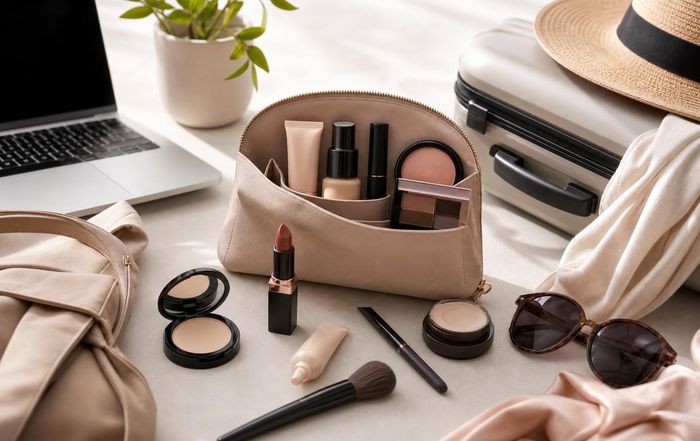
Capsule Makeup Kits for Work, Travel, and Weekends: How to Build One That Really Works
A well-edited makeup bag can make getting ready feel calm instead of chaotic, whether the destination is the office, a long-haul flight, or a last-minute weekend away. The idea of a "capsule makeup kit" borrows from capsule wardrobes: a tightly curated selection of versatile products that work together in many combinations, with minimal bulk and decision-fatigue. Rather than chasing every new launch, a capsule kit focuses on products that suit your skin, lifestyle, and the environments you move through most often.
This beauty guide breaks down how to build three practical capsule kits-one for work, one for travel, and one for weekends-plus how to customize them by skin type and routine. It also highlights where multitasking formulas genuinely save time and space, and where it is worth carrying a separate product.
Along the way, you may find it useful to explore broader beauty and makeup coverage for additional product ideas and techniques that fit into your own capsule.
What Makes a Capsule Makeup Kit Different?
A capsule kit is not just a "small makeup bag." It is edited with intention. Every item earns its place by meeting at least one of these criteria:
It is used several times a week, not once in a blue moon.
It can be worn in more than one way (for example, lip-and-cheek color).
It works across different outfits, lighting, and occasions with minor tweaks.
It fits your skin type and tone so well that you rarely need to "fix" it.
The concept is similar to a capsule wardrobe, which has been widely discussed in fashion and sustainability circles and refined by stylists like Caroline Joy Rector of Un-Fancy and others who focus on fewer, better pieces. In beauty, the same approach can reduce clutter and waste while making your routine more consistent and less stressful.
Dermatologists and estheticians often emphasize that a streamlined routine is easier to follow and can reduce irritation from constant product experimentation. The American Academy of Dermatology notes that "fewer products" and "gentle formulas" are often better for sensitive or acne-prone skin, especially when combined with daily sun protection, which should be the backbone of any capsule kit (AAD guidance).
A practical way to think about capsule makeup is to separate products into three tiers:
Non-negotiables: items that directly affect skin health or basic grooming, such as sunscreen, a base that agrees with your skin, and brow grooming.
Signature enhancers: the one or two elements that make you feel most like yourself (for example, a specific lip tone or eyeliner shape).
Flexible extras: small touches you can add or remove based on time, mood, or formality.
Each of the kits below is built around that hierarchy, then adapted to different settings.
The Work Capsule: Polished, Reliable, and Office-Friendly
A work capsule should deliver a put-together look that withstands long days, varied lighting, and (often) air conditioning or heating that can stress skin. It also needs to be predictable: this is not the place for formulas that sometimes pill, oxidize, or smudge unexpectedly.
Core complexion products for a workday
For most people, the work kit is where complexion products matter most. The goal is even, healthy-looking skin rather than heavy coverage.
A typical office-ready complexion capsule could include:
Broad-spectrum sunscreen (SPF 30 or higher): Ideally a lightweight formula that layers well under makeup and suits your skin type. Many dermatologists recommend broad-spectrum SPF 30+ daily, regardless of weather, to reduce photoaging and skin cancer risk; for example, Cancer Research UK and the Skin Cancer Foundation both emphasize daily SPF and reapplication when outdoors (Skin Cancer Foundation). For indoor office days, a morning application under makeup is a practical baseline.
Skin-like base: A tinted moisturizer, light foundation, or BB/CC cream that you can apply quickly with fingers or a damp sponge. Look for buildable coverage and a natural or satin finish that won't emphasize texture under office lighting.
Concealer: A medium-coverage, blendable formula that can be used under the eyes and on redness or blemishes. Choosing a concealer that matches your base closely allows it to double as spot coverage.
Pressed powder (optional): Particularly helpful for combination or oily skin to set the T-zone and reduce shine. A translucent pressed powder is easier to keep in a desk drawer or bag than loose powder and less messy to reapply.
Readers who want more detailed complexion techniques can explore skincare and routines coverage, especially around prepping skin so base products sit smoothly.
Eyes, brows, and lips that read "professional"
Eye and lip choices for work often depend on workplace culture, but a capsule approach favors neutral, adaptable tones.
Brows: A fine-tip brow pencil or tinted brow gel is usually enough. Well-groomed brows frame the face and can make minimal eye makeup look intentional. Optometrists and dermatologists sometimes caution against overly stiff, waterproof brow products if you tend to rub your eyes, since removing them can irritate the delicate eye area; a buildable, non-crunchy formula is easier day-to-day.
Mascara: A smudge-resistant but not overly dry mascara in brown or black. Waterproof is useful in humid climates or if your eyes water, but daily use may require a gentle dual-phase remover to avoid lash breakage, as noted by the American Academy of Ophthalmology in its guidance on eye cosmetics (AAO eye makeup tips).
Neutral eyeshadow (optional): One small quad or a cream shadow stick in a soft taupe, bronze, or rose-brown can create both subtle definition and slightly more depth for after-work plans.
Lip color: A "my-lips-but-better" tone in a comfortable formula is the workhorse here. Many people prefer sheer lipsticks, tinted balms, or satin bullets that wear off gracefully and can be reapplied without a mirror.
A single neutral blush that complements your lip shade can tie everything together. For ease, many capsule fans choose a cream blush that can also be dabbed on the lips; this works particularly well if you lean toward monochromatic, minimal looks.
For readers interested in how beauty fits into workplace culture and expectations, broader business and finance coverage can offer context on grooming norms across industries.
The Travel Capsule: Light, Secure, and Climate-Smart
Travel makeup has to pass extra tests: security regulations, changing climates, and the reality of applying products in airports, trains, or hotel bathrooms with unfamiliar lighting. Airlines and transport authorities in many regions still limit liquids in carry-on bags (for example, the U.S. Transportation Security Administration maintains its 3-1-1 rule for liquids in hand luggage: containers of 100 ml/3.4 oz or less in a single quart-size bag (TSA liquids rule).
Prioritizing formats and multitaskers
For travel, format often matters as much as formula:
Solid or stick formats: Foundation sticks, cream blush sticks, solid highlighters, and solid cleansing balms reduce liquid volume and risk of spills. Many brands now offer stick complexion products that can be used as foundation, concealer, and even contour, which is helpful if you travel frequently.
Palettes: Face palettes that combine blush, bronzer, and highlighter (or eyeshadow and face powders together) can be space-saving if you genuinely use all shades. Otherwise, a single multitasking cream product may be more efficient.
Lip-and-cheek products: Tinted balms or pots that can be tapped onto cheeks and lips are particularly useful when you need to refresh quickly after a flight or train ride.
When flying, cabin air is often dry; according to the World Health Organization, relative humidity in aircraft cabins is typically lower than many deserts, which can dehydrate skin and lips (WHO cabin air quality). Hydrating base products, a travel-size facial mist, and a nourishing lip balm can make a noticeable difference in comfort, even if you wear minimal makeup.
Building a climate-aware travel kit
Destination climate and activities should guide the exact contents:
Hot and humid destinations: Opt for long-wearing, sweat-resistant formulas, but avoid overly occlusive bases if you are acne-prone. Non-comedogenic, oil-free sunscreens and lightweight gel or water-based foundations can help. In these climates, a tubing mascara (which removes with warm water) can minimize smudging.
Cold or dry climates: Cream formulas, hydrating primers, and richer lip products can prevent makeup from catching on dry patches. The National Health Service (NHS) in the UK notes that cold weather and wind can strip moisture from skin, making gentle, fragrance-free moisturizers and SPF especially important (NHS dry skin advice).
Urban sightseeing vs. beach holidays: For city trips, you might rely more on your usual base and a few color products. For beach-focused travel, robust water-resistant sunscreen, brow grooming, and a tinted lip balm may be all you need, with perhaps a concealer for evenings out.
Travel is also where a small, curated wellness and health and fitness routine-staying hydrated, getting enough sleep, and gentle movement-can have as much impact on how makeup looks as the products themselves.
The Weekend Capsule: Flexible from Brunch to Night Out
Weekends often involve varied activities: errands, workouts, brunch, family time, and possibly evening events. A weekend capsule should pivot easily between barely-there and more expressive looks without requiring a full re-do.
A relaxed base and subtle dimension
Many people prefer lighter coverage on weekends, relying on skincare and strategic concealer:
Tinted SPF or sheer base: A tinted sunscreen can replace separate SPF and foundation for casual days. Organizations like the American Academy of Dermatology caution that tinted moisturizers with SPF may not always be applied in sufficient quantity to reach labeled protection, so pairing them with a standalone sunscreen can be wise if you are outdoors for long periods (AAD on sunscreen in makeup).
Cream bronzer or contour (optional): A small cream bronzer can warm up the face quickly and doubles as a soft eyeshadow when blended into the crease. For many, this is enough "structure" when combined with brows and mascara.
Highlighter (optional): A subtle cream or liquid highlighter tapped onto cheekbones and inner corners of the eyes can make skin look fresher without a full glam routine.
Eyes and lips that can dial up or down
The key to a versatile weekend kit is having at least one product that can shift a look from daytime casual to evening-ready:
Neutral eye pencil or shadow stick: A mid-tone brown or bronze pencil can be smudged along the lash line for day and layered into a soft wing for night. A darker shade can double as eyeliner and eyeshadow.
Two lip options: One easy, sheer tone for daytime and one bolder shade (a red, berry, or deeper nude) for evenings. If space is tight, a richly pigmented lipstick sheered out with balm can mimic a daytime stain and build to full intensity later.
Blush that matches both: Choosing a blush undertone that harmonizes with both lip options (for example, a neutral rose that works with pinks and reds) keeps the capsule cohesive.
Some readers like to anchor their weekend kit around current trends-such as blurred lips, subtle chrome lids, or "no-makeup makeup"-while still keeping the number of products low.
How Many Products Do You Actually Need?
The exact number will vary by person and setting, but many capsule kits fall in the range of 8-15 products, not counting brushes or tools. A minimalist work capsule might include:
Sunscreen
Base (tinted moisturizer or foundation)
Concealer
Brow product
Mascara
Blush (cream or powder)
Neutral lipstick or tinted balm
Optional: pressed powder or neutral eyeshadow
A travel capsule may lean more heavily on multitaskers (lip-and-cheek sticks, all-in-one palettes), while a weekend kit might swap one or two "functional" items for more expressive color products.
It can help to physically lay out everything you think you "need," then remove anything that:
Duplicates another shade or function closely.
Requires multiple other products to look right (for example, a glitter topper that only works with a specific smoky eye).
You have not used in the last month.
This editing exercise often reveals that a few well-chosen shades can replace several rarely used items.
Adjusting Capsule Kits by Skin Type and Concerns
A capsule is only effective if it respects your skin. Dermatology guidance from organizations like the American Academy of Dermatology and DermNet NZ emphasizes matching products to skin type (dry, oily, combination, sensitive) and conditions (acne, rosacea, hyperpigmentation) to avoid flare-ups (DermNet NZ on skincare basics).
Oily or acne-prone skin
For oily or acne-prone skin, consider:
Oil-free, non-comedogenic base products: Look for labels indicating non-comedogenic and check ingredients if you are sensitive to specific triggers. Lightweight, silicone-based primers can help with longevity in hot or long workdays.
Long-wear, but not suffocating: Matte formulas can be helpful, but overly drying products may push skin to produce more oil. A balanced satin-matte finish often looks more natural.
Targeted concealer: Instead of heavy all-over coverage, a reliable spot concealer can reduce the temptation to layer multiple base products.
Blotting papers or compact powder: Particularly useful in work and travel kits for midday touch-ups.
Dry or sensitive skin
For dry or sensitive skin, a capsule often leans more cream-based:
Hydrating, fragrance-free formulas: Fragrance and certain preservatives can irritate reactive skin; patch-testing new products is wise, especially before travel. The National Eczema Association maintains information on sensitive-skin-friendly products and ingredients (NEA skincare tips).
Cream blush and bronzer: These tend to meld better into dry skin and look less powdery in natural light.
Minimal powder: Use sparingly only where needed (for example, around the nose or T-zone).
Hyperpigmentation, redness, or uneven tone
If evening out tone is a priority:
Color correctors (only if truly needed): A peach corrector for under-eye darkness or a green tint for pronounced redness can allow you to use lighter layers of foundation or concealer overall. However, they add steps, so include them only if they make a visible difference.
SPF as a non-negotiable: Consistent sun protection is critical in managing hyperpigmentation and redness disorders such as rosacea; dermatology societies worldwide emphasize this in treatment guidelines. A reliable SPF should be the first product you pack into any capsule.
Readers wanting deeper dives into ingredient choices and skin behavior can explore guides and tips and broader skincare content.
Tools, Hygiene, and Organization
The most elegant capsule fails if it is unhygienic or impossible to navigate. A few practical choices can keep your kits pleasant to use:
Brushes vs. fingers: For many capsule kits, a small set of dual-ended brushes plus clean fingers is enough. Synthetic brushes are easier to wash and dry quickly when traveling. The U.S. Food and Drug Administration (FDA) and dermatologists recommend regular cleaning of brushes and sponges to reduce bacterial buildup that can contribute to breakouts or infections (FDA on cosmetic safety).
Sponges: If you rely on makeup sponges, consider travel-specific ones and a ventilated case, and wash them frequently, especially in humid climates.
Decanting: For travel, decanting liquid products into smaller, clearly labeled containers can save space while staying within security rules. Avoid decanting products that are sensitive to air or contamination unless you can maintain hygiene.
Makeup bag design: Transparent or compartmentalized bags make it easier to see everything at a glance. Waterproof lining is useful for travel in case of spills.
Hygiene is especially important around eye products; ophthalmologists warn that using eye makeup past its recommended period-after-opening (PAO) can increase risk of irritation or infection. Mascara, for instance, is typically recommended to be replaced every three months.
Rotating and Refreshing Your Capsules
A capsule is not meant to be static forever. It should evolve with seasons, job roles, personal style, and even broader beauty trends that genuinely appeal to you. However, refreshing it thoughtfully prevents the clutter cycle from starting again.
A few strategies:
Seasonal switches: Swap in more mattifying formulas and waterproof products in hot months, and more hydrating textures and richer lip colors in colder seasons.
Project pan approach: Before buying something new for a capsule, consider whether you can "pan" (finish) a similar product you already own. The "project pan" movement, widely discussed in beauty communities on platforms like Reddit and YouTube, encourages using products fully rather than constantly chasing newness.
One-in, one-out rule: For each new product added to a capsule kit, remove one that is expired, rarely used, or redundant.
Periodic audit: Every few months, empty each bag entirely and ask whether every product still suits your skin, lifestyle, and taste. This is also a good time to check expiration dates and clean bags and tools.
For those who enjoy the tech side of beauty, there are apps and online tools that track expiration dates and help catalog collections; our technology beauty coverage occasionally explores how these can support more mindful routines.
Bringing It All Together
A capsule makeup kit for work, travel, or weekends is less about strict minimalism and more about clarity: knowing which products genuinely serve you in specific contexts and letting go of the rest. For the office, that usually means dependable, skin-friendly basics that create a polished impression with minimal fuss. For travel, it is about formats that respect luggage rules and climate changes while still making you feel put together. For weekends, the emphasis often shifts to flexible products that can glide from barely there to a more expressive evening look.
Starting small-perhaps by editing your work bag first, then adapting that core to travel and weekend scenarios-can keep the process manageable. Over time, you may find that a concise set of well-loved products not only lightens your physical load but also makes daily routines feel calmer and more intentional.
For more ideas on editing routines, exploring new textures responsibly, and aligning beauty choices with your lifestyle, you can browse beauty coverage across beauty, makeup, routines, and guides and tips.
