
Beauty Retail Trends Reshaping Shopping Experiences
The New Era of Beauty Retail
By 2026, beauty retail has become one of the most dynamic and fast-evolving segments of global consumer commerce, driven by rapid advances in technology, changing consumer expectations, and a sharpened focus on health, sustainability, and personal identity. Across North America, Europe, Asia, Africa, and South America, shoppers now expect beauty experiences that are hyper-personalized, digitally integrated, ethically grounded, and emotionally resonant. Against this backdrop, BeautyTipa positions itself as a top guide, translating complex market shifts into actionable insight for professionals and consumers who navigate the intersecting worlds of beauty, wellness, fashion, and lifestyle.
The transformation underway is not simply about new product formats or store concepts; it is about a fundamental redefinition of what beauty means in an age of wellness, data, and global connectivity. Brands and retailers in the United States, United Kingdom, Germany, Canada, Australia, France, Italy, Spain, the Netherlands, Switzerland, China, South Korea, Japan, and beyond are being compelled to rethink how they design experiences, build trust, and create value. As the global beauty market continues to grow, with industry analysts such as McKinsey & Company and Deloitte forecasting sustained expansion across premium, mass, and niche segments, the competitive frontier is shifting from distribution and pricing toward experience, expertise, and long-term relationship building.
Within this context, BeautyTipa serves not only as a content platform but as a strategic lens, helping readers understand how these trends intersect with skincare, makeup, health and fitness, food and nutrition, and broader lifestyle behaviours that now shape purchasing decisions across global markets.
From Product-Centric to Experience-Centric Beauty
The first major shift reshaping beauty retail in 2026 is the move from product-centric to experience-centric strategies. Traditional retail models, in which brands competed largely through product innovation, pricing, and shelf visibility, are being supplanted by experience-led journeys that span digital and physical touchpoints. Research from organizations such as Accenture and Boston Consulting Group has consistently shown that consumers, particularly in the United States, United Kingdom, Germany, and South Korea, are increasingly willing to pay more for brands that provide seamless, personalized, and inspiring experiences. Learn more about experience-driven retail transformation through leading global consulting analyses.
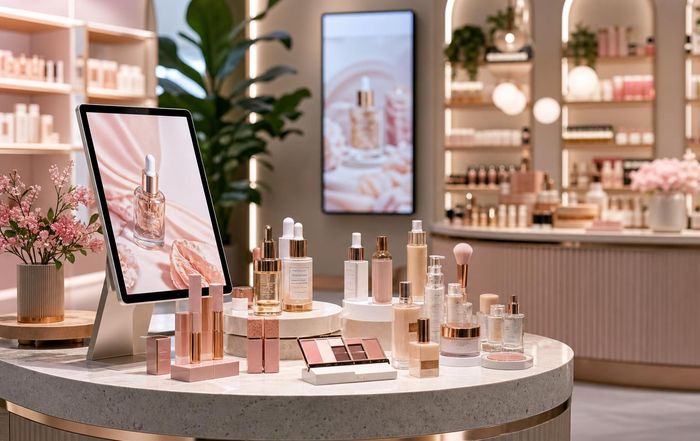
In practice, this evolution is evident in the way flagship stores, pop-ups, and online platforms are designed. Retailers are creating immersive spaces where shoppers can experiment with textures, finishes, and routines rather than simply scanning shelves. Multi-sensory environments, interactive mirrors, and digital storytelling zones encourage discovery and play, while education-focused corners offer skincare diagnostics, ingredient breakdowns, and personalized regimen recommendations. The rise of such experiential formats is especially visible in beauty capitals like New York, London, Paris, Seoul, and Tokyo, where retailers are blending elements of spa, studio, and showroom to create differentiated value propositions.
For BeautyTipa, this experience-centric landscape underscores the importance of editorial guidance that connects the dots between products, routines, and outcomes. Readers exploring routines and guides and tips increasingly look for content that mirrors the personalized consultations they receive in advanced retail environments, seeking clarity on how to build routines that support both aesthetic goals and long-term skin health.
Hyper-Personalization, Data, and the Rise of AI Beauty Advisors
Hyper-personalization has moved from aspiration to expectation. Enabled by advances in artificial intelligence, computer vision, and data analytics, beauty retailers now deploy sophisticated tools that analyze skin condition, tone, preferences, and lifestyle factors to produce tailored product recommendations and regimen plans. Leading technology companies and research institutions, including MIT Media Lab and Stanford University, have contributed to breakthroughs in computer vision and machine learning that underpin many of the AI-driven diagnostic tools used in beauty today. Learn more about the evolution of AI and computer vision in consumer applications.
Virtual skin analysis apps, AI chat advisors, and smart mirrors are now mainstream in markets like the United States, China, South Korea, and Japan, where consumers are accustomed to using their smartphones or in-store devices to scan their faces, receive instant analysis, and access curated product selections. Platforms that began as simple shade-matching tools have matured into comprehensive diagnostic ecosystems, capable of tracking changes in hydration, pigmentation, and fine lines over time, and suggesting adjustments in skincare or makeup routines accordingly. Major industry players such as L'Oréal, Estée Lauder Companies, and Shiseido have heavily invested in AI and data platforms, partnering with technology firms and startups to refine algorithms and elevate the quality of recommendations.
However, as personalization deepens, so do concerns around data privacy, security, and algorithmic bias. Regulators in the European Union, the United States, and other jurisdictions are increasingly focused on responsible AI use, while organizations like the World Economic Forum highlight the need for ethical frameworks governing biometric data and consumer profiling. Learn more about responsible AI governance and ethical data practices. For BeautyTipa, this environment reinforces the importance of trust and transparency, encouraging content that educates readers about how to evaluate digital tools, understand privacy policies, and distinguish between evidence-based personalization and mere marketing.
The Convergence of Beauty, Wellness, and Health
Another defining trend is the deepening convergence of beauty, wellness, and health, a shift accelerated by the pandemic years and now firmly embedded in consumer behaviour across North America, Europe, Asia, and beyond. Beauty is no longer confined to topical products or cosmetic enhancement; it is increasingly understood as an expression of overall wellbeing, encompassing sleep, nutrition, stress management, mental health, and physical activity. Institutions such as the World Health Organization and the National Institutes of Health have long emphasized the interplay between lifestyle factors and skin health, and these insights are now being translated into retail concepts and product portfolios. Learn more about holistic health and lifestyle factors affecting skin and wellbeing.
Retail assortments reflect this integration, with beauty stores in the United States, United Kingdom, Germany, Australia, and Singapore now featuring supplements, adaptogenic beverages, sleep aids, and mindfulness tools alongside serums and foundations. Brands are launching ingestible beauty lines that target skin elasticity, hydration, and hair strength, while wellness-focused beauty bars offer services such as LED therapy, lymphatic drainage, and stress-relief treatments. In Asia, particularly in South Korea, Japan, and Thailand, traditional wellness practices and advanced cosmetic science are merging in sophisticated product formulations and retail experiences.
This convergence aligns closely with the editorial focus of BeautyTipa, which approaches beauty through the interconnected lenses of wellness, health and fitness, and food and nutrition. By helping readers understand how diet, exercise, stress, and sleep influence skin and hair, and by spotlighting brands that take a science-backed approach to holistic beauty, the platform supports more informed, sustainable purchasing decisions that resonate with global audiences from Canada to Brazil, from Sweden to South Africa.
Clean, Ethical, and Sustainable: The New Baseline
Sustainability and ethical responsibility have moved from niche differentiators to baseline expectations in beauty retail. Consumers in Europe, North America, and increasingly in Asia-Pacific markets such as Australia, New Zealand, and Singapore are scrutinizing ingredient lists, packaging materials, supply chains, and corporate governance practices with unprecedented intensity. Organizations such as the United Nations Environment Programme and the Ellen MacArthur Foundation have raised awareness about plastic waste, resource depletion, and circular economy principles, prompting both established conglomerates and indie brands to rethink their approaches. Learn more about circular economy strategies and sustainable business practices.
Retailers now curate assortments around clean, vegan, cruelty-free, and low-waste criteria, while eco-labelling and third-party certifications are gaining prominence. Some European markets, including France, Germany, and the Nordic countries, are at the forefront of regulatory and consumer-driven sustainability demands, pushing brands to invest in refillable packaging, biodegradable materials, and transparent sourcing. At the same time, critical discourse is emerging around "greenwashing," with regulators and watchdog organizations, such as The European Commission and independent consumer groups, increasingly challenging unsupported sustainability claims. Learn more about evolving regulations on environmental claims and consumer protection.
For BeautyTipa, this landscape underscores the need to evaluate brands and products not only on performance but also on environmental and social impact. By exploring how companies address carbon footprints, biodiversity, fair labour, and community engagement, and by offering guidance on how consumers can interpret labels and certifications, the platform contributes to a more informed and responsible beauty ecosystem that spans continents and cultures.
Phygital Retail: Seamless Journeys Across Channels
The integration of physical and digital channels, often referred to as "phygital" retail, has become one of the most visible transformations in beauty shopping. Consumers now move fluidly between online research, social discovery, virtual try-on, and in-store testing, expecting a coherent and consistent experience at every step. Reports from organizations such as NielsenIQ and Forrester highlight how omnichannel journeys drive higher loyalty and lifetime value, particularly in categories like beauty where tactile experience and expert advice remain crucial. Learn more about omnichannel retail strategies and consumer expectations.
In practice, this means that a shopper in New York might discover a product through a social media livestream, use an AR filter to test shades, place an order via an app for same-day pickup, and then visit a flagship store for a professional consultation. Similarly, a consumer in Berlin or Singapore may begin with an online routine quiz, receive personalized recommendations, and then redeem in-store services or samples that deepen engagement. Retailers are investing in unified customer profiles, loyalty programs that span online and offline, and real-time inventory visibility to ensure that experiences remain smooth and reliable.
This phygital reality also elevates the role of content platforms such as BeautyTipa, which often serve as the first point of research for consumers comparing products, exploring trends, or seeking expert guidance on skincare and makeup. By providing in-depth analyses, routine breakdowns, and cross-category insights, the platform helps bridge the gap between digital discovery and in-store decision-making, supporting brands and retailers that aim to build coherent narratives across channels.
Technology, AR, and the Future of Try-On
Augmented reality has moved from novelty to necessity in beauty retail, particularly in colour cosmetics but increasingly in skincare and haircare as well. Technology pioneers such as Perfect Corp., ModiFace, and in-house innovation labs within L'Oréal and Sephora have developed sophisticated AR engines that can simulate foundation coverage, lipstick finishes, blush placement, and even hair colour transformations with high degrees of realism. Learn more about the role of AR and virtual try-on in modern retail experiences.
These tools are especially valuable in online and mobile environments, where they reduce uncertainty, increase conversion rates, and lower return rates. In markets such as China and South Korea, where mobile-first shopping is deeply entrenched, AR try-on integrated into super-apps and social commerce platforms has become a powerful driver of sales. At the same time, in-store smart mirrors and interactive screens in cities from Los Angeles to London and Tokyo allow shoppers to experiment with multiple looks without physically applying products, enhancing hygiene and convenience.
Beyond colour matching, emerging technologies are exploring how AR and AI can visualize skin improvements over time, showing projected outcomes of consistent skincare routines or professional treatments. While these capabilities are still evolving and must be approached with caution to avoid unrealistic promises, they signal a future in which digital tools become integral companions in beauty decision-making. For BeautyTipa, which covers technology in beauty as a dedicated topic, such developments highlight the need to critically assess both the benefits and limitations of these innovations, guiding readers on how to use them responsibly and interpret their results in context.
Social Commerce, Influencers, and Community-Driven Discovery
Social commerce has become a dominant force in beauty retail, particularly among younger demographics in North America, Europe, and Asia. Platforms such as Instagram, TikTok, YouTube, and regional players in China and Southeast Asia have turned content creation into a powerful engine for product discovery and conversion. Influencers, creators, and professional makeup artists now act as both storytellers and sales channels, blending tutorials, reviews, and live shopping events into a single continuous experience. Learn more about the evolution of social commerce and creator-led retail models.
Yet the social commerce ecosystem in 2026 is markedly more mature and scrutinized than in its early stages. Audiences from the United States to Brazil, from the United Kingdom to Malaysia, are increasingly savvy, demanding transparency around sponsorships, authenticity in reviews, and diversity in representation. Regulators in Europe and North America have tightened disclosure requirements, while brands are shifting from one-off influencer campaigns to long-term partnerships that emphasize aligned values and co-created products. Community platforms, online forums, and review sites also play a crucial role in shaping perceptions, as peer feedback and user-generated content contribute to the overall trust environment.
BeautyTipa engages with this ecosystem by providing balanced, expert-driven perspectives that complement creator content, helping readers contextualize viral trends, evaluate claims, and integrate new products into coherent routines. By focusing on guides and tips that prioritize skin health and long-term results over fleeting hype, the platform supports a more grounded and informed approach to social-driven discovery.
Diversity, Inclusion, and Global Beauty Narratives
Diversity and inclusion have become central pillars of beauty retail strategy, reshaping shade ranges, product development, marketing, and hiring practices. Consumers in the United States, United Kingdom, South Africa, Brazil, and many other regions increasingly expect brands to reflect and respect a broad spectrum of skin tones, hair types, ages, genders, and cultural identities. Organizations such as The British Beauty Council and The Personal Care Products Council have highlighted the business and social imperative of inclusive beauty, encouraging industry stakeholders to commit to more representative practices. Learn more about industry initiatives driving inclusivity and representation.
In product terms, this has led to expanded foundation and concealer ranges, textured haircare lines developed for specific curl patterns, and skincare tailored to diverse melanin levels and environmental contexts. In communications, brands are moving away from narrow beauty ideals toward more inclusive visual storytelling, featuring models and ambassadors from different ethnicities, body types, and life stages. The rise of gender-inclusive and gender-neutral beauty lines further reflects shifting cultural attitudes in markets across Europe, North America, and Asia-Pacific.
From a global perspective, there is also a growing appreciation for regional beauty traditions and ingredients, from Korean fermentation techniques and Japanese minimalism to African botanicals and Latin American herbal knowledge. BeautyTipa, with its international outlook and global readership, is well positioned to explore these cross-cultural influences, highlighting how local practices inform global trends while respecting the origins and communities behind them.
Business Models, Financing, and Employment in a Changing Market
Beneath the visible trends in product and experience, the business foundations of beauty retail are also evolving. The rise of direct-to-consumer brands, subscription models, and marketplace platforms has diversified the competitive landscape, while private equity and venture capital continue to play a significant role in funding innovation. Financial institutions and analysts, including Goldman Sachs, Morgan Stanley, and others, regularly highlight beauty as a resilient and attractive sector, even amid broader macroeconomic volatility. Learn more about global beauty market performance and investment trends.
Retailers and brands are experimenting with new revenue models, including membership programs, personalized subscription boxes, and service-based offerings such as in-store treatments and virtual consultations. At the same time, supply chain resilience, inventory optimization, and margin management have become critical priorities, particularly in light of recent disruptions and rising operational costs. This complexity requires robust financial planning and operational excellence, areas that BeautyTipa addresses through its business and finance coverage, offering insights relevant to entrepreneurs, executives, and investors alike.
The employment landscape in beauty is also shifting, with demand growing for hybrid skill sets that combine artistry, digital fluency, data literacy, and customer experience expertise. New roles in AI training, AR content creation, community management, and sustainability strategy are emerging alongside traditional positions in retail, product development, and marketing. Organizations such as LinkedIn and global HR consultancies document these shifts, emphasizing the importance of ongoing reskilling and upskilling. Learn more about evolving skills and jobs in the consumer and retail sectors. Through its focus on jobs and employment, BeautyTipa highlights career pathways, emerging roles, and the capabilities required to thrive in this new era of beauty retail.
Regional Nuances in a Global Beauty Marketplace
While many trends are global in scope, regional nuances remain critical to understanding and succeeding in beauty retail. In North America, particularly the United States and Canada, innovation is often driven by indie brands, influencer collaborations, and wellness integration, with consumers seeking both efficacy and experiential value. In Western Europe, markets such as the United Kingdom, Germany, France, Italy, Spain, the Netherlands, Switzerland, and the Nordic countries place strong emphasis on sustainability, regulatory compliance, and dermocosmetic credibility, with pharmacies and specialized retailers playing a prominent role.
In Asia, diversity is pronounced. South Korea and Japan continue to lead in technology integration, advanced formulations, and ritualized routines, while China's scale and digital sophistication make it a powerhouse for social commerce and mobile-first retail innovation. Southeast Asian markets, including Thailand, Malaysia, and Singapore, are characterized by rapid e-commerce growth, a young digital-native population, and a blend of Western, East Asian, and local beauty influences. In the Middle East and Africa, as well as South America, including Brazil, beauty traditions rooted in local culture intersect with global brands and social media trends, creating vibrant, hybrid markets with distinct preferences and price sensitivities.
BeautyTipa, with its global lens and dedicated coverage of trends, events, and fashion, recognizes that effective strategies must account for these regional specificities while leveraging common threads such as digital integration, wellness orientation, and sustainability. By profiling innovations from Seoul to Stockholm, from New York to Nairobi, the platform helps readers and industry stakeholders understand how global patterns translate into local realities.
Our Way in a Rapidly Changing Landscape
As beauty retail continues to evolve, the need for credible, expert-driven, and globally informed guidance has never been greater. Consumers, professionals, and businesses must navigate a landscape where technology, wellness, sustainability, and culture intersect in complex ways, and where the pace of change can be both exciting and overwhelming. BeautyTipa positions itself at this intersection, drawing on deep expertise across beauty, skincare, routines, technology in beauty, business and finance, and other interconnected domains, to deliver analysis that is both accessible and authoritative.
By maintaining a strong focus on experience, expertise, authoritativeness, and trustworthiness, the platform serves as a reliable compass for readers in the United States, United Kingdom, Germany, Canada, Australia, France, Italy, Spain, the Netherlands, Switzerland, China, Sweden, Norway, Singapore, Denmark, South Korea, Japan, Thailand, Finland, South Africa, Brazil, Malaysia, New Zealand, and beyond. The goal is not merely to report trends but to interpret them, to examine the implications for consumers and businesses, and to support more thoughtful, informed, and responsible choices.
In an industry where innovation is constant and competition intense, the retailers and brands that will thrive are those that understand beauty as an evolving relationship rather than a transaction, one that honours individuality, promotes wellbeing, respects the planet, and leverages technology in service of genuine human needs. As these beauty retail trends continue to reshape shopping experiences worldwide, BeautyTipa remains committed to illuminating the path forward, helping its audience navigate the present and anticipate the future with clarity and confidence.
The article may be complete, but our work continues every day. Return soon for fresh, original content written for thoughtful readers around the world.
