
The Evolution of Makeup Techniques Over the Decades: From Glamour Icons to Algorithm-Aware Beauty
How Makeup Became a Global Language of Identity
Over the past hundred years, makeup has transformed from a niche luxury and, at times, a social taboo into a global language of identity, creativity, and commerce, shaped by cultural shifts, technological innovations, and powerful beauty narratives that span continents. Now fashionable readers of beautytipa encounter makeup not merely as a set of products or trends but as a complex ecosystem that intersects with wellness, fashion, digital technology, social media, and the rapidly evolving business of beauty, where consumer expectations around transparency, inclusivity, and sustainability are redefining what it means to look and feel "made up."
As the global beauty market, tracked by organizations such as Statista and McKinsey & Company, has grown into a multi-hundred-billion-dollar industry, makeup techniques have evolved in parallel with changes in film, photography, lighting, dermatological science, and now artificial intelligence, with each decade introducing new textures, finishes, tools, and philosophies about the face as a canvas. For a platform like BeautyTipa, which curates insights across beauty, skincare, routines, and the business of beauty, understanding this historical arc is essential to helping readers navigate current trends while making informed, future-ready choices.
The Early 20th Century: Cinema, Modernity, and the Birth of Mass Makeup
The evolution of modern makeup techniques is inseparable from the rise of cinema in the early 1900s, when silent film stars such as Clara Bow and Greta Garbo helped normalize visible cosmetics in public life, shifting makeup from backstage theatrical use to a symbol of modern femininity. Heavy kohl liner, thin rounded brows, and deep Cupid's bow lips were designed to register dramatically on black-and-white film, and the exaggerated contrasts of these looks laid the foundation for many of the contouring and shading principles still used today, even if the textures and formulations have changed dramatically.
Companies like Max Factor, which began by creating products for Hollywood sets, and Revlon, which emerged in the 1930s with pigmented nail enamels and coordinated lip shades, helped translate professional techniques into consumer products that could be used at home. As photography and print advertising evolved, brands refined their understanding of how color and finish translated under different lighting conditions, a dynamic that continues today in the era of 4K video and smartphone cameras. Readers seeking to understand how this commercialization influenced modern routines can explore how contemporary brands and products still borrow from professional artistry while adapting to new consumer expectations around skin health and ingredient safety.
Historians at institutions such as the Smithsonian and Victoria and Albert Museum have documented how early 20th-century beauty rituals intersected with changing roles for women in the workforce and public life, highlighting that makeup has always been both an aesthetic choice and a social signal. The earliest mass-market techniques-rouged cheeks, powdered complexions, defined lips-were already shaped by the technology of the time: film stock, studio lighting, and the limited color ranges available in pigments.
The 1950s and 1960s: Postwar Glamour, Mod Minimalism, and the Power of Icons
After World War II, the 1950s ushered in a new era of hyper-feminine glamour, popularized by figures such as Marilyn Monroe, Elizabeth Taylor, and Audrey Hepburn, who brought refined, camera-ready techniques into mainstream consciousness. The classic red lip, winged eyeliner, and softly contoured cheeks became aspirational standards, influenced by the growth of color film and glossy magazines that presented a polished, idealized image of womanhood. Techniques emphasized symmetry and balance, with careful lip lining, precise mascara application, and the strategic use of powder to control shine under hot studio lights.
By the mid-1960s, the aesthetic shifted dramatically toward the mod look, represented by Twiggy and British youth culture, where bold graphic eyeliner, spidery lashes, and pale lips created a doll-like effect that resonated with the energy of London and the cultural revolution sweeping across Europe and North America. This period saw the popularization of cut-crease eye looks, false lashes, and pastel shadows, which were designed to photograph well and convey a futuristic, almost space-age sensibility. Those interested in how these techniques influence contemporary editorial looks can explore trend analysis on makeup and trends, where many current runway and social media aesthetics can be traced back to these decades.
Organizations like L'Oréal and Estée Lauder expanded internationally during this time, introducing standardized color ranges and product lines across the United States, United Kingdom, France, and beyond, and as highlighted by resources such as L'Oréal's corporate history and Estée Lauder Companies, they invested heavily in research on pigments, emulsions, and long-wear formulations that laid the groundwork for the performance expectations consumers now have of modern makeup.
The 1970s and 1980s: Individualism, Disco, and the Era of Maximalism
The 1970s brought a more relaxed, individualistic approach to makeup, influenced by the counterculture movement, second-wave feminism, and a growing emphasis on natural beauty, where bronzed skin, earthy tones, and softer textures became popular as women experimented with balancing self-expression and a rejection of overly prescriptive beauty norms. Bronzer, which had previously been a niche product, became a mainstream staple, and techniques like subtle shading of the cheekbones, soft smudged eyeliner, and glossed lips began to reflect a more lived-in, effortless aesthetic, often in dialogue with emerging interest in holistic wellness and the early seeds of what would later become the clean beauty movement.
By contrast, the 1980s are remembered as an era of unapologetic maximalism, driven by the rise of music videos, pop icons such as Madonna, and the fitness and power-dressing culture that emphasized bold self-presentation in both professional and social spheres. Bright blush draped high on the cheeks, vivid eyeshadow in blues and purples, strong brows, and glossy, saturated lips were paired with voluminous hair and statement fashion, and makeup techniques prioritized intensity and visibility, with heavy use of powder, layering of cream and powder products, and strong contouring that prefigured later trends. The growth of global media networks like MTV, along with the expansion of department store counters from brands such as Clinique and Lancôme, created a feedback loop where editorial techniques quickly filtered into consumer routines.
Health organizations including the U.S. Food and Drug Administration and the European Commission began to refine cosmetic regulations in these decades, which influenced both ingredient choices and product claims, and this regulatory context continues to shape how modern brands formulate and market high-pigment, long-wear products that still prioritize safety and skin compatibility.
The 1990s and Early 2000s: Minimalism, Supermodels, and the Rise of Everyday Glam
In the 1990s, makeup aesthetics pivoted toward a more muted, minimalist look, strongly influenced by the supermodel era, grunge culture, and the growing dominance of fashion houses in New York, Paris, Milan, and London. Brown-toned lipsticks, matte complexions, thin brows, and neutral eyeshadows defined mainstream beauty, while backstage artists such as Kevyn Aucoin advanced sophisticated techniques in contouring, highlighting, and blending that were initially reserved for runway and editorial work but would later become democratized through digital media. Many of today's sculpting, soft-focus, and "no-makeup makeup" strategies were refined in this period, where the goal was to enhance bone structure and facial symmetry while maintaining an almost undetectable finish.
The early 2000s introduced what might be called the first wave of "everyday glam," with shimmer, frosted lips, lip gloss, and metallic shadows gaining popularity alongside the expansion of reality television and celebrity culture. Techniques emphasized luminous skin, with the growing use of highlighters, dewy foundations, and strategic shimmer on the brow bone and inner corners of the eyes. The emergence of Sephora as a global multi-brand retailer, documented in business analyses by outlets such as Harvard Business Review, changed how consumers discovered and tested products, enabling experimentation with professional-grade tools and formulas at scale.
The development of digital photography and the early internet also began to influence how makeup appeared in photos and on screens, leading to more attention to flashback from SPF powders, the role of undertones in foundation selection, and the importance of well-blended application. For readers of BeautyTipa, this period marks a crucial transition point between traditional print-driven beauty culture and the interactive, tutorial-rich environment that now defines modern guides and tips.
The Social Media Revolution: Tutorials, Influencers, and Hyper-Defined Techniques
From the late 2000s through the 2010s, platforms such as YouTube, Instagram, and later TikTok transformed makeup techniques from largely top-down trends into a participatory, community-driven phenomenon where artists, enthusiasts, and everyday consumers across North America, Europe, Asia, and beyond could share tutorials, product reviews, and experimental looks with global audiences. This democratization of expertise reshaped the beauty landscape, allowing independent creators to influence purchasing decisions and technique adoption at a scale previously reserved for major brands and magazines.
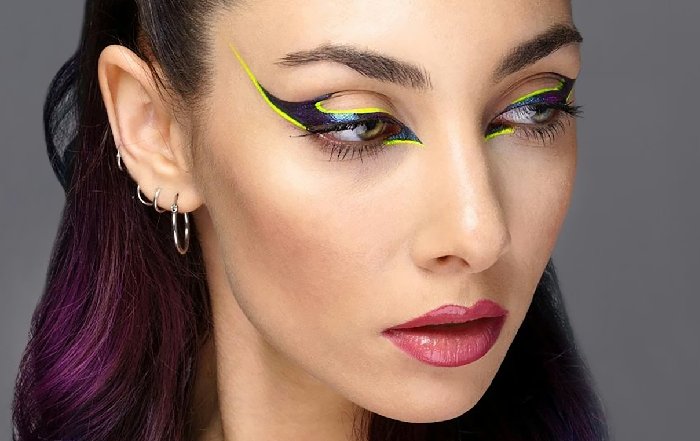
During this era, highly defined, full-coverage makeup looks became popular, characterized by sharp winged liner, carved brows, heavy contouring and highlighting, overlined lips, and meticulously blended eyeshadow gradients. Techniques such as baking, strobing, cut creases, and ombré lips were optimized for high-resolution cameras and ring-light setups, creating a standard of precision that sometimes felt intimidating in offline contexts but provided a valuable technical foundation for many enthusiasts. Research from organizations such as Nielsen and Deloitte highlighted how social media transformed beauty into one of the most engaged consumer categories online, with product launches often selling out within hours based on influencer endorsements alone.
The launch of brands like Fenty Beauty by Rihanna in 2017, with its groundbreaking foundation shade range, marked a milestone in inclusivity and compelled the industry to rethink formulation and shade development for diverse skin tones across regions such as Brazil, South Africa, India, China, and the Middle East. Reports from The Business of Fashion and Vogue Business have chronicled how this shift reshaped product development pipelines, marketing strategies, and even retail merchandising, reinforcing the idea that modern makeup techniques must be adaptable to a wide range of undertones, textures, and cultural preferences.
Skin as the New Canvas: The Fusion of Skincare and Makeup
By the early 2020s, a new paradigm began to dominate: skin-first beauty, in which makeup techniques were increasingly designed to complement, rather than conceal, the natural complexion, reflecting rising consumer interest in dermatology, prevention, and holistic health and fitness. Tinted moisturizers, skin tints, serum foundations, and hybrid products incorporating ingredients like niacinamide, hyaluronic acid, and peptides blurred the lines between skincare and makeup, and techniques emphasized sheer layers, strategic spot-concealing, and diffused blush and bronzer that mimic natural blood flow and sun exposure.
The focus on barrier health and ingredients was accelerated by the pandemic era, during which mask-wearing, increased screen time, and heightened stress led to new skin challenges and a surge in interest in skincare routines. Dermatology resources such as the American Academy of Dermatology and research portals like PubMed provided accessible information about acne, rosacea, hyperpigmentation, and sensitivity, encouraging consumers to choose formulations and application methods that minimize irritation and support long-term skin resilience.
This skin-first philosophy also influenced color cosmetics, with cream blushes, balmy bronzers, and skinlike highlighters becoming staples in many regions, from Japan and South Korea, where glass-skin and gradient lip looks flourished, to Scandinavia, where minimalist, fresh-faced aesthetics aligned with local cultural values. For BeautyTipa, which bridges beauty, food and nutrition, and wellness, this convergence underscores that modern makeup techniques cannot be separated from lifestyle choices, sleep, diet, and stress management, all of which impact how products sit and wear on the skin.
Technology-Driven Techniques: AI, AR, and Personalization in 2026
By 2026, makeup techniques are increasingly shaped by digital tools, artificial intelligence, and augmented reality, which together have redefined how consumers across the United States, United Kingdom, Germany, Canada, Australia, Singapore, and other markets discover products, choose shades, and learn application methods. Virtual try-on technologies, offered by companies such as Perfect Corp. and adopted by major retailers and brands, allow users to test different looks in real time using smartphone cameras, while AI-powered recommendation engines analyze skin tone, undertones, texture, and even lifestyle data to suggest tailored routines.
Reports from the World Economic Forum and Accenture have explored how AI is transforming retail and consumer behavior, and in beauty specifically, this means that techniques once learned exclusively through in-person consultations or lengthy experimentation can now be simulated and refined digitally. For example, a consumer can experiment with contour placement, blush draping, or graphic liner shapes in a virtual environment before committing to a look in real life, reducing product waste and encouraging more adventurous creativity.
At the same time, the rapid digitization of beauty raises questions about data privacy, algorithmic bias in shade recommendations, and the need for inclusive datasets that represent diverse skin tones and facial structures from Africa, South America, Asia, and Europe. Platforms like BeautyTipa, with dedicated coverage of technology in beauty and business and finance, are well-positioned to help readers critically evaluate these tools, distinguishing between genuinely helpful innovation and superficial novelty.
Globalization and Cultural Exchange: Regional Techniques on a Shared Stage
One of the most significant developments in recent decades has been the globalization of makeup culture, in which regional techniques and aesthetics travel rapidly across borders, creating a rich tapestry of influences that shape how individuals in Japan, South Korea, Thailand, Italy, Spain, Netherlands, Switzerland, Norway, Denmark, Finland, Malaysia, New Zealand, and beyond approach beauty. The rise of K-beauty and J-beauty, with their emphasis on layered skincare, gradient lips, and softly blurred eyes, has influenced Western preferences for dewy complexions and subtle, youthful looks, while Western techniques in sculpting, bold lips, and editorial liner have found enthusiastic audiences in Asia and the Middle East.
Beauty journalism from outlets like Allure and Into The Gloss has chronicled the cross-pollination of trends, from the adoption of cushion foundations and lip tints in North America to the global popularity of glass-skin and latte makeup aesthetics. For BeautyTipa, which serves an international audience through its international and fashion coverage, this cultural exchange underscores the importance of contextualizing techniques within local climates, skin tones, work cultures, and social norms, recognizing that a look optimized for humid Singapore or Brazil may require different product textures and setting methods than one designed for the dry winters of Canada or Sweden.
At the same time, this global sharing of techniques has raised important conversations about cultural appropriation versus appreciation, especially when traditional beauty practices from Africa, Asia, or Indigenous communities are adopted without proper acknowledgment. Responsible platforms and brands are increasingly careful to credit the origins of trends, a practice that enhances trust and enriches the narrative around makeup as a living, evolving art form.
Sustainability, Ethics, and the Future of Responsible Glamour
As consumers in 2026 become more environmentally and socially conscious, makeup techniques are increasingly influenced by sustainability considerations, with a growing emphasis on multipurpose products, minimal-waste routines, and ethical supply chains. Organizations like the Environmental Working Group and UN Environment Programme have highlighted concerns around microplastics, packaging waste, and certain chemical ingredients, prompting many brands to reformulate products and redesign packaging to reduce environmental impact.
This shift has practical implications for technique: using fewer, more versatile products encourages methods such as monochromatic looks, where a single cream product is used on eyes, cheeks, and lips, or layering sheer washes of color instead of multiple heavy steps. Refillable compacts, solid stick formats, and concentrated pigments are changing how consumers in Europe, Asia, Africa, and South America apply and carry products, while cruelty-free and vegan formulations reflect a broader ethical awareness. Readers interested in integrating these priorities into their daily habits can explore sustainable routines and product choices through BeautyTipa's coverage of trends and events, where industry shifts are tracked in real time.
Financial analyses from institutions like the World Bank and OECD indicate that consumer demand for transparency and sustainability is reshaping investment and innovation in the beauty sector, suggesting that future makeup techniques will likely emphasize longevity, versatility, and compatibility with eco-conscious lifestyles, rather than frequent, disposable trend cycles.
What the Evolution of Makeup Techniques Means for BeautyTipa Community
For the global audience of beautytipa.com, spanning professionals, enthusiasts, and newcomers across continents, the evolution of makeup techniques over the decades offers more than a nostalgic timeline; it provides a strategic lens for making smarter choices in an environment where products, messages, and trends are multiplying at unprecedented speed. Understanding how film lighting shaped early contouring, how supermodels and music videos influenced color palettes, how social media popularized hyper-defined artistry, and how AI and sustainability are now reshaping personalization and product design enables readers to curate their own approach with confidence and intention.
In 2026, effective makeup techniques are increasingly about alignment: alignment with personal values around wellness, ethics, and self-expression; alignment with individual skin needs and lifestyle constraints; and alignment with broader professional and social contexts, from hybrid work environments to high-definition virtual meetings. Platforms like BeautyTipa, with its integrated coverage of beauty, routines, business and finance, and jobs and employment, play a critical role in translating this complex history into actionable insights, helping readers across North America, Europe, Asia, Africa, and South America navigate a beauty landscape that is more dynamic, diverse, and data-driven than ever before.
As makeup continues to evolve in response to new technologies, cultural movements, and scientific discoveries, one constant remains: the face as a canvas for storytelling. From the silent-film star to the virtual influencer, from the department store counter to AI-driven personalization, each era has added new layers to the shared language of beauty. For those engaging with BeautyTipa today, the opportunity lies in drawing from this rich legacy to craft techniques that are not only visually compelling but also aligned with a deeper sense of identity, purpose, and global awareness.
