
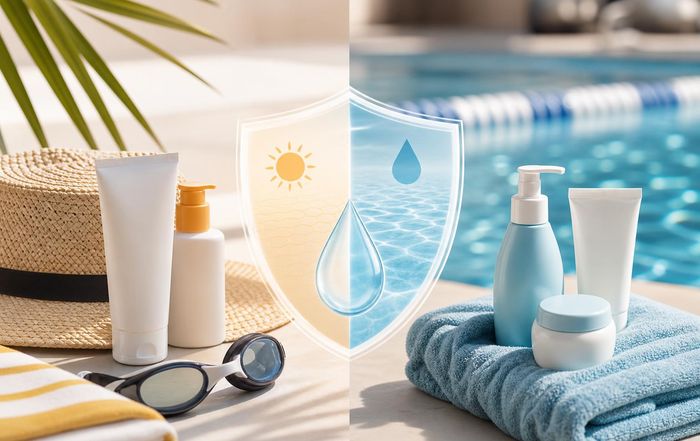
How to Protect Your Skin Before and After Swimming
Swimming can be one of the most skin-stressing activities in an otherwise gentle routine. Chlorine, bromine, salt water, UV exposure, friction from swimsuits, and frequent showers can all strip the skin's barrier, trigger sensitivity, and worsen conditions like eczema or acne. With a few deliberate steps before and after getting in the water, however, swimming can fit comfortably into a healthy skincare routine rather than working against it.
This guide looks at what chlorine and salt actually do to the skin, how to prepare before you swim, and how to repair and protect afterward-whether you're in a chlorinated pool, the ocean, or a freshwater lake.
What Swimming Does to Your Skin (and Why It Matters)
Chlorinated pool water is designed to keep swimmers safe from pathogens, but it is not friendly to the skin barrier. Chlorine is a strong oxidizing agent; it binds to sweat, oils, and organic matter on the skin to form chloramines, which are responsible for the characteristic "pool smell" and much of the irritation. Dermatology guidance from organizations such as the American Academy of Dermatology notes that chlorine can strip natural lipids, disrupt the skin's acid mantle, and lead to dryness, redness, and itching, especially in people with pre-existing conditions like eczema or contact dermatitis. The U.S. Centers for Disease Control and Prevention (CDC) also emphasizes that while properly chlorinated pools reduce infection risk, they can aggravate sensitive skin and eyes over time.
Salt water has a different profile. Seawater contains sodium chloride and other minerals like magnesium and calcium. Short exposures can sometimes feel soothing, and some small studies suggest that magnesium-rich Dead Sea water may improve barrier function and reduce inflammation in atopic skin. However, typical ocean or high-salinity water still exerts an osmotic effect, drawing water out of the skin and increasing transepidermal water loss. Combined with sun, wind, and sand, the result can be tight, flaky, or sunburned skin after a beach day.
Freshwater lakes and rivers lack chlorine, but they carry their own concerns, including microorganisms, algae, and pollutants. While they may be less drying than pools, they can be more irritating for acne-prone or reactive skin if not rinsed off promptly. Across all environments, frequent immersion and post-swim showering can weaken the stratum corneum if the skin is not promptly moisturized, which is why dermatologists consistently recommend a structured pre- and post-swim routine rather than relying on water alone.
For readers building comprehensive routines, it can be helpful to think of swimming as another stressor like exfoliation or retinoids. Just as a retinoid night requires barrier-supportive products, swim days benefit from a specific skincare game plan.
Pre-Swim: Building a Protective Barrier
The most effective way to reduce chlorine and salt damage is to prevent as much contact as possible between irritants and bare skin. This means creating a barrier layer before you ever touch the water.
A practical first step is to rinse off with fresh water. Many pool facilities now encourage a pre-swim shower not only for hygiene but also because saturating the skin and hair with clean water reduces the amount of chlorinated or salty water they can absorb. The CDC's Healthy Swimming guidance highlights pre-swim rinsing as a way to keep pools cleaner; for individuals, it also means less chemical uptake. Think of your skin like a sponge: once it is full of tap water, it takes up fewer irritants.
After rinsing, applying an occlusive or semi-occlusive layer can significantly reduce dryness and irritation. Dermatologists often recommend fragrance-free creams or ointments containing petrolatum, dimethicone, shea butter, or ceramides. Petrolatum-based products (like simple petroleum jelly) have been shown in clinical research to reduce transepidermal water loss and support barrier recovery, making them a useful "shield" before chlorinated exposure. For those who prefer lighter textures, a rich ceramide cream or silicone-based moisturizer can still provide meaningful protection without feeling greasy. On the face, a broad-spectrum, water-resistant sunscreen with moisturizing ingredients can double as both UV and barrier protection, especially when layered over a hydrating serum.
Sun protection is essential for outdoor swimmers. According to the American Academy of Dermatology and Cancer Research UK, a broad-spectrum SPF 30 or higher is recommended for prolonged outdoor exposure, with water-resistant formulas preferred for swimming. Mineral sunscreens containing zinc oxide or titanium dioxide offer physical protection and are often better tolerated by sensitive skin, though modern chemical filters have improved significantly in stability and comfort. Applying sunscreen at least 15 minutes before entering the water, and using a generous amount (about a teaspoon for the face and a shot-glass amount for the body), helps ensure effective coverage. Reapplication is still necessary after about 40-80 minutes of swimming, depending on the product's labeled water-resistance.
Swimmers with conditions like eczema, rosacea, or chronic dryness may benefit from a more targeted pre-swim routine. Guidance from the National Eczema Association suggests using thick, fragrance-free emollients and avoiding known irritants such as strong perfumes or high-concentration acids on days when exposure to chlorine is expected. For acne-prone individuals, non-comedogenic barrier creams and gel-cream textures can help balance protection with the need to avoid clogged pores. On days with heavy sun and water exposure, it is often wise to skip potentially irritating actives like strong retinoids or exfoliating acids in the hours immediately before swimming, keeping the focus on gentle, protective layers.
Readers interested in building broader warm-weather routines may find it useful to align pre-swim steps with their daily beauty and routines planning, so that swim days feel integrated rather than disruptive.
Choosing the Right Sunscreen and Body Products for Swimmers
Product choice can make pre- and post-swim care far easier. For sunscreen, water resistance, broad-spectrum coverage, comfort, and reapplication practicality all matter. Regulatory agencies like the U.S. Food and Drug Administration (FDA) and the European Commission require that products labeled "water-resistant" demonstrate a certain level of SPF retention after immersion, typically 40 or 80 minutes. Checking for "broad-spectrum" on the label ensures protection against both UVA (associated with aging and some skin cancers) and UVB (main cause of sunburn).
For the face, many swimmers prefer lightweight, non-comedogenic formulas that do not sting the eyes. Mineral sunscreens with micronized zinc oxide can be suitable, though those with deeper skin tones may want tinted versions to avoid a white cast. Chemical sunscreens using filters such as Tinosorb S or Uvinul A Plus (more common in European and Asian products) often offer elegant textures and high UVA protection; regulatory summaries from the European Chemicals Agency and Japan's PMDA provide insight into their safety and stability profiles. Regardless of filter type, choosing fragrance-free formulas can reduce the risk of irritation when combined with chlorine or salt.
Body sunscreens for swimming should prioritize durability and spreadability. Lotion or cream textures usually offer more reliable coverage than sprays, which the FDA has cautioned may be applied too thinly or inhaled if used improperly. Sprays can be convenient for reapplication, but rubbing them in after spraying helps ensure even distribution. For those concerned about coral reef impacts, some local regulations (like in Hawaii and parts of Mexico) restrict specific UV filters such as oxybenzone and octinoxate; checking local guidance or resources like the National Ocean Service can help swimmers choose reef-conscious options when needed.
Beyond sunscreen, pre-swim body products should be simple and supportive. Look for fragrance-free, alcohol-free moisturizers with ceramides, cholesterol, and fatty acids, which mimic the skin's natural lipid composition. Brands that publish clinical data on barrier repair, sometimes in collaboration with dermatology departments at universities, can offer extra reassurance. Swimmers who prefer a minimalist approach can use a single rich, non-comedogenic body cream as both their daily moisturizer and a pre-swim barrier layer.
For those interested in product discovery and comparisons, exploring curated brands and products coverage can help identify formulas that perform well under water-intensive conditions.
During Your Swim: Practical Habits That Help Your Skin
What happens in the water can either amplify or reduce skin stress. While swimmers cannot change pool chemistry themselves, they can adopt small habits that cumulatively make a difference. One of the most straightforward is to limit total exposure time when possible, especially for very young children and people with compromised skin barriers. Shorter sessions with breaks in between allow the skin to "rest" and reduce continuous contact with irritants.
For outdoor pools and open water, shade and clothing are vital. The World Health Organization and national health services consistently recommend using clothing, hats, and sunglasses as primary sun protection, with sunscreen as a complement rather than the only line of defense. Rash guards or long-sleeved swim tops with UPF ratings can dramatically cut UV exposure while also providing a physical barrier between the skin and water. This can be especially helpful for those prone to body acne or eczema, as it reduces friction from swimsuits and contact with irritants.
Hydration during swimming is often overlooked. Dehydration can worsen skin dryness and dullness, so drinking water regularly before and after sessions supports overall skin health. While this does not replace topical care, it helps maintain the body's ability to regulate temperature and support circulation, which indirectly benefits the skin.
Swimmers with acne-prone skin should also consider minimizing occlusive makeup or heavy skincare immediately before swimming, particularly under a tight cap or goggles. Occlusion plus sweat and friction can aggravate breakouts. Instead, using a lightweight, non-comedogenic sunscreen and saving heavier products for post-swim may reduce congestion. For more detailed strategies on balancing makeup and active lifestyles, readers can explore makeup and health and fitness coverage that looks at sport-friendly formulations.
Finally, following posted pool rules and choosing facilities that adhere to good water-quality standards can reduce infection and irritation risks. Public health departments in many countries publish inspection reports or guidelines for pool operators; for example, the CDC's Model Aquatic Health Code in the United States and similar frameworks in Europe and Asia set benchmarks for safe chlorine levels and pH balance.
Post-Swim: Resetting and Repairing the Skin Barrier
The most critical window for protecting your skin is the hour immediately after leaving the water. During this time, chlorine, salt, and other residues sit on the skin's surface and continue to interact with lipids and proteins, while the barrier is already compromised. A structured post-swim routine focuses on three steps: rinse, gently cleanse, and replenish.
Rinsing promptly with lukewarm fresh water is the first priority. According to dermatology guidance from institutions like Mayo Clinic and Cleveland Clinic, hot water can further strip oils and worsen dryness, so moderate temperatures are best. A thorough rinse helps remove most of the chlorine or salt, along with sand, sweat, and sunscreen remnants. For frequent swimmers, this rinse can be followed by a short, gentle shower rather than long, steamy sessions.
Cleansing should be as mild as possible while still removing residues. Syndet (synthetic detergent) bars and low-foam, fragrance-free liquid cleansers with a slightly acidic pH are ideal. These are gentler on the skin's microbiome and acid mantle compared with traditional high-alkaline soaps. Ingredients like glycerin, niacinamide, and mild surfactants (such as coco-glucoside) help maintain hydration. For the face, double cleansing may be useful if heavy, water-resistant sunscreen was used: an oil or balm cleanser to break down filters, followed by a gentle water-based cleanser. However, harsh scrubs or high-percentage acids immediately after swimming can be too aggressive for already-stressed skin.
Once cleansed, locking in moisture is essential. Dermatologists frequently recommend the "three-minute rule": apply moisturizer within a few minutes of patting the skin dry to trap residual water. Rich, fragrance-free creams with ceramides, hyaluronic acid, and occlusives like petrolatum or dimethicone support barrier recovery. For very dry or eczema-prone skin, ointments or thick creams may be more effective than lotions. On the face, layering a hydrating serum with ingredients like hyaluronic acid, panthenol, or beta-glucan under a barrier cream can help replenish lost moisture without feeling overly heavy.
This is also a good time to incorporate calming ingredients. Compounds such as colloidal oatmeal, allantoin, centella asiatica (cica), and madecassoside have been shown in various studies to reduce redness and support healing in irritated skin. Reputable sources like PubMed and dermatology journals include randomized trials and reviews that support their use in sensitive or compromised skin, though individual responses still vary. Avoiding strong fragrances, essential oils, and alcohol-heavy toners after swimming can reduce the risk of stinging or delayed irritation.
Readers building more comprehensive barrier-focused routines can find additional guidance in guides and tips content that covers layering strategies and ingredient combinations suitable for sensitive skin days.
Special Considerations for Sensitive, Acne-Prone, and Mature Skin
Not all skin responds to swimming in the same way. People with sensitive or compromised barriers, acne-prone complexions, and mature skin often need tailored adjustments to standard pre- and post-swim advice.
For sensitive or eczema-prone skin, minimizing irritant exposure is paramount. The National Eczema Association and similar organizations recommend pre-swim application of thick emollients, shorter swim sessions, and immediate post-swim moisturizing. Barrier creams containing ceramides, cholesterol, and free fatty acids are particularly useful because they mimic the skin's own lipids. Patch testing new products before a swim day is wise, as introducing an untested cream plus chlorine or salt can make it difficult to identify the source of irritation. Where possible, choosing pools that maintain well-balanced pH (often between 7.2 and 7.8) and avoiding heavily chlorinated hot tubs can also reduce flare-ups.
Acne-prone skin presents a different challenge. While chlorine has some antibacterial properties, it is not a treatment for acne and can paradoxically worsen breakouts by drying the skin and triggering compensatory oil production. The American Academy of Dermatology cautions against over-drying acne-prone skin, recommending gentle cleansers and non-comedogenic moisturizers instead. For swimmers with acne, using a lightweight, non-comedogenic sunscreen and avoiding occlusive pre-swim products on breakout-prone areas can help. After swimming, a gentle cleanser followed by a hydrating, oil-free moisturizer is usually preferable to harsh acne washes, which can compound irritation. Active treatments like benzoyl peroxide or retinoids may be better reserved for evenings when there is no additional water exposure, or used less frequently on heavy swim days.
Mature skin tends to have a thinner barrier, reduced sebum production, and more pronounced photodamage, making it particularly vulnerable to the combined effects of chlorine and UV. Emphasis should be placed on robust sun protection, liberal use of emollients, and antioxidant support. Ingredients like vitamin C, vitamin E, and ferulic acid have been studied for their ability to neutralize free radicals generated by UV and environmental stressors; research summarized by dermatology departments at institutions such as Harvard Medical School suggests these can complement sunscreen but not replace it. For mature swimmers, using antioxidant serums in the morning under sunscreen, followed by nourishing creams after swimming, can help mitigate long-term photoaging.
Those managing multiple concerns-such as sensitive, acne-prone, or aging skin-may need to experiment with product combinations and timing. Keeping a simple, reliable "swim day" routine and tracking how the skin responds over several weeks can be more effective than frequently changing products. For broader lifestyle integration, topics covered under wellness and trends can offer additional context on how exercise, sleep, and stress management intersect with skin health.
Integrating Swim Care into Your Overall Routine
Protecting the skin around swimming does not have to mean building an entirely separate regimen. Instead, it can be woven into existing morning and evening routines with a few key adjustments on swim days.
In the morning, cleansing lightly, applying a hydrating serum, then a barrier-supportive moisturizer and broad-spectrum sunscreen creates a solid base for both daily life and swimming. Before entering the pool or ocean, topping up with an extra layer of water-resistant sunscreen on exposed areas and a slightly thicker moisturizer on the body can provide additional protection. After swimming, the focus shifts to gentle cleansing and replenishment, using many of the same products already in the routine but applied at more strategic times.
For frequent swimmers-such as those training regularly or working in aquatic environments-simplifying product lineups can be especially helpful. A small set of reliable, fragrance-free basics that can be used both morning and night reduces the risk of irritation from constant product switching. It also makes it easier to maintain consistency, which is a core principle in effective skincare. Those who enjoy exploring new formulas can still do so on non-swim days, reserving gentler, well-tested products for chlorine and salt exposure.
Finally, it is worth remembering that skin health is only one part of the broader equation. Swimming offers cardiovascular benefits, supports joint health, and can be a powerful tool for stress relief. Public health agencies like the World Health Organization and NHS highlight regular physical activity as a cornerstone of long-term wellness. With thoughtful preparation and recovery, swimming can support both fitness and skin goals rather than forcing a trade-off between them.
For readers interested in expanding from swim-specific care to a more holistic approach, exploring related content on food and nutrition, fashion for sun-protective swimwear, and broader beauty strategies can provide inspiration for routines that feel cohesive, sustainable, and genuinely supportive of both skin and overall well-being.
