
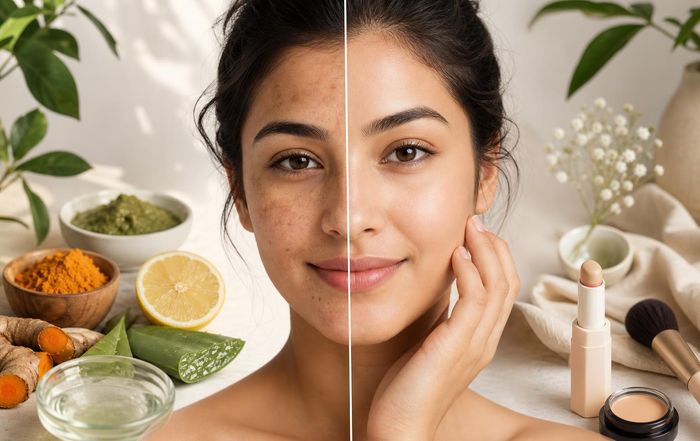
An Easy Guide to Concealing Dark Spots Naturally
Dark spots can make even the most polished makeup look feel unfinished, especially when they peek through foundation or powder. Whether they're from acne, sun exposure, hormonal changes, or aging, hyperpigmentation is extremely common across all skin tones and ages. Many people want to soften or hide these marks without harsh bleaching agents or heavy, mask-like makeup. This guide explores how to conceal dark spots in a way that looks natural, feels lightweight, and supports healthier skin over time.
Understanding Dark Spots Before You Conceal Them
Dark spots, often called hyperpigmentation, post-inflammatory hyperpigmentation (PIH), age spots, or sun spots, are usually caused by excess melanin production in specific areas of the skin. Triggers include unprotected sun exposure, acne or skin injury, hormonal fluctuations (such as melasma during pregnancy), certain medications, and even some cosmetic procedures. Dermatologists and organizations like the American Academy of Dermatology (AAD) note that hyperpigmentation is generally harmless but can be slow to fade, sometimes taking months or longer without targeted care.
Before thinking about concealing, it helps to understand whether you're dealing with flat pigment, active acne, or a mix of both. Flat, healed marks are usually easier to camouflage with light layers of corrector and concealer. Raised or textured spots, like lingering acne or scars, are more complicated: texture cannot be erased with makeup, only softened visually. Overloading product on textured areas often makes them more obvious, not less. For persistent or spreading pigmentation, or if dark spots appear suddenly or change rapidly, a visit to a board-certified dermatologist is essential to rule out more serious concerns such as skin cancers; organizations like the Skin Cancer Foundation offer clear guidance on when to seek medical advice.
A natural-looking result starts with a realistic goal: aim to blur and balance the appearance of dark spots so skin looks more even overall, rather than trying to erase them completely. This approach requires less product, looks more believable in daylight, and is kinder to the skin barrier over the long term.
Building a Skin-Care Base That Makes Concealing Easier
Effective concealing begins long before makeup touches the skin. A supportive skincare routine helps dark spots fade gradually while creating a smooth, hydrated surface that needs less coverage. Gentle, consistent care is more effective than aggressive scrubs or strong peels used sporadically.
Daily sun protection is non-negotiable. Unprotected UV exposure is one of the main causes of hyperpigmentation and one of the main reasons spots keep returning or refusing to fade. Dermatology organizations consistently recommend using a broad-spectrum sunscreen of at least SPF 30 every day, even when indoors or in cloudy weather, because UVA rays penetrate glass and contribute to pigmentation and photoaging. Guidance from the American Academy of Dermatology and the British Association of Dermatologists emphasizes generous application and reapplication every two hours when outdoors. For readers who prefer mineral options, zinc oxide and titanium dioxide formulas are widely available and can be less irritating for sensitive skin.
Alongside SPF, ingredients that support brightening and gentle exfoliation can gradually soften dark spots over time. Dermatologists often recommend vitamin C, niacinamide, azelaic acid, and, for some skin types, retinoids. For example, research summarized by the Journal of Clinical and Aesthetic Dermatology has highlighted niacinamide's ability to help with uneven tone and barrier support, while azelaic acid has shown benefits for hyperpigmentation and acne-prone skin. However, strong actives can cause irritation if overused or layered carelessly, especially on darker skin tones that are more prone to PIH. A patch test and gradual introduction, as recommended by organizations like the National Eczema Association, can help minimize reactions.
Hydration is equally important. A lightweight moisturizer suited to your skin type helps plump the skin so makeup sits more evenly, and a hydrating serum with ingredients like glycerin or hyaluronic acid can boost suppleness without greasiness. For a deeper dive into supportive skincare and ingredient choices, readers can explore the dedicated skincare section and related guides and tips on beautytipa.com, which frequently cover routines for uneven tone and sensitive skin.
Choosing Natural-Looking Products and Tools
"Natural" can mean different things: minimal coverage, skin-like finishes, or formulas with fewer synthetic ingredients. In the context of concealing dark spots, it's primarily about how the finished makeup looks on the face. A believable finish usually comes from using targeted, thin layers of product rather than a full face of high-coverage foundation.
Color correctors are especially helpful when dark spots are significantly deeper than the surrounding skin. The principle of color theory-using opposite tones on the color wheel to neutralize discoloration-is widely used by makeup artists and explained in many professional resources such as Makeup Designory's training materials. For medium to deep skin tones, peach, orange, or brick-red correctors can help cancel brown or bluish marks. For fair to light skin, softer peach or bisque tones are often more flattering than strong orange. The goal is not to paint a bright color onto the face, but to apply a sheer veil that subtly mutes the darkness so less concealer is needed.
When selecting concealer, a creamy, buildable formula is usually more forgiving than a very matte or very dewy texture. A shade that closely matches your skin tone, or is only half a shade lighter, works better on dark spots than a brightening shade designed for under-eyes. If the concealer is too light, it can make the spot look ashy or grey after blending over deeper pigment. For those who prefer lighter makeup days, a tinted moisturizer or sheer foundation can be used across the face first, with concealer only where needed. Readers interested in broader base-makeup strategies can find more techniques in the makeup section and beauty hub.
Tools also influence how natural the result looks. Clean fingertips can warm and melt product into the skin for a seamless blend, particularly with cream textures. Small, dense brushes allow precise placement over individual spots without disturbing surrounding skin, while damp makeup sponges help press product in and diffuse edges. Professional artists often recommend using a small brush to place product exactly where it is needed, then a sponge or finger to soften the perimeter so there are no visible borders.
For readers who prefer products marketed as "clean" or with more plant-based ingredients, it is worth checking ingredient lists and looking for transparent brand information rather than relying solely on front-of-pack claims. Resources like the Environmental Working Group's Skin Deep database and the EU's Cosmetic Ingredient Database can help decode ingredients, though they should be used as starting points rather than definitive risk assessments.
Step-by-Step: A Natural Concealing Routine for Dark Spots
A simple, repeatable routine is often easier to maintain than a complex series of steps. The following method can be adapted to most skin types and coverage preferences.
Begin with a clean, moisturized face. After cleansing with a gentle, non-stripping cleanser, apply a hydrating serum if desired, followed by a moisturizer suited to your skin type. Wait a few minutes to let the skincare absorb fully; applying makeup directly onto damp, slippery skin can cause slipping and patchiness. Then apply a broad-spectrum SPF as the final step of skincare. Many modern sunscreens are formulated to sit well under makeup, and some include tint or blurring effects that already reduce the appearance of uneven tone. For those interested in how skincare and makeup interact in daily routines, the routines section offers broader context.
If you use foundation or tinted moisturizer, apply a light layer next. Focus on evening overall tone rather than covering every mark. Using a damp sponge or buffing brush, blend the product from the center of the face outward, leaving the spots still slightly visible at this stage. This step sets the "canvas" and often reveals that less targeted concealer is needed than initially thought. Allow the base to settle for a minute; many formulas dry down slightly and become more skin-like after a short wait.
Next, apply color corrector only where necessary. Using a small brush or fingertip, lightly tap peach or orange corrector directly onto the darkest areas of each spot. Use as little as possible; it should look like a whisper of color rather than a painted circle. Gently tap the edges to soften, but avoid dragging, which can move product away from the area you're trying to neutralize. Let the corrector set for a moment-some makeup artists even recommend a brief wait to allow the product to thicken slightly, improving coverage.
Then, layer concealer sparingly over the corrected areas. Choose a shade that matches your foundation or natural skin tone closely. With a tiny brush or fingertip, place a dot of concealer exactly where the spot shows through, then tap (rather than swipe) to blend just the edges into the surrounding skin and base. If extra coverage is needed, build with another thin layer instead of one thick coat, which is more likely to crease or cake. This "pinpoint concealing" approach, popularized by professional artists and discussed in publications like Allure, allows the rest of the skin to remain fresh and natural.
Finally, set selectively with powder. Using a small, soft brush, dust a tiny amount of finely milled translucent or skin-tone powder over only the concealed areas to lock them in place. Over-powdering can emphasize dryness or texture, so consider leaving the rest of the face more luminous, especially if your skin is normal to dry. On oilier skin, a light sweep of powder on the T-zone can help prevent midday shine without dulling the entire complexion. For a broader overview of setting techniques and long-wear makeup strategies, readers can explore the trends section, where long-lasting complexion looks are frequently discussed.
Gentle, At-Home "Natural" Brightening Options
Many people want to support fading dark spots with approaches that feel more "natural," whether that means plant-derived ingredients, at-home remedies, or gentler formulations. It is important, however, to distinguish between options supported by evidence and those that circulate mainly as beauty folklore.
Plant-derived actives like vitamin C (often sourced from citrus or other fruits), licorice root extract, and certain forms of kojic acid have been studied for their brightening effects. For example, licorice extract contains glabridin, which has been shown to help reduce UV-induced pigmentation in some studies, while stabilized forms of vitamin C (such as ascorbic acid derivatives) can support a more even tone when used consistently with sun protection. These ingredients are often found in serums and moisturizers marketed as brightening or anti-spot treatments and can be integrated into a daily routine with guidance from a skin professional if needed.
Traditional remedies like aloe vera gel, green tea extract, and niacinamide-rich formulations may also support overall skin health and barrier repair, which indirectly helps with hyperpigmentation by reducing inflammation and improving texture. However, "natural" does not automatically mean non-irritating. Essential oils, undiluted citrus juices, and DIY scrubs using sugar or salt can easily cause irritation, microtears, or even chemical burns, particularly on already sensitized or darker skin tones. Dermatology sources, including Harvard Health Publishing, regularly caution against using undiluted lemon juice or vinegar directly on the skin because of their unpredictable pH and potential to worsen pigmentation after sun exposure.
When evaluating at-home methods, a useful guideline is to avoid anything that stings, burns, or leaves the skin red for more than a few minutes. Patch testing new products on a small area, as recommended by the National Eczema Association and similar organizations, is a practical way to spot potential reactions early. For readers interested in complementary approaches that connect skincare with overall wellness, the wellness section and health and fitness coverage explore how stress, sleep, and nutrition can influence the appearance of the skin.
Lifestyle Habits That Help Dark Spots Fade More Naturally
While makeup offers immediate camouflage, daily habits influence how quickly dark spots fade and whether new ones appear. Many dermatologists emphasize that consistent, moderate care and protection often outperform sporadic, intense treatments.
Sun behavior is central. In addition to using sunscreen, seeking shade during peak UV hours, wearing wide-brimmed hats, and using sunglasses can reduce cumulative sun exposure to the face. Clothing and accessories with UPF ratings, discussed by organizations like the Skin Cancer Foundation, can provide additional protection for those who spend long hours outdoors. Even if a person prefers a minimal skincare routine, these physical measures support any efforts to reduce and conceal pigmentation.
Avoiding picking or squeezing blemishes is another powerful habit. Post-inflammatory hyperpigmentation often follows trauma to the skin, and this is especially pronounced in medium to deep skin tones. When a pimple appears, gentle spot treatments, cool compresses, and non-comedogenic products are preferable to aggressive extraction at home. Over-exfoliation with scrubs or strong acids can also create micro-injuries that lead to new dark marks; dermatologists often recommend limiting strong exfoliants to a few times per week and balancing them with barrier-supportive ingredients like ceramides, cholesterol, and fatty acids.
Sleep, stress, and diet do not cause dark spots directly, but they shape the overall condition of the skin. Chronic stress and poor sleep can impair barrier function and slow healing, while diets heavily weighted toward ultra-processed foods may contribute to systemic inflammation. Balanced eating patterns rich in fruits, vegetables, whole grains, and healthy fats-similar to those discussed in nutrition guidance from the World Health Organization-support general health and may indirectly help skin recover more efficiently from breakouts and irritation. Readers interested in the links between what they eat and how their skin appears can explore the site's food and nutrition coverage for broader context.
For those whose dark spots feel emotionally distressing, seeking support is also a valid part of a "natural" approach. Speaking with a dermatologist, aesthetician, or even a counselor can help reframe expectations and provide tailored strategies. Some people find that adjusting their makeup style-embracing sheer coverage or focusing attention on eyes and lips-reduces pressure to hide every mark and supports a more positive relationship with their skin.
When to Consider Professional Treatments Alongside Natural Concealing
While this guide focuses on natural-looking concealment and gentler strategies, there are times when professional treatments may be worth considering as part of a broader plan. Options like chemical peels, prescription retinoids, laser therapies, and microneedling can significantly reduce certain types of hyperpigmentation when performed by qualified professionals. However, they are not universally suitable and may carry higher risks for darker skin tones if not carefully chosen and executed.
Medical organizations and dermatology clinics, such as those referenced by the American Academy of Dermatology, stress the importance of seeing a board-certified dermatologist who has experience with your skin tone, especially for procedures like lasers and intense pulsed light (IPL). Incorrect settings or inappropriate devices can worsen pigmentation or cause scarring. Even with professional treatments, strict sun protection and gentle skincare remain essential to maintain results and prevent rebound darkening.
For many people, the most sustainable approach blends low-key professional advice with at-home care and thoughtful makeup use. A dermatologist might, for example, prescribe a mild retinoid or azelaic acid cream while advising on which over-the-counter brightening serum and sunscreen to use. Makeup then becomes a tool for daily confidence rather than the only strategy for managing dark spots.
Bringing It All Together
Concealing dark spots naturally is less about owning a long list of products and more about understanding how skin behaves, how pigment can be neutralized with minimal makeup, and how daily habits influence what you see in the mirror. A gentle skincare base with consistent sun protection, targeted use of color corrector and concealer, and small lifestyle shifts can together make dark spots less noticeable without masking your skin's natural character.
Over time, as skincare and lifestyle support gradual fading, the amount of makeup needed often decreases. Some readers may find they are comfortable with a single layer of tinted SPF and pinpoint concealer; others may prefer a more polished base for special occasions while keeping everyday looks lighter. The key is flexibility and a willingness to adjust as your skin changes. For ongoing ideas, product insights, and routine inspiration, the site's sections on brands and products, beauty, and skincare regularly explore new formulations, techniques, and expert advice that can be adapted to your own approach to hyperpigmentation and natural-looking coverage.
