
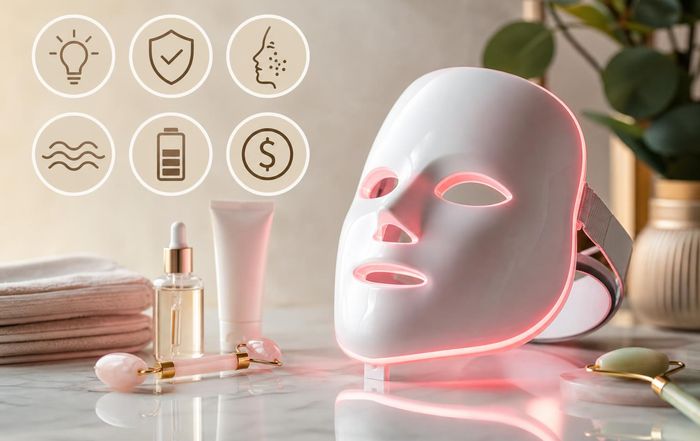
What to Know Before Buying an LED Face Mask
Light-emitting diode (LED) face masks have moved from professional treatment rooms into home bathrooms around the world. Promising smoother, clearer, brighter skin with almost no downtime, they sit at the intersection of skincare, wellness, and beauty tech. Yet the marketing can be confusing, the prices vary dramatically, and questions about safety are common. Understanding what these devices can and cannot do, how they work, and how to choose one is essential before investing in a mask you may wear several times a week.
Shine the light and bring together current research, dermatologist guidance, and practical buying tips to help consumers decide whether an LED face mask belongs in their routine and, if so, which features truly matter.
How LED Face Masks Work on Skin
LED masks use specific wavelengths (colors) of visible and near-infrared light to influence skin cells. Unlike laser or intense pulsed light (IPL), LEDs deliver low-level, non-thermal light energy, so they do not burn or ablate the skin. The principle behind them is photobiomodulation: light is absorbed by molecules in skin cells, triggering biochemical changes.
Research suggests several mechanisms are at play. Red and near-infrared light appear to act on mitochondria, the cell's energy centers, increasing production of adenosine triphosphate (ATP). This can promote cell repair and stimulate fibroblasts to produce more collagen and elastin, which are key to skin firmness and elasticity. A systematic review in Seminars in Cutaneous Medicine and Surgery notes that red and near-infrared light can help improve fine lines and skin texture when used consistently at appropriate doses, though results are gradual and modest rather than dramatic.
Blue light works differently. According to the American Academy of Dermatology (AAD), blue wavelengths can help treat acne because they have an antibacterial effect on Cutibacterium acnes (formerly Propionibacterium acnes), the bacteria involved in inflammatory breakouts. When combined with red light, which can reduce inflammation, this dual approach may support clearer skin over time. Some masks also include amber, yellow, or green light, marketed for brightening or reducing redness, but the evidence for these colors is more limited compared with red and blue.
It is important to note that intensity and dose matter. Clinical studies usually specify wavelength (in nanometers), irradiance (power density), and total energy delivered over time. Many consumer masks do not disclose these details clearly, making it difficult to compare them with devices tested in trials. Nonetheless, when used as directed, home LED masks are generally designed to provide sub-therapeutic or low-level exposures that prioritize safety over maximum potency.
Evidence: What LED Masks Can Realistically Do
Consumers often want to know whether LED masks are "worth it." The answer depends on expectations, skin concerns, and how consistently the device is used.
For anti-aging and texture, several small clinical studies suggest that red and near-infrared light can improve fine lines, wrinkles, and overall skin smoothness. For example, a trial published in Photomedicine and Laser Surgery found that regular red light treatments improved periorbital wrinkles and skin roughness compared with baseline. However, these changes were modest, not comparable to in-office procedures like ablative lasers, deep chemical peels, or injectables. LED therapy is better understood as a gentle, cumulative support for skin quality rather than a quick transformation.
For acne, blue and red light combinations have stronger evidence. A review in the Journal of Clinical and Aesthetic Dermatology reported that blue light can reduce inflammatory acne lesions, especially when combined with red light. Many dermatologists use LED panels as an adjunct to other acne treatments such as topical retinoids or benzoyl peroxide. At home, a mask may help reduce the frequency and severity of breakouts, but it is rarely sufficient as a standalone solution for moderate to severe acne, and it does not address hormonal drivers.
For redness and inflammation, some data suggest that red and amber light can calm inflammatory processes, which may benefit conditions like rosacea or post-procedure healing. However, major organizations such as the National Rosacea Society emphasize that people with rosacea should be cautious with any light-based treatment, as triggers vary and some may experience flares. Anyone with a chronic inflammatory skin condition should speak with a dermatologist before introducing an LED device.
For pigmentation and brightening, the evidence is mixed. While red light can support healthier skin function and may indirectly improve tone, LED masks are not a primary treatment for melasma or sunspots. Dermatologists typically recommend daily sunscreen, topical ingredients like azelaic acid, retinoids, and vitamin C, and sometimes in-office procedures for more pronounced hyperpigmentation.
Overall, LED masks can be a helpful adjunct to a solid skincare routine built around cleansing, sun protection, and evidence-based actives. They are not a replacement for sunscreen, prescription treatments, or professional care. Readers who want to refine their overall regimen may find it useful to revisit core skincare fundamentals before layering on devices.
Safety: Who Should Be Careful or Avoid LED Masks
Home LED masks are generally considered safe for most skin types when used as directed, but they are not risk-free or appropriate for everyone. Understanding safety considerations is essential before purchasing.
Regulators such as the U.S. Food and Drug Administration (FDA) classify many consumer LED masks as low-risk devices, and several are cleared for specific indications like mild to moderate acne. However, the FDA has also issued guidance emphasizing that people with certain conditions, including those taking medications that increase light sensitivity, should consult a professional before use. Photosensitizing drugs include some antibiotics, isotretinoin, diuretics, and antidepressants; detailed lists can be found in resources from organizations like the Mayo Clinic and in medication leaflets.
Individuals with a history of seizures, epilepsy, migraines triggered by light, or serious eye conditions should be especially cautious. While most reputable masks include built-in eye protection or goggles, light leakage or improper fit may still occur. The American Academy of Ophthalmology advises that any bright light near the eyes should be used carefully, and people with retinal diseases or those who have had recent eye surgery should seek medical advice first.
People with active skin cancer, precancerous lesions, or a strong history of skin cancer should not use LED masks on affected areas unless cleared by their dermatologist. Similarly, those with autoimmune diseases, lupus, or conditions that flare with UV or visible light should ask their physician whether LED exposure is appropriate, even though LEDs do not emit UV.
Pregnant or breastfeeding individuals often ask whether LED masks are safe. Because high-quality studies in pregnancy are limited and many device manufacturers state that safety has not been established in these populations, most dermatologists and professional bodies recommend erring on the side of caution and avoiding at-home LED treatments during pregnancy unless specifically advised otherwise by a healthcare provider.
Finally, users should watch for irritation, redness, or discomfort. Though uncommon, some people may be sensitive to even low-level light exposure or to the heat and occlusion of wearing a mask. If burning, stinging, or worsening of skin conditions occurs, the device should be stopped and medical advice sought. Those with very sensitive or reactive skin may prefer to work first on barrier support and gentle wellness-focused routines before experimenting with devices.
Key Features to Compare Before You Buy
With prices ranging from under $100 to well over $1,000, choosing an LED mask requires more than simply picking a favorite color. Several technical and practical features can help distinguish a thoughtfully designed device from a flashy gadget.
One of the most important specifications is wavelength, usually expressed in nanometers (nm). For anti-aging, most research focuses on red light around 630-660 nm and near-infrared around 800-850 nm. For acne, blue light is typically around 415-450 nm. Reputable brands often list the exact wavelengths used; vague claims like "multi-color rejuvenation" without numbers may be a red flag. Consumers can cross-reference these ranges with dermatology resources such as the AAD and peer-reviewed studies in journals like Lasers in Surgery and Medicine to see whether the device aligns with evidence-based parameters.
Irradiance (power density) and treatment time also matter, though many consumer devices do not disclose them clearly. Too low an intensity may have minimal effect; too high can increase the risk of irritation or eye strain. Some higher-end masks provide this data or reference safety testing standards such as IEC 62471 for photobiological safety. When available, checking for independent testing or certification, including FDA clearance for specific indications in the U.S. or CE marking in the EU, can provide additional reassurance.
The number and distribution of LEDs influence how evenly light reaches the skin. A mask with more diodes and thoughtful spacing may cover contours better than one with a few bright points. However, more LEDs do not automatically mean better results if the underlying power and wavelength choices are poor. Design details like flexible silicone versus rigid plastic shells, adjustable straps, and coverage of the jawline or neck can also affect real-world usability, especially for those interested in comprehensive anti-aging routines.
Comfort and practicality are often underestimated. A device that feels heavy, pinches the nose, or slides down the face is unlikely to be used consistently. Cordless masks can be more convenient but may offer shorter session times or lower power to preserve battery life. Built-in eye shields or separate goggles are essential for safety; masks that leave the eye area largely exposed or encourage users to keep eyes open should be approached cautiously. For those integrating LED sessions into a broader beauty or makeup routine, the ability to wear the device hands-free while doing other tasks can make adherence easier.
Understanding Marketing Claims and Regulatory Status
The surge in beauty technology has been accompanied by ambitious marketing, and LED masks are no exception. To evaluate claims, it helps to understand how these devices are regulated and what terms like "FDA cleared" actually mean.
In the United States, some LED devices are classified as Class II medical devices and may receive 510(k) clearance from the FDA for specific uses, commonly the treatment of mild to moderate acne. This means the manufacturer has shown that the device is substantially equivalent to an already cleared device for that indication. It does not mean the device is approved as safe and effective for every advertised benefit, such as wrinkle reduction or pigmentation improvement. Consumers can search the FDA's medical device databases to verify claims of clearance.
In many markets, masks are sold as cosmetic or wellness devices rather than medical tools, which subjects them to different, often less stringent, oversight. This can allow broad language such as "boosts collagen," "detoxifies skin," or "reverses aging," even when supporting evidence is limited. Independent organizations and dermatology experts regularly caution that while red light can support collagen production, no at-home LED mask will literally erase deep wrinkles or tighten significantly sagging skin.
Consumers should be wary of brands that promise permanent results, instant lifting, or cures for chronic skin diseases. Reputable manufacturers and dermatologists typically frame LED as part of a maintenance and support strategy, not a miracle cure. Industry analyses from sources like Harvard Health Publishing and Cleveland Clinic consistently emphasize realistic expectations: subtle improvements in tone, texture, and breakouts over weeks to months of regular use.
Transparency around testing is another differentiator. Some companies publish small internal studies, sometimes open-label and not peer-reviewed, showing user-reported improvements. While these can be encouraging, they are not equivalent to large, randomized controlled trials. A balanced approach is to view such data as suggestive but not definitive, and to compare it with independent research and dermatology guidance.
Matching the Mask to Your Skin Concerns
Before buying an LED mask, it is helpful to define the primary goal: acne control, early anti-aging, redness reduction, or general skin maintenance. Different goals point toward different wavelengths and usage patterns.
For those whose main concern is acne, a mask that combines blue and red light is usually most relevant. Blue light targets acne bacteria, while red light soothes inflammation and supports healing. Dermatologists frequently note that LED can complement topical treatments like benzoyl peroxide or retinoids. However, because some topicals increase photosensitivity, it is wise to introduce LED sessions on alternate days at first and to consult a professional, especially for moderate to severe acne or for readers already under medical care. Resources on acne-focused skincare routines can help structure the rest of the regimen.
For early signs of aging-fine lines, mild loss of firmness, dullness-red and near-infrared wavelengths are the priority. These users may benefit from a device that emphasizes these colors, possibly with optional blue light for occasional breakouts. The best results typically come when LED is layered with proven topical ingredients such as retinoids, peptides, and antioxidants, and anchored by daily broad-spectrum sunscreen. Organizations like the British Association of Dermatologists and AAD underscore that UV protection remains the most important anti-aging step; LED cannot compensate for unprotected sun exposure.
Those dealing with sensitive, redness-prone, or reactive skin may gravitate toward amber or lower-intensity red light, but this group should proceed cautiously. Some people with rosacea or eczema find LED soothing, while others flare. Starting with very short sessions, spaced out over time, and tracking skin responses in a journal can help. For persistent or severe redness, medical guidance is recommended before relying on any home device.
Readers interested in overall wellness and self-care may value the ritual aspect of LED sessions-ten quiet minutes with a mask on can become a meditative break. In such cases, comfort, ease of use, and integration with broader wellness and health-focused habits may matter as much as technical specifications, as long as basic safety standards are met.
Building LED Sessions into a Skincare Routine
Using an LED mask effectively means placing it thoughtfully within a routine rather than treating it as a standalone fix. Most manufacturers recommend using the device on clean, dry skin, typically before applying serums or creams. This ensures that light is not blocked or scattered by heavy layers of product or mineral sunscreen.
A common pattern is to cleanse, pat dry, then apply the mask for the recommended session length-often 5-20 minutes, several times a week. Afterward, users can apply hydrating serums, moisturizers, and, in the morning, sunscreen. Some derms suggest avoiding strong exfoliating acids or retinoids immediately before LED sessions, especially for sensitive skin, to minimize irritation. Those already using active ingredients may want to alternate nights or reduce frequency while observing how their skin responds.
Consistency is crucial. Studies that report benefits typically involve regular use over 8-12 weeks or more. Skipping sessions or using the device far less than recommended may blunt results, while overusing it does not necessarily speed improvements and may increase the risk of irritation or headaches. Following manufacturer guidelines and adjustments suggested by a dermatologist is the safest approach.
LED masks can also be combined with other beauty technologies, such as microcurrent devices or at-home radiofrequency tools, but stacking multiple treatments in a single session can be overwhelming for the skin. Professional bodies like the American Society for Dermatologic Surgery advise that combining modalities be done cautiously and ideally under expert guidance. For most home users, it is reasonable to introduce one device at a time, monitor results, and maintain a simple, supportive skincare base.
Those curious about how LED fits into broader trends in beauty technology may also want to keep an eye on evolving research. As new studies and devices emerge, best practices for combining at-home tools with topical skincare are likely to become more refined.
Budget, Value, and When to Consider Professional Treatments Instead
Price is a major factor for many buyers, and the wide range of options can be confusing. Lower-cost LED masks may be appealing, but it is worth considering value over time and how the device compares to professional treatments.
In-office LED sessions with a dermatologist or licensed aesthetic practitioner typically cost a set fee per treatment, and devices used in clinics are often more powerful and precisely calibrated than home masks. For someone with a specific, time-limited concern-such as supporting healing after a procedure or managing a breakout before a major event-professional LED may offer more predictable results, especially when combined with other treatments. Reputable clinics often reference studies and guidelines from organizations like the American Society for Laser Medicine and Surgery, which can be helpful to review.
For home use, mid-range to higher-end masks from established brands may justify their cost if they offer clear wavelength information, safety testing, comfortable design, and reliable customer support. A very cheap device that is uncomfortable, poorly made, or used inconsistently may provide little benefit despite the lower upfront price. Consumers who are unsure whether they will stick with LED therapy might start with a reputable but simpler device, then upgrade later if they find it fits their lifestyle and skin goals.
Those with more complex or severe skin concerns-deep wrinkles, extensive sun damage, cystic acne, or scarring-may ultimately achieve better value from targeted professional treatments such as prescription medications, chemical peels, microneedling, or lasers, with LED as a possible adjunct rather than centerpiece. Exploring broader treatment and trend overviews can provide context on where LED fits in the landscape of modern aesthetics.
Practical Checklist Before You Commit
Before purchasing an LED face mask, it can be helpful to run through a short mental checklist based on the factors discussed:
Is the device from a reputable brand with clear contact information, warranty details, and responsive customer service? Does the website or packaging provide specific wavelengths (e.g., 630 nm red, 415 nm blue) and, ideally, information on safety testing or regulatory status? Are there built-in eye protections or goggles, and do usage instructions emphasize keeping eyes closed and following safety precautions?
Have you reviewed your health status and medications for potential light sensitivity, and, if needed, discussed LED use with a dermatologist, especially if you have acne under medical treatment, rosacea, melasma, autoimmune conditions, or are pregnant? Are your expectations aligned with what dermatology organizations and independent sources like Harvard Health Publishing or Cleveland Clinic describe-incremental improvements over time rather than dramatic overnight changes?
Finally, does the device fit realistically into your routine and lifestyle? A mask that requires 20 minutes of stillness daily may be impractical for some, while a 5- to 10-minute, two-to-three-times-weekly schedule might be sustainable. Considering how LED will sit alongside existing skincare, wellness, and beauty habits can help ensure it is used enough to reveal whether it truly benefits your skin.
Approached thoughtfully, an LED face mask can be a useful addition to a well-designed skincare regimen, particularly for those seeking gentle, at-home support for texture, mild breakouts, or early signs of aging. The key is to pair realistic expectations with careful product selection and consistent, safe use.
