
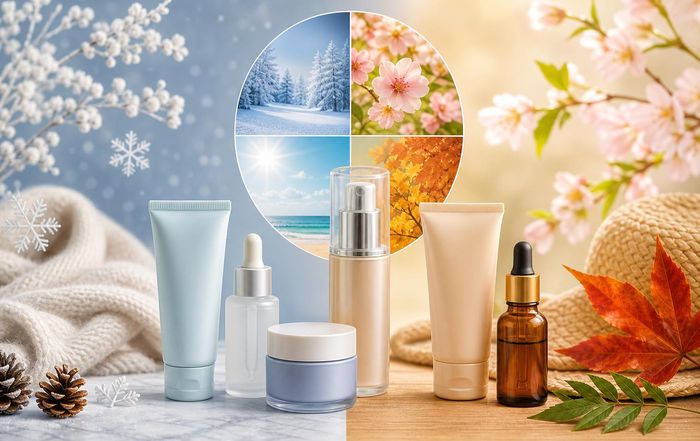
How to Choose Beauty Products for Changing Seasons
As climate patterns become more unpredictable and consumer expectations more sophisticated, choosing beauty products that adapt to changing seasons has evolved from a simple routine update into a strategic, year-round practice. For beauty followers, spanning North America, Europe, Asia, Africa and South America, seasonal beauty is no longer about swapping a light lotion for a heavier cream; it is about understanding skin biology, environmental stressors, ingredient science, sustainability, technology and personal lifestyle, then building a flexible, evidence-informed wardrobe of products that can pivot with the weather, travel and work demands.
This article examines how individuals and businesses can approach seasonal beauty selection with a framework grounded in experience, expertise, authoritativeness and trustworthiness, while drawing on the editorial perspective and resources of BeautyTipa as a dedicated guide in beauty, wellness and lifestyle decision-making.
Understanding Seasonal Skin Physiology
A credible seasonal routine begins with understanding how the skin responds to environmental changes. Dermatological research from organizations such as the American Academy of Dermatology shows that temperature, humidity, UV exposure and pollution levels influence the skin barrier, sebum production, hydration levels and microbiome balance in measurable ways. In winter, low humidity and indoor heating tend to increase transepidermal water loss, leading to dryness, tightness and barrier impairment, while in hot and humid seasons, sweat and sebum production rise, often exacerbating congestion, shine and breakouts.
Readers exploring foundational skincare knowledge on BeautyTipa's skincare hub will recognize that these seasonal shifts affect all skin types, but in different magnitudes. Dry and sensitive skin in the United Kingdom or Scandinavia may experience pronounced winter irritation and redness, while combination or oily skin in Singapore, Thailand or Brazil may struggle more with clogged pores and hyperpigmentation in prolonged heat. Age also plays a role, as the skin barrier naturally weakens with time, making mature skin more reactive to seasonal extremes, especially in regions with harsh winters such as Canada, Germany or the northern United States.
Scientific resources such as the British Association of Dermatologists and the National Institutes of Health explain that seasonal changes can alter the composition of skin lipids and natural moisturizing factors, which means that products formulated for one climate or time of year may not perform optimally in another. Learn more about how environmental factors influence skin health on the World Health Organization's environmental health pages. By understanding these mechanisms, consumers can approach seasonal product selection with a more analytical mindset, rather than relying solely on marketing claims or anecdotal advice.
The Role of Climate, Region and Micro-Environments
While the classic four-season model still shapes many beauty narratives, the reality for BeautyTipa's global readership is far more nuanced, as climate conditions differ significantly between Tokyo and Los Angeles, Johannesburg and Stockholm, or Dubai and Paris. For example, temperate climates in much of Europe and North America experience distinct transitions between cold, dry winters and warm summers, whereas equatorial regions in parts of Asia, South America and Africa are more defined by wet and dry periods, with consistently high UV exposure throughout the year.
Meteorological data from organizations such as the National Oceanic and Atmospheric Administration and the Met Office in the United Kingdom shows that climate change is amplifying seasonal extremes and unpredictability, resulting in heatwaves during traditionally cooler months, sudden cold snaps and shifting pollen seasons. These patterns impact not only hydration and barrier function but also the prevalence of seasonal allergies, which can manifest as redness, itching and sensitivity around the eyes and face. Consumers can consult regional climate resources like the European Environment Agency or Environment and Climate Change Canada to better anticipate environmental stressors that might affect their skin and hair.
Micro-environments also matter. Someone commuting daily in polluted urban environments such as London, Seoul or São Paulo faces different oxidative and particulate stress compared with an individual living in coastal or rural regions of Australia or New Zealand. Indoor climate control, air travel and extended screen time further modify exposure. This is why seasonal product selection should not be based solely on the calendar month, but on the actual conditions experienced day by day, an approach strongly emphasized across BeautyTipa's guides and tips for modern, mobile lifestyles.
Seasonal Skincare: Building a Flexible Core Routine
A trustworthy approach to seasonal skincare in 2026 begins with a stable core routine, to which targeted, climate-responsive products can be added or adjusted. Dermatologists and professional organizations such as the American Academy of Dermatology consistently recommend a foundational routine of gentle cleansing, appropriate moisturization and daily sun protection, with actives such as retinoids, vitamin C or exfoliating acids introduced according to individual needs and tolerance.
On BeautyTipa's skincare section, this philosophy translates into a year-round framework in which the cleanser, moisturizer and sunscreen form the non-negotiable base, while serums, masks and treatments are rotated seasonally. In colder, drier months in regions like Germany, Canada or the Nordic countries, many consumers benefit from switching to low-foaming, non-stripping cleansers, richer emollient or ceramide-based moisturizers and barrier-supporting ingredients such as glycerin, hyaluronic acid, squalane and niacinamide. In contrast, warmer seasons or tropical climates often call for lighter gel or lotion textures, non-comedogenic formulations and more frequent but controlled exfoliation to manage increased sebum and sweat.
Reputable educational platforms such as Harvard Health Publishing and the Cleveland Clinic provide evidence-based guidance on ingredients and their appropriate use, which can help consumers critically evaluate new seasonal launches. For instance, while stronger exfoliating acids may seem appealing for managing summer congestion, overuse can impair the skin barrier, particularly when combined with high UV exposure. Similarly, swapping to heavier winter creams without considering acne-prone or rosacea-prone tendencies can lead to flare-ups. By prioritizing barrier health and gradual changes, individuals can minimize seasonal irritation and maintain consistency, which is essential for long-term results.
Sun Protection Across All Seasons and Regions
In 2026, the consensus among dermatologists worldwide is unequivocal: daily sun protection is essential in every season and climate. UV radiation penetrates clouds and glass, and UVA rays responsible for premature aging remain relatively constant throughout the year. Trusted health authorities such as the Skin Cancer Foundation and the Centers for Disease Control and Prevention emphasize that consistent use of broad-spectrum sunscreen significantly reduces the risk of skin cancer and photoaging, regardless of latitude or weather.
For BeautyTipa's audience in the United States, United Kingdom, Europe, Asia and beyond, the choice of sunscreen should reflect both seasonal conditions and personal preference. During hot and humid months in regions such as South Korea, Japan or Southeast Asia, lightweight, fast-absorbing fluid sunscreens with high SPF are often preferred, while in colder climates such as Switzerland, Norway or Finland, richer textures or hybrid moisturizer-sunscreen products may enhance comfort and barrier support. Learn more about year-round sun safety recommendations from the World Health Organization's UV radiation resources.
The rise of advanced filters and hybrid formulations in markets like France and South Korea has expanded consumer choice, but it has also increased complexity. BeautyTipa's editorial perspective encourages readers to prioritize proven protection and cosmetic elegance over trends, selecting products they will apply generously and reapply as needed. In this context, product testing, transparent labeling and adherence to regulations from agencies such as the U.S. Food and Drug Administration and the European Commission provide important markers of trustworthiness when evaluating sunscreens for any season.
Adapting Makeup to Seasonal Light, Texture and Longevity
Makeup selection is also deeply seasonal, shaped not only by temperature and humidity but by changes in natural light, skin texture and fashion trends. The makeup coverage and finishes that flatter in bright summer sun in Italy or Spain may look heavy or flat under low winter light in the Netherlands or the United Kingdom, while long-wear formulas that withstand humidity in Singapore or Brazil may feel unnecessarily drying in the cool, dry air of a Canadian winter.
On BeautyTipa's makeup pages, seasonal guidance emphasizes the interplay between base products, skin condition and environmental context. In warmer months, many individuals gravitate toward breathable, sheer or skin-tint formulations with higher SPF, alongside mattifying primers or setting products that address shine without suffocating the skin. In contrast, winter routines in regions like Germany, France or the northern United States may prioritize hydrating primers, cream textures and luminous finishes that counteract dullness and dryness.
Professional artistry standards from organizations such as Make-Up Artists & Hair Stylists Guild and educational content from brands like MAC Cosmetics or NARS highlight the importance of adapting shade selection to seasonal shifts in skin tone, particularly in countries where people tan easily during summer. Consumers are encouraged to maintain at least two foundation or base shades, one for warmer months and one for cooler months, and to adjust with bronzers or mixing mediums as needed. Seasonal eye and lip color trends, often driven by fashion capitals such as Paris, Milan, London and New York, can be explored on BeautyTipa's trends section, but the underlying principle remains that comfort, wearability and skin compatibility should guide product choices.
Seasonal Hair and Scalp Care Considerations
Hair and scalp health respond to seasonal changes in much the same way as skin, with humidity, UV exposure, temperature and pollution all playing significant roles. In summer, increased UV exposure and salt or chlorinated water can lead to dryness, color fading and brittleness, while in winter, central heating and friction from hats can contribute to static, breakage and scalp dryness. Trichology resources from organizations such as the International Association of Trichologists and educational materials from Mayo Clinic underscore the importance of adjusting haircare routines to these shifting conditions.
For BeautyTipa's international community, this can mean incorporating UV-protective leave-in products during sunny seasons in Australia, South Africa or Southern Europe, or using more nourishing masks and oils during colder months in Canada, Scandinavia or parts of Asia with harsh winters. Meanwhile, individuals in humid climates such as Malaysia or coastal Brazil may need anti-frizz formulations and lightweight, clarifying shampoos to manage buildup from sweat and pollution. As with skincare, the goal is to maintain a core routine while rotating targeted treatments according to seasonal stressors, guided by reliable, ingredient-focused information rather than seasonal marketing alone.
Wellness, Nutrition and Seasonal Beauty from Within
Seasonal beauty is not confined to topical products; it is closely linked to overall wellness, nutrition and lifestyle. On BeautyTipa's wellness and food and nutrition pages, readers will find that sleep quality, stress management, hydration and diet all influence how the skin, hair and nails respond to environmental changes. For instance, reduced daylight hours in winter in countries such as the United Kingdom, Germany or Sweden can impact vitamin D levels and mood, which in turn may affect skin appearance and adherence to self-care routines.
Authoritative health organizations like the World Health Organization and the National Health Service in the UK provide guidance on balanced nutrition, seasonal produce and mental health support, all of which indirectly support healthier skin and hair. Antioxidant-rich diets, adequate omega-3 fatty acids and proper hydration have been associated with improved skin barrier function and reduced inflammation, which can help the skin adapt more resiliently to seasonal shifts. Learn more about evidence-based nutrition and skin health from resources such as the Academy of Nutrition and Dietetics.
Physical activity, covered extensively in BeautyTipa's health and fitness section, also plays a role, as regular exercise can support circulation, stress reduction and overall well-being, all of which contribute to a more balanced complexion. Seasonal adjustments to workout routines, whether moving indoors during cold winters in Canada or exercising earlier in the day to avoid extreme heatwaves in parts of the United States, Europe or Asia, can further support holistic beauty outcomes.
Technology, Data and Personalized Seasonal Routines
By 2026, technology has become a central pillar in how consumers select and adapt beauty products for changing seasons. The rise of AI-driven skin analysis apps, smart mirrors and connected devices has enabled more precise tracking of skin condition over time, while integration with real-time weather and pollution data allows for dynamic product recommendations. On BeautyTipa's technology and beauty hub, readers can explore how these tools are reshaping the landscape of seasonal skincare and makeup.
Global tech-forward beauty companies such as L'Oréal, Shiseido and Estée Lauder have invested heavily in personalized diagnostics, sometimes partnering with health-tech firms and dermatology platforms to enhance accuracy and safety. At the same time, independent brands and startups across the United States, Europe and Asia are leveraging machine learning to offer adaptive routines based on user feedback, climate data and ingredient tolerability. Reputable technology and business outlets like MIT Technology Review and McKinsey & Company have documented how these innovations are redefining consumer expectations for customization and transparency.
However, BeautyTipa's editorial stance emphasizes that technology should complement, not replace, critical thinking and professional guidance. While AI tools can help identify seasonal patterns such as increased redness in winter or oiliness in summer, they must be interpreted with caution, particularly when recommending potent actives or treatments. Consumers are encouraged to cross-reference digital suggestions with dermatologist advice, trustworthy medical resources and their own lived experience, ensuring that seasonal adjustments remain safe, realistic and aligned with personal values.
Sustainability and Ethical Considerations in Seasonal Purchasing
As climate concerns intensify, seasonal beauty purchasing has come under scrutiny for its potential to encourage overconsumption and waste. Many consumers across the United States, United Kingdom, Germany, France, Australia and beyond are seeking to reconcile their desire for seasonally appropriate products with commitments to sustainability and ethical sourcing. Environmental organizations such as Greenpeace and Environmental Working Group have raised awareness about packaging waste, microplastics and ingredient safety, while certification bodies like Ecocert and COSMOS have established standards for natural and organic cosmetics.
On BeautyTipa's business and finance and brands and products pages, seasonal beauty is increasingly discussed through the lens of responsible consumption. Instead of purchasing entirely new routines each season, consumers are encouraged to build modular collections: versatile cleansers, year-round serums and targeted boosters such as hydrating ampoules or mattifying gels that can be rotated as conditions change. Learn more about sustainable business practices from organizations such as the Ellen MacArthur Foundation, which advocates for circular economy models in packaging and product design.
Ethical considerations also extend to labor practices, animal testing policies and ingredient sourcing, particularly in regions with complex supply chains spanning Asia, Africa and South America. Reputable certification schemes, transparent corporate reporting and independent journalism from outlets like the Financial Times or The Guardian can help consumers assess whether seasonal product choices align with their values. BeautyTipa's coverage emphasizes that trustworthiness in beauty is not only about efficacy and safety but also about corporate responsibility and long-term environmental impact.
Career, Education and Professional Opportunities in Seasonal Beauty
The growing complexity of seasonal beauty, combined with technological and sustainability trends, has created new professional opportunities across formulation, marketing, retail, dermatology and content creation. On BeautyTipa's jobs and employment section, readers interested in careers in beauty and wellness can explore how expertise in climate-responsive skincare, ingredient science, digital diagnostics and ethical sourcing is increasingly valued by employers worldwide.
Educational institutions and professional organizations such as the Society of Cosmetic Chemists, Cosmetic, Toiletry and Perfumery Association in the UK and various esthetics schools in North America, Europe and Asia have expanded their curricula to include climate-aware formulation, inclusive shade development and sustainability frameworks. At the same time, digital-first creators and consultants are building careers around seasonal content, from winter skincare in Canada to monsoon-proof makeup in India or humidity-resistant haircare in Singapore, often collaborating with brands and retailers to translate complex science into practical, trustworthy advice.
BeautyTipa's own editorial team and contributors draw on multidisciplinary backgrounds in dermatology, cosmetic science, journalism and digital strategy to provide seasonal guidance that is both aspirational and grounded. This blend of expertise and transparency is central to maintaining reader trust, particularly when navigating an increasingly crowded and fast-moving global beauty market.
Regional Nuances: From Seoul to New York, London to São Paulo
While the principles of seasonal adaptation are universal, their expression varies across cultures and markets, and BeautyTipa's international readership benefits from understanding these nuances. In South Korea and Japan, for example, multi-step routines and a strong emphasis on prevention have led to sophisticated seasonal layering strategies, with lightweight essences and ampoules adjusted according to humidity and temperature. Industry observers such as Korea Health Industry Development Institute and trend reports from Euromonitor International highlight how innovation in these markets often influences global product development.
In contrast, consumers in the United States and Canada may prioritize efficiency and multi-purpose products, especially in busy urban centers like New York, Toronto or Los Angeles, where lifestyle demands and diverse climates encourage streamlined, adaptable routines. Meanwhile, European markets such as France, Italy, Spain, Germany and the Netherlands often balance tradition and innovation, with pharmacy skincare heritage coexisting alongside cutting-edge biotech formulations and a strong emphasis on texture and sensorial experience across seasons.
Emerging markets and growing middle classes in regions such as Africa and South America, including South Africa and Brazil, are driving demand for products tailored to darker skin tones, textured hair and high UV environments, with local brands and entrepreneurs increasingly shaping the narrative. BeautyTipa's international section showcases these regional stories, underscoring that credible seasonal beauty advice must respect cultural practices, climate realities and diverse definitions of beauty.
Integrating Seasonal Routines into Daily Life with BeautyTipa
Ultimately, choosing beauty products for changing seasons in 2026 is less about constant reinvention and more about informed evolution. It requires an understanding of skin physiology, climate and micro-environments, a commitment to core routines and sun protection, and a willingness to adapt textures, ingredients and formats as conditions and life stages change. It also calls for discernment in evaluating technology, marketing claims and sustainability narratives, ensuring that seasonal adjustments serve long-term health, confidence and environmental responsibility.
For the hip community from around the world, seasonal beauty is both a science and an art. Through dedicated coverage of beauty, routines, events, fashion and the broader intersections of wellness, technology and business, BeautyTipa aims to be a trusted companion in that journey.
By approaching seasonal product selection with curiosity, evidence-based thinking and respect for individual differences, readers can build adaptable, resilient routines that honor both their personal needs and the changing world around them, season after season.
