
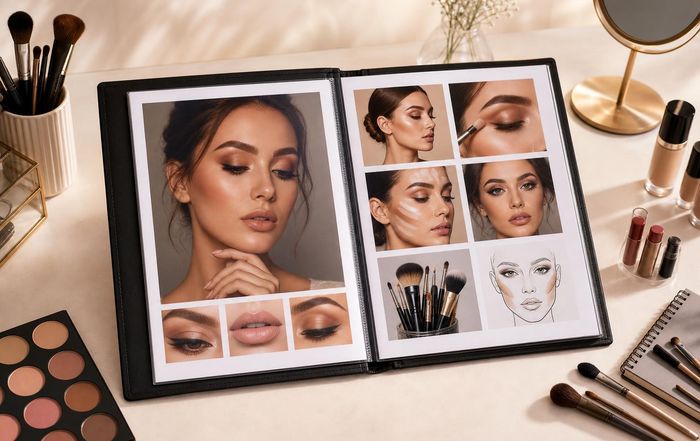
How to Build a Professional Portfolio in Beauty (Master Plan for a Global Industry)
Why a Professional Beauty Portfolio Matters More Than Ever
The global beauty industry is more competitive, more digital, and more interconnected than at any point in its history, and for professionals across makeup, skincare, hair, nails, wellness, fashion styling, and beauty technology, a compelling portfolio has become the primary currency of credibility. Recruiters, brand partners, agencies, and discerning clients from the United States, United Kingdom, Germany, Canada, Australia, France, Italy, Spain, Netherlands, Switzerland, China, South Korea, Japan, Brazil, and beyond increasingly make first-contact decisions based on what they see online, long before any in-person meeting or test assignment is considered. On BeautyTipa.com, where beauty, wellness, business, and innovation intersect, the portfolio is viewed not only as a visual gallery but as a strategic tool that communicates experience, expertise, authoritativeness, and trustworthiness in a single, coherent narrative.
Industry data from organizations such as McKinsey & Company and Deloitte shows sustained growth in the global beauty and personal care market, with digital channels and social media driving discovery and purchase behavior across North America, Europe, and Asia. In this context, a professional portfolio functions as a curated proof-of-work repository that can be evaluated quickly and shared easily, aligning with how decision-makers now operate. Those who understand how to build, structure, and continually refine that portfolio gain a decisive advantage in winning roles, collaborations, and long-term client relationships, whether they work independently or inside established companies.
Defining a Beauty Portfolio for a Modern, Hybrid Career
A professional beauty portfolio in 2026 is no longer just a collection of before-and-after images or editorial looks; instead, it is a multi-layered representation of a professional's capabilities across beauty, wellness, and related lifestyle domains. For makeup artists, hairstylists, estheticians, nail technicians, and skincare specialists, a portfolio should present visual proof of technical skill, knowledge of skin and hair science, understanding of trends, and sensitivity to diverse skin tones and cultural aesthetics. For professionals in beauty technology, product development, marketing, and brand strategy, the portfolio must also demonstrate strategic thinking, data literacy, and fluency with digital platforms.
Readers of BeautyTipa.com who are building careers in makeup, skincare, or wellness can benefit from approaching their portfolio as a living business asset rather than a static gallery. This means structuring it to reflect key categories of expertise, such as skincare, beauty, wellness, and makeup, while also showcasing understanding of broader lifestyle and health trends that shape consumer decisions. As Harvard Business Review has repeatedly highlighted, professionals who articulate a clear, differentiated value proposition are better positioned to navigate global and regional markets, especially in sectors undergoing rapid digital transformation.
Clarifying Your Niche and Value Proposition
The first step in building a professional beauty portfolio is to define the niche and audience it intends to serve, because without clarity, even impressive work can appear unfocused and difficult for decision-makers to interpret. A makeup artist in New York, for example, might focus on editorial and fashion looks for magazines and runway, while a skincare therapist in London may specialize in sensitive-skin protocols and barrier repair for clients with dermatological concerns, and a hair professional in Seoul might emphasize K-beauty-inspired color and texture trends. Each of these professionals needs a portfolio that speaks directly to the expectations and language of their target market.
Global insights from Euromonitor International and Statista show that consumer preferences vary significantly by region, with markets such as Japan, South Korea, and Singapore emphasizing innovation, technology-enabled diagnostics, and multi-step routines, while markets in Germany, Sweden, Norway, Denmark, and Finland often prioritize minimalism, efficacy, and sustainability. Professionals who align their portfolio content with those expectations, and who can articulate a concise statement of what they do best, are more likely to be perceived as experts rather than generalists. For visitors to BeautyTipa.com, this means articulating whether the portfolio is designed to attract bridal clients, editorial teams, wellness retreats, med-spa clients, digital content roles, or brand-side positions in marketing or product development.
Curating Visual Work for Depth, Diversity, and Credibility
Visual content remains the heart of most beauty portfolios, but what distinguishes a professional portfolio from a casual feed is the deliberate curation of images to reflect both range and depth. Recruiters and clients in Los Angeles, Paris, Milan, Berlin, Toronto, and Sydney increasingly look for evidence that a beauty professional can deliver consistent quality across different skin tones, ages, genders, and cultural backgrounds, while also maintaining coherent aesthetic standards. This means selecting images that show clean, well-lit, high-resolution work, ideally captured by experienced photographers, rather than relying solely on smartphone snapshots or heavily filtered social content.
Trusted institutions such as the British Association of Dermatologists and the American Academy of Dermatology emphasize the importance of accurate representation of skin conditions and outcomes, which has implications for how before-and-after images are presented. Overly retouched images can erode trust, especially when working with clients in medical aesthetics, wellness clinics, or dermatology-led practices. Professionals should therefore prioritize authenticity, ensuring that their portfolio aligns with ethical standards and realistic results, which in turn reinforces the trustworthiness that employers and clients increasingly seek in an era of AI-generated imagery and deepfakes.
Demonstrating Technical Knowledge and Skincare Literacy
In 2026, beauty professionals are expected not only to execute looks but also to understand the science behind skin, hair, and overall health, particularly as consumers become more informed and more skeptical. A strong portfolio therefore benefits from including evidence of skincare literacy and technical knowledge, whether through case studies, treatment descriptions, or references to established guidelines. Resources such as the World Health Organization and Mayo Clinic provide foundational information on skin health, allergies, and hygiene protocols, which can inform how professionals describe their approach to safety, sanitation, and client care.
Visitors to BeautyTipa.com who are building or updating their portfolios should consider integrating succinct narratives that explain their decision-making process for particular looks or treatments, especially when dealing with conditions such as acne, rosacea, hyperpigmentation, or sensitive skin. Linking this expertise to broader wellness and lifestyle considerations, such as stress management, nutrition, and sleep, aligns with the integrated perspective highlighted in the site's health and fitness and food and nutrition sections. This approach positions the professional not merely as a service provider but as a trusted advisor within a holistic beauty and wellness ecosystem.
Integrating Wellness and Lifestyle into a Beauty Portfolio
The convergence of beauty and wellness has accelerated across North America, Europe, Asia, and South America, with consumers increasingly seeking services and products that support both external appearance and internal well-being. Reports from The Global Wellness Institute and World Economic Forum point to the growing economic significance of wellness tourism, spa services, and integrative health practices, especially in markets like Thailand, Singapore, New Zealand, and South Africa. For beauty professionals, this means that a portfolio which reflects only surface-level aesthetics may no longer be sufficient to attract the most discerning clientele or employers.
On BeautyTipa.com, articles and guides frequently highlight the interplay between beauty rituals, mental health, and lifestyle habits, underscoring the importance of positioning beauty work within a broader narrative of self-care and long-term health. Professionals can reflect this in their portfolios by describing how they design routines that support skin barrier resilience, stress reduction, and realistic maintenance for clients who travel frequently or work under demanding conditions. This kind of integrated storytelling can be especially compelling for clients in corporate wellness programs, luxury hospitality, and high-end spa environments, where the line between cosmetic and therapeutic services is increasingly blurred.
Showcasing Collaboration with Brands, Products, and Technology
Partnerships with established brands and the thoughtful use of products and technology can significantly enhance a portfolio's authority, particularly when those collaborations demonstrate alignment with safety, efficacy, and ethical standards. Professionals who have worked with or been trained by organizations such as L'Oréal, Estée Lauder Companies, Shiseido, Unilever, or Procter & Gamble can reference those experiences, provided they are accurate and permitted, to signal familiarity with global standards and innovation pipelines. At the same time, portfolios should reflect an understanding of ingredient transparency, sustainability, and regulatory compliance, themes frequently discussed by agencies such as the European Commission and the U.S. Food and Drug Administration.
For readers of BeautyTipa.com, where brands and products and technology beauty are core areas of interest, integrating technology into the portfolio can be particularly impactful. This may include showcasing experience with AI-powered skin analysis tools, virtual try-on platforms, or advanced devices used in clinics and spas. Linking to trusted technology and innovation sources, such as MIT Technology Review, can further reinforce a professional's commitment to staying current with the tools that shape modern beauty experiences across China, Singapore, Japan, and other tech-forward markets.
Building a Digital-First Portfolio Across Platforms
While printed books and physical comp cards still have relevance in certain fashion and editorial circles, the modern beauty portfolio is fundamentally digital-first, optimized for viewing on mobile devices and desktop screens worldwide. A central, well-structured website or dedicated portfolio page serves as the professional's primary hub, with social platforms such as Instagram, TikTok, LinkedIn, and region-specific networks in China and Asia acting as discovery channels that drive traffic back to that hub. Best practices outlined by organizations like Google for Creators and Adobe emphasize fast loading times, clean navigation, and clear calls to action, which are equally important in beauty as in any other field.
For the BeautyTipa.com community, this digital-first mindset aligns with the site's emphasis on global reach and cross-border collaboration. Professionals can structure their portfolios to include sections dedicated to trends, events, and guides and tips, thereby demonstrating both creative execution and educational value. Including a concise biography, service menu, geographic availability, and language competencies is particularly important for those seeking opportunities across Europe, Asia, Africa, and South America, where cross-cultural communication and travel flexibility are often critical differentiators.
Aligning with Business, Finance, and Career Strategy
A professional portfolio is not only a creative artifact; it is also a business asset that should align with broader financial and career strategies. Insights from PwC and KPMG on freelance economies and small business growth underscore the importance of treating a beauty career as an entrepreneurial venture, even for those who work within salons, spas, or corporate environments. This means ensuring that the portfolio clearly communicates pricing tiers, service packages, collaboration models, and intellectual property boundaries, all of which influence negotiation dynamics with agencies, brands, and private clients.
On BeautyTipa.com, the business and finance section frequently emphasizes the need for revenue diversification, risk management, and long-term planning, particularly in industries vulnerable to economic cycles and public health disruptions. A portfolio can support these objectives by showcasing work across different revenue streams, such as bridal services, editorial assignments, corporate campaigns, educational workshops, and digital content creation. By highlighting the breadth of monetizable skills, professionals can position themselves as resilient, adaptable partners for companies and clients in New York, London, Dubai, Singapore, and beyond.
Emphasizing Ethics, Safety, and Regulatory Awareness
Trustworthiness in beauty is inseparable from adherence to ethical standards, safety protocols, and relevant regulations, especially for professionals working with invasive treatments, chemical peels, lasers, or devices that affect skin integrity. Organizations such as Health Canada, the UK's National Health Service (NHS), and various European regulatory bodies have tightened oversight of aesthetic procedures, influencing how practitioners must present their qualifications and treatment outcomes. A professional portfolio that clearly states certifications, training institutions, and compliance with hygiene standards sends a strong signal of reliability to both clients and employers.
Readers of BeautyTipa.com operating in clinical or medically-adjacent environments can strengthen their portfolios by referencing adherence to infection-control guidelines and by avoiding exaggerated claims about results. Aligning with information from trusted medical sources, such as Cleveland Clinic, helps ensure that descriptions of treatments and outcomes remain realistic and evidence-informed. This not only protects clients but also enhances the long-term reputation of the professional, especially in markets where regulators and consumer watchdogs are increasingly active.
Positioning for Global Opportunities and Cross-Border Work
The beauty industry in 2026 is profoundly globalized, with talent, products, and trends moving rapidly between North America, Europe, Asia, Africa, and South America. Professionals who aspire to work on international campaigns, fashion weeks, film productions, or wellness retreats need portfolios that signal readiness for cross-border collaboration. This includes highlighting experience with diverse skin tones and hair types, understanding regional preferences, and, where relevant, familiarity with local regulations and cultural norms. Reports from the International Labour Organization and OECD emphasize that global mobility and digital remote work are reshaping creative careers, including those in beauty.
For the audience of BeautyTipa.com, whose interests span international markets and jobs and employment dynamics, a portfolio can become a key asset in securing roles with multinational brands, cruise lines, luxury hotels, and destination weddings in locations such as Italy, Spain, Thailand, Malaysia, and New Zealand. Including clear information on visas, languages spoken, and willingness to travel can help agencies and coordinators quickly assess fit for international assignments, while also reinforcing the professional's seriousness about cross-border work.
Continual Evolution: Keeping the Portfolio Current and Strategic
A professional beauty portfolio is not a one-time project but an evolving reflection of a career, requiring periodic review and refinement to remain aligned with market expectations and personal goals. As new trends emerge, such as AI-assisted personalization, biotech-driven ingredients, and sustainability-focused packaging, professionals must update their portfolios to demonstrate ongoing learning and adaptation. Industry analysis from Accenture and BCG highlights that companies increasingly favor partners and employees who show evidence of continuous upskilling, especially in fast-moving consumer sectors like beauty and wellness.
On BeautyTipa.com, where trends, fashion, and innovation news in beauty are central themes, portfolio evolution can be seen as a strategic practice in its own right. Professionals can schedule quarterly reviews to remove outdated work, add new high-impact projects, and refine descriptions to better reflect the language of the markets they serve. By treating the portfolio as a living document that integrates creative excellence, scientific literacy, business acumen, and ethical grounding, beauty professionals worldwide can position themselves as trusted, future-ready experts in an industry that continues to expand and transform across every continent.
In this way, the portfolio becomes more than a showcase of past achievements; it becomes a forward-looking statement of intent, aligning the individual's capabilities with the global opportunities that define the beauty and wellness landscape of today and beyond, and serving as a central touchpoint for the community that gathers around BeautyTipa.com to explore, learn, and build sustainable careers in beauty.
