
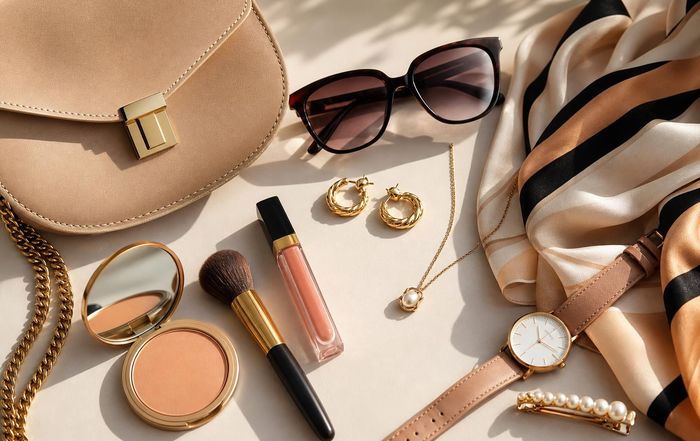
Everyday Fashion Details That Elevate Beauty Looks
How Subtle Style Choices Redefine Modern Beauty
In 2026, everyday beauty is no longer defined solely by the products on a vanity table or the techniques used in a makeup routine; it is shaped just as powerfully by the quiet, deliberate decisions made in a wardrobe, in accessory choices, and in the way fabrics, colors, and silhouettes frame the face and body. For the global audience of BeautyTipa-spanning beauty enthusiasts, industry professionals, and business decision-makers across North America, Europe, Asia, Africa, and South America-the intersection of fashion and beauty has become a strategic domain where personal expression, professional image, and commercial opportunity converge. As beauty and fashion continue to merge, understanding how everyday fashion details influence and elevate beauty looks is no longer a niche interest but a core competency for anyone serious about modern aesthetics, whether they are refining daily routines, building brands, or shaping careers in this fast-evolving space.
The Strategic Relationship Between Fashion and Beauty
The relationship between fashion and beauty has always been symbiotic, but the last decade has seen that relationship become more intentional, data-driven, and globally interconnected. Leading fashion platforms such as Vogue and Harper's Bazaar now treat makeup, hair, and skincare as integral components of a complete look, rather than afterthoughts to garments and accessories. At the same time, major beauty players such as L'Oréal, Estée Lauder Companies, and Shiseido collaborate regularly with fashion houses and designers to ensure that product launches, seasonal color stories, and advertising campaigns align with runway narratives and street-style movements.
For readers of BeautyTipa, this convergence has practical implications for how they approach daily beauty decisions. A lipstick shade is no longer chosen in isolation but in relation to a blazer's undertone, a pair of sunglasses, or even the finish of a handbag strap. Everyday fashion details-necklines, collars, earring shapes, textile textures, and even the placement of seams-can either harmonize with or compete against a chosen makeup look, skincare glow, or hairstyle. Professionals in marketing, retail, and product development increasingly recognize that consumers respond most positively when these elements are orchestrated thoughtfully, creating a cohesive visual identity that feels both aspirational and attainable.
Color Theory: Wardrobe Choices That Flatter the Face
One of the most powerful yet underutilized tools for elevating beauty looks through fashion is color theory. While the concept of seasonal color analysis has existed for decades, the modern approach is more nuanced, drawing on research in color psychology and digital imaging. Organizations such as the Pantone Color Institute influence global palettes, and their annual color selections reverberate across fashion, beauty, interior design, and digital branding.
For everyday dressing, the colors worn closest to the face-such as tops, scarves, jackets, and even jewelry-have the greatest impact on how skin tone, eye color, and lip color appear. A cool, blue-based red lipstick can look sophisticated and bright when paired with a navy or charcoal blazer, yet appear harsh when worn with a warm, saturated orange sweater. Similarly, a soft, neutral eyeshadow palette may look washed out if combined with an overpowering neon top, but it can appear elegantly understated when contrasted with muted earth tones or classic black. Readers exploring skincare-focused content on BeautyTipa often learn how to achieve a natural glow; pairing that glow with complementary clothing colors-such as soft greens for olive skin, dusty rose for fair complexions, or rich jewel tones for deeper skin tones-ensures that the complexion appears more radiant without additional product.
Color theory also plays a role in professional image, particularly in business and finance contexts. According to insights from Harvard Business Review, color can subtly influence perceptions of competence, warmth, and authority in workplace settings. For example, cool neutrals such as slate, stone, and navy often convey reliability and professionalism, while carefully chosen accent colors can highlight creativity or approachability. When paired with well-executed but restrained makeup-such as a defined brow, neutral lip, and softly contoured cheek-these wardrobe colors can project a cohesive and trustworthy personal brand, especially important in leadership roles or client-facing positions.
Necklines, Collars, and the Frame Around the Face
While makeup artists and hairstylists focus on shaping the face itself, fashion quietly shapes the frame around that face. Necklines and collars are among the most influential everyday fashion details in this regard, as they direct visual attention and can either support or undermine the impact of a beauty look. A high turtleneck, for example, creates a strong vertical line that emphasizes the jawline and cheekbones, making bold lip colors and sharp eyeliner appear more striking. By contrast, a wide boat neck or off-the-shoulder top draws the eye horizontally, softening facial features and harmonizing with more romantic makeup styles, such as diffused blush and glossy lips.
In markets such as the United States, United Kingdom, Germany, and Canada, where professional attire often incorporates structured shirts and blazers, the choice between pointed collars, rounded collars, and open necklines can dramatically change how a face is perceived during meetings, presentations, or video conferences. A crisp, pointed collar worn open at the neck can create a dynamic, slightly assertive frame that pairs well with defined brows and subtle contouring, while a rounded Peter Pan collar tends to complement softer, more youthful makeup looks. In Asia, particularly in countries like South Korea and Japan, minimalist, high-neck silhouettes often support the region's preference for luminous, natural-looking skin and understated color palettes, reinforcing the idea that wardrobe and beauty aesthetics should be considered as a unified whole.
For the BeautyTipa community exploring everyday routines, understanding how necklines interact with face shape and hairstyle can lead to more strategic outfit planning. Those with rounder face shapes may prefer V-necklines or open collars that lengthen the neck and draw the eye downward, while individuals with longer, narrower faces might choose crew necks or subtle mock necks that create balance. When these choices are aligned with makeup-such as placing highlighter along the collarbones for off-the-shoulder styles or focusing blush higher on the cheekbones for turtlenecks-the result is a polished and intentional appearance that feels cohesive from head to toe.
Textures, Fabrics, and the Finish of the Skin
Beyond color and silhouette, fabric choice plays a subtle yet significant role in how skin and makeup appear in natural and artificial light. Shiny, reflective materials such as satin, silk, and metallic knits can amplify any existing glow on the face, which can be desirable for evening events or editorial-style looks, but may be less forgiving in professional or high-definition video environments where excess shine on the T-zone is often perceived as oiliness rather than radiance. Matte or lightly textured fabrics-such as cotton, wool, linen blends, and brushed knits-tend to create a gentle contrast that allows dewy or satin-finish foundations and highlighters to stand out in a controlled way.
Dermatology-focused organizations such as the American Academy of Dermatology emphasize that skin health and barrier function are foundational to any beauty look, and fabric choice can indirectly support this by reducing irritation and overheating. Breathable, natural materials are especially important in warmer climates, such as those in Brazil, Thailand, and South Africa, where heavy synthetic fabrics can trap heat and sweat, potentially exacerbating conditions like acne or rosacea. For readers following BeautyTipa's wellness and lifestyle coverage, opting for fabrics that support skin comfort throughout the day ensures that makeup sits better, requires fewer touch-ups, and appears more refined.
Texture also interacts with hair. A sleek, straight hairstyle often appears most cohesive when paired with equally sleek fabrics, such as smooth crepe or polished leather, whereas voluminous curls or natural textures can be beautifully balanced by soft knits, chiffon, or gently crinkled materials. This interplay between hair and fabric becomes especially relevant in international markets with diverse hair types and cultural styling preferences, reinforcing the importance of inclusive fashion and beauty strategies that respect and celebrate global diversity.
Jewelry, Accessories, and the Architecture of a Look
Accessories act as architectural elements in everyday style, shaping how the eye travels and how facial features are emphasized. Earrings, in particular, can dramatically influence the perceived shape of the face and the prominence of makeup. Long, linear earrings elongate the neck and draw attention to jawlines and cheekbones, which can be an ideal complement to sculpted contouring and highlighter placement. Studs or small hoops, by contrast, keep attention closer to the eyes and lips, allowing bold eyeshadow or a vivid lipstick to take center stage without competition.
Necklaces interact closely with both necklines and makeup choices. A delicate chain with a small pendant can subtly reinforce a minimalist beauty look and a clean, structured outfit, while a statement necklace may compete with heavy eye makeup or strong blush, often requiring more restrained cosmetics to avoid visual overload. For business audiences, particularly in finance, law, and technology, where understated elegance is often valued, fine jewelry or modern, geometric pieces can signal attention to detail and contemporary taste without undermining professional credibility.
Eyewear has also become a critical accessory category in the beauty-fashionscape. According to reports from The Vision Council, eyeglasses and sunglasses are increasingly treated as fashion statements as well as functional tools, with frame shapes carefully chosen to complement face shapes and makeup preferences. Cat-eye frames naturally highlight winged liner and lifted brows, while round frames soften angular features and pair well with gentle, blended eyeshadow. For the BeautyTipa audience exploring makeup-centric content, understanding how lens glare, frame color, and bridge placement affect the visibility of eye makeup can lead to more effective application techniques and smarter accessory investments.
Footwear, Posture, and the Perception of Beauty
Though seemingly distant from the face, footwear influences posture, gait, and overall presence, all of which contribute to how beauty is perceived. High heels, platforms, and certain structured boots subtly alter body alignment, often encouraging a straighter spine and more pronounced hip sway, which can change how clothing drapes and how the head is carried. A slightly elevated chin, relaxed shoulders, and confident stride can make even the simplest makeup and hairstyle appear more intentional and polished. On the other hand, poorly fitted shoes or styles that compromise comfort can result in tense posture and distracted expressions, undermining even the most carefully executed beauty look.
Health organizations such as the Mayo Clinic and NHS consistently highlight the long-term impact of footwear on musculoskeletal health, emphasizing that chronic discomfort can contribute to fatigue, stress, and reduced overall wellbeing. For readers of BeautyTipa interested in health and fitness, this connection underscores that beauty is not only about surface-level aesthetics but also about sustainable lifestyle choices that support energy, mood, and confidence. Choosing footwear that balances style with ergonomic support allows individuals to maintain poised posture throughout long workdays, industry events, or social gatherings, ensuring that beauty looks remain fresh and expressive rather than overshadowed by physical strain.
Fashion Details in a Digital-First, Hybrid Work Era
The rise of hybrid work and digital communication has transformed the way fashion and beauty operate together, particularly for professionals in the United States, United Kingdom, Europe, and Asia-Pacific. Video conferencing platforms have shifted attention to the "screen frame," typically encompassing the head, shoulders, and upper torso. In this context, everyday fashion details above the waist-such as collar styles, jewelry, blazer cuts, and even headphone choices-have become far more significant than footwear or full-length silhouettes in shaping visual impressions.
Technology and collaboration platforms analyzed by organizations such as McKinsey & Company and Deloitte show that remote and hybrid work are here to stay, which means that professional image in a digital environment is now a long-term consideration rather than a temporary adjustment. For BeautyTipa readers exploring technology and beauty intersections, this has led to increased interest in camera-friendly fabrics, colors that flatter skin tones under artificial lighting, and accessories that look polished without creating visual noise on screen. Matte, mid-tone colors often perform better than stark white or deep black, which can confuse camera exposure settings, while subtle jewelry and tidy necklines create a refined frame that supports, rather than distracts from, facial expressions and speech.
Makeup in this environment is also evolving. Complexion products that even out skin tone without appearing heavy on high-definition cameras, brow grooming that subtly defines expression, and lip colors that add contrast without overwhelming are now considered essential digital-era tools. These beauty decisions become significantly more effective when aligned with everyday fashion details, such as choosing a blouse color that prevents the face from appearing washed out or selecting eyewear that reduces glare and allows eye contact to be perceived clearly through the screen.
Global Trends and Cultural Nuances in Everyday Style
Everyday fashion details that elevate beauty looks do not exist in a vacuum; they are shaped by cultural norms, climate, lifestyle, and economic conditions across regions. In South Korea and Japan, for instance, the popularity of glass-skin aesthetics and gradient lip looks is often paired with minimalist, carefully tailored fashion that emphasizes clean lines and neutral tones, allowing the meticulous skincare and subtle color gradations to stand out. In Scandinavian countries such as Sweden, Norway, Denmark, and Finland, the preference for functional minimalism and high-quality materials supports beauty looks centered on natural skin, soft definition, and understated hair, reflecting broader cultural values around authenticity and practicality.
In contrast, markets such as Brazil and parts of South Africa often embrace bolder color palettes, prints, and accessories, which harmonize with vibrant makeup styles and sun-kissed skin. This does not mean that subtlety is absent; rather, the balance between fashion and beauty is calibrated differently, with more emphasis on the interplay of saturated hues, patterns, and luminous complexions. For an international readership, BeautyTipa recognizes that there is no single formula for how fashion should elevate beauty; instead, it provides guides and tips that help readers adapt global insights to their local contexts, personal tastes, and professional requirements.
Economic and environmental considerations also shape these choices. Organizations such as the Ellen MacArthur Foundation and UN Environment Programme highlight the growing importance of circular fashion, sustainable materials, and responsible consumption. As consumers become more mindful of their wardrobes, they increasingly seek versatile pieces that can be styled in multiple ways to complement different beauty looks. A single well-cut blazer, for example, can be dressed up with a bold lip and statement earrings for an evening event or paired with soft makeup and minimal jewelry for daytime meetings, demonstrating how thoughtful investment in fashion basics can support a wide range of beauty expressions.
Business, Careers, and the Economics of Everyday Aesthetics
For professionals and entrepreneurs in the beauty and fashion industries, everyday fashion details are more than personal style choices; they are commercial signals and competitive differentiators. Retailers, brands, and service providers understand that consumers respond strongly to visual coherence, whether they are browsing e-commerce platforms, visiting brick-and-mortar stores, or following influencers on social media. Detailed styling-such as the pairing of a particular lipstick shade with a specific neckline or the choice of nail color to match a handbag-can significantly increase engagement and conversion, especially when presented in a way that feels achievable for everyday life.
From a business perspective, organizations such as Business of Fashion and Euromonitor International have documented the rise of "total look" marketing, where fashion and beauty are sold together as integrated experiences. This creates opportunities for cross-category collaborations, curated sets, and styling services that guide consumers through complete outfit-and-beauty combinations. For readers of BeautyTipa focusing on business and finance, understanding these dynamics is crucial for strategic planning, whether they are developing new products, designing retail environments, or building personal brands as consultants, stylists, or content creators.
The career implications are equally significant. In competitive job markets across the United States, United Kingdom, Germany, Canada, Australia, Singapore, and beyond, candidates and professionals are increasingly aware that consistent, well-considered presentation can influence first impressions, networking outcomes, and leadership opportunities. While competence, ethics, and performance remain paramount, the alignment of fashion and beauty can reinforce perceptions of reliability, creativity, and attention to detail. For those exploring career options or advancement strategies, BeautyTipa's jobs and employment section offers context on how industries are evolving and how visual presentation intersects with personal branding in a globalized, digital-first economy.
Integrating Fashion and Beauty into Daily Life
Ultimately, the power of everyday fashion details lies in their ability to make beauty feel both elevated and accessible. By approaching wardrobes and beauty routines as interconnected systems rather than isolated components, individuals can build a flexible, coherent personal style that supports their goals, values, and lifestyles. This may involve curating a small selection of tops in colors that reliably flatter the complexion, choosing jewelry that aligns with face shape and preferred makeup styles, investing in comfortable yet polished footwear, or learning how different fabrics interact with skin and hair.
For the global community of BeautyTipa, this integration is not about chasing perfection or adhering rigidly to trends; it is about cultivating a confident, informed approach to self-presentation that respects both individuality and context. Whether a reader is preparing for a board meeting in London, a creative pitch in New York, a networking event in Singapore, or a casual gathering in Madrid, the same principles apply: thoughtful fashion details-colors, necklines, textures, accessories, and footwear-can subtly but powerfully elevate beauty looks, transforming everyday moments into opportunities to communicate identity, professionalism, and presence.
As the beauty, wellness, and fashion industries continue to evolve, BeautyTipa remains committed to offering nuanced, trustworthy guidance that bridges aesthetics with practicality, local culture with global trends, and personal expression with professional impact. By understanding and leveraging the intricate relationship between fashion and beauty, readers can navigate 2026 and beyond with clarity, confidence, and a refined sense of style that feels authentically their own.
