
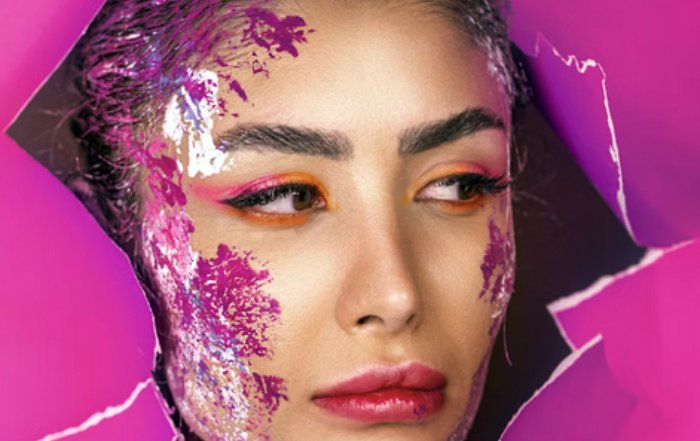
Emerging Beauty Technologies Shaping the Future
The New Architecture of Beauty: Technology as the Core Engine
The global beauty landscape has transformed from a product-centric marketplace into a technology-driven ecosystem in which data, devices, and digital experiences shape how consumers discover, evaluate, and integrate beauty into their daily lives. Across North America, Europe, and Asia-Pacific, from the United States and the United Kingdom to South Korea, Japan, Germany, and beyond, beauty is increasingly defined not only by aesthetics but also by science, personalization, and measurable outcomes. Within this rapidly evolving context, BeautyTipa positions itself as a guide and curator, helping readers navigate a world where algorithms, biotechnology, and sustainability frameworks are as important as pigments and packaging. As leading organizations such as L'Oréal, Estée Lauder Companies, Shiseido, and Unilever invest heavily in research and digital transformation, the very definition of a beauty brand is being rewritten, and the next decade will reward companies that can combine technological sophistication with authenticity, transparency, and human-centric design.
Industry reports from platforms such as the World Economic Forum and McKinsey & Company highlight that beauty is one of the fastest-evolving consumer sectors, driven by the convergence of artificial intelligence, biotechnology, and connected devices. Consumers across markets like the United States, Canada, France, Italy, Spain, China, and South Korea now expect brands to deliver not only high-performing products, but also intelligent recommendations, personalized routines, and verifiable claims that are supported by dermatological science and robust data. For readers exploring the broader implications of this shift on lifestyle and self-care, BeautyTipa provides a dedicated lens through its focus on beauty, wellness, and the intersection of technology with everyday rituals.
AI-Powered Personalization and the Data-Driven Consumer
Artificial intelligence has moved from an experimental add-on to the backbone of modern beauty experiences. Advanced recommendation engines, powered by machine learning models, now analyze skin images, purchase history, environmental data, and lifestyle inputs to generate highly tailored product suggestions and routines. Companies like L'Oréal and Procter & Gamble have been at the forefront of AI-powered diagnostics, deploying tools that can assess skin concerns such as hyperpigmentation, fine lines, dehydration, and redness with a level of consistency that rivals in-person consultations. Platforms like MIT Technology Review and Harvard Business Review have documented how AI is reshaping consumer industries, and beauty is emerging as a leading example of how data can be translated into tangible, personalized value.
For consumers in markets as diverse as Germany, Australia, Singapore, and Brazil, AI-driven personalization has created new expectations around relevance and efficiency. Instead of browsing endless shelves or scrolling through thousands of product pages, individuals can receive curated routines that align with their skin type, climate, budget, and ethical preferences. On BeautyTipa, readers can deepen their understanding of how to integrate these recommendations into coherent daily practices through resources such as the skincare and routines sections, where emerging technologies are translated into practical, actionable guidance that respects the individuality of each user.
At the same time, AI in beauty raises critical questions about data privacy, algorithmic bias, and transparency. Regulatory bodies in the European Union, United States, and regions such as the United Kingdom and Canada are increasingly attentive to how personal health and biometric data are collected and processed. Organizations like the European Commission and the U.S. Federal Trade Commission are shaping the boundaries within which beauty companies can operate, pushing brands to adopt more robust governance, clear consent mechanisms, and explainable AI practices that foster trust rather than suspicion.
Skin-Tech Devices and the Rise of At-Home Diagnostics
Parallel to AI software, hardware innovation is redefining how consumers engage with skincare and wellness at home. Connected devices, from smart mirrors to handheld diagnostic tools and LED therapy masks, are bringing capabilities once confined to dermatology clinics into bathrooms and bedrooms around the world. In markets like South Korea and Japan, where beauty technology adoption has historically been rapid, consumers are already accustomed to skin analyzers that track moisture levels, pore visibility, and elasticity over time, providing feedback that can inform product choices and routine adjustments.
Global companies and specialized startups are leveraging advances in sensors, optics, and connectivity to deliver more precise and user-friendly devices. Insights from organizations such as the American Academy of Dermatology and Mayo Clinic have influenced how device manufacturers calibrate their tools to align with dermatological best practices and safety standards. As a result, at-home treatments such as low-level laser therapy, microcurrent toning, and targeted LED protocols are becoming more mainstream, appealing to consumers in the United States, United Kingdom, France, and the Nordic countries who seek professional-grade results without frequent clinic visits.
On BeautyTipa, the convergence of devices and routines is explored in depth through coverage of technology in beauty and brands and products, where readers can understand not only what devices promise, but also how to integrate them responsibly into holistic skincare, wellness, and lifestyle strategies. As the line between medical-grade equipment and consumer electronics continues to blur, the need for clear, independent analysis becomes even more critical, especially for audiences in regions where regulatory frameworks differ, such as Asia, Europe, and North America.
Biotechnology, Skin Microbiome Science, and Next-Generation Ingredients
Biotechnology is reshaping the ingredient landscape of beauty, moving the industry beyond traditional botanical extracts and synthetic compounds toward lab-engineered actives designed for precision, stability, and sustainability. Companies like Ginkgo Bioworks, Amyris (now integrated into various beauty portfolios), and ingredient giants such as BASF and DSM-Firmenich have pioneered bio-fermented molecules, lab-grown squalane, and peptide complexes that mimic or enhance natural skin processes. Scientific organizations and journals, including Nature and Science, have chronicled the rapid advances in microbiome research and biomimetic formulations that underpin many of the newest launches.
One of the most transformative areas is the skin microbiome, where brands are increasingly formulating products that support a balanced ecosystem of bacteria, fungi, and other microorganisms on the skin surface. Research from institutions such as the National Institutes of Health has highlighted how microbiome balance can influence conditions like acne, eczema, and sensitivity, prompting brands to create prebiotic, probiotic, and postbiotic formulations that are more respectful of the skin's natural defenses. For consumers in regions with varying climates, such as humid Southeast Asia, dry Middle Eastern environments, or cold Nordic countries, microbiome-friendly formulations offer a way to maintain resilience in the face of environmental stressors.
Within BeautyTipa, biotechnology and microbiome science are contextualized through practical lenses, connecting complex research with everyday concerns such as ingredient safety, compatibility with existing routines, and long-term skin health. By linking to resources like wellness and health and fitness, the platform underscores that skin health cannot be isolated from overall lifestyle, nutrition, stress management, and sleep, reflecting an integrative approach that is increasingly embraced by dermatologists, nutritionists, and holistic practitioners worldwide.
Sustainable Innovation and Circular Beauty Models
Sustainability has shifted from a niche selling point to a fundamental expectation, particularly among younger consumers in the United States, Europe, and Asia-Pacific who are acutely aware of climate change, resource constraints, and plastic pollution. Beauty companies are under pressure to reduce their environmental footprint across the value chain, from ingredient sourcing and manufacturing to packaging and end-of-life disposal. Organizations such as the United Nations Environment Programme and the Ellen MacArthur Foundation have been instrumental in promoting circular economy principles that encourage reuse, refill, recycling, and regenerative practices.
Emerging technologies are enabling more sustainable models, including refillable packaging systems tracked by digital platforms, biodegradable or compostable materials engineered through biotechnology, and advanced recycling processes that can handle complex cosmetic packaging. Brands like Lush, The Body Shop, and Rituals have piloted refill stations and packaging take-back schemes, while luxury groups such as LVMH and Kering are investing in eco-design and life-cycle assessment tools to quantify and reduce environmental impact. Interested readers can learn more about sustainable business practices and apply these insights when evaluating their own purchasing decisions.
For BeautyTipa, sustainability is not treated as a separate niche but as a core criterion across product, trend, and business coverage. Articles in trends and business and finance explore how sustainable innovation intersects with profitability, regulatory risk, and brand equity, especially as investors and financial institutions increasingly factor environmental, social, and governance metrics into their assessments. As consumers in countries like Germany, Sweden, Denmark, and the Netherlands adopt more stringent expectations around transparency and environmental stewardship, brands that fail to adapt risk both reputational damage and regulatory scrutiny.
The Fusion of Beauty, Wellness, and Health Technologies
The boundaries between beauty, wellness, and health have become increasingly porous, with technologies that once belonged in medical or fitness contexts now influencing skincare, haircare, and even makeup routines. Wearable devices, such as smartwatches and fitness trackers from companies like Apple, Samsung, and Garmin, collect data on sleep, stress, heart rate variability, and physical activity, which can indirectly inform beauty outcomes by highlighting lifestyle patterns that affect skin quality, hair health, and overall vitality. Platforms like the World Health Organization and Centers for Disease Control and Prevention have long emphasized the links between lifestyle factors and health, and these insights are now being translated into beauty-focused applications.
Digital health apps that track hormonal cycles, nutrition, and mental wellbeing are increasingly integrated with personalized beauty recommendations, creating a more holistic model in which a skincare regimen is seen as one component of broader self-care. In markets such as South Korea, Japan, and Singapore, this integrative approach has been embraced through "inner beauty" supplements and functional foods designed to support skin from within, while in North America and Europe, nutraceuticals and ingestible beauty products are gaining traction, albeit under evolving regulatory frameworks. Readers interested in the interplay between diet, wellness, and appearance can explore these themes further through BeautyTipa's coverage of food and nutrition and wellness, where technology-enabled solutions are examined in the context of evidence-based recommendations.
This fusion is also visible in professional environments, where dermatology, cosmetic surgery, and aesthetic medicine are increasingly supported by digital tools for imaging, planning, and outcome tracking. Clinics in the United States, United Kingdom, and the Gulf region are deploying AI-assisted imaging and augmented reality to help patients visualize potential outcomes of procedures, while also using teledermatology platforms to extend access to care in underserved regions of Africa, South America, and parts of Asia. As BeautyTipa covers international developments, the platform highlights how these technologies can both democratize and complicate access to beauty and health services, depending on how they are implemented and regulated.
Virtual Try-On, AR, and the Metaverse of Beauty
Augmented reality and virtual try-on technologies have evolved dramatically since their early, often imprecise iterations. By 2026, the combination of advanced facial mapping, real-time rendering, and improved device cameras allows consumers to experiment with makeup, hair color, and even cosmetic procedures in highly realistic ways. Major beauty groups like L'Oréal, Coty, and Sephora have integrated AR tools into their e-commerce platforms and mobile apps, enabling users across markets from the United States and Canada to France, Italy, Spain, and Brazil to virtually test products before purchasing, reducing return rates and improving satisfaction.
Technology providers such as Perfect Corp. and ModiFace have collaborated with global beauty brands to refine these experiences, while broader tech ecosystems documented by Meta and Microsoft explore how virtual and mixed reality environments can host immersive beauty consultations, masterclasses, and brand experiences. For BeautyTipa, this evolution is particularly relevant to readers interested in makeup, fashion, and events, where digital and physical experiences increasingly intersect.
The rise of virtual influencers and digital avatars adds another layer of complexity, raising questions about authenticity, representation, and the psychological impact of highly curated digital identities. As consumers in regions like the United Kingdom, Sweden, Norway, and South Korea spend more time in virtual spaces, brands must navigate the tension between aspirational imagery and realistic, inclusive representation. Regulatory and ethical discussions, informed by organizations like the OECD and academic voices in digital ethics, will shape how far brands can go in blending fantasy and reality without eroding trust.
The Business of Beauty Tech: Investment, Jobs, and New Skills
The acceleration of beauty technology has profound implications for business models, employment, and the skills required to succeed in the sector. Venture capital and private equity firms have significantly increased their investments in beauty-tech startups, particularly in hubs such as New York, London, Berlin, Paris, Seoul, Tokyo, and Singapore, where ecosystems of engineers, data scientists, dermatologists, and brand strategists collaborate. Data from platforms like CB Insights and PitchBook show a surge in funding for companies developing AI diagnostics, biotech ingredients, sustainable packaging, and digital marketplaces, reflecting investor confidence in the long-term potential of the category.
For professionals and aspiring entrants, this shift creates both opportunities and challenges. Traditional roles in product development, marketing, and retail are being augmented or reshaped by the need for digital literacy, data analysis, user experience design, and cross-functional collaboration. On BeautyTipa, sections such as jobs and employment and business and finance examine how individuals and companies can adapt, whether by upskilling in areas like AI and data ethics, partnering with technology providers, or rethinking organizational structures to support faster innovation cycles.
The global nature of beauty-tech also introduces new dynamics in supply chains, regulatory compliance, and market entry strategies. Brands seeking to operate across North America, Europe, and Asia must navigate varying rules on data protection, advertising claims, ingredient approval, and environmental standards. Organizations such as the U.S. Food and Drug Administration and the European Medicines Agency influence how products and technologies can be marketed, while local consumer protection agencies in countries like Australia, South Africa, and Brazil add further layers of complexity. BeautyTipa's coverage of international developments helps readers understand how these regulatory frameworks shape product availability, safety, and innovation trajectories in different regions.
Consumer Trust, Regulation, and Ethical Frameworks
As technology permeates every layer of the beauty value chain, trust becomes the decisive currency. Consumers are increasingly sophisticated, often cross-referencing information from dermatologists, scientific publications, social media, and independent platforms like BeautyTipa before making purchasing decisions. They expect clear ingredient lists, substantiated claims, and transparent communication about how their data is used and protected. Regulatory initiatives such as the European Union's General Data Protection Regulation and emerging AI-specific regulations, along with guidelines from bodies like the OECD on responsible AI, create a baseline, but brands must often go further to build genuine confidence.
Ethical considerations extend beyond data privacy to encompass inclusivity, representation, and accessibility. Consumers in countries such as the United States, United Kingdom, France, and South Africa are calling for shade ranges, imagery, and product narratives that reflect diverse skin tones, hair types, ages, genders, and cultural backgrounds. Technology can either reinforce or challenge biases, depending on how algorithms are trained and validated. For example, AI skin analysis tools that are not trained on a sufficiently diverse dataset may misdiagnose or underperform for darker skin tones, leading to inequitable experiences. Industry observers and advocacy groups, often highlighted in resources from Amnesty International and academic institutions, stress the importance of inclusive design and rigorous testing to avoid embedding systemic biases into digital tools.
Within this complex environment, BeautyTipa emphasizes Experience, Expertise, Authoritativeness, and Trustworthiness by offering in-depth analysis, clear explanations, and balanced perspectives that help readers distinguish between marketing hype and meaningful innovation. By connecting emerging technologies with real-world routines, wellness practices, and financial considerations, the platform positions itself as an ally to consumers across regions-from the United States and Canada to Germany, Sweden, Singapore, and New Zealand-who seek to make informed, responsible choices in a crowded and fast-moving marketplace.
How BeautyTipa Curates the Future: From Innovation to Everyday Practice
The proliferation of beauty technologies can be overwhelming, even for industry insiders. New devices, apps, biotech ingredients, and sustainability claims emerge almost weekly, making it challenging for consumers to determine what is genuinely transformative, what is incremental, and what is purely speculative. BeautyTipa responds to this complexity by acting as a bridge between cutting-edge innovation and everyday practice, translating global developments into tailored guidance that respects regional differences in culture, climate, regulation, and consumer behavior.
Through dedicated verticals such as guides and tips, skincare, technology in beauty, and trends, the platform synthesizes insights from scientific research, industry reports, and expert interviews into accessible narratives. These narratives help a reader in London understand how AI-powered skin analysis can complement, rather than replace, professional dermatology consultations, or guide a consumer in Tokyo on how to evaluate the efficacy of microbiome-focused products in the context of existing J-beauty routines. At the same time, coverage of events and international developments ensures that readers remain aware of the global currents shaping local offerings, from trade shows and regulatory updates to cross-border collaborations and emerging markets in Africa and South America.
In a world where beauty, wellness, health, and technology are increasingly intertwined, the role of a trusted, expert-driven platform becomes essential. By grounding its coverage in rigorous analysis, global perspective, and a commitment to user-centric value, BeautyTipa not only documents the evolution of emerging beauty technologies but also equips its audience to navigate that evolution with confidence, curiosity, and discernment. As 2026 unfolds and new innovations continue to blur the lines between physical and digital, cosmetic and clinical, local and global, the future of beauty will belong to those who can harness technology without losing sight of the human experience at its core, and it is precisely at this intersection that BeautyTipa chooses to stand.
