
Easy Balanced Lunch Ideas for Busy Schedules
Finding time to eat well in the middle of a hectic day can feel unrealistic, especially when work, study, or family responsibilities compress the lunch hour into a few minutes. Yet nutrition research consistently shows that what happens at midday affects energy, focus, mood, and even skin health for the rest of the day. A balanced lunch does not need to be elaborate or time-consuming; with a few practical formulas and smart shortcuts, it can become one of the most reliable parts of a daily routine.
This tasty page focuses on realistic, balanced lunch ideas that work for busy schedules, with an emphasis on simple preparation, easy storage, and ingredients that support overall wellness, including healthy skin and hair. It also highlights strategies for planning, packing, and reheating so that lunch becomes a sustainable habit rather than another task on an already full to-do list.
For hungry readers who want to take a broader look at how food choices support beauty and wellbeing, the dedicated food and nutrition and wellness sections provide additional context.
What "Balanced" Really Means at Lunchtime
Nutrition guidelines from organizations such as the World Health Organization and U.S. Department of Agriculture emphasize overall dietary patterns rather than single meals, but they converge on a few key ideas that translate well to lunch. A balanced midday meal typically includes four elements: a source of protein, complex carbohydrates, healthy fats, and plenty of vegetables or fruit. The Harvard T.H. Chan School of Public Health's Healthy Eating Plate illustrates this visually: roughly half the plate from vegetables and fruits, about a quarter from whole grains, and about a quarter from healthy proteins, with healthy oils in small amounts.
Protein is crucial at lunch because it helps stabilize appetite and blood sugar over the afternoon. Studies published in journals like the American Journal of Clinical Nutrition suggest that higher-protein lunches can reduce later snacking and improve satiety, especially when they come from lean animal sources, legumes, tofu, tempeh, or dairy. Complex carbohydrates-such as whole grains, beans, and starchy vegetables-provide sustained energy compared with refined options like white bread or pastries, which the American Heart Association notes can contribute to blood sugar spikes and energy crashes later in the day (AHA carbohydrate guidance).
Healthy fats from sources such as olive oil, nuts, seeds, avocado, and oily fish support nutrient absorption and help keep skin supple, in part because they provide essential fatty acids that the body cannot make on its own. The National Institutes of Health highlights omega-3 fats for their role in inflammation regulation and cardiovascular health, which also indirectly supports skin appearance (NIH omega-3 fact sheet). Finally, vegetables and fruits add fiber, vitamins, minerals, and antioxidants. Colorful produce-leafy greens, tomatoes, berries, carrots, and peppers-contains carotenoids and vitamin C, which have been linked in research to healthier-looking skin and reduced signs of environmental stress.
For readers interested in how these nutrients fit into a broader beauty routine, the health and fitness and skincare sections explore the connection between diet, skin barrier function, and overall resilience in more detail.
Time-Saving Strategies Before You Even Cook
The most balanced lunch is the one that actually gets eaten. For busy people, the limiting factor is usually time and decision fatigue rather than lack of knowledge. A few deliberate strategies can streamline the process so that lunch becomes almost automatic.
Batch cooking is one of the most effective approaches. Setting aside an hour or two once or twice a week to cook base ingredients-grains like brown rice or quinoa, a tray of roasted vegetables, and a couple of proteins such as chicken, tofu, or beans-creates mix-and-match components that can be assembled into different lunches in minutes. The Academy of Nutrition and Dietetics offers practical guidance on meal prepping safely and storing prepared foods in the fridge or freezer to minimize food waste and foodborne illness. Prepped ingredients also make it easier to control sodium, added sugar, and saturated fat compared with many commercial grab-and-go options.
Another strategy is to think in "templates" rather than recipes. For example, a grain bowl template might be: one portion of cooked whole grain, one portion of protein, at least two kinds of vegetables, and one tablespoon of a flavorful sauce or dressing. A wrap template could be: whole-grain tortilla, spread (hummus or yogurt-based sauce), protein, crunchy vegetables, and a leafy green. This template mindset reduces the mental load of deciding what to eat each day and allows flexible use of what is already available at home, which can help reduce grocery costs.
Finally, packaging and storage matter for people who commute or have limited access to refrigerators. Insulated lunch bags, leak-proof containers, and compact ice packs can keep food at safe temperatures, which is particularly important for protein-rich dishes. The U.S. Food and Drug Administration recommends keeping perishable food out of the "danger zone" between 4°C and 60°C (40°F-140°F) for extended periods to minimize bacterial growth (FDA food safety for lunches). For those who rely on delivery apps when time is tight, having shelf-stable snacks like nuts, whole-grain crackers, or fruit on hand can help round out less balanced restaurant meals.
Five-Minute No-Cook Lunches for Ultra-Busy Days
Some days do not allow even reheating. On those occasions, no-cook combinations that meet the protein-carb-fat-fiber formula can be the difference between skipping lunch and eating something genuinely nourishing. These ideas rely on supermarket staples and minimal assembly while still paying attention to balance and portion.
One simple approach is a Mediterranean-style snack box. Combine canned chickpeas or white beans (rinsed), cherry tomatoes, cucumber slices, olives, a small portion of feta or a dairy-free alternative, and whole-grain crackers or pita. A drizzle of extra-virgin olive oil and lemon juice over the beans and vegetables adds flavor and healthy fats. This type of lunch echoes the Mediterranean dietary pattern that the U.S. National Heart, Lung, and Blood Institute associates with cardiovascular and metabolic benefits, and it requires no cooking at all.
Another option is a protein-rich yogurt bowl that leans savory or sweet, depending on preference. Plain Greek yogurt or a fortified plant-based yogurt can be topped with fresh fruit, a handful of nuts or seeds, and a spoonful of oats or granola for a sweet version, or with sliced cucumber, cherry tomatoes, herbs, and a drizzle of olive oil for a savory twist. The British Dietetic Association notes that fermented dairy and fortified alternatives can provide protein, calcium, and sometimes probiotics, which support gut health (BDA yogurt facts). Pairing yogurt with fiber-rich toppings helps stabilize blood sugar, which is particularly helpful for people prone to afternoon energy dips.
For readers who spend a lot of time on the move, pre-washed salad mixes can become substantial meals with the right add-ins. Tossing a bag of mixed greens with canned tuna or salmon, pre-cooked lentils, or leftover roasted chicken, plus a handful of seeds and a simple vinaigrette, creates a satisfying salad in minutes. Choosing fatty fish such as salmon or mackerel once or twice a week aligns with Dietary Guidelines for Americans recommendations for omega-3 intake (USDA seafood guidance). For people concerned about mercury exposure, especially pregnant individuals, official resources from organizations such as the U.S. Food and Drug Administration provide specific advice on low-mercury fish choices.
Easy Heat-and-Eat Lunches You Can Prep in Advance
When access to a microwave or stove is available, heat-and-eat lunches can offer more comfort and variety without requiring daily cooking. The key is to choose dishes that reheat well, hold their texture, and can be stored safely for several days. Grain-based bowls, stews, and baked dishes often perform well in this category.
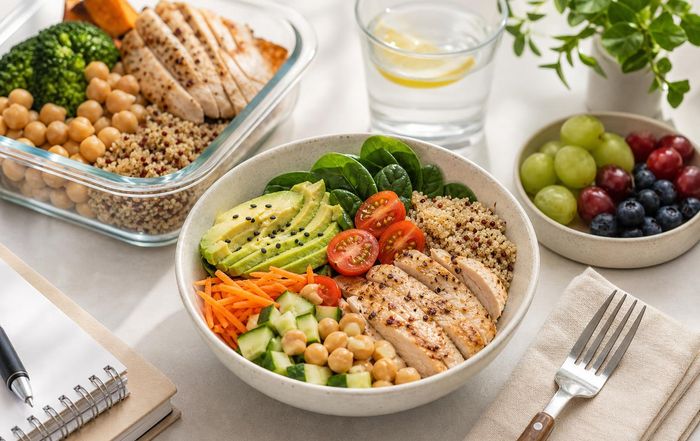
A classic example is a roasted vegetable and grain bowl. On one evening, roast a large tray of mixed vegetables-such as sweet potatoes, bell peppers, zucchini, carrots, and red onions-with olive oil, salt, and spices. At the same time, cook a pot of quinoa, brown rice, or another whole grain. Store them separately in the refrigerator. For lunch, combine a portion of grain and vegetables with a ready protein like rotisserie chicken, marinated tofu, or canned beans, and top with a tahini or yogurt-based sauce. Whole grains and vegetables provide fiber that the European Food Safety Authority associates with improved digestive health and satiety (EFSA dietary fiber opinion), while the added protein helps maintain lean body mass.
Soups and stews are another efficient choice. Lentil soup, vegetable minestrone, or chicken and barley stew can be prepared in large batches and frozen in individual portions. Many legumes, including lentils and beans, offer a combination of protein, complex carbohydrates, and iron, which is particularly relevant for people following plant-based diets. The FAO (Food and Agriculture Organization of the United Nations) has highlighted pulses as nutrient-dense, sustainable foods that can help diversify diets globally (FAO pulses overview). Pairing a hearty soup with a slice of whole-grain bread and a side of raw vegetables or fruit results in a balanced meal that reheats quickly.
For those who enjoy pasta, baked pasta dishes can be adapted to include more vegetables and lean protein. Whole-wheat or legume-based pasta combined with plenty of vegetables, tomato sauce, and a moderate amount of cheese or a dairy-free topping can be baked in a large dish, portioned, and reheated over several days. Choosing tomato-based sauces instead of heavy cream sauces usually reduces saturated fat and calories while providing lycopene, an antioxidant found in cooked tomatoes that some studies associate with photoprotection for the skin. Readers interested in how ingredients like tomatoes, leafy greens, and healthy fats contribute to a "beauty from within" approach may find more context in the site's beauty and guides and tips sections.
Portable Lunches for Commuters and On-the-Go Days
Many people need lunches that travel well and can be eaten at a desk, in a car (when parked), or between meetings. In these cases, portability and minimal mess are as important as nutrition. Wraps, sandwiches, and layered jars are particularly helpful because they pack compactly and can be eaten without elaborate tableware.
Whole-grain wraps or pitas filled with a protein, vegetables, and a spread can be assembled in a few minutes. For example, a wrap might include hummus, sliced grilled chicken or baked tofu, shredded carrots, cucumber, and spinach. Another variation could pair canned salmon or tuna with Greek yogurt, herbs, and crunchy vegetables. The Cleveland Clinic provides practical guidance on building healthier sandwiches and wraps by prioritizing whole-grain breads, lean proteins, and plenty of vegetables while limiting processed meats and high-sodium condiments.
Layered salads in jars are popular because they keep ingredients fresh until lunchtime. The usual method is to place the dressing at the bottom, followed by sturdy vegetables like carrots, cucumbers, and beans, then grains or proteins, and finally delicate greens at the top. When ready to eat, the jar is shaken or the contents are tipped into a bowl. This structure prevents lettuce from becoming soggy and allows salads to stay crisp for several days. Including a variety of colors not only makes the meal visually appealing but also tends to increase the range of micronutrients and phytochemicals.
Bento-style boxes also work well for commuters who prefer to graze rather than eat a single dish. A balanced box might contain sliced boiled eggs or edamame, whole-grain crackers, raw vegetables, a small portion of cheese or hummus, and fruit. The Australian Government's Eat for Health guidelines emphasize the value of including foods from multiple core food groups in each meal, which bento boxes can accommodate well (Eat for Health lunch ideas). For those managing portion sizes, using containers with separate compartments can help visually balance proteins, grains, and produce.
Quick Lunches That Support Skin and Hair Health
For readers particularly interested in beauty, certain lunchtime choices can complement topical skincare and haircare routines. While no single food can replace a consistent skincare routine, a pattern of nutrient-dense meals supports the body's ability to repair and renew tissues, manage inflammation, and maintain hydration.
Protein is central because skin, hair, and nails are built from structural proteins like collagen and keratin. Including a good protein source at lunch-fish, poultry, eggs, dairy, tofu, tempeh, beans, or lentils-helps provide the amino acids the body needs for maintenance and repair. Research summarized by the International Society for Nutritional Psychiatry Research also suggests that adequate protein intake, combined with complex carbohydrates and healthy fats, supports more stable mood and cognitive function, which can indirectly influence lifestyle choices related to sleep and self-care.
Antioxidant-rich fruits and vegetables can help counter some of the oxidative stress generated by UV exposure and pollution. Berries, citrus fruits, leafy greens, tomatoes, and brightly colored peppers are all rich in vitamin C and various flavonoids. The Linus Pauling Institute at Oregon State University notes that vitamin C is required for normal collagen synthesis and contributes to skin structure and resilience (LPI vitamin C overview). A simple lunch that leverages this might be a quinoa salad with spinach, cherry tomatoes, bell peppers, chickpeas, and a lemon-tahini dressing, accompanied by an orange or handful of berries.
Healthy fats, especially omega-3 fatty acids, are associated with more supple skin and may help manage certain inflammatory skin conditions when combined with medical care. Including a small portion of fatty fish, walnuts, chia seeds, or flaxseeds at lunch a few times a week can help. Hydrating foods such as cucumbers, watermelon, and leafy greens contribute to overall water intake, though they do not replace the need for drinking fluids throughout the day. For a more detailed exploration of how diet intersects with complexion, the site's trends and technology beauty pages sometimes cover emerging research on ingestible beauty supplements and functional foods, including where evidence is still limited or mixed.
Balancing Convenience Foods and Takeaway Options
Busy schedules often mean relying on cafeteria food, convenience items, or delivery. While home-prepped lunches allow the most control, it is possible to make relatively balanced choices when eating out or shopping at the last minute, especially with a few non-negotiables in mind. The aim is not perfection but better choices within real-world constraints.
When choosing prepared salads, grain bowls, or sandwiches from supermarkets or cafés, scanning for options that include visible vegetables, a lean protein, and a whole-grain base is a practical starting point. Many chains now publish nutrition information online; checking sodium content can be particularly useful, as highly processed lunches can easily exceed daily recommendations. The World Health Organization advises adults to limit sodium intake to less than 2 grams per day (about 5 grams of salt), linking higher intakes to increased blood pressure and cardiovascular risk (WHO sodium intake guideline). Choosing dressings and sauces on the side allows better control over salt and added sugars.
Convenience items like instant soups, frozen meals, and pre-made sandwiches can be upgraded with simple add-ins. For example, adding a handful of frozen vegetables and canned beans to instant soup increases fiber and protein while diluting sodium somewhat. Pairing a frozen entrée with a side salad and fruit can transform an otherwise unbalanced meal. The Harvard School of Public Health suggests focusing on the overall pattern of eating rather than individual meals, which can help reduce guilt around occasional less-than-ideal choices (Harvard nutrition source - healthy eating pattern).
For folks interested in how food choices intersect with budget, workplace culture, and broader lifestyle, the site's business and finance and jobs and employment sections sometimes address practical issues such as managing healthy eating when working long shifts or in high-pressure environments. These contexts can significantly influence lunchtime decisions, so strategies that account for them are often more sustainable than purely nutritional advice.
Making Balanced Lunches a Sustainable Habit
Sustaining a balanced lunch routine over months or years usually depends less on willpower and more on systems that reduce friction. Small, repeatable habits-like preparing one extra portion of dinner for the next day's lunch, keeping a standard grocery list of "lunch basics," or packing lunch the night before-can make midday meals feel almost automatic. Setting realistic expectations is equally important; a simple wrap with hummus and vegetables or a store-bought salad upgraded with a handful of nuts is still a success compared with skipping lunch altogether.
It can also be helpful to view lunch as part of a broader self-care routine that includes sleep, movement, and skincare. For people who enjoy structure, aligning lunch with a consistent daily ritual-such as a short walk, a few minutes of stretching, or a brief digital break-can reinforce the habit. Over time, many find that better midday nutrition improves afternoon focus and mood, which in turn makes it easier to maintain other healthy routines.
Happy and hungry people who want to continue exploring how everyday choices-from meals to makeup-shape wellbeing can browse the site's main homepage or dive deeper into areas like makeup, fashion, and events, where lifestyle and beauty intersect in practical ways. However busy the schedule, a few thoughtful strategies can turn lunch from an afterthought into a quiet anchor point in the day-supporting energy, appearance, and overall resilience with far less effort than many people expect.
