
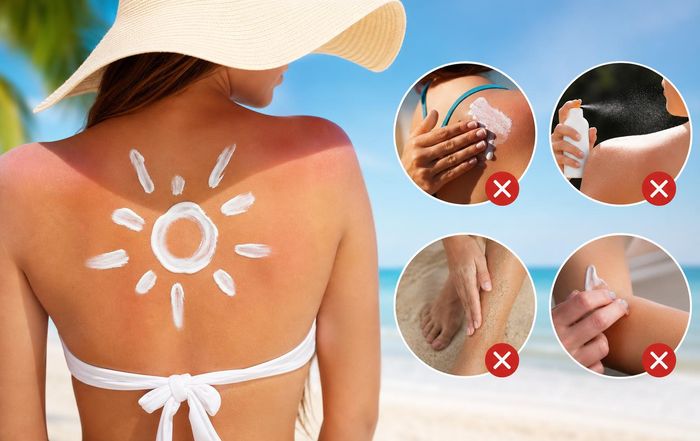
Body Sunscreen Mistakes That Leave Skin Unprotected
Body sunscreen is one of the simplest, most effective tools for preventing skin cancer, premature aging, and uneven tone-yet many people still end up sunburned even when they think they are doing everything right. The gap is rarely the product itself; it is far more often how, when, and where it is used. Dermatology and public-health guidance from organizations such as the American Academy of Dermatology and the World Health Organization consistently show that incorrect application, under-dosing, and misplaced confidence are among the main reasons sunscreen fails in real life, even if it performs perfectly in the lab. Understanding the most common mistakes and how to correct them can transform sunscreen from a box-ticking step into real protection that preserves both skin health and cosmetic appearance over time.
Misunderstanding SPF Numbers
One of the most persistent sources of confusion is what SPF actually means. SPF, or Sun Protection Factor, is measured in controlled conditions based on UVB protection-UVB being the primary cause of sunburn and a contributor to skin cancer. According to the U.S. Food and Drug Administration (FDA), SPF 30 theoretically allows a person to stay in the sun 30 times longer before burning than without protection, assuming the sunscreen is applied at the tested dose and reapplied as directed. In practice, most people apply far less than the testing standard and do not reapply, which means the real-world protection is significantly lower than the label suggests. It is also important to recognize that SPF does not measure UVA protection, which is linked to deeper skin damage and photoaging, so a high SPF alone is not enough unless the product is labeled "broad spectrum."
Another misconception is assuming that SPF 100 offers more than triple the protection of SPF 30. In reality, SPF 30 filters about 97% of UVB rays, SPF 50 about 98%, and SPF 100 around 99% under testing conditions, as explained by the American Cancer Society. The difference between SPF 50 and SPF 100 is only a small percentage of additional UVB blocked, and that margin can easily be erased by using too little product or missing areas. This does not mean high-SPF products are useless; they can offer a buffer for under-application. However, relying on a very high SPF instead of good habits-like thorough coverage and regular reapplication-is a mistake that often leaves skin less protected than people assume, particularly during long days outdoors or near reflective surfaces like water and snow.
A related error is assuming that once a high-SPF sunscreen is on, reapplication is optional. SPF does not measure how long a product lasts on skin; it measures the level of UVB filtration under fixed conditions. Sweat, water, friction from towels or clothing, and natural skin oils all wear sunscreen away. Even so-called "water-resistant" formulas are only tested to maintain their labeled SPF level for 40 or 80 minutes of water exposure. The Skin Cancer Foundation emphasizes that reapplying every two hours and immediately after swimming or sweating heavily is essential, no matter how high the SPF. Treating SPF as a one-and-done shield is one of the most common and consequential sunscreen mistakes.
For readers who want to integrate sunscreen more intelligently into their overall skincare, exploring broader skincare guidance and daily routines can help put SPF numbers in the right context rather than treating them as magic values.
Forgetting About UVA and Broad-Spectrum Protection
Focusing only on SPF without checking for broad-spectrum coverage leaves a large part of the UV spectrum unaddressed. UVB rays are responsible for most visible sunburns, but UVA rays penetrate deeper into the dermis, contributing to collagen breakdown, hyperpigmentation, and skin cancers. Research summarized by the World Health Organization and the International Agency for Research on Cancer shows that cumulative UVA exposure plays a significant role in photoaging and melanoma risk, even through glass and on cloudy days. Many older or basic sunscreens primarily target UVB, which can give a false sense of security: the skin may not burn as quickly, but damage still accumulates silently in deeper layers.
In many regions, including the United States, the term "broad spectrum" on a label indicates that a product meets regulatory requirements for both UVA and UVB protection. In parts of Europe and Asia, additional markings-such as the UVA-in-a-circle logo or the PA system (e.g., PA+++)-help consumers gauge UVA coverage more specifically. The European Commission and regulatory bodies in markets such as Japan and South Korea have published technical guidance on UVA testing, and many modern filters like bemotrizinol (Tinosorb S) and bisoctrizole (Tinosorb M) are designed to offer strong UVA defense. However, not all products globally use these newer filters, and some body sunscreens still rely on older UVA filters with narrower coverage, especially in budget or legacy formulas.
For practical purposes, choosing a body sunscreen labeled broad spectrum from a reputable manufacturer is the simplest step. Consumers who are particularly concerned about pigment issues, such as melasma or post-inflammatory hyperpigmentation, may benefit from formulas that emphasize UVA protection or incorporate mineral filters like zinc oxide, which inherently cover a wide UV range. Integrating broad-spectrum sunscreen with other protective habits-such as limiting midday sun and using clothing with UPF-rated fabrics-can create a layered defense that goes beyond what any single product can provide. Readers interested in how sun exposure interacts with pigmentation, texture, and long-term skin quality can find complementary information in our beauty and trends sections, where sun-safe makeup and fashion choices often intersect with UV awareness.
Using Too Little Product (And Not Reapplying)
Probably the single biggest practical mistake is not using enough sunscreen on the body. Sunscreen testing protocols, such as those referenced by the FDA and European standards (ISO 24444), apply 2 milligrams of product per square centimeter of skin. For the average adult, that equates to roughly 30-35 milliliters-about an ounce, or a generous shot-glass amount-for full-body coverage in swimwear. Surveys and observational studies reported in journals like Photodermatology, Photoimmunology & Photomedicine consistently find that most people use only a quarter to half this amount, slashing real-world protection far below the labeled SPF. In practice, under-applying an SPF 50 can result in protection closer to SPF 10-15, which is inadequate for prolonged outdoor exposure.
The problem is compounded by inconsistent reapplication. Even when people start with a reasonable amount, they often fail to reapply after swimming, sweating, or toweling off, and they rarely maintain the recommended two-hour schedule during extended time outside. The Centers for Disease Control and Prevention (CDC) reiterates that sunscreen needs to be reapplied at least every two hours and after water exposure to remain effective. This applies equally to creams, lotions, sprays, and sticks. Water-resistant formulas are designed to cling better during swimming or sweating, but they still degrade over time and with friction, so the clock does not stop once they are applied.
A practical strategy is to treat sunscreen like a finite resource per outing rather than a single squeeze. For a beach day or outdoor sports session, planning to use at least a quarter to half of a standard 150-200 ml body sunscreen bottle per person is a reasonable rule of thumb. For daily urban use with partial body exposure, less is required but should still be generous on areas like arms, neck, and legs. Pairing sunscreen with other wellness habits-such as seeking shade during peak UV hours and staying hydrated-helps reduce the burden on the product alone to carry all the protective work.
Relying Too Heavily on Spray Sunscreens and Mists
Spray sunscreens and body mists are popular because they feel light, quick, and convenient, particularly for hard-to-reach areas like the back. However, they are also one of the easiest ways to under-apply without realizing it. The American Academy of Dermatology notes that sprays can be effective if used correctly, but that most people do not spray long or close enough, and they often fail to rub the product in, leaving patchy coverage. Wind, outdoor conditions, and overspray further reduce how much actually reaches the skin, which is especially problematic at the beach or poolside where people rely most heavily on these formats.
Another concern is inhalation. Regulatory agencies, including the FDA and Health Canada, have highlighted that aerosol sunscreens should not be sprayed directly onto the face or near the mouth and nose. Instead, they recommend spraying into the hands first and then applying to the face to minimize inhalation of propellants and fine droplets. Some aerosol products have also been subject to recalls in recent years due to contamination with benzene, a known carcinogen, as reported by the U.S. FDA and independent testing from groups like Valisure. While these recalls do not implicate all spray sunscreens, they underscore the importance of checking recall notices and purchasing from reputable brands that perform robust quality control.
For those who enjoy the ease of sprays, a more protective routine is to use them as a top-up or for specific zones rather than as the sole form of sun protection. Sprays can be especially helpful for reapplying over large areas or on hairy skin, but starting with a cream or lotion base layer applied generously to the entire body provides a more reliable foundation. Rubbing in the spray after application, spraying until the skin glistens uniformly, and applying in a wind-sheltered area all help improve coverage. Readers interested in product textures, finishes, and innovations in delivery systems can explore our brands and products and technology beauty pages, where we often discuss how different formats perform in real life.
Missing Key Areas of the Body
Even diligent sunscreen users commonly miss specific zones, leading to localized burns and long-term damage in those neglected areas. Dermatologists frequently point out that the ears, back of the neck, scalp (especially along part lines), tops of the feet, backs of the hands, and areas around swimsuit edges are among the most overlooked. A study in the Journal of the American Academy of Dermatology found that people often miss more than 10% of exposed skin when applying sunscreen without guidance. This is not just a cosmetic issue; skin cancers, including basal cell carcinoma and squamous cell carcinoma, are relatively common on the ears, scalp, and backs of the hands, where chronic UV exposure meets inconsistent protection.
The lips are another vulnerable area that many people ignore when thinking about body sunscreen. The Skin Cancer Foundation notes that the lower lip, in particular, receives a high dose of UV radiation and is a frequent site of actinic damage and non-melanoma skin cancers. Regular lip balms with SPF 30 or higher, reapplied throughout the day and especially after eating or drinking, can significantly reduce this risk. Similarly, the eyes and the thin skin around them are sensitive to both UV damage and irritation from products, which can lead people to avoid applying sunscreen too close to the area. Using ophthalmologist-tested formulas and pairing them with UV-blocking sunglasses that meet standards such as those outlined by the American Optometric Association can protect both skin and ocular health.
Clothing and accessories can compensate for application gaps when used strategically. Wide-brimmed hats, UPF-rated swim shirts, and long-sleeved cover-ups reduce the amount of skin that needs sunscreen and help protect areas that are easy to miss or difficult to reach. This layered approach is especially useful for children, people with very fair or photosensitive skin, and anyone with a history of skin cancer. For readers interested in integrating sun protection seamlessly into their style, our fashion coverage often highlights pieces and fabrics that support both aesthetics and UV defense.
Applying at the Wrong Time-or Not Often Enough
Timing is another subtle but important factor. Many people apply sunscreen only after they arrive at the beach, park, or event, which means their skin is exposed during the initial minutes when UV intensity may already be high. Most chemical (organic) filters need approximately 15 minutes on the skin to form an even film and reach their intended performance, a guideline echoed by organizations like the American Academy of Dermatology. Physical (mineral) filters such as zinc oxide and titanium dioxide begin working as soon as they are evenly applied, but they can still be rubbed or sweated off quickly if clothing is pulled on immediately or if the product is not allowed to set. Applying body sunscreen at home, before getting dressed or at least before going outdoors, reduces the risk of early exposure and patchy coverage.
Reapplication timing is equally important. The two-hour rule is not arbitrary; it reflects how long typical formulations maintain consistent coverage under real-world conditions. High temperatures, humidity, sand friction, and water all accelerate wear. The CDC and World Health Organization both advise reapplying more frequently during intense outdoor activities, especially swimming and sports. Yet in practice, many people reapply only once during an entire day at the beach, or not at all if they do not feel themselves burning. Because UV damage occurs before visible redness appears, waiting for discomfort as a cue is inherently too late.
Integrating reapplication into routines can make it more realistic. For example, linking sunscreen top-ups to specific moments-after each swim, before lunch, mid-afternoon-helps turn it into a habit rather than an afterthought. Keeping travel-sized lotions or sticks in bags and cars, and setting subtle reminders on phones during prolonged outdoor events, can make adherence easier. Those building broader health and fitness or outdoor routines might consider sun protection scheduling alongside hydration breaks and rest intervals.
Assuming Darker Skin Does Not Need Sunscreen
Another widespread misconception is that people with medium to deep skin tones do not need sunscreen on the body because they rarely burn. While melanin does provide some natural UV protection, estimates from sources such as the Skin Cancer Foundation suggest that even the darkest skin tones correspond roughly to an inherent SPF of around 13, which is below the minimum SPF 30 recommended by most dermatology organizations. Moreover, darker skin can still develop skin cancers, including melanoma, which are often diagnosed later and at more advanced stages in people of color, as highlighted by research cited by the American Academy of Dermatology and American Cancer Society. Delayed diagnosis is partly due to the misconception that darker skin is immune to UV-related damage.
Beyond cancer risk, UV exposure in deeper skin tones can worsen hyperpigmentation, melasma, and uneven tone-concerns that are both medical and cosmetic. UVA-driven processes can lead to persistent dark spots and textural changes that many individuals then try to correct with brightening treatments, peels, and other interventions. Regular use of broad-spectrum sunscreen, especially on commonly exposed areas like arms, legs, chest, and hands, helps prevent these issues from worsening and supports more even, luminous skin over time. For readers particularly focused on tone and texture, our guides and tips often explore how sun protection intersects with treatments for discoloration and post-acne marks.
Choosing body sunscreens that are cosmetically elegant on deeper skin tones-avoiding heavy white cast or ashy residue-can make daily use far more realistic. Many newer chemical formulas and micronized or tinted mineral options are designed specifically to minimize visible residue on a wide range of complexions. Testing a small amount on the forearm or chest before committing to a full-body application can help identify products that blend well and feel comfortable for long-term use.
Trusting Makeup, SPF Clothing, or Shade Alone
Relying on non-sunscreen products or partial protection strategies as a complete replacement is another way skin ends up unprotected. Body makeup, tinted moisturizers, and foundations with SPF can contribute to UV defense on the face and décolletage, but they are rarely applied in the quantities needed to reach the labeled SPF. Studies published in journals like Photodermatology, Photoimmunology & Photomedicine have shown that people typically use a fraction of the amount required, meaning an SPF 30 foundation may perform closer to SPF 5-10 in practice. On the body, where makeup is used more sparingly, the gap is even greater. Treating these products as a supplement over a dedicated sunscreen, rather than a substitute, is a safer approach.
Similarly, shade and clothing are invaluable but not absolute. Tree shade and umbrellas reduce but do not eliminate UV exposure, especially from reflected and scattered light. Sand, water, snow, and even concrete can bounce a significant percentage of UV rays back onto the skin, as explained by resources from the World Health Organization and national meteorological agencies. Regular fabrics without a UPF rating can vary widely in their protective capacity depending on weave, color, and wetness; a light cotton T-shirt may provide only the equivalent of SPF 5-10, and its protection drops when wet. UPF-rated clothing and swimwear, as certified by standards referenced by organizations like the Skin Cancer Foundation, provide more predictable coverage, but exposed areas still need sunscreen.
A balanced strategy is to treat sun protection as a system: broad-spectrum sunscreen on all exposed skin, UPF clothing and hats for high-exposure situations, UV-blocking sunglasses, and mindful use of shade during peak hours. This holistic approach not only lowers health risks but also supports aesthetic goals, from preserving elasticity to maintaining even tone. Readers exploring how sun safety can coexist with style and performance can find more ideas in our beauty, fashion, and routines coverage.
Choosing the Wrong Formula for the Situation
Not all body sunscreens are suited to every activity or environment, and mismatching formula to context can quietly undermine protection. For high-sweat or water-intensive situations-such as swimming, surfing, or outdoor sports-using a non-water-resistant lotion may mean it rinses or drips away quickly, even if applied generously. Regulatory guidance from the FDA and equivalent agencies specifies that products labeled "water-resistant" must maintain their stated SPF for 40 or 80 minutes of water immersion, after which reapplication is required. For long days in and out of the water, choosing an 80-minute water-resistant formula and reapplying on schedule is more reliable than using a more elegant but non-water-resistant everyday lotion.
Skin type also matters. People with acne-prone or sensitive skin sometimes avoid body sunscreen on the back, chest, or shoulders because of breakouts or irritation, leaving these high-exposure areas unprotected. Looking for non-comedogenic, fragrance-free options and patch testing new products on a small area can reduce the risk of reactions. The American Academy of Dermatology recommends mineral sunscreens (zinc oxide, titanium dioxide) as often better tolerated by very sensitive or rosacea-prone skin, although modern chemical filters in many Korean and European formulas are also designed with sensitivity in mind. Conversely, very dry skin may benefit from richer cream-based sunscreens that double as moisturizers, while oily or hot-climate users may prefer gels or lightweight milky lotions.
Environmental considerations are another emerging factor. Some regions, such as Hawaii and parts of Palau and Thailand, have enacted restrictions on certain UV filters like oxybenzone and octinoxate in an effort to protect coral reefs, as summarized by the National Ocean Service (NOAA) and local government publications. While the science on sunscreen and coral health is still developing and sometimes debated, travelers to these destinations may need to select reef-conscious formulas that comply with local regulations. Checking official tourism or government websites for up-to-date rules before travel can prevent last-minute product changes and ensure both skin and local ecosystems are respected.
Overlooking Children's and Teens' Specific Needs
Children and teenagers often spend significant time outdoors, and UV exposure in early life has a strong influence on lifetime skin cancer risk. The World Health Organization and American Cancer Society note that blistering sunburns in childhood and adolescence are particularly associated with increased melanoma risk later on. Yet in busy family routines, sunscreen may be applied hurriedly, unevenly, or only once at the start of the day. Kids are also more likely to rub or wash sunscreen off through play, sand, and water, and less likely to remember reapplication without adult guidance.
Choosing child-friendly formulas that are comfortable and easy to use can improve compliance. Many pediatric dermatologists recommend mineral-based sunscreens for younger children, especially under age six, because they tend to be less irritating and start working immediately. However, the most effective sunscreen is the one a child will actually tolerate, so lightweight, fragrance-free chemical formulas may be more realistic for some families. The American Academy of Pediatrics suggests that for infants under six months, direct sun exposure should be minimized, with shade and protective clothing as the primary strategies; small amounts of sunscreen on exposed areas can be used if shade and clothing are not available, but it should not be the first line of defense.
For teens, appearance and texture often matter as much as health messaging. Greasy or sticky formulas may be rejected, while invisible gels, mists (used correctly), or hybrid formulas that feel more like skincare can be more acceptable. Educating teens about the connection between sun exposure and acne marks, premature wrinkles, and uneven tone can be more motivating than abstract cancer statistics alone. Integrating sun protection into other conversations about makeup, beauty routines, and wellness often resonates more with this age group than stand-alone lectures about risk.
Turning Better Habits into Everyday Protection
Avoiding sunscreen mistakes is less about perfection and more about making a few key shifts that reliably keep skin safer. Understanding that SPF measures lab-tested UVB filtration rather than real-world durability, choosing broad-spectrum formulas, applying more product than feels instinctive, and reapplying on a schedule all dramatically improve protection without requiring complex routines. Being mindful of commonly missed areas, matching formulas to activities and skin type, and recognizing that all skin tones benefit from sun protection helps ensure that effort actually translates into results.
Body sunscreen works best as part of a broader, realistic approach to sun safety that fits a person's lifestyle, climate, and aesthetic preferences. Integrating protective clothing, shade, and smart scheduling of outdoor time reduces reliance on any single step. For those refining their daily habits, exploring related top docs on skincare, guides and tips, and health and fitness can provide additional context on how UV exposure intersects with everything from skin aging to performance and recovery. With a few informed adjustments, sunscreen can move from being a box to tick on sunny holidays to a reliable, everyday ally in maintaining both the health and appearance of the skin.
