
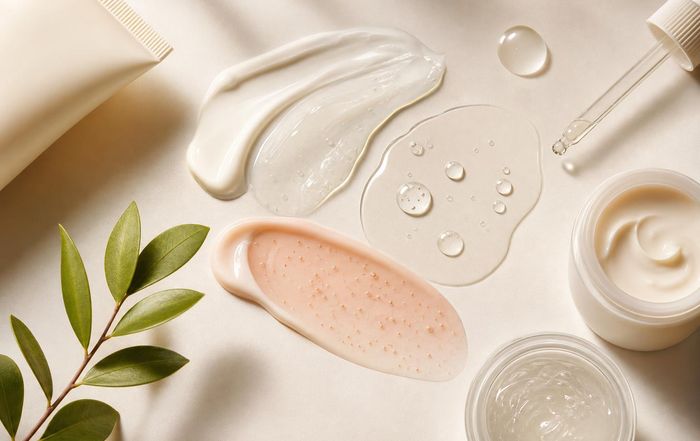
Why Texture Matters When Choosing Skincare Products
The Quiet Power of Texture in Modern Skincare
As the global beauty market becomes more sophisticated and data-driven, texture has emerged from being a secondary consideration to a central decision factor in skincare. Consumers across North America, Europe, Asia, Africa and South America are no longer satisfied with products that simply promise results; they expect formulations that feel intuitive on the skin, integrate seamlessly into daily routines, and align with personal preferences and cultural expectations. For the audience of BeautyTipa and its international community of beauty-savvy readers, understanding why texture matters is no longer a matter of indulgence, but a strategic choice that influences efficacy, adherence and long-term skin health.
Behind every cream, serum or gel, teams of chemists and dermatologists work to balance stability, performance and sensory experience. Texture is the visible and tactile outcome of that work, and it profoundly shapes how active ingredients are delivered, how consistently a product is used, and how trustworthy a brand appears to its customers. As leading dermatology organizations such as the American Academy of Dermatology explain in their educational resources, product tolerability and user comfort are crucial to treatment success, especially for chronic conditions such as acne, rosacea or eczema, where irritation can quickly derail even the most carefully designed regimen. Learn more about how dermatologists approach product tolerability at the American Academy of Dermatology.
For BeautyTipa, which serves readers exploring skincare, beauty, wellness and related lifestyle topics, texture is a unifying theme that connects science, sensorial pleasure and business strategy. It is a lens through which to evaluate products, routines and even the future of beauty technology.
The Science Behind Texture: Formulation, Delivery and Skin Biology
Texture begins at the microscopic level, long before a consumer opens a jar or pumps a bottle. Formulators decide whether a product will be a lotion, gel, balm, oil, foam, stick or hybrid by manipulating emulsion systems, thickeners, solvents, silicones, esters and waxes. These decisions determine not only how a product feels, but how quickly it penetrates, how it interacts with sebum and moisture, and how compatible it is with different skin types.
The British Association of Dermatologists and similar professional bodies highlight that the skin's barrier, composed mainly of lipids and corneocytes, is more than a passive wall; it is a dynamic structure that responds differently to water-based and oil-based formulations. Those interested in the biology of the skin barrier can explore resources from the British Association of Dermatologists. Lightweight emulsions and gels often rely on higher water content and humectants to provide immediate freshness, while richer creams and balms use occlusive and emollient components to reduce transepidermal water loss. The perceived texture is, therefore, a direct expression of how a formula is engineered to support or modify the barrier.
Texture also influences the rate and depth of active ingredient delivery. Studies summarized by institutions such as Harvard Medical School show that certain actives, including retinoids and vitamin C, can be more irritating when delivered in fast-penetrating, low-viscosity vehicles, whereas thicker textures may buffer their impact while still allowing clinically meaningful absorption. Readers who wish to understand more about how topical ingredients penetrate the skin can explore dermatology insights at Harvard Health Publishing. This balance between performance and comfort is especially relevant in 2026, as consumers in markets such as the United States, United Kingdom, Germany, South Korea and Japan increasingly combine multiple actives in complex routines.
For BeautyTipa, aligning scientific understanding with real-world usage is a core editorial priority. The platform's guides on routines help readers translate abstract formulation concepts into practical choices, enabling them to select textures that match their skin biology, climate and lifestyle.
Texture and Skin Type: Matching Feel to Function
Every skin type interacts differently with texture, and this interaction is influenced by genetics, age, climate, environment and even local water quality. In humid regions such as Singapore, Thailand and Brazil, occlusive, heavy creams may feel suffocating and increase the perception of oiliness, while in cold, dry climates such as Scandinavia or Canada, feather-light gels can leave the skin feeling tight and undernourished.
Oily and combination skin types often benefit from gel-cream or fluid textures that incorporate non-comedogenic emollients and film-formers, allowing for hydration without a greasy residue. Organizations such as the Mayo Clinic and Cleveland Clinic provide guidance on managing oily and acne-prone skin, emphasizing the role of non-comedogenic textures and gentle vehicles in preventing pore congestion and irritation. Those seeking clinical perspectives on oily skin management can consult resources at Mayo Clinic or Cleveland Clinic.
Dry and mature skin, more prevalent in older populations in Europe, North America and parts of East Asia, often requires richer creams, balms or oils that mimic the skin's natural lipid matrix. These textures can restore comfort and reduce flakiness, but they must be carefully formulated to avoid occluding pores or disrupting the microbiome. For readers of BeautyTipa, understanding the nuanced role of emollients and occlusives is particularly important when evaluating anti-aging products and night treatments, topics frequently explored in the site's brands and products coverage.
Sensitive and reactive skin, increasingly reported among urban populations exposed to pollution and stress, demands textures that minimize friction, fragrance and potential irritants. Creamy, cushiony emulsions and milky serums are often preferred over foaming or alcohol-heavy formats, as they reduce mechanical and chemical stress on the skin. Organizations such as the National Eczema Association provide recommendations on texture and formulation choices for compromised skin barriers, which can be reviewed at the National Eczema Association.
By aligning product textures with specific skin types and regional conditions, brands and consumers can significantly improve adherence to skincare regimens, a point that BeautyTipa emphasizes in its educational guides and tips designed for a global audience from the United States to South Africa and from France to Malaysia.
Texture as a Driver of Routine Adherence and Consumer Behavior
A product that feels unpleasant, sticky or heavy is unlikely to be used consistently, regardless of its active ingredients or marketing claims. This simple behavioral truth has profound implications for both consumers and businesses. In 2026, as multi-step routines remain popular in South Korea, Japan and increasingly in Western markets, texture compatibility across products becomes essential to prevent pilling, residue and discomfort.
Behavioral science research published by institutions such as Stanford University and University College London underscores that habit formation relies on reducing friction and increasing immediate reward, both of which are heavily influenced by sensory experience. Readers who wish to explore the science of habit formation can consult resources from Stanford Medicine or UCL. A serum that glides smoothly and absorbs quickly, a moisturizer that leaves a soft, non-tacky finish, or a sunscreen that does not leave a white cast are more likely to become part of a stable daily routine, especially for busy professionals in cities such as New York, London, Berlin, Singapore or Sydney.
For BeautyTipa, which regularly covers trends and routine optimization, texture is framed not merely as a preference but as a strategic tool to support adherence. A carefully structured routine might pair a lightweight antioxidant serum with a gel moisturizer in the morning for those in warmer climates, while recommending a richer cream texture at night for readers in colder regions. When products layer smoothly without pilling or causing shine, users are more inclined to maintain their regimen, which in turn improves long-term outcomes and satisfaction.
From a business perspective, texture can also influence repurchase rates and brand loyalty. Data-driven beauty companies now analyze user reviews, social media sentiment and return rates to identify textural pain points. Platforms such as NielsenIQ and McKinsey & Company have highlighted the growing importance of consumer experience metrics in the beauty sector, as discussed in industry analyses available at NielsenIQ and McKinsey & Company. Brands that fail to meet textural expectations risk losing market share, even when their ingredient lists appear compelling on paper.
Cultural and Regional Perspectives on Texture
Texture preferences are deeply shaped by culture, climate and beauty ideals. In South Korea and Japan, where the concept of "chok-chok" or dewy, hydrated skin remains influential, lightweight, watery essences and gel textures are highly valued, especially in humid summers. In contrast, in parts of Europe such as France, Italy and Spain, there is a long tradition of rich creams and balms inspired by pharmacy heritage and spa culture, where a sense of nourishment and comfort is prized.
In North America, consumers in the United States and Canada often seek a balance between efficacy and convenience, favoring textures that absorb quickly and work well under makeup, reflecting the fast-paced nature of urban life and the influence of multitasking products. In Nordic countries such as Sweden, Norway, Denmark and Finland, where winters are long and dry, thicker creams and barrier-repair balms have gained popularity, particularly among those engaged in outdoor activities and winter sports.
Emerging markets in Asia, Africa and South America are also shaping the global conversation on texture. In countries such as Brazil and South Africa, sun exposure and heat drive demand for non-greasy sunscreens and mattifying moisturizers that resist sweat and humidity. In Southeast Asia, including Malaysia and Thailand, consumers often prefer ultra-light, fast-absorbing textures that do not exacerbate shine in tropical climates.
These regional nuances are important for international readers of BeautyTipa, which maintains an international focus on how beauty practices differ across continents. Understanding cultural expectations around texture can help brands tailor formulations and marketing messages, while helping consumers interpret global product reviews through the lens of local conditions.
Texture, Technology and Innovation in 2026
The year 2026 has seen remarkable advances in how brands design and test textures. Artificial intelligence and machine learning are increasingly used to predict user preferences based on climate data, skin type information and historical purchase behavior. Technology-focused consultancies and research organizations, such as MIT Media Lab and Fraunhofer Institutes, have explored how haptics, sensors and materials science can be integrated into product development and testing, and interested readers can learn more about such cross-disciplinary innovation at MIT or Fraunhofer.
In practical terms, this means brands can now simulate how a formula will spread, absorb and feel on different skin types before large-scale production, reducing waste and speeding up innovation cycles. Texture-modifying ingredients, such as novel silicones alternatives, bio-based polymers and encapsulation systems, are enabling lighter yet more stable formulations, often with improved environmental profiles. This is particularly relevant as consumers increasingly demand sustainable products without compromising sensorial quality.
Smart devices and skin-analysis apps, which are frequently covered in BeautyTipa's technology beauty section, are also beginning to provide feedback on how products behave on the skin over time. By analyzing shine, redness or dryness across the day, these tools can indirectly evaluate whether a chosen texture is appropriate for a given user and environment. This feedback loop is likely to strengthen over the next few years, giving both consumers and brands more data on the real-world performance of different textures.
At the same time, the rise of virtual try-on and augmented reality experiences, pioneered by companies such as L'Oréal and Estée Lauder Companies, is extending beyond color cosmetics into skincare, allowing users to visualize finish and glow effects associated with certain textures. While these technologies cannot fully replicate tactile sensations, they contribute to more informed decision-making, especially for online shoppers in markets such as the United Kingdom, Germany, the Netherlands and Australia.
Texture, Trust and Brand Positioning
Texture is increasingly becoming a marker of professionalism and expertise in the eyes of consumers. When a product feels elegantly formulated, spreads evenly and integrates well with other steps in a routine, users often infer that the brand has invested in research, testing and high-quality raw materials. Conversely, a product that pills, separates or leaves an unpleasant film can undermine trust, even if it contains respected actives such as niacinamide or peptides.
Reputable health and consumer organizations such as Health Canada, the European Commission and the U.S. Food and Drug Administration (FDA) regulate safety and labeling, but they do not directly regulate sensory quality. Readers interested in regulatory frameworks can explore more at Health Canada, the European Commission or the U.S. FDA. As a result, texture becomes a space where brands differentiate themselves through craftsmanship and user-centric design rather than compliance alone.
For BeautyTipa, which maintains dedicated coverage of business and finance in the beauty industry, texture is a recurring theme in discussions of premiumization and brand equity. Luxury brands often invest heavily in proprietary texture technologies, such as "cushion" gels, transformable balms or "cloud" creams, to justify higher price points and create memorable experiences. At the same time, mass and masstige brands are closing the gap, leveraging advanced emulsifiers and sensory modifiers to deliver textures that feel surprisingly refined for their price.
Transparency also plays a role in building trust. Brands that communicate clearly about why they chose a certain texture for a specific skin concern, and how it affects ingredient delivery and tolerability, tend to resonate with educated consumers in markets such as the United States, United Kingdom, France, South Korea and Japan. BeautyTipa's editorial approach reflects this demand for clarity, offering in-depth features on brands and products that explain not only what is inside a formula, but how it feels and behaves in real life.
Texture Across Categories: From Cleansers to Sunscreens
Within skincare, each product category brings its own textural considerations, and understanding these differences helps consumers build coherent routines that work harmoniously.
Cleansers, for example, range from foaming gels and creams to balms and oils. Foaming textures can provide a satisfying sense of cleanliness, especially for oily skin, but they may be drying if they rely on harsh surfactants. Cream and milk textures are often recommended by dermatologists for dry or sensitive skin, as they cleanse while leaving a soft, protective film. The choice of cleanser texture can significantly affect the skin barrier, a topic frequently discussed by institutions such as the Skin Cancer Foundation and American Academy of Dermatology, whose educational content can be explored at the Skin Cancer Foundation.
Serums tend to favor fluid or gel textures to maximize penetration of concentrated actives. In 2026, consumers are increasingly layering multiple serums, which requires careful attention to compatibility. Water-light textures can be layered more easily, while thicker, silicone-rich serums may be best reserved for targeted use. Moisturizers span an even broader range, from weightless emulsions ideal for hot climates to rich, balm-like creams suited for winter or compromised barriers.
Sunscreens are perhaps the category where texture has undergone the most visible transformation. Historically criticized for being heavy, chalky or greasy, modern sunscreens now include ultra-light gels, fluid milks and invisible sticks that cater to diverse skin tones and preferences. Organizations such as the World Health Organization (WHO) and national health services emphasize daily sun protection as a cornerstone of skin health, and their recommendations can be reviewed at the World Health Organization or national sites such as the UK NHS. Texture plays a decisive role in whether individuals comply with these recommendations, particularly in countries with high UV exposure such as Australia, New Zealand, South Africa and Brazil.
By examining texture category by category, BeautyTipa offers readers a structured way to make informed choices, integrating insights from skincare, health and fitness and even fashion, where makeup finish and clothing materials can interact with skincare feel and performance.
How BeautyTipa Helps Readers Navigate Texture Choices
As the beauty landscape becomes more complex, with thousands of new launches every year across the United States, Europe, Asia and beyond, the role of curated, trustworthy guidance grows more important. BeautyTipa positions itself as a partner in this decision-making process, translating scientific and industry knowledge into accessible, business-savvy content for a global audience.
Through in-depth features on beauty, practical guides and tips and coverage of trends, the platform helps readers understand not only what textures are currently popular, but why they have emerged and how they align with broader shifts in wellness, technology and consumer values. Articles exploring the intersection of skincare and food and nutrition or wellness also highlight how internal and external factors together shape the way skin feels and responds to different formulations.
By placing texture at the center of its editorial approach to skincare, BeautyTipa reinforces the principle that experience and efficacy are inseparable. In 2026, choosing a product is no longer just about reading an ingredient list or following a trend; it is about selecting textures that support daily habits, respect skin biology, reflect cultural preferences and align with personal and professional lifestyles in cities from New York to London, Berlin to Singapore, Seoul to São Paulo.
Ultimately, texture matters because it is where science meets sensation, and where trust is built with every application. For the discerning global audience of BeautyTipa, learning to evaluate and prioritize texture is an essential step toward building smarter, more sustainable and more satisfying skincare routines that will remain relevant well beyond 2026.
