
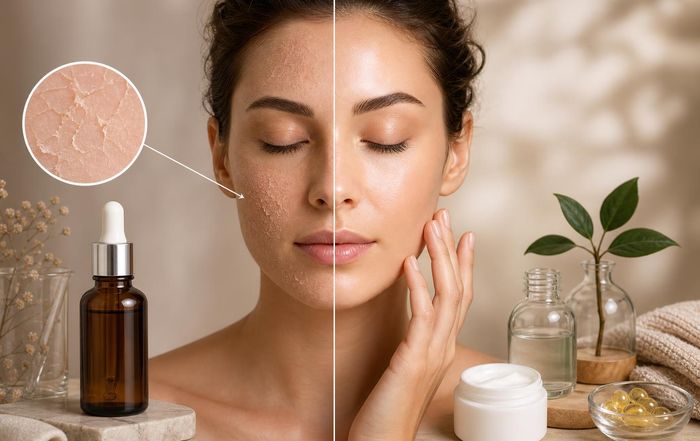
What To Do When Retinol Leaves Your Skin Feeling Dry
Retinol can transform skin texture, fade hyperpigmentation, and soften fine lines, but it also has a reputation for causing tightness, flaking, and irritation-especially in the first few weeks. That uncomfortable phase is so common it has a name: "retinization." Understanding why it happens and how to manage it is the difference between giving up on retinol and actually seeing the results many dermatologists consider the gold standard of topical skincare.
This guide explains what's going on in your skin, how to calm dryness fast, how to adjust your routine so you can keep using retinol safely, and when it's time to stop and seek professional help.
Why Retinol Makes Skin Feel Dry and Tight
Retinol is a vitamin A derivative that speeds up cell turnover and can stimulate collagen production over time. That's why it's used for acne, sun damage, and visible signs of aging. But the same mechanisms that make it effective can also disrupt the skin barrier, especially when you first start.
Dermatology organizations such as the American Academy of Dermatology note that retinoids commonly cause dryness, peeling and redness as the skin adapts. By accelerating shedding of the outermost layer, retinol temporarily thins that protective barrier, allowing more water to evaporate and making skin more sensitive to other products, climate, and even tap water. This is why skin may suddenly feel rough, sting with products that were previously fine, or look dull and flaky.
The effect is usually dose-dependent. Stronger prescription retinoids like tretinoin or adapalene gel 0.3% tend to trigger more dryness than over-the-counter retinol or retinaldehyde. The base formula matters too: gels and alcohol-heavy serums are often more drying than creams. Environmental factors such as cold weather, low humidity, and frequent hot showers further weaken the barrier, so people in dry climates or during winter often struggle the most.
Not everyone experiences severe dryness, and for many, the irritation eases after several weeks of consistent but careful use. The goal is not to "push through" intense discomfort but to support the barrier so you can keep using retinol long-term without damaging your skin.
Immediate Steps When Your Skin Feels Over-Dry
When the tightness, burning, or flaking hits, it's time to simplify and soothe. Think of this as a short-term "reset" phase rather than a permanent routine.
First, stop using retinol for several days to a week, depending on how irritated your skin feels. Dermatologists commonly recommend pausing when you develop marked redness, burning, or scaling because continuing can worsen barrier damage and prolong recovery. During this break, strip your routine back to the basics: a very gentle cleanser, a hydrating serum if your skin tolerates it, and a rich, fragrance-free moisturizer. Avoid exfoliating acids, scrubs, benzoyl peroxide, and any strong actives such as vitamin C serums or high-strength niacinamide until the dryness has clearly improved.
Choose a non-foaming, low-surfactant cleanser formulated for sensitive skin. Look for labels like "cream cleanser" or "milky cleanser" and avoid strong foaming agents such as sodium lauryl sulfate. Over-cleansing can remove lipids from the skin surface, making the retinol dryness worse. Many dermatologists suggest washing with lukewarm water only, and in very irritated phases, some people do well cleansing with just water in the morning and a gentle cleanser at night.
Moisturizer becomes the star of your routine at this stage. Products containing ceramides, cholesterol, and fatty acids help replenish the skin's natural barrier lipids, while ingredients like glycerin and hyaluronic acid draw water into the upper layers. The National Eczema Association highlights ceramide-rich creams as particularly helpful for compromised skin barriers. Apply moisturizer liberally, including over slightly damp skin to enhance hydration, and reapply during the day if your face feels tight.
If your skin is very inflamed, short-term use of a bland occlusive like petrolatum or a petrolatum-based ointment on the driest patches can lock in moisture and support healing. A thin layer over your regular cream at night-sometimes called "slugging"-can be beneficial for some, though those with acne-prone skin should patch test and use it selectively. If stinging is intense, over-the-counter 1% hydrocortisone cream may be used briefly on localized, very irritated areas, but this should not be a long-term solution; if you find yourself relying on it for more than a few days, consult a dermatologist.
Most importantly, wear a broad-spectrum sunscreen every morning. Retinoids increase sun sensitivity, and UV exposure can worsen redness and dryness. Opt for a gentle, moisturizing SPF 30 or higher; mineral formulas with zinc oxide or titanium dioxide are often better tolerated by sensitized skin. For more guidance on choosing and layering daily SPF within a wider routine, our skincare section offers additional advice.
Adjusting Your Retinol Routine So You Can Keep Using It
Once the dryness settles, the key is to reintroduce retinol more cautiously. Many people start too strong, too fast. A more conservative approach often delivers similar long-term benefits with much less discomfort.
Frequency is usually the first lever to adjust. Instead of applying retinol every night, try once or twice a week and see how your skin responds. The American Academy of Dermatology suggests starting with every other night or even less often and only increasing as tolerated. A "3 nights on, 4 nights off" schedule, or using retinol on non-consecutive days, can be a good compromise. If dryness returns, decrease frequency again and stay at that level for several weeks before attempting to increase.
Next, consider the strength and format of your product. Over-the-counter retinol is available in a range of concentrations, often from 0.1% up to 1%. If you jumped in at a high strength, stepping down to a lower concentration or to a gentler derivative like retinaldehyde or encapsulated retinol can significantly reduce irritation. Prescription retinoids such as tretinoin are effective but potent; if you're using one and struggling, discuss with your dermatologist whether a lower strength or different molecule, such as adapalene, might be better suited to your skin.
Application technique also matters. Many dermatologists recommend the "pea-sized amount" guideline for the entire face-about the size of a small pea, dotted on the forehead, cheeks, and chin, then spread thinly. Using more than this doesn't improve results but does increase the risk of dryness. Avoid the immediate eye area, corners of the nose, and corners of the mouth unless you are following specific medical advice, as these regions are more prone to irritation. You can even apply a thin layer of moisturizer or a barrier balm to those sensitive zones first to shield them.
If you are interested in broader routine design-how to fit retinol alongside other serums, cleansers, and treatments-our routines hub and guides and tips section explore different skin types and goals in more detail.
The "Moisturizer Sandwich" and Other Buffering Methods
One of the most effective ways to keep retinol while minimizing dryness is to "buffer" it with moisturizer. This is often called the "moisturizer sandwich" technique: moisturizer first, then retinol, then another layer of moisturizer on top.
The logic is simple. Applying moisturizer before retinol slightly dilutes and slows penetration, making the active less aggressive on the skin barrier. A second layer of moisturizer afterward helps lock in hydration. Clinical guidance supports this type of buffering: dermatologists writing in journals such as the Journal of Drugs in Dermatology have described that using moisturizers alongside retinoids can improve tolerability without significantly reducing efficacy.
To try buffering, cleanse with a gentle cleanser and pat skin dry. Apply a layer of a simple, fragrance-free moisturizer and wait a few minutes. Then apply your pea-sized amount of retinol, avoiding the most sensitive areas. After it absorbs, follow with another thin layer of moisturizer. For very reactive skin, some dermatologists even recommend applying retinol mixed into your moisturizer (for example, one pump of moisturizer with a tiny dot of retinol) to further reduce intensity at first.
Another variation is using retinol only on certain areas-such as the forehead and cheeks-while skipping the most delicate zones entirely. This can work well if your primary concerns are uneven tone or fine lines in specific regions. If you are also using other actives like exfoliating acids or vitamin C, consider placing them in your morning routine and keeping nights reserved for retinol plus barrier-supporting products. Our skincare and beauty pages include more on combining ingredients safely.
Choosing Barrier-Supporting Ingredients That Pair Well With Retinol
The right supporting products can make the difference between giving up on retinol and comfortably using it for years. When dryness appears, focus on ingredients known to reinforce the skin barrier and reduce water loss, rather than adding more "treatment" steps.
Ceramides, cholesterol, and fatty acids are core components of the skin's lipid barrier. Moisturizers that include all three in ratios similar to the skin's natural composition have been shown in dermatologic research to enhance barrier repair and improve hydration. Glycerin is another workhorse humectant widely used in medical-grade emollients because it attracts and holds water in the stratum corneum. Hyaluronic acid, panthenol (provitamin B5), and aloe vera can provide additional soothing and hydrating benefits, though highly sensitized skin may still react to botanical extracts, so patch testing is wise.
Niacinamide, used at moderate concentrations (often 2-5%), can be a helpful partner for retinol. Studies published in journals like the International Journal of Cosmetic Science suggest it supports barrier function and reduces transepidermal water loss while also calming redness. However, high concentrations (10% or more) can sometimes sting on already-irritated skin, so if you notice discomfort, step back to simpler formulas until your skin is stable. For readers interested in product comparisons and ingredient breakdowns, our brands and products section regularly analyzes formulations that emphasize barrier health.
It is also worth looking at what to avoid. Fragrance-whether synthetic or "natural"-is a common irritant, as are certain essential oils like citrus and peppermint. Alcohol-heavy toners or astringents can strip lipids and worsen dryness. Rough physical scrubs can create micro-tears in already fragile skin. If your skin is reacting to retinol, it's a good time to temporarily eliminate these extras and rebuild later, if at all, once your barrier is strong.
Lifestyle Habits That Quietly Affect Retinol Dryness
Skincare products are only part of the picture. Everyday habits and environmental exposures strongly influence how your skin responds to retinol, especially in climates with extreme heat, cold, or pollution.
Indoor heating and air conditioning both reduce humidity, which increases water loss from the skin. Using a humidifier at night, especially in winter, can help maintain a more skin-friendly environment. The American Academy of Dermatology notes that shorter, lukewarm showers and gentle, fragrance-free body cleansers can reduce overall dryness, which may indirectly improve facial tolerance to retinol as well. Avoid washing your face in very hot water, as heat dilates blood vessels and can exacerbate redness and tightness.
Sun protection is non-negotiable. Beyond increasing sensitivity, retinoids are often prescribed or used to treat photoaging and hyperpigmentation; unprotected sun exposure can counteract those benefits and deepen dryness. A broad-spectrum, SPF 30+ sunscreen used daily, reapplied as needed, is widely recommended by dermatology bodies such as the British Association of Dermatologists. Look for hydrating formulas to double as a daytime moisturizer if your skin is dry.
Hydration and nutrition also play supporting roles. While drinking extra water alone will not "cure" dry skin, chronic dehydration can show up in the skin, and diets low in essential fatty acids may contribute to barrier weakness. Including sources of omega-3 and omega-6 fats, such as oily fish, walnuts, flaxseed, or certain plant oils, may support overall skin health, though evidence is mixed and individual responses vary. For those interested in a broader wellness perspective, our wellness and food and nutrition sections explore how lifestyle choices intersect with skin and beauty.
Stress management is another subtle factor. Elevated stress hormones like cortisol can impair barrier recovery and aggravate conditions such as acne, eczema, and rosacea. Practices ranging from regular exercise to mindfulness and adequate sleep may not directly change how retinol behaves on the skin, but they can improve resilience and reduce flare-ups that complicate your routine.
When Dryness Signals You Should Stop Retinol
Mild tightness and light flaking in the first weeks of retinol use are common and often manageable with the strategies above. However, some reactions go beyond normal retinization and warrant stopping the product and seeking professional advice.
If you develop intense redness, burning, swelling, or painful cracks in the skin, discontinue retinol immediately. These can be signs of irritant contact dermatitis or, less commonly, an allergic reaction to another component in the formula such as preservatives or fragrance. The American Academy of Allergy, Asthma & Immunology describes allergic contact dermatitis as often causing itchy, red, or blistering rashes that may spread beyond the application site. Any blistering, oozing, or involvement of the eyelids and lips should be evaluated promptly.
People with underlying skin conditions like eczema, rosacea, or psoriasis may be more prone to severe irritation. If you have one of these, it is especially important to use retinoids under dermatologic supervision. In some cases, gentler retinoid derivatives or alternative ingredients, such as azelaic acid or bakuchiol, might be recommended instead. Bakuchiol, a plant-derived ingredient, has been reported in some studies, including one in the British Journal of Dermatology, to offer retinol-like improvements in photoaging with fewer side effects, though evidence is still evolving and it is not a direct substitute in all cases.
Pregnancy and breastfeeding are another reason to stop and consult a healthcare professional. While over-the-counter retinol is less potent than oral or prescription retinoids, many health authorities, including the UK National Health Service, advise avoiding vitamin A derivatives in pregnancy due to potential risks from higher systemic exposure. If you become pregnant or are planning to conceive, discuss your skincare routine with your doctor or midwife.
If you have tried lowering frequency, buffering with moisturizer, and simplifying your routine but still cannot tolerate even low-strength retinol, it may not be the right ingredient for you at this time. A dermatologist can help design a regimen using other actives-such as AHAs, BHAs, peptides, or niacinamide-to target concerns like texture, pigmentation, or fine lines without triggering persistent dryness. Our trends and technology beauty pages also cover newer treatments and devices that may complement or substitute topical retinoids.
Finding a Sustainable Balance With Retinol
Retinol's benefits are rarely instant; most clinical studies measure improvements in fine lines, texture, and uneven tone over several months or more. That means the only routine that truly "works" is one you can maintain comfortably and safely over the long term. If your skin feels constantly stripped or sore, the routine needs adjusting-not your pain tolerance.
A sustainable approach usually combines a modest starting strength, conservative frequency, generous moisturization, and strict sun protection. Many people eventually settle into using retinol two to four nights per week, buffered with moisturizer and supported by a simple routine the rest of the time. That rhythm can be enough to see meaningful changes while keeping the barrier intact.
Dryness from retinol does not have to mean abandoning it altogether. By understanding what is happening in the skin, recognizing the difference between manageable adjustment and harmful irritation, and prioritizing barrier health, it is possible to enjoy the advantages of vitamin A with far less discomfort. For more detailed breakdowns of ingredient pairings, seasonal routine tweaks, and product textures that work for different skin types, you can explore additional daily features across our skincare, beauty, and health and fitness channels.
