
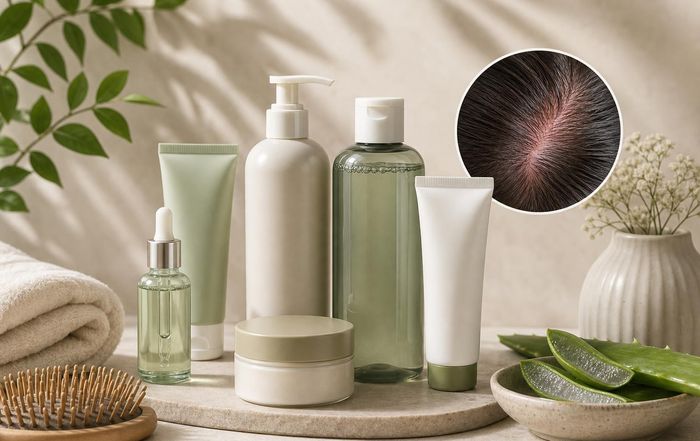
The New Guide to Choosing Products for Sensitive Scalps
Understanding Sensitive Scalps in a Changing Beauty Landscape
Sensitive scalps have moved from a niche concern to a mainstream global conversation, reshaping how consumers in the United States, United Kingdom, Germany, Canada, Australia, across Europe, Asia, Africa, and Latin America evaluate their haircare choices. Dermatologists and trichologists now recognize scalp sensitivity as a spectrum rather than a single condition, encompassing dryness, itching, burning, tightness, redness, flaking, and even breakage that originates at the follicle level. As the beauty and wellness economy becomes more sophisticated and more data-driven, the ability to choose the right products for a sensitive scalp has evolved into both a science and an art, requiring careful attention to ingredients, formulation technologies, and personal routines.
For BeautyTipa and its daily active community, this topic sits at the intersection of beauty, wellness, and informed consumerism. Readers who already explore advanced beauty insights and evidence-based skincare guidance increasingly understand that the scalp is simply skin with its own unique physiology, microbiome, and barrier function. The same level of scrutiny once reserved for facial serums is now being applied to shampoos, conditioners, scalp masks, and styling products, with a growing expectation of transparency and clinical validation from brands operating in North America, Europe, and fast-growing Asian markets such as South Korea, Japan, China, and Singapore.
In parallel, medical and consumer health organizations are placing greater emphasis on scalp health as part of overall dermatological wellness. Resources from institutions such as the American Academy of Dermatology and the British Association of Dermatologists highlight the role of irritants, allergens, pollution, and stress in driving scalp sensitivity, reinforcing the importance of careful product selection and long-term routine management.
What Makes a Scalp "Sensitive" in 2026?
A sensitive scalp is not a diagnosis in itself but rather a descriptive term used when the scalp overreacts to environmental or product-related stimuli that most people can tolerate without discomfort. This may manifest as immediate burning or itching after using a new shampoo, delayed irritation after repeated exposure to a fragrance blend, or chronic tightness and dryness that worsens with seasonal changes or travel between climates in regions such as Europe and Asia.
Dermatological research published over the last decade has increasingly focused on the scalp's barrier integrity and its complex microbiome, echoing the trends that transformed facial skincare. The scalp's stratum corneum can become compromised by harsh surfactants, frequent heat styling, aggressive color treatments, or environmental stressors like UV radiation and urban pollution. The result can be a heightened inflammatory response, often exacerbated by stress and lifestyle factors, particularly in urban centers such as New York, London, Berlin, Paris, Tokyo, Seoul, and São Paulo.
Leading organizations such as the Cleveland Clinic and Mayo Clinic increasingly guide patients to differentiate between true medical conditions-such as seborrheic dermatitis, psoriasis, or fungal infections-and non-specific sensitivity or irritant reactions. This distinction is crucial, because choosing products for a sensitive scalp without first ruling out underlying conditions can delay effective treatment and prolong discomfort. For many readers of BeautyTipa, an initial consultation with a board-certified dermatologist or trichologist has become a standard step before overhauling their haircare routine, particularly in markets where access to teledermatology and digital health platforms has expanded.
Key Triggers and Irritants to Recognize
In 2026, ingredient literacy is no longer confined to skincare enthusiasts; it has become a core competence for beauty consumers worldwide. When it comes to sensitive scalps, several categories of ingredients and product attributes are commonly associated with irritation, although individual tolerance varies widely.
Harsh surfactants remain a primary concern. Traditional anionic surfactants, particularly higher concentrations of sodium lauryl sulfate, are well-documented for their potential to disrupt the skin barrier and strip lipids, which can lead to dryness and reactivity in predisposed individuals. While many modern formulations have shifted toward milder cleansing systems, consumers still benefit from understanding the difference between harsh detergents and gentler alternatives. Dermatology-focused resources such as DermNet NZ offer accessible explanations of how surfactants interact with the skin and why some people are more susceptible to irritation.
Fragrance is another major trigger. Both synthetic fragrances and certain essential oils can provoke irritation or allergic contact dermatitis, particularly in individuals with a history of eczema, allergic rhinitis, or perfume sensitivity. Regulatory bodies such as the European Chemicals Agency and information resources like Allergy UK underscore the importance of recognizing fragrance allergens, especially for consumers across Europe and the UK, where labeling standards and allergen disclosure have become increasingly detailed.
Preservatives and certain hair dye components can also contribute to scalp sensitivity. Ingredients such as methylisothiazolinone and specific oxidative dye molecules have been implicated in contact allergies, which is why patch testing and professional oversight are strongly recommended for anyone with a history of scalp reactions. The National Eczema Association and similar organizations in Canada, Australia, and Scandinavia provide practical guidance on identifying and avoiding common irritants for those with compromised skin barriers.
The Role of the Scalp Microbiome and Barrier Function
In the last few years, the concept of the scalp microbiome has moved from research laboratories into mainstream product positioning, particularly in innovation-driven markets like South Korea, Japan, France, and the United States. Just as facial skincare now emphasizes balanced microbiota and barrier repair, scalp care products increasingly incorporate prebiotics, postbiotics, and mild acids designed to support a healthy ecosystem on the scalp surface.
Scientific organizations and academic institutions, including the National Institutes of Health and global dermatology conferences, have highlighted how an imbalanced scalp microbiome can contribute to flaking, itching, and inflammation. An overgrowth of certain yeasts or bacteria, often in the presence of excessive sebum or occlusive styling products, may trigger or worsen sensitivity. This is particularly relevant in humid climates in Southeast Asia, Brazil, and parts of Africa, where heat and moisture can amplify microbial imbalances.
Barrier-supportive ingredients have therefore become central to product selection for sensitive scalps. Compounds such as ceramides, panthenol, glycerin, and specific plant oils can help maintain or restore the lipid matrix that protects the scalp from external aggressors. Dermatological literature, as summarized by organizations such as the American Academy of Dermatology, consistently emphasizes the importance of gentle cleansing combined with barrier-repairing care, echoing the principles that many BeautyTipa readers already apply to their facial skincare routines.
Evaluating Shampoos for Sensitive Scalps
Shampoo is usually the first product to reconsider when a scalp becomes reactive, because it has the most direct and frequent contact with the scalp surface. For sensitive scalps, the ideal shampoo achieves effective cleansing without over-stripping natural oils or leaving behind potentially irritating residues. This requires careful evaluation of surfactants, conditioning agents, fragrance, and pH balance, as well as a realistic understanding of individual lifestyle needs, such as daily washing in hot climates or less frequent cleansing in drier regions like parts of Canada, the United States, and Northern Europe.
Consumers who regularly consult BeautyTipa for guides and tips increasingly look beyond marketing claims such as "hypoallergenic" or "dermatologist tested," focusing instead on full ingredient lists and the presence of known soothing agents. Formulations that include mild surfactant systems, buffered to a scalp-friendly pH and supported by humectants and emollients, tend to be better tolerated by reactive scalps. It is important to remember, however, that even mild formulations can cause irritation in some individuals, which is why patch testing on a small area of the scalp or behind the ear is a prudent practice.
Medical-grade or pharmacy brands, often recommended by dermatologists in the US, UK, Germany, France, and Australia, may offer specialized shampoos for conditions such as seborrheic dermatitis or psoriasis, incorporating active ingredients like ketoconazole, salicylic acid, or coal tar. While these can be effective for specific diagnoses, they are not necessarily suitable for all sensitive scalps and should be used under professional guidance. Reputable sources such as the Mayo Clinic and Cleveland Clinic provide clear overviews of when medicated shampoos are appropriate and what side effects to monitor.
Conditioners, Masks, and Leave-Ins: Balancing Care and Caution
Conditioners, masks, and leave-in products play a crucial role in hair manageability and aesthetics, but for sensitive scalps they can also become a hidden source of irritation, particularly when heavily fragranced or laden with occlusive silicones and waxes that accumulate at the roots. By 2026, there is a noticeable shift toward scalp-specific conditioners and lightweight, non-comedogenic formulations that prioritize both hair fiber health and scalp comfort.
For readers of BeautyTipa who regularly explore brands and products, the key is to differentiate between products intended for the hair shaft and those designed for direct scalp application. Many people with sensitive scalps benefit from applying richer conditioners and masks only from mid-lengths to ends, avoiding the root area and scalp surface altogether. When a scalp-targeted treatment is needed, such as a hydrating serum or soothing tonic, formulations with minimal fragrance, alcohol, and potential allergens are generally preferred.
Leave-in products, including sprays, creams, and serums, deserve particular scrutiny. Since they remain on the scalp and hair for extended periods, any irritant potential is magnified. Consumers in markets such as North America, Europe, and Asia increasingly look for clean, transparent formulas supported by dermatological testing. Organizations like the Environmental Working Group have contributed to heightened ingredient awareness, although their assessments should be interpreted alongside guidance from medical and scientific bodies to avoid unnecessary fear of safe, well-studied ingredients.
Styling Products, Color, and Chemical Treatments
Styling products and chemical treatments present some of the greatest challenges for individuals with sensitive scalps, especially in fashion-forward markets like the United States, the United Kingdom, South Korea, Japan, France, and Brazil, where color services, straightening treatments, and high-performance styling are integral to personal and professional image. Hair sprays, gels, mousses, texturizers, and dry shampoos often contain alcohols, resins, propellants, and fragrance blends that can exacerbate irritation when used frequently or without adequate cleansing.
Color treatments and chemical straighteners pose even higher risks, due to the use of oxidative dyes, bleaching agents, and strong alkalizing or reducing chemicals. Dermatology and occupational health organizations, including resources provided by the World Health Organization, have long noted the potential for contact dermatitis and other reactions among both consumers and professional stylists. For those with known scalp sensitivity or a history of allergies, patch testing before each color service, selecting gentler formulas, and working with experienced professionals who understand sensitive scalp protocols are non-negotiable safeguards.
In 2026, many salons across Europe, North America, and Asia now offer "sensitive scalp" services, using barrier creams, lower-ammonia or ammonia-free formulas, and adjusted processing times to minimize contact with the scalp. Consumers who follow BeautyTipa for trends and events are increasingly aware that fashion-forward looks can be achieved without compromising scalp health, provided that product choice and technique are aligned with medical and dermatological best practices.
Building a Sensitive-Scalp Routine: From Bathroom Shelf to Lifestyle
Choosing the right products is only one part of managing a sensitive scalp; how those products are used, how often they are applied, and how they fit into a broader lifestyle pattern are equally important. A well-structured routine, similar to a facial skincare regimen, can make the difference between ongoing irritation and long-term comfort, particularly for individuals juggling demanding careers, travel between regions such as North America and Asia, and exposure to diverse climates and water qualities.
For the BeautyTipa community, which already values curated routines and integrated wellness, a sensitive-scalp routine typically begins with a gentle shampoo used at a frequency appropriate for the individual's hair type, sebum production, and environment. Over-washing can strip natural oils and weaken the barrier, while under-washing can lead to buildup of sweat, sebum, and styling products that irritate the scalp and disrupt the microbiome. Many dermatologists recommend lukewarm rather than hot water, short contact times, and thorough rinsing to minimize residue.
Beyond the shower, routines increasingly incorporate protective habits such as wearing hats or UV-protective sprays in strong sun, particularly in Australia, South Africa, Southern Europe, and parts of Asia and Latin America where UV exposure is intense. Organizations like the Skin Cancer Foundation highlight the importance of scalp sun protection, especially for individuals with thinning hair or shaved styles, as sunburn can significantly increase scalp sensitivity and long-term risk.
Nutrition, Stress, and Overall Wellness
Scalp sensitivity rarely exists in isolation from broader health and lifestyle factors. Nutritional status, stress levels, sleep quality, and systemic health all influence skin and scalp resilience. Diets low in essential fatty acids, certain vitamins, and trace minerals can compromise skin barrier function, while chronic stress can exacerbate inflammatory responses and contribute to conditions such as telogen effluvium or seborrheic dermatitis.
Global health authorities such as the World Health Organization and national nutrition agencies in the United States, Canada, the United Kingdom, and across Europe emphasize balanced dietary patterns rich in whole foods, healthy fats, and micronutrients. For BeautyTipa readers who explore food and nutrition alongside beauty topics, supporting scalp health through diet-adequate protein, omega-3 fatty acids, vitamins A, D, E, and B-complex, as well as zinc and iron-has become a natural extension of their wellness strategy.
Stress management is equally important. Practices such as mindfulness, regular physical activity, and sufficient sleep can help modulate inflammatory pathways that impact the skin and scalp. Resources from organizations like the American Psychological Association highlight the interplay between mental health and physical symptoms, providing evidence-based strategies for managing stress that can complement topical scalp care. For many professionals in demanding industries across North America, Europe, and Asia, investing in holistic wellness has become as critical as selecting the right shampoo.
Regional Differences and Global Market Dynamics
The challenge of choosing products for sensitive scalps is shaped not only by individual biology but also by regional market offerings, regulatory environments, and cultural norms. In the European Union, for example, regulations enforced by bodies such as the European Commission and the European Chemicals Agency have led to rigorous safety assessments and detailed labeling requirements, which can benefit consumers seeking to avoid known allergens. In the United States and Canada, the regulatory frameworks differ, but market competition and consumer advocacy have driven many brands toward greater transparency and cleaner formulations.
In Asia, particularly in South Korea and Japan, beauty innovation often leads the global market, with sophisticated scalp-care lines that integrate traditional botanicals, advanced biotechnology, and microbiome-focused technologies. Consumers in these regions tend to adopt multi-step routines and place high value on sensorial experiences, which can present both opportunities and challenges for those with sensitive scalps. Meanwhile, in emerging markets across Africa, South America, and Southeast Asia, rising middle classes and expanding e-commerce platforms are accelerating access to global brands, while also increasing the importance of localized education on hair types, climate considerations, and cultural styling practices.
For a platform like BeautyTipa, with an international readership spanning the United States, the United Kingdom, Germany, Canada, Australia, France, Italy, Spain, the Netherlands, Switzerland, China, Sweden, Norway, Singapore, Denmark, South Korea, Japan, Thailand, Finland, South Africa, Brazil, Malaysia, New Zealand, and beyond, the ability to contextualize sensitive-scalp guidance for diverse climates, hair textures, and regulatory environments is a key differentiator. Readers increasingly expect nuanced advice that recognizes both global best practices and local realities.
The Business of Sensitive-Scalp Care and Career Opportunities
The rise of sensitive-scalp awareness has significant implications for the beauty business, from product development and marketing to retail strategy and professional education. Market research firms and financial analysts now track scalp-care subcategories as distinct growth engines within the broader haircare sector, with particular momentum in premium and dermocosmetic segments across North America, Europe, and Asia. Brands that can demonstrate credible science, transparent sourcing, and inclusive testing on diverse populations are well positioned to capture market share.
From a business and career perspective, professionals who understand the nuances of sensitive-scalp care-formulators, brand managers, medical advisors, salon professionals, and beauty editors-are increasingly in demand. Platforms like BeautyTipa, with dedicated coverage of business and finance and jobs and employment, are uniquely placed to help readers navigate emerging opportunities in product innovation, regulatory affairs, consumer education, and digital content creation focused on scalp health.
At the same time, technology continues to reshape how consumers discover, evaluate, and purchase sensitive-scalp products. AI-driven recommendation engines, scalp-analysis devices, and teledermatology platforms are becoming more sophisticated, particularly in technologically advanced markets such as the United States, South Korea, Japan, Singapore, and the Nordic countries. BeautyTipa's coverage of technology in beauty reflects how data, imaging, and machine learning are being integrated into personalized scalp-care journeys, while also raising important questions about data privacy, algorithmic bias, and accessibility.
Integrating Sensitive-Scalp Care into a Holistic Beauty Lifestyle
By 2026, the conversation around sensitive scalps is no longer confined to dermatology clinics or specialist forums; it is part of a broader shift toward holistic, evidence-based beauty and wellness. For the BeautyTipa audience, scalp care now intersects with makeup choices, fashion decisions, fitness routines, and international travel habits, forming a cohesive lifestyle perspective that values both aesthetics and long-term health.
Readers who explore makeup, fashion, and health and fitness content increasingly recognize that a comfortable, well-cared-for scalp enhances not only the appearance of hair but also confidence, professional presence, and overall quality of life. The ability to wear hairstyles, headwear, and accessories without discomfort, to exercise without fear of post-workout irritation, and to travel across climates without triggering flare-ups is now viewed as an attainable goal rather than a luxury.
As global beauty culture continues to evolve, BeautyTipa remains committed to offering nuanced, trustworthy guidance that empowers readers to make informed choices. Whether someone is navigating product shelves in New York, London, Berlin, Toronto, Sydney, Paris, Milan, Madrid, Amsterdam, Zurich, Shanghai, Stockholm, Oslo, Singapore, Copenhagen, Seoul, Tokyo, Bangkok, Helsinki, Cape Town, São Paulo, Kuala Lumpur, Auckland, or beyond, the principles remain consistent: understand the scalp as living skin, recognize personal triggers, prioritize gentle and scientifically grounded formulations, and integrate product choices into a holistic approach to wellness and lifestyle.
In this context, choosing products for sensitive scalps becomes more than a reactive measure; it becomes a proactive strategy for long-term beauty and health, anchored in experience, expertise, authoritativeness, and trustworthiness-the same values that define BeautyTipa and guide its ongoing commitment to serving a discerning, globally minded audience.
