
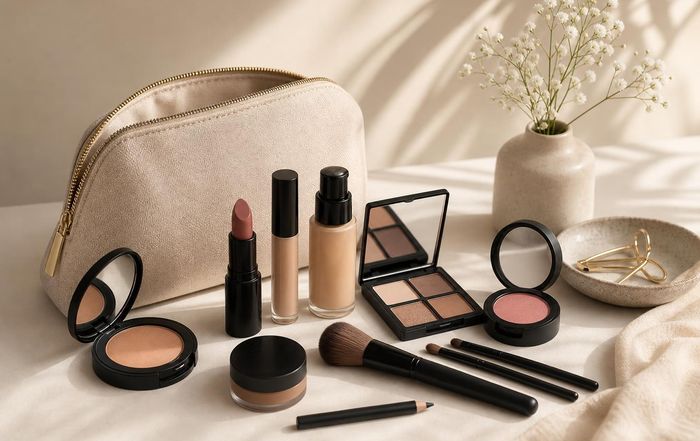
The Guide to Building a Simple Makeup Wardrobe in 2026
Why a Simple Makeup Wardrobe Matters Now
In 2026, as consumers across North America, Europe, Asia and beyond become more discerning about what they buy, the idea of a "simple makeup wardrobe" has evolved from a minimalist trend into a strategic approach to beauty, wellbeing and personal finance. A curated set of products that work harmoniously across occasions, seasons and cultures is no longer seen as restrictive; instead, it is increasingly viewed as a marker of expertise, self-knowledge and responsible consumption. For the global audience of Beautytipa-from professionals in New York and London to creators in Seoul, Berlin and São Paulo-building such a wardrobe is about much more than decluttering a cosmetics bag. It is about aligning beauty choices with lifestyle, values and long-term skin health.
As leading industry analysts such as McKinsey & Company highlight in their beauty market outlooks, the sector has become more competitive, more data-driven and more fragmented, with consumers seeking products that perform multiple functions while fitting into streamlined daily routines. This shift has encouraged brands, retailers and consumers alike to rethink what is truly essential. A well-designed makeup wardrobe reflects this new reality by focusing on high-performing, versatile products that support both professional presentation and personal expression, while avoiding unnecessary complexity and waste. Visitors who explore the broader beauty context on Beautytipa, including its sections on beauty, skincare and trends, can see how this philosophy connects with wider movements in wellness, fashion and technology.
Understanding the Concept of a Makeup Wardrobe
The term "makeup wardrobe" is increasingly used by leading artists and educators to describe a cohesive, intentional collection of products that can be mixed and matched to create a wide range of looks without relying on dozens of overlapping items. Unlike a traditional makeup collection, which often grows haphazardly through impulse purchases and seasonal launches, a wardrobe is built with the same strategic thinking that professionals apply to capsule fashion closets or investment portfolios. It involves selecting base, color and finishing products that work with the wearer's skin tone, undertone, texture and lifestyle, and that remain relevant through changing trends and environments.
This approach resonates strongly with the global shift toward conscious consumption documented by organizations such as the Ellen MacArthur Foundation, which promotes circular economy principles in consumer goods, and by regulatory bodies like the European Commission, which continues to update guidance on cosmetic safety and sustainability. As consumers in markets such as the United States, the United Kingdom, Germany, France and South Korea become more aware of ingredient transparency, ethical sourcing and environmental impact, the idea of owning fewer but better products becomes both a practical and ethical choice. For readers of Beautytipa, who often balance demanding careers with personal wellness goals, a simple makeup wardrobe aligns closely with the site's broader focus on wellness, health and fitness and long-term self-care.
Foundations: Skin First, Makeup Second
Any credible guide to building a makeup wardrobe in 2026 must begin with skin. Professional artists and dermatologists agree that complexion products perform best when they sit on well-cared-for skin, and that no foundation, concealer or powder can fully compensate for chronic dehydration, unmanaged sensitivity or inconsistent protection from environmental stressors. Institutions such as the American Academy of Dermatology and the British Association of Dermatologists continue to emphasize daily sun protection, gentle cleansing and barrier-supportive ingredients as the cornerstones of healthy skin, regardless of age, ethnicity or climate.
For the global audience of Beautytipa, whose members often navigate varying humidity levels from Singapore to Dubai, harsh winters in Scandinavia and Canada, and urban pollution in cities like London, Paris, Beijing and São Paulo, a simple yet robust skincare routine is the non-negotiable base of any makeup wardrobe. Exploring resources on skincare and guides and tips can help readers refine this foundation. Once skin is consistently cleansed, hydrated and protected with a broad-spectrum sunscreen-guidance that aligns with recommendations from organizations such as the World Health Organization-the role of makeup shifts from camouflage to enhancement. In this context, foundation and concealer become tools for evening tone and adding dimension, rather than heavy masks intended to hide perceived imperfections.
Defining Personal and Professional Goals
A simple makeup wardrobe must be tailored to the wearer's goals, which vary significantly between a corporate professional in Zurich, a creative entrepreneur in Los Angeles, a consultant in Singapore and a student in Madrid. Before purchasing or decluttering products, it is essential to clarify when and why makeup will be worn. Individuals who appear regularly on video calls or stage presentations may prioritize long-wearing base products and subtle definition that reads well on camera, while those working in creative industries or fashion hubs like Milan, Tokyo and New York might require more expressive color options for editorial or event looks.
Professional organizations such as the Society for Human Resource Management have noted the ongoing importance of professional presence in hybrid work environments, where personal grooming and visual communication continue to influence perceptions of credibility and leadership. At the same time, mental health advocates and wellness experts, including those referenced by the World Economic Forum, highlight the importance of authenticity and self-expression in maintaining psychological wellbeing. A well-designed makeup wardrobe for Beautytipa readers balances these priorities by offering neutral, polished options suitable for business meetings, alongside a smaller set of bolder shades that support creativity, cultural expression and evening events.
The Core Complexion Wardrobe
The complexion category is the structural backbone of any makeup wardrobe, and it typically includes a small number of carefully chosen products: a base (tinted moisturizer, foundation or BB/CC cream), a concealer, and one or two finishing products such as powder, bronzer or blush. Industry leaders like Estée Lauder, L'Oréal, Shiseido and Fenty Beauty have invested heavily in inclusive shade ranges and advanced formulations that adapt to different undertones, textures and climates, making it easier than ever for consumers in diverse markets to find precise matches. However, this abundance also increases the risk of overbuying, which is why a wardrobe mindset is so valuable.
A strategic approach begins with a single, well-matched base product that aligns with the individual's coverage preferences and skin type. In hot, humid climates like Thailand, Singapore or Brazil, a lightweight, sweat-resistant tinted moisturizer with SPF may be sufficient for daily wear, whereas in colder regions such as Finland, Canada or Switzerland, a more emollient foundation might better protect against dryness. Reputable resources such as Harvard Health Publishing and Mayo Clinic provide accessible explanations of how skin conditions like rosacea, acne or melasma can influence product choice and application techniques. Complementing this with targeted concealer, rather than multiple foundations, allows the wearer to customize coverage only where needed, maintaining a more natural, skin-like finish that suits both casual and professional settings.
Finishing products in a simple wardrobe should be chosen with similar intentionality. Rather than owning several powders and bronzers, one finely milled setting powder and a neutral bronzer or contour product that matches the wearer's undertone can handle most needs, from mattifying a T-zone during a long workday to adding subtle warmth for evening events. A single blush in a universally flattering tone-often a soft rose, peach or terracotta depending on skin depth-can serve as a daily staple, with perhaps one additional shade for special occasions. For Beautytipa readers comparing options and techniques, the site's sections on routines and makeup provide practical frameworks for integrating these complexion choices into daily life.
Eyes: From Subtle Definition to Statement Looks
Eye makeup often tempts consumers into overexpansion, as palettes, mascaras and liners are frequently marketed through limited editions and trend-driven launches. Yet professional artists working with high-profile clients in markets like the United States, the United Kingdom, South Korea and Japan consistently rely on a surprisingly small set of core products: a neutral eyeshadow palette, one or two eyeliners and a reliable mascara. Research from firms such as NielsenIQ and Euromonitor International indicates that despite the proliferation of color cosmetics, a significant share of repeat purchases in eye categories still centers on classic shades like black, brown and taupe.
In a simple makeup wardrobe, the goal is to select eye products that can transition seamlessly from daytime professionalism to evening sophistication. A compact palette featuring matte and satin neutrals in cool, neutral and warm tones can accommodate a wide range of skin tones and cultural preferences, from understated definition appropriate for conservative corporate environments in Frankfurt or Tokyo to soft smokey looks suitable for social events in Barcelona or Cape Town. A single black or dark brown pencil or gel liner, chosen for longevity and ease of smudging, can create either precise lines or diffused definition, while a waterproof mascara ensures reliability across climates and long days.
Consumers interested in deeper technical understanding of eye product safety and formulation can consult resources from regulatory and research bodies such as the U.S. Food and Drug Administration and the European Chemicals Agency, which provide guidance on color additives, preservatives and potential irritants. For Beautytipa readers, integrating this knowledge into daily practice means prioritizing products that have been tested for sensitive eyes, especially for contact lens wearers or those spending extended hours in air-conditioned offices or on airplanes, and ensuring that any statement products-such as colored liners or glitter formulas-are used sparingly within the broader wardrobe rather than dominating it.
Lips: Versatility, Comfort and Cultural Nuance
Lip products occupy a unique position in the makeup wardrobe because they can transform an entire look with minimal effort and often serve as a primary vehicle for personal and cultural expression. From classic red lips in Paris and New York to gradient tints in Seoul and Tokyo, lip color reflects regional aesthetics, social norms and even generational identities. Market analyses from organizations like Kantar and Mintel show that lip categories continue to recover strongly after the pandemic years, driven by innovations in long-wear formulas, skincare-infused textures and hybrid balm-color products.
A simple yet sophisticated lip wardrobe typically consists of three to five shades: a "my lips but better" neutral for everyday wear, a polished tone for professional settings, a statement color for events, and possibly a sheer balm or gloss for casual days and wellness-focused lifestyles. For professionals in sectors such as finance, law or consulting, where grooming standards remain relatively conservative in cities like London, Zurich and Singapore, a refined neutral or muted rose can project composure and reliability without distracting from the message being communicated. In creative industries and fashion capitals like Milan, Los Angeles or Berlin, a bolder shade-such as a deep berry or classic red-may be more acceptable, even expected, as part of a personal brand.
Health authorities such as Health Canada and the Australian Government Department of Health provide information on cosmetic ingredient safety that can help consumers evaluate long-wear and matte formulas, which sometimes rely on more complex chemistry. For readers of Beautytipa, whose interests span food and nutrition and overall wellness, there is also a growing awareness of how frequently lip products are inadvertently ingested over time, leading many to prioritize brands that are transparent about testing, heavy metal limits and fragrance components. Choosing a smaller number of high-quality lip products that align with these standards can significantly enhance both confidence and comfort.
Tools, Hygiene and Shelf Life
A simple makeup wardrobe is incomplete without attention to tools, hygiene and product lifecycle management. Professional artists and organizations such as Make-Up Artists & Hair Stylists Guild emphasize that brushes, sponges and applicators are not merely accessories but critical elements that influence blend quality, product payoff and skin health. In 2026, with heightened awareness of microbial contamination and skin barrier function-topics frequently discussed in journals accessible through platforms like PubMed-consumers are increasingly selective about how they apply and store their products.
For a streamlined wardrobe, a small set of multi-use tools is sufficient: a foundation brush or sponge, a blush/bronzer brush, a powder brush and one or two eye brushes can handle most applications when chosen wisely. Regular cleaning with gentle cleansers, along with mindful storage away from humidity and direct sunlight, extends both tool and product lifespan. Regulatory agencies including the European Medicines Agency and national health authorities in markets such as Japan and South Korea provide guidelines on cosmetic shelf life and the meaning of Period After Opening (PAO) symbols, which should guide decisions about when to replace items like mascara, liquid liners and cream products.
For Beautytipa readers who are building or revising their makeup wardrobes, integrating these hygiene practices into daily or weekly routines is an essential aspect of trustworthiness and self-care. It is not only about maintaining product performance but also about protecting skin integrity, eye health and overall wellbeing, especially for individuals with sensitive or reactive skin.
Sustainability, Ethics and the Business of Beauty
The business dimension of a simple makeup wardrobe is increasingly relevant in 2026, as consumers, investors and regulators scrutinize the environmental and social impact of the beauty industry. Reports from organizations such as the United Nations Environment Programme and the OECD highlight the need for more sustainable packaging, responsible sourcing of raw materials and transparent supply chains. Major beauty conglomerates, including Unilever, Procter & Gamble and LVMH, have responded with public sustainability roadmaps, while independent and niche brands compete on claims of clean formulations, cruelty-free testing and carbon-conscious operations.
For professionals and entrepreneurs following the business and finance coverage on Beautytipa, the concept of a simple makeup wardrobe intersects with broader trends in sustainable business strategy. Owning fewer products, each selected for durability, refillability or recyclability, can reduce personal environmental impact while signaling to brands that consumers value long-term quality over fast-cycle novelty. Industry initiatives such as the Cosmetics Europe sustainability programs and voluntary certifications from organizations like Leaping Bunny or COSMOS provide frameworks that informed consumers can use to evaluate brand claims, though each certification has its own scope and limitations.
At the same time, economic considerations cannot be ignored. As cost-of-living pressures affect consumers in regions from the United Kingdom and Germany to South Africa and Brazil, a curated wardrobe becomes a financially prudent strategy. By investing in a smaller set of high-impact products, consumers can avoid the sunk costs associated with rarely used items that expire before they are finished. This aligns closely with the financial wellness narratives that Beautytipa integrates across its content, encouraging readers to consider not only the aesthetic but also the economic implications of their beauty choices.
Technology, Personalization and the Future of the Makeup Wardrobe
Technological innovation is reshaping how consumers build and manage their makeup wardrobes. From AI-driven shade matching tools offered by companies like Sephora and L'Oréal to augmented reality try-on features developed with partners such as Perfect Corp, digital solutions are reducing the trial-and-error traditionally associated with product selection. Industry reports from organizations like the Boston Consulting Group and the International Trade Administration describe how these technologies are expanding access to personalized beauty advice in markets as diverse as China, India, the United States and the Nordic countries.
For the audience of Beautytipa, which follows developments in technology and beauty, these tools offer both opportunities and challenges. On one hand, virtual try-on and algorithmic recommendations can help consumers identify the most suitable products for their skin tone and preferences, thereby supporting the goal of a streamlined wardrobe. On the other hand, the constant influx of targeted suggestions and limited-edition digital drops can encourage overconsumption if not balanced by a clear personal strategy. The most effective use of technology in this context is as a decision-support system, not a replacement for human judgment. By combining data-driven insights with self-reflection on lifestyle, values and budget, consumers can harness innovation to refine, rather than expand, their makeup wardrobes.
Emerging markets and cross-border e-commerce further complicate and enrich this landscape. As beauty trends travel rapidly from Seoul and Tokyo to London, New York and Sydney, and as European and American brands gain traction in Southeast Asia, the Middle East and Africa, consumers are exposed to a broader range of formulations, textures and application philosophies than ever before. The international coverage on Beautytipa helps contextualize these shifts, highlighting how cultural preferences and regulatory environments shape what is available and desirable in different regions.
Integrating Makeup with Lifestyle, Wellness and Fashion
A simple makeup wardrobe does not exist in isolation; it is deeply interwoven with daily routines, wellness practices and fashion choices. For professionals and enthusiasts who follow the interconnected coverage on fashion, wellness and beauty at Beautytipa, this integration is intuitive. Makeup becomes one element of a broader personal ecosystem that includes clothing, grooming, nutrition, sleep, movement and stress management. Studies discussed by organizations such as the American Psychological Association suggest that consistent self-care rituals, including grooming and appearance-related routines, can support self-esteem and emotional resilience when approached mindfully rather than obsessively.
In practical terms, this means selecting makeup products that complement existing wardrobe colors, preferred silhouettes and workplace dress codes. A professional in a conservative banking role in London or Zurich may favor neutral palettes that align with tailored suits and formal attire, while a creative director in Los Angeles or Melbourne might integrate bolder shades that resonate with more relaxed or avant-garde clothing. Similarly, individuals who prioritize athletic lifestyles or outdoor activities, as reflected in Beautytipa's health and fitness content, may prefer lightweight, breathable formulations that withstand sweat and movement, paired with minimal touch-up requirements.
Holistic wellbeing also influences product choice. Nutrition guidance from institutions like the Cleveland Clinic and Johns Hopkins Medicine underscores the role of diet, hydration and sleep in skin health, reminding consumers that no makeup wardrobe can fully compensate for chronic lifestyle imbalances. For the global community engaging with Beautytipa, recognizing this interplay encourages a more balanced view of beauty, where makeup is a tool for enhancement and self-expression, not a mask for deeper issues.
Conclusion: Building a Trustworthy, Future-Ready Makeup Wardrobe
By 2026, the concept of a simple makeup wardrobe has matured into a sophisticated framework that combines aesthetic goals, professional demands, financial prudence, ethical considerations and technological innovation. For the diverse, globally distributed audience of Beautytipa, this framework offers a way to navigate an increasingly complex beauty landscape with clarity and confidence. It encourages individuals to invest in fewer, better products; to prioritize skin health and hygiene; to align purchases with personal values and environmental awareness; and to use digital tools thoughtfully rather than reactively.
As beauty markets continue to evolve across regions from North America and Europe to Asia, Africa and South America, those who approach their makeup wardrobes with intentionality will be best positioned to adapt to new trends, regulatory changes and technological shifts without losing sight of their core identity and needs. For readers exploring the full spectrum of content on Beautytipa-from brands and products and trends to guides and tips and business and finance-this guide serves as a foundational reference, inviting them to see their makeup not as an ever-expanding collection, but as a carefully curated wardrobe that reflects expertise, authority and trust in themselves and in the choices they make every day.
