
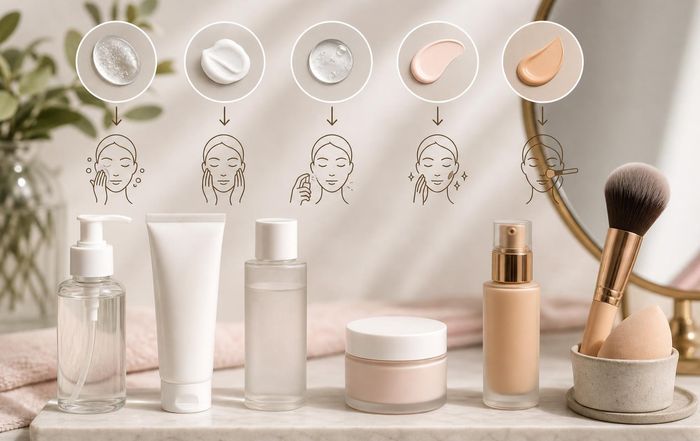
Makeup Prep Steps for a Smooth, Long-Lasting Finish
The Strategic Power of Skin Preparation in Modern Beauty
As global beauty consumers from the United States, the United Kingdom, Germany, Canada, Australia, France, Italy, Spain, the Netherlands, Switzerland, China, South Korea, Japan, Singapore, and beyond demand more from their products, the importance of meticulous makeup preparation has shifted from a backstage secret to a core business and performance driver for the entire beauty ecosystem. For for our hipster, fashionable community, understanding how skin preparation underpins a smooth, long-lasting finish is no longer just a matter of aesthetics; it is a strategic intersection of dermatological science, product innovation, sustainability, and consumer trust. The brands that excel in this area are those that combine rigorous research, transparent communication, and user-centric design, while consumers who master proper prep steps consistently report better results, less product waste, and improved skin health over time.
Modern makeup prep sits at the crossroads of skincare and color cosmetics, drawing on advances in dermatology, material science, and digital diagnostics. As organizations such as the American Academy of Dermatology and the British Association of Dermatologists deepen public understanding of skin physiology, and as regulatory bodies like the U.S. Food and Drug Administration refine guidelines for cosmetic safety, the expectations for both performance and responsibility rise in tandem. Learn more about how dermatologists define healthy skin barriers on the American Academy of Dermatology website, which increasingly influences how beauty professionals and consumers approach every step before foundation touches the face.
On BeautyTipa, makeup preparation is treated as a foundational discipline rather than an afterthought, linking daily routines, product selection, and wellness practices into a coherent, evidence-based ritual that supports both immediate results and long-term skin resilience. Readers exploring the broader context of beauty and wellness can deepen their understanding through the platform's dedicated sections on beauty, skincare, and routines, where the principles outlined here are translated into practical guidance for different lifestyles, climates, and cultural preferences.
Understanding Skin as a Performance Canvas
A smooth, long-lasting makeup finish begins with a clear understanding of the skin's structure and function, because foundation, concealer, and color products can only perform optimally when they are applied over a stable, balanced surface. The skin barrier, comprising the stratum corneum and intercellular lipids, is central to this process; when it is intact and well-hydrated, makeup adheres more evenly, resists separation, and maintains its finish under the environmental stresses common in urban centers from New York and London to Tokyo and Singapore. Resources such as the National Institutes of Health provide extensive scientific insight into skin barrier biology, which informs many of the formulations and techniques now recommended by professional makeup artists and dermatologists.
In Europe, organizations like the European Academy of Dermatology and Venereology and regulatory frameworks under the European Commission have helped shape a more rigorous approach to ingredient safety and efficacy, influencing how brands in Germany, France, Italy, Spain, the Netherlands, Sweden, and Denmark design both skincare and prep-focused primers. Professionals tracking regulatory trends can review updates on the European Commission portal to understand how evolving standards around preservatives, UV filters, and claims substantiation affect the products that ultimately sit on consumers' vanities. For BeautyTipa readers who prioritize evidence-based decisions, this regulatory backdrop reinforces why thorough skin preparation should be informed by credible sources rather than transient social media trends alone.
Cleansing: The Non-Negotiable First Step
Cleansing remains the non-negotiable starting point for any makeup prep routine that aims for a smooth and durable finish, because residual sebum, pollution particles, and old product layers interfere with adhesion and can accelerate oxidation, leading to patchiness and fading. In major markets such as the United States, Canada, the United Kingdom, and Australia, where urban pollution and long workdays are common, double cleansing has become a widely accepted practice, especially for those who wear long-wear or waterproof formulas. The Cleveland Clinic provides accessible explanations of why appropriate cleansing reduces the risk of irritation and breakouts, and readers can learn more about optimal cleansing habits on the Cleveland Clinic website.
From a business and product development perspective, cleansing has evolved into a sophisticated category with oil-based cleansers, micellar waters, gel cleansers, and low-pH formulas tailored to different skin conditions. Brands in South Korea and Japan, recognized globally for their advanced skincare technologies, have driven much of this innovation, influencing routines from Seoul to Stockholm. For readers of BeautyTipa who wish to build a strategic cleansing step into their makeup preparation, the platform's skincare and guides and tips sections offer curated advice on selecting cleansers that effectively remove impurities without compromising the skin barrier, which is crucial for ensuring that subsequent hydrating and priming steps perform as intended.
Exfoliation: Smoothing Texture Without Compromising the Barrier
Exfoliation plays a pivotal role in creating a refined surface for makeup, but in 2026 the narrative has shifted away from aggressive scrubs toward controlled, science-backed methods that respect the microbiome and barrier integrity. Chemical exfoliants such as alpha hydroxy acids (AHAs) and beta hydroxy acids (BHAs), supported by decades of dermatological research, can significantly improve texture, reduce visible pores, and minimize flaking, all of which contribute to a smoother canvas. However, overuse can lead to sensitivity, redness, and compromised barrier function, making moderation and personalization essential. Dermatology-focused organizations like the Mayo Clinic explain how to use exfoliating acids safely, and consumers can find more guidance on the Mayo Clinic site.
In markets like Germany, France, the Nordics, and Japan, where minimalist and barrier-first philosophies have gained traction, there is growing emphasis on balancing exfoliation frequency with robust hydration and barrier repair. This aligns closely with BeautyTipa's editorial stance that effective makeup prep is not about stripping the skin but about refining it thoughtfully. The platform's international audience, spanning climates from humid Singapore and Thailand to drier regions in North America and South Africa, can explore regionally adapted routines within the routines and international sections, where exfoliation strategies are contextualized by local environmental conditions and lifestyle factors.
Hydration and Moisturization: Building a Stable Base
Once the skin is clean and gently refined, hydration and moisturization become the structural core of makeup preparation, directly influencing how smoothly products apply and how long they last. Hydration refers primarily to water content within the skin, while moisturization focuses on sealing that hydration in and reinforcing the lipid barrier. Ingredients such as hyaluronic acid, glycerin, ceramides, and squalane have become staples in formulations across the United States, Europe, and Asia, with clinical research demonstrating their ability to improve skin plumpness and reduce transepidermal water loss. The Harvard T.H. Chan School of Public Health offers broader context on how lifestyle and environmental factors affect skin health, and readers can explore those connections further on the Harvard platform.
For makeup longevity, the choice of moisturizer must align with skin type and environmental conditions. In humid climates like Brazil, Malaysia, and Thailand, lightweight gel or emulsion textures can provide sufficient hydration without causing slippage, while in colder regions such as Canada, the Nordics, and parts of the United Kingdom, richer creams may be necessary to prevent dryness-induced flaking that can disrupt foundation. Luxury houses and clinical brands alike have invested heavily in texture innovation to address these diverging needs, and BeautyTipa regularly analyzes these launches within its brands and products section, helping readers choose moisturizers that complement their desired finish, whether matte, satin, or luminous.
Sun Protection: The Invisible Step That Shapes Long-Term Results
In 2026, sun protection is widely recognized not only as a health imperative but also as a critical component of makeup preparation, because unprotected UV exposure accelerates photoaging, pigment irregularities, and texture changes that make achieving a smooth finish more challenging over time. Organizations such as the World Health Organization and Cancer Research UK consistently highlight the importance of daily sunscreen use, even in cooler climates, and their public health campaigns have influenced consumer expectations in countries from Australia and New Zealand to the United States and South Africa. Readers seeking more data-driven insights can review recommendations on the World Health Organization site and on Cancer Research UK.
From a product standpoint, the rise of hybrid formulations that combine sun protection with priming and skincare benefits has transformed the base makeup category. Brands in South Korea, Japan, and Europe have been at the forefront of elegant textures that sit comfortably under foundation without pilling or excessive shine. For BeautyTipa's audience, the key is to treat sunscreen as a non-negotiable final skincare step before primer, ensuring adequate application and allowing a brief settling period to prevent interaction issues with subsequent layers. The platform's health and fitness and wellness sections often connect photoprotection with broader lifestyle strategies, reinforcing the idea that a truly smooth, long-lasting makeup finish is built on habits that protect the skin's long-term integrity.
Primers: Bridging Skincare and Makeup for Extended Wear
Primers have evolved into an essential bridge between skincare and color cosmetics, designed to refine texture, extend wear, and modulate finish according to individual preferences and skin conditions. In North America, Europe, and Asia alike, the primer category has diversified into mattifying, hydrating, pore-blurring, color-correcting, and gripping formulations, each leveraging different polymers, silicones, or water-binding agents to enhance adherence and durability. Industry analyses from organizations like McKinsey & Company and Euromonitor International highlight how primers have become a growth engine within the face category, reflecting consumers' desire for more reliable, professional-level results; those interested in the business dimension can explore beauty sector insights on the McKinsey website.
From a technical perspective, the most effective primers align with both the skin's current state and the chosen foundation formula. Silicone-based primers can create an exceptionally smooth surface for full-coverage or long-wear foundations, while water-based gripping primers may be better suited for lighter, skin-tint textures that prioritize a natural finish. In hot, humid markets like Singapore, Brazil, and parts of Asia, oil-controlling and sweat-resistant primers are particularly valued, whereas in drier climates, hydrating primers infused with humectants and emollients help prevent foundation from settling into fine lines. BeautyTipa pays close attention to these regional and climatic nuances in its technology beauty coverage, especially as new primer technologies increasingly incorporate adaptive polymers and AI-informed formulation strategies.
Skin Type, Climate, and Lifestyle: Personalizing Prep for Performance
A one-size-fits-all approach to makeup preparation is no longer viable in a globalized beauty landscape where consumers from Europe, Asia, Africa, North America, and South America contend with diverse climates, work patterns, and cultural norms. Oily or combination skin in humid environments like Malaysia or Thailand demands different prep strategies than dry or sensitive skin in colder regions such as Scandinavia or Canada. Professional associations including the Canadian Dermatology Association and DermNet New Zealand offer guidance on how climate and skin type interact, and readers can access additional information on the DermNet platform to better understand their own needs.
For working professionals across industries, from finance and technology to hospitality and media, long-lasting makeup is often a practical requirement rather than a luxury, with days extending from early meetings to late events. In cities like New York, London, Berlin, Paris, Milan, Tokyo, and Seoul, where commutes, indoor air conditioning, and fluctuating temperatures are the norm, personalized prep routines can significantly reduce midday touch-ups and product breakdown. BeautyTipa recognizes these realities within its business and finance and jobs and employment sections, where makeup prep is discussed not only as a cosmetic skill but also as a professional asset that supports confidence and presence in high-stakes environments.
Nutrition, Hydration, and Wellness: The Internal Dimension of a Smooth Finish
While topical steps dominate most discussions of makeup preparation, internal factors such as nutrition, hydration, sleep, and stress management exert a powerful influence on how smoothly makeup applies and how well it endures throughout the day. Dehydration, high-glycemic diets, and chronic stress can contribute to dullness, excess oil production, and inflammation, all of which undermine even the most carefully executed external prep routine. Institutions like the World Heart Federation and National Health Service (NHS) in the United Kingdom emphasize the interconnectedness of diet, lifestyle, and overall health, and readers can explore more about these relationships on the NHS platform.
For the team here, which approaches beauty from a holistic perspective, the connection between internal wellness and external performance is a recurring theme across its food and nutrition and wellness content. Adequate water intake, balanced meals rich in essential fatty acids, antioxidants, and micronutrients, and consistent sleep patterns all contribute to a more stable skin environment, which in turn allows primers and foundations to perform more predictably. This integrated view resonates strongly with readers in markets like the United States, Canada, Australia, and Western Europe, where wellness culture has become deeply embedded in consumer expectations around beauty and personal care.
Technology, Data, and the Future of Makeup Preparation
By 2026, the integration of technology into beauty routines has moved from novelty to mainstream, reshaping how consumers in regions as diverse as China, South Korea, Singapore, the United States, and the Nordics approach makeup preparation. Artificial intelligence-driven skin analysis tools, augmented reality try-on platforms, and smart mirrors capable of tracking hydration levels and texture changes are helping users refine their prep steps with unprecedented precision. Technology leaders and research institutions, including MIT Media Lab and Stanford University, have inspired many of these innovations, and those interested in the broader context of human-computer interaction can explore relevant research on the MIT website.
For us, technology is not positioned as a replacement for expertise but as an amplifier of informed decision-making. Within the technology beauty and trends sections, the platform examines how data from wear tests, climate modeling, and user feedback across continents helps brands refine primers, moisturizers, and setting products that better withstand real-world conditions. The convergence of bioinformatics, materials science, and consumer analytics is already yielding prep products that adapt dynamically to humidity, sebum levels, and movement, suggesting that the future of a smooth, long-lasting finish will be increasingly personalized, predictive, and environmentally responsive.
Cultural and Fashion Influences on Prep Priorities
Makeup preparation does not exist in a vacuum; it is deeply influenced by cultural aesthetics, fashion trends, and regional standards of professionalism and self-expression. In South Korea and Japan, where glass-skin and luminous, almost poreless finishes have dominated beauty ideals, prep routines tend to emphasize intensive hydration, multi-step layering, and meticulous priming. In contrast, markets like the United States, the United Kingdom, and parts of Europe have seen a strong movement toward skin realism and "soft matte" finishes, where prep focuses on subtle texture refinement and strategic glow rather than full-surface luminosity. Fashion weeks in cities such as Paris, Milan, New York, and London, covered extensively by organizations like the Council of Fashion Designers of America (CFDA) and Fédération de la Haute Couture et de la Mode, offer a preview of how runway skin trends will filter into everyday routines; more information on these events can be found on the CFDA website.
BeautyTipa consistently interprets these global fashion currents for its readers through the makeup and fashion sections, translating backstage techniques into accessible, step-by-step guidance. For example, the blurred, velvety complexions seen in Scandinavian and German editorials often rely on carefully calibrated mattifying primers and thin, strategically placed foundation layers, while the radiant, editorial looks popular in Brazil and Southern Europe may prioritize glow-enhancing skincare and light-reflective bases. By connecting these aesthetic preferences to concrete prep strategies, the platform helps users in every region-from South Africa and Brazil to Norway and Finland-align their routines with the finishes they find most authentic and aspirational.
Setting the Stage: Final Steps for Longevity
After cleansing, exfoliating, hydrating, protecting, and priming, the final phase of makeup preparation involves setting strategies that lock in the work done so far and help the finished look withstand time, movement, and environmental stressors. Setting sprays, powders, and hybrid fixing products have become increasingly sophisticated, drawing on film-forming polymers, volatile solvents, and microfine pigments to create flexible, breathable layers that resist transfer and breakdown. Professional artistry schools and training programs, often collaborating with major brands and industry bodies like Make-Up Artists & Hair Stylists Guild in the United States, continue to refine best practices in this area; interested readers can follow professional insights on the MUAHS Guild website.
For BeautyTipa's audience, the key is to view setting not as an isolated step but as a logical extension of the entire prep process. A well-chosen setting powder, applied sparingly to strategic zones such as the T-zone, can significantly increase wear time for those in humid or high-activity environments, while a micro-mist setting spray can help meld layers together for a more natural, skin-like effect in drier climates. The platform's events coverage frequently showcases how these techniques are deployed at red carpet appearances, corporate conferences, and fashion shows worldwide, offering real-world examples of how thorough preparation, executed with technical precision, delivers a polished, enduring result under the scrutiny of cameras and long schedules.
Conclusion: Experience-Driven Preparation as a Competitive Advantage
In the global beauty landscape of 2026, mastering makeup preparation for a smooth, long-lasting finish has become both an individual skill and a competitive advantage for brands, professionals, and consumers alike. For BeautyTipa, this topic sits at the heart of its mission to deliver trustworthy, experience-driven guidance that respects regional diversity, scientific rigor, and the evolving expectations of a sophisticated international audience. By integrating dermatological insight, regulatory awareness, technological innovation, cultural context, and holistic wellness, the platform positions makeup prep not as a simple checklist but as a strategic ritual that supports confidence, self-expression, and skin health from New York to London, from Berlin to Tokyo, from São Paulo to Singapore.
Thanks for spending time with this story. There is always more to explore, with new perspectives and thoughtful ideas waiting for curious readers.
As fashionable individuals continue to explore this site for insights across beauty, wellness, skincare, routines, brands, technology, business, and fashion, the principles outlined here will remain a stable foundation amid shifting trends. Clean, well-prepared skin, intelligently hydrated and protected, thoughtfully primed and set, will always offer the most reliable canvas for creativity and performance, ensuring that makeup not only looks impeccable at first application but endures gracefully through the realities of modern life across continents and cultures.
