
Makeup Color Theory Tips for Everyday Consumers
The New Era of Color in Everyday Beauty
Makeup color theory has moved from the backstage of fashion shows and professional studios into the everyday routines of consumers across the world, and BeautyTipa has become a trusted guide for readers who want to understand not only which shades look good, but why they work and how they can be used strategically for different occasions, climates, and lifestyles. As global beauty markets in the United States, the United Kingdom, Germany, Canada, Australia, France, Italy, Spain, the Netherlands, Switzerland, China, Sweden, Norway, Singapore, Denmark, South Korea, Japan, Thailand, Finland, South Africa, Brazil, Malaysia, New Zealand and beyond continue to diversify, color literacy is now a core skill for anyone who wants to build a confident, efficient, and sustainable makeup routine.
Color theory in makeup is no longer just about matching lipstick to an outfit; it is about understanding undertones, textures, finishes, and lighting, while also considering skin health, personal identity, cultural norms, and even video call environments. As consumers increasingly research ingredients and artistry techniques through platforms like BeautyTipa and educational resources from organizations such as the American Academy of Dermatology, they expect advice grounded in expertise and trust, not quick trends or viral hacks. This article explores how everyday consumers can apply professional-grade color theory in real life, with a focus on experience, expertise, authoritativeness, and trustworthiness that aligns with the editorial standards of BeautyTipa.
Understanding Skin Tone, Undertone, and Surface Color
Any meaningful discussion of makeup color theory begins with skin, and in 2026, consumers are more aware than ever that skin tone is not a simple light-to-dark scale. Leading dermatology and cosmetic science bodies, including the British Association of Dermatologists, emphasize that undertone-cool, warm, or neutral-is a crucial factor in how colors appear on the face, interact with natural pigmentation, and photograph in different lighting conditions. While surface color can change with sun exposure, skincare routines, and seasonal shifts, undertone remains relatively stable, which is why it is the most reliable reference point for building a long-term color wardrobe.
Everyday consumers can start by examining the veins on the inner wrist and the way their skin looks next to pure white fabric in natural daylight. Greenish veins and a golden or peach cast often indicate warm undertones, while bluish veins and a pink or rosy cast suggest cool undertones; if it is hard to tell and both gold and silver jewelry appear equally flattering, the undertone may be neutral. On BeautyTipa, readers exploring skincare fundamentals can integrate this understanding into their base product choices, ensuring that foundation, concealer, and tinted moisturizers harmonize with their natural coloring rather than masking it.
Global beauty brands and professional makeup artists now increasingly use digital tools and AI-supported shade matching, with companies like L'Oréal and Estée Lauder investing heavily in virtual try-on technologies. Consumers who want to understand the science behind color perception can explore educational resources from the Munsell Color System and color research from institutions such as the Pantone Color Institute, which help explain why certain hues appear more vibrant or dull depending on surrounding colors and ambient light.
The Foundations of Makeup Color Theory
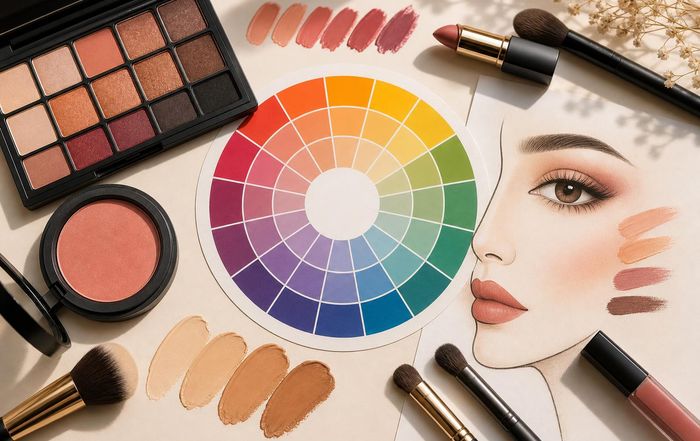
At its core, makeup color theory borrows from classical art principles, where the color wheel organizes hues into primary, secondary, and tertiary categories, and relationships such as complementary, analogous, and triadic combinations guide harmonious design. Everyday consumers do not need to memorize complex diagrams, but they benefit from understanding how opposite colors on the wheel, such as red and green or blue and orange, can neutralize or intensify each other, which is why green correctors help reduce redness and peach tones brighten dark under-eye circles.
Professional makeup academies in cities like New York, London, Paris, Seoul, and Tokyo often reference fundamental resources similar to those used in art and design schools, including materials from the Interaction of Color tradition, which highlight how context changes the way a color is perceived. When an everyday consumer in Canada or Germany applies a mauve blush that looked subtle in the pan but appears too intense on the cheeks, it is usually because the surrounding foundation, lighting, and clothing color shift the perceived saturation and depth. By understanding that colors interact dynamically, readers of BeautyTipa can make more informed decisions when building cohesive beauty routines that perform consistently in both real life and on camera.
In 2026, many consumers are also learning that color theory extends beyond hue to include value (lightness or darkness) and chroma (intensity or softness). A deep berry lipstick may share a similar undertone with a soft rose shade, yet the difference in value and chroma can create dramatically different impressions, from bold and editorial to understated and professional. For business audiences, especially in sectors like finance, law, and executive leadership, understanding these subtleties is critical for aligning makeup choices with workplace culture and personal branding.
Complexion Products: Creating a Balanced Canvas
Complexion products remain the foundation of everyday makeup, and accurate color matching is the most visible test of expertise. In 2026, consumers in markets from the United States to South Korea have access to an unprecedented range of shades, with brands like Fenty Beauty, MAC Cosmetics, and NARS expanding their offerings to serve diverse skin tones and undertones. However, more choice also means more complexity, which is why trusted education hubs like BeautyTipa and science-based resources such as the Journal of Cosmetic Dermatology are essential for separating marketing claims from practical guidance.
A key principle of color theory in complexion is that foundation should match the neck and chest rather than the face alone, because skincare actives, sun exposure, and pigmentation can cause subtle differences in color between facial and body skin. By swatching along the jawline and blending downward, consumers can see whether a shade disappears seamlessly in both natural and artificial light. For those who struggle with hyperpigmentation or redness, color-correcting products use the same complementary color logic: peach and orange tones counteract blue and purple under-eye shadows, while green tones neutralize redness around the nose and cheeks.
Readers exploring beauty-focused content on BeautyTipa increasingly combine traditional complexion products with hybrid formulas that include skincare benefits, such as niacinamide, hyaluronic acid, and mineral SPF. Resources from organizations like the Skin Cancer Foundation underscore the importance of daily sun protection, and modern tinted sunscreens now come in multiple shades to avoid the white cast historically associated with mineral filters, particularly on deeper skin tones. For everyday consumers in sunny climates such as Australia, Brazil, South Africa, and Southeast Asia, the interplay between SPF, humidity, and undertones is crucial to maintaining a natural finish throughout the day without oxidation or patchiness.
Eyes, Lips, and Cheeks: Harmonizing Feature Colors
Once the base is established, color theory becomes more expressive in the eyes, lips, and cheeks, where consumers can tailor their choices to mood, setting, and cultural context. Around the world, different cities and regions gravitate toward distinct color aesthetics: soft, gradient looks popular in South Korea and Japan, bold graphic liners seen in the United States and the United Kingdom, and rich jewel tones that resonate in markets such as the Middle East and India. Despite these differences, the underlying principles of harmony and contrast remain universal.
For eye makeup, understanding the relationship between eye color and shadow hues can help everyday users choose palettes that enhance rather than overpower their natural features. Brown eyes, which are common globally, tend to be versatile and can handle warm bronzes, cool taupes, and even bright blues or greens, while blue and green eyes often appear more vivid when paired with warm copper, peach, or rust shades, leveraging the complementary relationships on the color wheel. Consumers who want to explore the science of visual perception can refer to resources from the Vision Sciences Society to understand how contrast and luminance affect perceived brightness and definition.
Cheek color is another area where subtle shifts in undertone make a significant difference. A cool pink blush can create a fresh, youthful effect on fair skin with cool undertones, while warm terracotta or apricot tones flatter medium and deep skin tones with golden or olive undertones. On BeautyTipa, readers browsing makeup insights can find guidance on layering cream and powder products to adjust intensity and longevity, a technique that has become especially important in humid climates and long workdays where makeup must transition from office to evening events.
Lip color choices often reflect personality and cultural expectations, particularly in business settings. In conservative corporate environments in Germany, Switzerland, or Japan, muted rose, mauve, and beige tones are often preferred for daily wear, while creative industries in cities like Los Angeles, London, and Berlin may embrace bolder reds, plums, and unconventional shades. Research from the Harvard Business Review on nonverbal communication and impression management highlights how grooming and presentation, including makeup, influence perceived competence and trustworthiness, which is why everyday consumers in leadership roles increasingly treat color selection as a strategic decision rather than a purely aesthetic one.
Everyday Routines and Seasonal Color Adjustments
A practical, trustworthy approach to color theory must fit into realistic daily routines, and BeautyTipa has seen rising interest in streamlined, repeatable looks that can be adapted for different seasons and climates. In many parts of North America and Europe, skin tone can shift slightly between winter and summer due to sun exposure, requiring small adjustments in foundation depth and bronzer intensity. Meanwhile, in equatorial regions and humid cities like Singapore, Bangkok, or Rio de Janeiro, consumers prioritize long-wear formulas and sheer, buildable textures that do not feel heavy in heat.
Readers exploring daily routines and step-by-step guides benefit from understanding how seasonal color palettes can support overall appearance. In cooler months, deeper berry lips, plummy blushes, and cooler-toned eye shadows can complement winter wardrobes and lower natural light levels, while in warmer months, coral, peach, and golden tones harmonize with sunlit environments and lighter fabrics. Color theory also extends to the relationship between makeup and clothing; when outfits feature strong patterns or saturated hues, many stylists recommend more neutral makeup to maintain balance, whereas minimalist clothing can be elevated with a statement lip or graphic liner.
For consumers who want to refine their daily looks while maintaining skin health, resources from the World Health Organization and national health agencies emphasize the importance of gentle cleansing and barrier-supporting skincare, especially when using long-wear and waterproof formulas. BeautyTipa's readers who combine wellness and beauty interests increasingly seek routines that respect both aesthetics and skin integrity, recognizing that healthy, well-cared-for skin improves the way colors sit and blend, reducing the need for heavy coverage.
Technology, Virtual Try-On, and Data-Driven Color Choices
Technology has transformed how everyday consumers approach color theory, and by 2026, virtual try-on tools are no longer experimental novelties but integrated features across e-commerce platforms and beauty retail apps. Major companies such as Sephora, Ulta Beauty, and Shiseido leverage augmented reality and machine learning to simulate how shades will appear on different skin tones, while device manufacturers and software firms collaborate to improve color accuracy under various lighting conditions. Industry analysis from sources like McKinsey & Company and the Business of Fashion shows that these technologies have significantly reduced product returns and increased consumer confidence in online purchases.
On BeautyTipa, the intersection of technology and beauty is a key area of focus, with readers interested in how AI shade matchers, smart mirrors, and skin analyzers can support more personalized color recommendations. At the same time, discerning consumers are aware that not all digital tools are created equal, and they look for platforms with transparent methodologies, inclusive training data, and clear privacy policies. Independent testing organizations and consumer protection bodies, including the Federal Trade Commission in the United States and the European Consumer Organisation, encourage users to evaluate digital services critically, particularly when biometric data or facial scans are involved.
Data-driven color choices are also reshaping product development. Brands now analyze global sales patterns, social media trends, and regional preferences to fine-tune shade ranges for specific markets, ensuring that consumers in Brazil, Nigeria, or India are not limited to tones developed primarily for Western skin tones. This shift toward inclusivity, supported by advocacy from organizations like the UN Women and diversity-focused beauty entrepreneurs, reinforces the importance of representation in both marketing imagery and product formulation, an issue that BeautyTipa continues to highlight in its trends coverage.
Professional, Cultural, and Regional Considerations
Makeup color theory does not exist in a vacuum; it is shaped by cultural norms, workplace expectations, and regional aesthetics. In some corporate environments in North America and Europe, understated, neutral palettes are still seen as the most professional, while in parts of Asia, subtle gradient lips and softly defined eyes align with local beauty standards that emphasize natural enhancement. In contrast, creative and fashion-forward sectors in cities like New York, London, Milan, and Seoul celebrate bolder experimentation, where neon liners, metallic finishes, and unconventional color combinations are not only accepted but encouraged.
For everyday consumers navigating these contexts, BeautyTipa provides guidance that respects both self-expression and situational appropriateness. Readers who follow the platform's business and finance section often seek advice on building a "workday color wardrobe," a curated set of reliable shades that photograph well, last through long meetings, and align with corporate dress codes while still allowing for individual style. Research from the Society for Human Resource Management underscores that while grooming standards are evolving, perceptions of professionalism remain influenced by industry, region, and company culture.
International audiences also face practical considerations such as climate, pollution, and local ingredient regulations, which can affect how colors wear and how formulas are developed. Organizations like the European Chemicals Agency and the U.S. Food and Drug Administration regulate pigments and cosmetic colorants, ensuring safety but sometimes limiting certain shades or finishes in specific markets. As consumers become more ingredient-conscious, they increasingly cross-check product labels with authoritative sources and rely on expert-driven platforms like BeautyTipa for clear explanations that bridge regulatory language and everyday usage.
Building a Personalized, Trustworthy Color Strategy
By 2026, everyday makeup users are approaching color not as a collection of isolated products but as a strategic system that integrates skin health, lifestyle, career goals, and personal values. This shift reflects a broader movement toward intentional consumption and sustainability, with many consumers seeking to reduce waste by investing in versatile palettes and multipurpose products rather than constantly chasing fleeting trends. Resources from organizations such as the Ellen MacArthur Foundation encourage circular economy thinking, which in beauty translates to thoughtful purchasing, refills, and long-term shade planning.
On BeautyTipa, readers who explore guides and tips are encouraged to start with a structured approach: identifying undertone and preferred finishes, selecting a small set of "anchor" shades for eyes, lips, and cheeks, and then gradually introducing accent colors that can transform a daytime look into an evening or event-ready style. This method supports both creativity and discipline, ensuring that each new product serves a clear purpose within the overall color wardrobe. For those interested in the career side of beauty, the platform's jobs and employment section highlights how strong color theory skills are increasingly valued in roles ranging from retail artistry and brand education to product development and digital content creation.
Trustworthiness in color advice also depends on acknowledging diversity in age, gender expression, and cultural background. Mature skin, for example, often benefits from softer matte or satin finishes and carefully chosen undertones that do not emphasize texture or dryness, while gender-expansive consumers may use color as a powerful tool for self-definition, challenging traditional norms and exploring new aesthetic identities. Organizations such as The Trevor Project and GLAAD advocate for inclusive representation in media and advertising, and platforms like BeautyTipa respond by featuring a wide range of faces, styles, and narratives in their editorial coverage.
The Part of BeautyTipa in the Global Color Conversation
As a digital destination with a global readership, BeautyTipa occupies a unique position at the intersection of beauty, wellness, business, technology, and culture. Readers from North America, Europe, Asia, Africa, and South America visit the site not only for product recommendations but for nuanced analysis that connects color theory to broader topics such as health and fitness, food and nutrition, and fashion, recognizing that overall lifestyle influences how makeup looks and feels. Nutrient-rich diets, adequate hydration, and regular exercise all contribute to skin vitality, which in turn enhances the way colors reflect and refract on the face.
By curating expert insights, international perspectives, and technology-driven innovations, BeautyTipa helps everyday consumers navigate the increasingly complex beauty landscape with confidence and discernment. Whether a reader in Canada is refining a minimalist office look, a consumer in South Korea is experimenting with gradient lips inspired by K-beauty trends, or a professional in the United Kingdom is building a camera-ready routine for hybrid work, the principles of makeup color theory provide a stable foundation for informed choices.
The most successful beauty strategies are those that blend artistry with evidence, creativity with responsibility, and personal expression with cultural awareness. Through its comprehensive coverage of brands and products, international developments, and evolving beauty trends, BeautyTipa continues to support readers in developing a sophisticated, trustworthy understanding of color that serves them in every aspect of their lives, from daily routines to milestone events and global careers. As the beauty industry continues to innovate, one principle remains constant: when consumers understand the language of color, they gain not only aesthetic control but also a deeper sense of agency over how they present themselves to the world.
